17 Places Built in Seemingly Impossible Spots
Human ambition has always pushed the boundaries of what seems possible. Throughout history, architects, engineers, and entire civilizations have looked at treacherous cliffs, frozen wastelands, and scorching deserts and thought, ‘This looks like the perfect spot to build something magnificent.’ The results are structures that make you wonder how anyone managed to construct them without modern technology.
From monasteries perched on needle-thin rock pillars to cities carved directly into mountainsides, these places challenge our understanding of what’s achievable. Here is a list of 17 remarkable places that were built in locations where logic suggests they shouldn’t exist.
Meteora Monasteries, Greece

The monasteries of Meteora sit atop towering sandstone pillars that rise nearly 1,800 feet above the Greek plains. Medieval monks chose these impossible perches specifically because they were so difficult to reach. Originally, the only way up was by climbing rickety wooden ladders or being hauled up in nets and baskets operated by other monks. Six monasteries remain active today, though modern visitors can thankfully use stone steps carved into the rock faces.
Hanging Temple, China
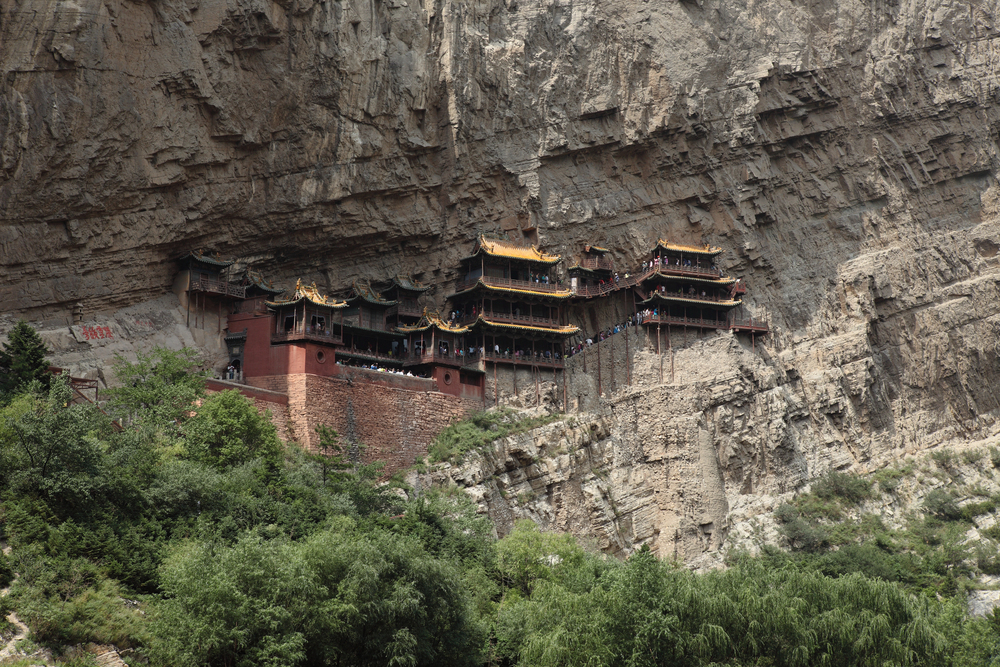
The Hanging Temple near Datong appears to defy gravity as it clings to a sheer cliff face 250 feet above the ground. Built over 1,500 years ago, this architectural marvel uses a combination of wooden beams inserted directly into the rock and supporting pillars that seem almost decorative. The temple survived countless earthquakes and floods by utilizing the natural overhang of the cliff to protect it from the elements.
Potala Palace, Tibet
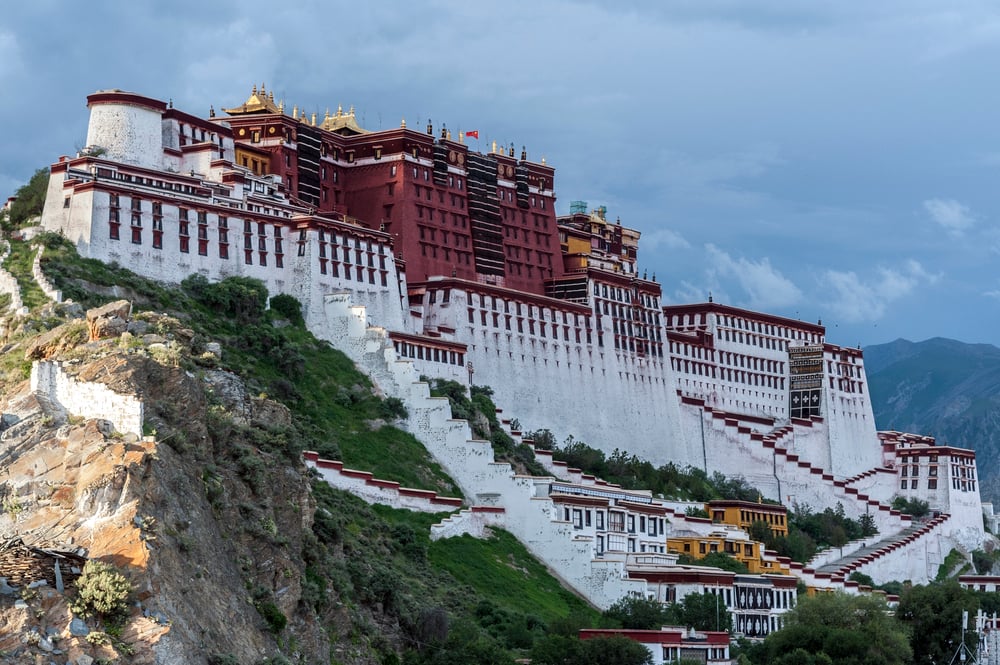
Rising 13 stories from the Red Hill in Lhasa, the Potala Palace dominates the Tibetan landscape at an altitude of 12,100 feet. This massive structure contains over 1,000 rooms and was built without using a single nail in its wooden components. The palace’s foundation stones were laid directly onto the bedrock, creating a structure so solid that it has withstood centuries of earthquakes in one of the world’s most seismically active regions.
Mont-Saint-Michel, France
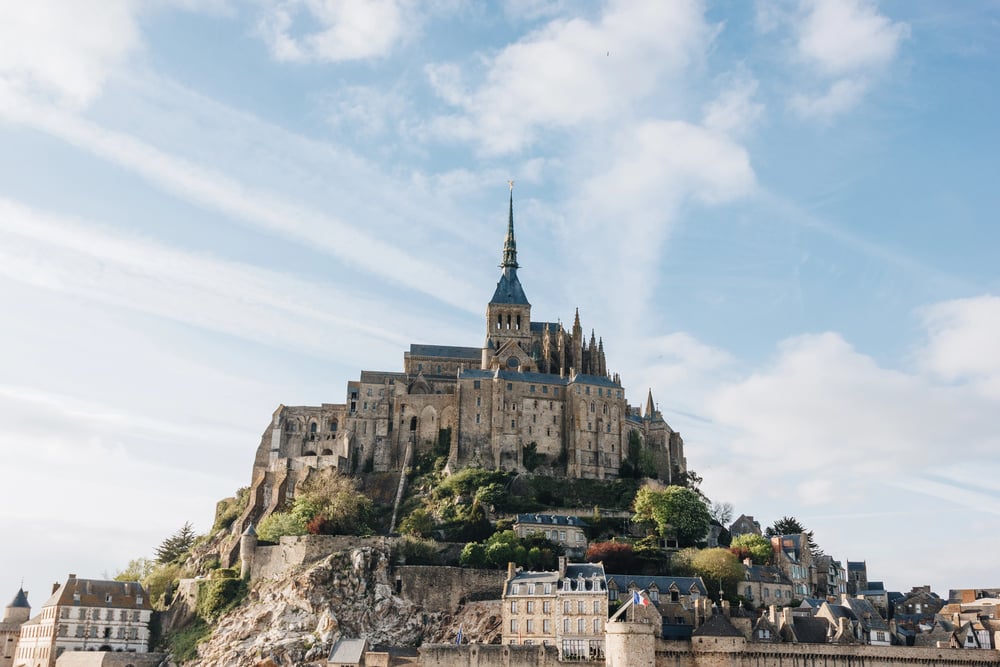
This medieval abbey sits on a tidal island that becomes completely surrounded by water during high tide. The challenge wasn’t just building on a small rocky outcrop, but creating something that could withstand the powerful tides of the English Channel. The abbey’s builders had to time construction around the tides and transport all materials during the brief windows when the causeway was accessible.
Machu Picchu, Peru
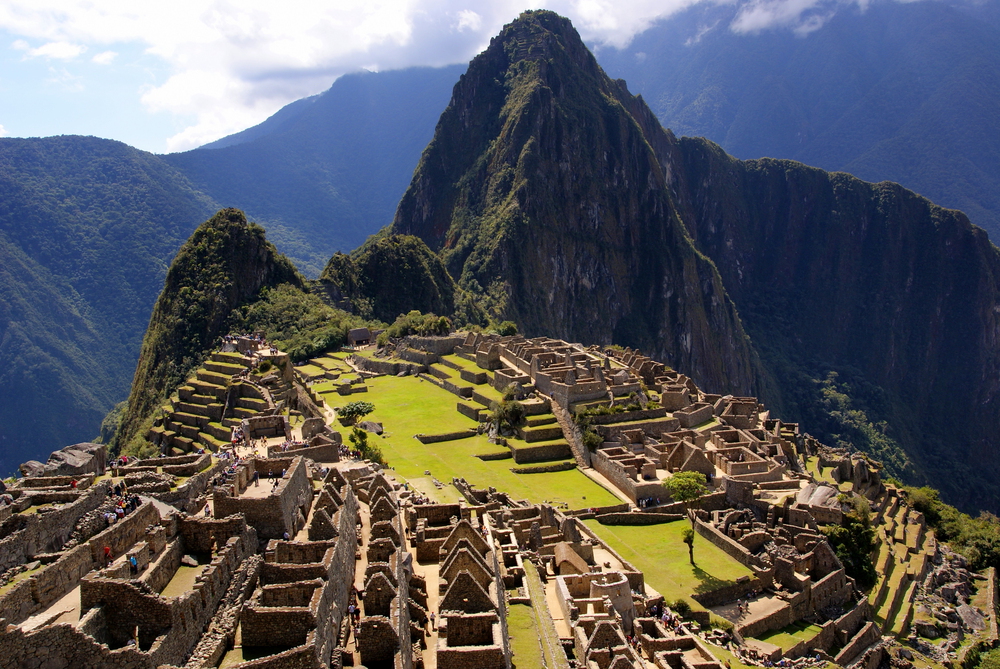
Perched on a narrow ridge 7,970 feet above sea level, Machu Picchu represents one of the most impressive examples of mountain architecture ever achieved. The Incas carved terraces into impossibly steep slopes and fitted massive stone blocks together so precisely that you can’t slip a knife blade between them. Every single stone had to be shaped on-site using bronze tools and transported up treacherous mountain paths.
Neuschwanstein Castle, Germany
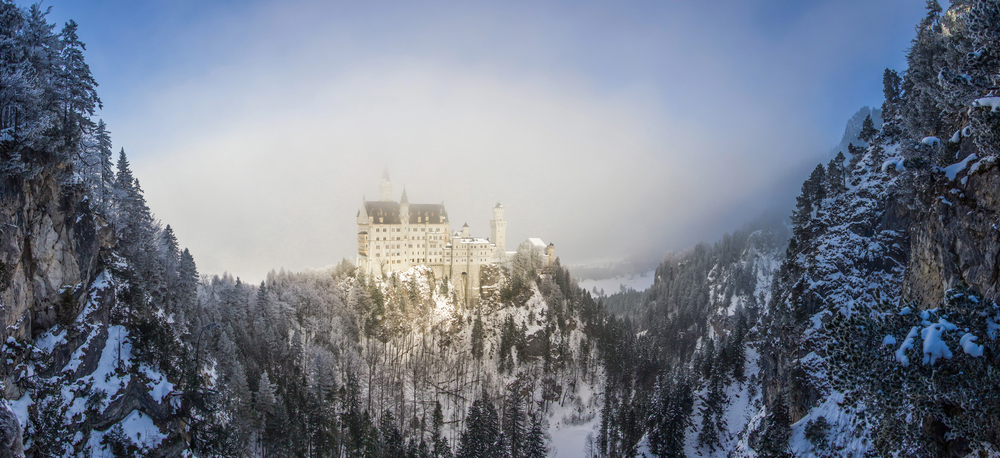
King Ludwig II chose to build his fairy-tale castle on a jagged rock outcrop 330 feet above the village below. The location was so challenging that construction crews had to blast away parts of the mountain peak to create a level foundation. Workers used a complex system of scaffolding and steam-powered cranes to haul materials up the steep mountainside, making it one of the most expensive construction projects of the 19th century.
Predjama Castle, Slovenia

This Renaissance castle is built directly into the mouth of a 400-foot-high cave system. The builders used the natural rock formation as the back wall of the castle, creating rooms that extend deep into the mountain itself. The cave system provided natural defenses and secret escape routes, but also created unique engineering challenges like ventilation and water drainage that had never been tackled before.
Petra, Jordan

The ancient Nabataeans didn’t just build on top of difficult terrain—they carved an entire city directly into rose-colored sandstone cliffs. The Treasury and other famous facades are actually hollow shells carved into solid rock faces, with rooms and passages extending deep into the mountains. The city’s water management system, carved into the rock itself, allowed thousands of people to live comfortably in the middle of the desert.
Tiger’s Nest Monastery, Bhutan

Clinging to a cliff face 10,000 feet above sea level, this sacred monastery can only be reached by a treacherous mountain path. Legend says the monastery was built around a cave where Guru Rinpoche meditated for three years, three months, three weeks, and three days. The actual construction required carrying all materials up narrow mountain trails, with some sections so steep that yaks couldn’t make the journey.
Château de Vincennes Keep, France
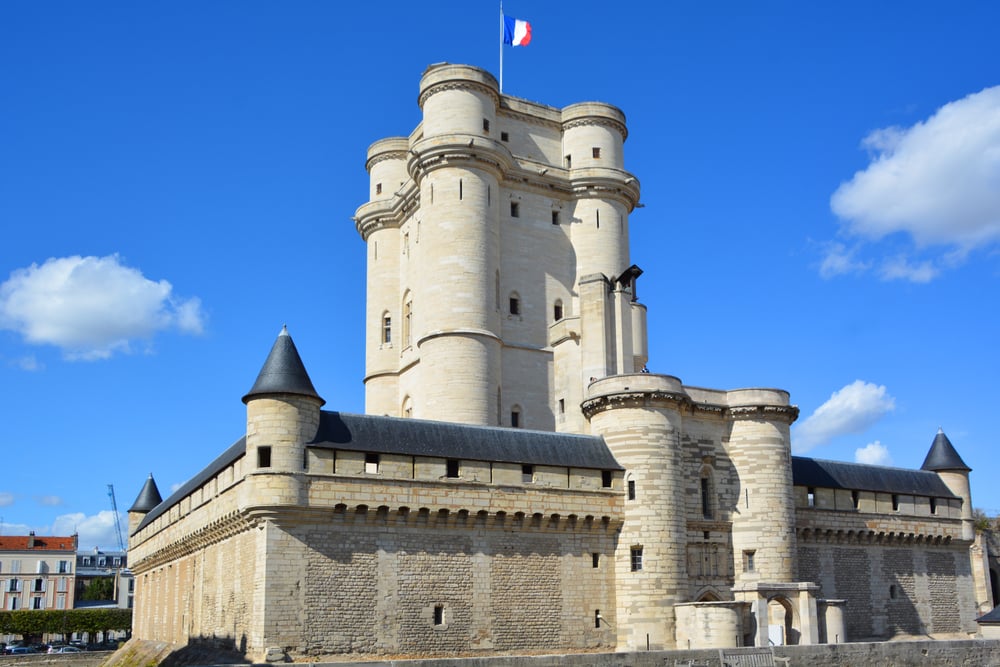
While not as dramatically positioned as mountain castles, this massive keep presented unique engineering challenges when built in the 14th century. Standing 170 feet tall, it was the tallest fortified structure in Europe and required innovative construction techniques to support its enormous weight on relatively soft ground. The builders had to dig foundations 30 feet deep and use a revolutionary system of internal buttresses to prevent the walls from collapsing under their own weight.
Mesa Verde Cliff Dwellings, Colorado
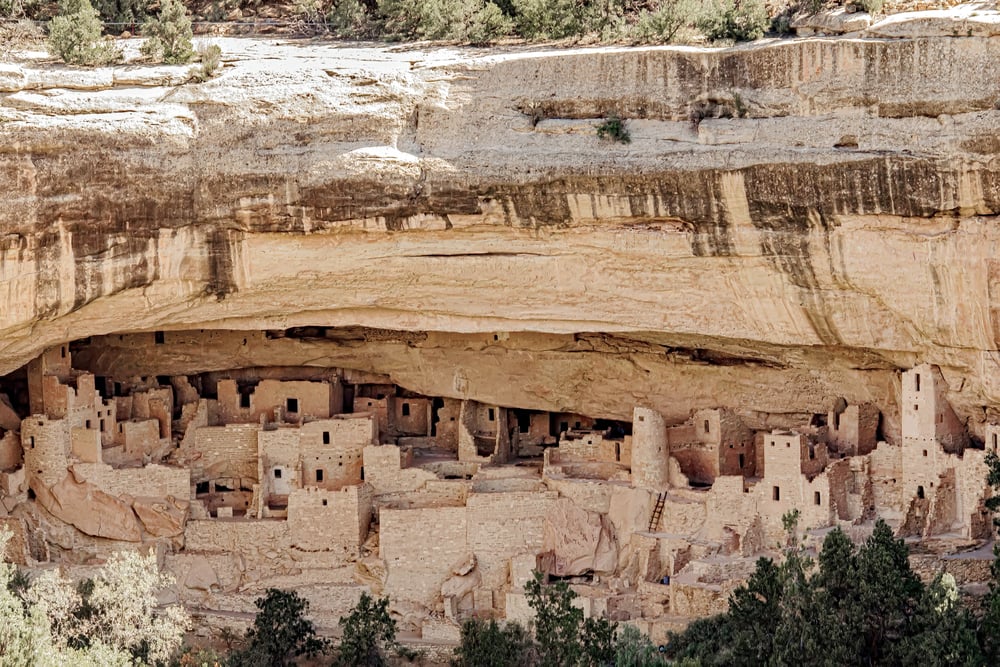
The Ancestral Puebloans built entire communities inside natural alcoves carved into canyon walls. These cliff dwellings, some containing over 150 rooms, were constructed in spaces barely large enough to hold them. The builders had to work while suspended on rope systems, fitting each stone precisely because there was no room for error in the confined spaces.
Saksaywaman, Peru
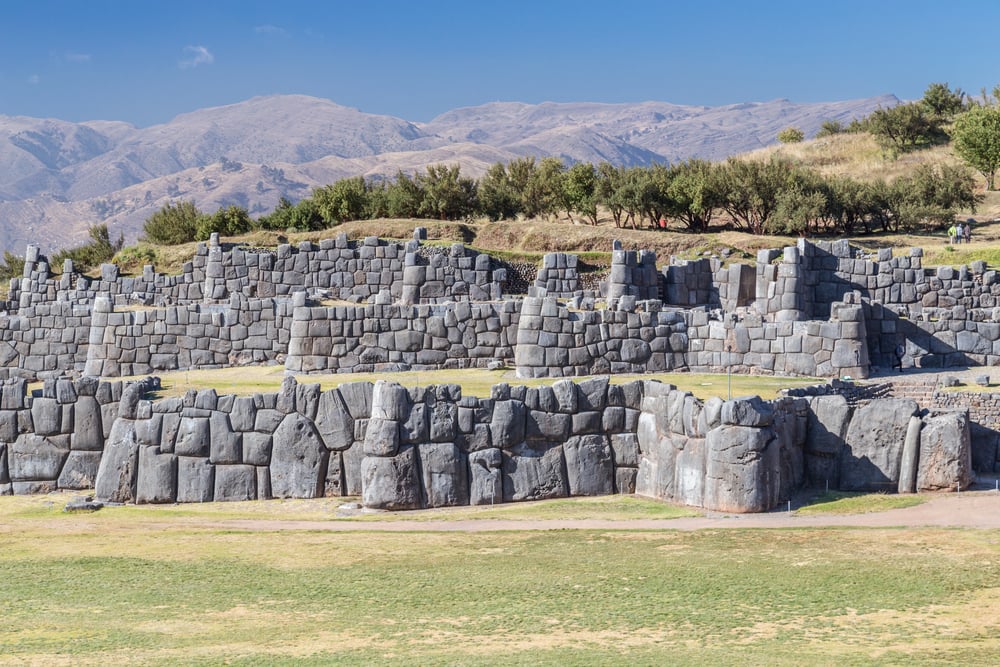
This fortress complex outside Cusco features walls built from stones weighing up to 360 tons. The largest stones were somehow transported from quarries over 20 miles away, then lifted into position on a hillside with slopes exceeding 30 degrees. The precision of the stonework is so exact that the walls have survived numerous earthquakes that destroyed more modern buildings in the same area.
Leh Palace, India
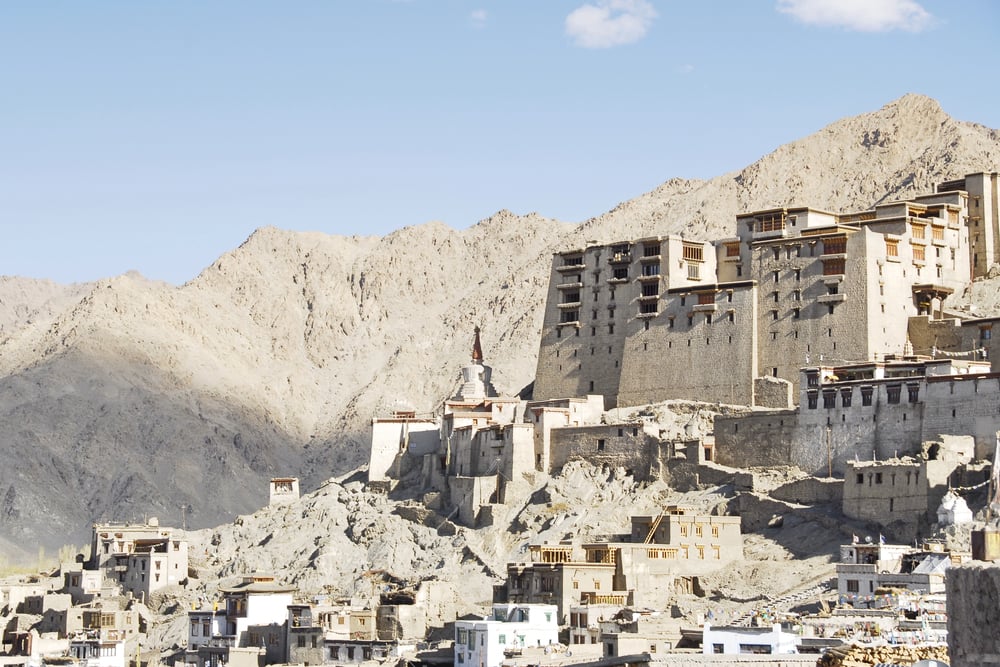
Built on a hilltop 11,500 feet above sea level in the Himalayan region of Ladakh, this nine-story palace had to be constructed during the brief summer months when weather permitted. The extreme altitude meant that workers could only labor for short periods before needing rest, and all materials had to be transported through high mountain passes that were blocked by snow for most of the year.
Sigiriya, Sri Lanka
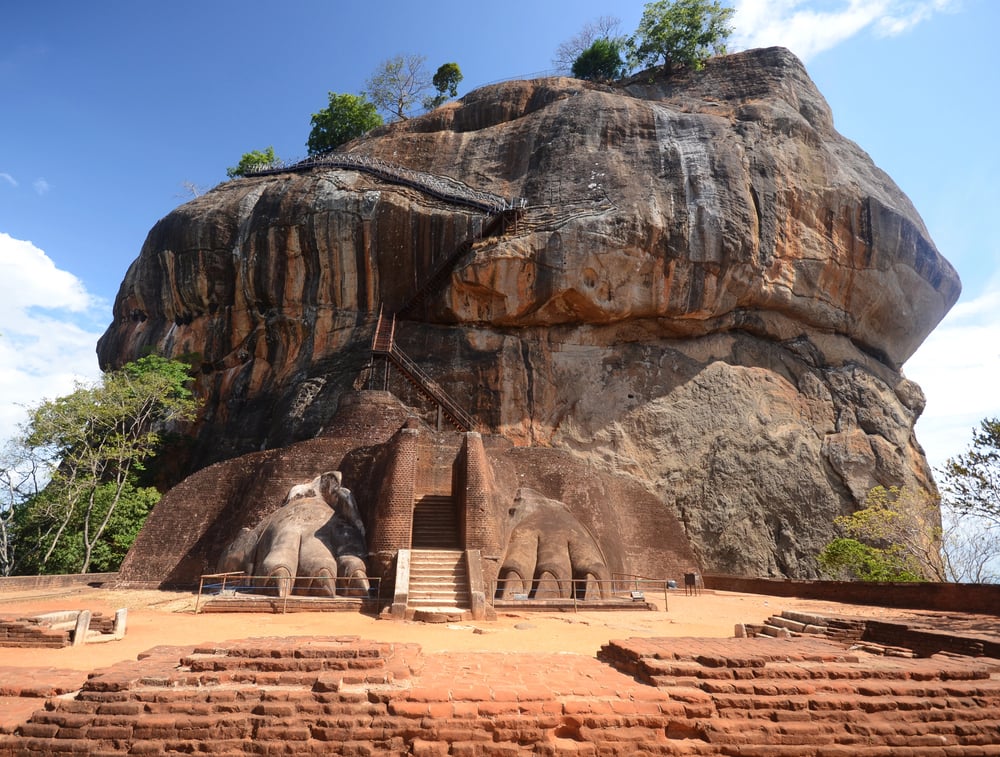
This ancient rock fortress was built on top of a 660-foot granite column that rises straight up from the surrounding jungle. King Kashyapa chose this location specifically because it was so difficult to attack, but building on top of a sheer rock face required hauling everything up using primitive pulley systems. The ruins still contain remnants of sophisticated water gardens and frescoes that were somehow created on this isolated summit.
Kailasa Temple, India
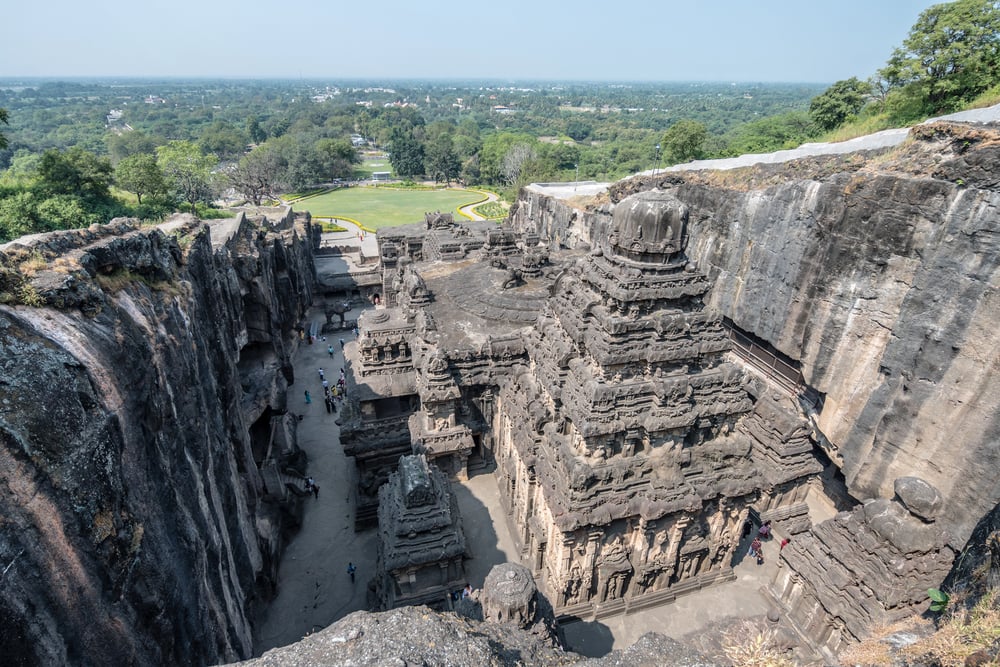
Unlike most impossible construction projects, the Kailasa Temple at Ellora was carved downward from the top of a solid rock hill. The builders removed an estimated 400,000 tons of rock to create this monolithic temple, essentially sculpting a massive building from a single piece of stone. The precision required to carve downward without making any mistakes that couldn’t be corrected makes this one of the most remarkable architectural achievements in history.
Bran Castle, Romania

Perched on the edge of a 200-foot precipice, Bran Castle (often called Dracula’s Castle) was built using a unique construction method that involved anchoring the foundation directly into the living rock. The builders carved channels into the cliff face and poured molten lead to secure the foundation stones. This technique created a structure so stable that it has survived over 600 years of earthquakes and harsh weather.
Hallstatt, Austria
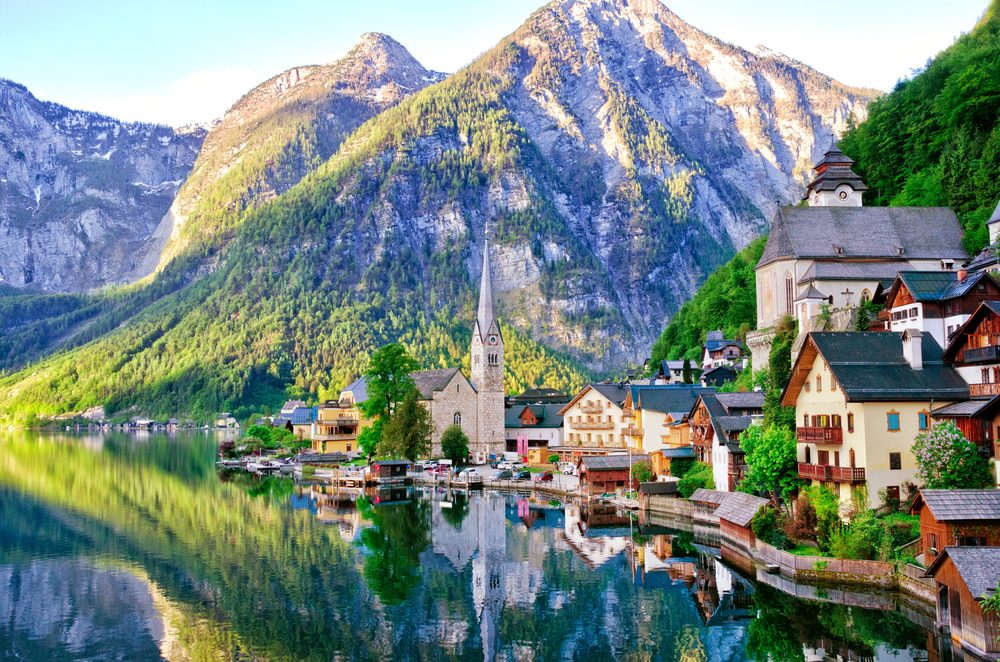
This lakeside village appears to be built directly into the side of a mountain, with houses stacked on narrow terraces carved from the steep slope. The challenge here wasn’t just the angle of construction, but building on ground that’s constantly shifting due to underground salt mining that has continued for over 4,000 years. Every building foundation had to be specially engineered to account for the gradual subsidence caused by the salt extraction below.
When Impossible Becomes Inevitable

These remarkable structures prove that human determination can overcome almost any geographical obstacle. What makes them even more impressive is that most were built centuries or millennia ago, when the only tools available were human muscle, simple machines, and ingenious problem-solving. Today’s engineers, armed with computer modeling and powerful machinery, still struggle to understand how some of these places were constructed. The builders of these impossible places didn’t just create architectural marvels—they redefined what we consider achievable, leaving behind monuments that continue to inspire and mystify us today.
More from Go2Tutors!

- The Romanov Crown Jewels and Their Tragic Fate
- 13 Historical Mysteries That Science Still Can’t Solve
- Famous Hoaxes That Fooled the World for Years
- 15 Child Stars with Tragic Adult Lives
- 16 Famous Jewelry Pieces in History
Like Go2Tutors’s content? Follow us on MSN.



