How Castroville Became the Artichoke Capital
Nestled in California’s Monterey County, the small town of Castroville has earned an unlikely but impressive title: the ‘Artichoke Capital of the World.’ This unassuming agricultural community produces nearly three-quarters of America’s artichokes, transforming from a modest 19th-century settlement into the heart of a thriving industry that feeds the nation.
The story of how Castroville claimed this unique distinction involves visionary landowners, determined Italian immigrants, perfect coastal conditions, and even a future Hollywood icon. Here is a list of 17 key factors that shaped Castroville’s rise to artichoke supremacy.
The Castro Family Legacy
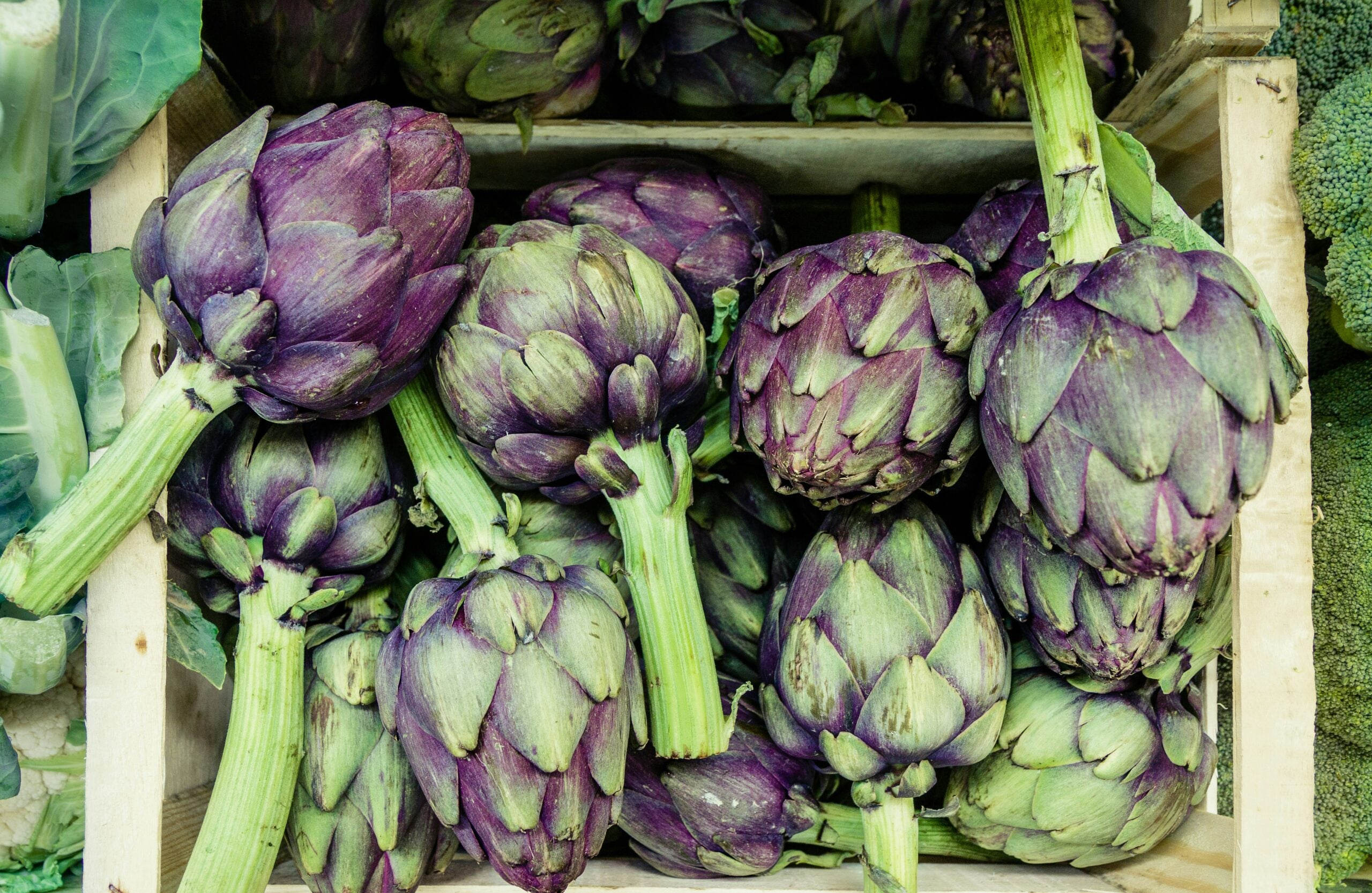
Castroville’s origins trace back to Rancho Bolsa Nueva y Moro Cojo, a massive 30,901-acre Mexican land grant given in 1844 by Governor Manuel Micheltorena to Maria Antonia Pico de Castro. This sprawling ranch would later become the foundation for the town’s agricultural destiny.
Following the American Conquest of California, Juan Bautista Castro founded Castroville in 1863, establishing the community that would eventually become synonymous with artichokes.
Andrew Molera’s Bold Experiment
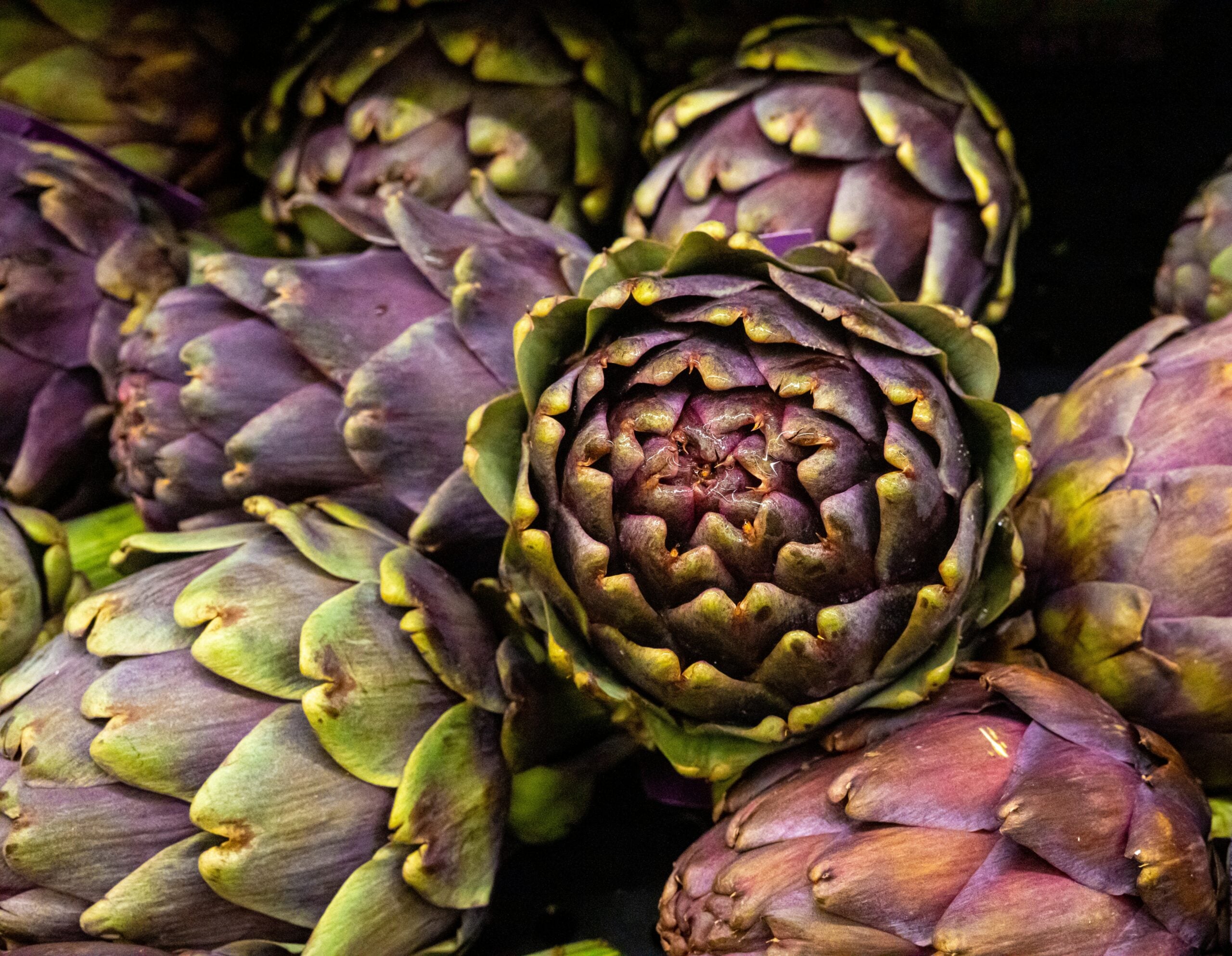
The pivotal moment in Castroville’s artichoke story began with a business problem. Andrew Molera had a problem when the Spreckels Sugar Company wanted a drop in rent due to falling sugar prices, forcing him to find new tenants for his family’s Moro Cojo Ranch.
In 1921 he brought some artichoke shoots back home and convinced one of his tenant farmers to grow one acre of artichokes near Mulligan Hill. This single acre would spark an agricultural revolution in the region.
Like Go2Tutors’s content? Follow us on MSN.
The Italian Connection
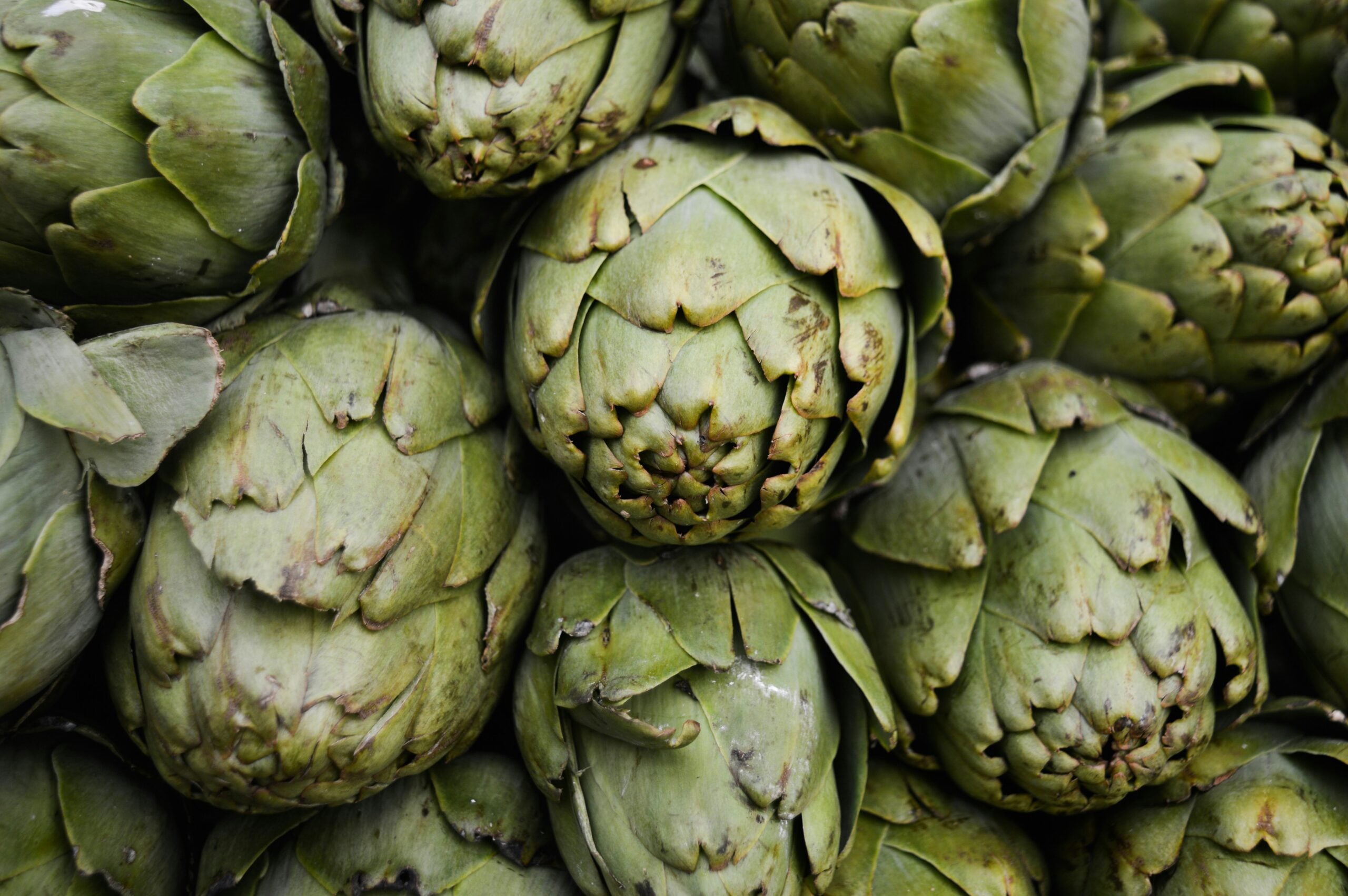
Artichokes were brought to California by Italian immigrants in the late 19th century, who understood the potential of this Mediterranean crop in California’s coastal climate. In 1922, Andrew leased his family’s land in the Salinas Valley to several farmers who had immigrated from Italy and he encouraged them to grow artichokes, which are native to the Mediterranean and had been successfully cultivated in Italy since the 15th century.
These experienced farmers brought centuries of agricultural knowledge to Castroville’s fertile fields.
Rapid Agricultural Expansion
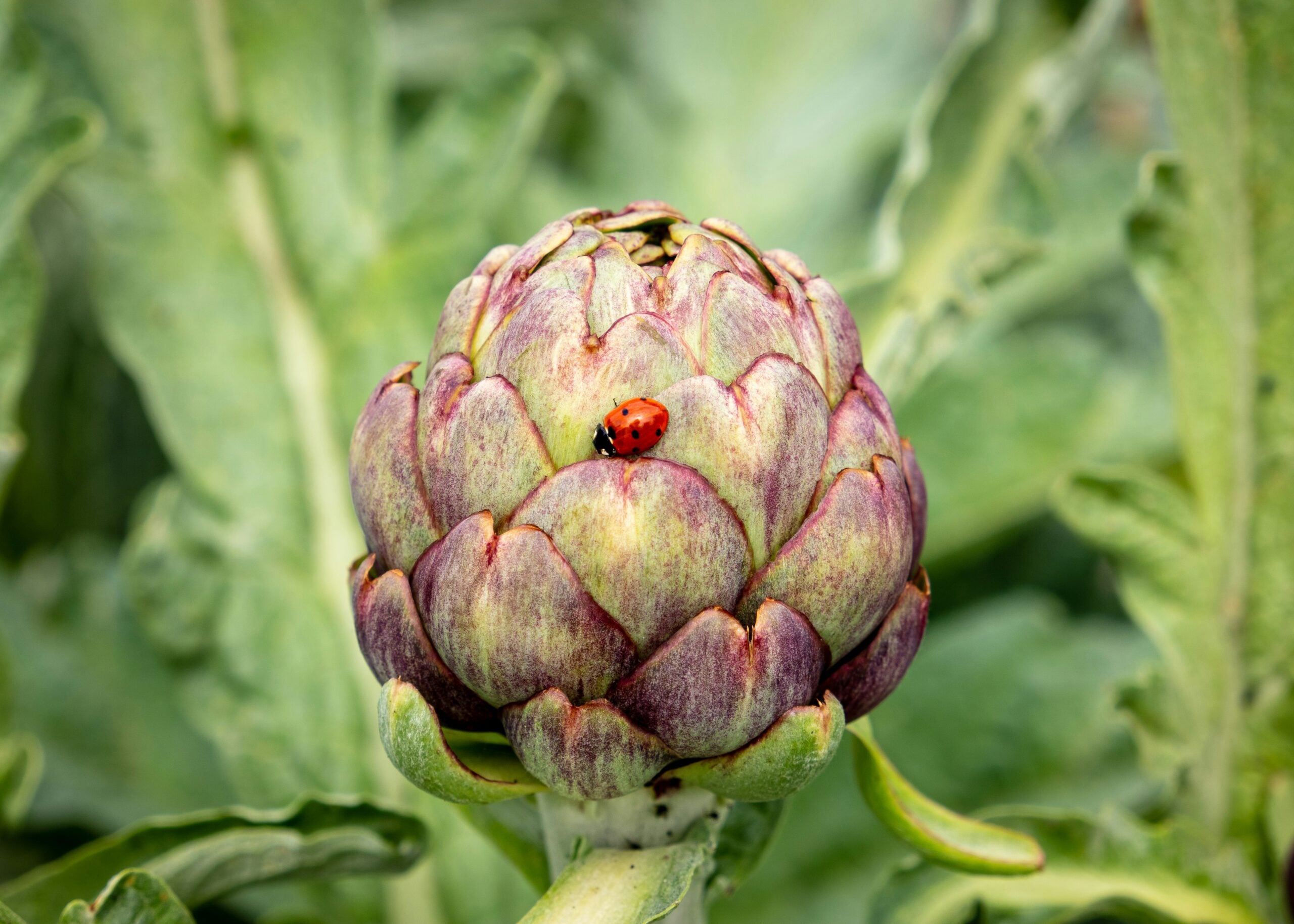
The artichoke industry exploded with remarkable speed once it took root in Castroville. In 1922, Angelo Del Chiaro, Egidio Maracci, Daniel Pieri, and Amerigo Del Chiaro subsequently leased 150 acres of land and grew artichokes.
Within four years, there were over 50 growers and 12,000 acres of artichokes growing in Castroville and the Monterey Bay area. This transformation from a single experimental acre to thousands of acres happened in less than half a decade.
Perfect Coastal Climate
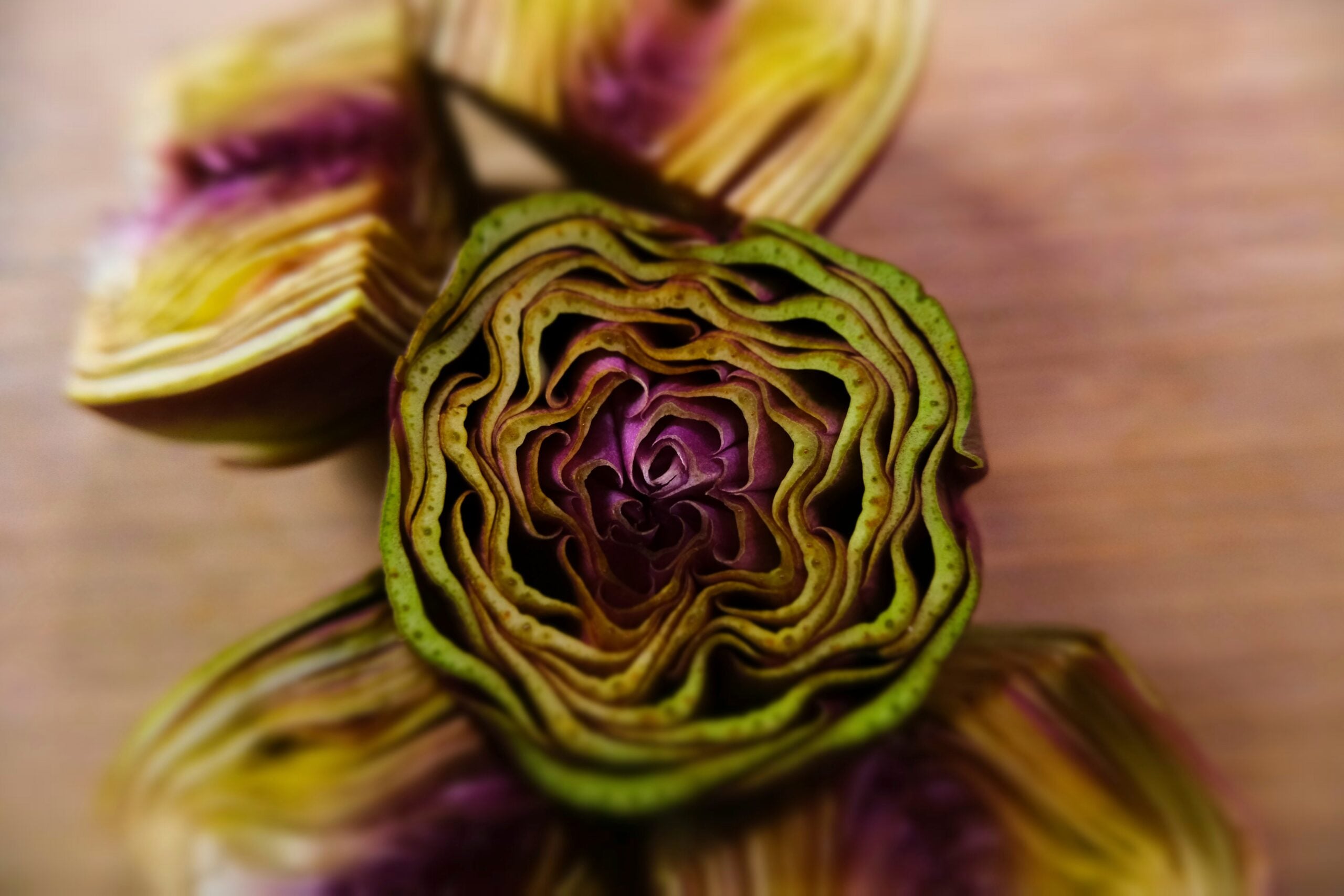
Nature provided Castroville with the ideal conditions for artichoke cultivation. The ideal weather of Monterey County makes it perfect for artichoke growing, and that’s why the area can produce so many artichokes year-round.
The region’s unique combination of cool, foggy summers and frost-free conditions created a microclimate that artichokes absolutely loved, giving Castroville a significant advantage over other potential growing regions.
Like Go2Tutors’s content? Follow us on MSN.
Corporate Organization and Branding
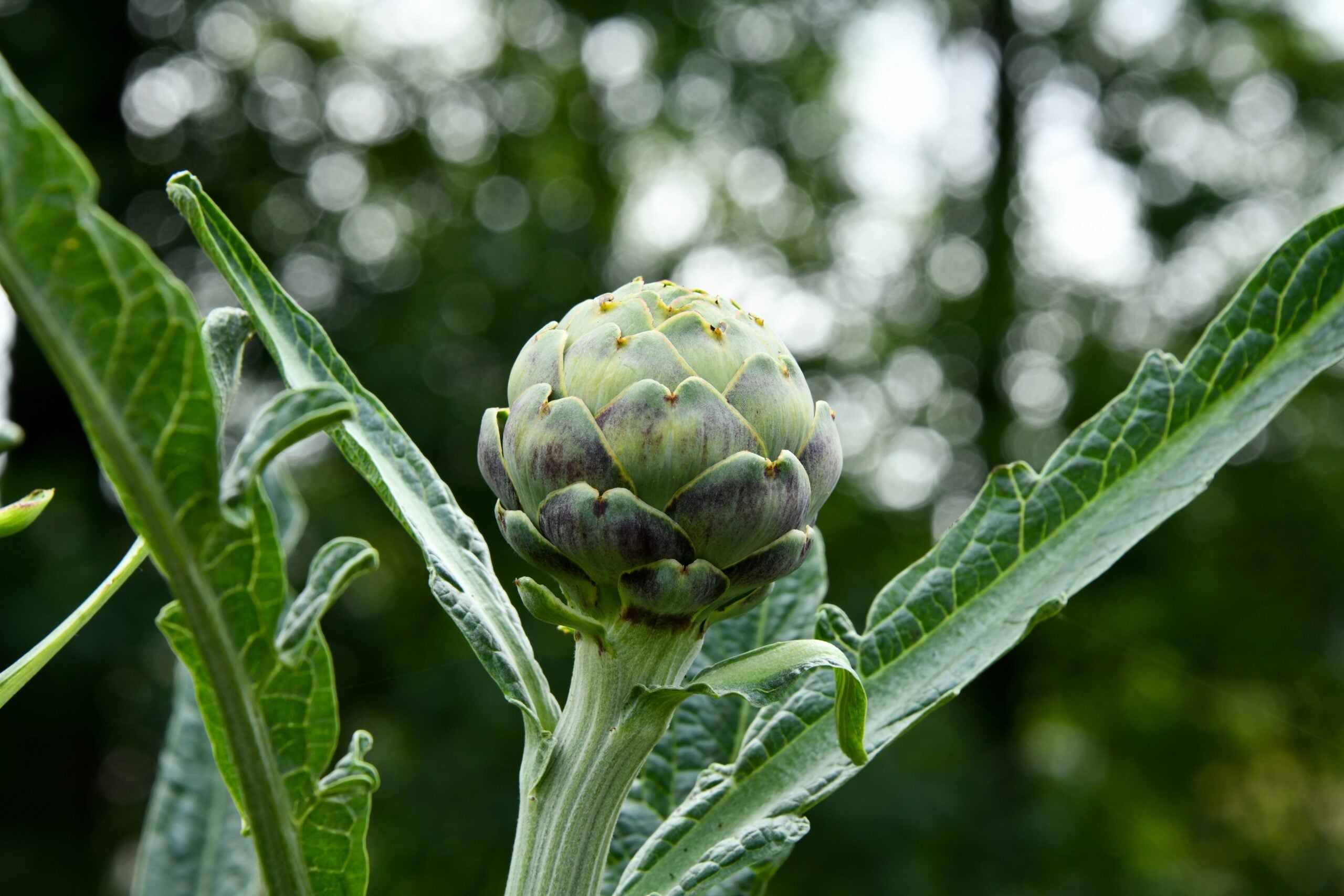
The early artichoke growers understood the importance of organization and marketing. In 1924 Daniel Pieri, Amerigo Del Chiaro, Angelo Del Chiaro, Alfred Tottino, and James Bellone formed the California Artichoke and Vegetable Growers Corporation.
Eventually, Molera founded the Monterey Bay Artichoke Growers Inc., a cooperative that marketed his tenants’ produce under the Sea Lion Brand. This collaborative approach helped establish quality standards and consistent distribution networks.
National Distribution Network
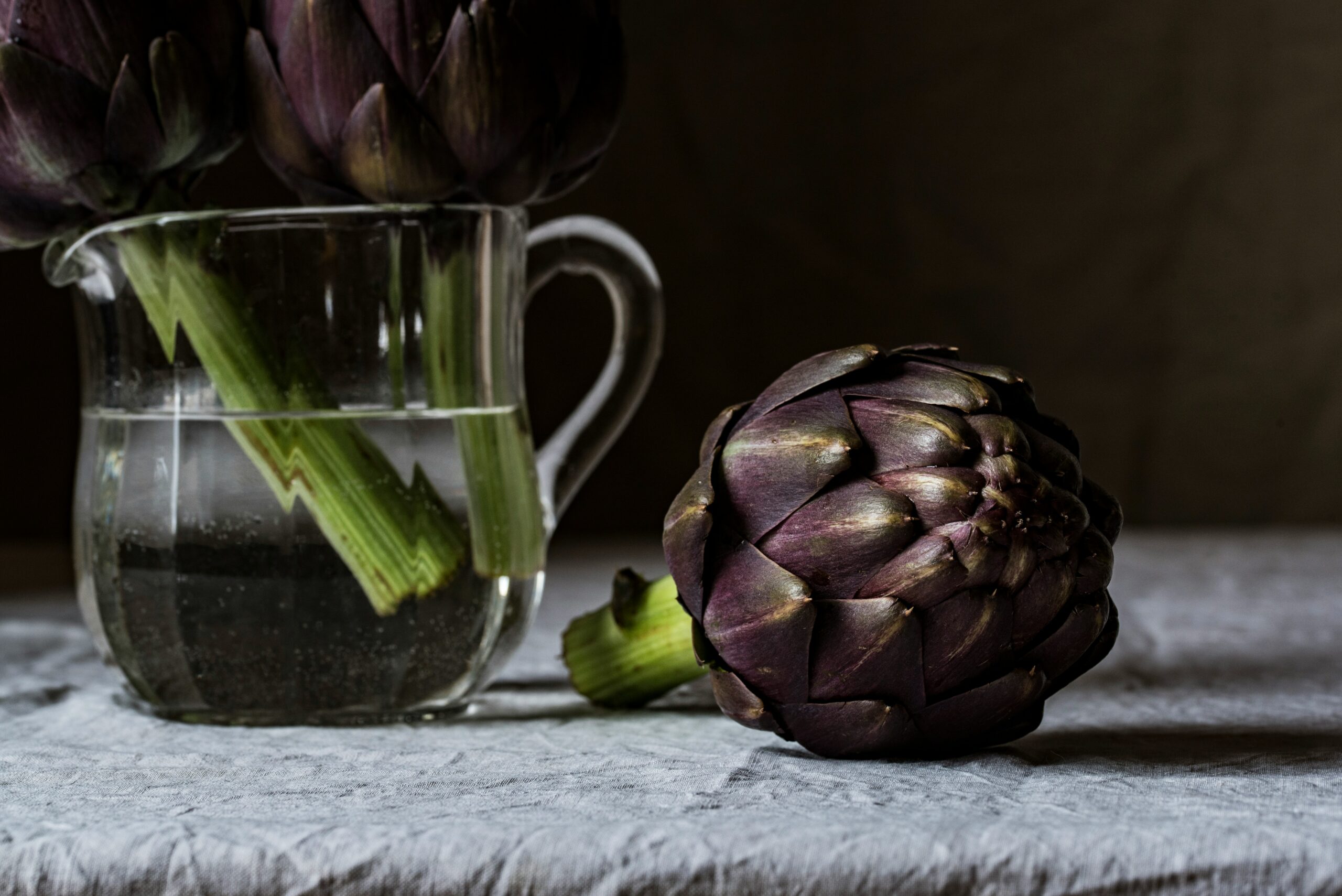
The success of Castroville’s artichoke industry depended on reaching markets far beyond California. From 1925 to 1930, Sea Lion artichokes were shipped by rail to Philadelphia, New York, Detroit, New Orleans, and Chicago, firmly establishing the artichoke as a part of the American diet.
These cross-country shipments introduced millions of Americans to the distinctive vegetable, creating demand that would sustain the industry for generations.
Overcoming the Artichoke Wars

The industry faced a serious challenge when organized crime attempted to control artichoke distribution. East Harlem mob chieftain Ciro ‘Whitey’ Terranova seized control of the west-to-east traffic in artichokes, building a monopoly by threatening all the purveyors.
This led New York mayor Fiorello La Guardia to declare the sale, display and possession of artichokes illegal. When the monopoly was eventually broken, prices dropped and sales skyrocketed, benefiting Castroville’s growers.
Like Go2Tutors’s content? Follow us on MSN.
Marilyn Monroe’s Royal Connection
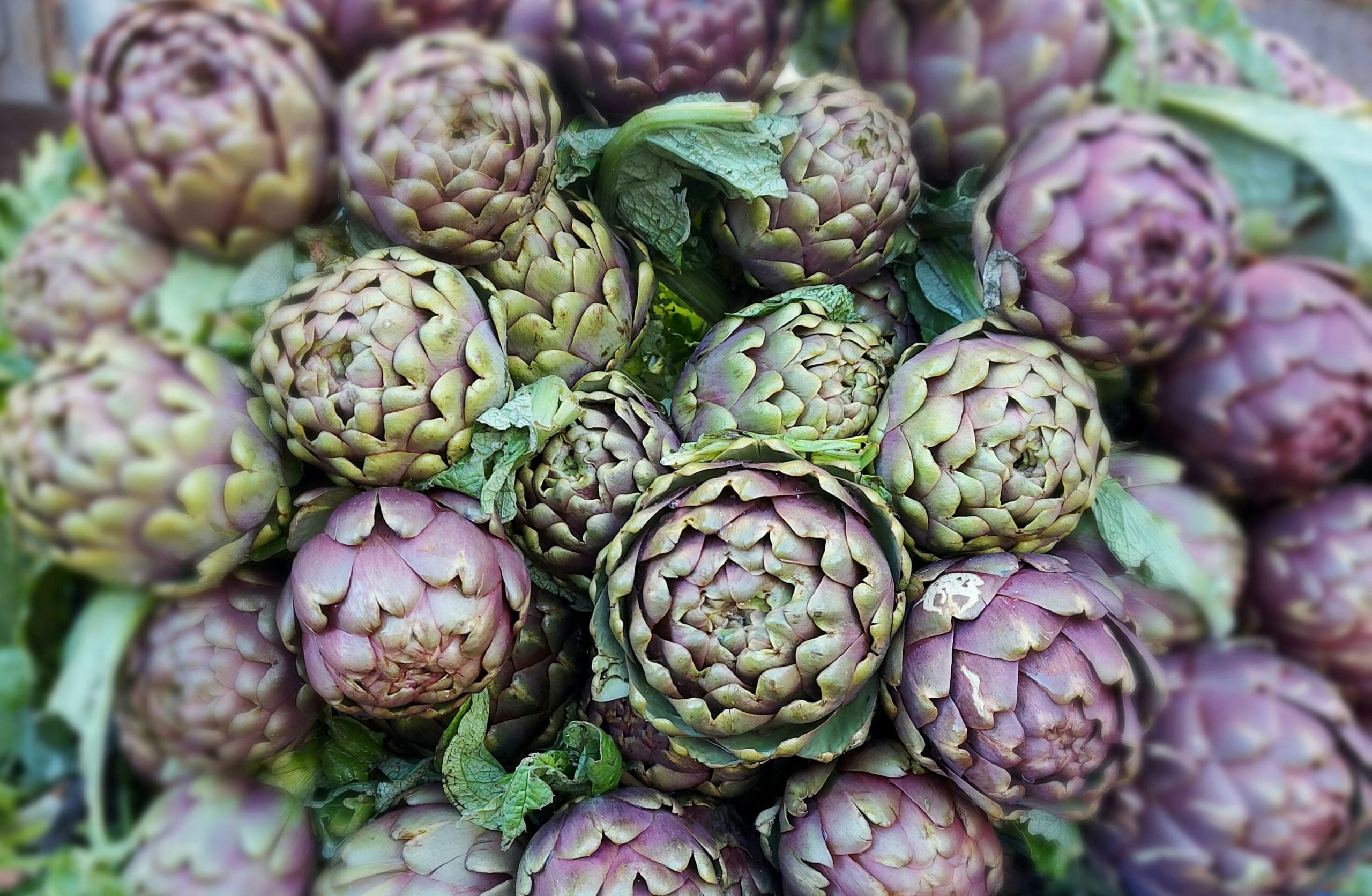
One of the most famous chapters in Castroville’s artichoke story involves a future Hollywood legend. Actress Marilyn Monroe was crowned as the 1st ever Honorary Artichoke Queen in 1948.
Stanley Seedman, owner of Carlyle’s Jewelers in Salinas, California, made arrangements for a model named Doreen Nash to model for a big promotional sale in Salinas in February 1948. Doreen Nash was not able to attend; her replacement was Marilyn Monroe.
This unexpected celebrity endorsement brought national attention to Castroville’s artichokes.
The Birth of the Artichoke Festival
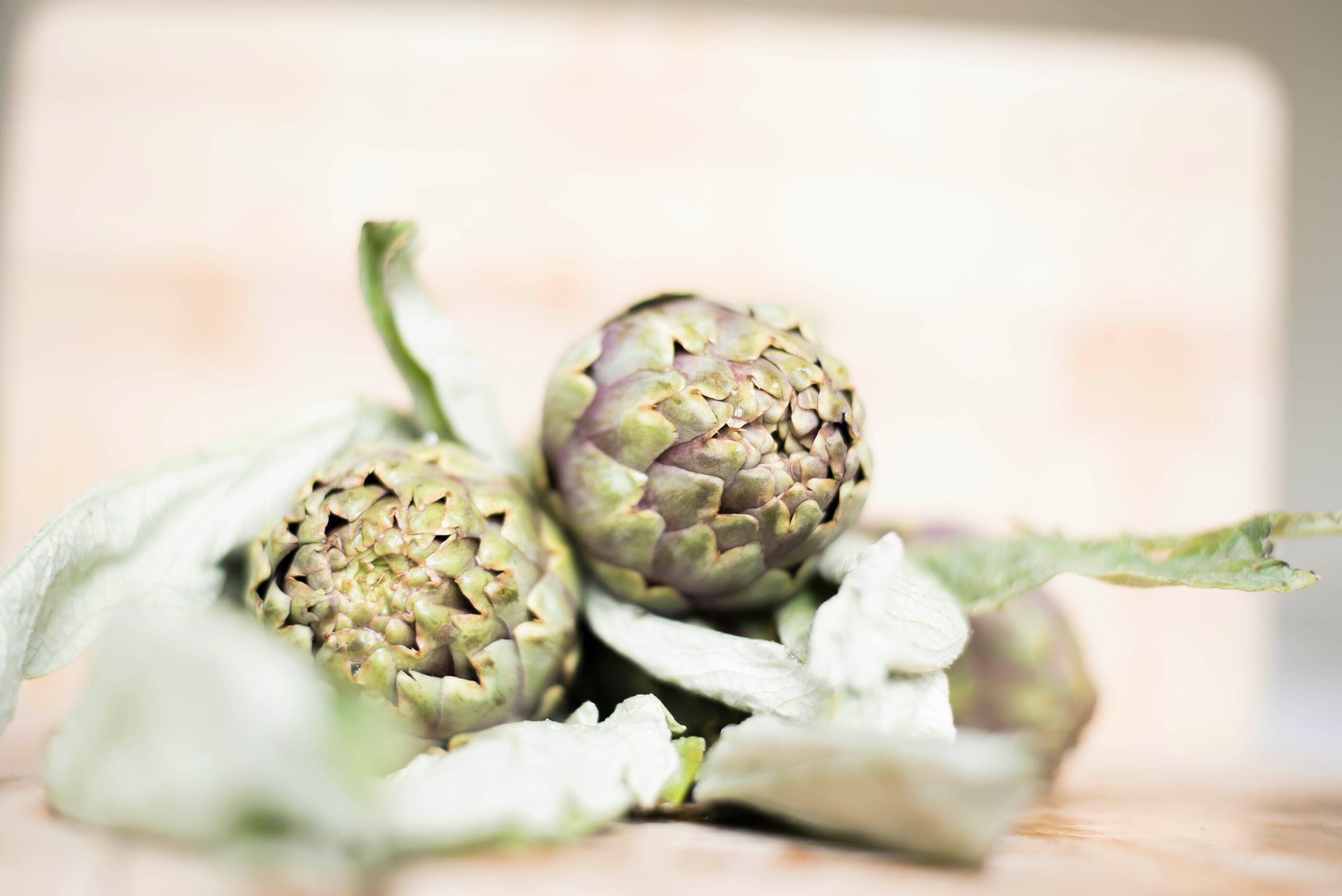
Community celebration became a cornerstone of Castroville’s artichoke identity. The Artichoke Festival evolved from an earlier May Days Parade and band competition.
A pancake breakfast and a barbecue were added to the event and, in 1959, a band leader and three local business owners formed the Castroville Artichoke Advisory Board. The annual Artichoke Festival began in 1959 as a harvest festival to celebrate the iconic artichoke and the region known as the ‘Artichoke Center of the World’.
This festival would become an annual tradition that reinforced Castroville’s claim to artichoke supremacy.
Iconic Roadside Attraction
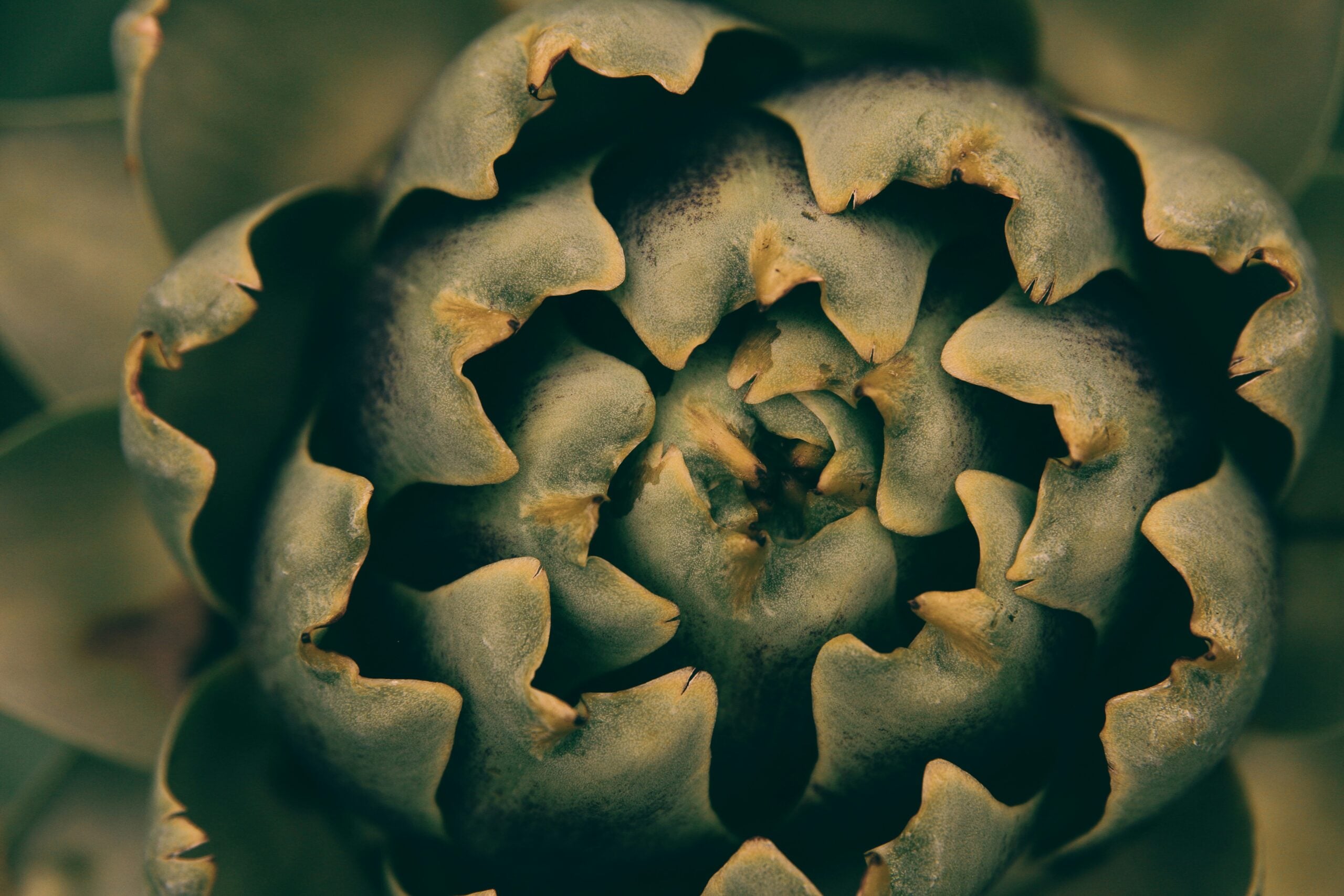
Castroville embraced its artichoke identity with bold visual statements. Giant Artichoke, a large statue of an artichoke, was erected near a restaurant of the same name in 1963.
It is the largest artichoke statue in the world. This 20-foot-tall concrete and rebar sculpture became an instantly recognizable symbol of the town’s agricultural specialization and a popular photo destination for travelers along Highway 1.
Like Go2Tutors’s content? Follow us on MSN.
Dominance in Production Numbers
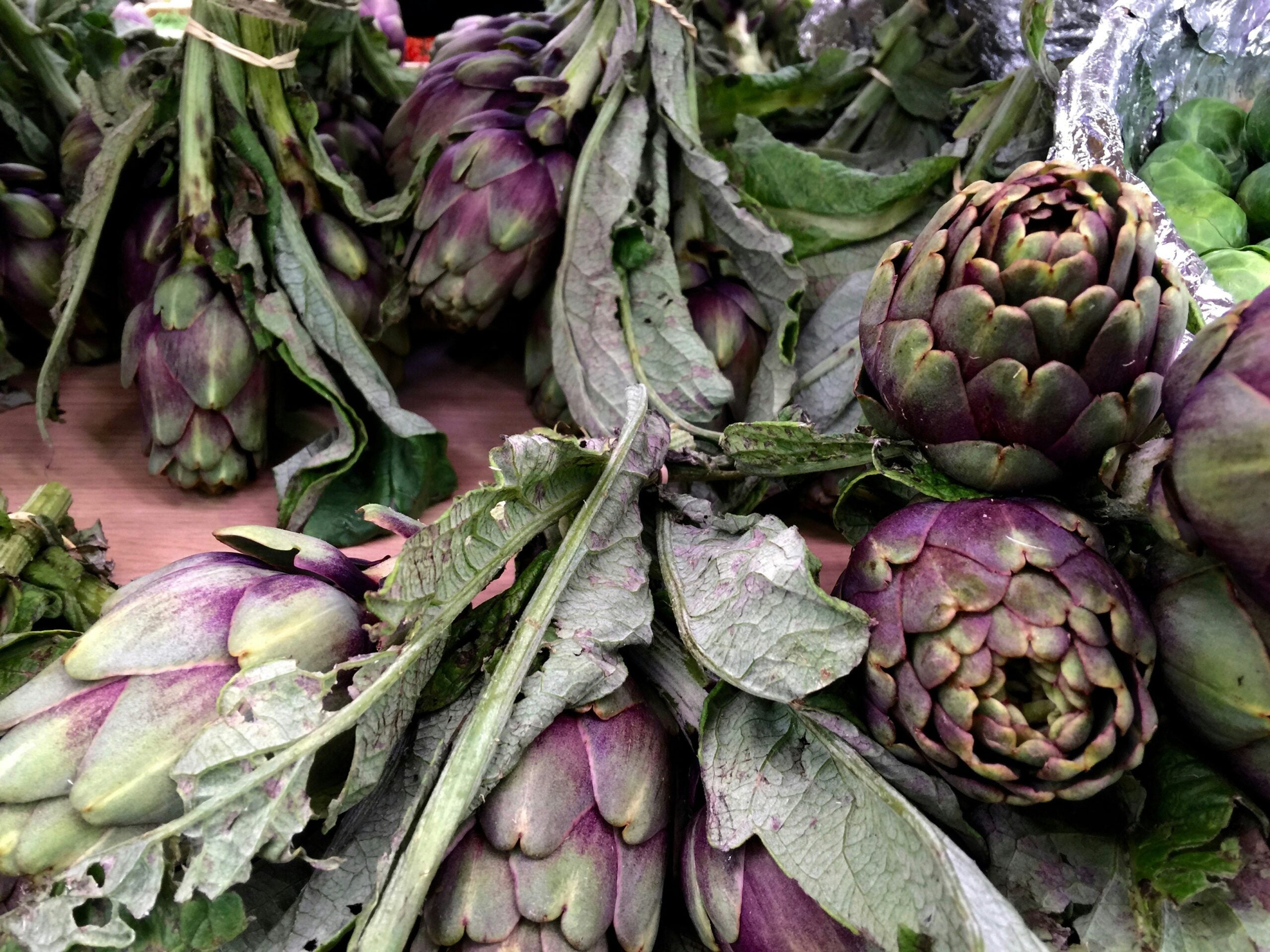
Castroville’s claim to being the artichoke capital rests on impressive production statistics. Castroville, just south of the Bay Area, produces three fourths of the state’s artichoke supply.
Nearly 100 percent of America’s fresh artichoke supply is grown in California. In addition, nearly two-thirds is grown in the small town of Castroville.
These numbers cement Castroville’s position as the undisputed leader in American artichoke production.
Hand-Harvesting Tradition
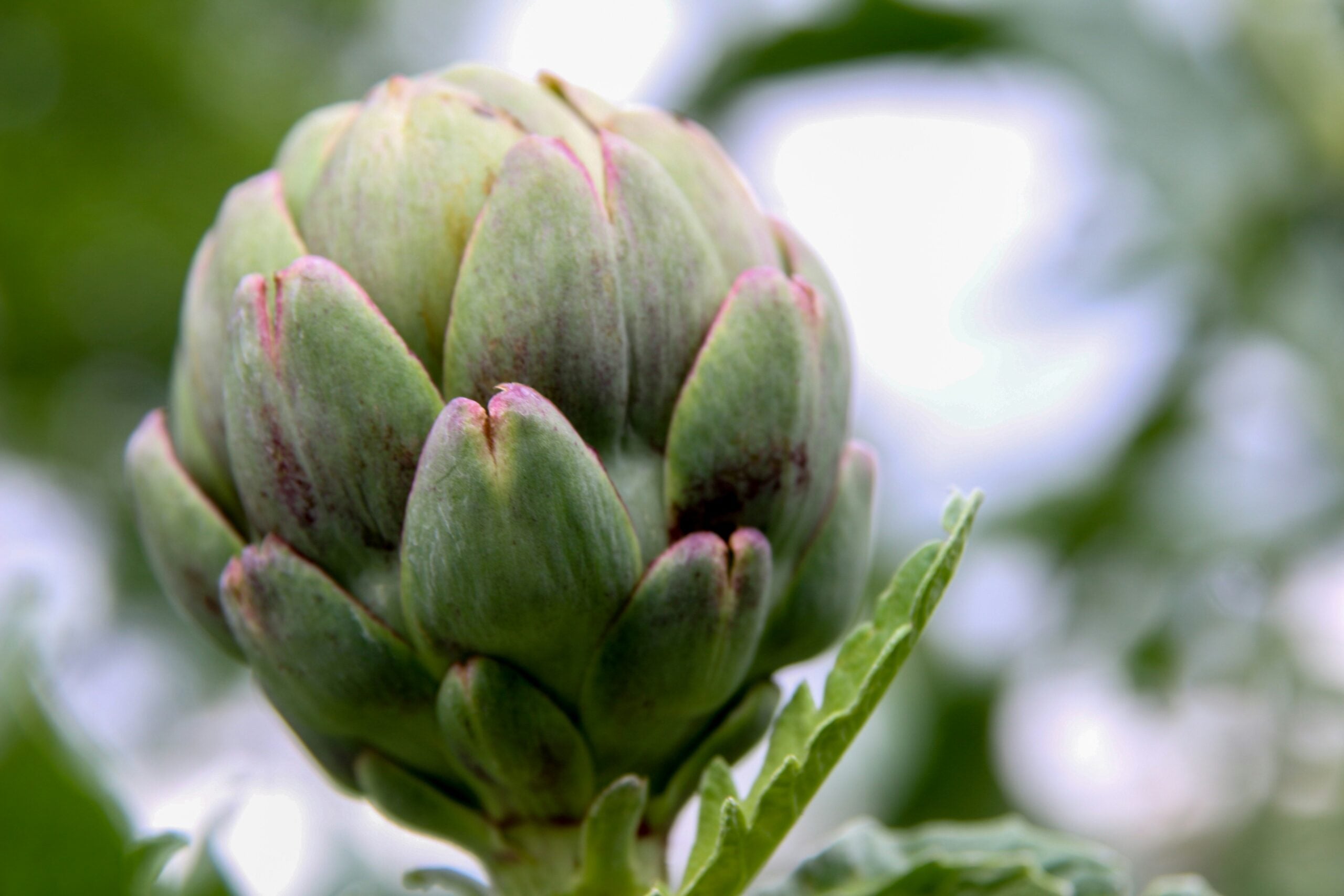
The artichoke industry in Castroville maintains traditional harvesting methods that require skilled labor. Regardless of the variety, artichokes are harvested by hand, not machines.
Crew members must be able to quickly evaluate artichokes for size, then in one fell swoop, slice the choke from its thick stem, and toss it over their back into a special backpack called a canasta. This labor-intensive process ensures quality but also creates employment opportunities that support the local community.
Year-Round Growing Advantage
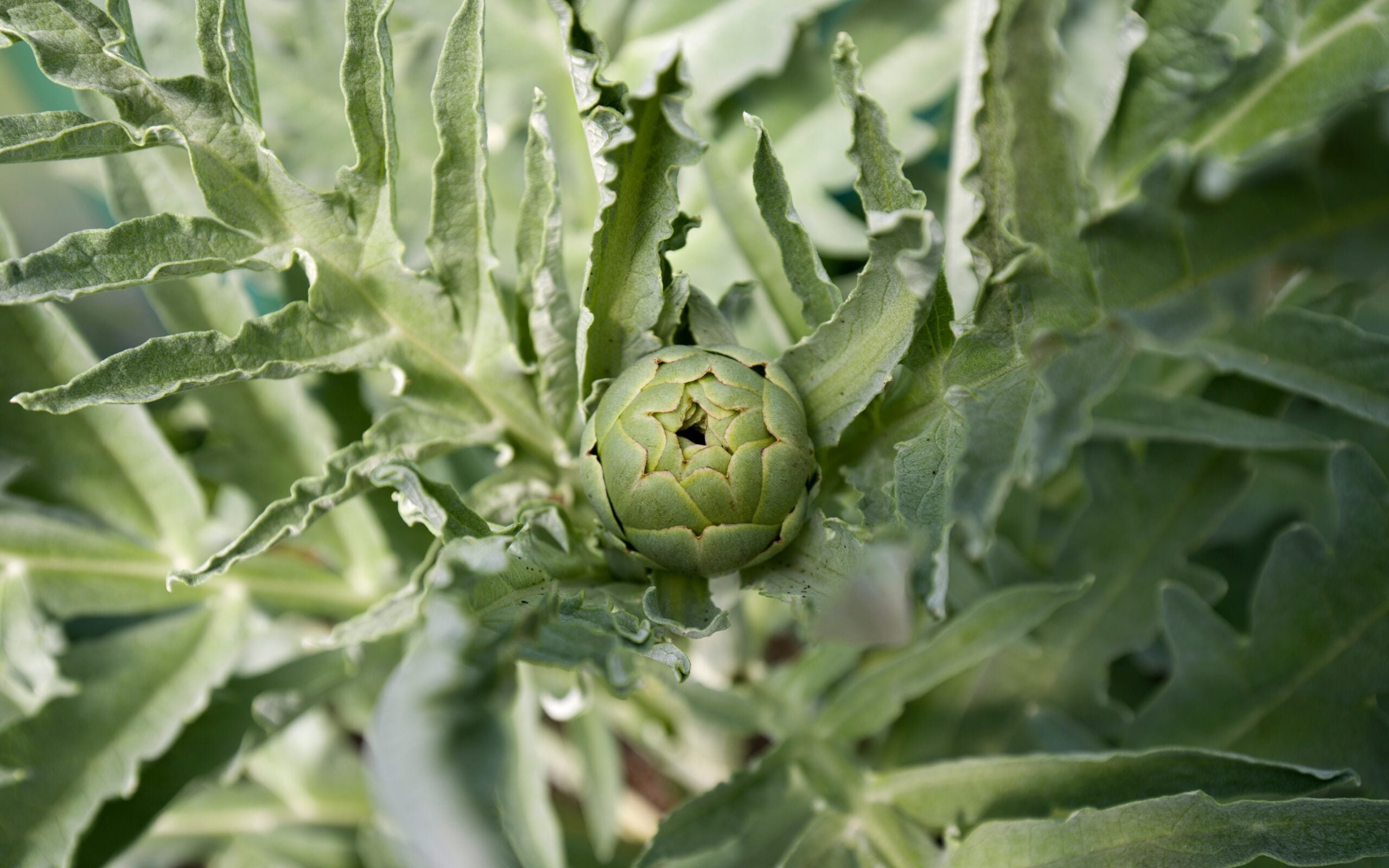
Castroville’s climate allows for extended growing seasons that other regions cannot match. Pezzini Farms grow a smaller plot of perennial artichokes that they can harvest year-round.
This ability to provide fresh artichokes throughout the year gives Castroville growers a significant competitive advantage over regions with shorter growing seasons, helping maintain their market dominance.
Like Go2Tutors’s content? Follow us on MSN.
Tourism and Agritourism Development
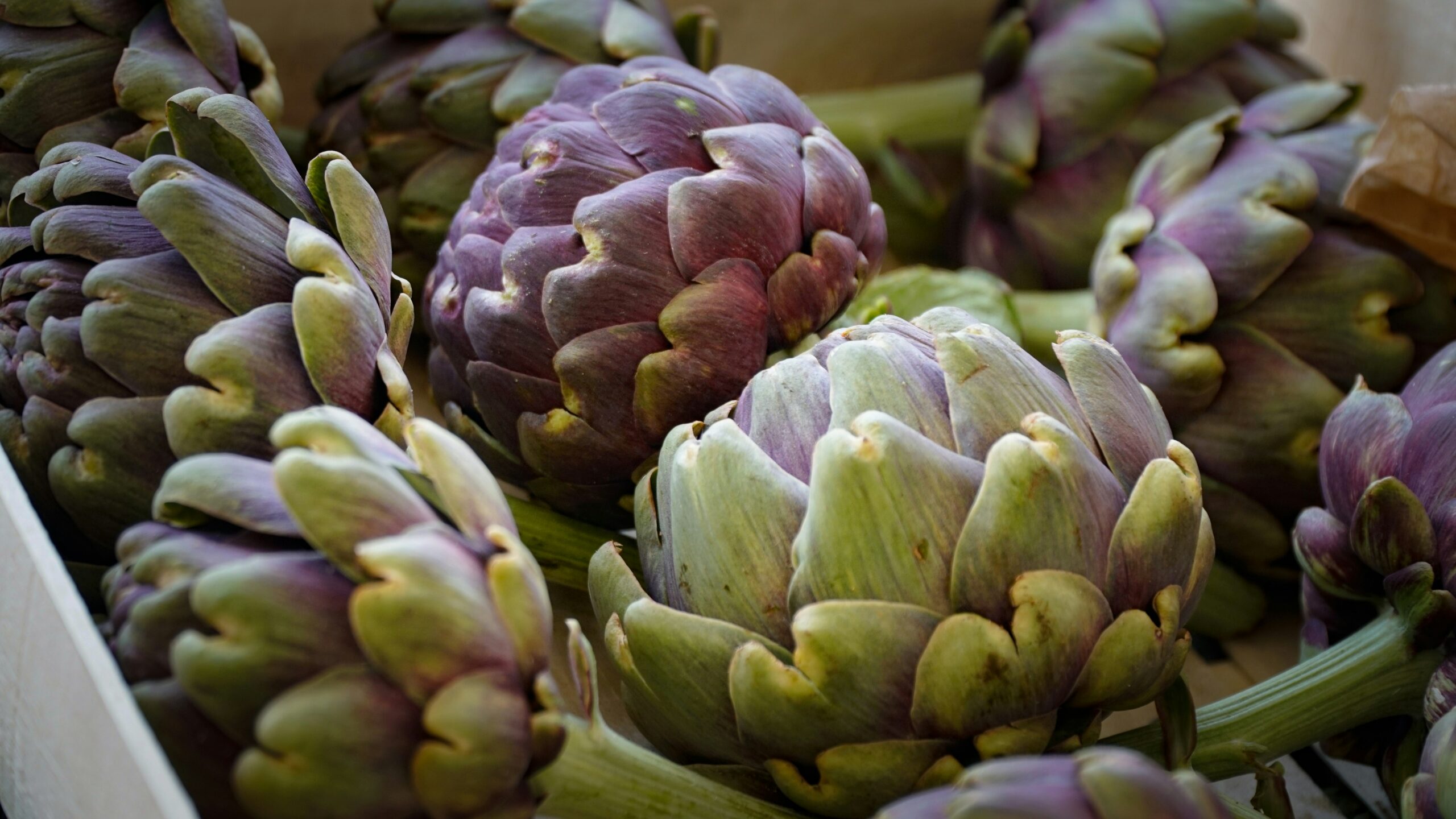
The town has successfully leveraged its artichoke reputation to attract visitors and educate the public. Evan Oakes is the owner and tour coordinator for Ag Venture Tours & Consulting.
‘I think I am the only company in California that offers a daily tour,’ Oakes said. Just recently, Monterey County announced the Artichoke Trail, so people can learn about artichokes and the county’s history with the vegetable.
These tourism initiatives help spread awareness of Castroville’s artichoke heritage while providing additional economic benefits.
From Experiment to Empire
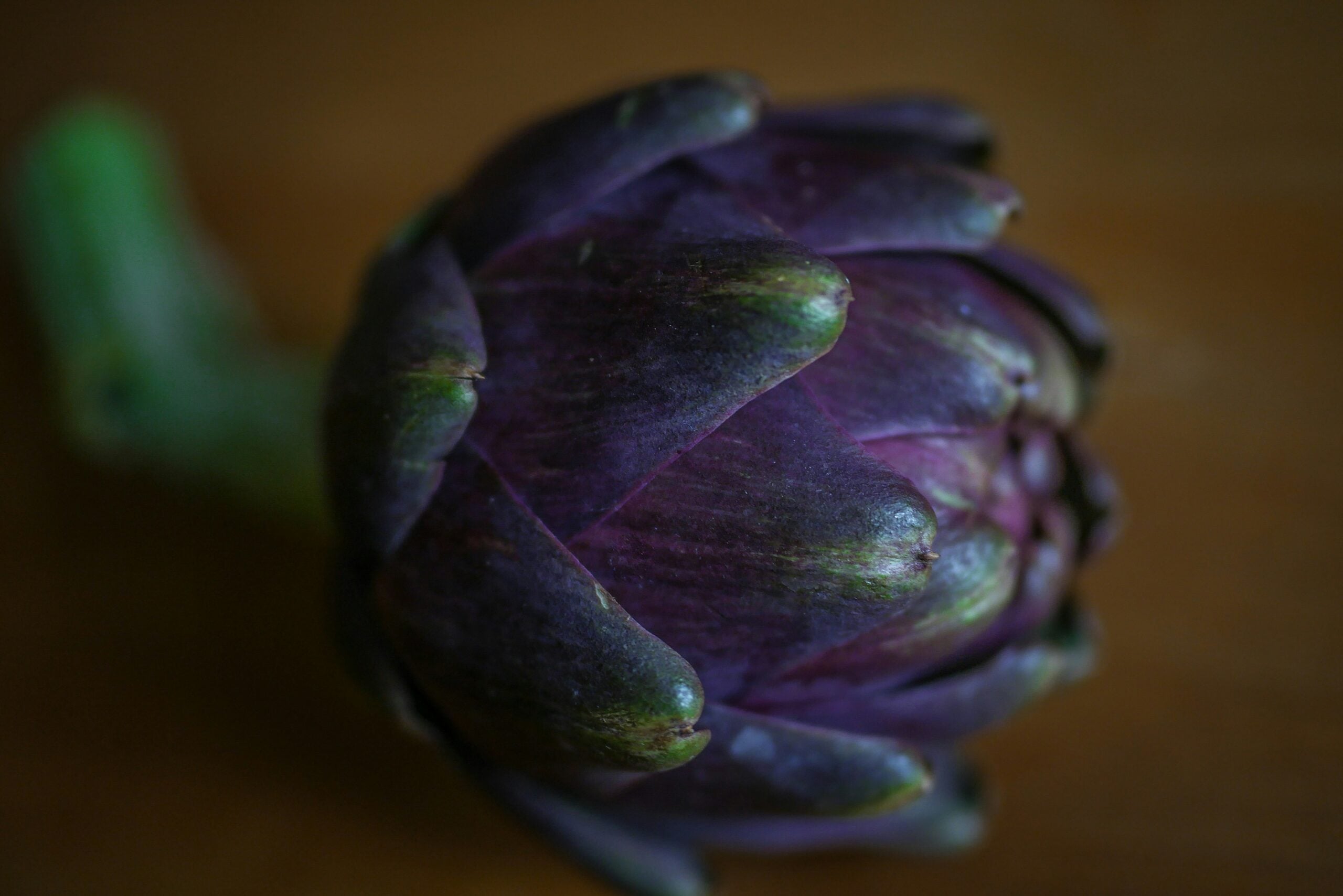
What began as Andrew Molera’s solution to a rent problem became an agricultural empire that defines an entire region. Castroville’s transformation from a modest 19th-century settlement to the world’s artichoke capital demonstrates how the right combination of climate, community, and entrepreneurial vision can create lasting economic success.
The town’s commitment to celebrating its agricultural heritage while adapting to modern markets ensures that Castroville will likely remain the artichoke capital for generations to come.
More from Go2Tutors!

- 16 Historical Figures Who Were Nothing Like You Think
- 12 Things Sold in the 80s That Are Now Illegal
- 15 VHS Tapes That Could Be Worth Thousands
- 17 Historical “What Ifs” That Would Have Changed Everything
- 18 TV Shows That Vanished Without a Finale
Like Go2Tutors’s content? Follow us on MSN.


