19 Sleep Behaviors That Vary Wildly Across Cultures
Sleep seems universal, right? Everyone closes their eyes and drifts off for a few hours. But dig deeper and you’ll discover that how, when, and where people sleep varies dramatically around the world. What feels completely normal in one culture might seem bizarre in another.
These differences aren’t just quirky traditions—they reflect deep cultural values about family, safety, health, and what constitutes proper rest. From co-sleeping arrangements that would shock Western parents to napping schedules that make Mediterranean siestas look tame, sleep customs reveal fascinating insights about human societies.
Here’s a list of 19 sleep behaviors that change drastically depending on where you’re born.
Japanese Floor Sleeping on Futons
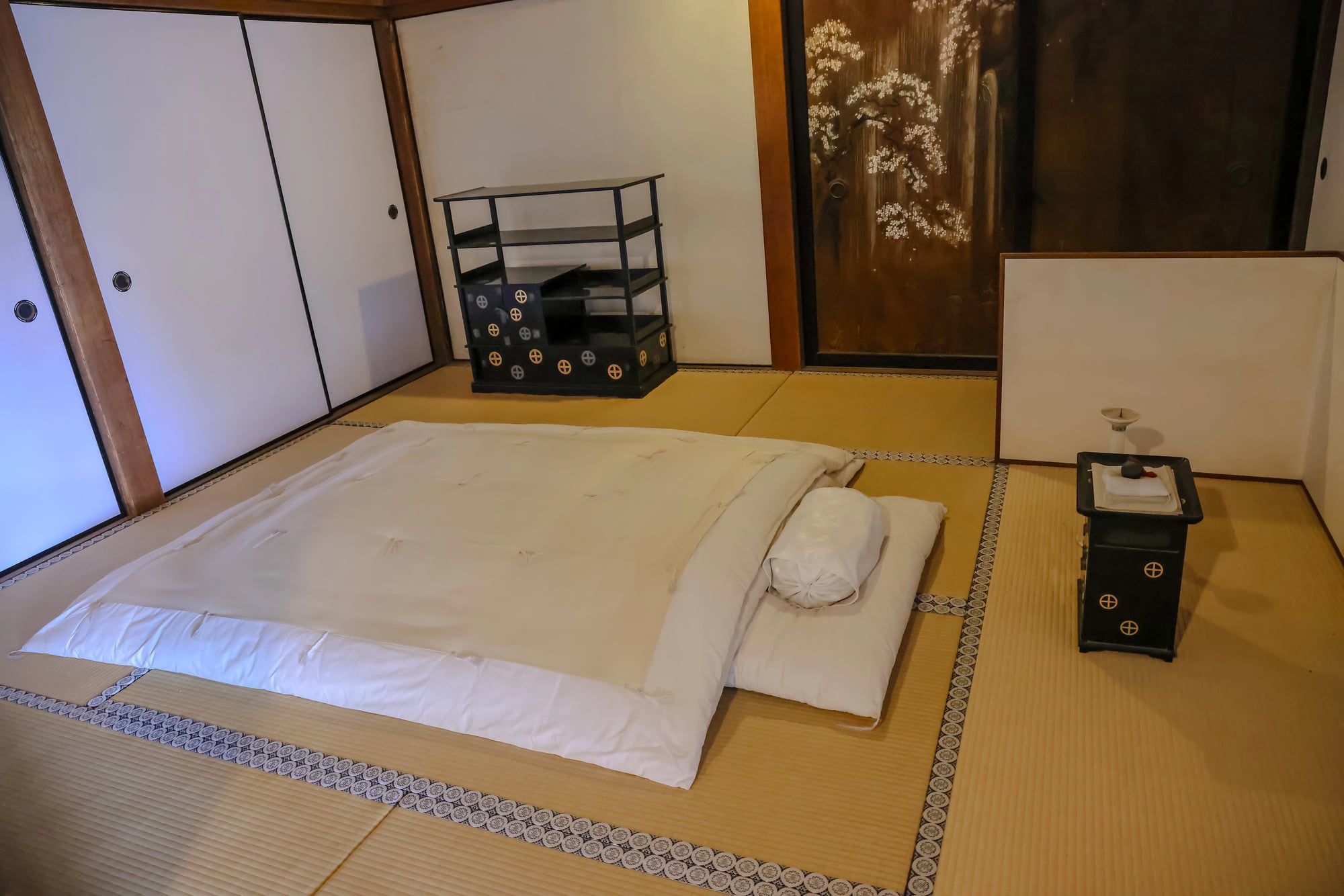
Millions of Japanese people sleep on thin futon mattresses placed directly on tatami mat floors. This practice isn’t about saving money—it’s deeply rooted in cultural values of simplicity and space efficiency.
Futons get folded and stored each morning, transforming bedrooms into multipurpose living spaces. Many Japanese believe that floor sleeping improves spinal alignment and connects them more closely to the earth’s energy.
Spanish Siesta Culture

Spain practically shuts down between 2 and 5 PM for siesta time. Shops close, offices empty, and entire cities go quiet as people head home for afternoon naps.
This tradition developed partly due to Spain’s hot climate—avoiding the day’s peak heat makes sense. But it’s also become a cultural institution that prioritizes rest over constant productivity, something many other cultures struggle to understand.
Like Go2Tutors’s content? Follow us on MSN.
Scandinavian Separate Blankets
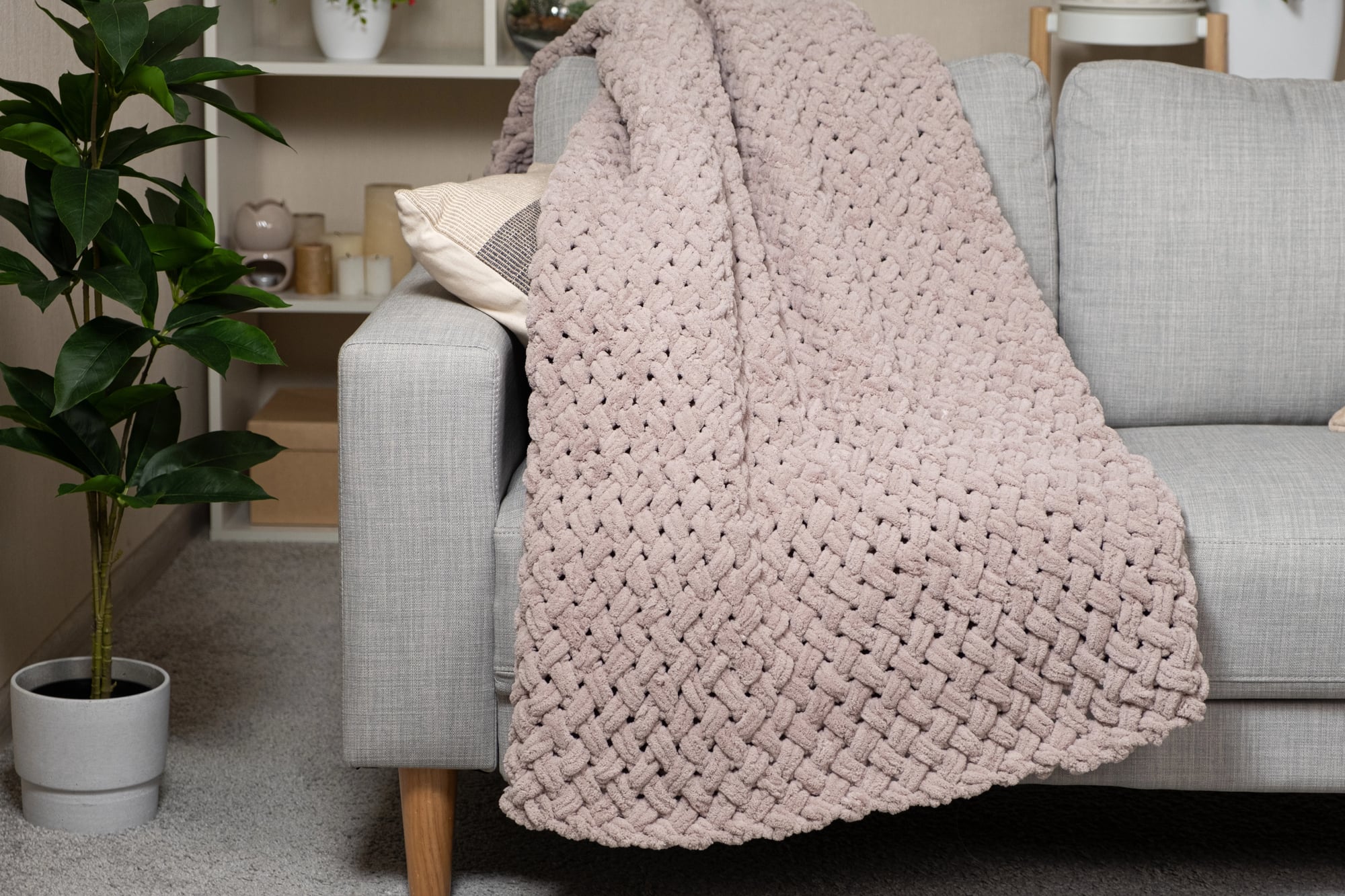
Couples in Sweden, Norway, and Denmark typically use separate blankets instead of sharing one large comforter. Each person gets their own individual duvet, preventing the classic blanket-stealing battles that plague relationships elsewhere.
This practice reflects Scandinavian values of personal space and individual comfort, even within intimate partnerships. Hotels across Scandinavia automatically provide separate bedding for couples.
Indian Family Co-Sleeping

Multiple generations often share sleeping spaces in traditional Indian households. Grandparents, parents, and children might all sleep in the same room, sometimes on the same large bed.
This arrangement strengthens family bonds and ensures elderly relatives receive care during the night. Privacy takes a backseat to family unity and practical considerations like home size and climate control costs.
Inuit Communal Sleeping

Traditional Inuit communities practice group sleeping for survival in Arctic conditions. Families huddle together under shared furs and blankets, using body heat to stay warm in temperatures that would be deadly alone.
This isn’t just practical—it reinforces community bonds and ensures no one faces the harsh Arctic night without support. Modern Inuit communities still maintain some of these practices during camping or hunting trips.
Like Go2Tutors’s content? Follow us on MSN.
Mexican Hammock Sleeping

In Mexico’s Yucatan Peninsula, many people prefer sleeping in hammocks over beds. These aren’t vacation hammocks—they’re specially woven cotton ones designed for nightly use.
Hammock sleeping keeps people cool in tropical humidity while providing natural body contouring that many find more comfortable than mattresses. Entire families might have multiple hammocks strung up in the same room.
Chinese Afternoon Workplace Naps

Chinese office workers commonly nap at their desks during lunch breaks. Companies often dim lights and lower noise levels to accommodate this practice.
Some offices provide special pillows or reclining chairs specifically for napping. This cultural acceptance of workplace rest contrasts sharply with Western attitudes that view office napping as laziness or unprofessionalism.
Balinese Communal Sleeping Pavilions

Traditional Balinese compounds include open-air sleeping pavilions called ‘bale’ where extended families rest together. These raised platforms provide ventilation in tropical heat while fostering community.
Privacy curtains can create individual spaces when needed, but the default is shared sleeping areas. This architecture reflects Balinese Hindu values emphasizing collective harmony over individual isolation.
Like Go2Tutors’s content? Follow us on MSN.
Russian Banya Sleeping Rituals

Russians often follow sauna sessions with specific sleeping practices, including sleeping on heated surfaces or near warm stoves. After intense heat exposure, the body craves deep rest, and Russians have developed customs around optimizing post-sauna sleep.
Some sleep on heated benches or platforms, believing the residual warmth continues the health benefits throughout the night.
Aboriginal Australian Ground Sleeping
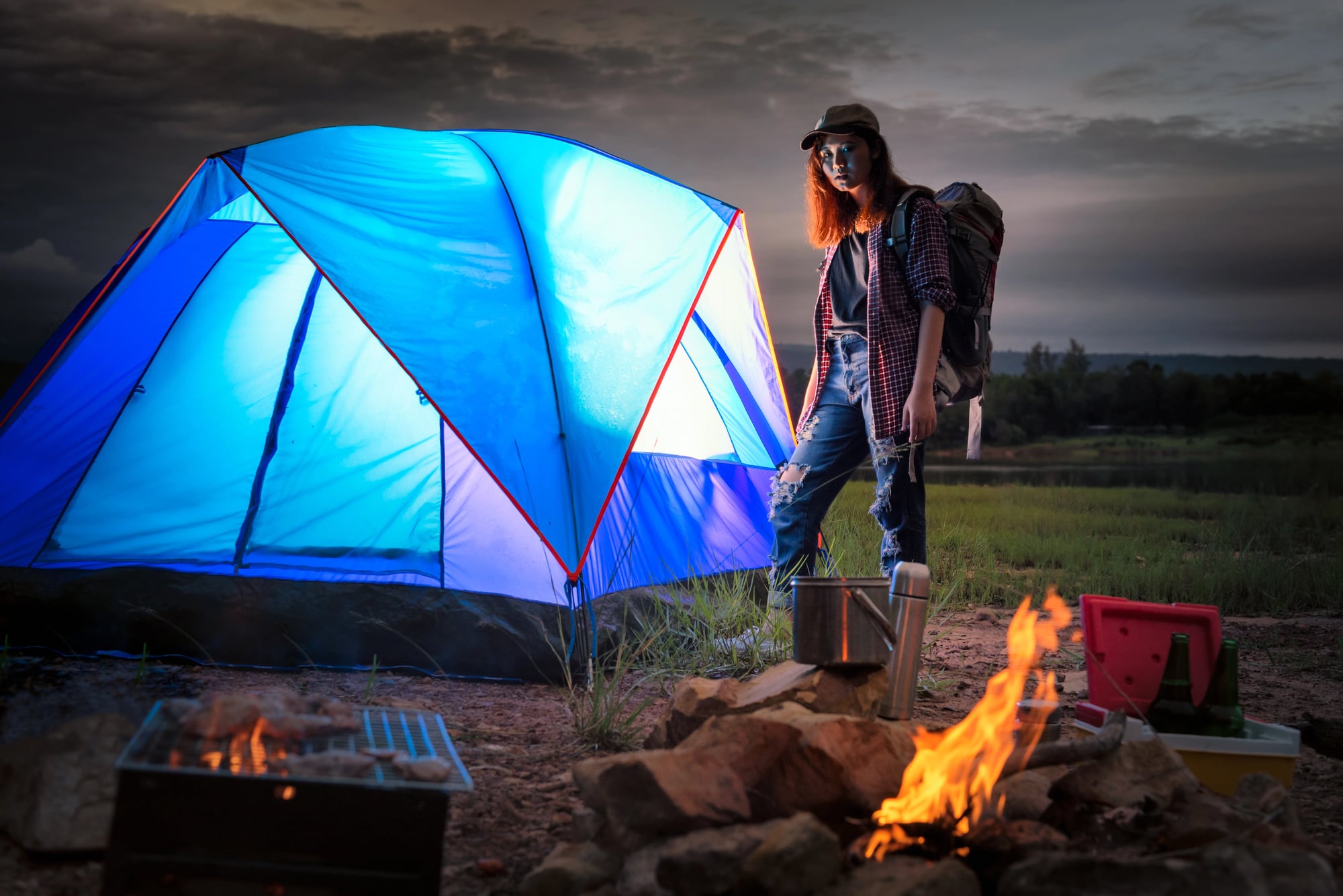
Traditional Aboriginal communities sleep directly on the ground around fires, using minimal bedding. This practice connects sleepers to the land they consider sacred while maintaining warmth through fire proximity.
Modern Aboriginal people living in cities might recreate elements of this by sleeping on floors or choosing firmer surfaces, maintaining cultural connections to ancestral practices.
Polynesian Open-Air Sleeping
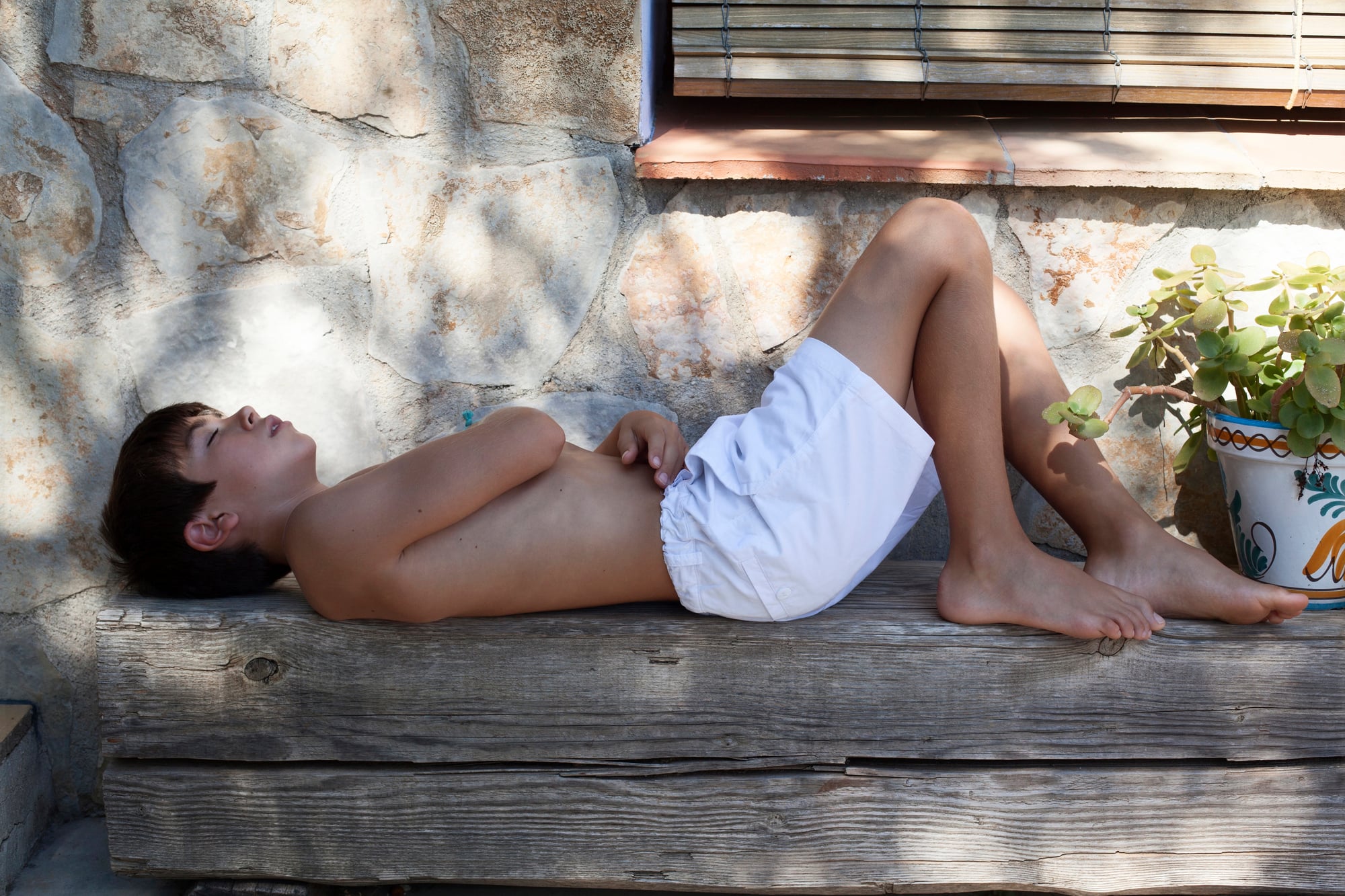
Many Pacific Island cultures practice open-air sleeping in structures with minimal walls. Trade winds provide natural air conditioning while community sounds create a sense of security.
This practice reflects island values of openness and trust—people sleep vulnerably because their communities provide safety. Privacy means something different when survival depends on collective cooperation.
Like Go2Tutors’s content? Follow us on MSN.
Korean Ondol Floor Heating Sleep

Koreans traditionally sleep on floors heated by underground ondol systems. Warm air circulates beneath stone or concrete floors, creating radiant heat that warms sleeping bodies from below.
This system influences sleep positions and bedding choices—people use thinner mattresses and often sleep in specific orientations to maximize heat exposure. Modern Korean homes still incorporate ondol heating principles.
Mongolian Ger Communal Arrangements
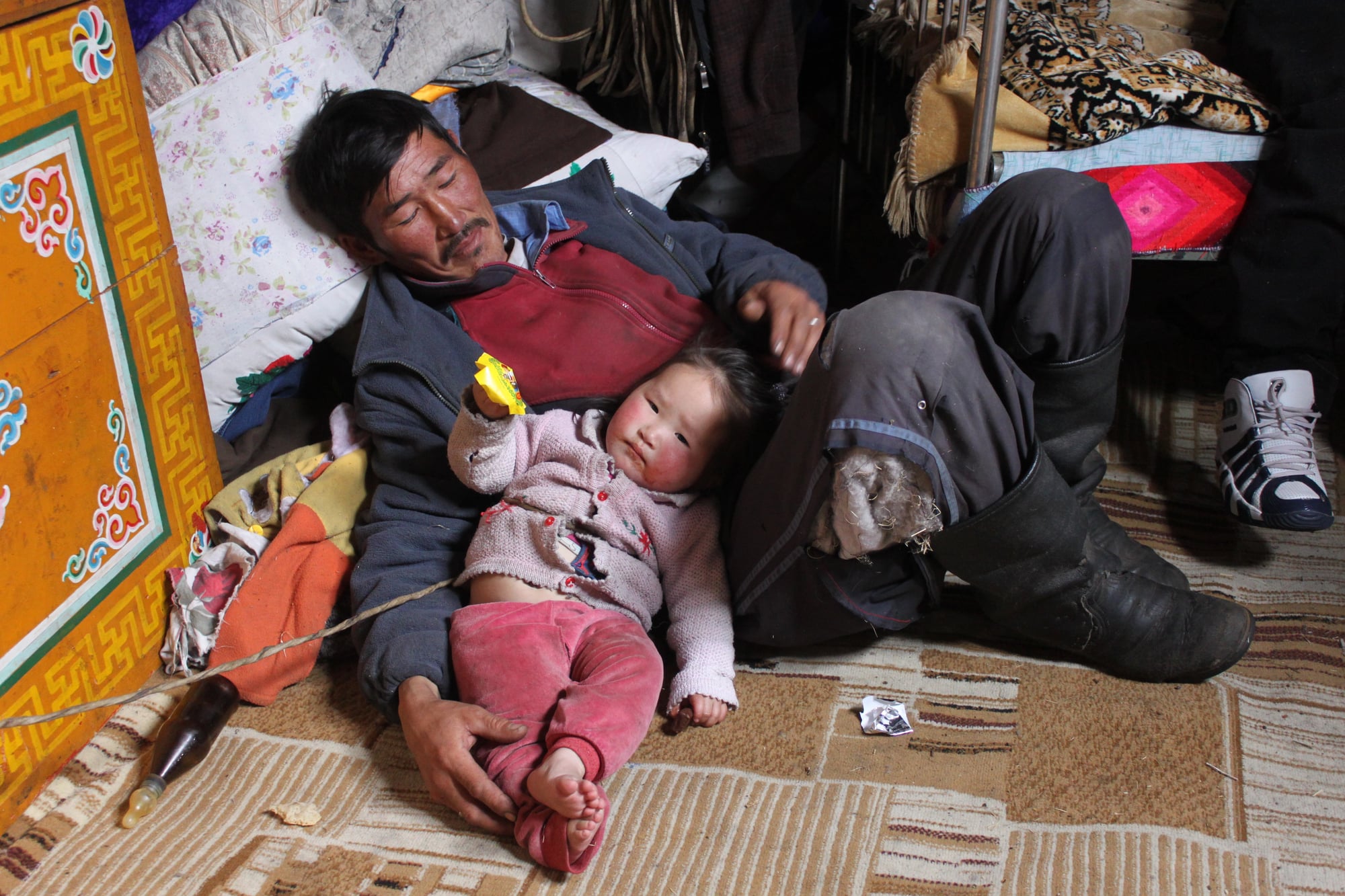
Mongolian families in traditional gers (yurts) arrange sleeping areas around the central fire pit according to strict cultural protocols. Eldest family members sleep in the most honored positions while younger members and guests receive designated spots.
These arrangements reflect complex social hierarchies and ensure efficient heat distribution during harsh winters.
Italian Extended Afternoon Riposo

Beyond the famous siesta, many Italian regions practice ‘riposo’—extended afternoon rest periods lasting up to four hours. Entire towns become ghost towns as people retreat indoors for meals, rest, and family time.
This practice prioritizes quality of life over economic productivity, creating daily rhythms that mystify visitors from cultures obsessed with continuous work.
Like Go2Tutors’s content? Follow us on MSN.
Turkish Communal Bath House Resting

Turkish bath culture includes designated rest areas where people nap after intense steaming and massage sessions. These communal resting spaces have specific etiquette and social functions beyond just recovery.
People might spend hours alternating between bathing and resting, treating the entire experience as a social and health ritual rather than simple hygiene.
Tibetan High-Altitude Sleeping Adaptations

Tibetans have developed unique sleep practices for extreme altitudes, including specific breathing techniques and positioning to optimize oxygen intake. These aren’t just physical adaptations—they’re cultural knowledge passed down through generations about surviving in thin air.
Sleep positions, timing, and preparation rituals all reflect centuries of high-altitude living experience.
Brazilian Afternoon Network Rest

In Brazil’s interior regions, extended families coordinate afternoon rest periods where everyone in the household naps simultaneously. This creates quiet periods essential for surviving intense heat while strengthening family bonds through shared rhythms.
Children learn these patterns early, developing sleep habits that prioritize collective rest over individual schedules.
Like Go2Tutors’s content? Follow us on MSN.
Finnish Sauna Sleeping Customs
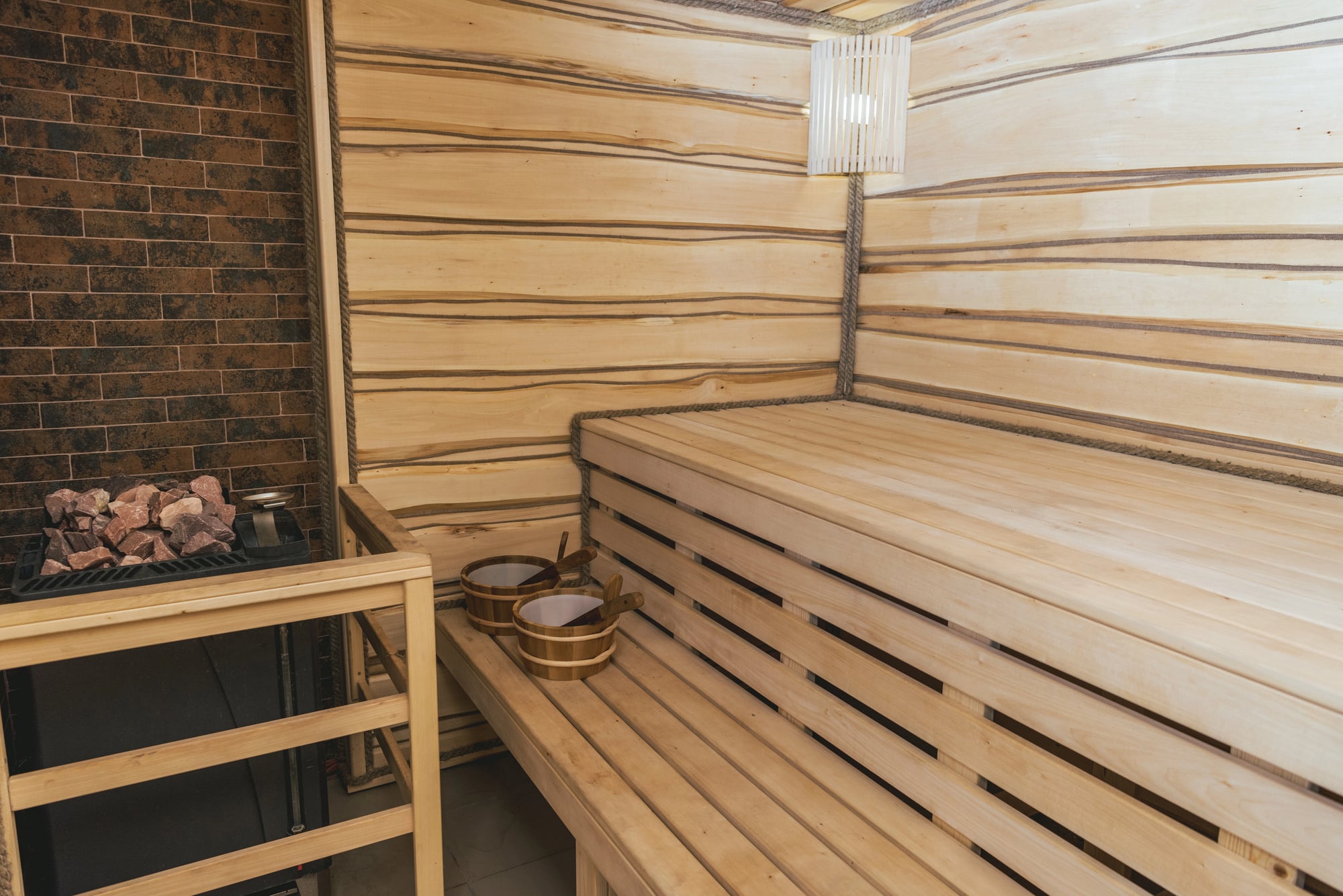
Finns often sleep in saunas during summer, particularly in lakeside cabins. The retained heat provides warmth through cool nights while the wooden environment creates specific sleep experiences.
This practice connects to Finnish concepts of wellness and nature harmony. Some families have sleeping platforms built into their saunas specifically for overnight use during warm months.
Bedouin Desert Sleep Strategies
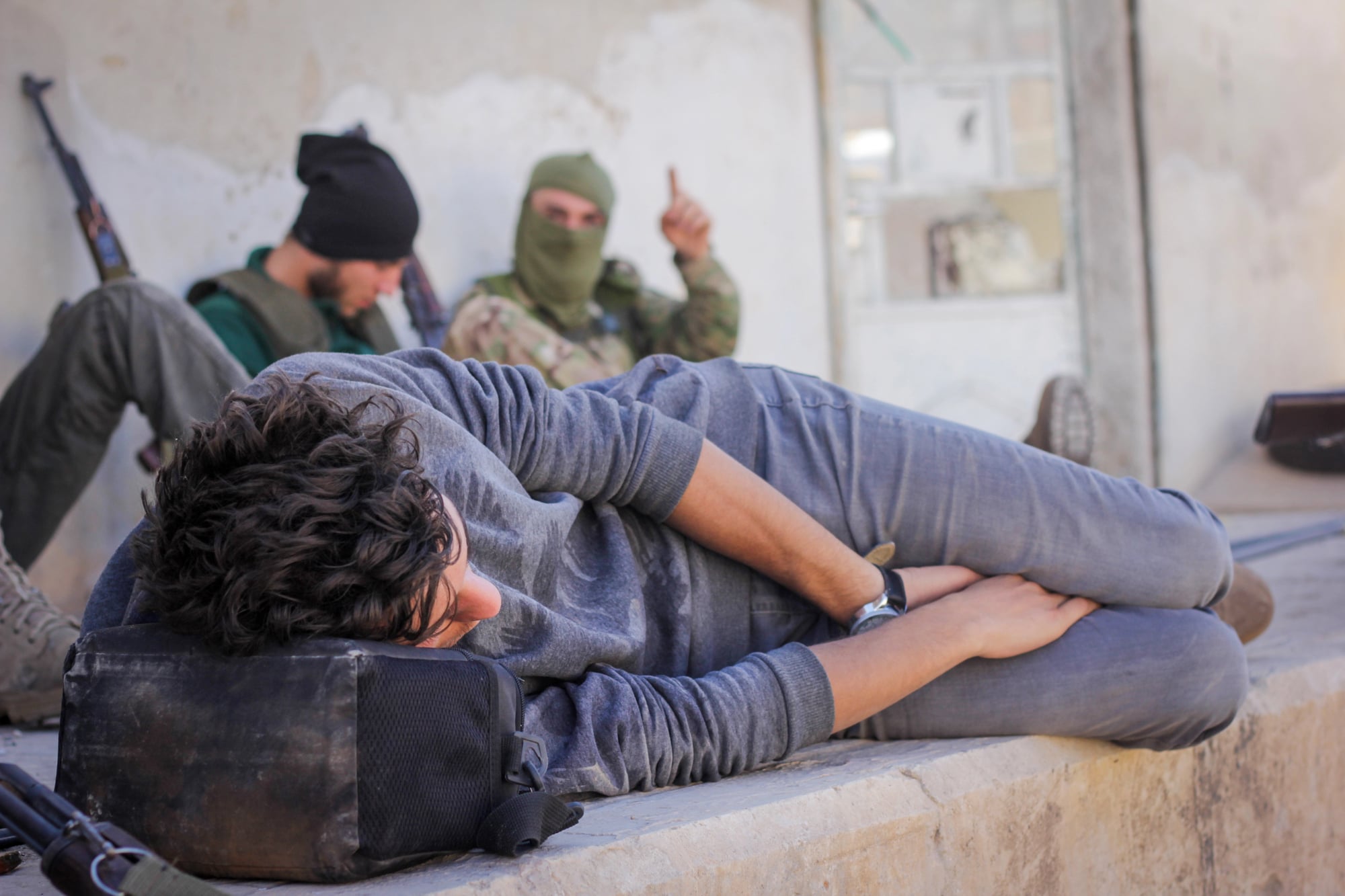
Bedouin communities have developed intricate sleep schedules adapted to desert conditions. They often sleep during midday heat and again during the coldest pre-dawn hours, staying active during moderate temperature periods.
These patterns maximize comfort while ensuring community safety through shared vigilance schedules. Modern Bedouins maintain elements of these practices even in settled communities.
Sleep as Cultural DNA

These varied sleep practices reveal how deeply culture shapes even our most basic biological needs. What seems natural and obvious about sleep—when, where, how we rest—actually reflects countless cultural decisions about privacy, family, comfort, and survival.
Understanding these differences helps us recognize that our own sleep habits aren’t universal truths but cultural choices. Maybe there’s wisdom in hammocks, floor sleeping, or afternoon naps that our own traditions miss entirely.
More from Go2Tutors!

- 16 Restaurant Chains That Went Too Fast
- 12 Things Sold in the 80s That Are Now Illegal
- 15 Strange Things People Have Tried to Ban (And Failed)
- 16 Collectibles People Tossed Out Too Soon
- 17 Myths from Your Childhood That Were Actually Based on Real Things
Like Go2Tutors’s content? Follow us on MSN.



