Musical Instruments No Longer Played Today
Some sounds belong to another time. Before smartphones and Bluetooth speakers, people made music using their hands, breath, and heart.
Some of these instruments may surprise you. Let’s explore a few of the ones the world used to play but rarely hears today.
This one looked more like a science experiment than an instrument. It used spinning glass bowls of different sizes, and players touched them with wet fingers to make music.
The sound was soft and dreamy, almost like singing glasses. Some people believed it could make listeners dizzy or anxious because of the unusual vibrations.
Others just thought it was too quiet for crowded rooms and noisy audiences. Despite its delicate beauty, it never caught on in mainstream music and today, it survives mostly in museums and rare performances.
Hardanger Fiddle
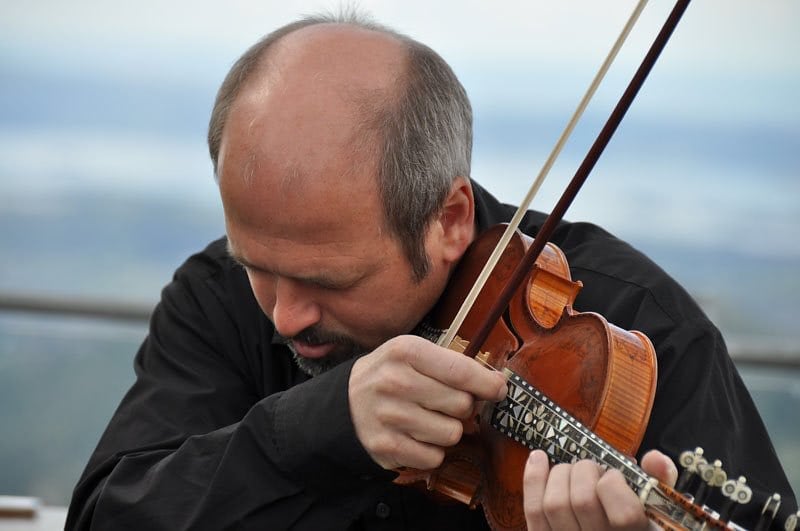
From Norway, this fiddle had more strings than a normal violin. Some strings made sound directly, while others rang quietly underneath, creating a rich, echo-like tone.
It added depth to the music that regular violins couldn’t offer. Farmers and dancers once loved its music during celebrations and folk festivals, where the instrument’s unique resonance filled the air.
Today, only a few traditional players still know how to use it, keeping a piece of Norwegian heritage alive in small communities.
Nyckelharpa
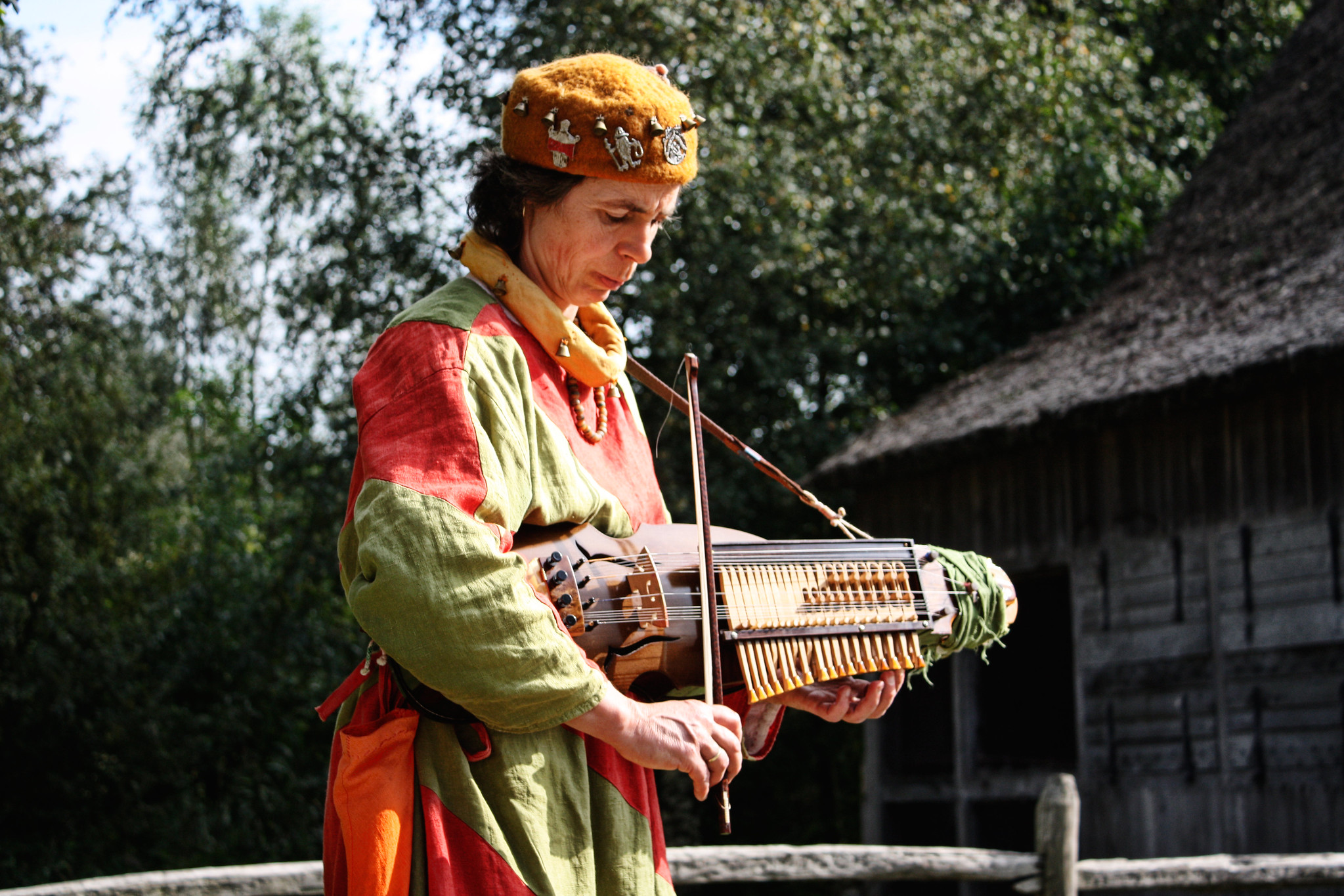
This strange-looking Swedish instrument worked like a mix between a violin and a typewriter. It had wooden keys along its neck that changed the pitch of the strings when pressed and was played with a bow.
The sound was soft and smooth, ideal for old dances and storytelling through music. Learning it took a lot of skill, both to play and tune correctly, which made it less popular over time.
As easier instruments appeared, the nyckelharpa became a rarity, although some musicians today are trying to bring it back.
Like Go2Tutors’s content? Follow us on MSN.
Crwth
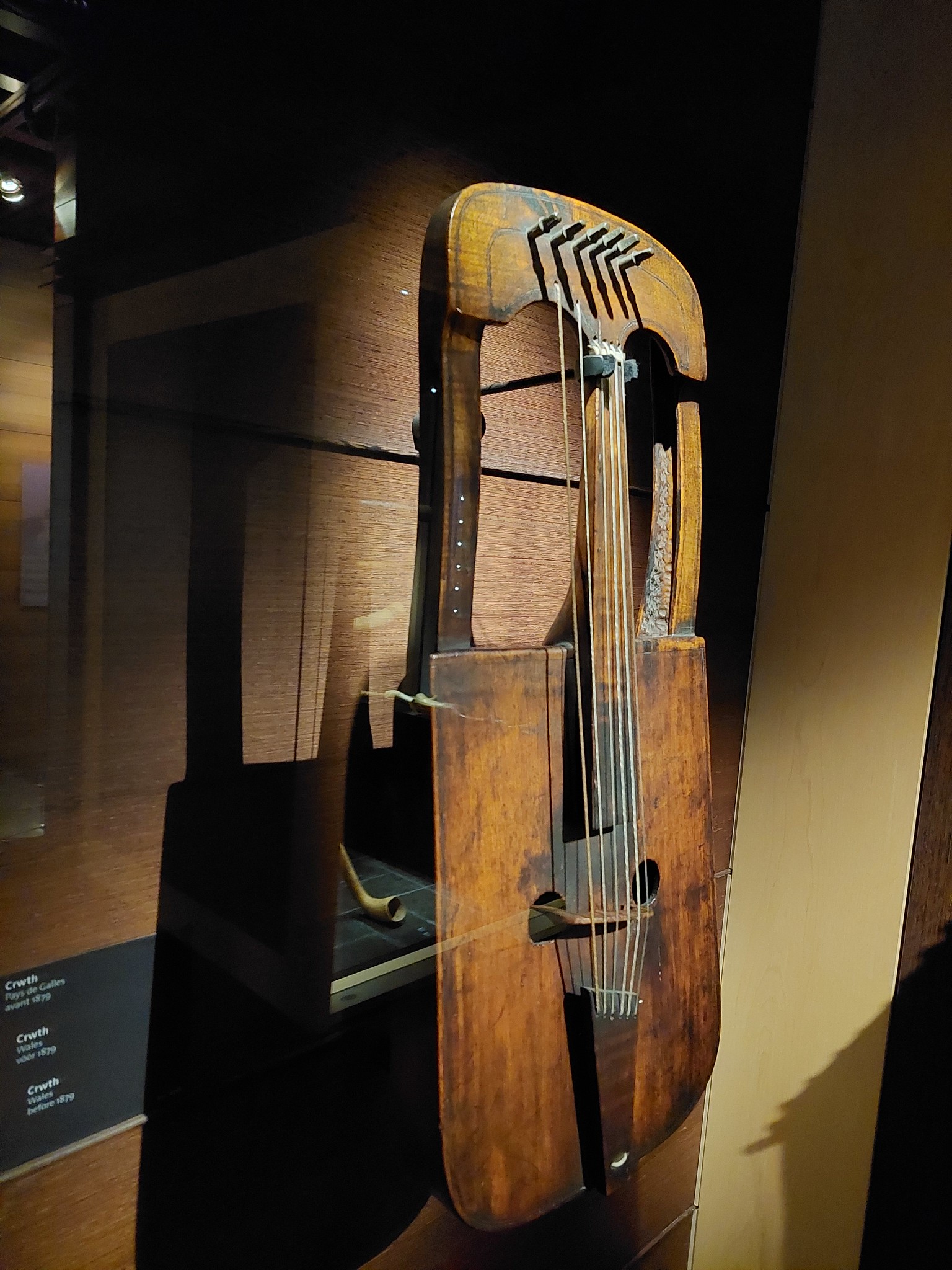
Hard to spell, even harder to play. The crwth (pronounced “crooth”) came from Wales and had a flat wooden body with strings stretched across.
It was one of the few instruments played by bow and plucked with fingers at the same time, creating a layered sound. It once held an important place in local songs and stories and was popular at medieval courts.
But as violins and other string instruments grew more popular and easier to master, the crwth slowly vanished from most music traditions and is now mostly a museum curiosity.
Serpent
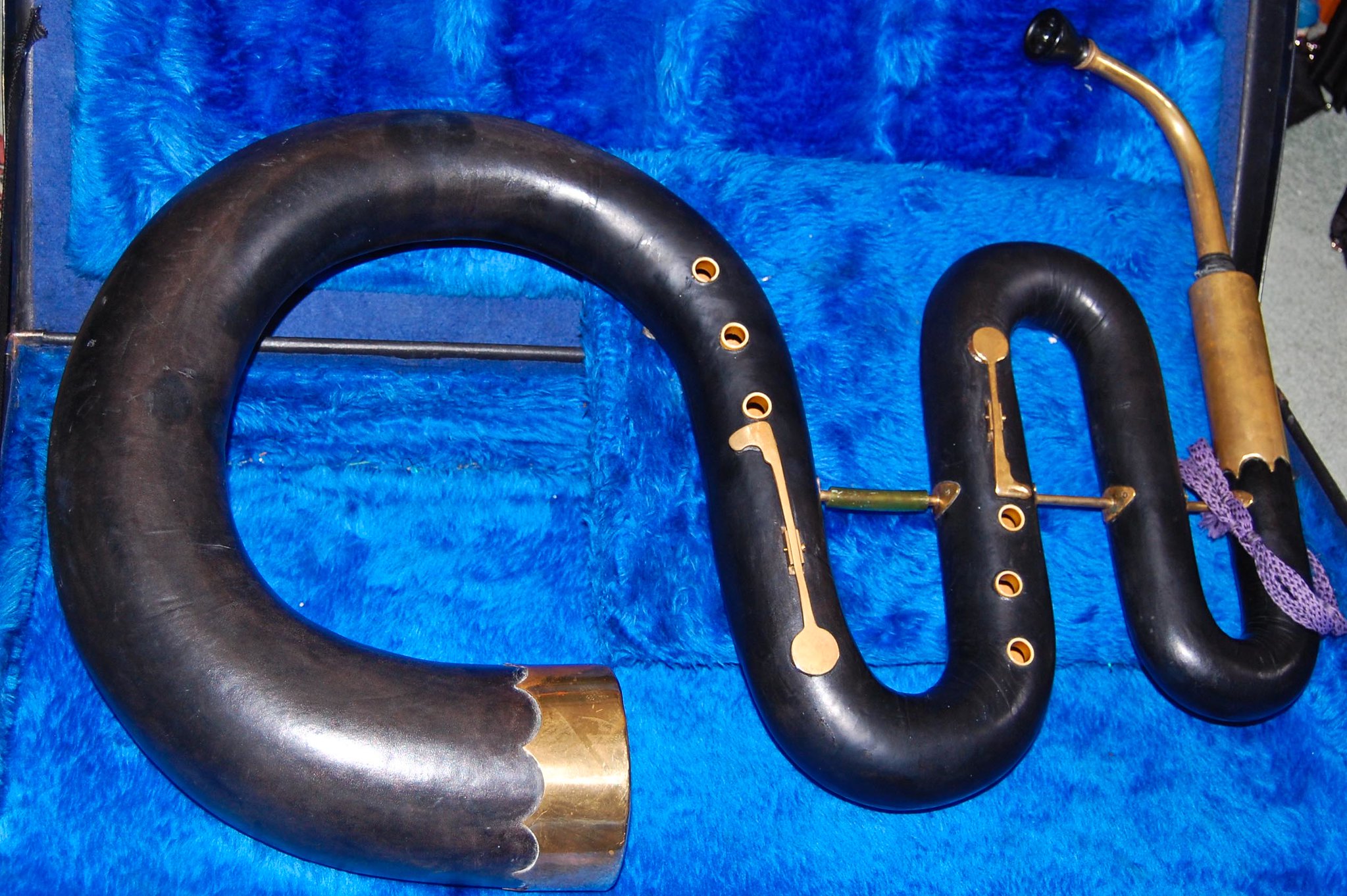
The serpent looked like a long, coiled snake made of wood and leather, which is how it got its name. It was a bass instrument used in churches to support deep singing voices during religious ceremonies.
Its sound was low, rough, and sometimes described as strange or haunting. It was difficult to play and required strong breath control.
When tubas and other brass instruments with clearer sound came along, the serpent was quickly replaced. Nowadays, it is mostly found in historical performances or collections.
Ophicleide
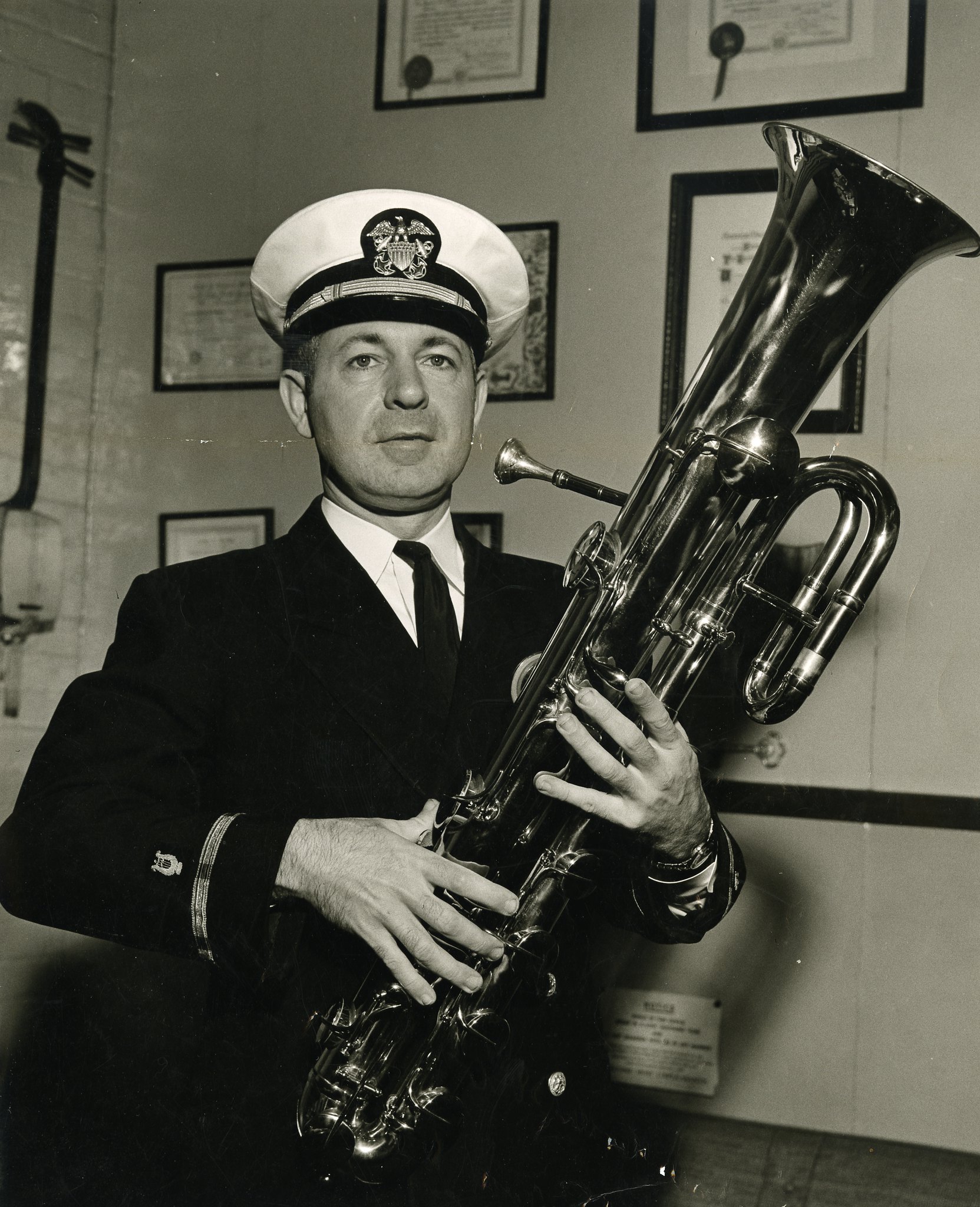
Before the modern tuba, bands used the ophicleide. It had valves like a trumpet and a wide, curved bell that projected sound well outdoors.
It could go deep and loud, making it perfect for parades and marching bands. But the instrument was heavy, difficult to play accurately, and had limited tonal range compared to newer instruments.
When tubas and other brass instruments that were easier to handle and more versatile were invented, the ophicleide quickly fell out of favor. Today, it is mostly seen in period orchestras or collections.
Like Go2Tutors’s content? Follow us on MSN.
Shofar (As a Musical Tool)
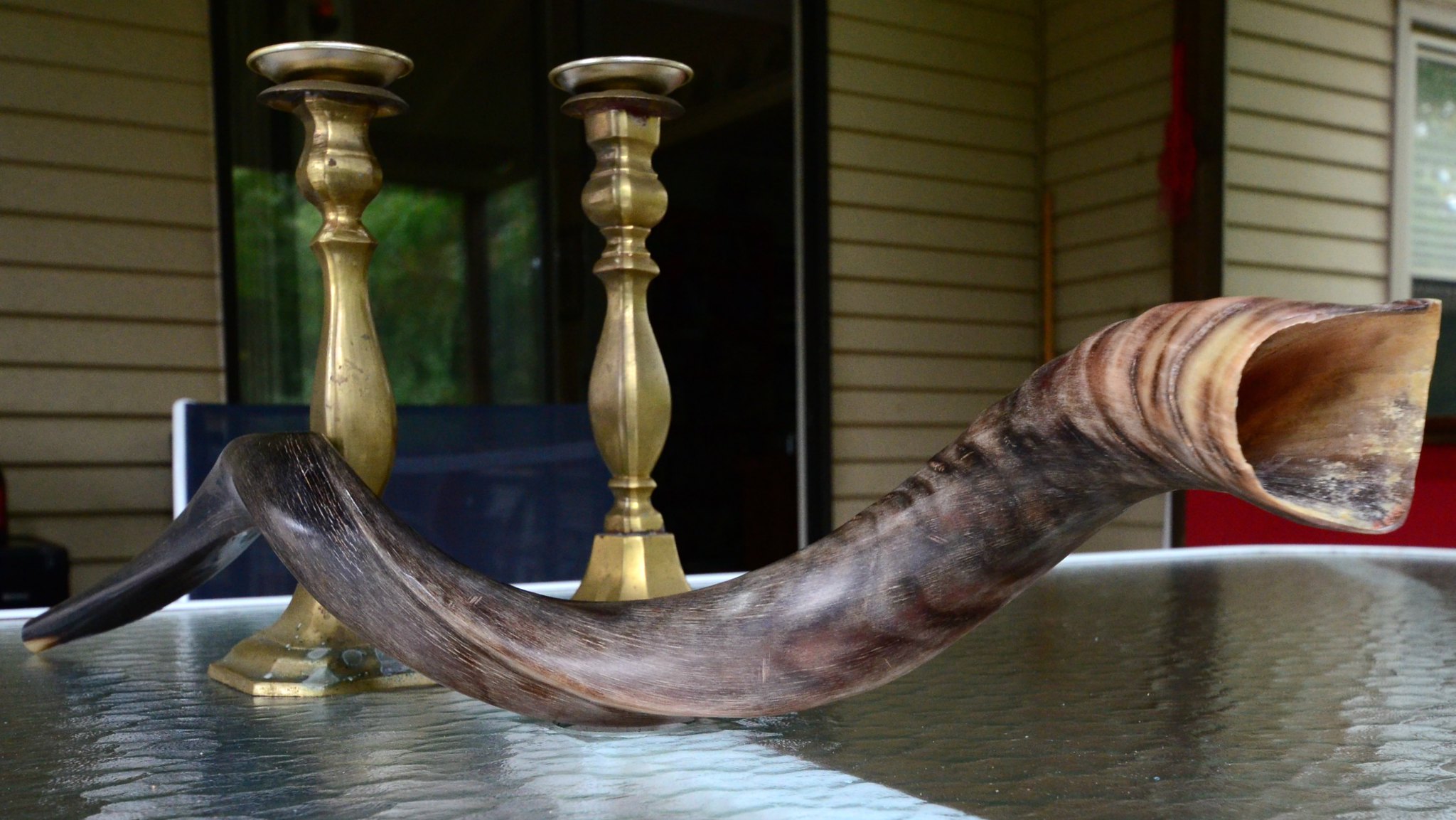
The shofar, made from a ram’s horn, is still used in some religious ceremonies, especially in Jewish traditions. But long ago, it was also used to make music outside of rituals.
It had a wild, raw sound that could carry over long distances, but it couldn’t be tuned to specific notes. This made it hard to blend with other instruments in larger groups.
Over time, its use as a musical instrument was limited to symbolic and religious moments. It remains powerful for signaling and tradition, but not for everyday music-making.
Clavichord
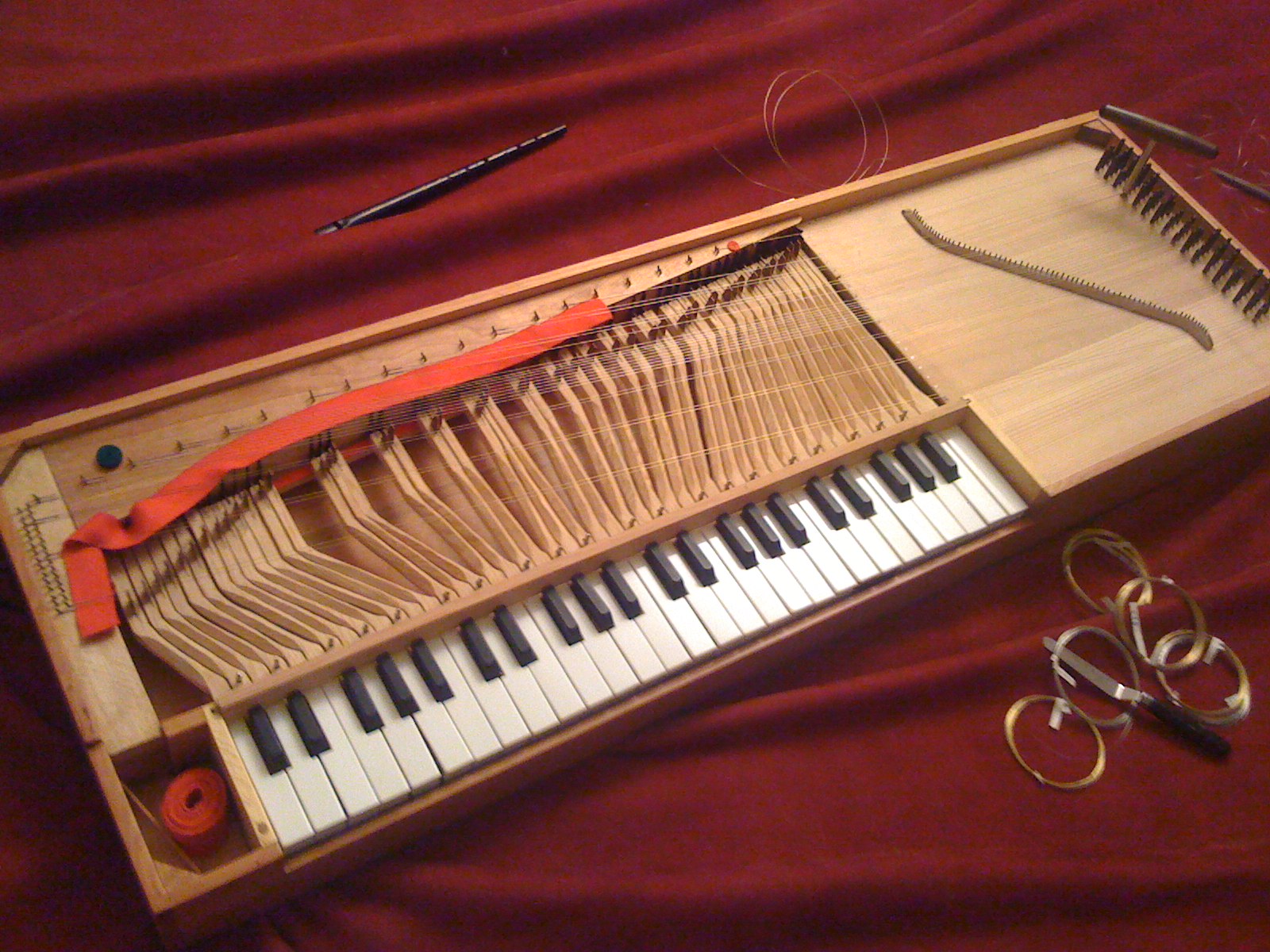
Before pianos became the norm, there was the clavichord. It had a soft, gentle tone produced by small metal blades striking strings, which was perfect for practice or playing in small rooms.
But it couldn’t handle big, loud pieces or concert halls because its sound was too quiet and delicate. It allowed players to control pitch with subtle finger movements, something pianos can’t do.
Composers and musicians moved on to the piano for more power and flexibility. Today, clavichords are mostly studied by historians or played in specialized classical performances.
Hurdy-Gurdy
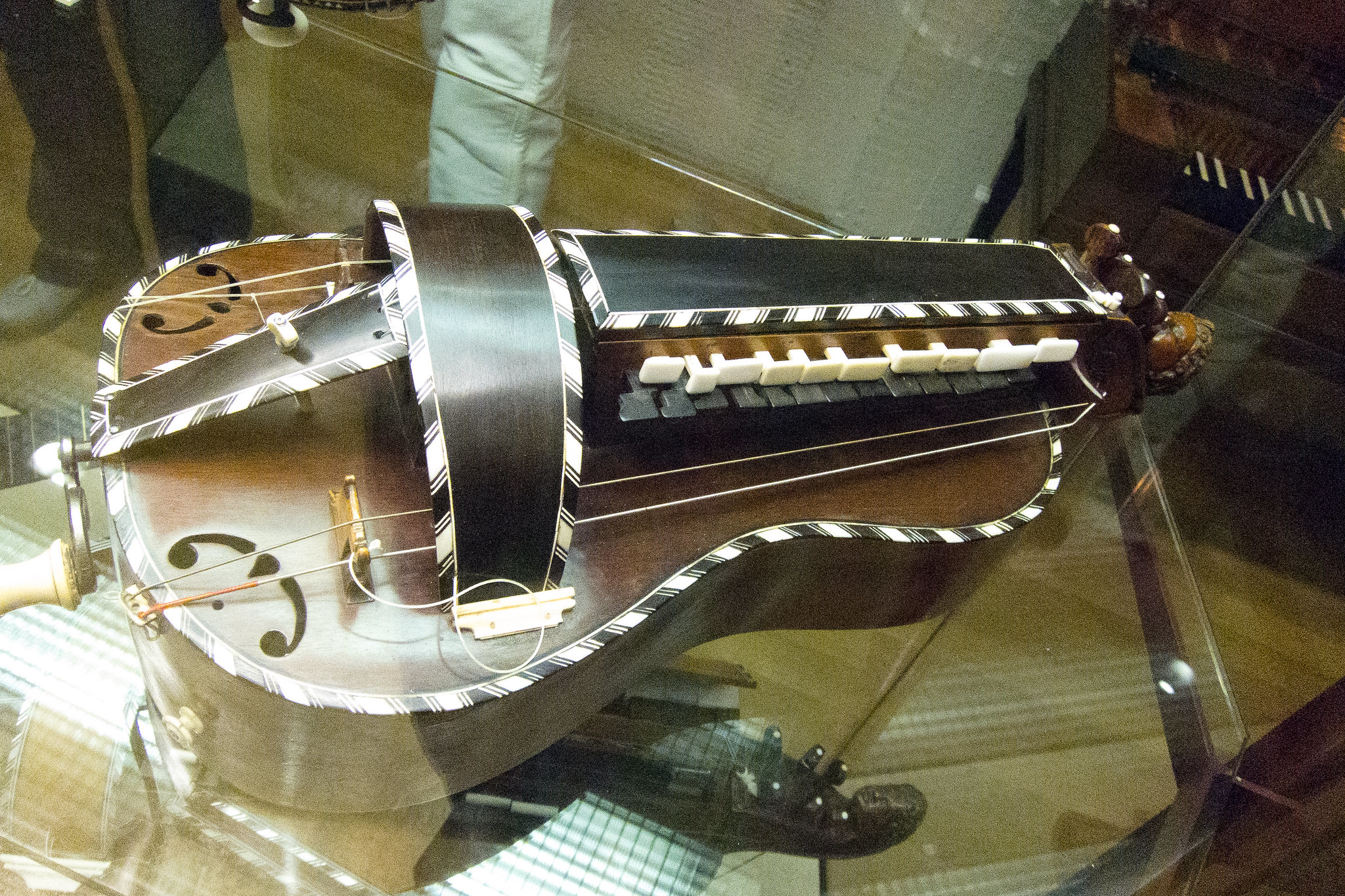
This crank-powered instrument worked like a mechanical violin. Players turned a handle while pressing keys to change notes on the strings.
It made a buzzing, droning sound that was once popular for dancing and folk music in Europe. The instrument was large and heavy, hard to tune, and often broke down during performances.
It also required a unique skill set to play well. With the rise of easier and more reliable instruments, the hurdy-gurdy was left behind, although it still appears in some folk revivals and traditional music festivals.
Like Go2Tutors’s content? Follow us on MSN.
Aeolian Harp
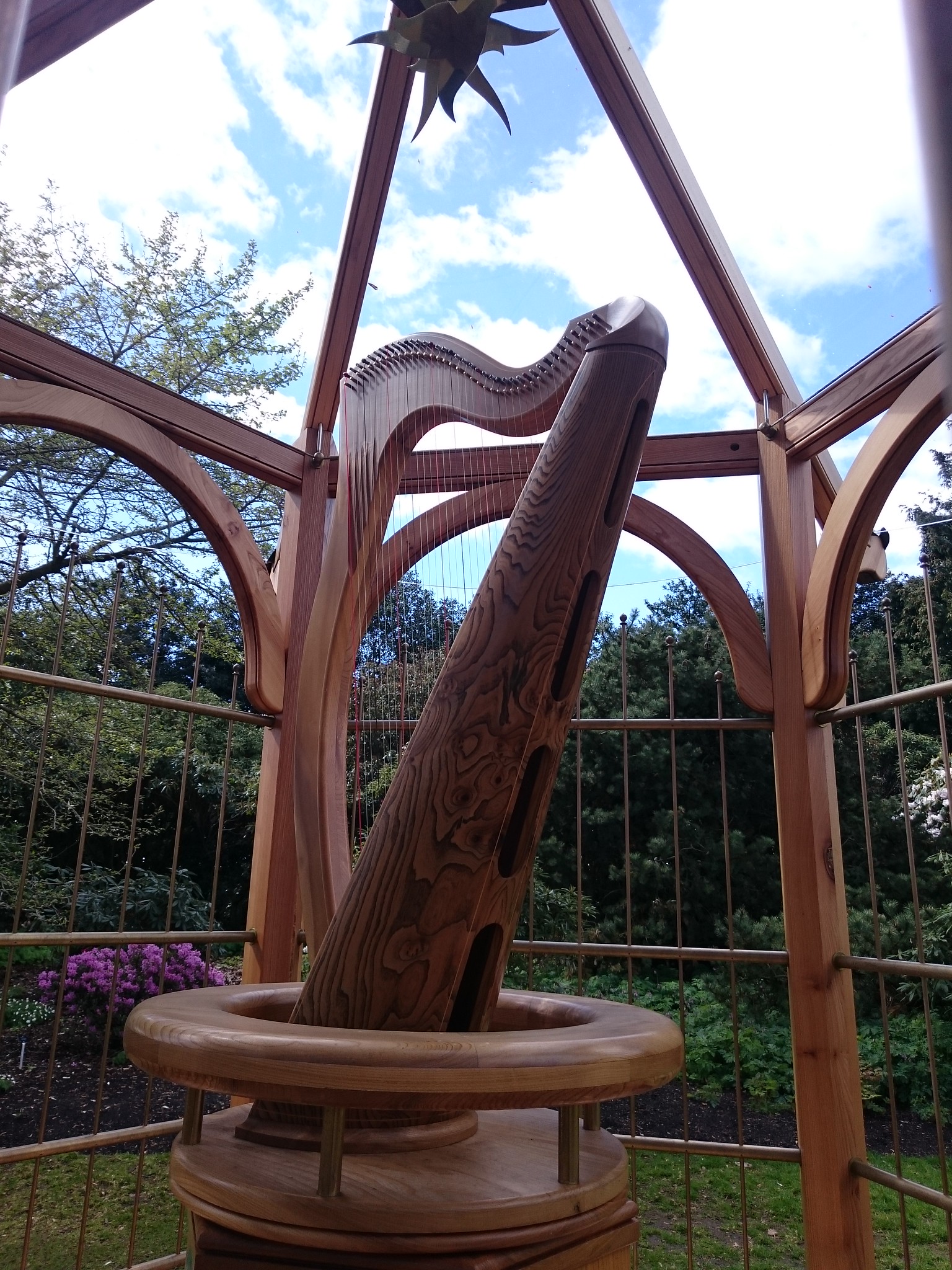
This was an instrument played by the wind itself. People placed it near windows or open spaces, and breezes would make its strings sing without any human touch.
The sound was random, soft, and ghostly, creating a natural kind of music shaped by the environment. Because it had no controlled melody, it was more for atmosphere than for songs or performances.
As homes and lifestyles changed, and music moved indoors, the Aeolian harp became more of a decoration than a practical instrument.
Lur
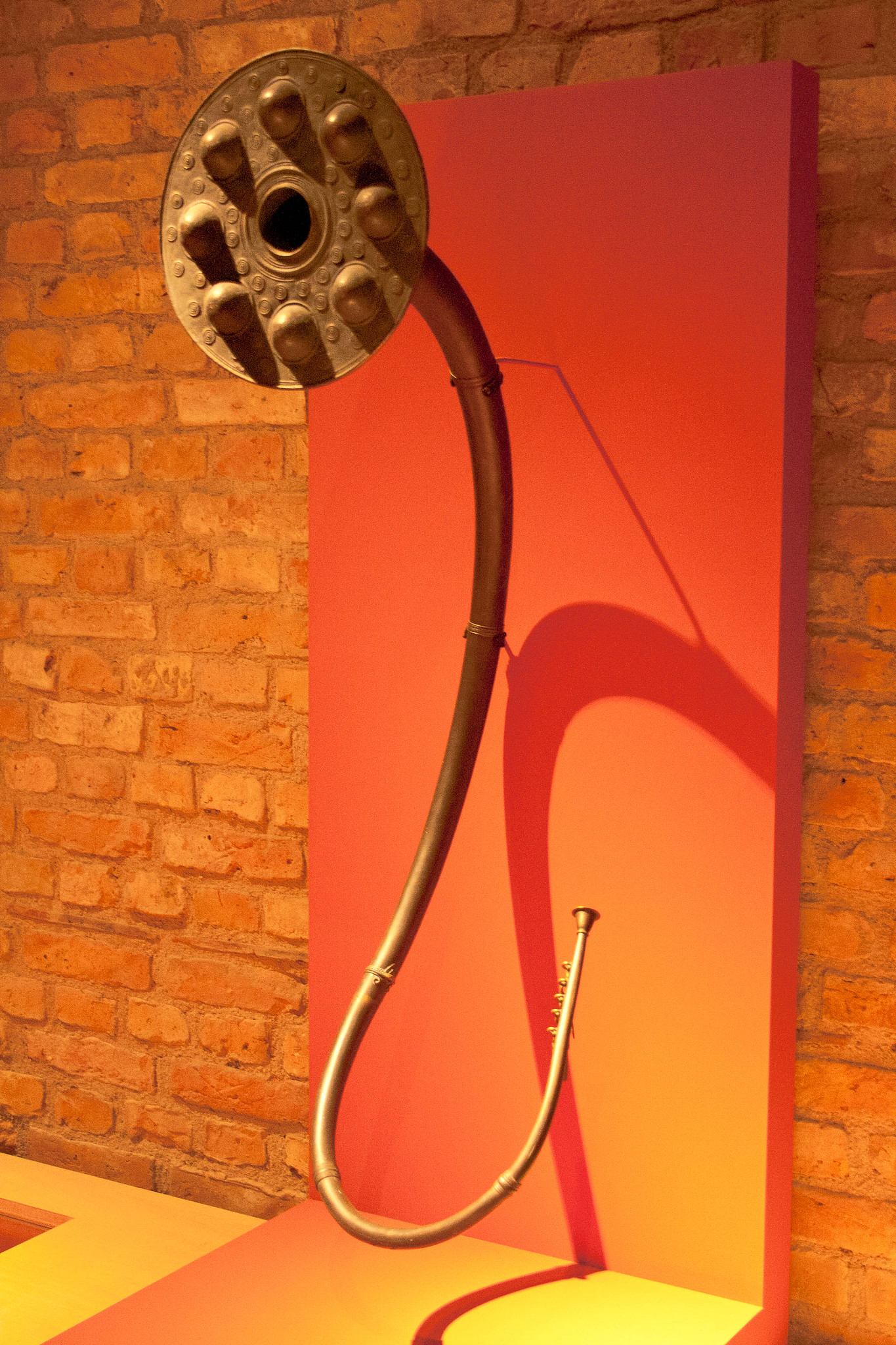
A long metal tube with no valves, the lur was used in ancient Scandinavia. Its deep, powerful call could be heard across valleys, making it useful for signaling or calling people to events.
It wasn’t built for melody but for loud, clear sound that carried well. Lurs were often made in pairs, and their music had a ritual or ceremonial role.
As communication methods and musical styles evolved, the lur became more of a museum piece than a tool for modern music.
Bianzhong
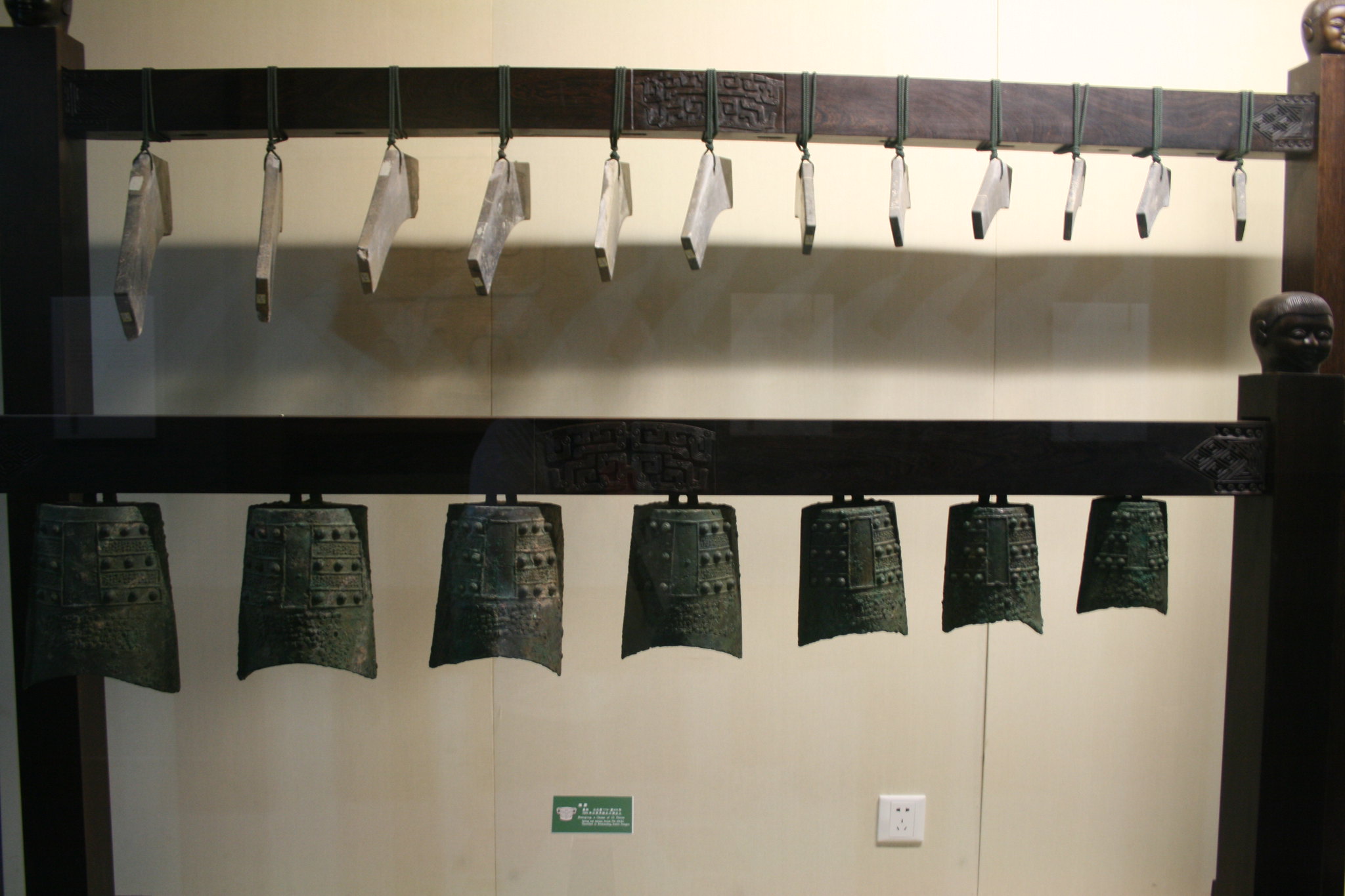
This ancient Chinese instrument used bronze bells of different sizes hung in rows. They were struck with wooden mallets to create deep, echoing notes.
Played in royal courts during grand ceremonies, the bianzhong symbolized power and cultural refinement. Each bell produced two different tones depending on where it was struck, allowing for a surprising range of sounds.
Because it was large, costly, and tied to royalty, it slowly disappeared after dynasties changed and musical tastes shifted toward other instruments.
Like Go2Tutors’s content? Follow us on MSN.
Rebec
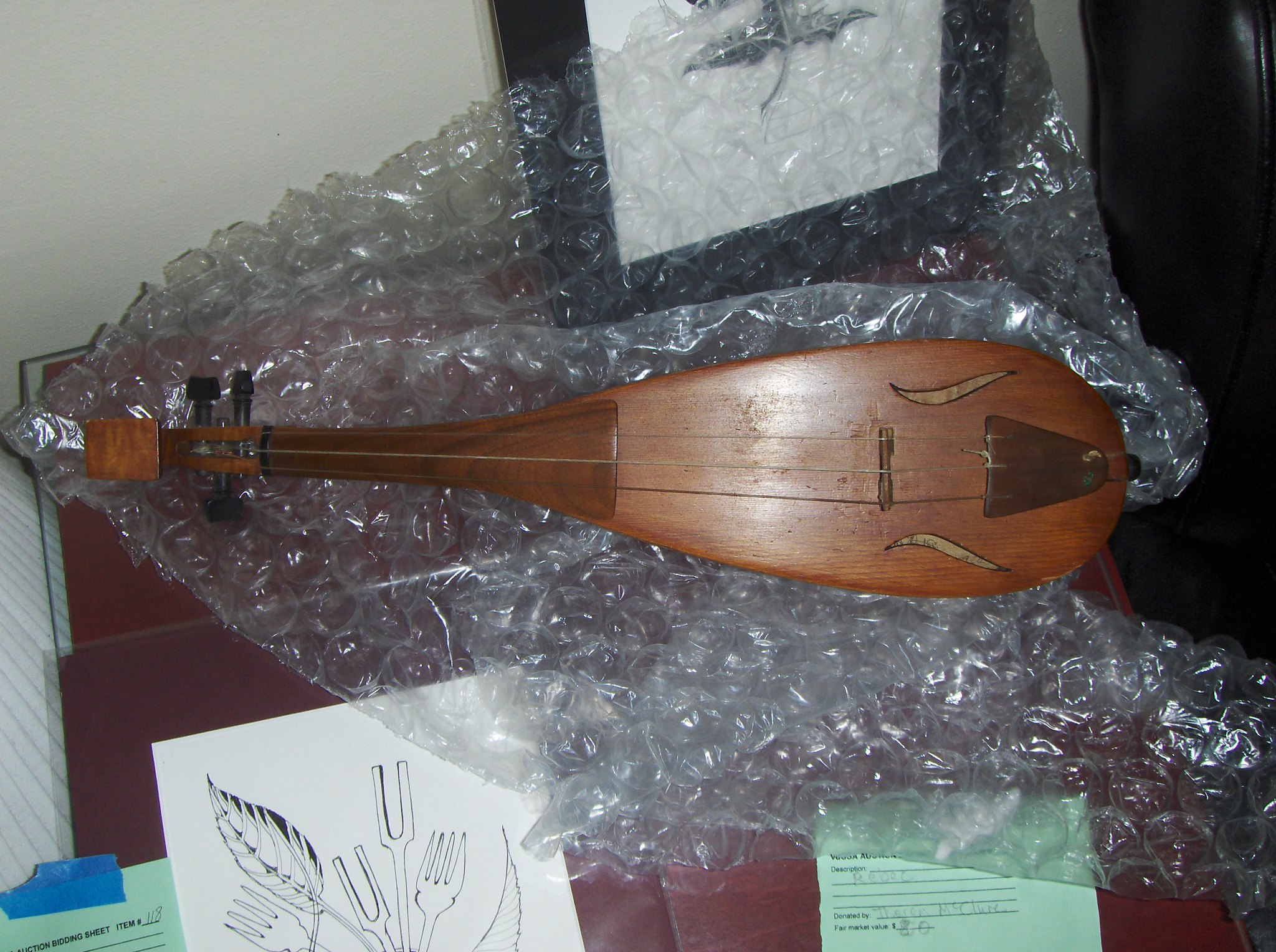
One of the oldest bowed instruments in Europe, the rebec had just a few strings and a pear-shaped body. It made a sharp, nasal sound that worked well for folk music and early dance tunes.
The instrument was small and portable, which made it popular with traveling musicians. However, as music styles grew more complex, its limited range and tonal qualities became a problem.
People turned to violins, which offered a wider sound and better control, and the rebec slowly disappeared.
Dulcian
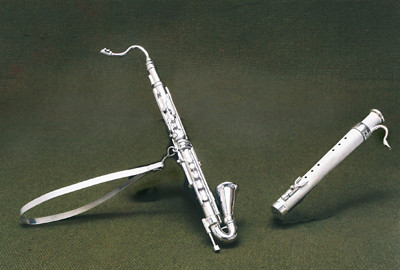
A soft-voiced woodwind that came before the bassoon, the dulcian had a warm, breathy tone. It was carved from one long piece of wood and used in both sacred and court music.
The dulcian was important for playing bass lines before more advanced instruments arrived. However, it didn’t project very well in large spaces, making it less useful for big ensembles.
The modern bassoon, with its greater volume and flexibility, replaced the dulcian completely.
Echoes of the Past in Today’s Music
While these instruments may no longer fill stages or dance halls, their influence hasn’t vanished. Many modern sounds and designs were born from their ideas and craftsmanship.
Some artists still seek out their unique tones for special projects or historical performances, preserving the connection to old traditions. They remind us that music is always changing, shaped by hands and tools from every age.
The next time a new sound catches attention, it might just carry a piece of the past.
Like Go2Tutors’s content? Follow us on MSN.
More from Go2Tutors!

- 16 Historical Figures Who Were Nothing Like You Think
- 12 Things Sold in the 80s That Are Now Illegal
- 15 VHS Tapes That Could Be Worth Thousands
- 17 Historical “What Ifs” That Would Have Changed Everything
- 18 TV Shows That Vanished Without a Finale
Like Go2Tutors’s content? Follow us on MSN.