Wild Animal-to-Human Ratios That Will Shock You
The numbers are almost impossible to believe. While we humans pat ourselves on the back for dominating the planet, we’re actually vastly outnumbered by creatures both wild and domesticated. Some of these ratios are so extreme they’ll make you question everything you thought you knew about life on Earth.
Here is a list of 20 animal-to-human population ratios that will completely change how you see the world around you.
Ants
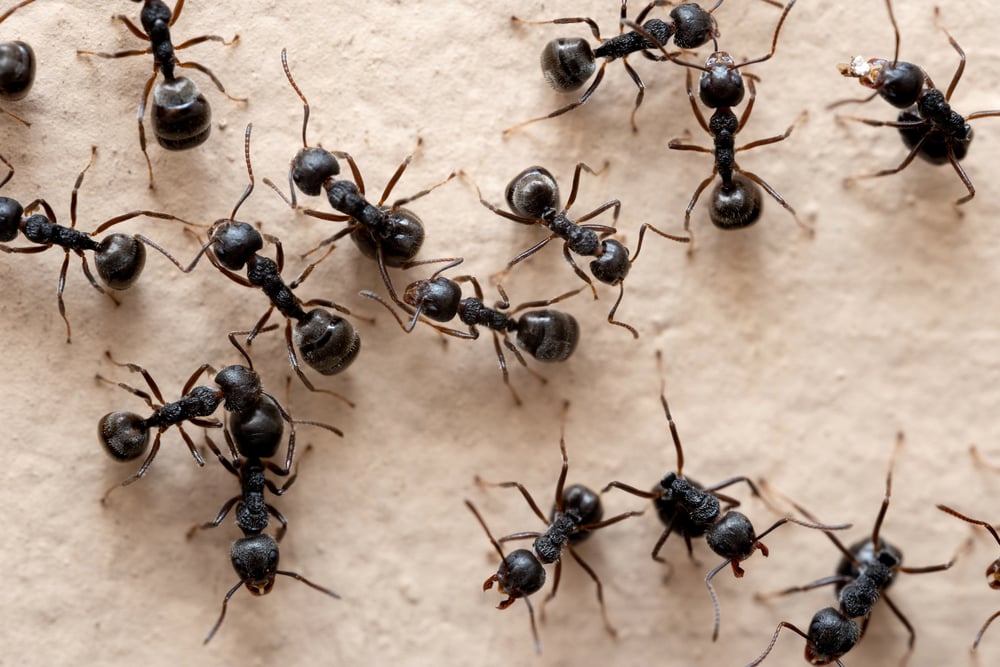
For every single person on Earth, there are roughly 2.5 million ants crawling around somewhere. Scientists estimate the global ant population at about 20 quadrillion individuals. Their combined weight actually exceeds that of all wild birds and wild mammals put together, making up about one-fifth of total human biomass.
Chickens

Chickens outnumber humans by approximately 3.5 to 1, with around 26 to 27 billion birds alive at any given moment compared to 8 billion people. The global chicken population has exploded from just 13.9 billion in 2000 to over 26 billion today. Most of these birds will live only a few weeks before ending up on someone’s dinner plate.
All Insects Combined
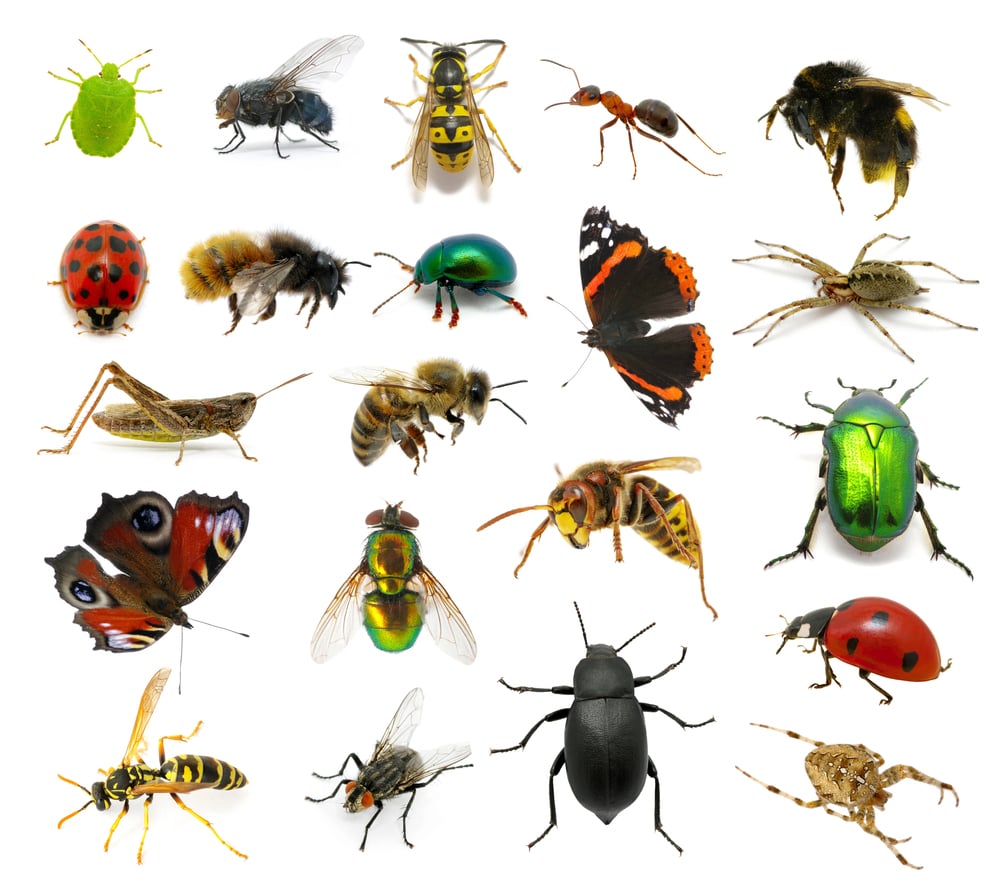
Recent estimates suggest there are more than 200 million insects for every human on the planet. The United States alone is home to roughly 400 pounds of insect biomass per acre, compared with just 14 pounds of human flesh and bone. We’re literally swimming in a sea of six-legged creatures.
Wild Mammals
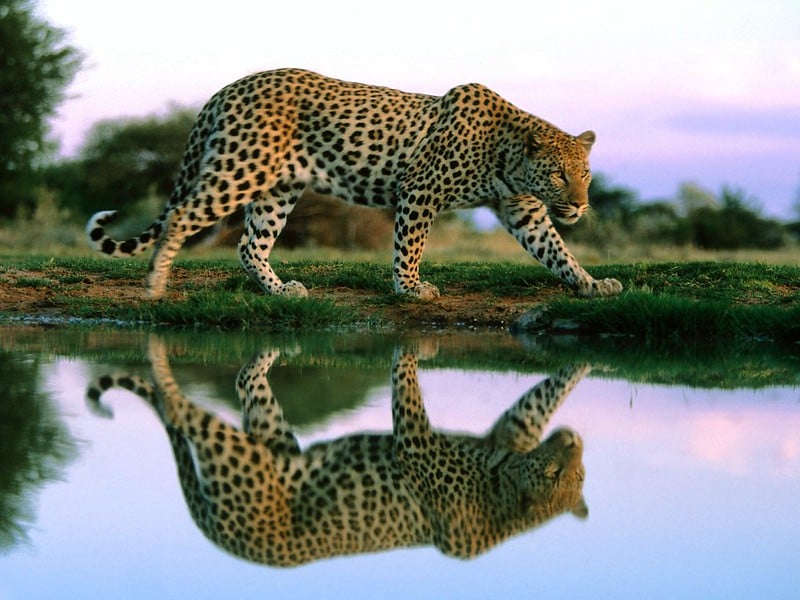
This one’s depressing rather than shocking. Wild mammals make up only 4% of the world’s mammal biomass, while livestock accounts for 62% and humans make up 34%. Compared to the time before humans hunted large megafauna to extinction, wild mammal biomass has decreased sevenfold.
Cattle
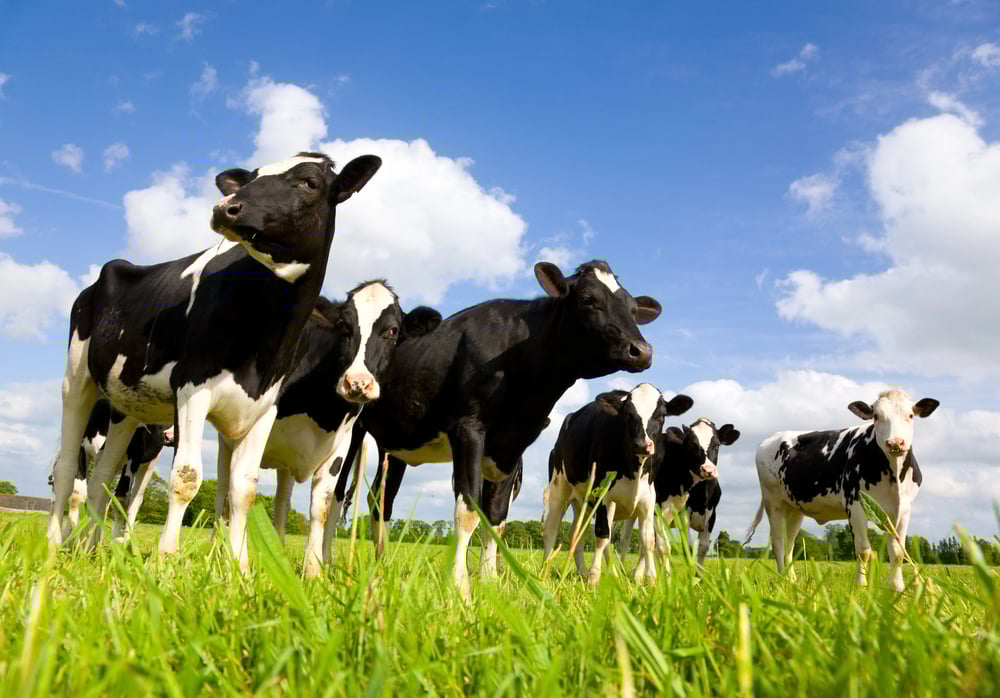
There are approximately 1.4 billion cattle in the world. That works out to roughly one cow for every six people. Cattle collectively weigh about 420 million tons, which is more than the combined mass of all humans on Earth. Their biomass exceeds ours by more than 30 million tons.
Dogs

The global dog population is estimated at more than 900 million, with around 470 million of these kept as pets. That means there’s roughly one dog for every nine humans. Domestic dogs have a total mass of about 20 million tons, similar to the combined biomass of all wild terrestrial mammals.
Pigs
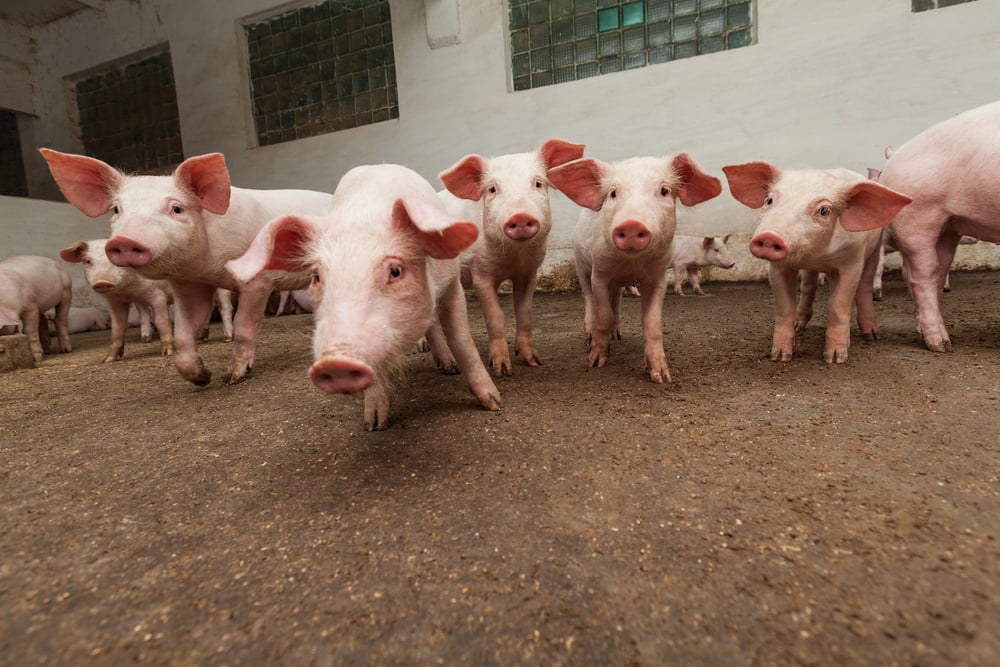
The world’s pig population stands at approximately 850 million. Domesticated pigs alone weigh around 40 million tons, which is almost double the combined mass of all terrestrial wild mammals. That’s one pig for roughly every nine or ten people on the planet.
Cats

Around 600 million cats roam the Earth, with approximately 370 million kept as pets. Domestic cats have a total biomass of about 2 million tons, almost double that of African savanna elephants and four times that of all moose. There’s roughly one cat for every 13 humans.
Sheep and Goats
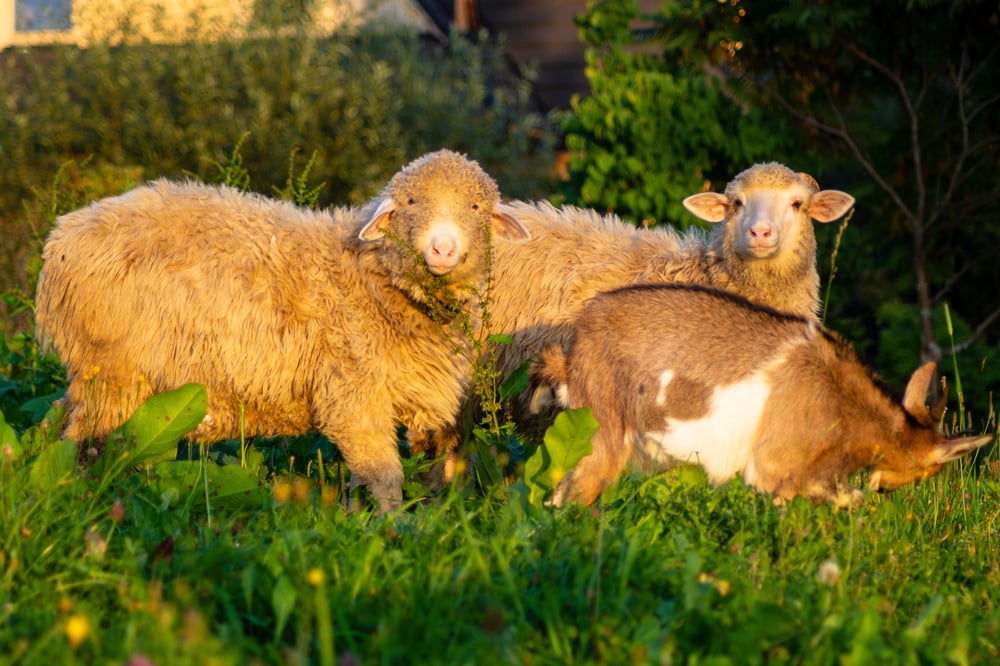
The combined global population of sheep and goats has been estimated at about 1.7 billion. These woolly creatures outnumber us at a ratio of more than one to five. They’ve been humanity’s companions for thousands of years, providing meat, milk, and fiber across nearly every continent.
White-Tailed Deer

Among wild land mammals, white-tailed deer are the heavyweight champions. This single species accounts for almost 10% of the total biomass of all wild land mammals globally. White-tailed deer alone contribute more mass than most other wild mammal species, thriving particularly well in North America’s forests and meadows.
Trees

NASA estimated there were over 400 billion trees on Earth in 2005, but more recent calculations using better methods suggest the global tree count is actually around 3 trillion. That’s roughly 375 trees for every person alive today. We’re still cutting them down faster than they can regrow in many areas.
Poultry Birds Overall

Seventy percent of all birds on Earth today are farmed poultry, while just 30 percent are wild birds. The biomass of domestic poultry is about three times higher than that of all wild birds combined. Humanity has fundamentally reshaped what it means to be a bird on this planet.
Wild Boars

Wild boars are among the primary contributors to wild land mammal biomass globally, alongside elephants and deer. Interestingly, about 30% of wild land mammal species now live in both human-dominated areas like plantations and urban spaces as well as natural habitats. Some species, including wild boars, actually thrive around human activity.
Marine Mammals

Marine mammals account for about 40 million tons of biomass globally. Three centuries of whaling and exploitative hunting practices have reduced marine mammal biomass fivefold. Baleen whales make up more than half of what remains.
Rats and Mice
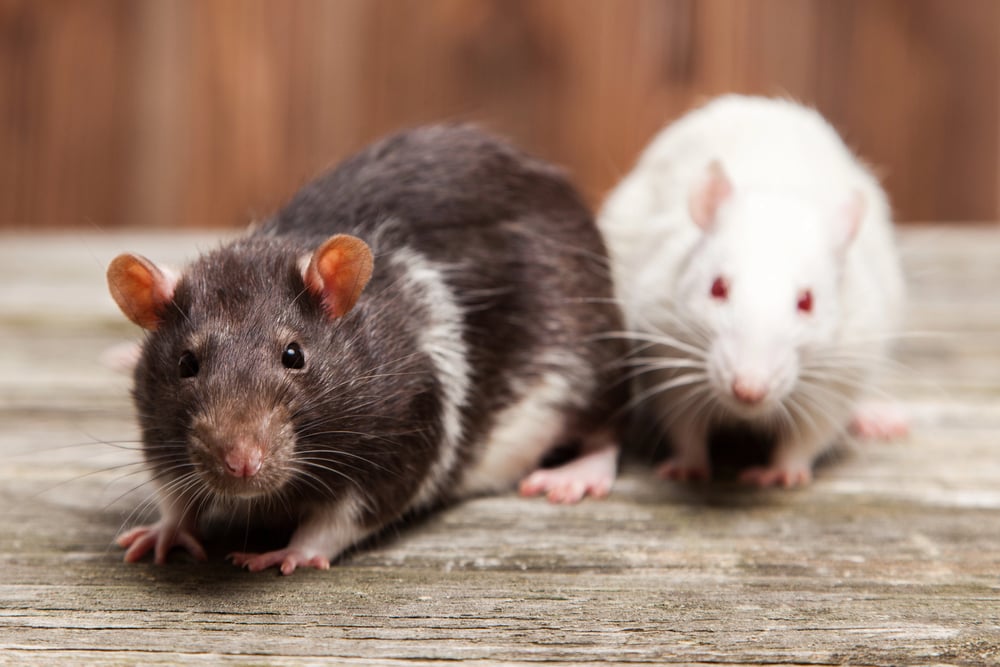
The exact numbers are slippery, but experts agree that brown rats outnumber humans, though no one seems eager to count them precisely. Black rats, brown rats, and house mice are so abundant in urban environments that researchers removed them from wild mammal tallies because they’re considered synanthropic species that benefit from human surroundings.
Horses, Camels, and Buffalo

There are approximately 120 million horses and 160 million camels and water buffalo worldwide. These working animals have shaped human civilization for millennia. Pack animals like horses, camels, and donkeys represent a significant portion of domesticated mammal biomass.
Bats

Bats constitute two-thirds of all individual wild mammals by number, though they only account for about 7% of the total terrestrial mammal mass. These flying mammals absolutely dominate the wild mammal population count, even if their small size means they don’t weigh much collectively.
All Arthropods

Arthropods account for 50% of total animal biomass on Earth. This group includes insects, arachnids, and crustaceans. With an estimated 20 quadrillion ants alone, their biomass comes to 12 megatons of dry carbon, which exceeds all wild birds and non-human mammals combined.
African Elephants

Despite their massive size and iconic status, the total biomass of domestic cats is almost double that of African savanna elephants. African elephants are among the top contributors to wild land mammal biomass, but they represent a tiny fraction of what remains of Earth’s wild creatures.
Laboratory Animals
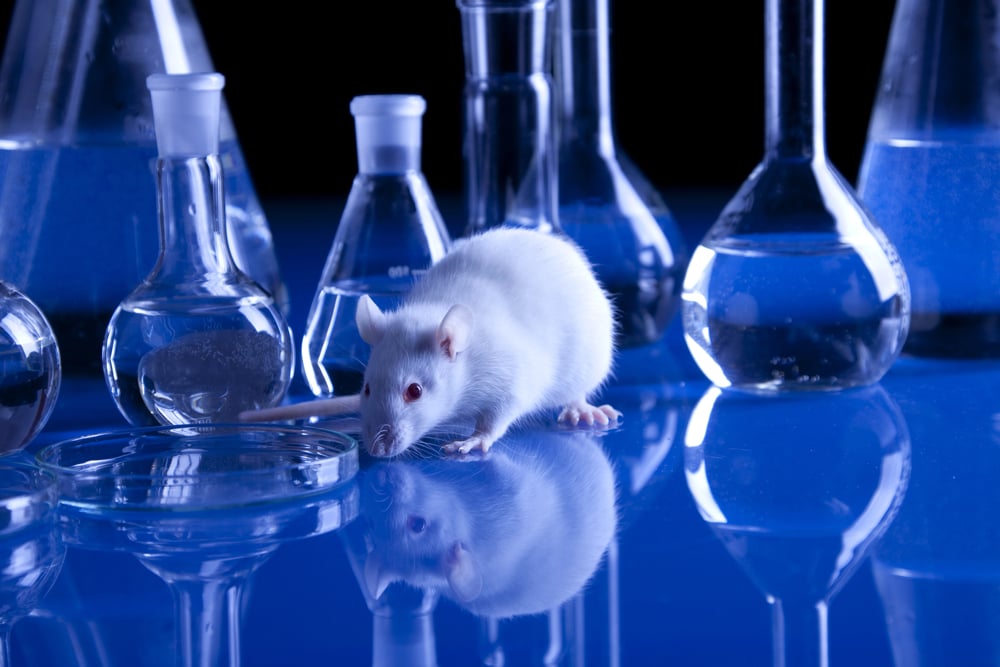
It’s been estimated that between 50 to 100 million vertebrate animals are used in experiments around the world every year. The vast majority are mice and rats bred specifically for research. In the United States alone, an estimated 111.5 million rats and mice were used annually in research during 2017-18.
The Weight of Our Dominance

Humans make up approximately 0.01% of all biomass on Earth, yet we’ve managed to destroy 83% of wild mammals and 50% of wild plants since we emerged as a species. We’ve increased the total size of the mammal kingdom almost tenfold through domestication, but we’ve done it by replacing wild diversity with cows, pigs, and chickens. The numbers don’t lie: we’ve reshaped life on this planet so dramatically that future geologists will see the bones of domestic chickens as the defining fossil of our era. Whether that’s something to be proud of or ashamed of depends entirely on what we do next.
More from Go2Tutors!

- The Romanov Crown Jewels and Their Tragic Fate
- 13 Historical Mysteries That Science Still Can’t Solve
- Famous Hoaxes That Fooled the World for Years
- 15 Child Stars with Tragic Adult Lives
- 16 Famous Jewelry Pieces in History
Like Go2Tutors’s content? Follow us on MSN.



