Ancient Culinary Ingredients Lost to Time
Kitchens today are filled with ingredients from every corner of the world. Spices, herbs, and exotic foods arrive at local stores thanks to global shipping and modern farming.
These lost ingredients once flavored the meals of emperors, peasants, and everyone in between. Let’s dig into the foods that history left behind.
Silphium

Ancient Romans went absolutely crazy for this plant that grew wild along the North African coast. Silphium worked as a seasoning, a medicine, and apparently even helped with digestion after those famously huge Roman feasts.
The plant was so valuable that it appeared on Roman coins and cost more than its weight in silver.
Garum
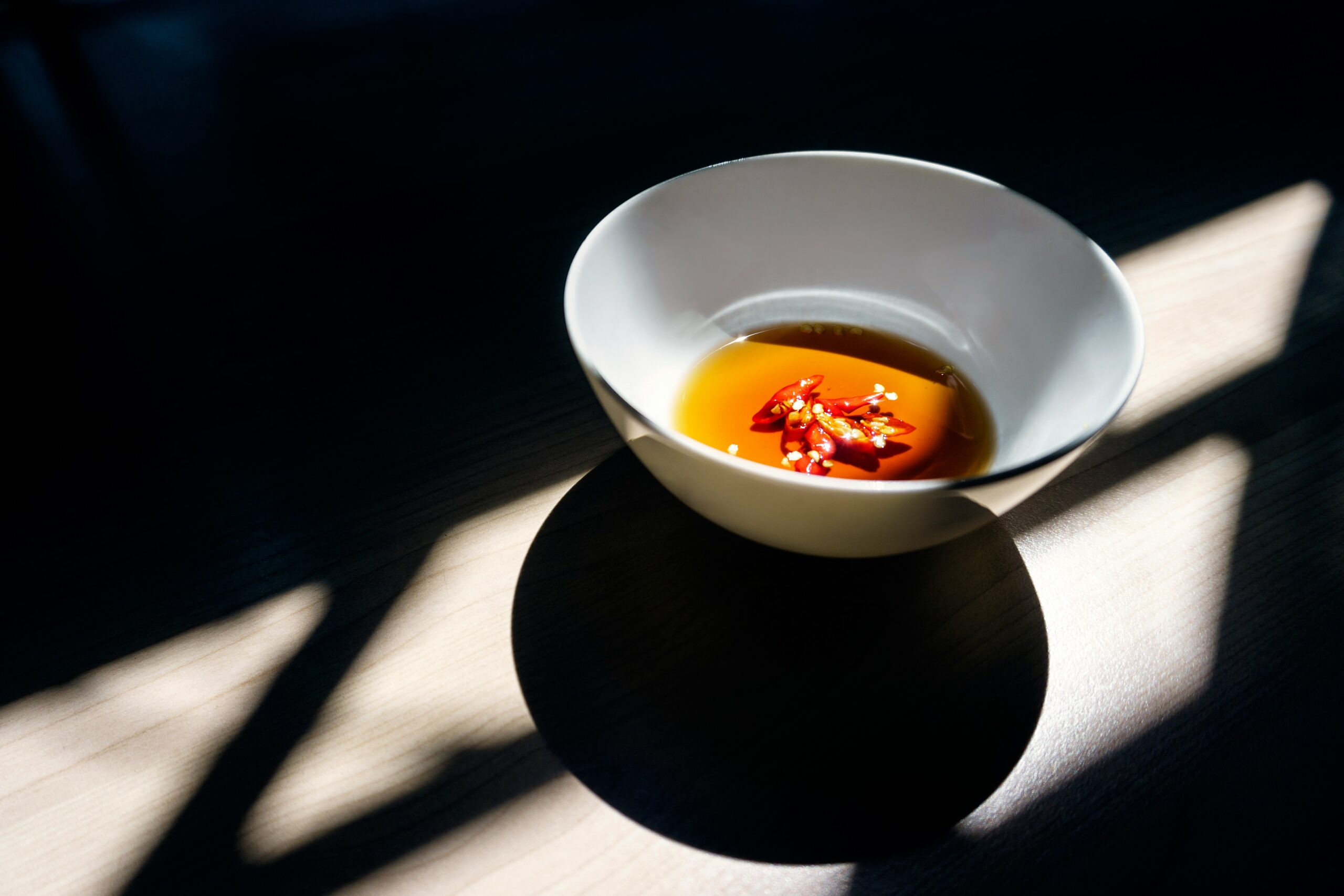
This fermented fish sauce was the ketchup of ancient Rome, showing up in almost every recipe from that era. Cooks made garum by layering fish and salt in large containers, then leaving everything to ferment in the sun for months.
The resulting liquid had an intensely savory taste that Romans poured over vegetables, meats, bread, and basically everything else. Different regions produced their own varieties, with some versions costing a fortune while others remained affordable for common people.
The recipe didn’t exactly disappear since similar fish sauces exist in Asian cuisines today, but the specific Roman versions and techniques got lost when the empire collapsed.
Like Go2Tutors’s content? Follow us on MSN.
Passum
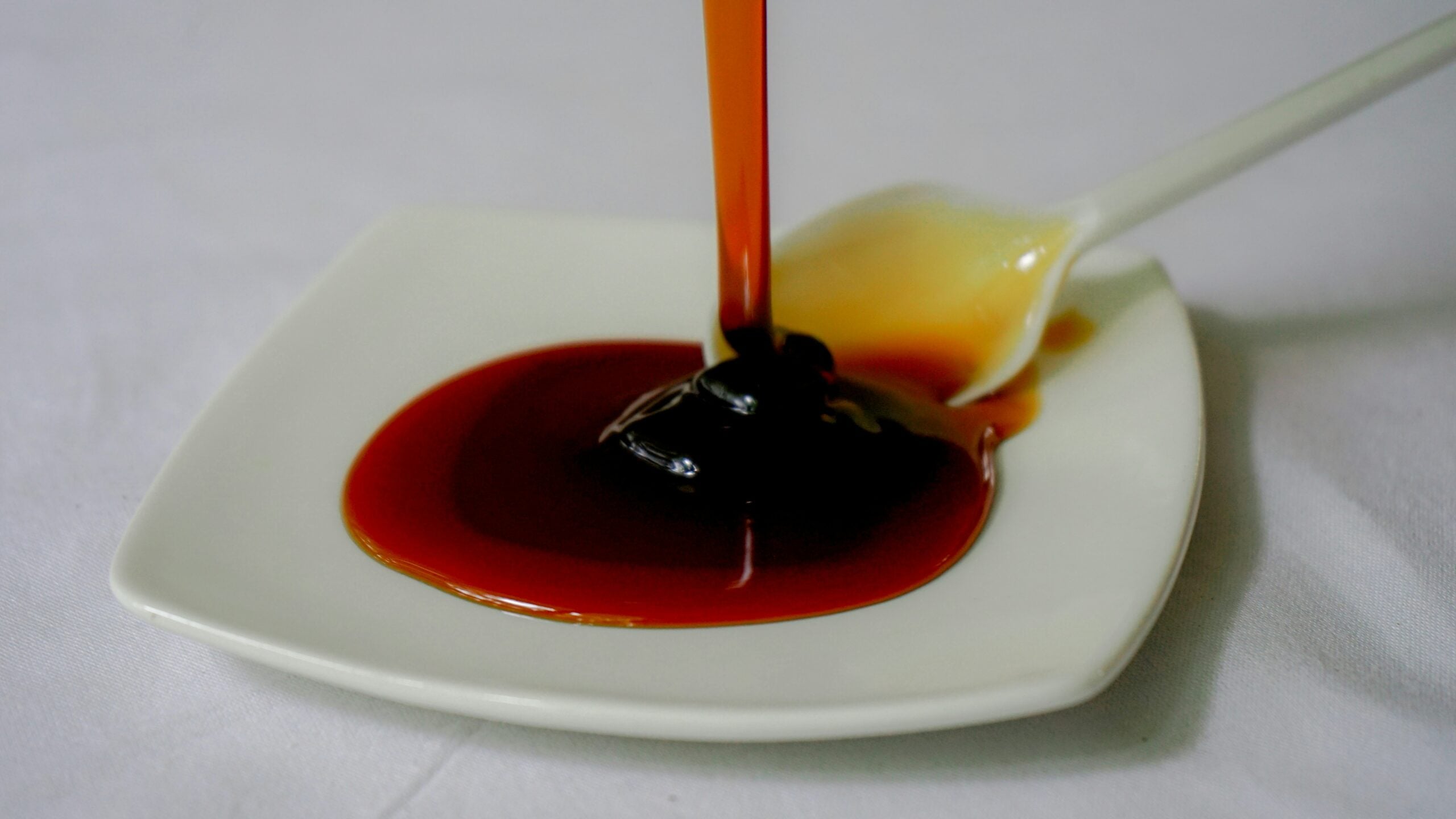
Romans sweetened their food and drinks with this concentrated grape syrup made from dried raisins. Winemakers would dry grapes in the sun until they shriveled, then press and ferment them into a thick, sweet liquid.
Passum showed up in desserts, sauces, and even main dishes where cooks wanted a touch of sweetness. The process took considerable time and effort, which made quality passum expensive.
As refined sugar became more available centuries later, people stopped making passum because sugar was easier and cheaper to use.
Defrutum
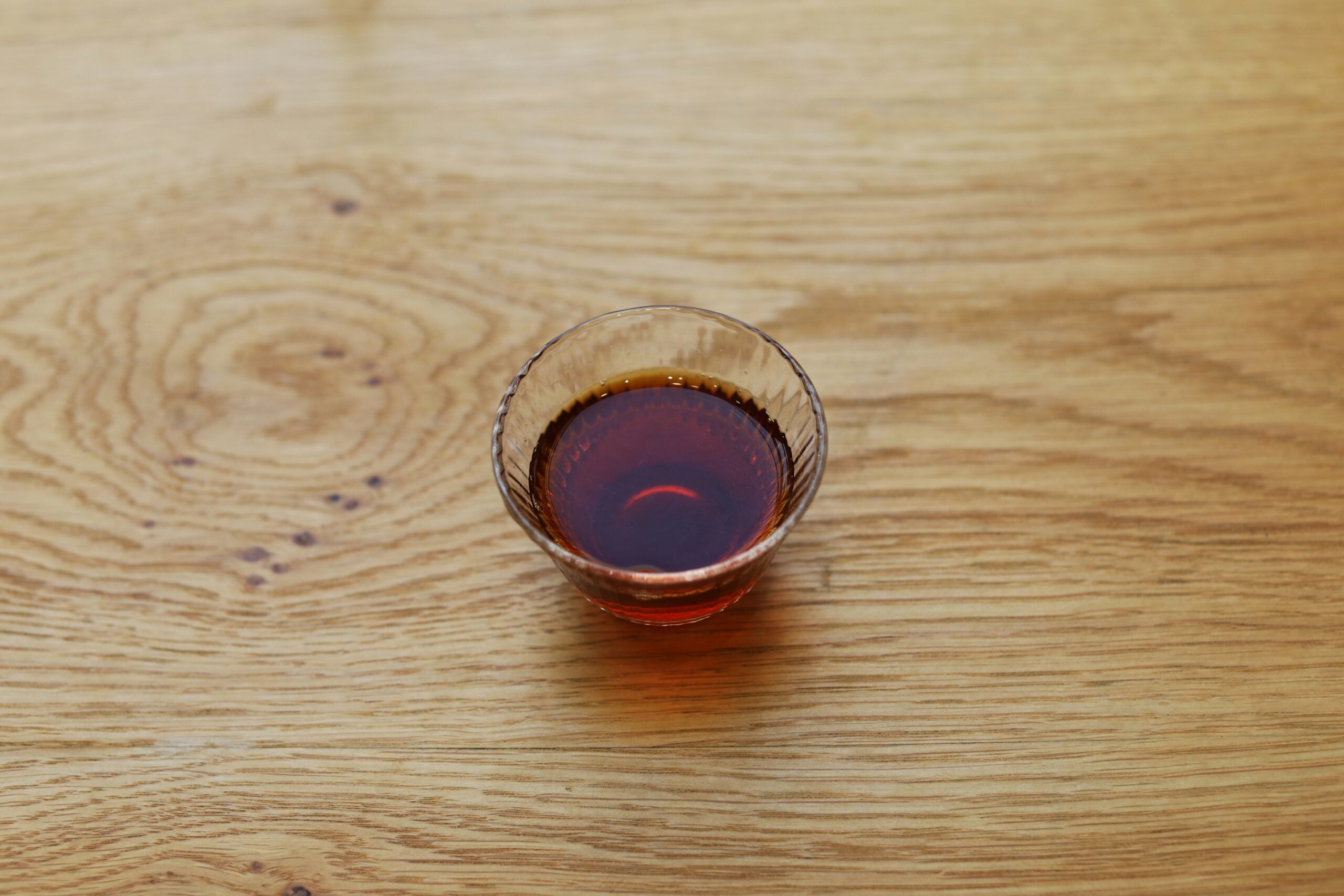
Another Roman sweetener, defrutum, came from boiling down grape must (the juice, skins, and seeds) until it became thick and syrupy. Cooks used it the same way modern recipes call for honey or molasses.
The boiling process often happened in lead pots, which unknowingly contaminated the syrup with lead acetate that gave it an extra sweet taste. Romans had no idea they were slowly poisoning themselves with their favorite sweetener.
The practice died out along with Roman civilization, though lead poisoning might have contributed to Rome’s decline in the first place.
Wild auroch meat

The auroch was a massive wild ox that roamed Europe, Asia, and North Africa for thousands of years. These animals stood over six feet tall at the shoulder and had huge horns that curved forward.
Ancient peoples hunted aurochs for their meat, which appeared in feasts and special occasions throughout the ancient world. The last known auroch died in Poland in 1627, ending thousands of years of culinary history.
Modern cattle descended from domesticated aurochs, but the wild versions were apparently much larger and tougher, with meat that tasted quite different from today’s beef.
Like Go2Tutors’s content? Follow us on MSN.
Ancient Egyptian beer bread
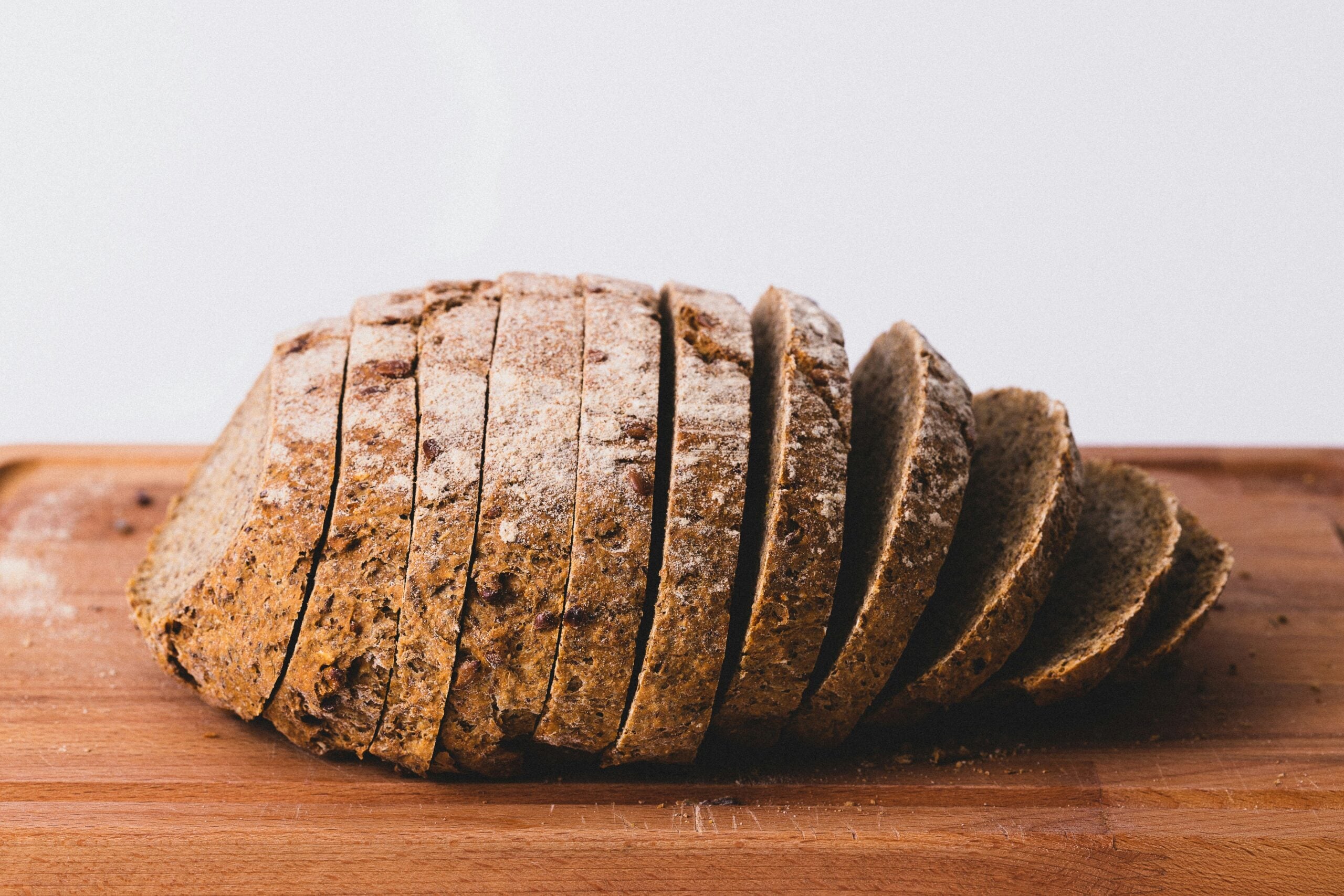
Egyptians made a specific type of bread partially baked then crumbled into water to create beer. The bread itself served as a meal, but its main purpose involved brewing the thick, nutritious beer that Egyptians drank daily.
Workers building the pyramids received rations of this beer bread along with regular bread and onions. The exact recipe and techniques got lost over the centuries, though modern brewers and archaeologists have attempted recreations based on ancient paintings and texts.
The real thing probably tasted nothing like modern bread or beer.
Parthian chicken

This wasn’t a lost breed but rather a specific preparation method from ancient Persia. Cooks would stuff chickens with a mixture that included rice, nuts, dried fruits, and secret spices that varied by family and region.
The recipe spread throughout the ancient world as Persian influence grew. When the Parthian Empire fell to the Sassanids, many cultural traditions changed or disappeared.
The specific Parthian method for preparing this dish got lost even though similar stuffed chicken dishes exist throughout the Middle East today.
Tetragonolobus purpureus

Ancient Greeks and Romans ate the seeds of this plant, also called the winged pea. The seeds needed specific preparation to remove their slightly bitter taste.
Once prepared correctly, they added protein and flavor to soups and stews throughout the Mediterranean. For reasons nobody fully understands, people gradually stopped eating winged peas even though the plant still grows wild.
Perhaps other beans and peas tasted better or grew more easily. The plant exists today mostly as an ornamental flower, with its culinary past largely forgotten.
Like Go2Tutors’s content? Follow us on MSN.
Conditum paradoxum
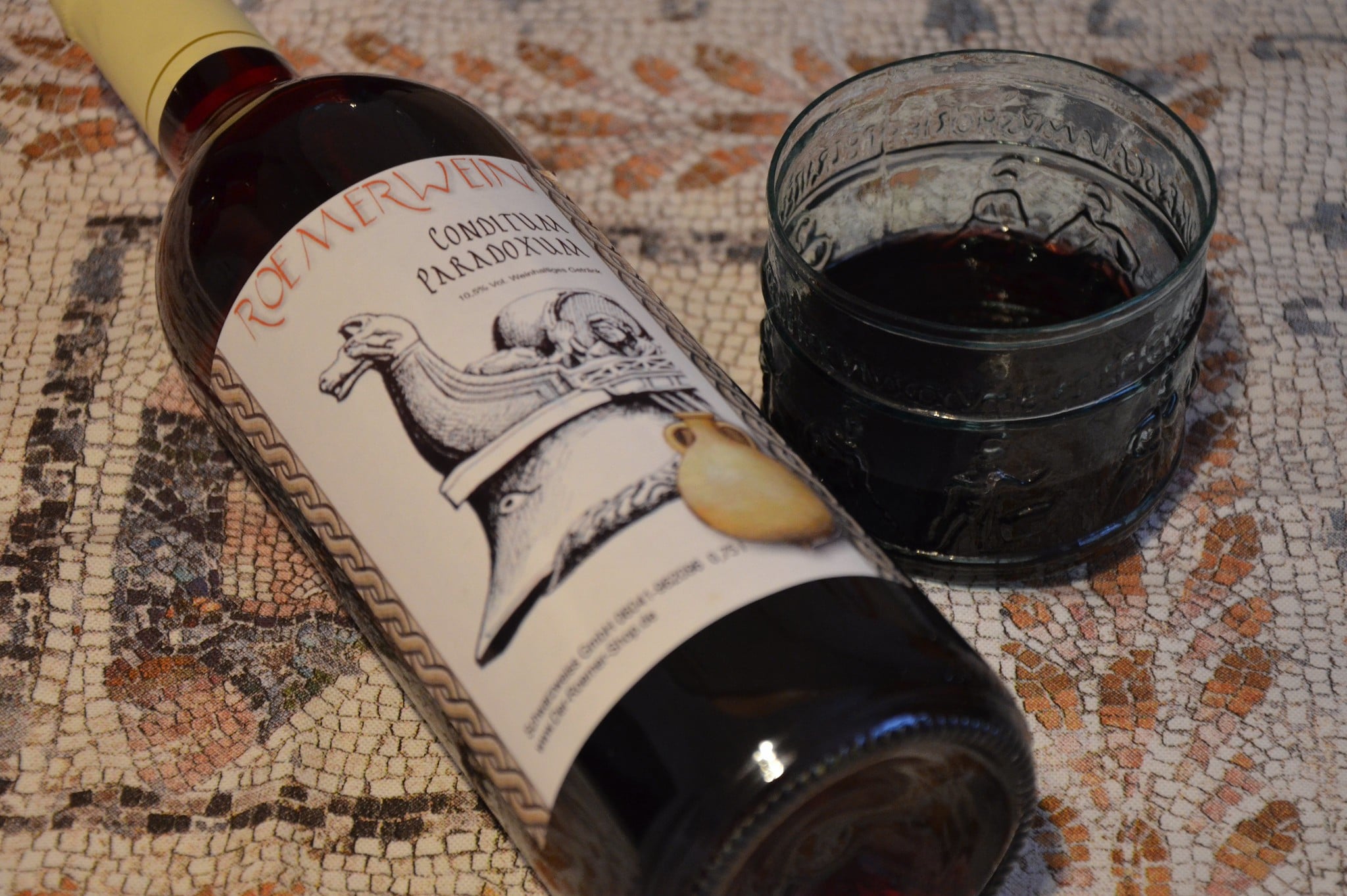
Romans created this spiced wine by mixing wine with honey, pepper, dates, saffron, and several other ingredients that recipes list but don’t explain clearly. The name means “surprise sauce” or “unexpected wine,” suggesting it had an unusual taste that caught people off guard.
Different households made their own versions, and no two batches tasted exactly alike. The general concept of spiced wine survived into medieval times and beyond, but the specific Roman version and its particular blend of spices disappeared when recipes stopped being recorded.
Mesopotamian date syrup varieties
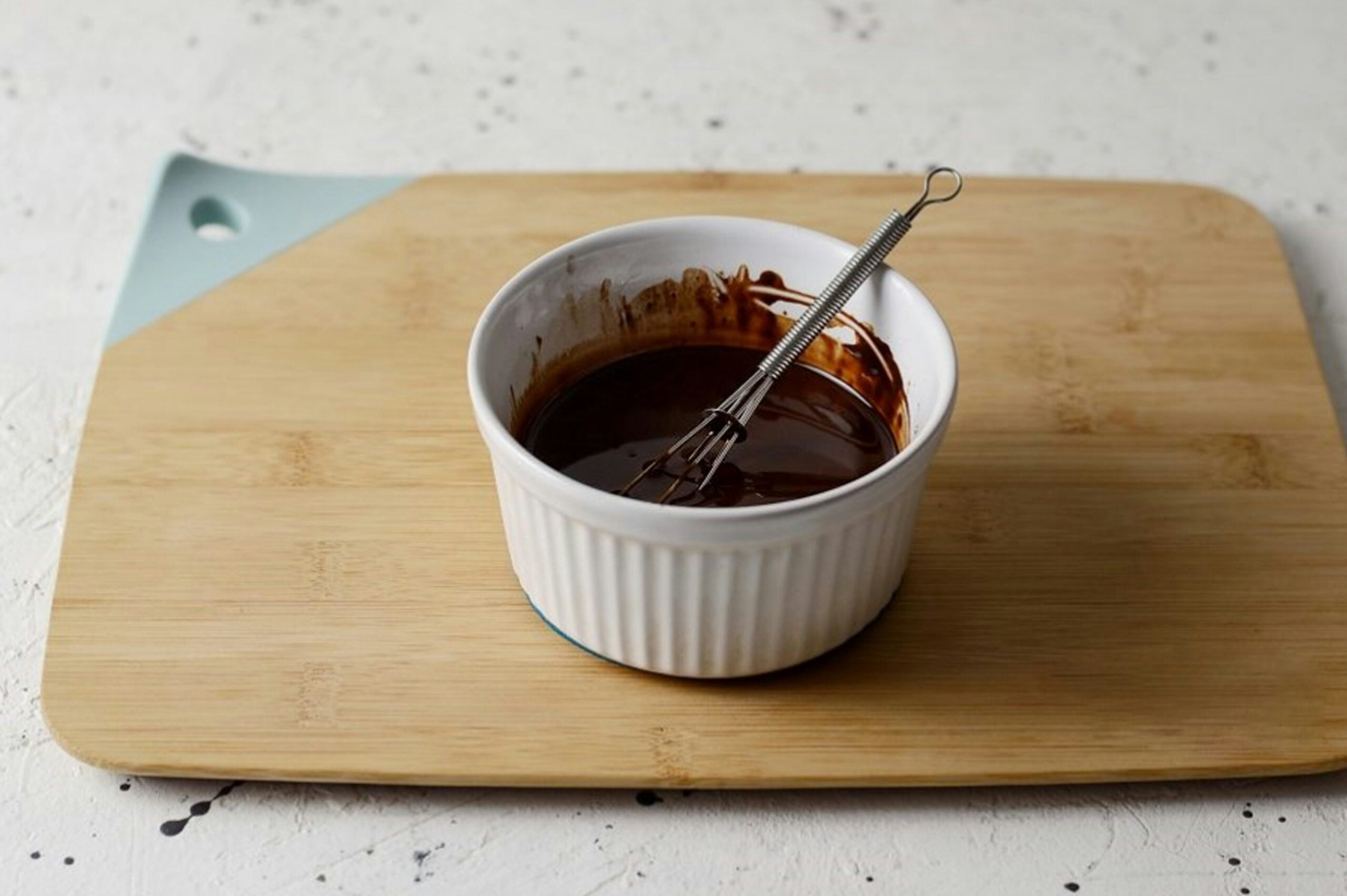
Ancient Mesopotamians cultivated dozens of date palm varieties, each producing fruit with distinct flavors and qualities. They processed these dates into different syrups used for cooking, medicine, and religious ceremonies.
Scribes recorded the names of various date syrups on clay tablets, carefully noting which ones worked best for specific dishes. Most of those date palm varieties went extinct over the following millennia as agriculture changed and cities fell.
Modern date syrup comes from just a few date palm species, giving us only a tiny glimpse of the variety ancient cooks enjoyed.
Mayan cacao preparations
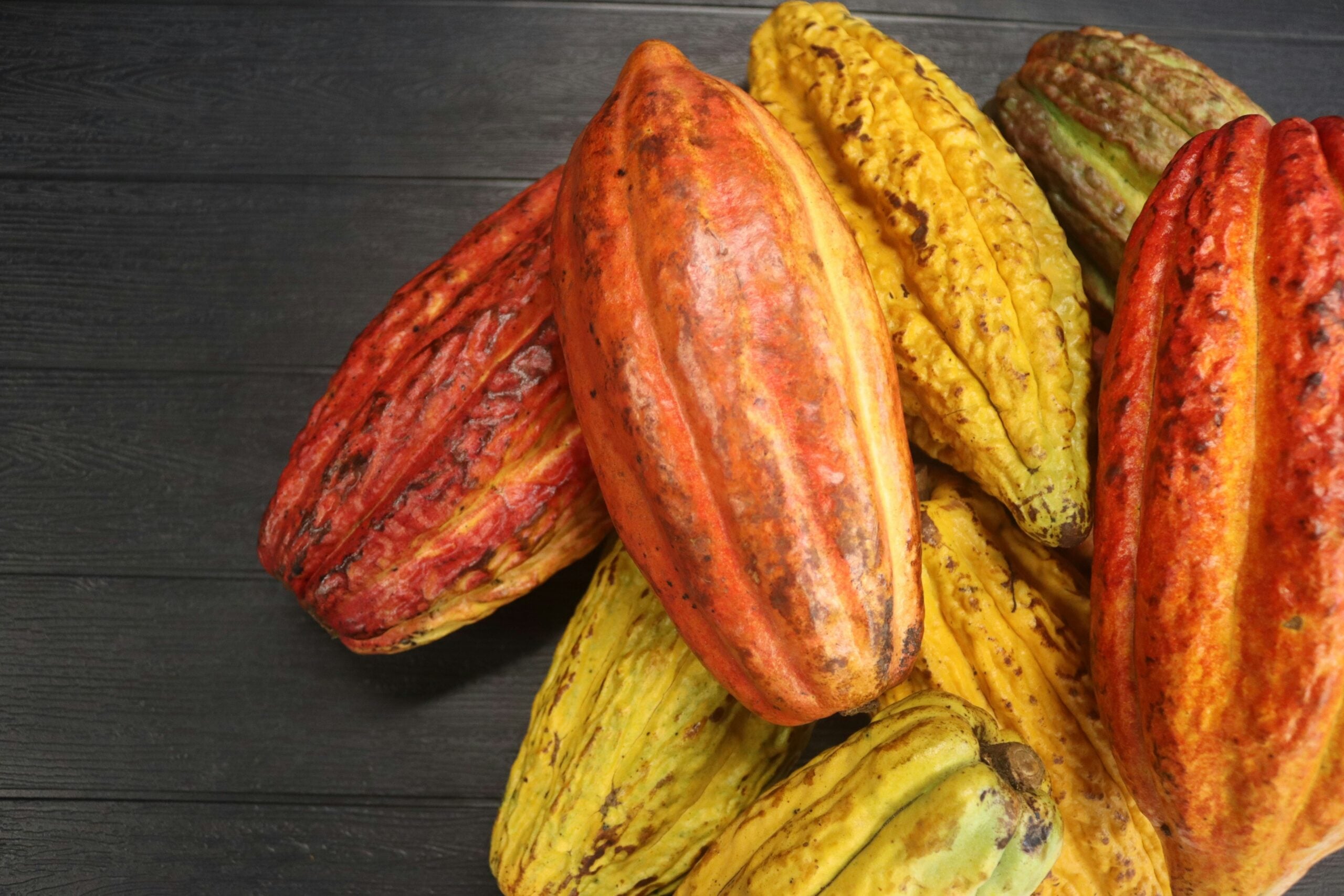
The Maya prepared chocolate in ways completely different from modern hot cocoa or candy. They mixed ground cacao beans with water, chili peppers, cornmeal, and various flowers to create a frothy, bitter drink served cold.
Different social classes drank different preparations, with nobles getting the finest versions flavored with rare ingredients. The Spanish adopted chocolate but completely changed how it was prepared, adding sugar and serving it hot.
The original Mayan recipes and techniques faded away, though some remote communities still prepare traditional versions.
Like Go2Tutors’s content? Follow us on MSN.
Ancient grain porridges
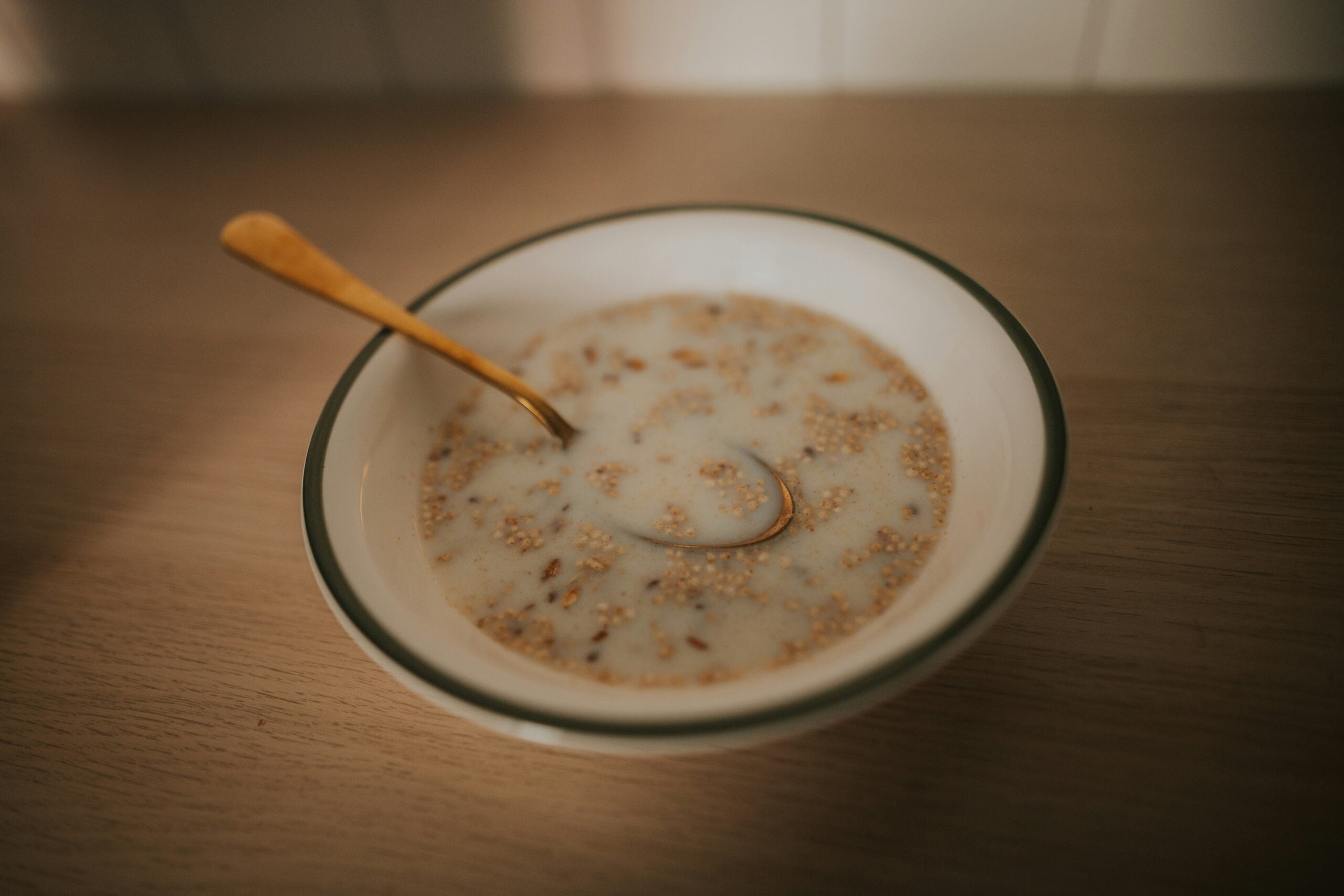
People throughout the ancient world ate porridges made from grains that either went extinct or fell completely out of favor. Einkorn and emmer wheat, once staples of ancient diets, barely exist in modern agriculture.
These ancient grains had different flavors and textures compared to modern wheat. Communities would cook them into thick porridges seasoned with whatever they had available, from honey to herbs to bits of meat.
The specific combinations and cooking methods got lost as people switched to newer grain varieties that produced better yields and tasted milder.
Honey wine varieties
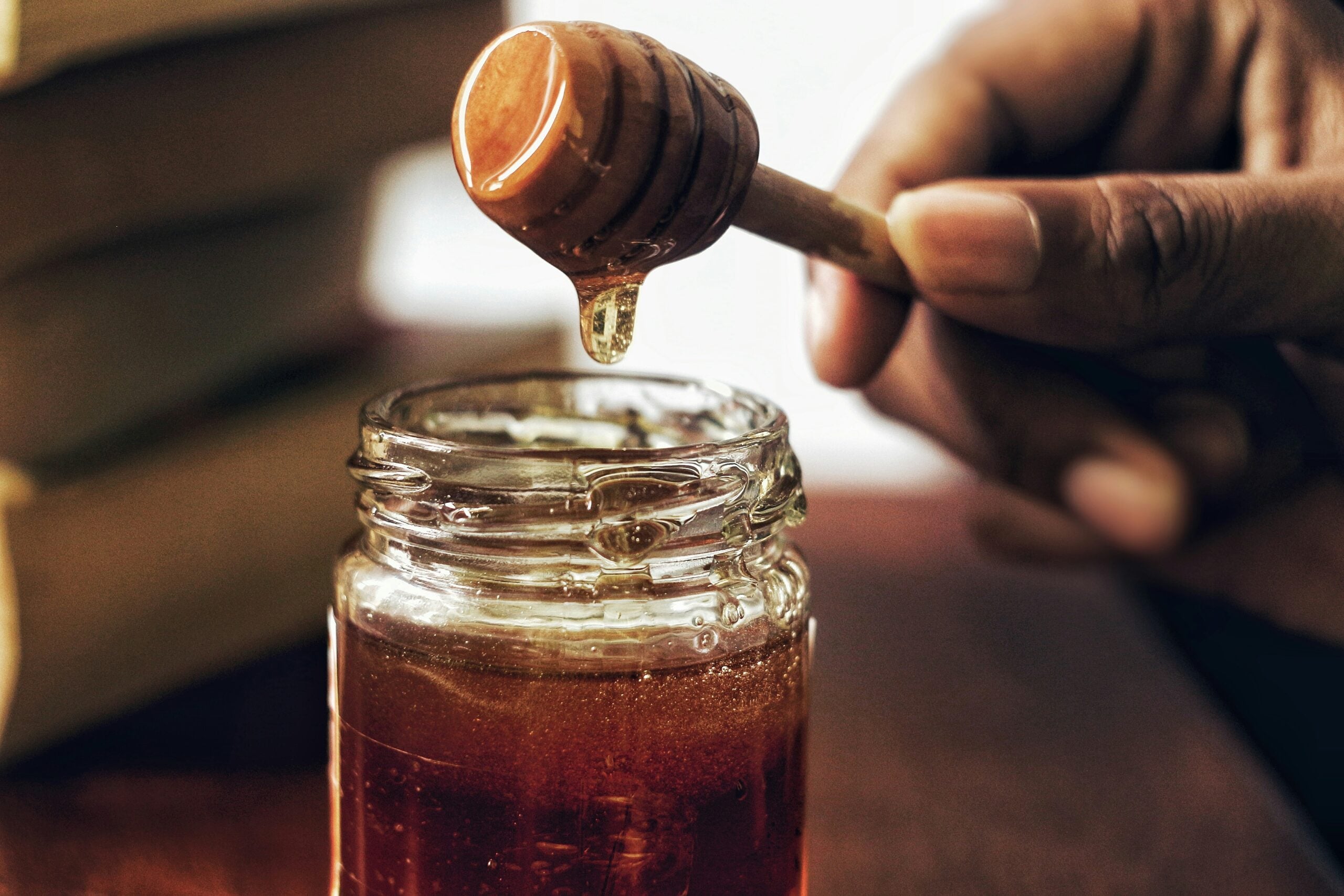
Ancient peoples made wine from honey long before grapes became the standard. Different regions created distinct types of honey wine using local honey, water, and various additives like herbs, fruits, or spices.
Egyptian, Greek, and Norse cultures all had their own honey wine traditions with unique ingredients and preparation methods..
What the kitchen remembers

These lost ingredients remind us that cuisine constantly changes, shaped by environment, technology, and simple chance. The foods people treasured centuries ago might seem strange or unappetizing now, just as our current favorite ingredients might baffle future generations.
Some things disappear forever, but cooking adapts and finds new flavors to love.
Like Go2Tutors’s content? Follow us on MSN.
More from Go2Tutors!

- 16 Historical Figures Who Were Nothing Like You Think
- 12 Things Sold in the 80s That Are Now Illegal
- 15 VHS Tapes That Could Be Worth Thousands
- 17 Historical “What Ifs” That Would Have Changed Everything
- 18 TV Shows That Vanished Without a Finale
Like Go2Tutors’s content? Follow us on MSN.