Every “Word of the Year” Since 2010
Suddenly, it feels like everyone’s saying the same thing. Words emerge out of nowhere, meanings twist over time, yet once in a while, just one term sticks right where it hurts or helps.
Oddly enough, that’s when a choice label rises – not picked by experts but lifted by volume, repetition, shared exhaustion or joy. Surprisingly precise, it maps the mood no report ever could.
Quietly, inevitably, it becomes the tag for twelve messy months. Peering back at every Word of the Year starting in 2010 reveals more than just trends – each choice carried the mood of its moment.
Why one word rose above others often tied to events most people felt but didn’t name until then. The selection wasn’t random; it mirrored shifts happening beneath the surface.
A quiet reflection of how language bends when culture pushes. Each winner, small as it seemed, held weight beyond letters.
Moments shaped them. They, in turn, helped shape understanding.
Change (2010)

That year, Oxford Dictionaries named ‘change’ the defining word – fitting, really. Recovery from the 2008 crash was dragging on, power shifted between leaders, while frustration grew in homes across the globe.
Instead of sounding hollow, the term felt heavy with meaning. More than a campaign phrase, it held an honest wish: life might improve.
Squeezed Middle (2011)

Out of Britain this idea surfaced, shaped by Ed Milibant to talk about regular workers and modest earners feeling heavy financial strain. Chosen by Oxford as their standout term, “squeezed middle” struck close to home – suddenly there was a phrase for struggles folks had kept mostly silent.
Fancy words? Not at all. Just truth told straight.
Omnishambles (2012)

Out of a UK comedy series called ‘The Thick of It,’ the term omnishambles popped up to label disasters unfolding on all fronts at once. Picked by Oxford as their standout pick, it escaped screen dialogue and slipped into actual news talk fast.
The way it rolls off the tongue feels oddly fitting – like a noise mirroring mess.
Selfie (2013)

Hard to miss what’s happening here. Back when Oxford picked ‘selfie’ as Word of the Year, people started using it like never before – up nearly seventeen thousand percent in twelve months flat.
Thanks to cameras pointing forward, shots of oneself went from rare to routine almost overnight. Whether you were a teen or running a country, snapping your own face became normal.
What once passed for a quick picture now carried meaning, more like a message than a moment caught.
Vape (2014)
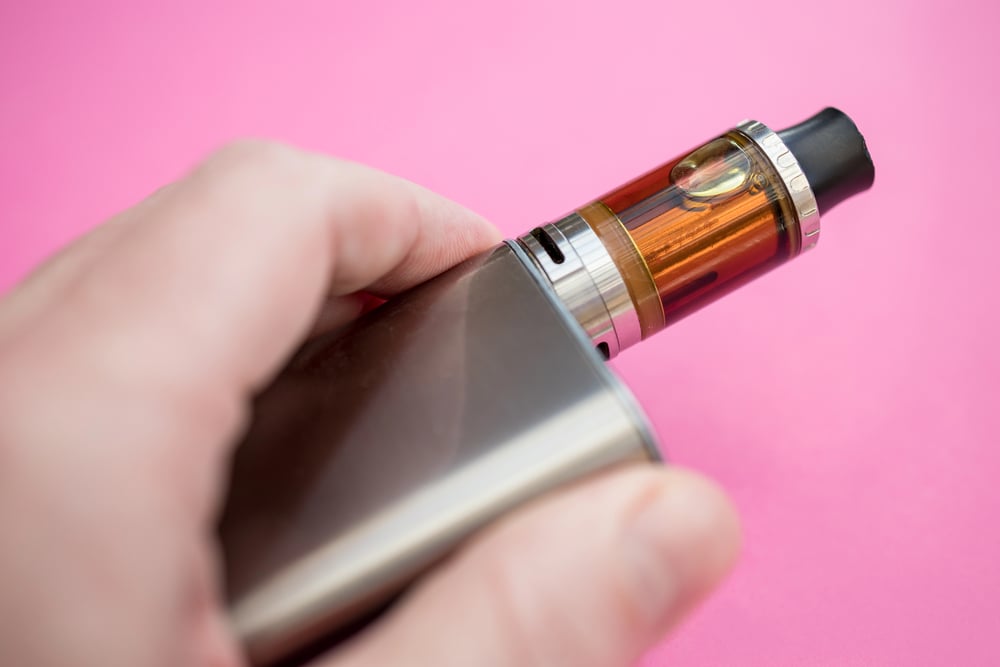
Vaping entered the scene quietly, then exploded into daily talk. Chosen by Oxford as a defining term of its time, the word tagged a shift nobody saw coming.
A fresh habit spread fast, carried on clouds of vapor and curiosity. Suddenly it felt like each person had tried it, discussed it, shaped it.
Language shifted without asking, filling space only hindsight could explain.
Emoji (2015)

Not one single word won Oxford’s top spot last year – instead, a little grinning face did. That bright yellow emoji, weeping with laughter, took over messages everywhere across Earth.
This mini picture said what entire phrases often fail to express. A strange pick at first glance?
Maybe. Yet tough to deny its grip on how people talk now.
Post-Truth (2016)

Uncomfortable is how some now see the term “post-truth,” picked by Oxford when mentions jumped 2,000 percent. Feelings began outweighing facts in political talk around that time.
Public discourse shifted under pressure from events like Brexit and America’s presidential race. That shift sparked debates which simply refused to fade away.
Youthquake (2017)

Young folks shaking things up – that’s what Oxford meant by ‘youthquake’. Came into focus during Britain’s 2017 vote, when turnout among the under-30s jumped way past predictions.
Not everyone warmed to the term; a few called it awkward, even clumsy. Still, behind the odd name sat an actual shift, one powered by fresh voices making their mark.
Toxic (2018)

‘Toxic’ had been around for years, but in 2018 it expanded far beyond its original meaning. Oxford tracked a massive increase in its use across contexts like toxic masculinity, toxic relationships, toxic workplaces, and toxic political environments.
The word became a catch-all for anything that caused harm in a slow, quiet, hard-to-see way.
Climate Emergency (2019)

Oxford went with a phrase rather than a single word in 2019, and ‘climate emergency’ reflected just how urgent the global conversation had become. Greta Thunberg had captured the world’s attention, millions were marching, and the language around climate change had shifted from concern to crisis.
The word ’emergency’ was doing a lot of work that year.
Pandemic (2020)

There was really no competition in 2020. Merriam-Webster named ‘pandemic’ its Word of the Year after lookups increased by 115,806 percent on a single day in March.
It was the word that changed everything — plans, routines, economies, and lives. People who had barely heard it before were suddenly using it every single day.
Vaccine (2021)

If ‘pandemic’ defined 2020, then ‘vaccine’ defined 2021. Merriam-Webster chose it as the word of the year after it looked up 601 percent more than the year before.
It was a word that carried both scientific weight and enormous emotional meaning — hope, debate, and relief all wrapped into one.
Permacrisis (2022)

Collins Dictionary chose ‘permacrisis’ for 2022, defining it as an extended period of instability and insecurity. It described the exhausting reality of living through one major crisis after another — the fallout from the pandemic, rising inflation, the war in Ukraine, and political instability in multiple countries.
The word felt like a sigh of defeat and a nod of recognition at the same time.
Authentic (2023)
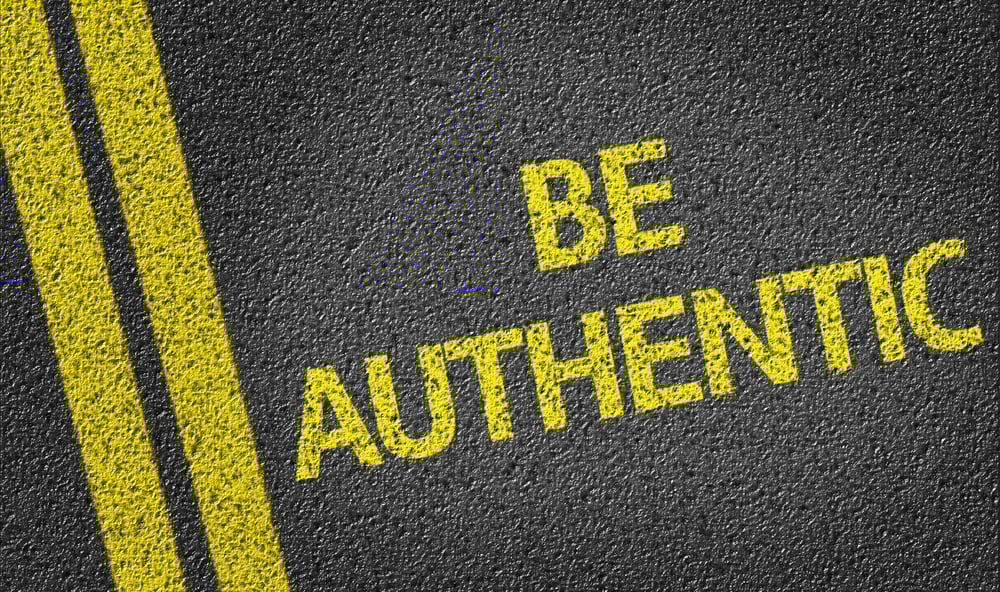
Merriam-Webster picked ‘authentic’ as the 2023 Word of the Year, and the timing made complete sense. Social media had made everything feel curated and performed, and people were increasingly craving something that felt real.
The word was everywhere — in conversations about celebrities, brands, content creators, and personal identity. Everyone wanted to be seen as authentic, which perhaps made the word itself a little ironic.
Brain Rot (2024)

Oxford University Press named ‘brain rot’ the 2024 Word of the Year, describing the supposed mental and intellectual decline that comes from consuming too much low-quality content online. Usage of the phrase doubled between 2023 and 2024, driven largely by Gen Z and Gen Alpha who used it both as a joke and as genuine self-criticism.
It is a phrase that made people laugh while making them quietly think about their own screen habits.
Agentic (2025)

As artificial intelligence moved from a background tool to a front-and-center part of daily life, ‘agentic’ stepped in to describe AI systems that could act independently, make decisions, and complete tasks without constant human input. The word spread quickly through tech circles and then into mainstream conversation as more people started using AI assistants that did more than just answer questions.
It marked a clear shift in how the world was thinking about machines and what they were becoming.
Words That Shaped Their Time

Looking back at every Word of the Year since 2010, a clear picture forms. The words that win are never chosen at random — they are the ones that people reached for when regular language did not quite do the job.
From ‘selfie’ to ‘permacrisis,’ each word is a small time capsule, holding the mood, fear, hope, or humor of its year inside it. The real takeaway is this: the way people talk always catches up to the way people live, and the Word of the Year is proof of that every single time.
More from Go2Tutors!

- The Romanov Crown Jewels and Their Tragic Fate
- 13 Historical Mysteries That Science Still Can’t Solve
- Famous Hoaxes That Fooled the World for Years
- 15 Child Stars with Tragic Adult Lives
- 16 Famous Jewelry Pieces in History
Like Go2Tutors’s content? Follow us on MSN.



