Fastest Cars of the 80s Admired Worldwide
The 1980s weren’t supposed to be a great decade for fast cars. Emissions regulations had strangled the muscle car era, and the oil crisis was still fresh in everyone’s memory. Yet somehow, this decade produced some of the most legendary speed machines ever built.
While American automakers struggled to squeeze power from their engines, European manufacturers were busy rewriting the rulebook on what production cars could achieve. Here is a list of 15 fastest cars from the 1980s that captured the world’s imagination and still command respect today.
Ferrari F40

When Ferrari wanted to celebrate its 40th anniversary, they didn’t mess around with a commemorative badge or special paint color. They built the F40, and it became the first production car to break 200 mph.
The twin-turbocharged 2.9-liter V8 pumped out 471 horsepower, which doesn’t sound massive by today’s standards, but the car weighed less than 2,500 pounds. That power-to-weight ratio meant 0-60 mph in 3.7 seconds and a top speed of 201 mph, making it the world’s fastest production car when it launched in 1987.
Everything about the F40 was stripped down and focused—no power windows, no air conditioning, just raw speed wrapped in Pininfarina’s aggressive bodywork.
Porsche 959

Porsche’s 959 was the technological showcase that made other supercars look primitive. This wasn’t just a fast car; it was a rolling laboratory of advanced engineering that wouldn’t become mainstream for another decade.
The twin-turbocharged flat-six produced 450 horsepower and powered all four wheels through a sophisticated computer-controlled system that could vary torque distribution. With a top speed of 197 mph and 0-60 mph in 3.7 seconds, it matched the F40’s acceleration while offering far more refinement and usability.
Only 337 were built between 1986 and 1993, and each one represented the absolute cutting edge of what was possible in automotive engineering.
Like Go2Tutors’s content? Follow us on MSN.
Ferrari 288 GTO
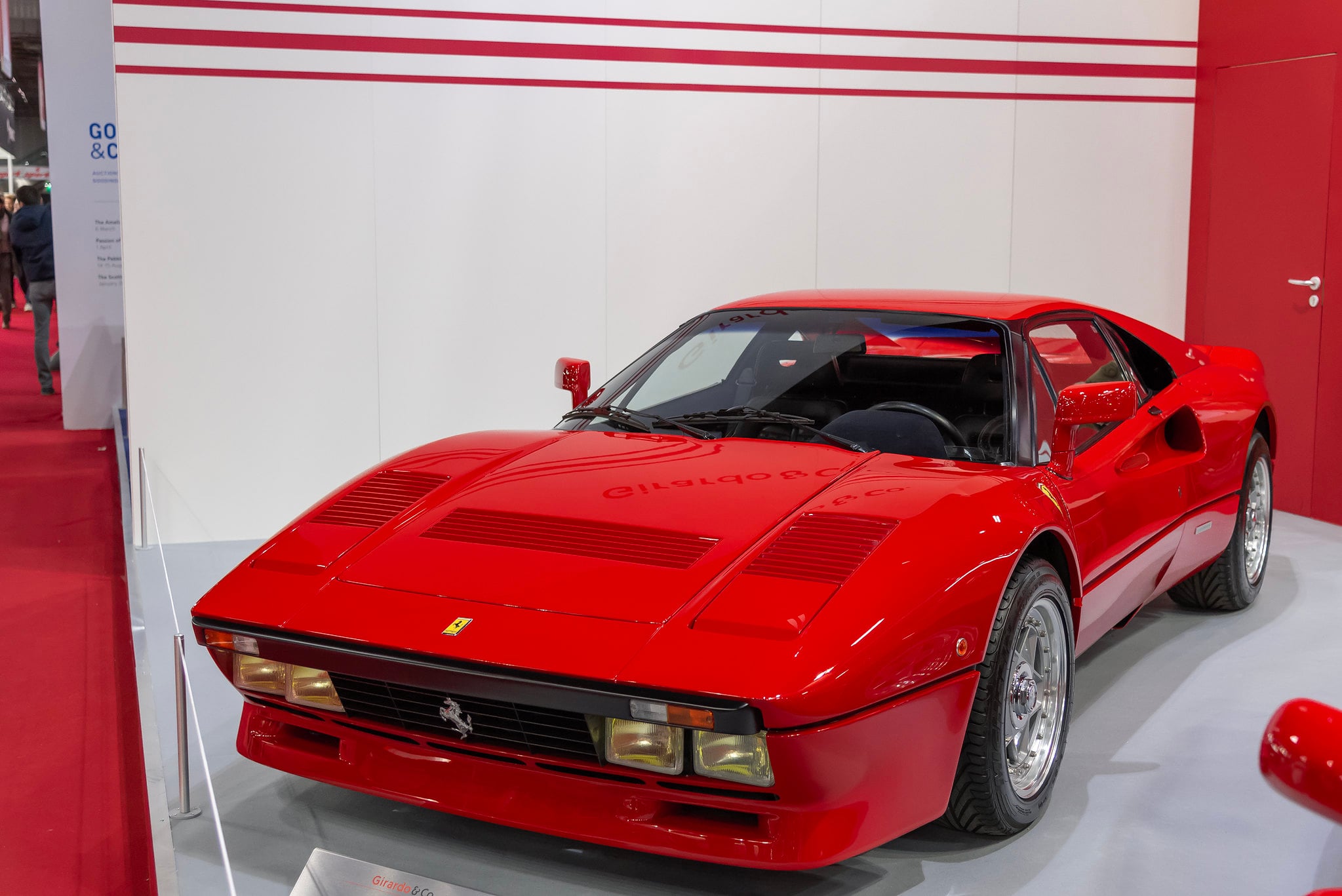
The 288 GTO flew under the radar compared to the F40, but it deserves just as much respect. Built as a homologation special for Group B racing, only 272 examples left the factory between 1984 and 1986.
The twin-turbocharged 2.8-liter V8 made 400 horsepower, enough to hit 189 mph and sprint to 60 mph in 4.9 seconds. Ferrari based it on the 308 GTB but transformed it into something entirely different with a tubular chassis, wider track, and race-bred suspension.
The 288 GTO became the blueprint for every limited-production Ferrari that followed.
Ferrari 512 BB
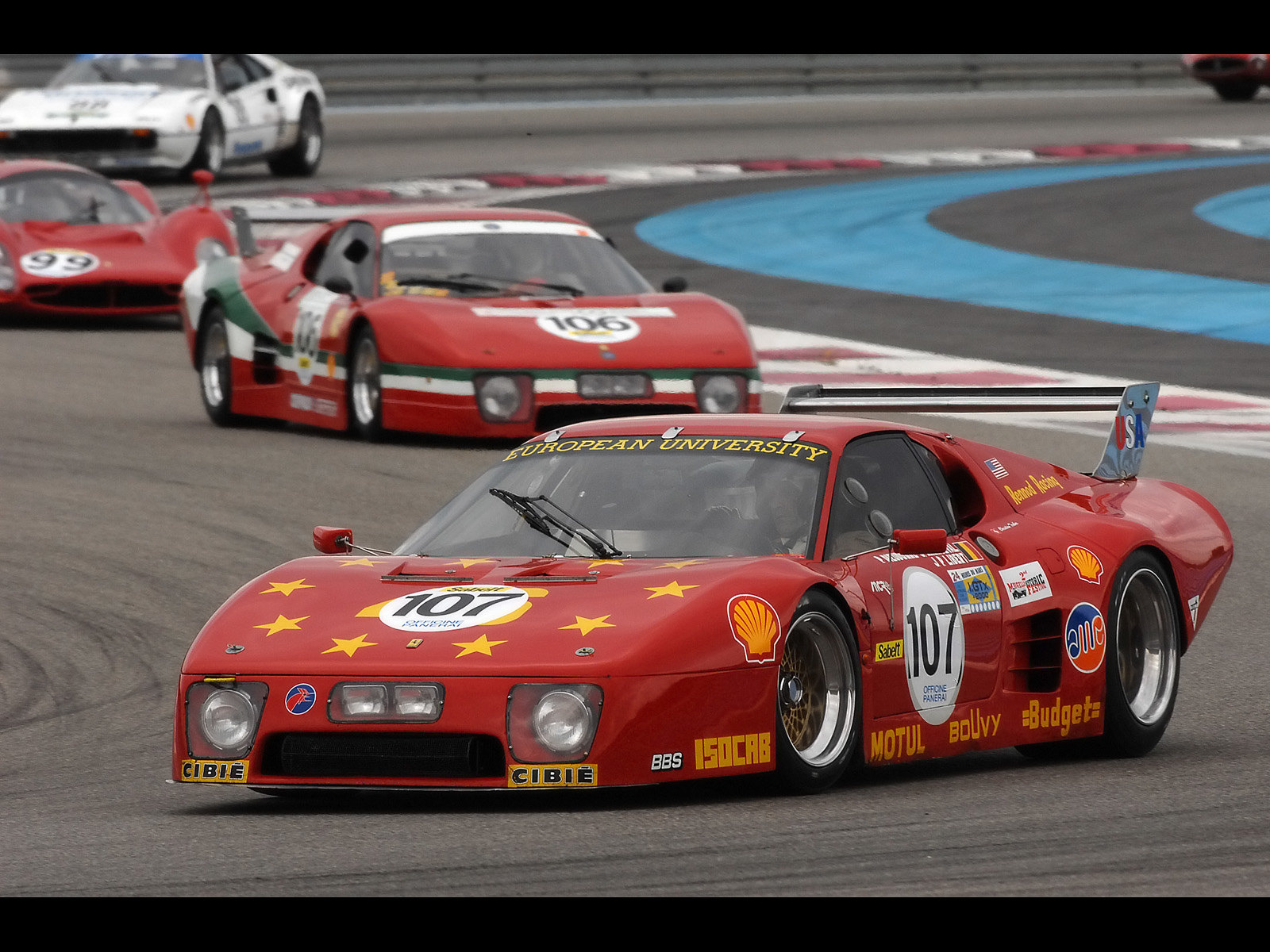
The Berlinetta Boxer represented Ferrari’s first mid-engine 12-cylinder production car, and the 512 BB was the refined version that arrived in 1976 and continued through the early 1980s. Its flat-12 engine produced 340 horsepower in carbureted form or 360 horsepower with fuel injection, pushing the sleek Pininfarina body to around 175 mph.
The 512 BB could hit 60 mph in about five seconds, which made it one of the fastest things on the road during its production run. It bridged the gap between Ferrari’s front-engine era and the mid-engine supercars that would define the brand’s future.
Aston Martin V8 Vantage Zagato
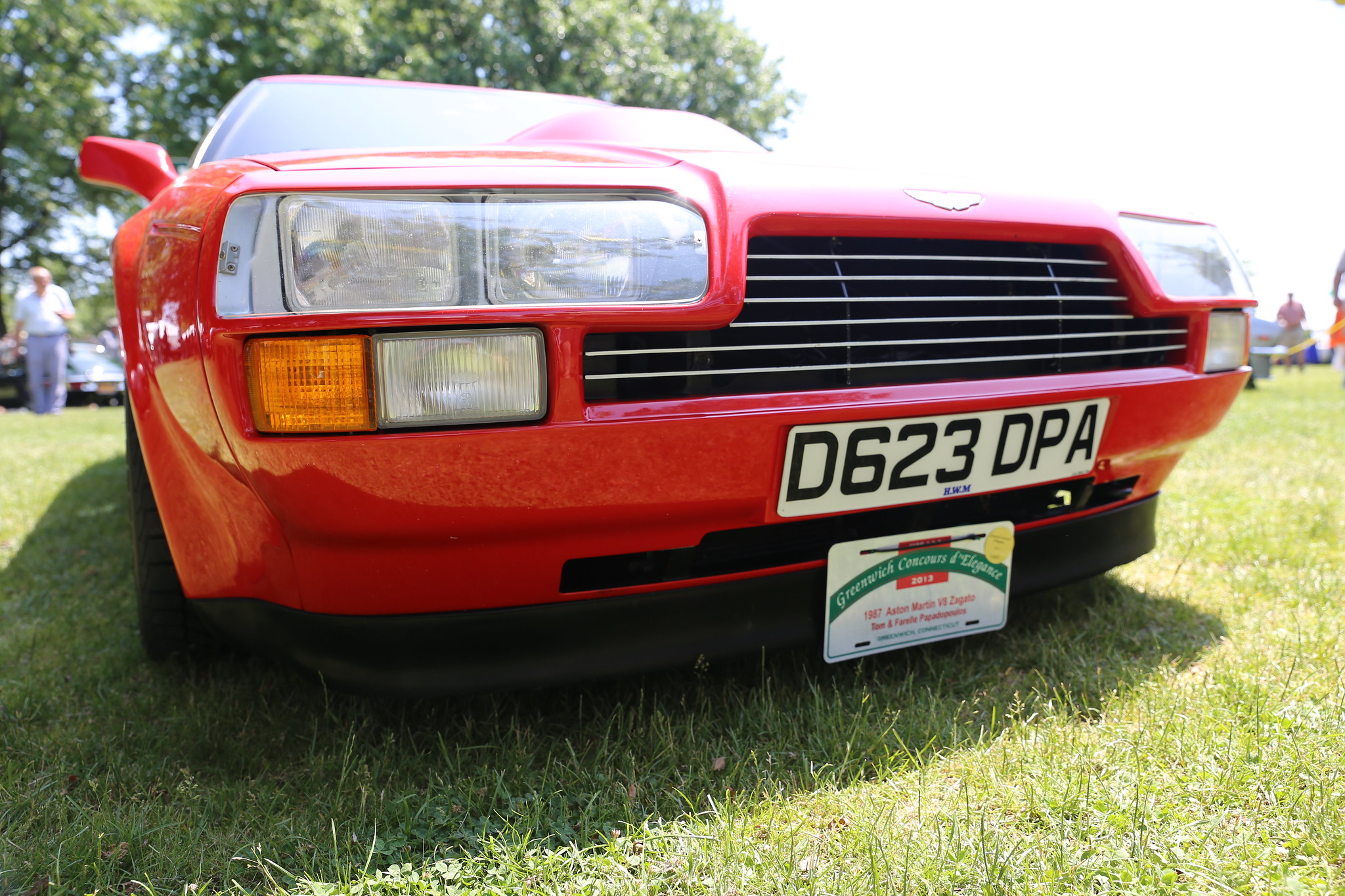
Zagato took Aston Martin’s already potent V8 and created something special. The Italian coachbuilder ditched the traditional British curves for sharper, more angular styling that looked distinctly 1980s.
Under the reshaped body sat a 5.3-liter V8 making 430 horsepower, enough to propel the Zagato to 186 mph. Only 89 examples were built between 1986 and 1990—52 coupes and 37 convertibles—making it one of the rarest British performance cars of the decade.
The Zagato helped modernize Aston Martin’s image at a time when the company desperately needed fresh relevance.
Like Go2Tutors’s content? Follow us on MSN.
Ferrari Testarossa
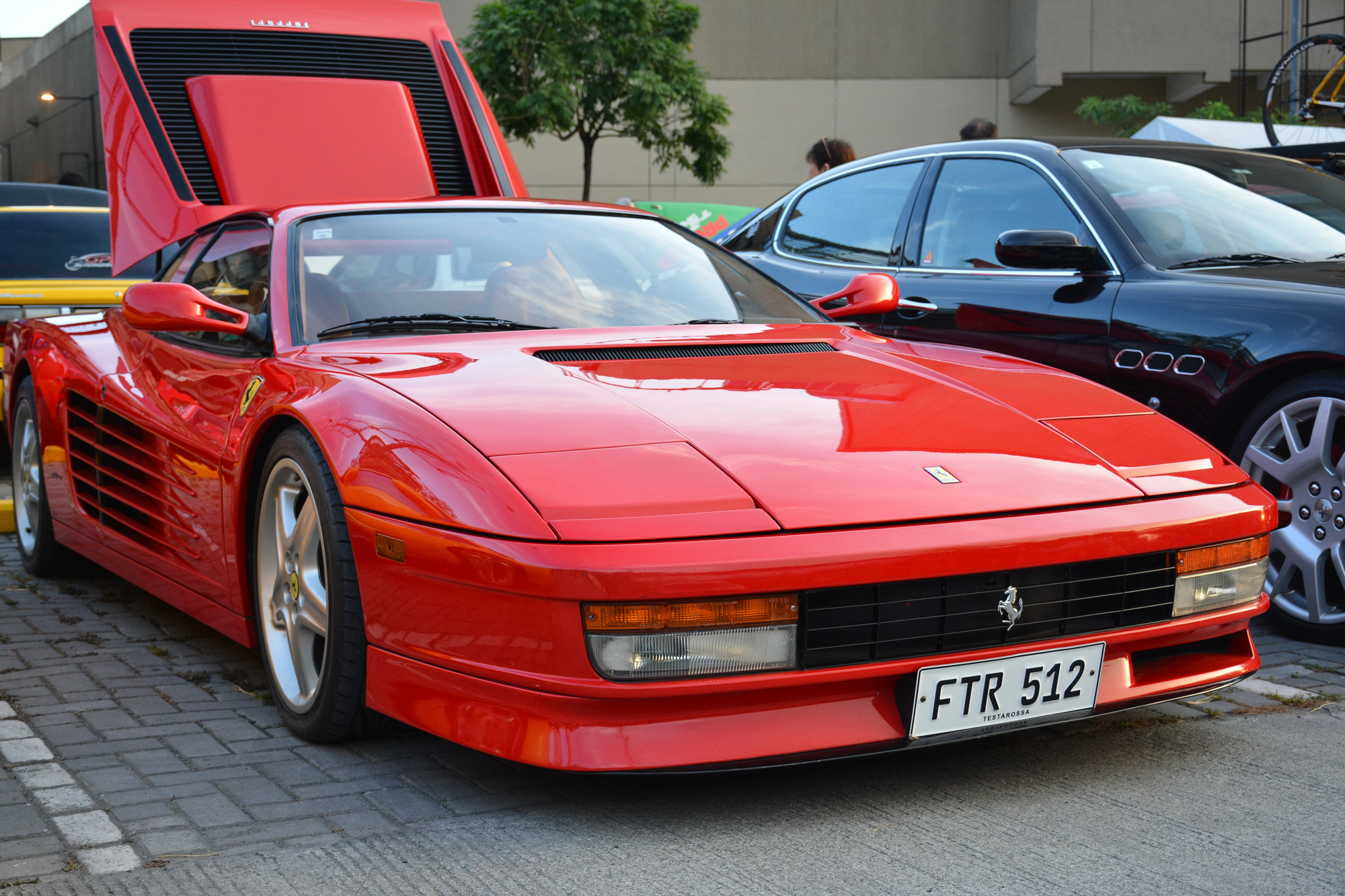
The Testarossa became the poster car of the 1980s, literally. Those wide side strakes, the wedge profile, and that massive width made it instantly recognizable.
The 4.9-liter flat-12 produced 390 horsepower and could push the Testarossa to 181 mph. It wasn’t just fast in a straight line either—the handling was surprisingly good for such a wide car.
Miami Vice made it famous, but the Testarossa earned its reputation through genuine performance and a presence that commanded attention wherever it went.
Lamborghini Countach LP5000 QV
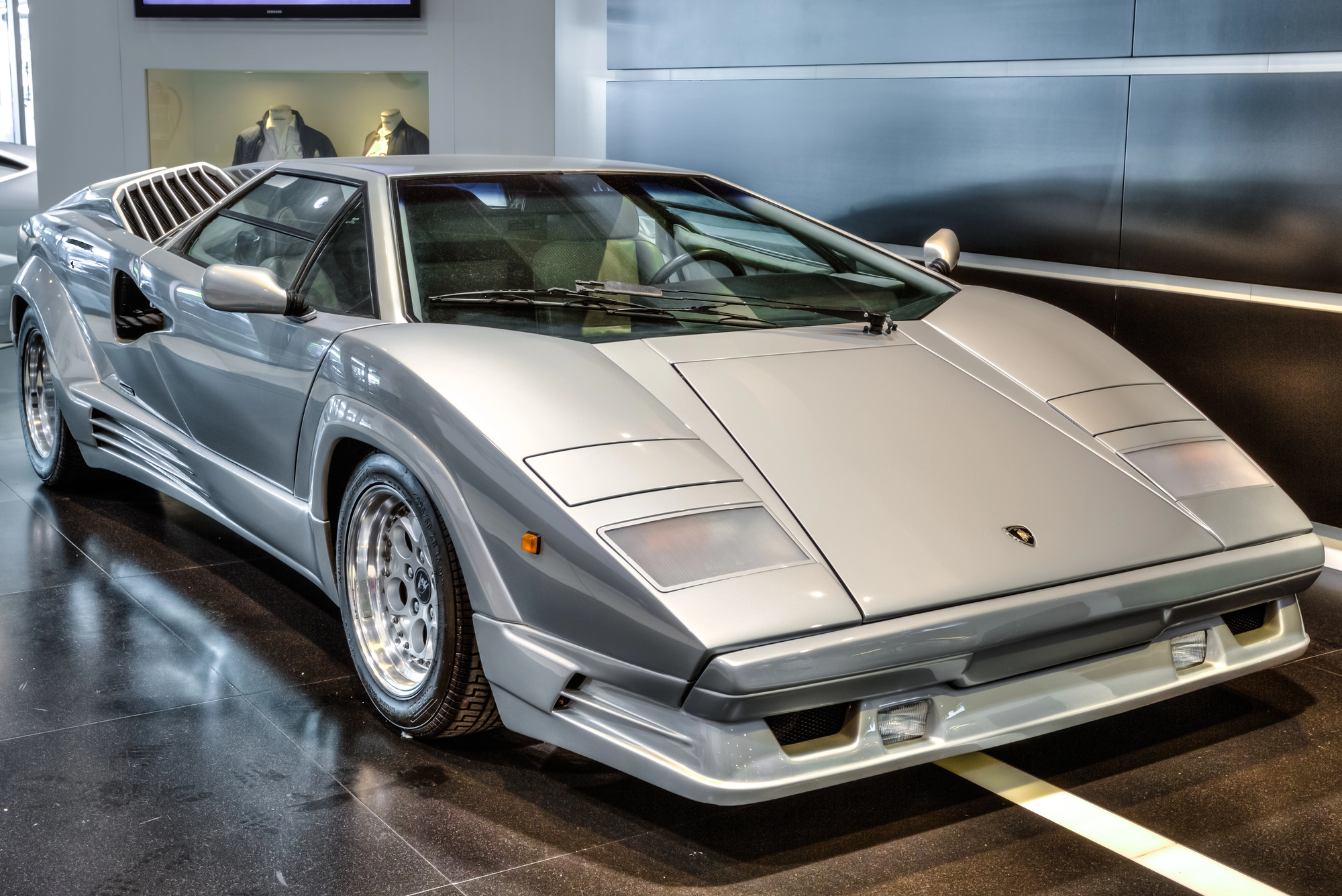
The Countach defined what a supercar should look like throughout the 1970s and 1980s. The LP5000 Quattrovalvole version arrived in 1985 with a 5.2-liter V12 making 455 horsepower from its four-valve-per-cylinder heads.
Top speed reached 185 mph, and the acceleration was brutal enough to pin you to the seat. The Countach 25th Anniversary edition, designed by Horacio Pagani, refined the look even further and could hit 183 mph.
These cars were impossible to see out of, difficult to drive, and completely impractical, which somehow made them even more desirable.
Alpina B10 Biturbo
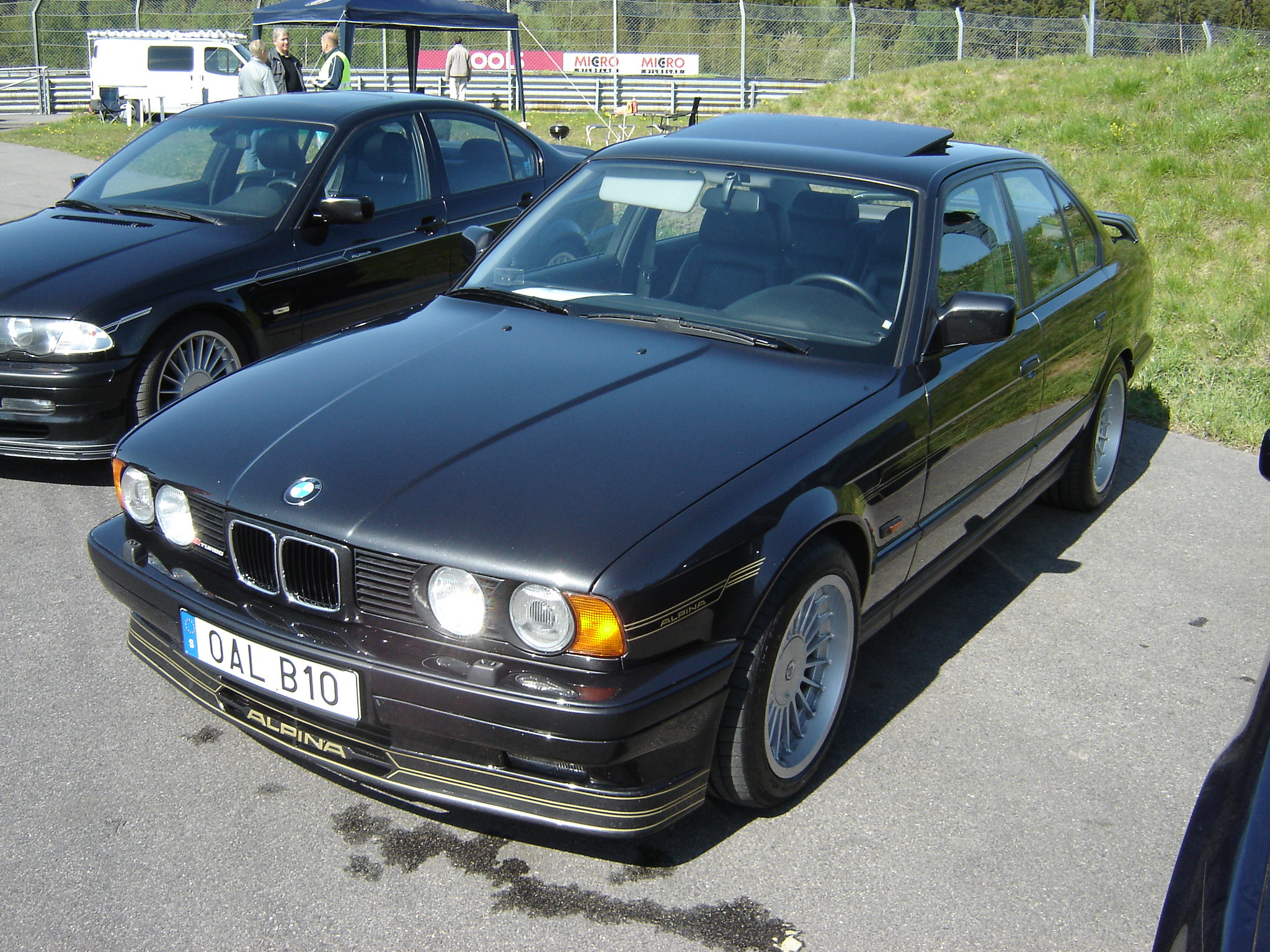
Most people don’t realize that one of the fastest sedans of the 1980s came from a small Bavarian tuning company, not a major manufacturer. Alpina took BMW’s 3.5-liter inline-six and added twin turbochargers, creating a four-door missile that could reach 180 mph.
The B10 Biturbo produced around 360 horsepower and could embarrass sports cars while carrying four adults in comfort. It proved that sedans didn’t have to sacrifice speed for practicality, and it laid the groundwork for the modern super-sedan segment.
Like Go2Tutors’s content? Follow us on MSN.
Isdera Imperator 108i
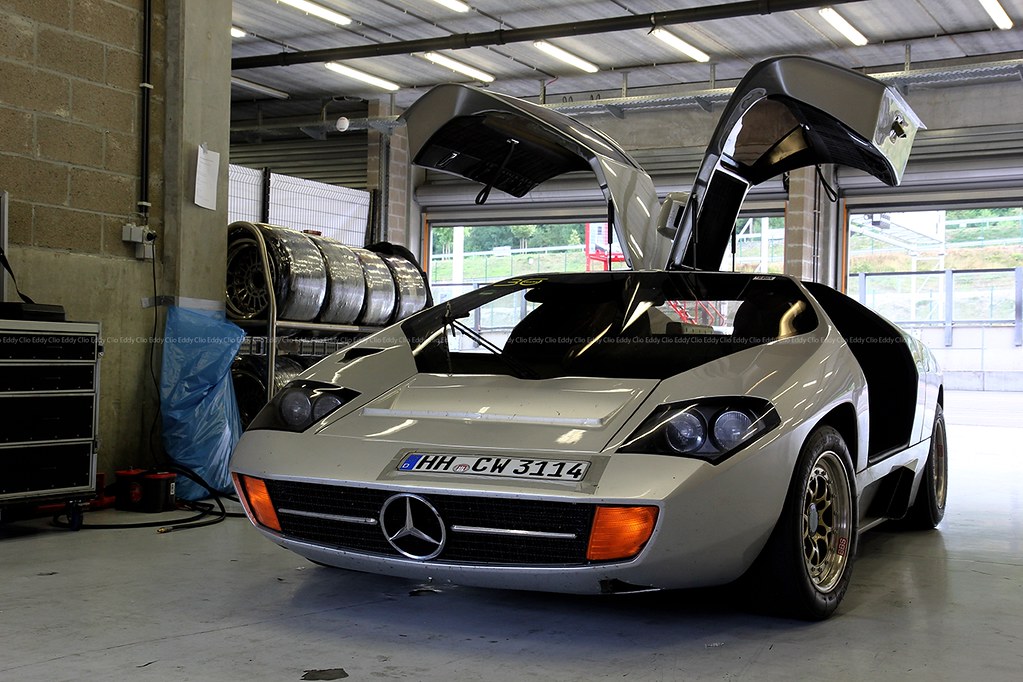
The Imperator 108i looked like it drove straight out of a science fiction movie. This rare German exotic used a Mercedes-Benz M117 V8 engine mounted in the middle, producing around 300 horsepower in standard form.
The wild styling included a rear-mounted periscope mirror instead of a traditional rearview mirror, and the gullwing doors opened to reveal a cockpit that felt more spaceship than automobile. With a top speed of 175 mph, only about 30 examples were built between 1984 and 1990.
That made it one of the most exclusive performance cars of the decade.
De Tomaso Pantera GT5-S
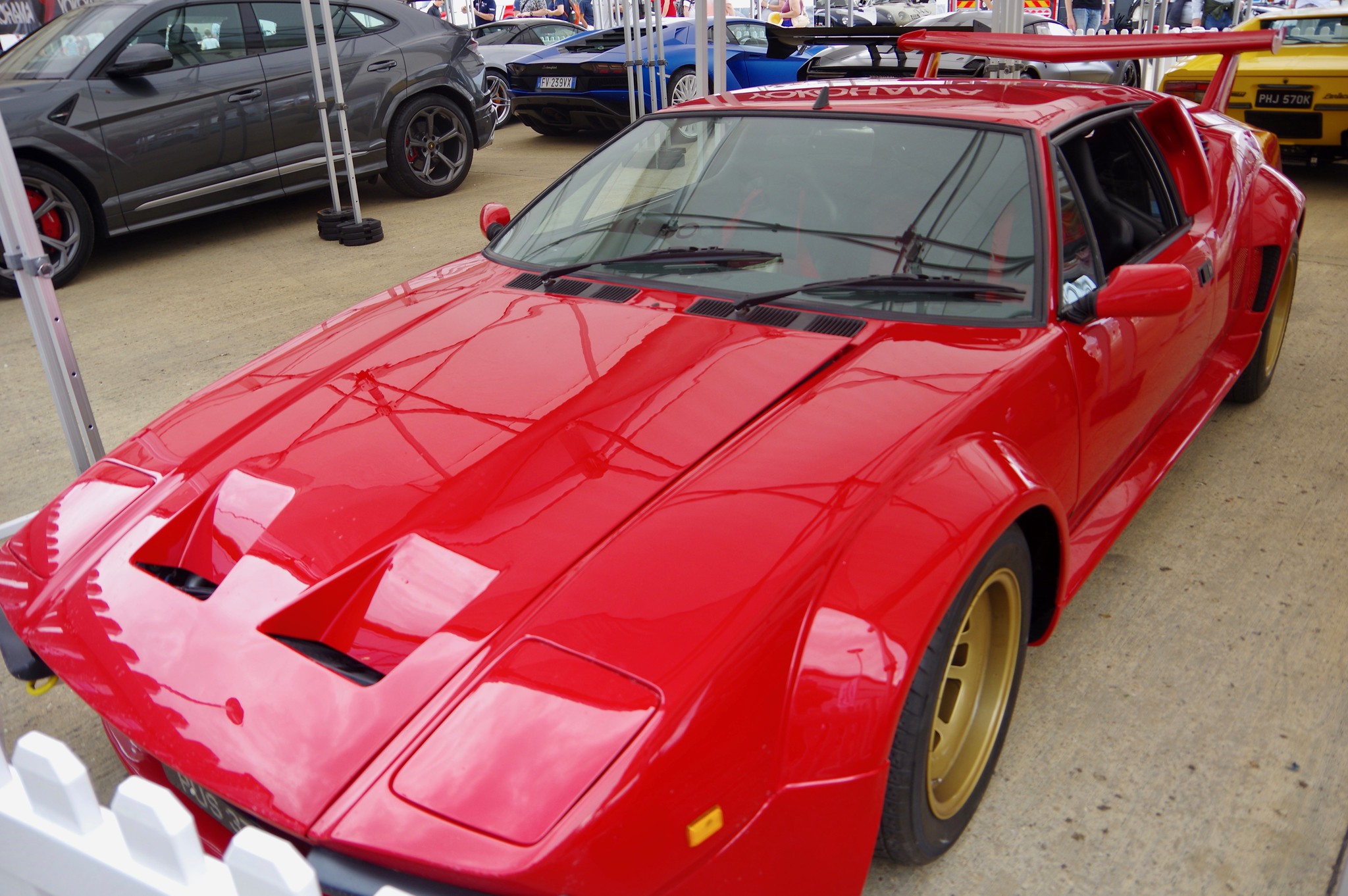
The Pantera refused to die quietly. Even though production began in 1971, De Tomaso kept refining it through the 1980s.
The GT5-S version featured massive fender flares, a substantial rear wing, and a Ford 351 Cleveland V8 making around 350 horsepower. It could reach 174 mph and represented old-school American muscle wrapped in Italian styling.
The Pantera GT5-S proved that the mid-engine layout and big displacement could still compete with the latest turbocharged technology.
Porsche 911 Carrera 4
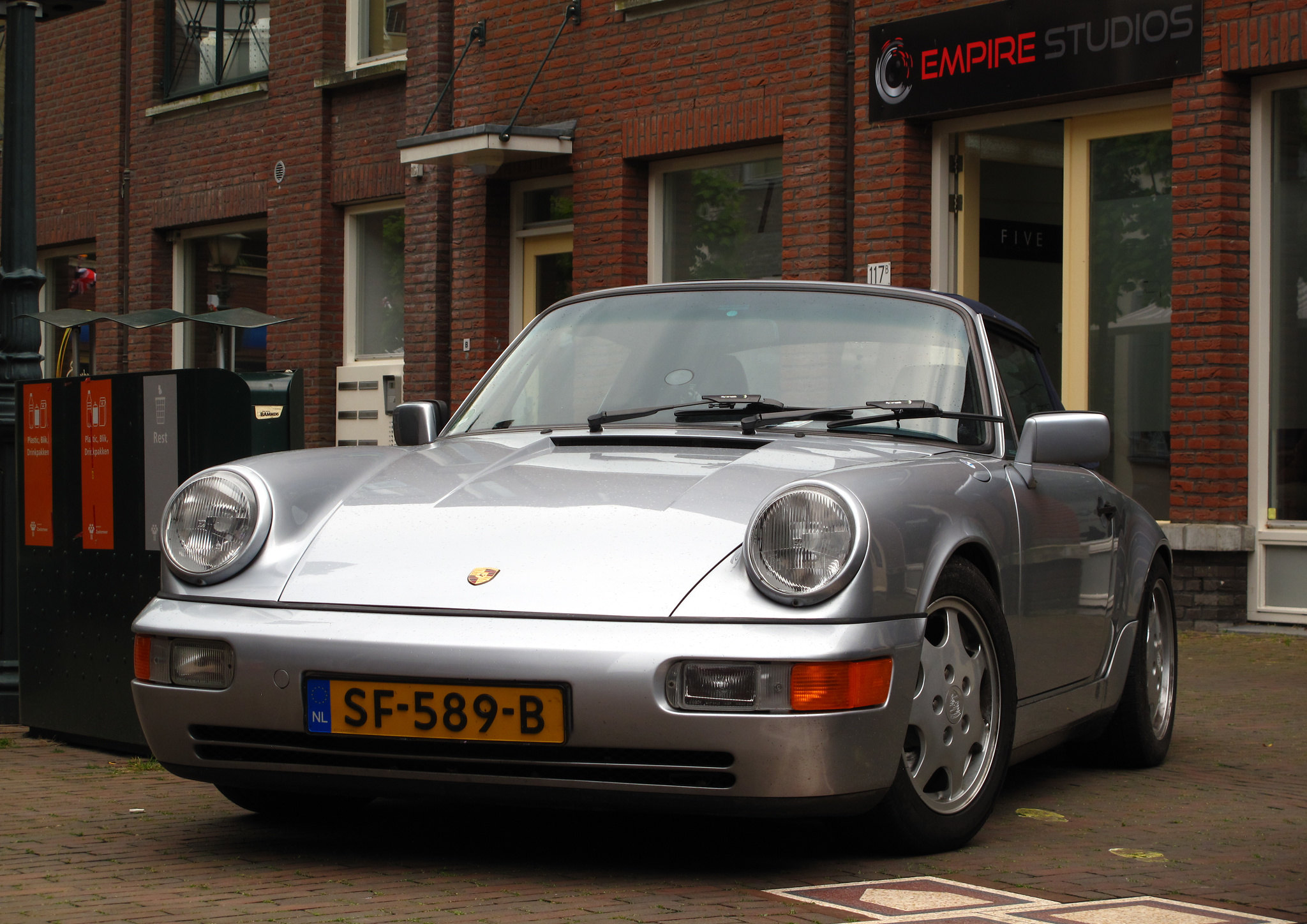
The 1989 Carrera 4 brought all-wheel drive to the 911 lineup for the first time in a production model, drawing on technology developed for the limited-production 959. The 3.6-liter flat-six produced 247 horsepower, which might not sound impressive compared to the supercars on this list, but the Carrera 4 could still hit 163 mph.
More importantly, it could reach 60 mph in 5.1 seconds under the right conditions and offered handling that few cars could match. The all-wheel drive system transformed the 911’s character, banishing the tail-happy behavior that had defined earlier models.
Like Go2Tutors’s content? Follow us on MSN.
BMW M5 E28
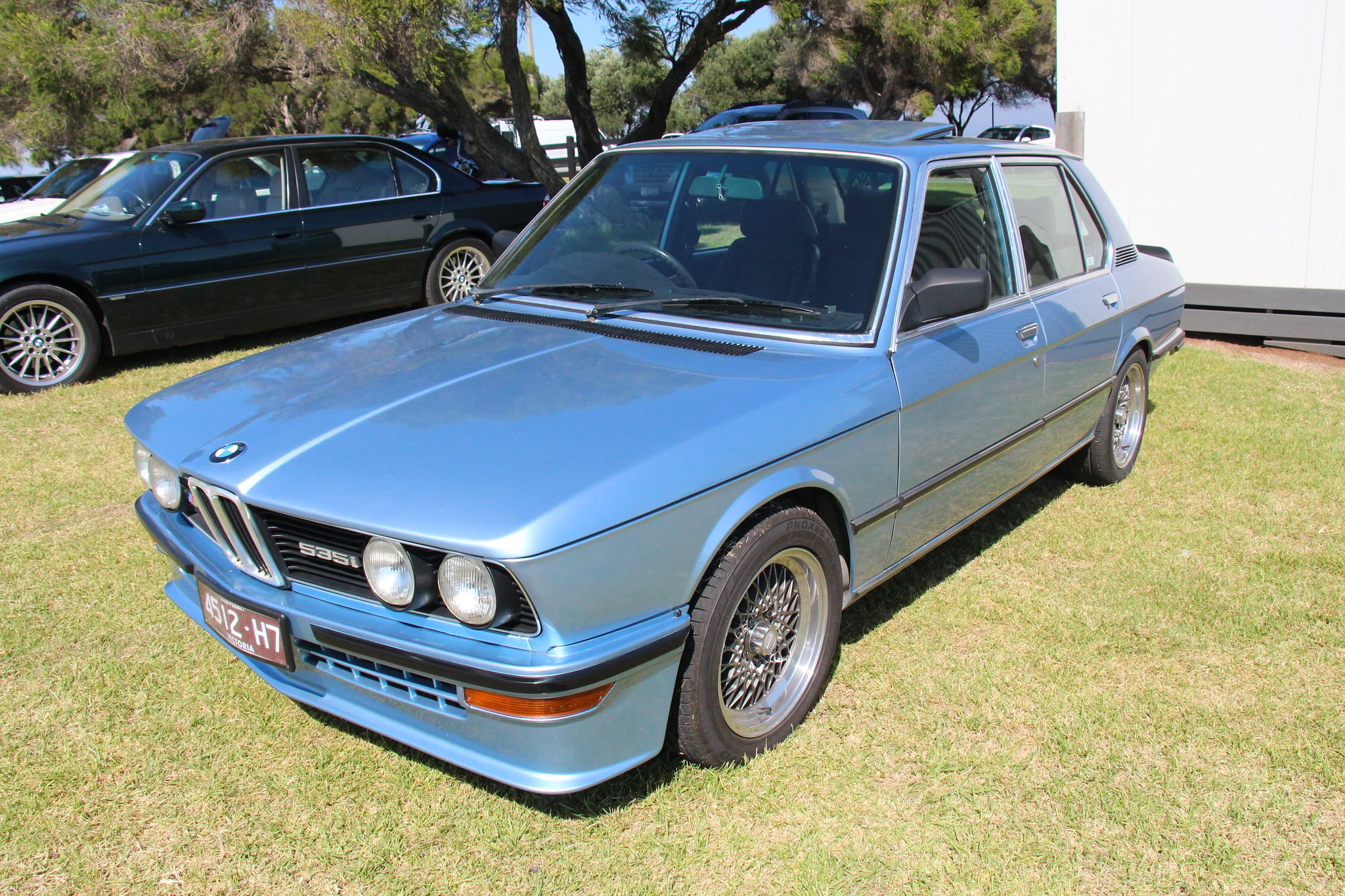
The original M5 created an entirely new category of car—the super sedan. BMW took the unassuming E28 5-series body and dropped in the M88/3 engine from the M1 supercar, creating the world’s fastest four-door production car in 1985.
With 286 horsepower and a top speed of 152 mph, the M5 could outrun most sports cars while carrying five people and their luggage. Each one was hand-built, and only 2,241 were produced through 1988.
The E28 M5 proved that family sedans didn’t have to be boring, and it established a template that luxury manufacturers still follow today.
Ford RS200
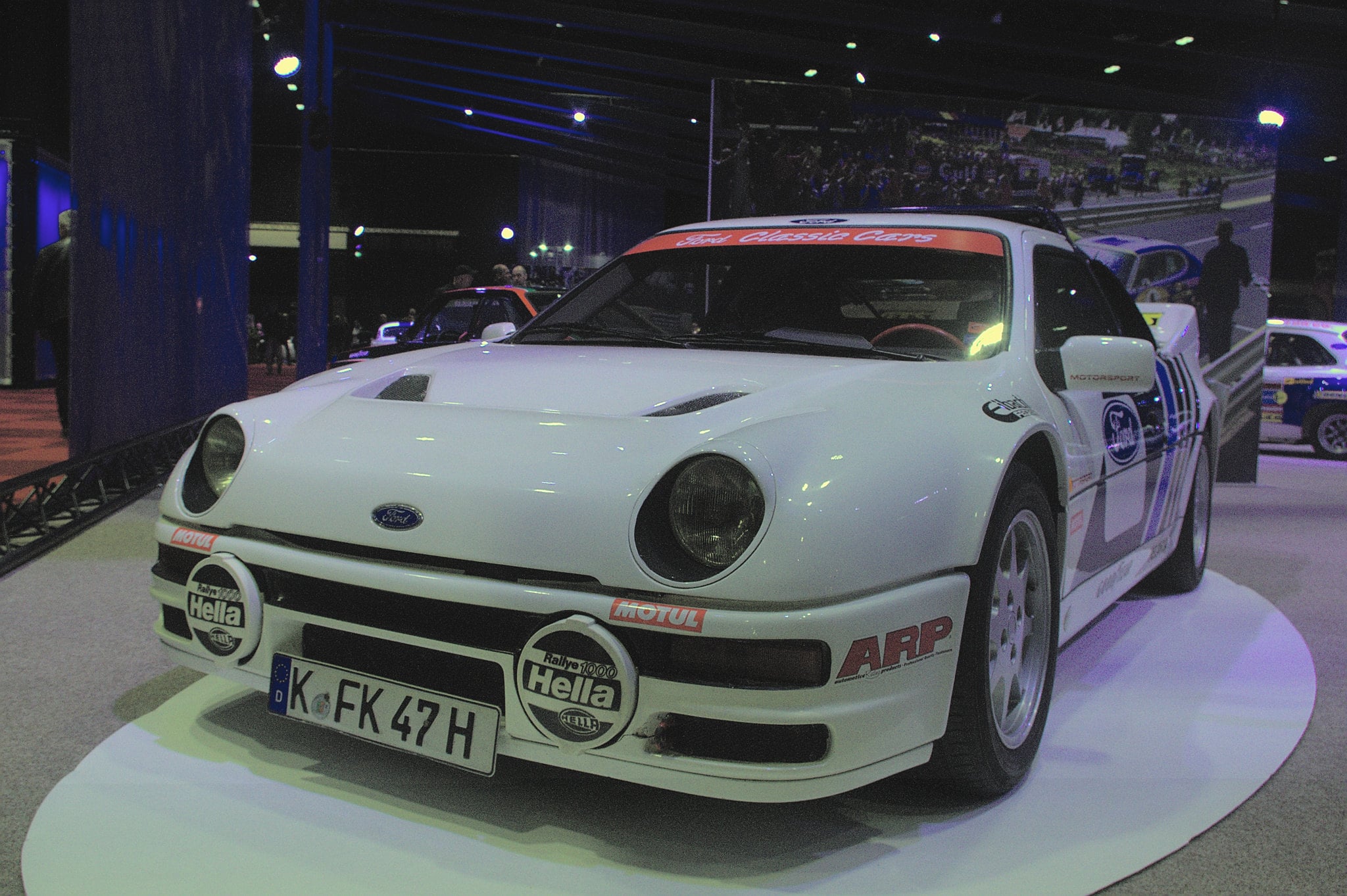
Ford built the RS200 specifically to dominate Group B rallying, but the category’s cancellation left these homologation specials without a racing home. The mid-mounted turbocharged four-cylinder produced 250 horsepower in road-going form, but the real magic came from the car’s featherweight construction—just 2,601 pounds.
That meant 0-60 mph in five seconds flat and a top speed of 150 mph. The rally version could hit 60 mph in an insane 2.8 seconds thanks to its sophisticated all-wheel drive system.
Only 200 road cars were built, and their Kevlar bodies and race-bred engineering made them true exotics hiding behind relatively modest power figures.
Lotus Esprit Turbo
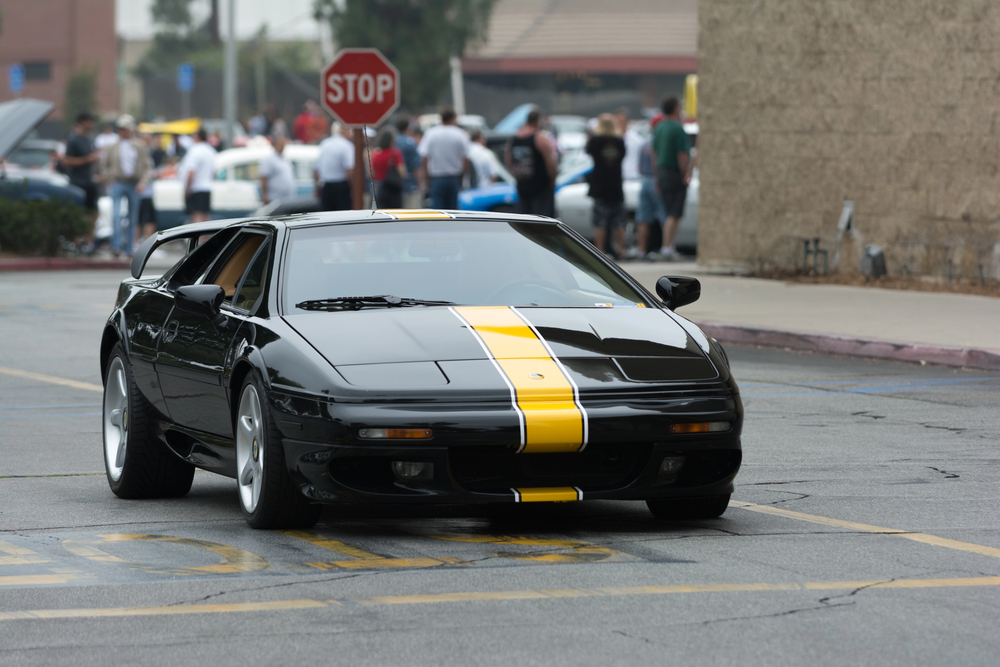
The Esprit proved that you didn’t need Italian exotics to go fast. Lotus took their wedge-shaped sports car and added a turbocharged four-cylinder engine that could push it past 150 mph.
The X180 model used the Type 910S engine with improved cooling and a more rigid structure, allowing it to reach 60 mph in under five seconds. The Esprit offered supercar performance at a fraction of the price, and its handling lived up to Lotus’s reputation for creating cars that felt alive through every corner.
Like Go2Tutors’s content? Follow us on MSN.
Pontiac Firebird Trans Am Turbo 20th Anniversary
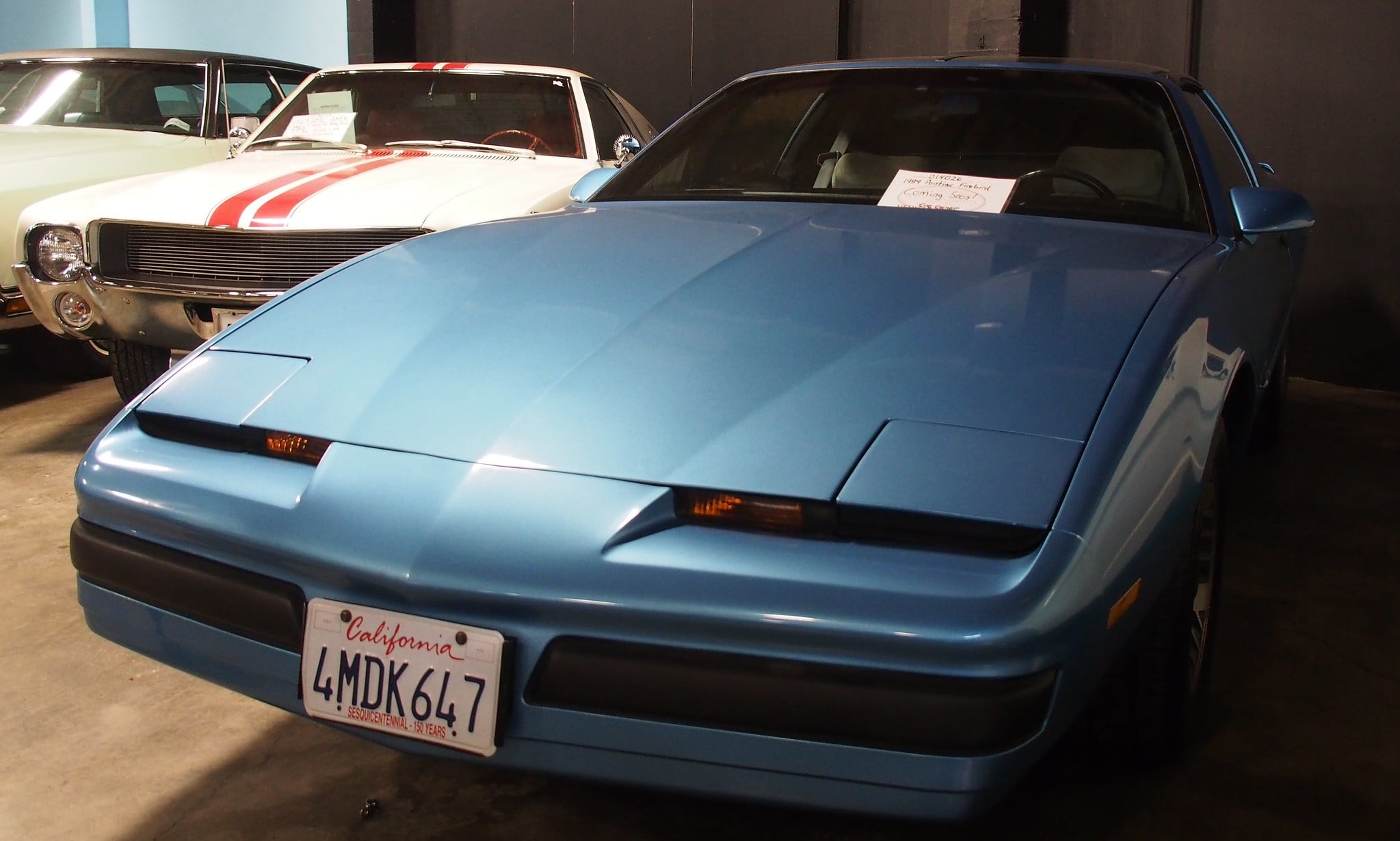
American muscle wasn’t completely dead in the 1980s—it just got creative. The 1989 Trans Am Turbo 20th Anniversary edition borrowed the turbocharged 3.8-liter V6 from the Buick Grand National, and the results were shocking.
This Pontiac could hit 60 mph in 4.6 seconds, which was faster than most European exotics that cost three times as much. The top speed reached 153 mph, and it could run the quarter-mile in 13.4 seconds.
Only 1,555 were built with distinctive white paint and turbo badging, making them instant collectibles that proved American performance was far from finished.
Where Speed Met Innovation

The 1980s proved that automotive performance doesn’t die just because regulations get tighter or gas prices spike. Engineers found new ways to extract power through turbocharging, refined aerodynamics to cut through the air more efficiently, and developed all-wheel drive systems that could handle previously unimaginable horsepower.
These 15 cars represent more than just speed records—they established technologies and design philosophies that still shape performance cars today. The F40 showed that less weight matters more than raw power, the 959 proved that electronics could enhance rather than dilute the driving experience, and the M5 demonstrated that practical cars could deliver supercar thrills.
Every modern performance car owes something to these machines that refused to accept the limitations of their era.
More from Go2Tutors!

- 16 Historical Figures Who Were Nothing Like You Think
- 12 Things Sold in the 80s That Are Now Illegal
- 15 VHS Tapes That Could Be Worth Thousands
- 17 Historical “What Ifs” That Would Have Changed Everything
- 18 TV Shows That Vanished Without a Finale
Like Go2Tutors’s content? Follow us on MSN.