Most Expensive Sports to Take Up
Walking into a new sport sounds exciting until you see the price tag. Some activities demand so much upfront investment that they filter out anyone without serious financial resources.
The costs go beyond just buying equipment. You need coaching, facility access, travel, and maintenance that adds up faster than most people expect.
These aren’t your neighborhood pickup games. The sports on this list require commitment measured in thousands or tens of thousands of dollars before you even get good at them.
Some people spend more on their hobby than others spend on a car.
Equestrian

Owning a horse changes everything about math. You can’t just buy the animal and call it done.
Boarding fees run between $300 and $1,500 per month depending on your location and the level of care. Training sessions cost $50 to $150 per hour, and competitive riders need multiple sessions weekly.
The horse itself starts around $5,000 for a beginner-friendly animal. Competition horses cost six figures.
Then you add veterinary care, farrier services every six weeks, specialized feed, and insurance. Tack and riding gear add another $2,000 to $5,000 initially.
Competition entry fees, travel costs, and trailer maintenance pile on extra expenses. Many riders spend $30,000 to $50,000 annually once they commit to the sport seriously.
Polo

This sport sits at the peak of expensive hobbies. You need multiple horses because the game demands frequent changes.
Most players own at least four horses, and top-level competitors maintain strings of ten or more. Each horse costs anywhere from $10,000 to several hundred thousand dollars.
Membership at polo clubs runs $5,000 to $20,000 yearly. You need mallets, boots, helmets, and protective gear.
Training takes years, and professional coaching fees match the premium nature of the sport. The sport carries an aristocratic reputation for a reason.
Very few people can afford to play competitively.
Sailing and Yachting
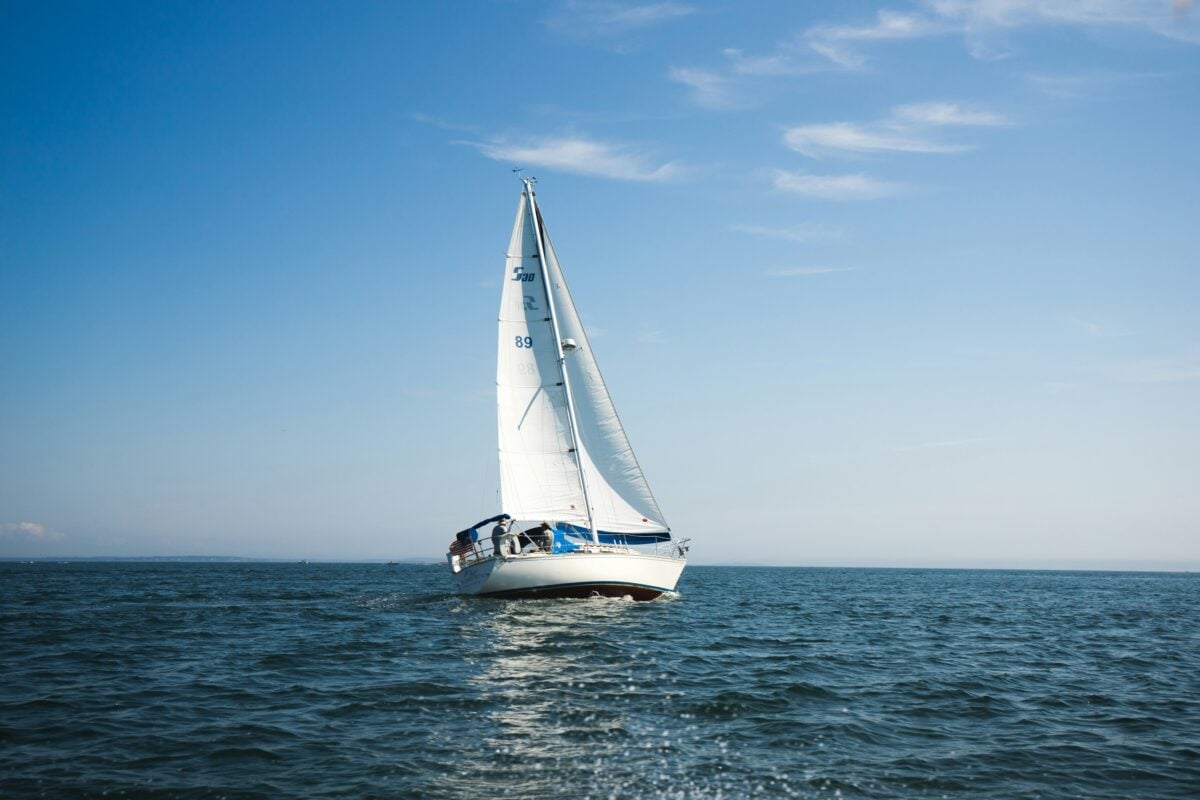
Buying a racing sailboat starts around $10,000 for entry-level dinghies and climbs past $100,000 for competitive keelboats. Larger yachts cost millions.
But ownership just opens the door to ongoing expenses. Marina fees, maintenance, insurance, and equipment upgrades never stop.
Sails wear out and cost thousands to replace. Racing requires crew, travel, and entry fees for regattas.
Many sailors spend $20,000 to $50,000 yearly maintaining a modest racing program. Serious competitors invest in coaches, sail testing, and constant equipment refinement.
The sport demands both money and time in quantities most people can’t spare.
Formula Racing

Getting into formula racing means buying a competitive car, which starts around $20,000 for entry-level categories and reaches hundreds of thousands for higher levels. The car costs less than running it.
Track time, fuel, tires, and maintenance consume budgets fast. Tires alone can cost $1,000 per set, and you burn through multiple sets per race weekend.
Engine rebuilds run $10,000 to $50,000 depending on the formula class. Transport costs, safety equipment, team support, and crash damage add layers of expense.
Racing one season in a low-level formula series easily costs $100,000. Top-tier formula racing requires sponsorship or personal wealth measured in millions.
Bobsledding

The sleds cost between $25,000 and $50,000. Most athletes can’t train seriously without relocating near one of the few bobsled tracks worldwide.
This means uprooting your life and moving to places like Lake Placid, Calgary, or European venues. Ice time costs money.
Coaching fees stack up. The physical training required professional guidance and facilities.
Travel to competitions spans continents since the sport exists in so few locations. Athletes often need sponsorship or national team support to continue.
The barriers to entry keep participation extremely limited.
Pentathlon
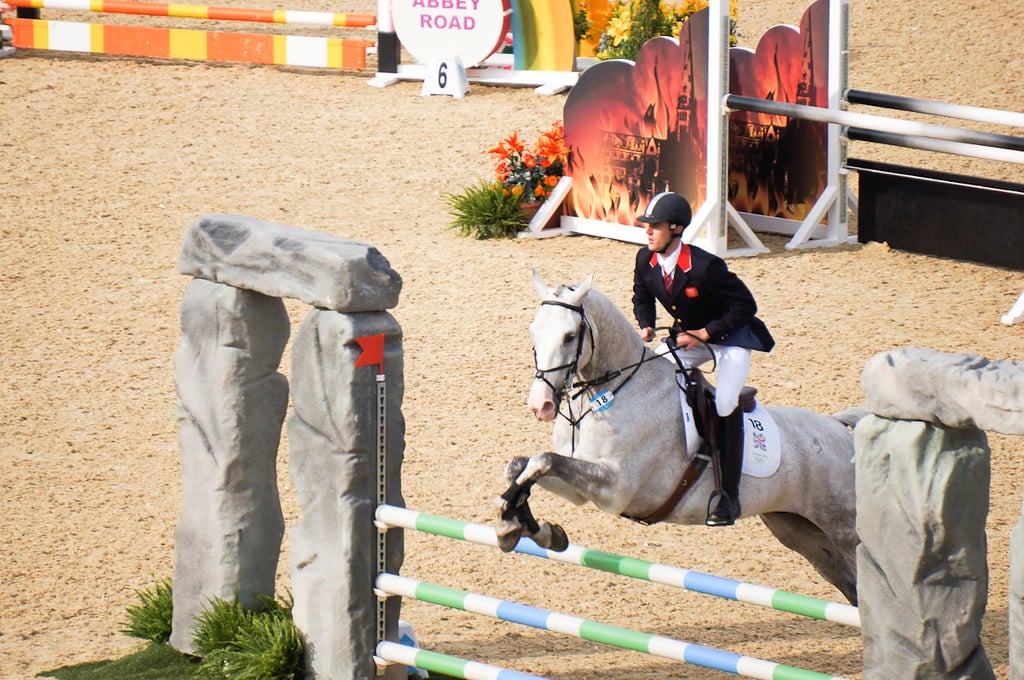
Modern pentathlon combines five disciplines, which means five sets of equipment and training costs. You need fencing gear, running shoes, swimming equipment, shooting pistols, and access to horses for the riding component.
Each discipline requires separate coaching. Fencing lessons cost $50 to $150 per session.
Swimming coaching adds similar fees. The shooting component needs range time and ammunition.
The equestrian element brings all the horse-related expenses mentioned earlier, though competitions provide horses. Athletes typically spend $20,000 to $40,000 annually training across all five events.
The sport demands versatility and deep pockets.
Competitive Alpine Skiing
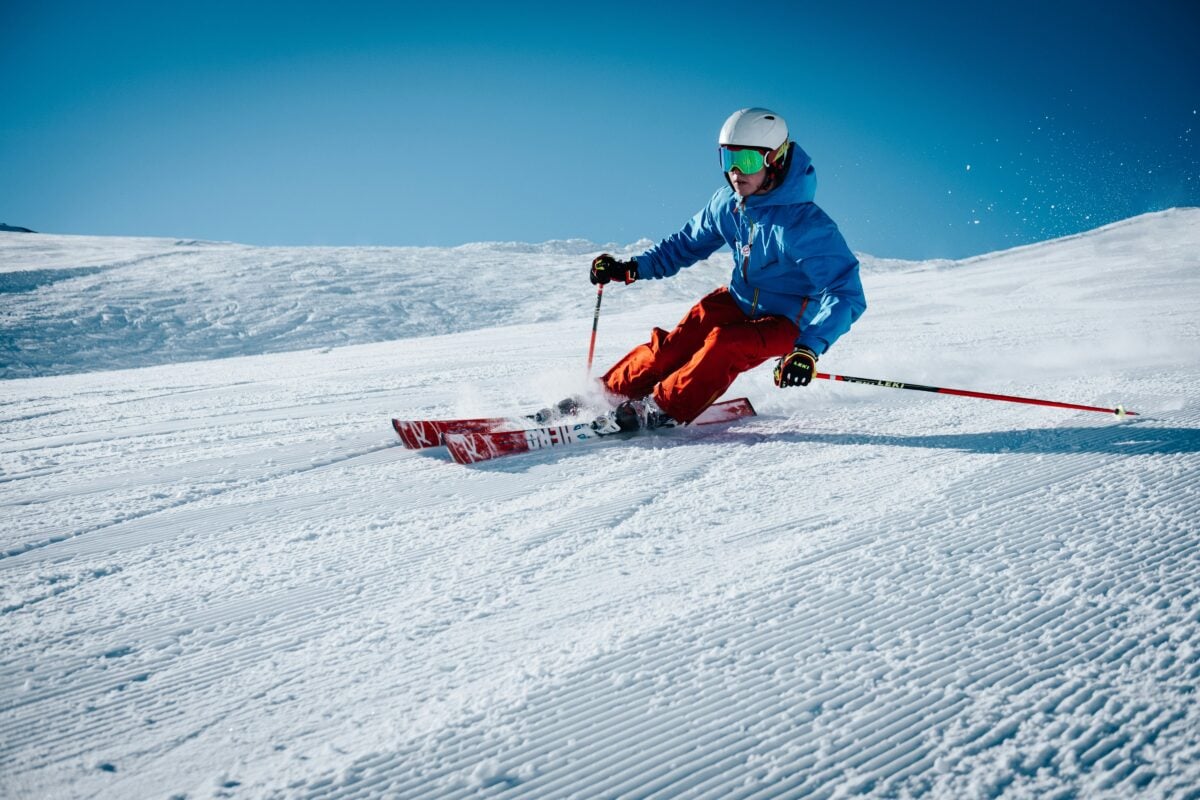
Recreational skiing costs enough. Competitive skiing multiplies everything.
Race skis run $800 to $1,200 per pair, and serious racers own multiple pairs for different conditions and events. Boots, bindings, poles, and suits add thousands more.
Season passes at training facilities, coaching fees, and race entries stack up quickly. Many competitive skiers relocate to mountain towns or travel constantly chasing snow and training opportunities.
Ski club memberships cost $2,000 to $5,000 yearly. Travel to races, accommodation, and gate training fees push annual costs past $30,000 for youth racers.
Adults pursuing masters racing face similar bills.
Professional-Level Golf

Playing casually costs one thing. Training to compete professionally costs something else entirely.
Club memberships at quality courses run $5,000 to $50,000 annually. Private coaching from top instructors costs $150 to $500 per hour, and serious players work with coaches multiple times weekly.
Tournament entry fees, travel costs, and caddie fees add up fast on the competitive circuit. Aspiring professionals often spend years grinding through mini-tours, funding their own travel and expenses before earning significant prize money.
Equipment costs seem small compared to everything else, but clubs, orbs, and gear still run several thousand dollars yearly. Many players invest $50,000 to $100,000 annually pursuing professional status.
Hot Air Ballooning
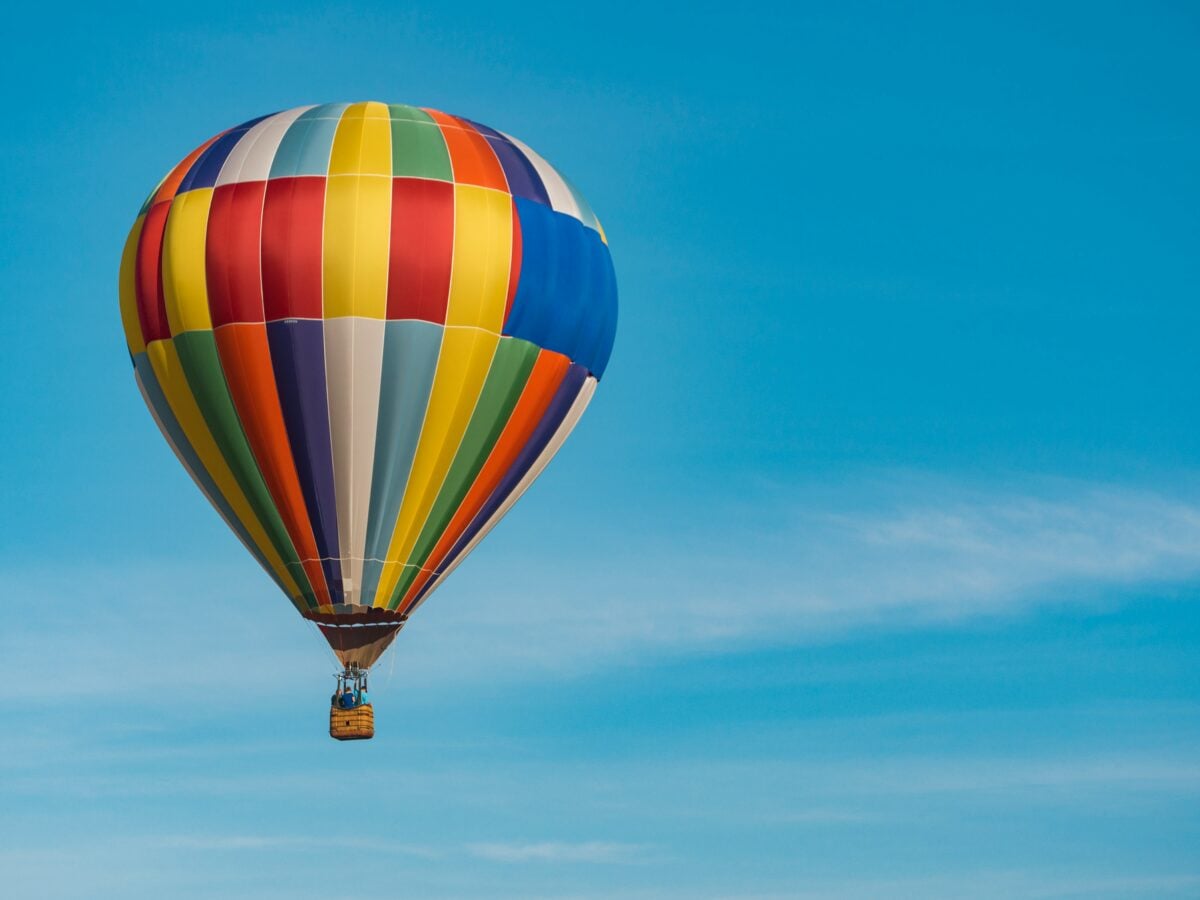
The balloon itself costs $20,000 to $50,000 new. Purchasing used equipment saves money but requires careful inspection and ongoing maintenance.
You need a chase vehicle, fuel for the burner, and insurance. Pilot training and licensing cost $3,000 to $5,000.
You can’t just decide to fly whenever you want. Weather conditions matter tremendously, and you need crew to help with launch and recovery.
Storage, inspections, and repairs add ongoing expenses. Most balloon owners spend $5,000 to $10,000 yearly keeping their equipment airworthy.
The sport combines aviation costs with limited opportunities to actually participate.
Wingsuit Flying

You can’t start with wingsuits flying. You need extensive skydiving experience first, which means hundreds of jumps at $25 to $40 each.
That’s $10,000 to $15,000 just reaching the point where wingsuit training becomes possible. Wingsuits cost $1,200 to $2,500.
You need all the standard skydiving gear too, including parachutes, altimeters, helmets, and jumpsuits. Specialized coaching for wingsuit flight costs extra.
The sport requires constant practice to stay proficient and safe. Jump tickets, travel to good drop zones, and gear maintenance create ongoing expenses.
Serious wingsuit flyers spend $10,000 to $20,000 yearly jumping.
Competitive Figure Skating

Ice time costs $200 to $400 per hour at many rinks, and competitive skaters need multiple hours daily. Coaching from qualified instructors runs $50 to $150 per hour.
Skaters often work with multiple coaches specializing in different aspects. Skates cost $500 to $2,000 per pair and need replacement yearly.
Costumes for competitions run $1,000 to $3,000 each, and skaters need multiple costumes per season. Choreography fees, music editing, and off-ice training add thousands more.
Competition costs include entry fees, travel, accommodation, and practice ice at event venues. Many competitive skaters and their families spend $30,000 to $50,000 annually.
Elite skaters training for national or international competition spend much more.
Competitive Gymnastics

Elite gymnastics demands year-round training at specialized facilities. Monthly tuition at competitive gyms runs $400 to $800 for 20+ hours of weekly training.
Private coaching adds $50 to $100 per hour. Competition fees, travel, and accommodation stack up across multiple meets per year.
Leotards for competition cost $100 to $300 each. Many gymnasts need physical therapy, which insurance may not cover fully.
Families often relocate to train with top coaches or at renowned facilities. The commitment spans years, with total costs reaching $20,000 to $40,000 annually for elite-level training.
Ice Hockey

Youth ice hockey costs more than most parents expect. Ice time runs $200 to $500 per hour, and teams need multiple practices weekly plus games.
League fees range from $2,000 to $5,000 per season, not counting additional tournament costs. Equipment requires constant replacement as kids grow.
A full set of gear costs $500 to $1,000 initially, then needs updates and replacements. Skates alone run $200 to $600 per pair.
Travel hockey adds hotel stays, meals, and tournament entry fees. Many families spend $10,000 to $15,000 yearly on youth hockey.
Adult recreational hockey costs less but still requires significant investment.
Where Money Meets Passion

What keeps us paying so much for play? Hidden beneath the surface, these games thrive where deep love meets steep hurdles. Participation leans heavily on those with full pockets – or those willing to give up nearly everything.
Few join without carrying a heavy load. Not everyone has a backer.
Some people juggle three gigs just to stay in. A small number get handed the ticket outright.
Most either stand beyond the fence or pick something easier to reach. Price tags build walls – now and then on purpose, often just because that is how it lands.
What it takes to join shapes who ends up inside. Out here, it is grit just as much as talent being pushed to the limit.
To stick around until mastery shows up takes wallet strength equal to body strength.
More from Go2Tutors!

- The Romanov Crown Jewels and Their Tragic Fate
- 13 Historical Mysteries That Science Still Can’t Solve
- Famous Hoaxes That Fooled the World for Years
- 15 Child Stars with Tragic Adult Lives
- 16 Famous Jewelry Pieces in History
Like Go2Tutors’s content? Follow us on MSN.