15 Car Features Drivers Still Miss Today
Cars have transformed dramatically over the past few decades, loaded with technology that would’ve seemed like pure science fiction just twenty years ago. Today’s vehicles can park themselves, monitor blind spots, and even brake automatically to prevent accidents. Yet for all these impressive advances, many drivers find themselves nostalgic for simpler times when cars had real character and quirks that made driving genuinely engaging.
Modern automotive design prioritizes efficiency, safety, and cost-cutting over the distinctive features that once made each car brand truly unique. Here are 15 car features drivers still miss today.
Manual Transmissions

Stick shifts are becoming about as rare as payphones — yet driving enthusiasts refuse to let them fade away. Manual transmissions give drivers complete control over their vehicle’s power delivery and engine braking.
There’s something deeply satisfying about perfectly timing a heel-toe downshift or launching from a stoplight with precision that no automatic transmission can replicate.
Pop-Up Headlights

These retractable headlights were the absolute epitome of automotive cool from the 1960s through the 1990s. Cars like the Mazda RX-7, Chevrolet Corvette, and Porsche 928 featured these mechanical marvels that would flip up when needed — creating an almost animated personality.
Though eliminated due to pedestrian safety regulations and aerodynamic concerns, they gave cars a distinctive character that’s simply impossible to replicate today.
Like Go2Tutors’s content? Follow us on MSN.
Bench Seats
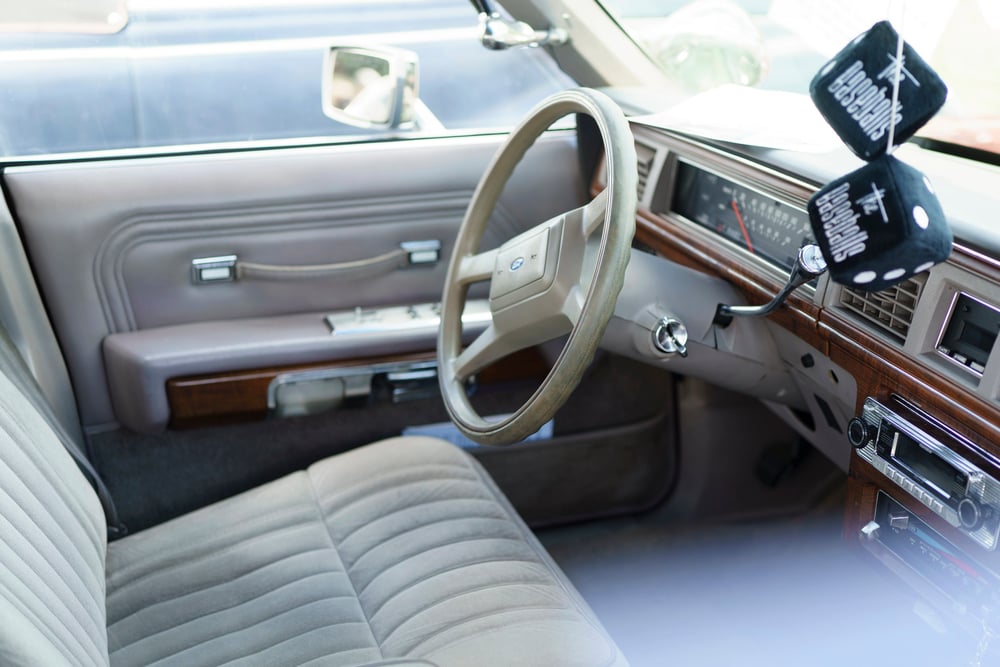
Three-across front seating was standard in most cars until the 1980s, when bucket seats and center consoles took over completely. Bench seats weren’t just practical for fitting more passengers — they created a living room atmosphere that made long road trips feel genuinely social.
Many older drivers remember the comfort of being able to stretch out or slide closer to their passenger without a console barrier.
Window Cranks

Manual window cranks might seem prehistoric to younger drivers — yet they offered reliability that power windows still can’t match. These simple mechanisms rarely broke down and worked regardless of electrical issues or dead batteries.
There was also something satisfying about the tactile feedback of winding down a window, plus you could still ventilate your car even when everything else failed.
Actual Spare Tires

Full-size spare tires have largely vanished in favor of temporary “donut” spares or tire repair kits. While these space-saving solutions help manufacturers improve fuel economy — they leave drivers stranded when facing serious tire damage.
Nothing beats the peace of mind that comes from knowing you’ve got a real tire ready to go, not just some temporary Band-Aid solution.
Like Go2Tutors’s content? Follow us on MSN.
Analog Gauges

Digital displays might be more precise — but analog gauges provided instant visual feedback that’s genuinely hard to replicate on a screen. A quick glance at a traditional speedometer or tachometer gave drivers immediate information about their car’s status without any delay.
The sweep of a needle across a gauge face felt far more intuitive than parsing numbers on some digital readout.
Power Outlets
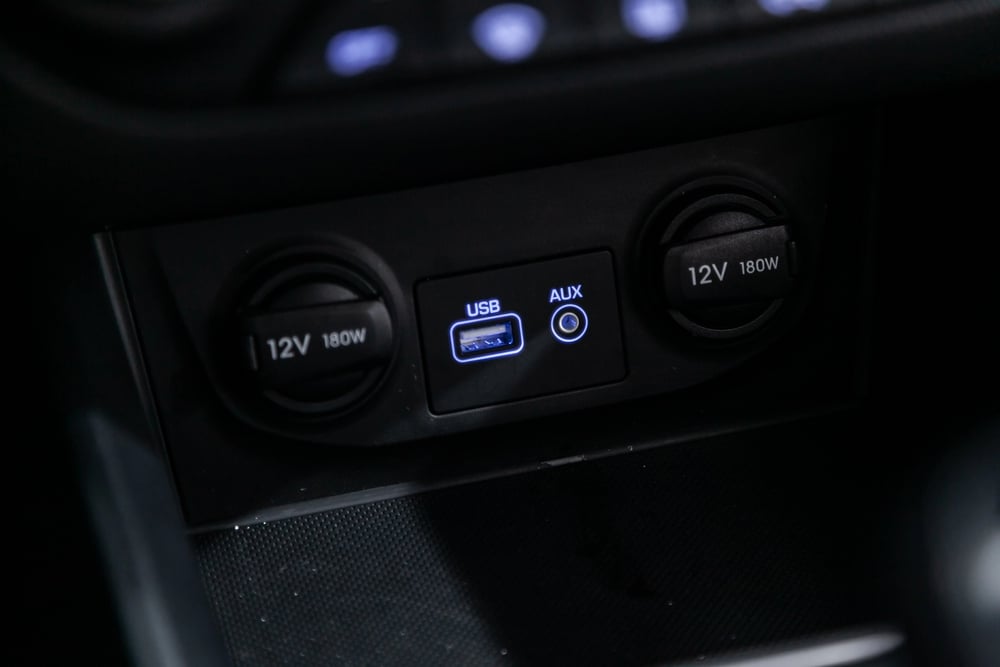
Even non-users miss these versatile 12-volt power sources that could handle everything from phone chargers to emergency tools. Modern USB ports are convenient for electronics — but they can’t provide the raw power that these outlets offered.
These connections were also more durable and far less prone to breaking than today’s flimsy plastic USB ports.
Vent Windows
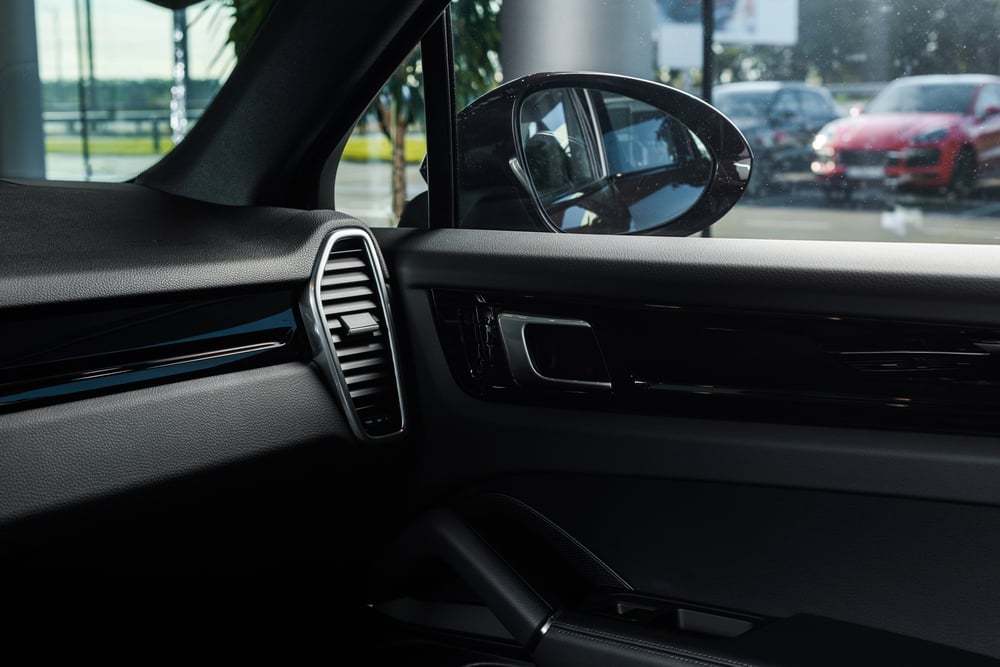
Those small triangular windows at the front of the side windows were perfect for directing airflow exactly where drivers wanted it. Before air conditioning became standard — vent windows provided targeted ventilation that could cool a driver without affecting passengers.
They were also fantastic for defrosting side windows in winter or getting just a hint of fresh air without creating a wind tunnel.
Like Go2Tutors’s content? Follow us on MSN.
Hood Ornaments

Elaborate hood ornaments were once the pride of luxury manufacturers — serving as rolling sculptures that announced a car’s pedigree from blocks away. Mercedes-Benz’s three-pointed star, Jaguar’s leaping cat, and Cadillac’s wreath and crest added real elegance to automotive design.
Safety regulations and theft concerns have largely eliminated these distinctive badges, leaving cars looking increasingly anonymous.
Column-Mounted Shifters
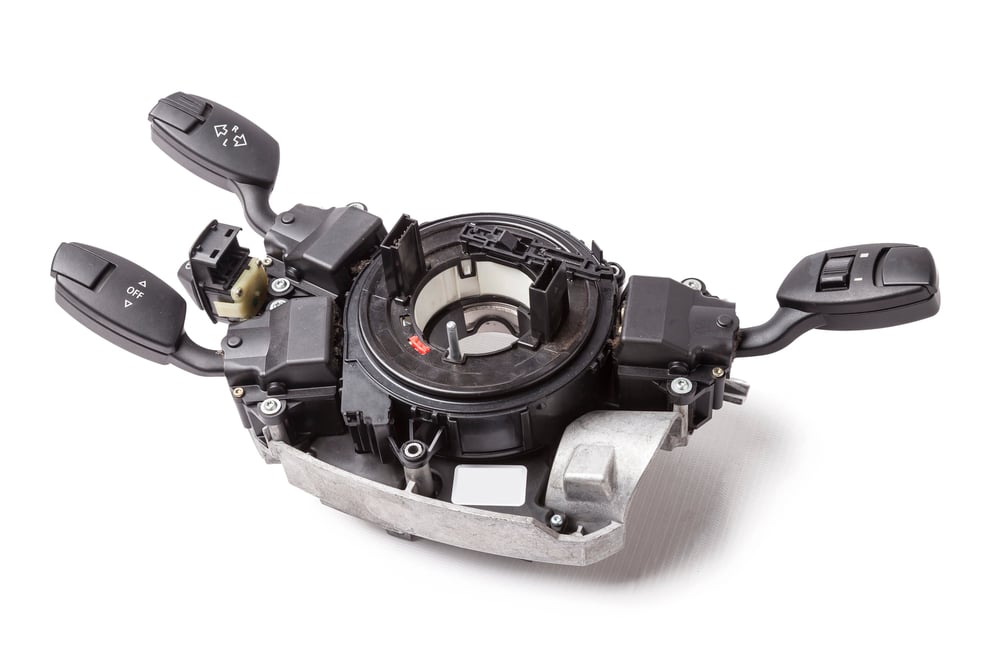
Three-on-the-tree and four-on-the-floor shifters mounted on the steering column freed up valuable floor space while creating a unique driving experience. These shifters required a different technique than floor-mounted versions — and mastering them was a genuine rite of passage for many drivers.
They also allowed for true bench seating without any console getting in the way of passengers.
Mechanical Parking Brakes
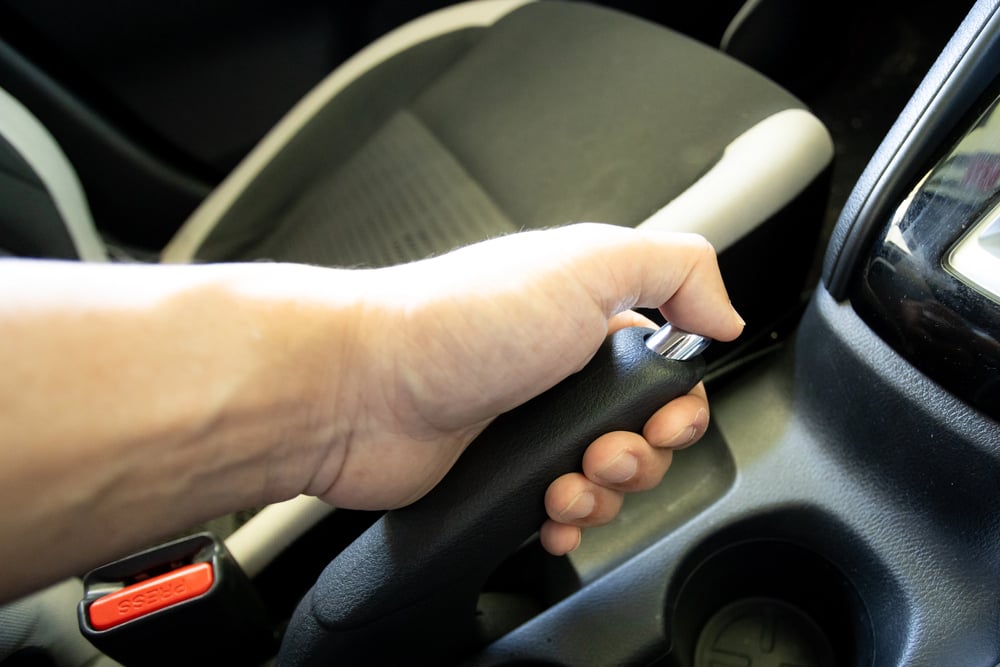
Hand-operated parking brakes provided positive feedback that let drivers know exactly when their car was properly secured. Unlike electronic parking brakes that engage with a simple button push, mechanical versions could be partially applied for hill starts or emergency stops.
They also worked regardless of electrical problems and cost far less to maintain than today’s electronic systems.
Like Go2Tutors’s content? Follow us on MSN.
Carburetor Engines

While fuel injection is undeniably more efficient and reliable, carbureted engines had character that modern powerplants completely lack. They responded differently to throttle inputs, had distinct sounds and smells, and required a driver’s personal touch to keep them running properly.
Many enthusiasts genuinely miss the morning ritual of warming up a carbureted engine on cold days.
Physical Climate Controls

Tactile knobs and switches for heating and air conditioning allowed drivers to make adjustments without ever taking their eyes off the road. These controls provided immediate feedback and could be operated entirely by feel.
Modern touchscreen climate systems require visual attention and multiple menu selections to accomplish what used to take a simple twist of a knob.
Steel Bumpers
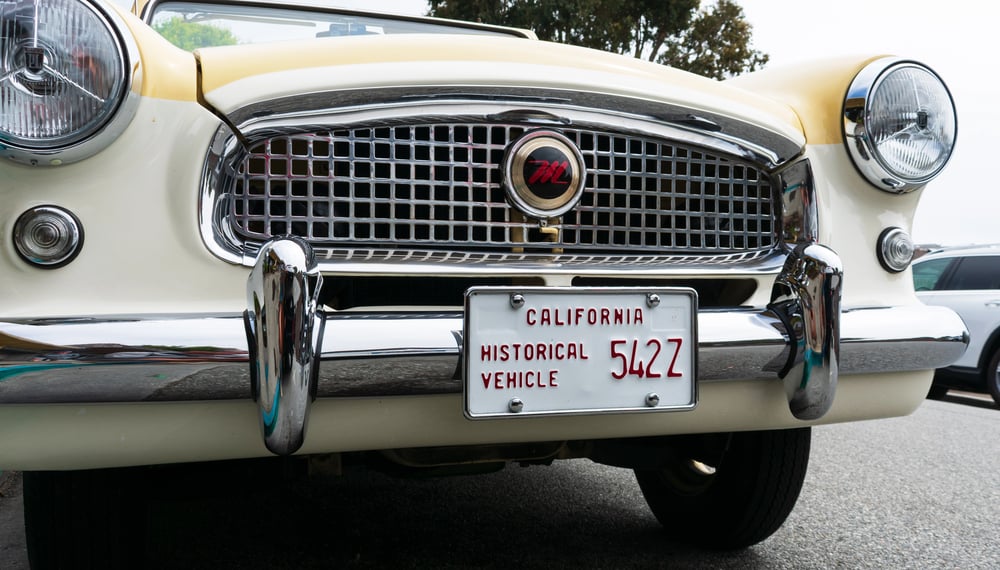
Chrome and steel bumpers weren’t just decorative elements. They were functional pieces that could actually protect a car during minor impacts without breaking the bank.
These sturdy components could handle parking lot mishaps without requiring expensive repairs or insurance claims. Today’s plastic bumper covers look sleek but crumple at the slightest contact, often requiring complete replacement for minor damage.
Like Go2Tutors’s content? Follow us on MSN.
Truly Spacious Interiors

Despite being smaller on the outside, older cars often felt significantly more spacious inside due to their upright seating positions and thin door panels. Modern cars sacrifice interior space for structural rigidity and safety equipment, making them feel cramped despite their larger exterior dimensions.
Many drivers genuinely long for the airy, open feeling of classic car interiors that seemed to go on forever.
The Soul of Driving

These lost features represent far more than just mechanical components. They embody an era when cars were designed to engage drivers rather than insulate them from the driving experience completely.
While modern vehicles are undeniably safer, more efficient, and more reliable than their predecessors, they’ve lost much of the personality that made driving feel truly special. Today’s cars excel at getting people from point A to point B, but yesterday’s cars excelled at creating genuine connections between human and machine that countless drivers still crave.
More from Go2Tutors!

- 16 Historical Figures Who Were Nothing Like You Think
- 12 Things Sold in the 80s That Are Now Illegal
- 15 VHS Tapes That Could Be Worth Thousands
- 17 Historical “What Ifs” That Would Have Changed Everything
- 18 TV Shows That Vanished Without a Finale
Like Go2Tutors’s content? Follow us on MSN.