Forgotten Rules Of Etiquette From The Last Century
Social norms shift faster than most people realize. What seemed absolutely essential to your great-grandparents might strike you as bizarre or unnecessarily complicated today.
The last century was packed with unwritten rules that governed everything from how you answered the phone to what you wore when leaving the house. Here is a list of 15 etiquette rules that were once taken seriously but have mostly disappeared from modern life.
Calling Cards

Before texting or even calling ahead, people used small printed cards to announce their visits. When you stopped by someone’s home, you’d leave your calling card with a servant or in a designated tray if nobody was available.
The card had your name and sometimes your address, and different corner folds meant different things—a turned-down corner indicated you’d delivered it in person rather than sending a servant. Women typically had their own cards separate from their husbands, and newlyweds would make formal rounds leaving cards at the homes of family friends.
White Gloves After Labor Day

The fashion calendar was far more rigid than today’s anything-goes approach. Wearing white gloves, white shoes, or white handbags after Labor Day was considered a serious fashion mistake that marked you as unsophisticated.
The rule supposedly originated because white clothing was associated with summer leisure activities and lighter fabrics, while fall and winter demanded darker, more practical colors. People actually judged each other over this, and fashion-conscious women would switch out their entire accessory collection when September ended.
Like Go2Tutors’s content? Follow us on MSN.
Men Walking Curbside

When a man and woman walked together on a sidewalk, the man was expected to position himself closest to the street. This practice came from a time when horses and carriages would splash mud and filth onto pedestrians, so the man acted as a barrier to protect the woman’s clothing.
The rule persisted well into the automobile age even though the original reason had vanished. Men would actually switch sides if they crossed the street to maintain the proper position.
Removing Hats Indoors

Men were expected to remove their hats the moment they stepped inside any building, and keeping a hat indoors was seen as deeply disrespectful. The rule applied in homes, offices, restaurants, and churches, though elevators were a gray area if you were only riding for a few floors.
Women, oddly enough, could keep their hats on because fancy women’s hats were considered part of the outfit rather than an accessory. Breaking this rule could get you some serious side-eye or even a scolding from strangers.
Formal Introductions with Titles

People didn’t just say ‘This is Bob’ when introducing someone. You’d use full names and titles, and there was a specific hierarchy about who got introduced to whom first. Younger people were introduced to older people, men were introduced to women, and lower-ranking individuals were introduced to higher-ranking ones.
You might say something like ‘Mrs. Henderson, may I present Mr. Robert Clarke’ rather than the casual ‘Hey, you two should meet’ approach we use now.
Like Go2Tutors’s content? Follow us on MSN.
Waiting Three Days to Call

After a first date, men were supposed to wait at least three days before calling a woman again. Calling too soon made you seem desperate or overeager, while waiting showed you had other interests and weren’t sitting by the phone.
This rule created all sorts of anxiety and game-playing that probably killed plenty of potentially good relationships. The exact origin is murky, but it was treated as gospel throughout much of the mid-century.
Chaperones for Unmarried Couples

Young unmarried couples weren’t supposed to spend time alone together without supervision. A chaperone, usually an older family member, would accompany them on dates or social outings to ensure nothing inappropriate happened.
This was particularly strict in the early part of the century and gradually relaxed after World War II, but the expectation lingered in conservative communities well into the 1960s. The chaperone would literally sit there while the couple talked, making privacy nearly impossible.
Thank You Notes Within 24 Hours

If someone gave you a gift or hosted you for dinner, you were expected to send a handwritten thank you note that arrived within 24 hours. Not an email, not a text, not even a phone call—an actual note on proper stationery.
The wording had to be specific too, mentioning the gift or meal by name and how you’d use it or enjoyed it. Failing to send a prompt note could damage relationships and mark you as ungrateful for years.
Like Go2Tutors’s content? Follow us on MSN.
Standing When a Woman Enters the Room

Men were expected to stand up whenever a woman entered the room, whether at home, in an office, or at a social gathering. They’d remain standing until she sat down or indicated they could sit.
This applied even if the woman was younger or of lower social status. The practice was meant to show respect, though it could get exhausting at large parties where women were constantly coming and going.
Afternoon Visiting Hours

You couldn’t just drop by someone’s house whenever you felt like it. Women, in particular, had designated ‘at home’ hours, usually in the afternoon, when they’d receive visitors.
Showing up outside these hours was incredibly rude unless you had a specific invitation or emergency. The hostess would serve tea and small refreshments, and visits typically lasted exactly 15 to 20 minutes—staying longer suggested you didn’t have anywhere better to be.
Proper Telephone Greetings
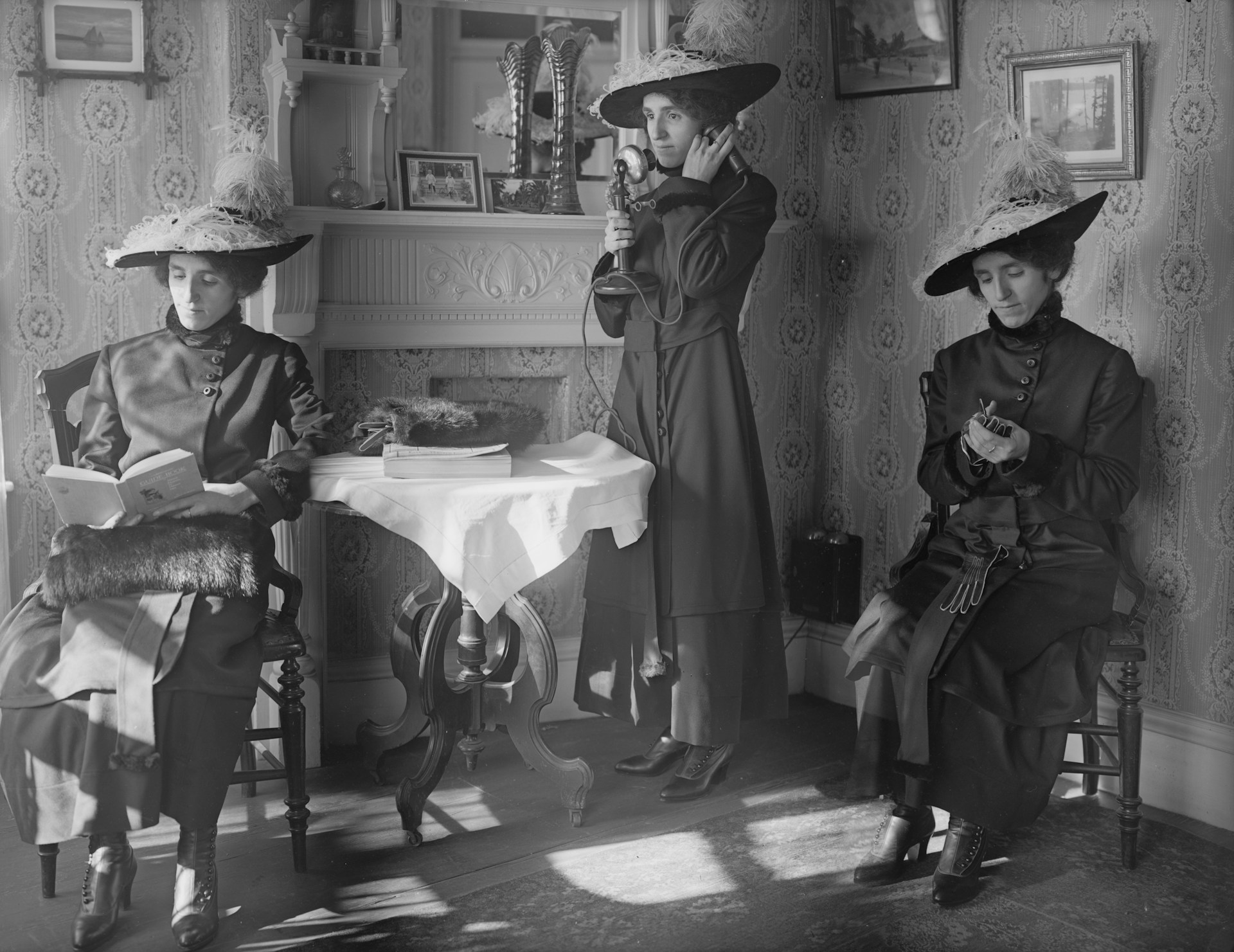
When answering the phone, you didn’t say ‘Hello’ or ‘What’s up.’ You’d answer with your phone number or your last name—something like ‘Kensington 4-7829’ or ‘Henderson residence.’ The caller would then properly identify themselves before launching into conversation.
Party lines meant your neighbors could listen in, so phone etiquette was partly about privacy and partly about not monopolizing the shared line.
Like Go2Tutors’s content? Follow us on MSN.
Gloves at All Times

Women wore gloves as a standard part of getting dressed, not just for warmth. Going out without gloves was like going out without shoes—it simply wasn’t done if you wanted to be seen as respectable.
Different occasions called for different glove lengths, and you’d keep them on even while eating finger foods at receptions. Taking your gloves off in public was actually considered somewhat intimate, which seems strange now when most people don’t even own a pair of dress gloves.
The Host Starts Eating First

At formal dinners, guests weren’t supposed to touch their food until the host or hostess had taken the first bite. This showed respect and ensured everyone started together.
You also weren’t supposed to finish your food before the host finished theirs, creating an awkward situation where you’d slow down if you ate faster. Modern meals are much more relaxed, with people eating at whatever pace feels natural.
Mourning Periods with Specific Clothing

When someone died, family members entered defined mourning periods that dictated what they could wear and which social activities they could attend. Widows wore full black for at least a year, then gradually introduced gray or purple.
Men wore black armbands. During deep mourning, you couldn’t attend parties, dances, or other entertainment—your social life essentially stopped. The rules were incredibly specific about fabric choices, jewelry restrictions, and when you could finally return to normal clothing.
Like Go2Tutors’s content? Follow us on MSN.
Rising When Being Served

When servants or waitstaff brought food to the table, diners were expected to sit up straight and acknowledge the service with a slight nod or quiet ‘thank you.’ In more formal settings, women would actually half-rise from their seats when being served, a physical acknowledgment of the service being provided.
This has evolved into the more casual thanks we give servers today, but the original rule involved much more physical formality and attention to the person serving you.
Manners That Mattered

These rules didn’t disappear because people became ruder—they faded because society changed in ways that made them impractical or irrelevant. We traded calling cards for phone numbers and eventually for social media profiles.
Gender roles shifted, making many of the old courtesies feel outdated rather than respectful. What remains constant is the underlying principle: showing consideration for others matters more than which fork you use or whether your gloves match your handbag.
The specific rituals may have vanished, but the need for mutual respect hasn’t gone anywhere.
More from Go2Tutors!

- 16 Historical Figures Who Were Nothing Like You Think
- 12 Things Sold in the 80s That Are Now Illegal
- 15 VHS Tapes That Could Be Worth Thousands
- 17 Historical “What Ifs” That Would Have Changed Everything
- 18 TV Shows That Vanished Without a Finale
Like Go2Tutors’s content? Follow us on MSN.