Biggest Diamonds Ever Found
Finding a diamond bigger than a pebble is rare. Finding one the size of your fist is extraordinary. But some diamonds defy belief. They weigh more than a pound.
They measure the length of your hand. These gems formed billions of years ago deep underground, then volcanic eruptions brought them to the surface where miners stumbled upon stones worth millions.
The biggest diamonds ever discovered changed hands multiple times, sparked international intrigue, and some ended up cut into pieces because nobody could figure out what else to do with them. These aren’t the diamonds you see in jewelry stores.
These are geological anomalies that pushed the limits of what people thought was possible.
Sergio: The Black Giant Nobody Expected

In 1895, a prospector named Sérgio Borges de Carvalho walked through the Brazilian state of Bahia when he spotted something unusual on the ground. The black stone weighed 3,167 carats.
Some sources now say 3,245 carats after correcting for old Brazilian measurement standards. Either way, this remains the largest rough diamond ever found.
Sergio belongs to a rare category called carbonado diamonds. These black diamonds look nothing like the clear, sparkling gems most people picture.
Instead, they consist of countless tiny diamond crystals fused together with graphite and other materials. The porous, sponge-like structure makes them incredibly tough.
Scientists debate where carbonado diamonds come from. Some believe they formed from carbon-rich meteorites that slammed into Earth billions of years ago.
The impact created intense heat and pressure that fused the carbon into diamond. Others argue the stones formed underground through processes not yet fully understood.
Sergio sold initially for $16,000, then changed hands again for $25,000 before shipping to Paris and eventually London. The buyer paid 6,400 pounds sterling, equivalent to over 900,000 pounds today.
But here’s the tragedy: nobody wanted a massive black diamond for jewelry. The stone got broken into pieces weighing 3 to 6 carats each and turned into industrial drill bits.
Those fragments helped dig the Panama Canal and excavate iron mines in Minnesota.
The Cullinan: Crown Jewel of South Africa

Frederick Wells worked as a mine superintendent at the Premier Mine in Cullinan, South Africa. On January 25, 1905, he conducted a routine inspection near the surface of the mining pit when something caught his eye.
The crystal measured over 10 centimeters long and weighed 3,106 carats. Wells initially thought the stone couldn’t be a diamond.
Diamonds that large didn’t exist. But tests confirmed it.
The Cullinan Diamond was real, and it was the largest gem-quality diamond ever found. The blue-white stone had exceptional clarity.
Four of its eight surfaces were smooth, suggesting it had once been part of an even larger crystal that broke apart through natural forces. Finding a buyer proved difficult.
The stone sat unsold for two years despite considerable interest. Finally, in 1907, the Transvaal Colony government purchased the diamond and presented it to King Edward VII as a birthday gift.
The king accepted it “for myself and my successors” and promised it would be preserved among the crown jewels. Joseph Asscher of Amsterdam received the daunting task of cutting the stone.
The process took eight months. Three craftsmen worked 14 hours a day to transform the rough diamond into nine large stones and 96 smaller gems.
The largest, called Cullinan I or the Great Star of Africa, weighs 530.4 carats. It sits in the Sovereign’s Sceptre with Cross.
The second-largest, Cullinan II at 317.4 carats, decorates the Imperial State Crown. Legend claims Joseph Asscher fainted after making the first cut.
His nephew later dismissed this story, insisting no Asscher would ever faint over any diamond operation. Truth or myth, the pressure was immense.
One wrong move could have shattered the most valuable stone ever discovered.
Sewelô: The Rare Find That Stayed Intact
Lucara Diamond Corporation recovered a 1,758-carat diamond from Botswana’s Karowe Mine in April 2019. The name Sewelô means “rare find” in Setswana.
The rough diamond measures similar in size to a small mango and shows a dark appearance from a thin layer of black carbon on the exterior. What makes Sewelô remarkable isn’t just its size.
The stone emerged from processing completely intact. Historically, mining operations crushed large diamonds accidentally because workers used hammering techniques.
Lucara employed X-ray transmission technology that functions like an airport scanner, detecting carbon underground and allowing careful extraction. Louis Vuitton purchased Sewelô shortly after discovery.
The luxury fashion house plans to cut the stone into multiple gems. Scientists estimate the diamond formed roughly 2 billion years ago deep in Earth’s mantle before volcanic activity brought it to the surface.
A Series of Giants From One Mine
The Karowe Mine in Botswana keeps producing massive diamonds. In 2021 alone, workers discovered two diamonds over 1,000 carats.
The first, found in June, weighed 1,175 carats and currently carries the temporary name Lucara Diamond after the mining company. The stone measures 77mm by 55mm by 33mm.
Experts believe it originated from a 2,000-carat crystal that broke apart, since several other large diamonds came from the same area around the same time. Less than a week later, miners at the nearby Jwaneng Mine found a 1,098-carat stone.
Debswana, a partnership between De Beers and the Botswana government, recovered this diamond. Much of the proceeds will fund national development projects in Botswana.
The diamond sits in its rough state measuring similar in size to a small apple. Then in 2023, Lucara announced another discovery at Karowe: a 1,080-carat Type IIa diamond.
This marked the fourth stone over 1,000 carats recovered from the mine since 2015. Advanced mining technology made these discoveries possible.
Without X-ray scanners, these giants would have been crushed to dust.
Lesedi La Rona: Our Light

November 2015 brought another Karowe Mine discovery. Workers found a 1,109-carat rough diamond measuring 65mm by 56mm by 40mm, about the size of a fingerling potato.
The stone received its name, Lesedi La Rona, through a contest open to all Botswanan citizens. It means “our light” in Setswana. British jeweler Graff purchased the diamond and spent 18 months cutting it.
The result was a 302.37-carat square emerald-cut stone. The Graff Lesedi La Rona became the largest square emerald-cut diamond in the world. It also holds the highest color rating, designated D for colorless, and the highest clarity grade.
Type IIa diamonds represent the purest form of diamond, completely free of nitrogen and other impurities. Less than 2 percent of all diamonds qualify as Type IIa.
These stones display exceptional transparency and brilliance. The Lesedi La Rona joins a select group of chemically perfect diamonds.
The original rough diamond initially failed to sell at auction in 2016 because bidding didn’t reach the reserve price. Graff eventually purchased it privately for $53 million.
The investment paid off. The finished stone became one of the most celebrated diamonds of the 21st century.
Lesotho Legend: Mountain Kingdom’s Gift
The Letseng Mine in Lesotho produced a 910-carat diamond in 2018. The Lesotho Legend displays perfect D color and beautiful crystallization.
Van Cleef & Arpels acquired the rough stone and cut it into 67 separate diamonds totaling 441.75 carats. The largest from the collection weighs 79.35 carats and sits in an oval cut.
Lesotho sits high in the mountains of southern Africa. The Letseng Mine operates at one of the highest elevations of any diamond mine in the world.
The remote location and harsh conditions make mining difficult. But the mine consistently produces large, high-quality diamonds.
The Lesotho Legend joined other significant finds from Letseng. The mine has a reputation for large stones despite producing relatively few diamonds overall.
Quality matters more than quantity here. Each discovery from Letseng generates international attention because the stones tend to be exceptional.
Star of Sierra Leone: Valentine’s Day Surprise
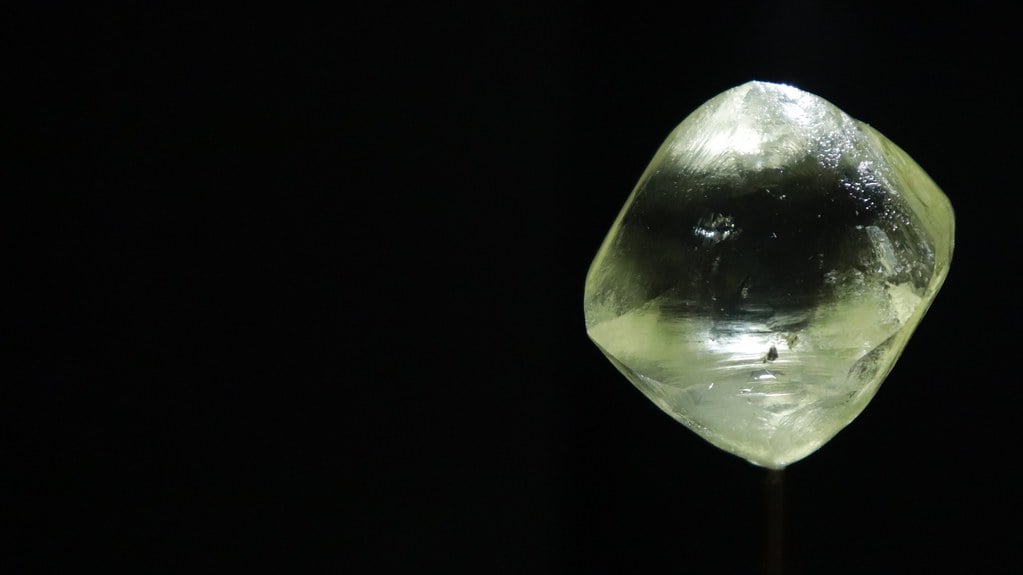
Miners discovered a 968.9-carat diamond in Sierra Leone on February 14, 1972. The Star of Sierra Leone became the fourth-largest gem-quality diamond ever found and the largest alluvial diamond on record.
Alluvial diamonds wash into rivers after erosion releases them from their original rock formations. Harry Winston purchased the rough diamond for several million dollars and brought it to New York.
Cutters initially shaped it into a 143.2-carat emerald stone. But they noticed an internal flaw.
Rather than accept an imperfect gem, they recut the stone into 17 separate diamonds. The largest from this collection is a 53.96-carat pear shape.
The Star of Sierra Leone is a Type IIa diamond, joining that elite category of chemically pure stones. Less than 1 percent of all diamonds qualify.
The perfect chemical purity makes these stones incredibly rare and valuable. Several of the 17 finished diamonds from the Star of Sierra Leone were set into a brooch by Harry Winston.
The Incomparable: Found in Rubble
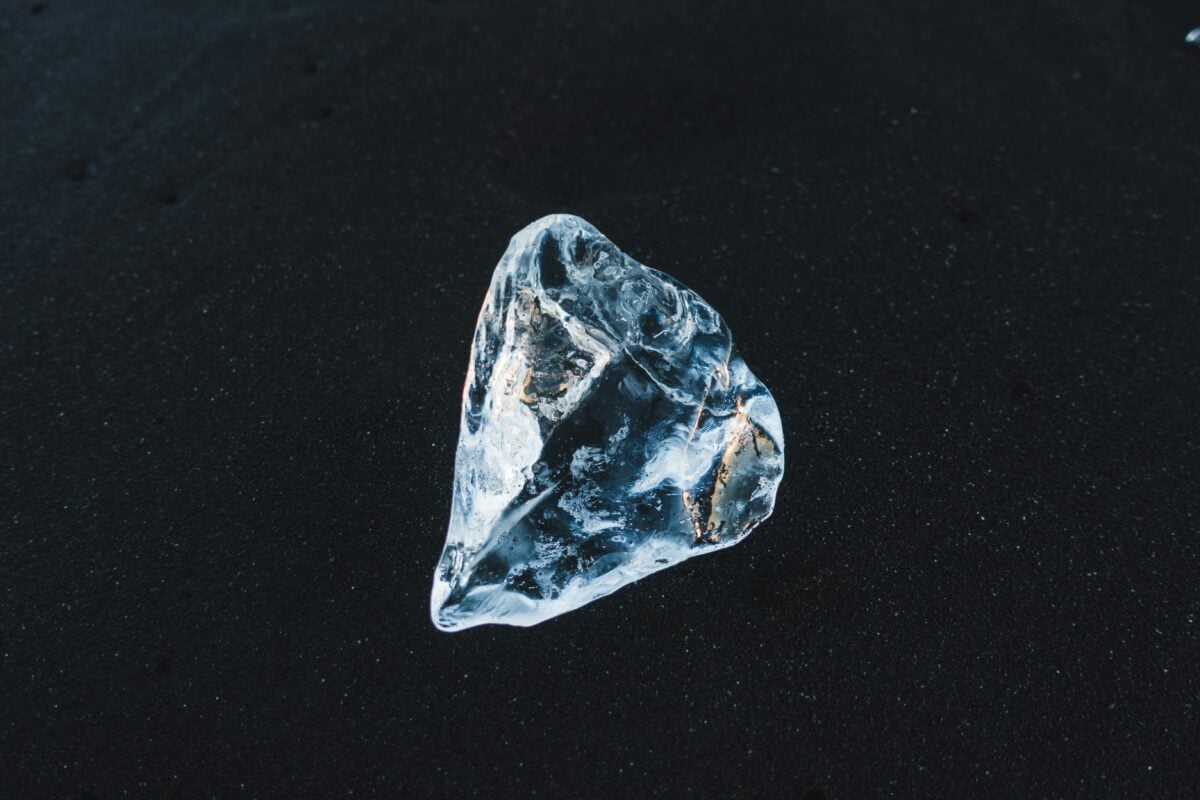
In 1989, a young girl walked past a pile of mining rubble in the Democratic Republic of Congo. Something glinted in the discarded material.
She picked up what turned out to be an 890-carat rough diamond. The girl gave the stone to her uncle, who sold it to a diamond dealer.
The rough diamond traveled to Antwerp, Belgium. Master craftsmen spent years cutting it into a yellow-brown stone weighing 407.48 carats.
The Incomparable holds the distinction of being one of the largest diamonds found by pure chance rather than organized mining operations.
The discovery highlights a persistent problem in diamond mining. Valuable stones sometimes get thrown away with waste material.
Mine workers process tons of rock and can miss diamonds mixed in with ordinary stones. This particular miss turned into someone’s extraordinary find.
Excelsior: The First Giant

Before the Cullinan stole the spotlight, the Excelsior Diamond held the title of largest diamond ever found. A worker discovered the 995.2-carat stone in 1893 at the Jagersfontein Mine in South Africa, near Kimberley.
The blue-white diamond remained the largest known diamond for 12 years until Cullinan’s discovery in 1905. Finding a buyer for the Excelsior proved challenging.
The stone was too large and too valuable. Most potential buyers couldn’t afford it.
Those who could afford it worried about cutting such a massive stone. The risk of shattering something so valuable during cutting made everyone nervous.
In 1904, the diamond finally went to I.J. Asscher in Amsterdam. The same family that would later cut the Cullinan tackled the Excelsior first. Asscher cut the stone into ten smaller gems.
The largest emerged as a 69.69-carat pear shape. The other pieces range from smaller pear shapes to various brilliant cuts.
Golden Jubilee: Largest Faceted Diamond
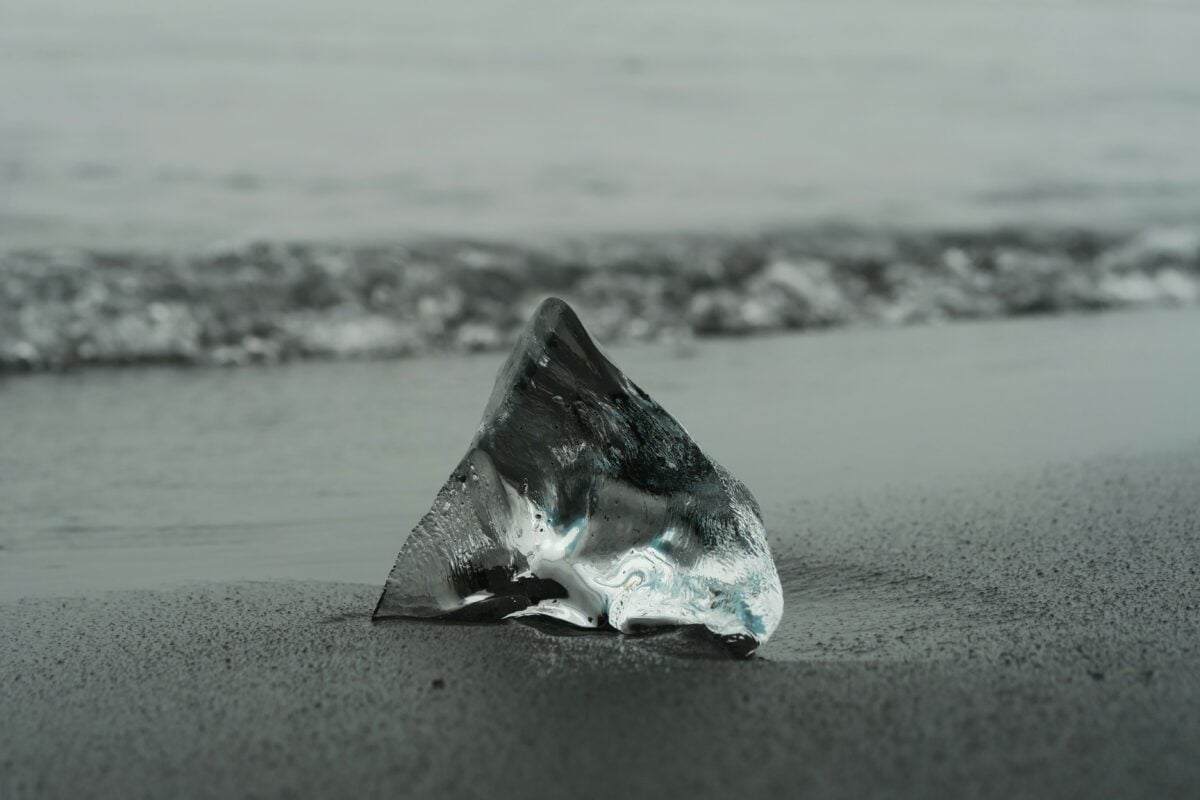
South Africa produced another giant in 1985. The rough stone weighed 755.5 carats when discovered.
Experts spent years cutting and polishing it into a 545.67-carat finished gem. The Golden Jubilee became the world’s largest faceted diamond.
Pope John Paul II gave the stone a papal blessing. In 1997, the diamond was presented to the King of Thailand.
The Royal Family of Thailand still owns it today. The deep golden-brown color makes it less valuable than colorless diamonds of similar size, but the sheer size makes up for the color grade.
Brown diamonds generally fetch lower prices than white or fancy colored stones. The diamond trade historically considered brown tints a defect.
Marketing campaigns in recent decades rebranded brown diamonds as “chocolate” or “cognac” to make them more appealing. But the Golden Jubilee predates these marketing efforts. It succeeded on size alone.
Millennium Star: Cut From the Congo
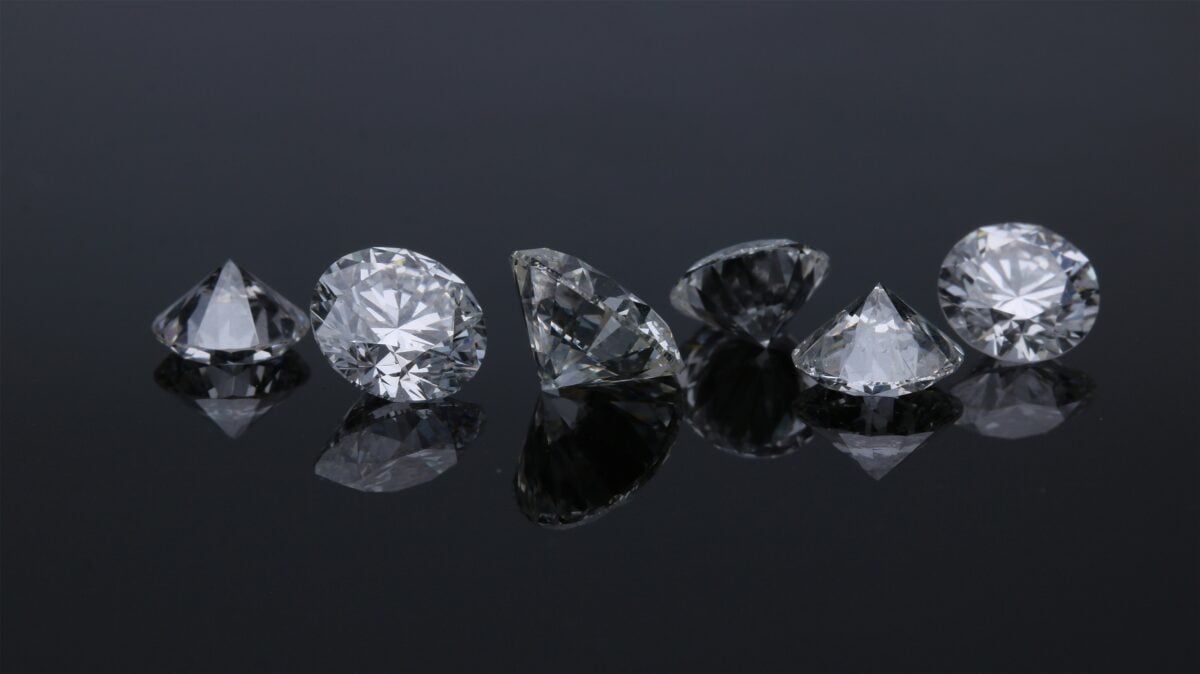
Workers found a 777-carat rough diamond in 1990 in alluvial deposits in the Democratic Republic of Congo. The lucky number of carats seemed fitting.
De Beers purchased the rough stone and sent it to the Steinmetz Group for cutting. The process took three years.
The final result: a 203.04-carat pear-shaped diamond rated D color and internally flawless. The Millennium Star became the second-largest D-flawless diamond in the world.
The cutting also produced a 27.64-carat fancy vivid blue heart-shaped diamond and 11 other blue diamonds totaling 118 carats. In 2000, someone attempted to steal the Millennium Star while it was on display.
The heist was foiled. The diamond remains one of the most valuable stones ever created from rough material.
The D color rating and flawless clarity command premium prices per carat.
Woyie River: Named for Its Discovery Site
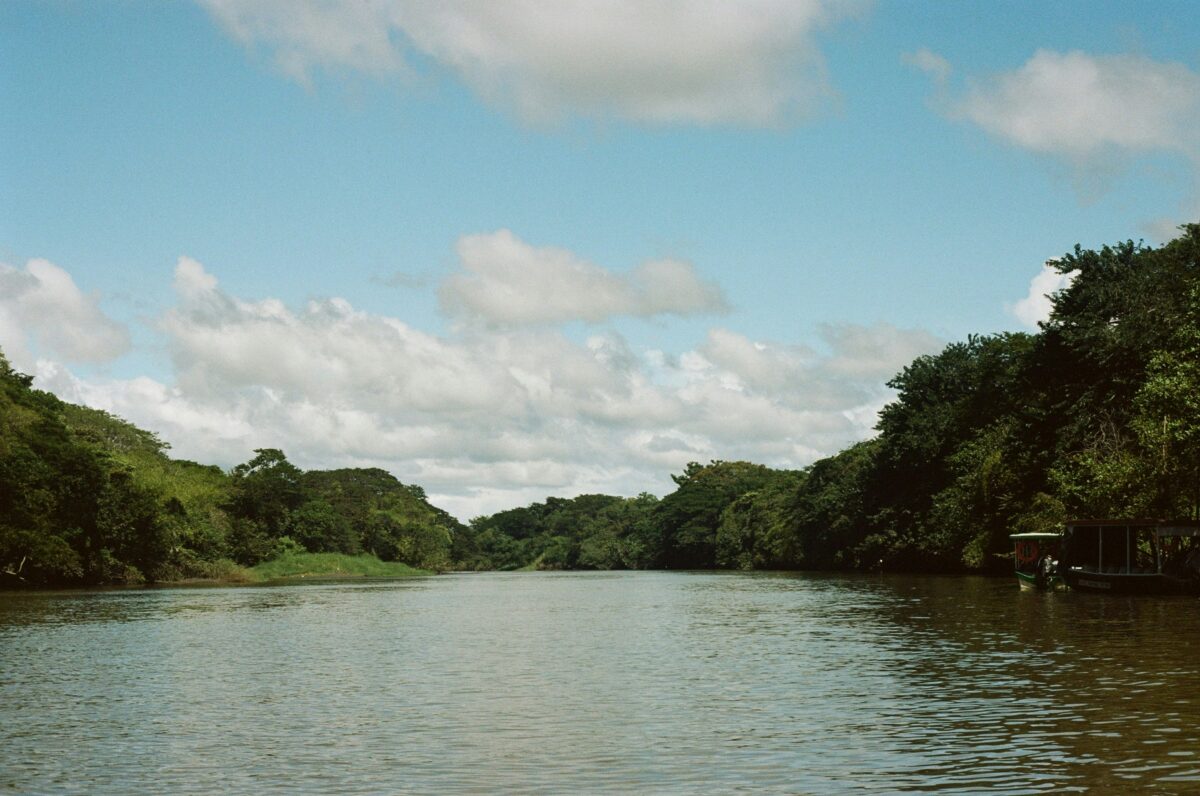
A river near Koidu in Sierra Leone yielded a 770-carat diamond in 1945. The Woyie River Diamond earned distinction as the largest alluvial diamond in existence at the time.
The rough stone had a smooth, cleaved face indicating it had broken from a larger crystal during its journey down the river. The diamond traveled to England where Queen Mary viewed it in 1947.
The public saw it at the British Industries Fair in 1949. These exhibitions built excitement around one of the largest diamonds found during World War II.
Cutters eventually divided the Woyie River Diamond into 30 pieces. The largest became the Victory Diamond, named for the Allied victory in World War II that occurred shortly after the stone’s discovery.
The Victory Diamond weighs 31.35 carats, rates D color, and has VVS2 clarity. Investor Frank Gould purchased it for his wife Florence.
Jonker: The Farmer’s Fortune

Johannes Jacobus Jonker owned a small farm at the Elandsfontein mine in South Africa. In 1934, he found a 726-carat diamond on his property.
The discovery changed his life overnight. The Jonker Diamond became one of the most valuable single stones found in the 1930s.
The diamond was cut into 13 pieces. The largest weighs 142.9 carats and was shaped into an emerald cut.
This piece alone ranks as the 16th largest emerald-cut, D-color diamond in the world. The other 12 pieces range in size and shape.
Jonker’s discovery highlighted how diamonds can appear anywhere in diamond-bearing regions. Professional mines employ thousands of workers and process tons of rock.
Yet sometimes an individual walking their own land stumbles upon a fortune. Luck plays a role alongside industrial-scale mining operations.
When Mountains Give Up Their Secrets

The biggest diamonds ever found share certain characteristics. Most formed billions of years ago under extreme heat and pressure deep in Earth’s mantle.
Volcanic eruptions carried them upward through pipes of volcanic rock called kimberlite. Erosion eventually exposed some stones at the surface or washed them into rivers.
Modern mining technology has transformed diamond discovery. X-ray scanners prevent crushers from destroying large stones.
Computer analysis helps identify promising areas for exploration. But the basic process remains unchanged.
You dig, you process rock, and you hope. Botswana’s Karowe Mine demonstrates how one location can produce multiple record-breaking stones.
The geology underneath that particular patch of land created conditions that formed numerous massive diamonds. Mining companies guard information about productive sites closely.
A single mine might generate billions in revenue over its lifetime. The biggest diamonds often present difficult decisions.
Do you keep the stone intact and try to sell it as one piece? Or do you cut it into multiple gems that are easier to sell?
The Cullinan became the crown jewels. The Sergio became drill bits.
Different stones took different paths based on quality, market conditions, and the preferences of their owners.
The Hunt Continues Underground
Diamond prospecting hasn’t stopped. Companies continue exploring for new kimberlite pipes.
Existing mines keep digging deeper. Technology improves each year, making it possible to find and extract stones that previous generations would have missed or destroyed.
Angola, Botswana, and South Africa remain major producers. Canada emerged as a significant diamond source in recent decades.
Mines in Russia’s Siberian region produce enormous quantities. Australia provides unique colored diamonds alongside traditional white stones.
The next record-breaking diamond could be discovered tomorrow. It might come from a known mine that suddenly yields an extraordinary stone.
Or someone might stumble upon it in a riverbed like the young girl in Congo. Diamond formation occurred billions of years ago, but discovery happens in the present.
Each giant diamond that reaches the surface represents a geological miracle. The carbon had to crystallize under perfect conditions.
It survived violent volcanic eruptions that brought it upward. Erosion or mining had to expose it at exactly the right time for someone to find it.
Countless potential record-holders probably dissolved, shattered, or remained buried beyond reach. You probably won’t find a 1,000-carat diamond in your backyard.
The odds are astronomical. But people do visit diamond mines open to tourists and occasionally find significant stones. The Crater of Diamonds State Park in Arkansas lets visitors keep whatever they discover.
The largest diamond found there weighed 40.23 carats. Not Cullinan-sized, but still life-changing for whoever held it first.
More from Go2Tutors!

- The Romanov Crown Jewels and Their Tragic Fate
- 13 Historical Mysteries That Science Still Can’t Solve
- Famous Hoaxes That Fooled the World for Years
- 15 Child Stars with Tragic Adult Lives
- 16 Famous Jewelry Pieces in History
Like Go2Tutors’s content? Follow us on MSN.



