Photographs That Shocked the World
Some images stay with us forever. A single photograph can stop people in their tracks, spark conversations across continents, and even change the course of history.
These aren’t just pictures—they’re moments frozen in time that forced humanity to confront uncomfortable truths, celebrate incredible triumphs, or witness events that seemed impossible to believe. Throughout history, certain photographs have done more than document reality.
They’ve shaped it. Let’s look at the images that made the world stop and pay attention.
The Falling Man From The Twin Towers
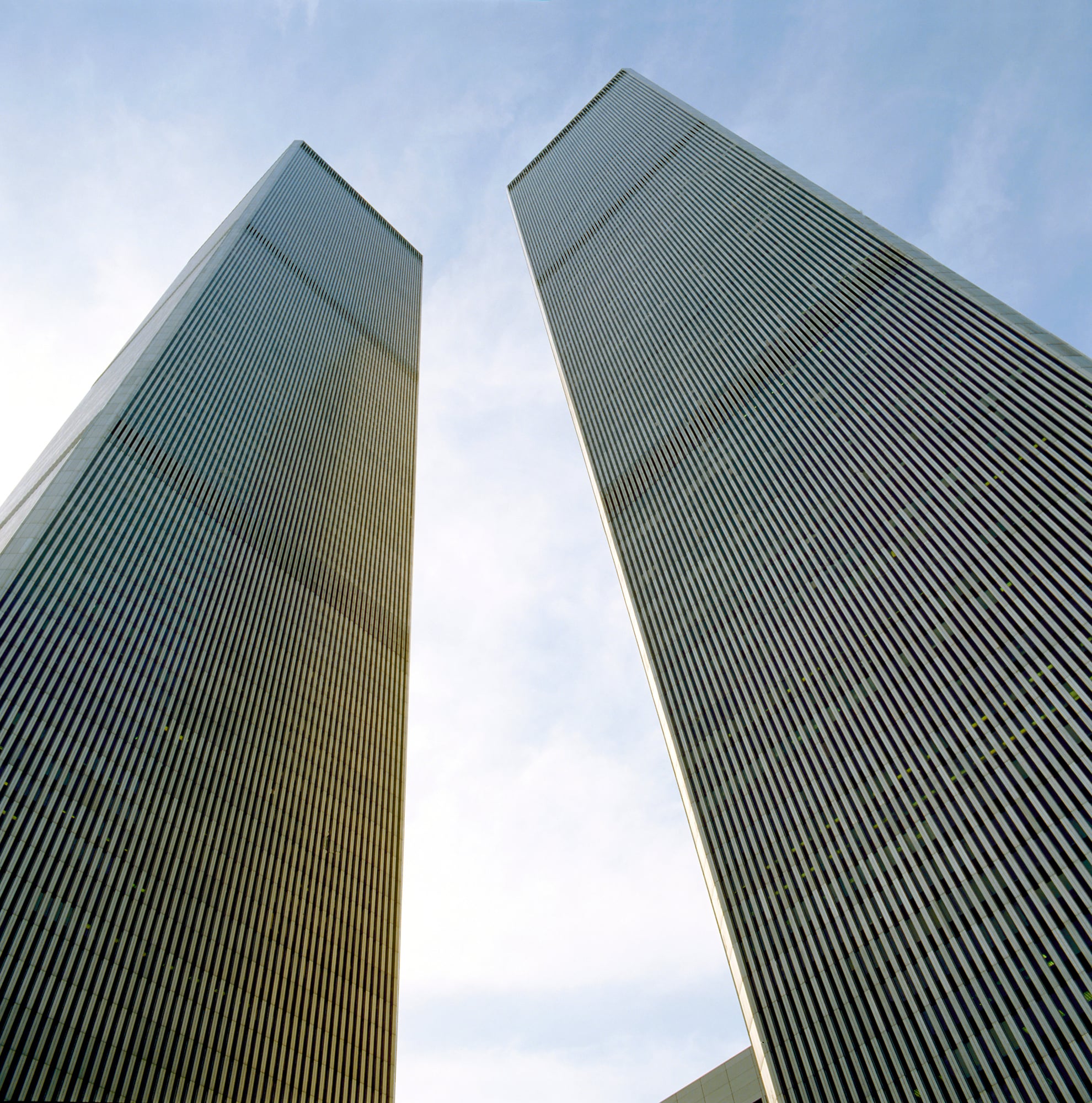
On September 11, 2001, Associated Press photographer Richard Drew captured an image that still haunts people today. A man falls headfirst from the North Tower of the World Trade Center, his body perfectly vertical against the building’s lines.
The photograph appeared in newspapers the next day and immediately sparked intense debate about whether such images should be shown at all. Many readers called it too disturbing, too personal, too real.
Yet the image represents the impossible choices faced by people trapped in the towers that day, and it refuses to let viewers forget the human cost of that tragedy.
Napalm Girl Running Down A Vietnamese Road
Nick Ut took this photograph in 1972, showing nine-year-old Phan Thi Kim Phuc running unclothed down a road after a napalm attack during the Vietnam War. Her clothes had been burned off by the chemical weapon, and her arms were stretched out from her body in pain.
The image appeared on front pages worldwide and turned public opinion even more strongly against the war. Kim Phuc survived her injuries and later became a UNESCO Goodwill Ambassador.
The photograph won the Pulitzer Prize and remains one of the most powerful anti-war images ever captured..
Tank Man Blocking Military Vehicles In Tiananmen Square
An unknown photographer captured this scene the day after Chinese troops violently cleared protesters from Tiananmen Square in 1989. A lone man carrying shopping bags stands in front of a column of tanks, blocking their path.
When the lead tank tries to go around him, he steps back into its way. The image spread around the world and became a symbol of peaceful resistance against overwhelming force.
Nobody knows for certain who the man was or what happened to him afterward, which somehow makes the photograph even more powerful.
The Vulture Watching A Starving Child In Sudan
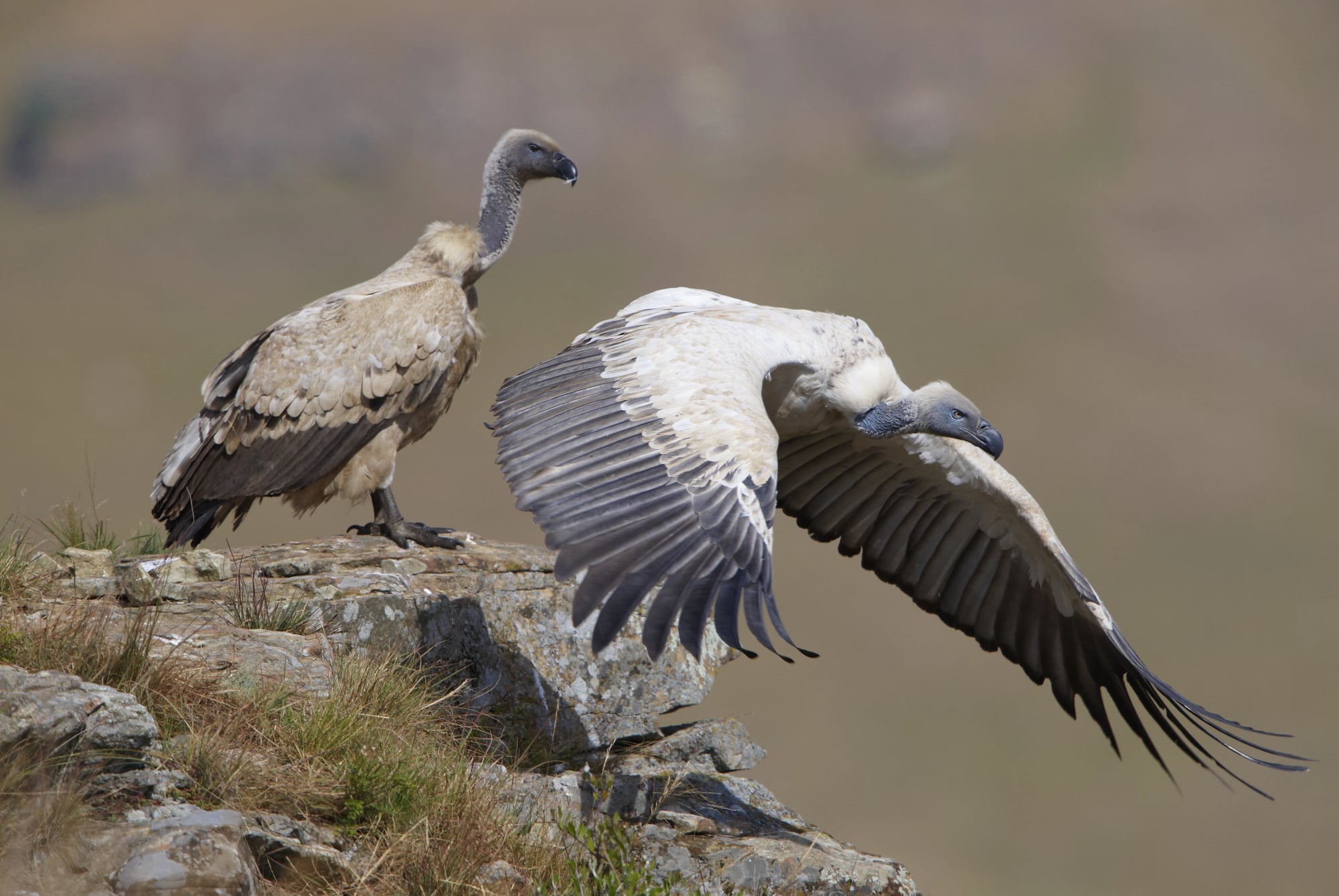
Kevin Carter photographed a severely malnourished child collapsed on the ground while a vulture waited nearby in 1993. The image won the Pulitzer Prize but also sparked fierce criticism of Carter for not helping the child.
People questioned why he took the picture instead of intervening immediately. The photographer later explained that he chased the bird away after taking the shot, but the controversy followed him.
Carter took his own life just months after receiving the award, leaving a note that mentioned the horrors he had witnessed.
Bodies Stacked At Bergen-Belsen Concentration Camp
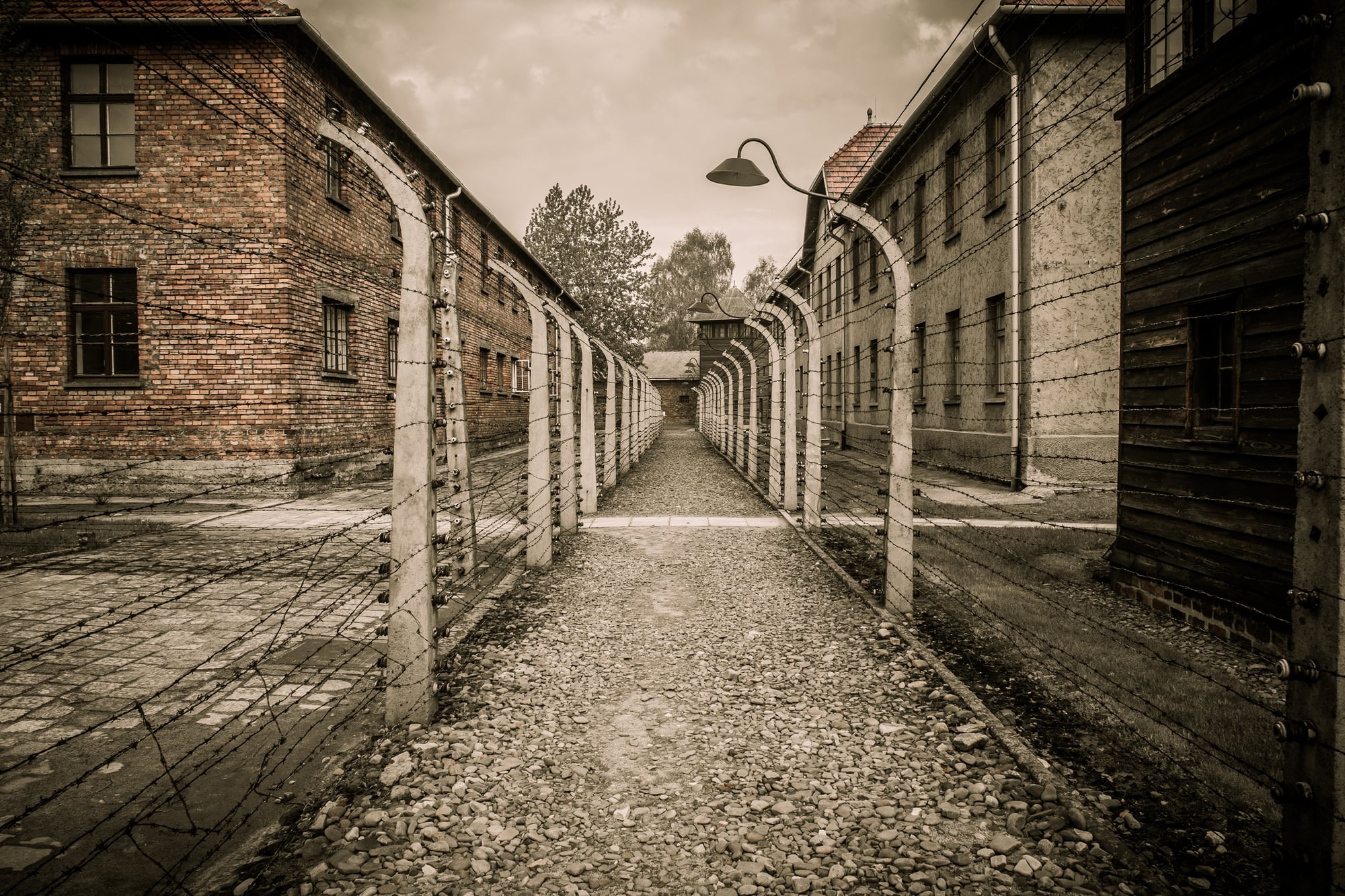
When Allied forces liberated Bergen-Belsen in 1945, army photographers documented what they found. Images showed thousands of unburied bodies and survivors who were barely alive.
General Dwight Eisenhower insisted on extensive documentation because he knew people would later try to deny what had happened. He ordered photographs and films to be made and local German civilians to be brought to the camps to see the evidence.
These images became crucial evidence at war crimes trials and remain among the most important Holocaust documentation.
The Execution On A Saigon Street
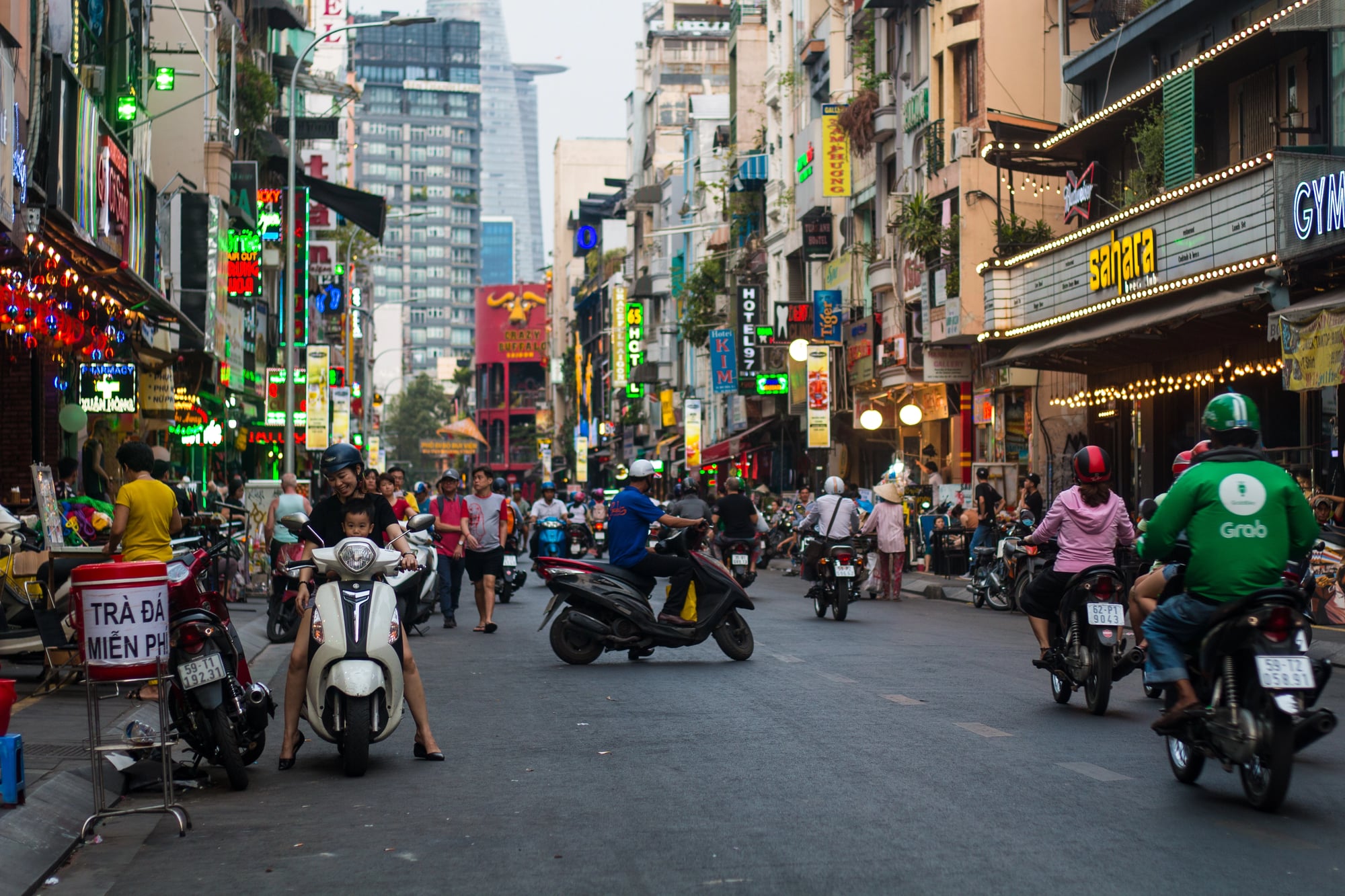
Eddie Adams captured the exact moment South Vietnamese General Nguyen Ngoc Loan shot a Viet Cong prisoner in the head on a Saigon street in 1968.
The photograph shows the instant the bullet entered the prisoner’s head, his face contorted in pain. It won the Pulitzer Prize and turned many Americans against the war.
Adams later said he regretted the impact the photo had on General Loan’s life, noting that people judged the general based on a single moment without understanding the full context of war.
The Afghan Girl With Piercing Green Eyes
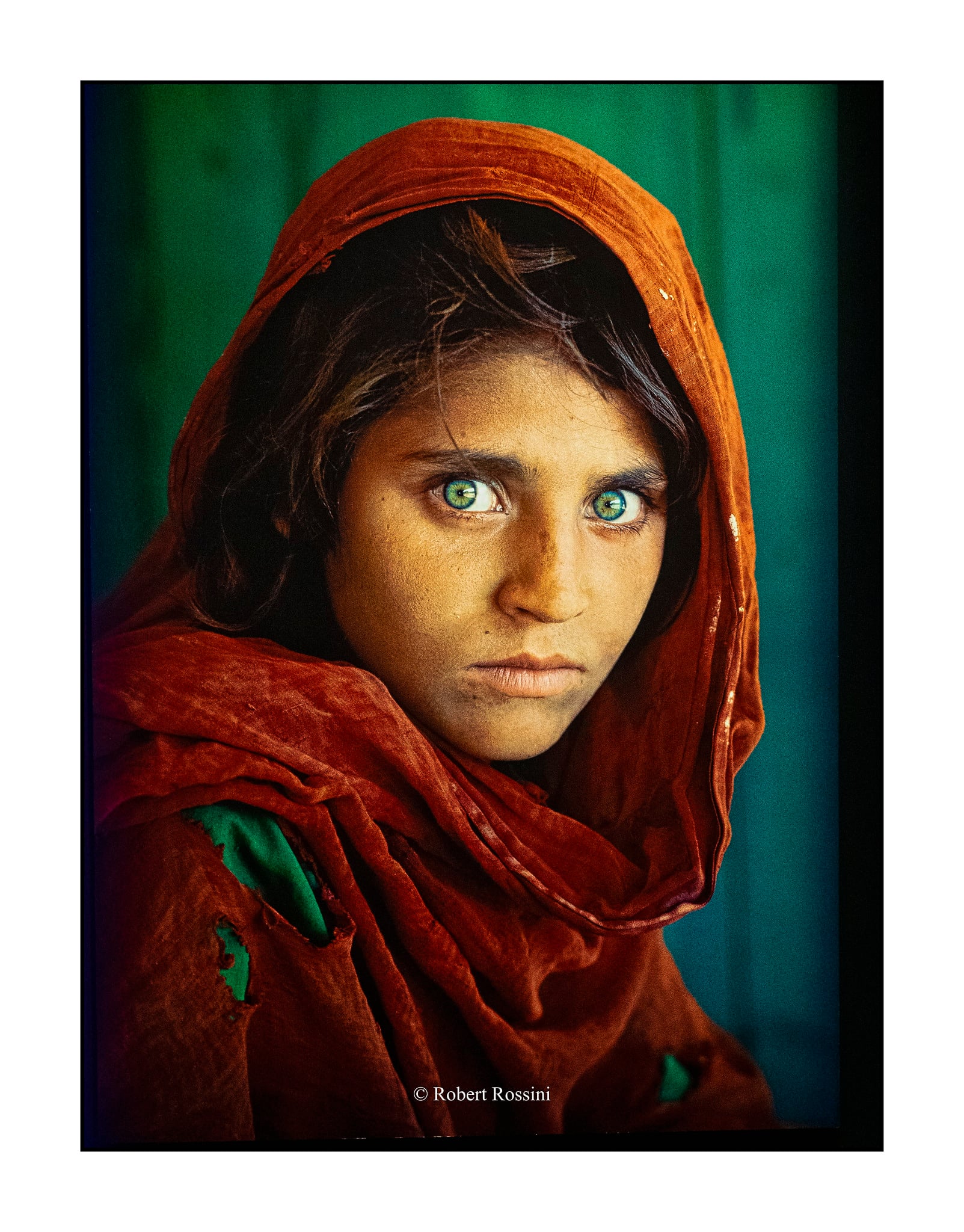
Steve McCurry photographed a young refugee girl in a Pakistani camp in 1984 for National Geographic. Her intense green eyes stare directly at the camera with an expression that seems to hold both fear and defiance.
The image became the magazine’s most famous cover and came to represent the plight of refugees worldwide. McCurry searched for the girl for years and finally found her in 2002.
Her name was Sharbat Gula, and she had returned to Afghanistan, still living in difficult circumstances.
Raising The Flag On Iwo Jima
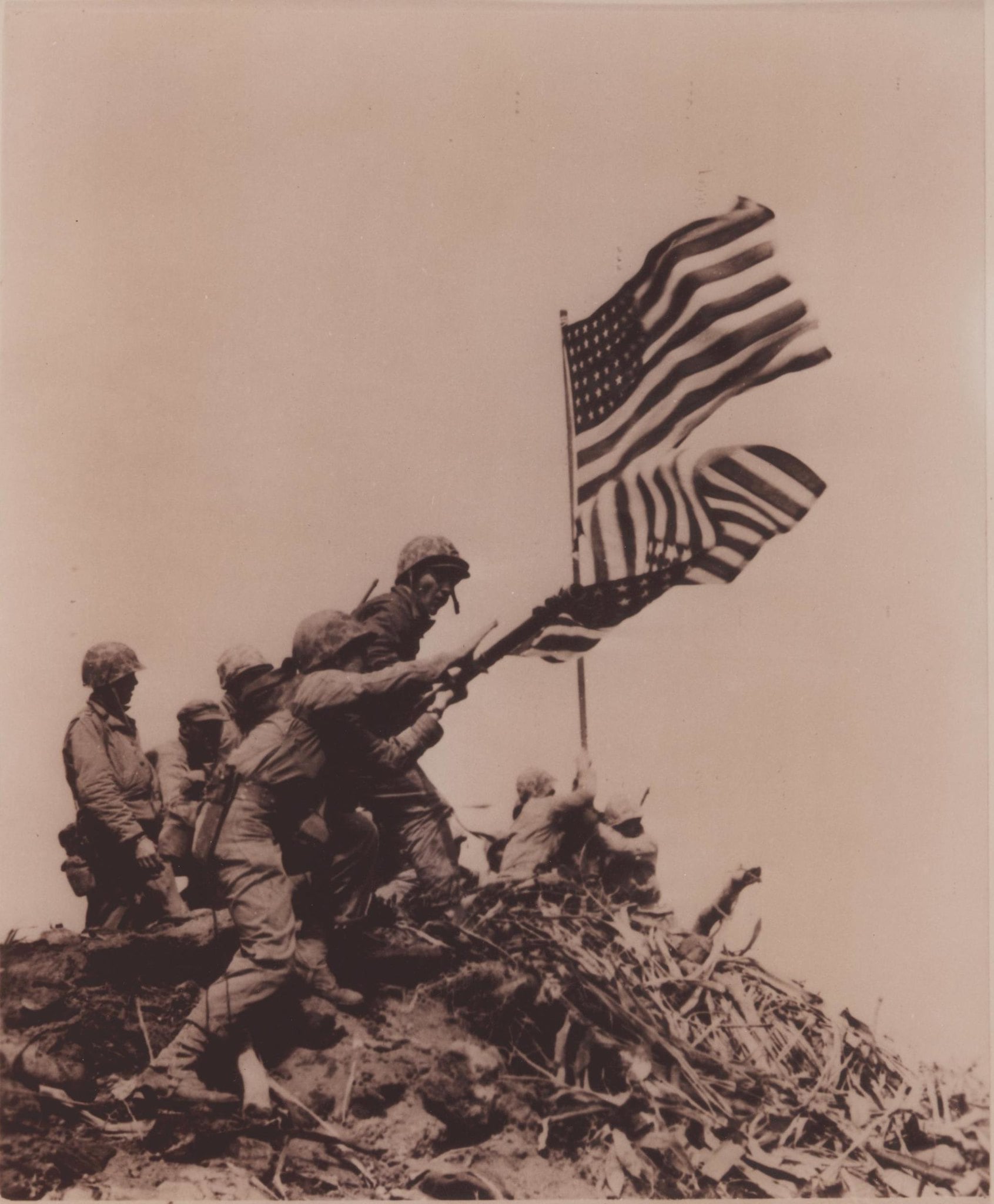
Joe Rosenthal’s 1945 photograph shows six Marines raising the American flag on Mount Suribachi during the Battle of Iwo Jima. The image appeared in newspapers across America and instantly became a symbol of determination and sacrifice.
What many people don’t know is that this was actually the second flag raised that day—a larger one replaced an earlier, smaller flag. Three of the six men in the photograph died before the battle ended.
The image won the Pulitzer Prize and later inspired the Marine Corps War Memorial in Arlington, Virginia.
A Man Standing Against A Wall Moments Before Execution
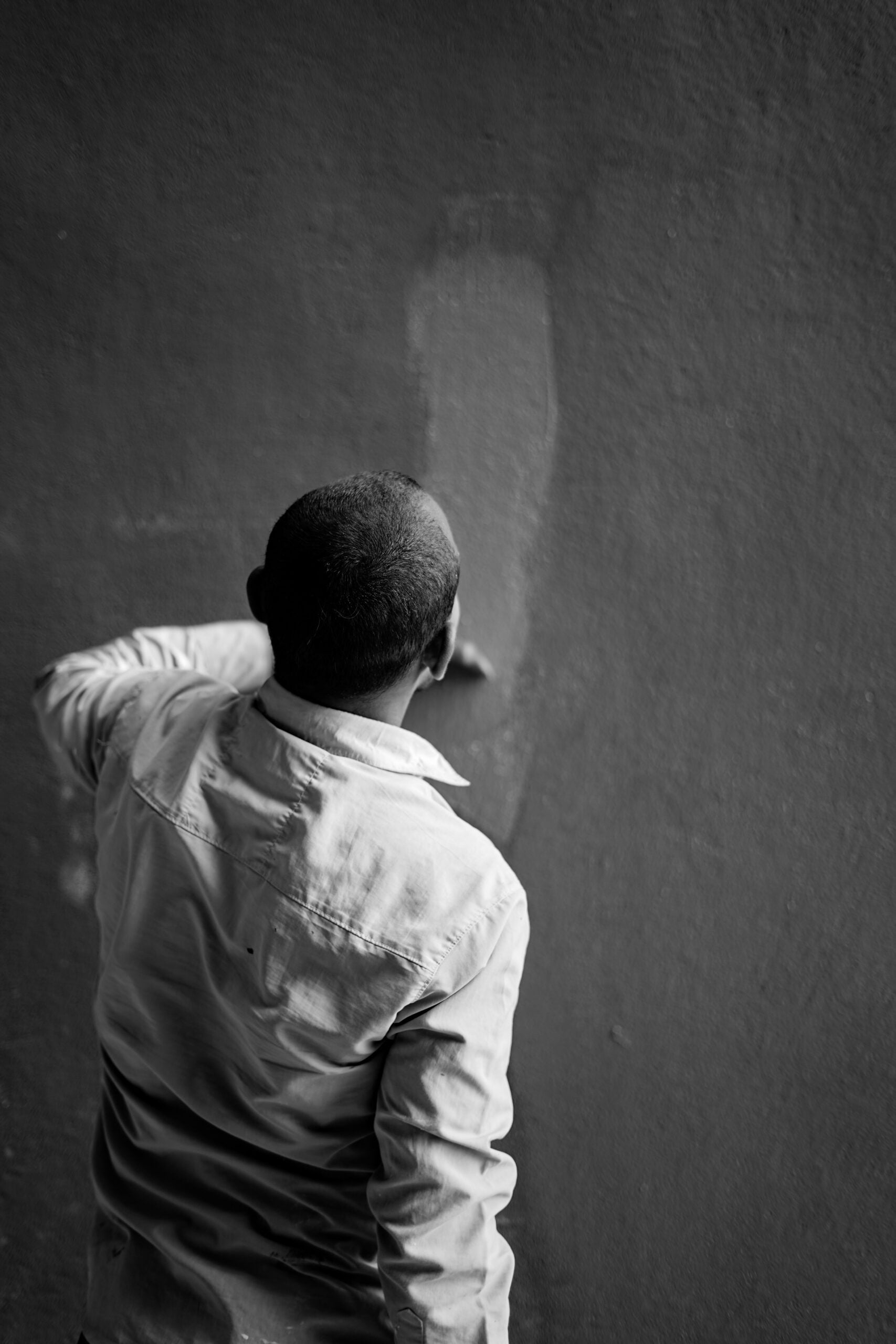
This 1960 photograph shows a man calmly standing against a wall, about to be executed by firing squad during the Cuban Revolution. His composure in the face of death struck viewers worldwide.
The man refused a blindfold and faced his executioners directly. Newspapers debated whether such images should be published, but many editors felt the world needed to see the reality of political violence.
The photograph captured something deeply human about courage and mortality that transcends politics.
The Hindenburg Engulfing In Flames
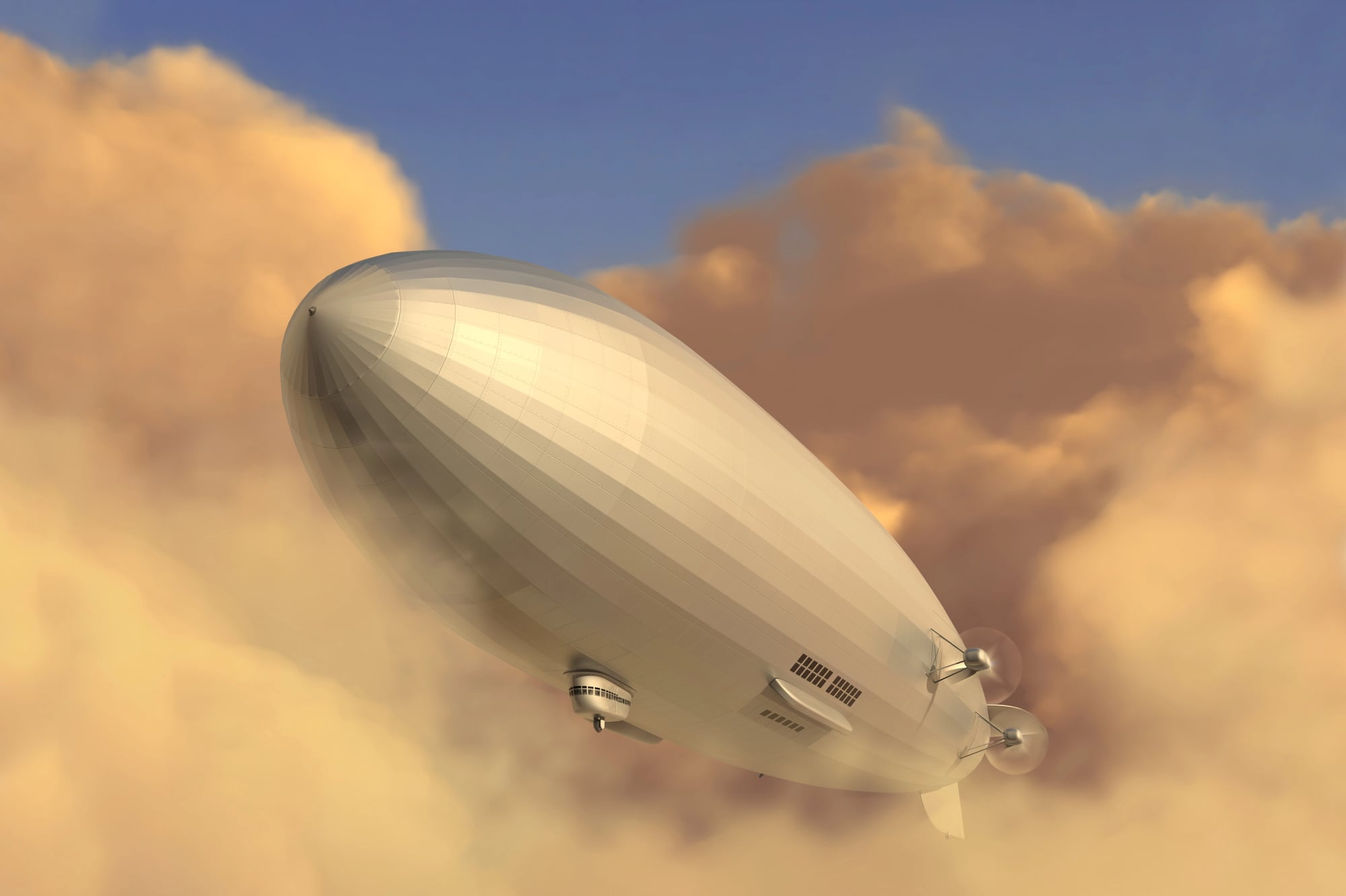
Multiple photographers captured the Hindenburg disaster in 1937 as the massive German airship caught fire while attempting to dock in New Jersey. Sam Shere’s photograph shows the moment the hydrogen-filled aircraft became a giant fireball, with tiny human figures visible running from the wreckage.
The disaster killed 36 people and ended the era of passenger airships forever. The photographs and radio broadcast of the event brought the tragedy into homes across America and changed how people thought about air travel safety.
A Student Kneeling Over A Body At Kent State
John Filo photographed Mary Ann Vecchio kneeling over the body of Jeffrey Miller at Kent State University in 1970, moments after National Guard troops shot four student protesters.
Her arms are raised, and her face shows shock and anguish. The image appeared on front pages nationwide and intensified opposition to both the Vietnam War and the use of military force against protesters.
Filo won the Pulitzer Prize for the photograph, which became an enduring symbol of that turbulent era.
The Mushroom Cloud Over Nagasaki
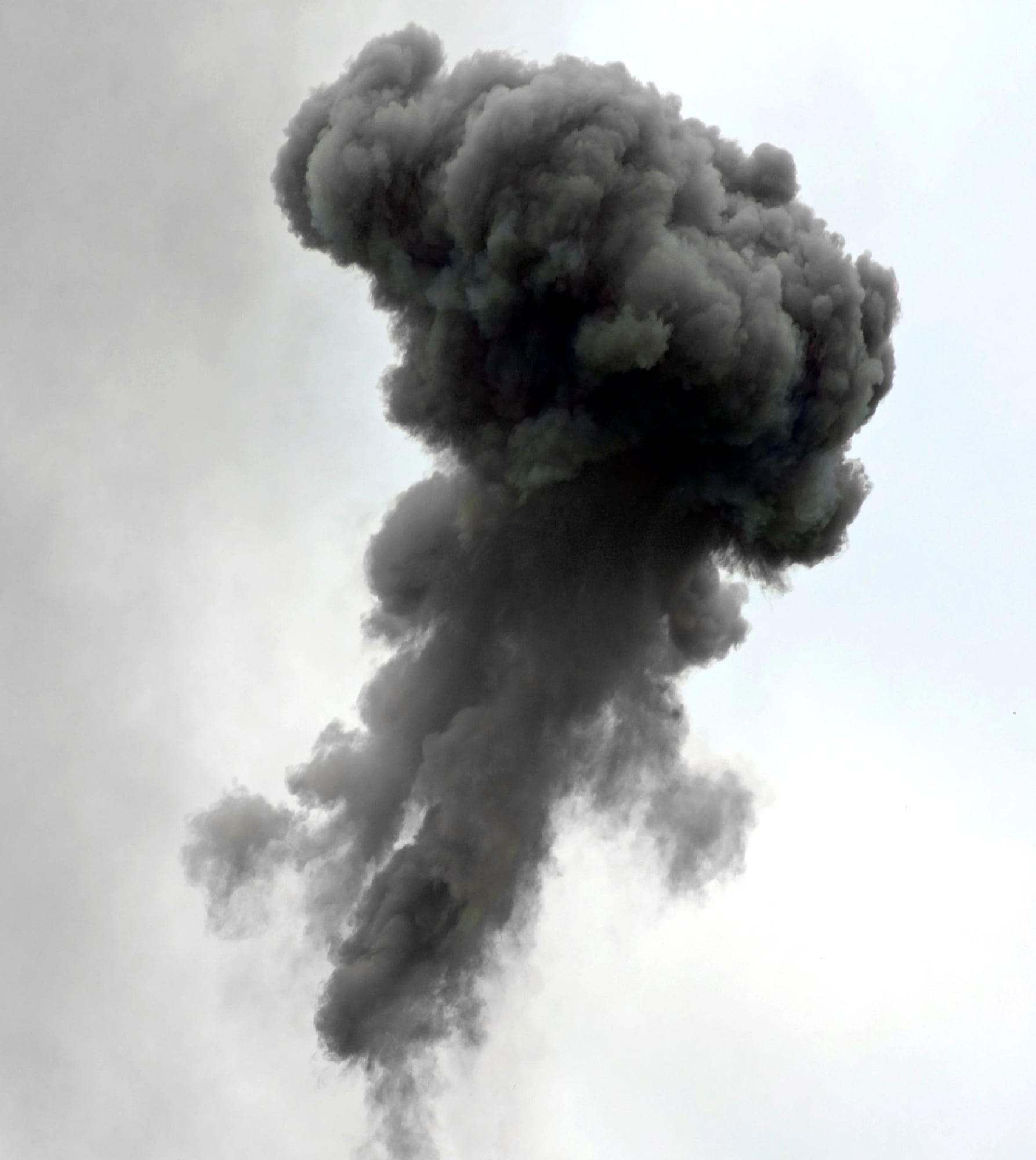
Photographs of the atomic bomb’s mushroom cloud over Nagasaki in 1945 showed the world a new and terrible form of warfare. The massive cloud rose miles into the sky, dwarfing everything below it.
These images marked the beginning of the nuclear age and changed international relations forever. People saw for the first time the scale of destruction that a single weapon could cause.
The photographs still serve as a stark reminder of nuclear weapons’ devastating power.
Lunch Break High Above New York City
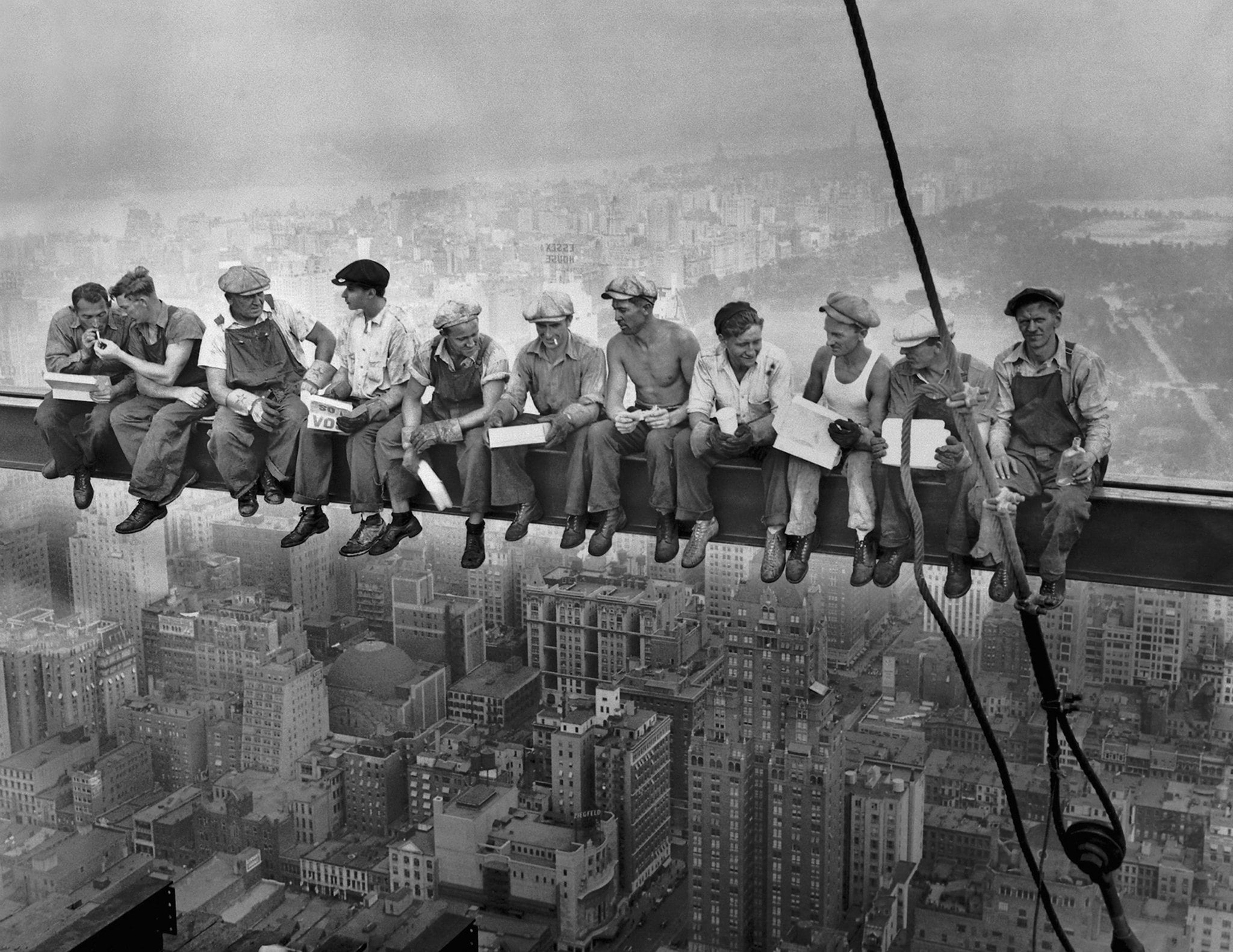
Charles Ebbets captured eleven construction workers eating lunch on a steel beam suspended hundreds of feet above Manhattan in 1932. The men sit casually on the beam with no safety equipment, their legs dangling over empty space.
The photograph became an icon of American determination during the Great Depression, showing workers risking everything to build the city’s skyline. Some of the men juggle, light others’ cigarettes, or simply chat as if they were sitting at a normal table.
The image still makes viewers’ palms sweat.
Omayra Sanchez Trapped In Debris
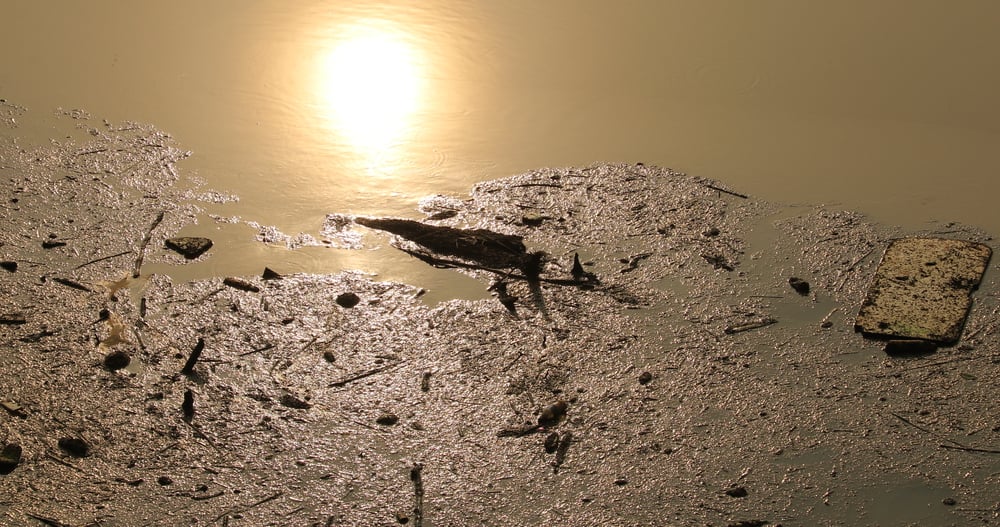
Frank Fournier photographed thirteen-year-old Omayra Sanchez trapped in water and debris for three days after a volcanic eruption destroyed her Colombian town in 1985. The girl remained calm and spoke with rescuers even though she knew she was dying.
The photograph of her face, partially submerged, with her haunted eyes staring at the camera, sparked international outrage about the failed rescue efforts. She died hours after the photograph was taken.
The image forced discussions about government responsibility during natural disasters and the ethics of photographing suffering.
A Priest Giving Last Rites During A Protest
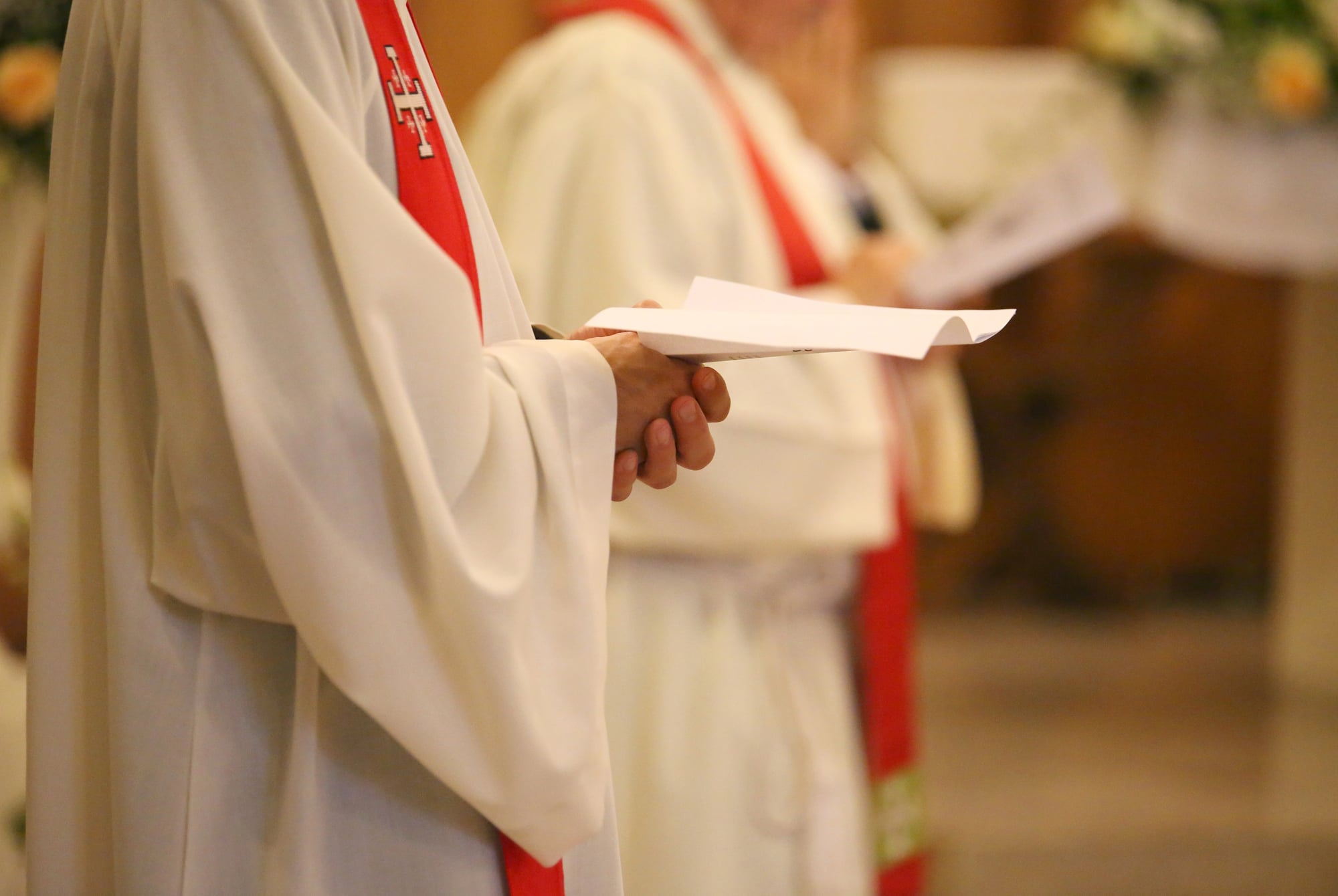
This 1962 photograph shows a Catholic priest administering last rites to a Venezuelan National Guard soldier who had been shot during a political uprising. The soldier lies wounded in the street while the priest performs the religious rite amid continuing violence.
Photographer Héctor Rondón Lovera captured the moment, which won the World Press Photo of the Year. The image shows how violence and compassion can exist in the same terrible moment, and how some people rush toward danger to help others.
The Self-Immolation Of A Buddhist Monk
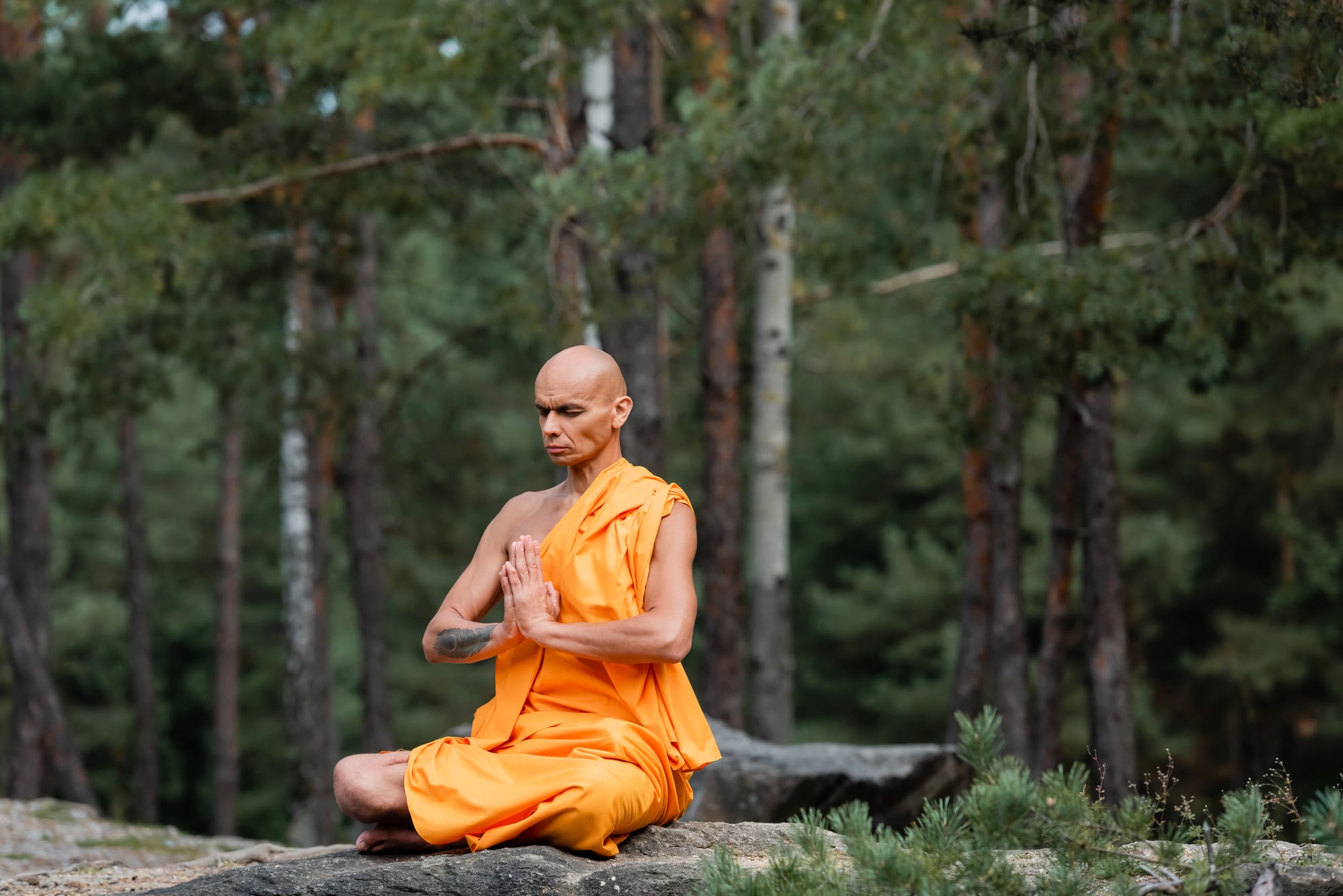
Malcolm Browne photographed Buddhist monk Thich Quang Duc setting himself on fire at a busy Saigon intersection in 1963 to protest the South Vietnamese government’s treatment of Buddhists. The monk sat perfectly still in the lotus position as flames consumed his body.
The photograph shocked President Kennedy, who saw it over breakfast and said no news picture in history had generated so much emotion. The image helped change U.S. policy toward the South Vietnamese government and demonstrated the extreme lengths people will go to make their voices heard.
A Gorilla Gently Holding A Conservation Worker’s Hand
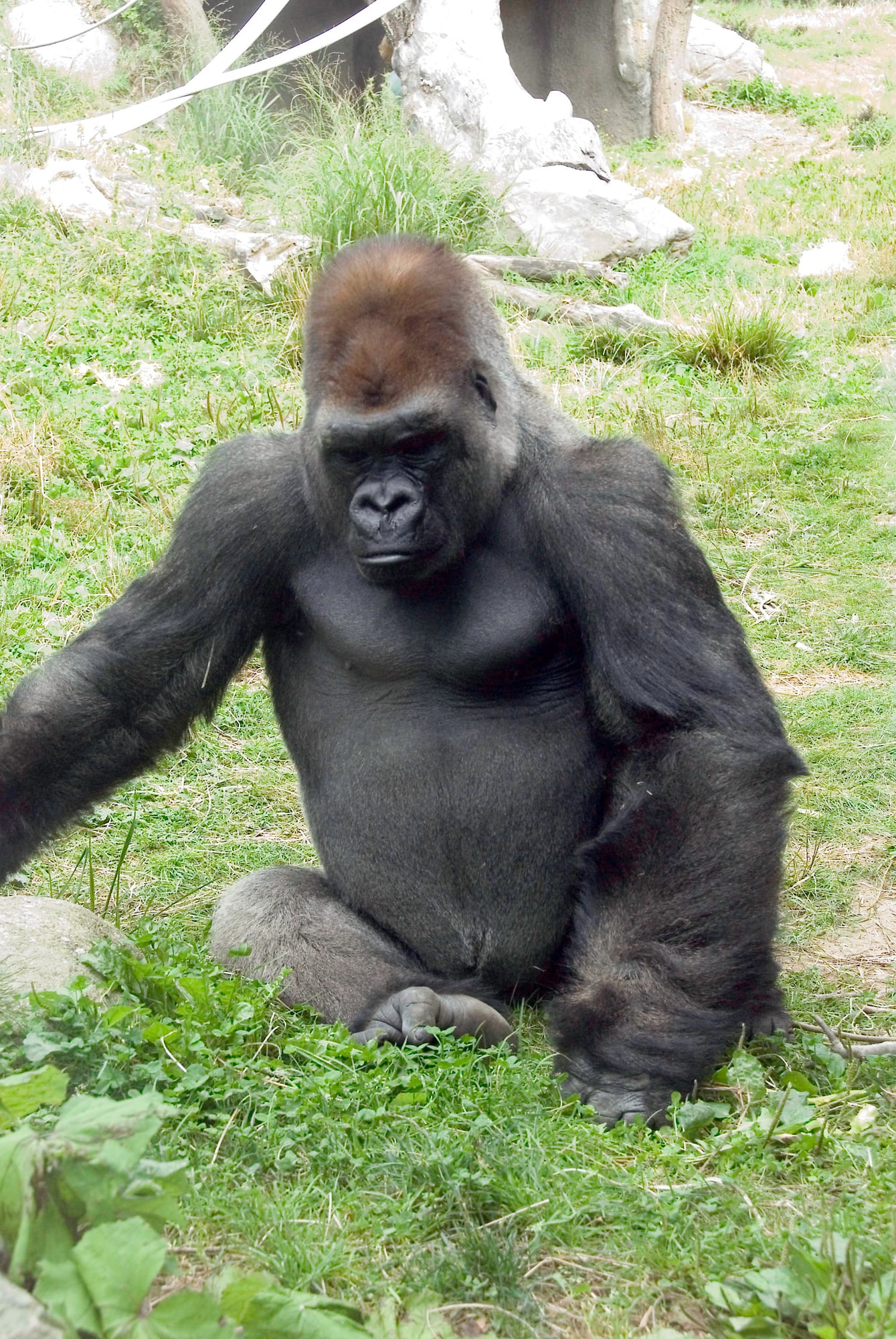
A young mountain gorilla called Pikin sits quietly beside a ranger in this picture taken back in 2007, fingers lightly curled around the person’s hand. Because of how softly it captured their bond, strangers across continents began sharing the photo online.
Instead of seeing only wild strength, eyes were drawn to something calm, almost familiar. Though so much separates species, moments like this reveal shared threads – emotions not so far from our own.
Behind quiet gazes and slow gestures, trust forms slowly, built by those who guard their forest homes. Support for protecting these animals grew stronger after the world saw what was held within one frame.
Alan Kurdi On A Turkish Beach
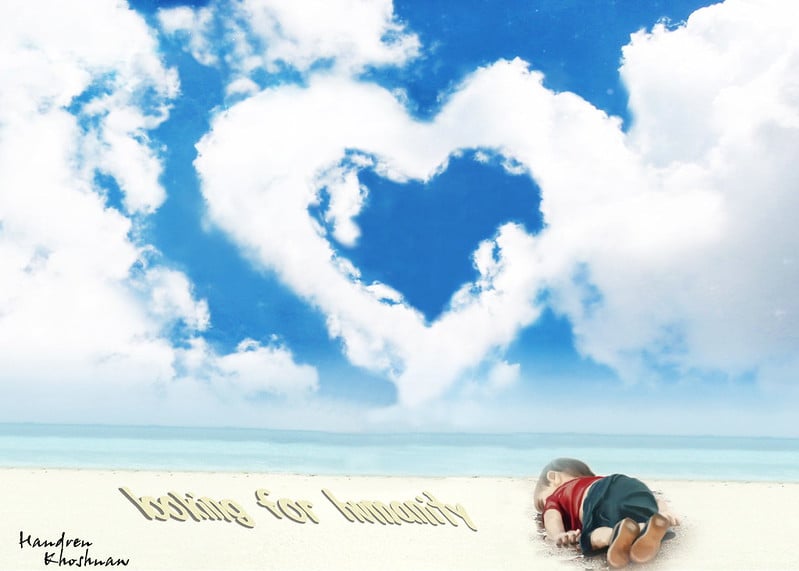
A tiny boy, just three years old, lay still on a shore in Turkey – water lapping near his clothes. His family had been fleeing by boat toward Greece when it flipped. That moment, frozen in a 2015 photo, reached millions before the day ended. Shock moved through online spaces fast, jumping from screen to screen.
Governments once slow to respond felt new weight in their choices. Not speeches, nor reports, but one quiet scene shifted how people saw those crossing seas. A single frame, stark and silent, echoed louder than weeks of debate.
Right Here Is Where Things Rest Today
Pictures like these hit harder than words ever could. Through all the clutter, they carried sorrow from faraway places straight into view.
One moment frozen sometimes lit instant change another shifted minds over years. Being there when it happens matters much less without the nerve to reveal uncomfortable truths.
What sticks is this truth telling, however heavy, stands as vital work in times that need seeing clearly.
More from Go2Tutors!

- The Romanov Crown Jewels and Their Tragic Fate
- 13 Historical Mysteries That Science Still Can’t Solve
- Famous Hoaxes That Fooled the World for Years
- 15 Child Stars with Tragic Adult Lives
- 16 Famous Jewelry Pieces in History
Like Go2Tutors’s content? Follow us on MSN.