Forgotten Slang Words from the 1990s and 2000s
Remember when everything was “da bomb” and people said “talk to the hand” without a hint of irony? The 90s and 2000s gave us some of the most ridiculous slang ever spoken. Kids back then thought they sounded cool, but looking back, a lot of these phrases were pretty cringeworthy.
Some words stuck around and evolved, but most just disappeared once the next generation came along and decided they were lame.These weren’t just words either.
They were whole personalities wrapped up in a few syllables.Let’s take a trip down memory lane and revisit the slang that defined an era.
All that and a bag of chips
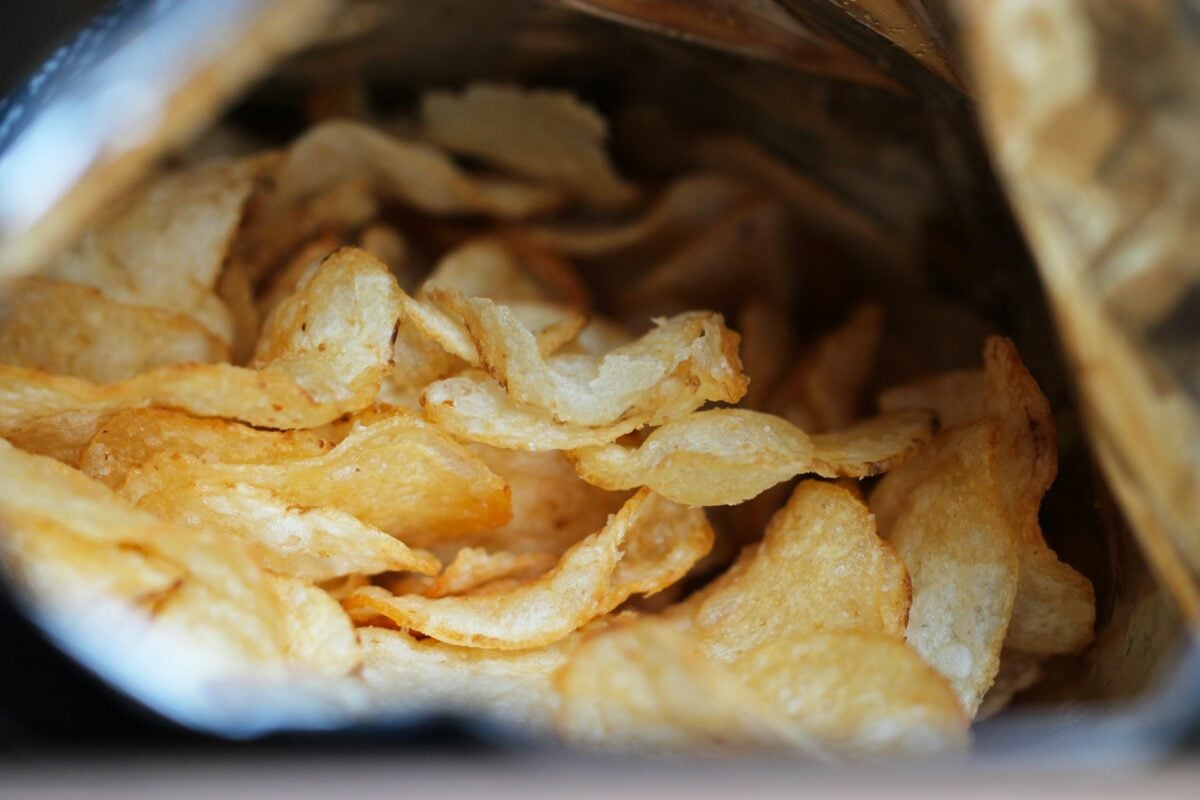
This phrase meant someone thought they were better than everyone else. It was usually used sarcastically when a person was being too full of themselves.
“Oh, you think you’re all that and a bag of chips?” someone would snap back. The chips part made it funnier somehow, like being great wasn’t enough without snacks involved.
Nobody says this anymore, but for a while in the mid-90s, it was everywhere. Kids at school used it, adults picked it up, and it showed up in TV shows constantly.
As if

“As if” became huge after the movie Clueless came out in 1995. Alicia Silverstone’s character Cher said it with such an attitude that everyone started copying her.
It was the perfect dismissive response when someone said something stupid or suggested something you’d never do. “Want to go to that party?” “As if!”
The phrase worked because it was short, sassy, and didn’t need explanation. People still understand what it means today, but nobody actually says it unless they’re being deliberately retro or making fun of the 90s.
Like Go2Tutors’s content? Follow us on MSN.
Booyah
This was an exclamation of victory or excitement that peaked in the late 90s and early 2000s. Sports commentator Stuart Scott used it all the time on ESPN, which helped it spread like wildfire.
Someone would score a point, win a game, or accomplish anything remotely successful and yell “Booyah!” It sounded energetic and fun, even if it was kind of obnoxious.
The word has pretty much vanished from everyday conversation now. Hearing someone shout it today would probably get some confused looks.
Talk to the hand

This dismissive gesture-phrase combo was inescapable in the late 90s. Someone would hold up their hand toward your face and say “talk to the hand” or the longer version, “talk to the hand because the face ain’t listening.”
It was incredibly rude but kids loved it. The phrase showed up in movies, on TV shows, and in schoolyards everywhere.
Using it meant you were done with the conversation and didn’t care what the other person had to say. It died out pretty quickly once people realized how annoying it actually was.
Phat

This word meant something was cool, excellent, or awesome. It had nothing to do with being overweight despite the spelling.
“Those shoes are phat!” someone would say with genuine enthusiasm. Some people claimed it stood for “Pretty Hot And Tempting” but that was probably made up after the fact.
Hip-hop culture popularized it, and mainstream America ran with it for a few years. By the mid-2000s, it had faded away as newer slang took over.
Anyone using “phat” now would sound like they were stuck in a time capsule.
Like Go2Tutors’s content? Follow us on MSN.
My bad

This simple apology phrase came from basketball courts and spread everywhere in the 90s. Instead of saying “my mistake” or “I’m sorry,” people just said “my bad” and everyone understood.
It was casual, quick, and worked in almost any situation. Dropped something? My bad.
Bumped into someone? My bad.The phrase actually survived better than most 90s slang and people still use it occasionally, though not as religiously as they did back then.
It’s one of the few that didn’t completely disappear.
Da bomb

When something was “da bomb” in the 90s, it was the best thing ever. This phrase hit its peak around the mid-to-late 90s when everyone from teenagers to commercials used it.
“This new video game is da bomb!” The intentional misspelling of “the” made it feel more casual and cool. It eventually became so overused that it turned into a joke.
By the early 2000s, saying something was “da bomb” marked you as seriously uncool.The phrase bombed, ironically enough.
Psych
This word popped up right after someone tricked you or took back what they just said. “Want half my sandwich? Psych!” It was basically a verbal prank.
The movie Wayne’s World brought it back into heavy rotation in the early 90s, though the word had been around since the 80s. Kids loved using it because it gave them a quick out from any promise or statement.
Adults found it annoying because it was basically lying with a catchphrase attached. The word faded as people got tired of being messed with constantly.
Like Go2Tutors’s content? Follow us on MSN.
Wazzup

Budweiser created an ad campaign in 1999 with people answering the phone yelling “Wazzup!” and it exploded into popular culture. Everyone started answering phones that way, greeting friends that way, and basically replacing “hello” with this stretched-out version of “what’s up.”
It was fun for about six months before becoming completely irritating. The phrase was everywhere, then suddenly nowhere.
Today it exists mostly as a nostalgic meme that people reference when talking about the late 90s.
You go girl

This supportive phrase cheered someone on, usually a woman doing something impressive or standing up for herself. “She told her boss she deserved a raise.
You go girl!” Talk shows loved it, and it spread from there into everyday conversation.
The phrase meant well but got overused to the point of parody. By the mid-2000s, saying it unironically made people cringe.
It represented a specific kind of 90s empowerment language that feels dated now, even though the sentiment behind it was positive.
Tight

In the late 90s and early 2000s, “tight” meant cool or awesome. “That concert was tight!” It could also mean you were close friends with someone.
“We’re tight, we’ve known each other for years.” The word worked its way into hip-hop lyrics and teen vocabulary pretty seamlessly.
Unlike some slang that sounds ridiculous in hindsight, “tight” actually made some sense as a descriptor. Still, it’s mostly disappeared from current slang dictionaries.
People moved on to other words that meant the same thing.
Like Go2Tutors’s content? Follow us on MSN.
Fo’ shizzle

Snoop Dogg created this variation of “for sure” in the early 2000s as part of his “izz” language. He’d add “izz” sounds to words, turning “for sure” into “fo’ shizzle my nizzle.”
It caught on fast, with people using it to agree with something or confirm plans. “Want to go to the movies?” “Fo’ shizzle!”
The phrase was playful but became a caricature of itself pretty quickly. White suburban kids saying it made it lose whatever cool factor it had.
By the late 2000s, it was dead and buried.
Bling bling

This term described flashy, expensive jewelry that caught the light. Rapper B.G.
popularized it in 1999, and suddenly everyone was talking about “bling.” It wasn’t just jewelry either.
Anything shiny and expensive got labeled as bling. The phrase peaked in the early 2000s when hip-hop culture heavily influenced mainstream fashion.
People wanted to show off their wealth with visible accessories. The term still exists but sounds outdated now.
Most people just say “jewelry” or use newer slang that means the same thing.
Whatever

The ultimate dismissive response of the 90s and early 2000s. Roll your eyes, flip your hair, and say “whatever” when you didn’t care about what someone was telling you.
It drove parents crazy because it ended conversations instantly without actually engaging. Teens weaponized it against anyone trying to lecture them or make a point they disagreed with.
The word itself is still used, obviously, but not with the same bratty attitude and drawn-out pronunciation it had back then. “Whateverrrr” with the eye roll was a complete package.
Like Go2Tutors’s content? Follow us on MSN.
Don’t go there

This warning phrase told someone to avoid a sensitive topic or not to start an argument. “You didn’t do the dishes again.”
“Don’t even go there, I’ve been working all day!”It showed up constantly in sitcoms and real-life arguments throughout the 90s.
The phrase worked as a verbal boundary that everyone understood. People still use similar phrases today but not this exact wording.
It’s become another casualty of evolving language, replaced by newer ways to tell someone to back off.
Duh

This word expressed obvious agreement or mocked someone for stating something everyone already knew. “The sky is blue.” “Duh!”
Alicia Silverstone in Clueless made it popular again in the 90s, though it had existed before. Kids especially loved it because it made them sound sarcastic and superior.
The single syllable packed a lot of attitude. While “duh” hasn’t completely disappeared, it’s nowhere near as common as it was during its 90s heyday.
Newer generations have found different ways to express the same sentiment.
Off the hook

When something was “off the hook,” it was amazing, exciting, or out of control in a good way. “That party last night was off the hook!”
The phrase came from phone terminology, where taking a phone off the hook meant no one could disturb you. Somehow that transformed into meaning something was exceptionally cool.
It had a solid run through the late 90s and early 2000s before fading away. Hip-hop artists used it in lyrics, teens used it in conversations, and then everyone just stopped.
The hook got hung back up, apparently.
Like Go2Tutors’s content? Follow us on MSN.
Crunk

This word meant being excited, energized, or having a great time, especially at parties. Rapper Lil Jon popularized it in the early 2000s with his “crunk” style of music.
“Let’s get crunk tonight!” people would say before going out. It could also describe music that was loud, energetic, and made you want to move.
The word had a brief but intense moment in the spotlight before disappearing almost completely. By 2010, saying “crunk” would’ve gotten you laughed at.
The word came and went with the specific music trend it was tied to.
Words that time forgot

These slang words seemed permanent when everyone was using them constantly. Teachers heard them in classrooms, parents heard them at dinner tables, and they filled every teen movie and TV show.
But language moves fast, and what sounds cool to one generation sounds ridiculous to the next. Most of these phrases died natural deaths as people grew up and new slang took their place.
Looking back now, they’re time stamps that instantly transport anyone who lived through those decades right back to frosted tips, low-rise jeans, and dial-up internet.The words might be gone, but they capture a specific moment in culture that won’t be repeated exactly the same way again.
More from Go2Tutors!

- 16 Historical Figures Who Were Nothing Like You Think
- 12 Things Sold in the 80s That Are Now Illegal
- 15 VHS Tapes That Could Be Worth Thousands
- 17 Historical “What Ifs” That Would Have Changed Everything
- 18 TV Shows That Vanished Without a Finale
Like Go2Tutors’s content? Follow us on MSN.