15 Real Life Inspirations Behind Myths
Ancient myths often seem like pure fantasy, filled with monsters, gods, and impossible adventures. Yet many of these stories have surprising roots in real events, natural phenomena, and actual historical figures that early civilizations encountered. When people couldn’t explain earthquakes, discovered massive fossils, or witnessed rare natural events, they created elaborate stories to make sense of their world.
These mythological tales served as ancient humanity’s way of processing and remembering significant experiences. Here is a list of 15 real-life inspirations behind famous myths.
The Trojan War
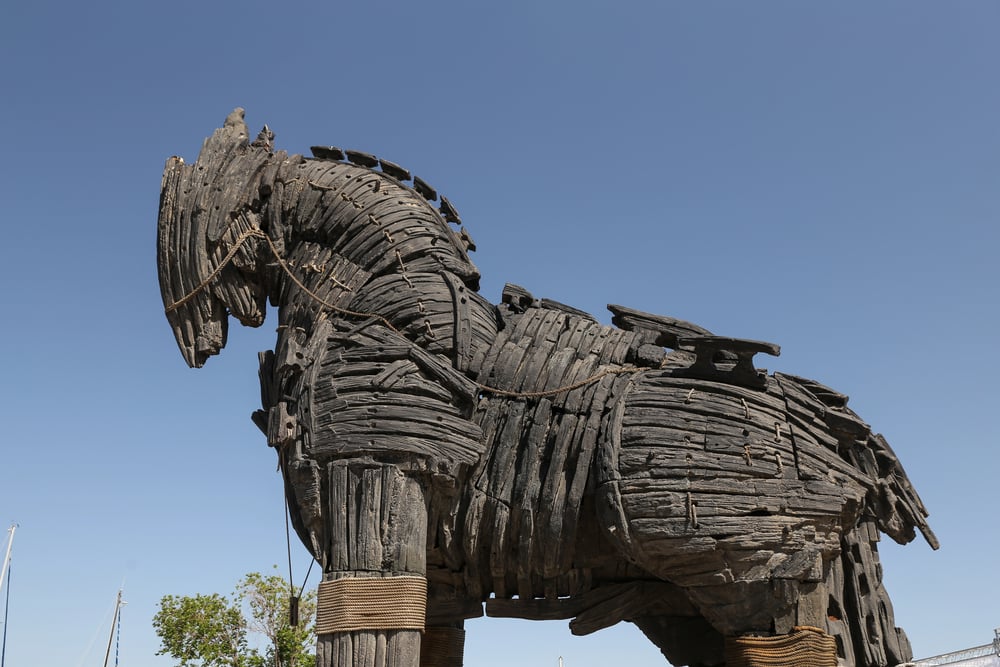
Archaeological evidence suggests that the legendary Trojan War described in Homer’s Iliad was based on actual conflicts in ancient Turkey around 1200 BCE. Excavations at the site of ancient Troy have revealed multiple layers of destruction and rebuilding, indicating repeated warfare in the region.
The city’s strategic location controlling trade routes between Europe and Asia made it a natural target for conquest. While the epic probably exaggerated events with gods and heroes, the core story of a lengthy siege appears rooted in historical reality.
Atlantis
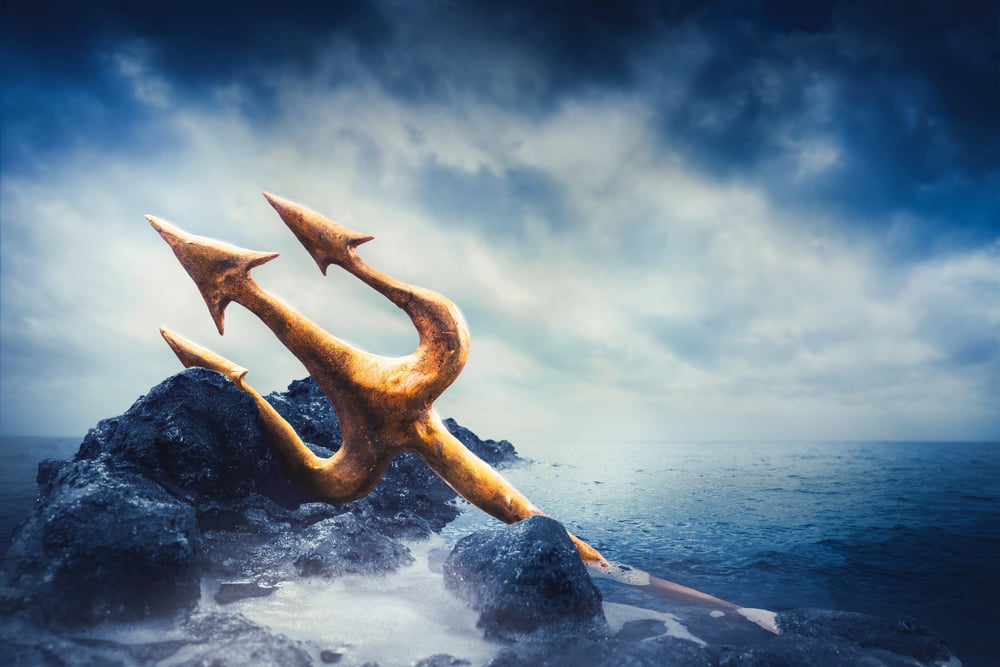
Plato’s famous lost civilization of Atlantis likely drew inspiration from the real destruction of Thera, a Greek island that exploded in a massive volcanic eruption around 1600 BCE. The eruption was so powerful it created tsunamis that reached Egypt and may have contributed to the collapse of the Minoan civilization.
The advanced Minoan culture, with its sophisticated palaces and maritime trade networks, could have provided the template for Plato’s advanced island society. The sudden, catastrophic destruction matched perfectly with his story of a civilization that vanished beneath the waves in a single day.
Like Go2Tutors’s content? Follow us on MSN.
Dragons
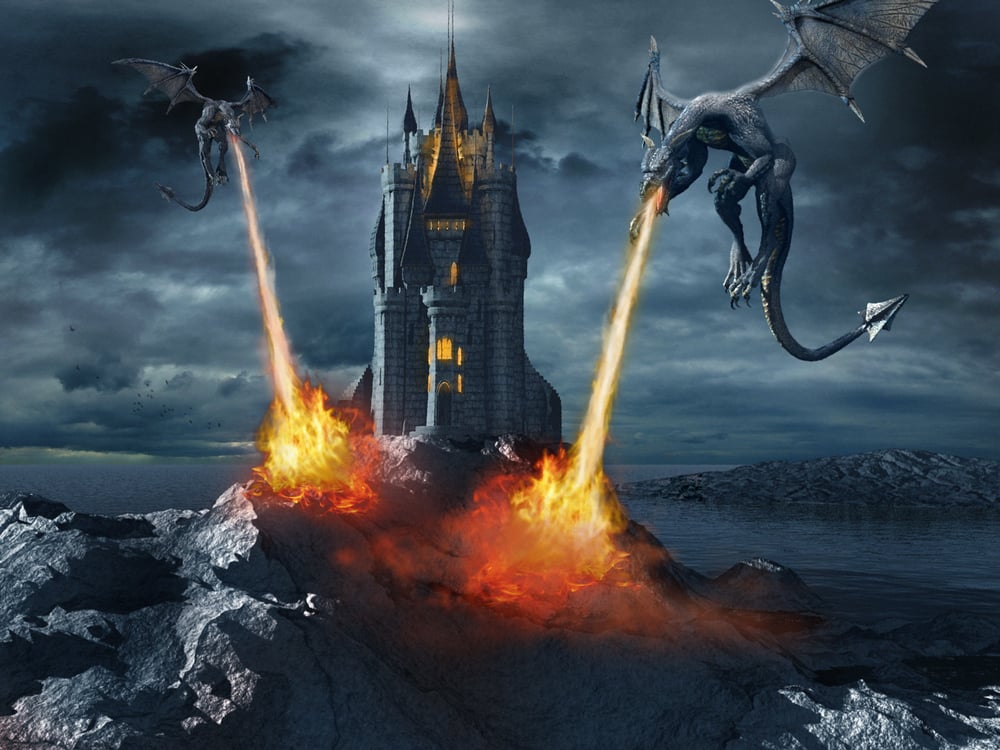
Dragon myths appear in cultures worldwide, likely inspired by discoveries of dinosaur fossils that ancient people couldn’t explain. Large fossil bones and skulls would have seemed like evidence of massive, unknown creatures to people with no concept of prehistoric life.
Different regions’ dragon descriptions often match the types of fossils found there — Chinese dragons are long and serpentine like the many marine reptile fossils found in China, while European dragons are bulkier like the land dinosaur remains common in Europe. The universal fear and respect for these mythical beasts probably reflects humanity’s instinctive recognition that something truly massive once ruled the earth.
The Great Flood
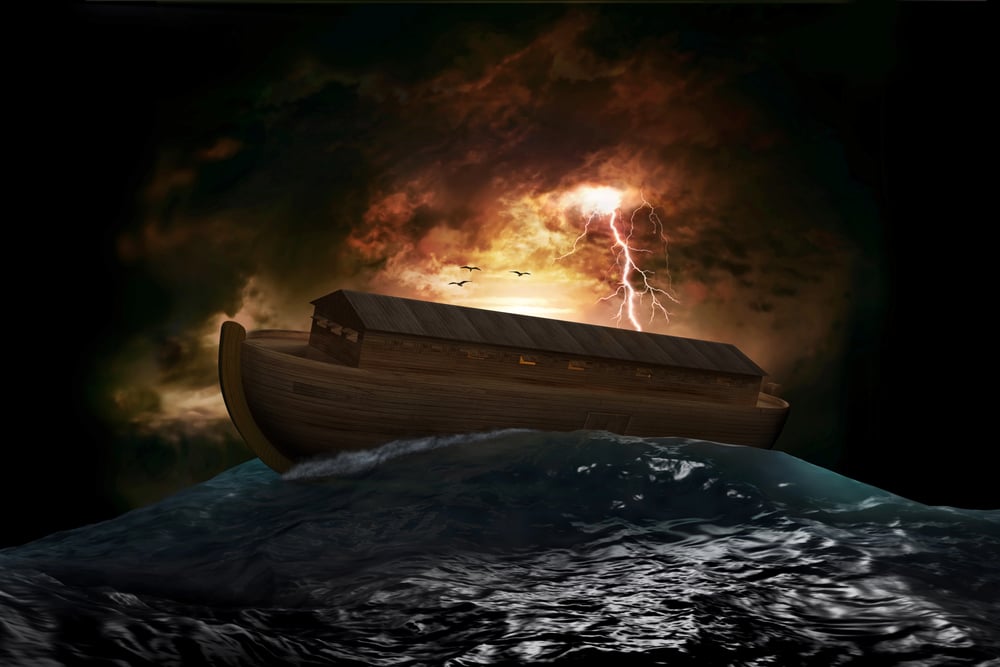
Nearly every ancient culture has a flood myth, and they’re likely based on real catastrophic flooding events that occurred as the last ice age ended. When massive ice sheets melted around 10,000 years ago, sea levels rose dramatically and previously dry areas became permanently submerged.
The Black Sea, for instance, may have been filled by a sudden, massive influx of water from the Mediterranean that would have displaced entire civilizations. These traumatic events would have been passed down through generations, eventually becoming the foundation stories like Noah’s Ark and similar tales found in Mesopotamian, Greek, and Native American traditions.
Cyclops
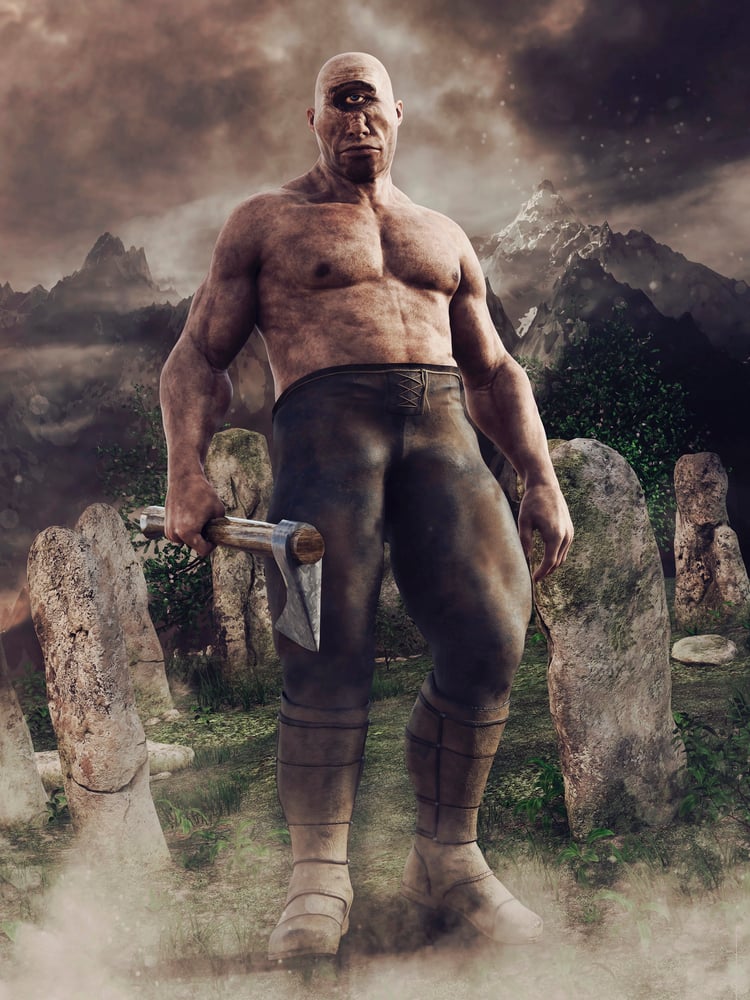
The myth of one-eyed giants called Cyclops probably originated when ancient Greeks discovered elephant skulls on Mediterranean islands. Elephant skulls have a large central nasal cavity that looks exactly like a giant eye socket to someone unfamiliar with elephant anatomy.
The thick, robust bone structure would have suggested an enormously powerful creature, while the skull’s size indicated something much larger than any human. Greek islands like Sicily and Crete have fossil deposits of ancient dwarf elephants, making such discoveries quite possible for early inhabitants.
Like Go2Tutors’s content? Follow us on MSN.
Kraken

The legendary sea monster known as the Kraken was almost certainly inspired by encounters with giant squids, which can grow up to 40 feet long. Sailors who spotted these massive creatures attacking whales or found their remains washed ashore would have had difficulty believing such enormous invertebrates actually existed.
The tentacles, powerful enough to battle sperm whales, would have seemed supernatural to people accustomed to much smaller sea life. Until recently, giant squids were so rarely seen alive that even modern scientists considered them nearly mythical creatures.
Vampires

The vampire legend likely emerged from medieval attempts to explain the process of decay in buried bodies. When graves were opened during plague outbreaks, corpses often appeared to have grown longer hair and nails, had blood around their mouths, and seemed to have shifted position.
These are normal decomposition processes, but to people who didn’t understand post-mortem changes, the bodies looked like they’d been active after death. The bloating that occurs during decay could make corpses appear well-fed, while gases escaping from the body created sounds that seemed like moaning or breathing.
Unicorns

Medieval unicorn legends were likely based on confused accounts of real animals like rhinoceroses or narwhals. Marco Polo described seeing unicorns in Java that were actually rhinoceroses, but his account emphasized their single horn and fierce nature.
Narwhal tusks, which are actually elongated teeth, were often sold in European markets as ‘unicorn horns’ and commanded enormous prices for their supposed magical properties. The mythical horse-like creature probably evolved as these real animal accounts mixed with existing folklore about magical forest spirits.
Like Go2Tutors’s content? Follow us on MSN.
Thunderbirds

Many Native American cultures spoke of enormous birds that could create thunder and lightning, stories that may have been inspired by discoveries of pterosaur fossils or encounters with now-extinct giant birds. Fossils of massive flying reptiles would have been impossible for ancient people to classify, making supernatural explanations seem reasonable.
Some regions of North America also had giant birds like the California condor or extinct species like Argentavis, which had wingspans up to 25 feet. The association with weather may have come from observing how large birds could appear to ‘summon’ storms by their flight behavior before weather changes.
Wendigo

The Wendigo legend of Algonquian peoples likely originated as a way to explain and prevent cannibalism during harsh winters when food was scarce. The creature was described as a gaunt giant with yellowed fangs and an insatiable hunger for human flesh, transforming from humans who resorted to eating other people.
This myth served as a powerful cultural taboo against cannibalism, even when starvation threatened survival. The psychological condition known as ‘Wendigo psychosis,’ where people develop an intense craving for human flesh, may have provided real-world examples that reinforced the legend.
Sirens

The Greek myth of sirens — bird-women who lured sailors to their deaths with enchanting songs — was probably inspired by the dangerous sailing conditions around rocky coastlines. Areas with strong currents, hidden reefs, and unusual acoustics that amplified sound could create the illusion of voices calling from the rocks.
The combination of shipwrecks in these areas and the strange acoustic effects would have seemed supernatural to ancient sailors. Bird colonies on clifftops might have provided the visual inspiration, especially when their calls echoed strangely off rock formations.
Like Go2Tutors’s content? Follow us on MSN.
Minotaur

The legend of the half-man, half-bull Minotaur trapped in a labyrinth beneath Crete was likely inspired by the complex palace at Knossos and Minoan bull-worship practices. The palace had over 1,000 rooms connected by winding corridors that could easily confuse visitors, creating a real-world ‘labyrinth’ experience.
Minoan frescoes show elaborate bull-leaping ceremonies where young athletes would vault over charging bulls, dangerous rituals that could have inspired stories about human sacrifice to a bull-monster. The eventual destruction of Minoan civilization may have left only mysterious ruins and fragmented stories that became the mythological tale.
Phoenix

The phoenix myth of a bird that burns itself to ashes and rises reborn was likely inspired by observations of how certain ecosystems regenerate after wildfires. Many plants and animals have evolved to not just survive fires but actually require them for reproduction, creating landscapes that appear to rise from ashes more vibrant than before.
The flamingo, with its brilliant red-orange plumage and habit of gathering in large flocks, may have provided visual inspiration for the mythical bird. Ancient people witnessing forest regeneration after devastating fires would have found the phoenix metaphor a perfect explanation for nature’s apparent ability to resurrect itself.
Giants

Legends of giants appear in many cultures and were probably inspired by discoveries of large fossil bones from extinct megafauna like mammoths, giant ground sloths, or even early hominid species. A mammoth femur or skull would have suggested a humanoid creature of enormous proportions to people with no knowledge of extinct species.
Some giant legends may also have been based on real human populations with genetic conditions causing unusual height, or simply the tendency for stories to exaggerate the size of enemies or heroes over time. Archaeological sites with unusually large human remains occasionally surface, providing potential inspiration for localized giant myths.
Like Go2Tutors’s content? Follow us on MSN.
Banshees

The Irish banshee legend of a wailing spirit that appears before someone’s death was likely inspired by the screech owl, whose haunting calls were associated with impending doom. These nocturnal birds have piercing cries that can sound remarkably human, especially when heard at night around homes where someone was dying.
The owl’s pale appearance when glimpsed in moonlight, combined with its association with death in many cultures, created perfect conditions for supernatural interpretation. The tradition of keening — professional mourners who wailed at funerals — may have also contributed to the banshee concept, as these women would appear at deathbeds and create haunting sounds.
When Reality Becomes Legend

These myths reveal how our ancestors processed extraordinary experiences through storytelling, transforming real events into tales that could be remembered and shared across generations. The line between history and mythology was often blurred in ancient times, when scientific explanations didn’t exist for natural phenomena or archaeological discoveries.
Today’s seemingly obvious explanations — like recognizing dinosaur fossils or understanding volcanic eruptions — weren’t available to people trying to make sense of their world thousands of years ago. Rather than pure fantasy, many myths represent humanity’s earliest attempts at scientific reasoning, wrapping observable facts in memorable stories that helped communities understand and cope with the mysterious forces around them.
More from Go2Tutors!

- 16 Historical Figures Who Were Nothing Like You Think
- 12 Things Sold in the 80s That Are Now Illegal
- 15 VHS Tapes That Could Be Worth Thousands
- 17 Historical “What Ifs” That Would Have Changed Everything
- 18 TV Shows That Vanished Without a Finale
Like Go2Tutors’s content? Follow us on MSN.



