20 Times a Movie Was Completely Changed After Filming Started
Hollywood filmmaking is rarely a straightforward process. While audiences see the polished final product, they seldom glimpse the chaos, creative pivots, and last-minute decisions that shape what appears on screen. Many beloved films bear little resemblance to what was initially envisioned when cameras first started rolling.
Here is a list of 20 famous movies that underwent dramatic transformations after filming had already begun, proving that sometimes the most memorable cinematic experiences emerge from the most tumultuous productions.
Apocalypse Now

Francis Ford Coppola’s Vietnam War epic started as a relatively conventional war film with a 16-week shooting schedule. Production ballooned to over 16 months as typhoons destroyed sets, Martin Sheen suffered a heart attack, and Marlon Brando arrived overweight and unprepared.
Coppola scrapped the original ending, improvised much of Brando’s dialogue, and ultimately created a masterpiece vastly different from the initial screenplay.
Star Wars
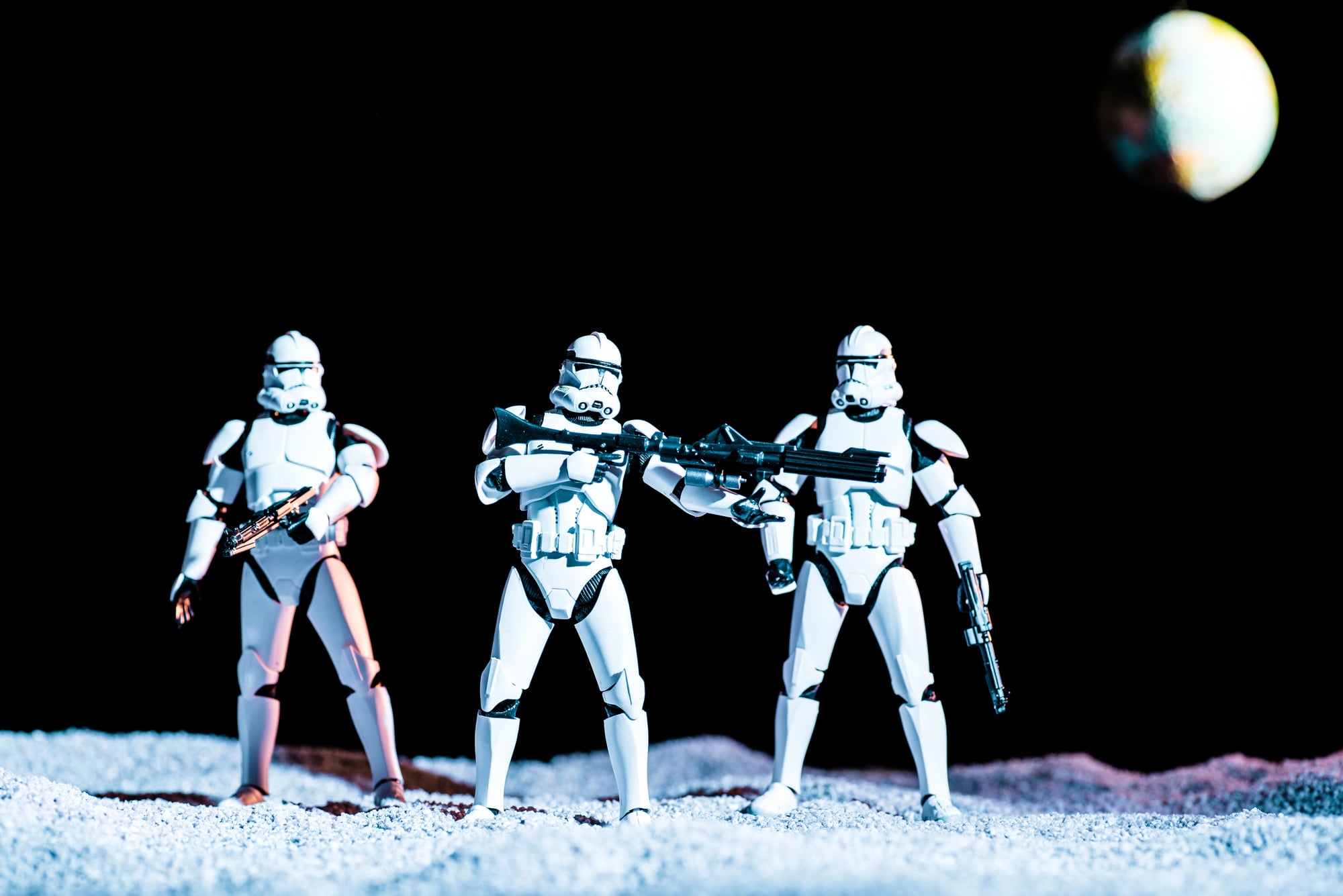
The filming of George Lucas’s space fantasy started with many technical issues and little studio faith. Lucas substituted Paul Hirsch, Richard Chew, and his wife Marcia Lucas for editor John Jympson since the first cut was so troublesome.
About 40% of the movie was rewritten, with scenes cut out, character introductions altered, and the Death Star trench run sequence entirely reimagined through deft editing.
Pretty Woman

Originally titled ‘3000’ and conceived as a dark, cautionary tale about class and prostitution, the film ended with the female lead being unceremoniously discarded rather than finding love. When Disney acquired the project, they completely reworked the tone and ending into the romantic comedy we know today, transforming a gritty drama into one of the most successful rom-coms in history.
Thor: Ragnarok
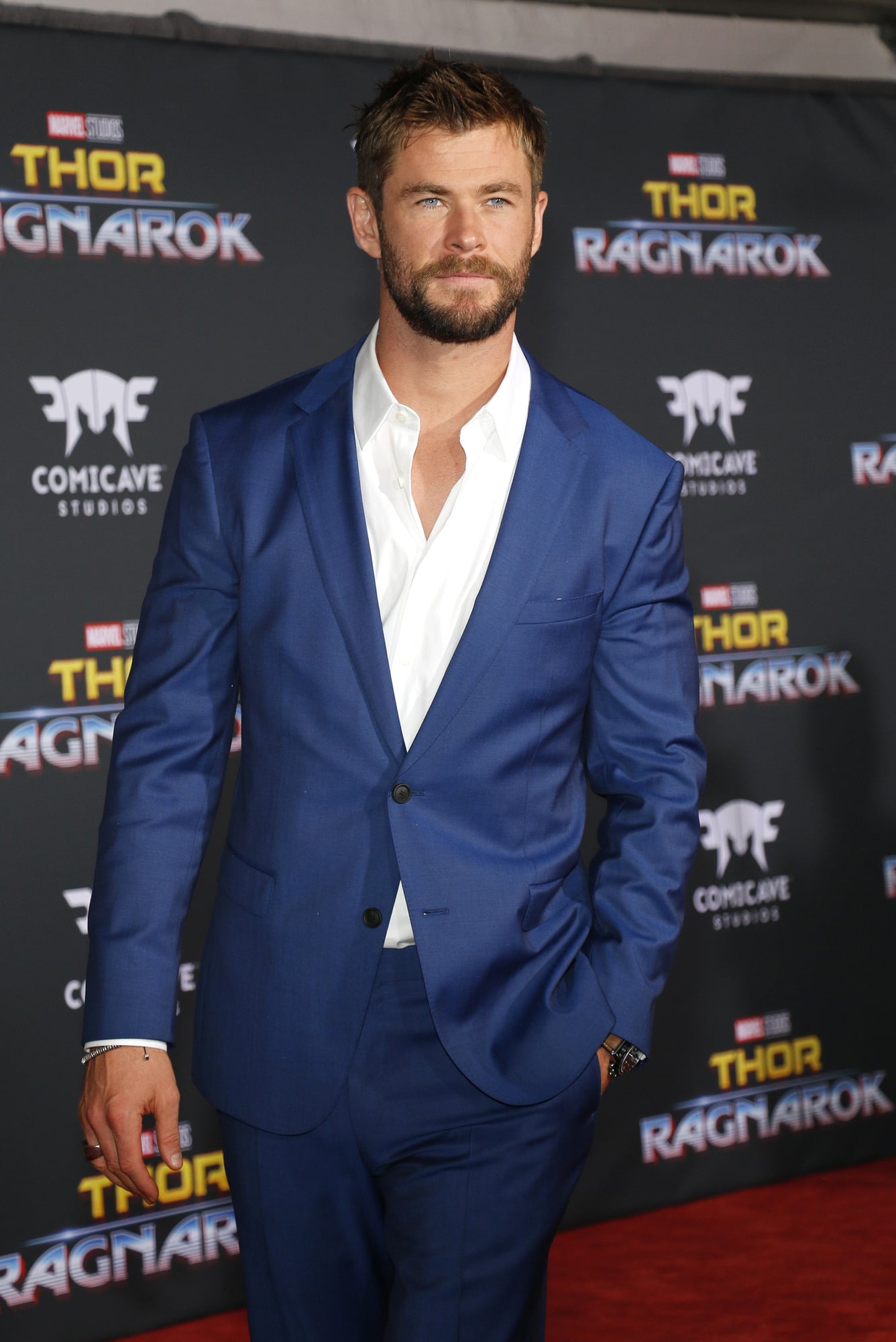
The third Thor movie from Marvel started out as a very typical superhero sequel. Taika Waititi, the director, advocated for a drastic change in tone by promoting comedy and improvisation on set.
Every day, entire scenes were rewritten, and the movie changed from being a traditional superhero film to a vibrant, humorous space adventure that gave the character new life and set the franchise on a new path.
The Wizard of Oz

The beloved classic went through multiple directors and significant script changes during production. Original director, Richard Thorpe, was fired after two weeks, and his footage was scrapped.
The character of the Wicked Witch was originally conceived as glamorous rather than green-skinned, and numerous musical numbers were filmed and cut. Even the iconic ruby slippers were originally meant to be silver, but they were changed only to take advantage of Technicolor.
World War Z

Brad Pitt’s zombie apocalypse thriller had its entire third act rewritten and reshot after test audiences reacted poorly to the original ending. The film originally concluded with a massive battle sequence in Russia, but this was replaced with a more intimate finale set in a Welsh medical facility.
The changes added roughly $20 million to the budget but salvaged what could have been a disastrous release.
Back to the Future

Production began with Eric Stoltz as Marty McFly, but after five weeks of filming, director Robert Zemeckis decided Stoltz wasn’t bringing the comedic energy needed. Universal approved the extraordinary step of recasting with Michael J. Fox and reshooting every scene, fundamentally changing the film’s tone and creating one of cinema’s most iconic characters in the process.
Rogue One: A Star Wars Story
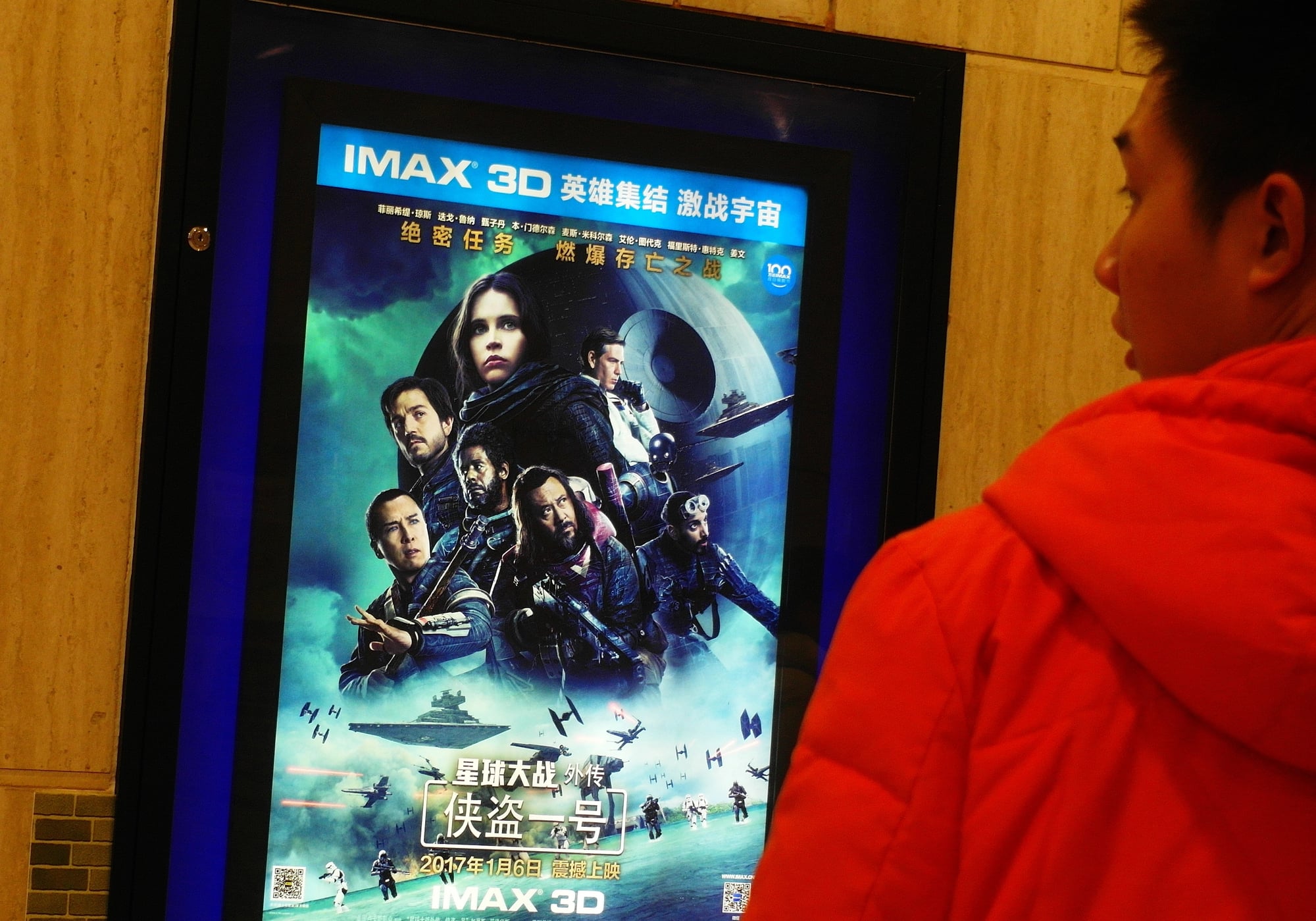
The first Star Wars standalone film underwent extensive reshoots that changed approximately 60% of the movie. The original cut reportedly featured a much different tone and ending where more characters potentially survived.
Disney brought in Tony Gilroy to rewrite and help direct new sequences, creating a darker, more sacrificial finale that better connected to the original Star Wars film.
Fatal Attraction
Adrian Lyne’s thriller originally ended with Glenn Close’s character committing suicide and framing Michael Douglas’s character for murder. Test audiences hated this conclusion, prompting the studio to shoot a new ending months after principal photography had wrapped.
The revised finale, featuring a more conventional confrontation and death scene, transformed the film from a psychological study into a more standard thriller.
Jaws
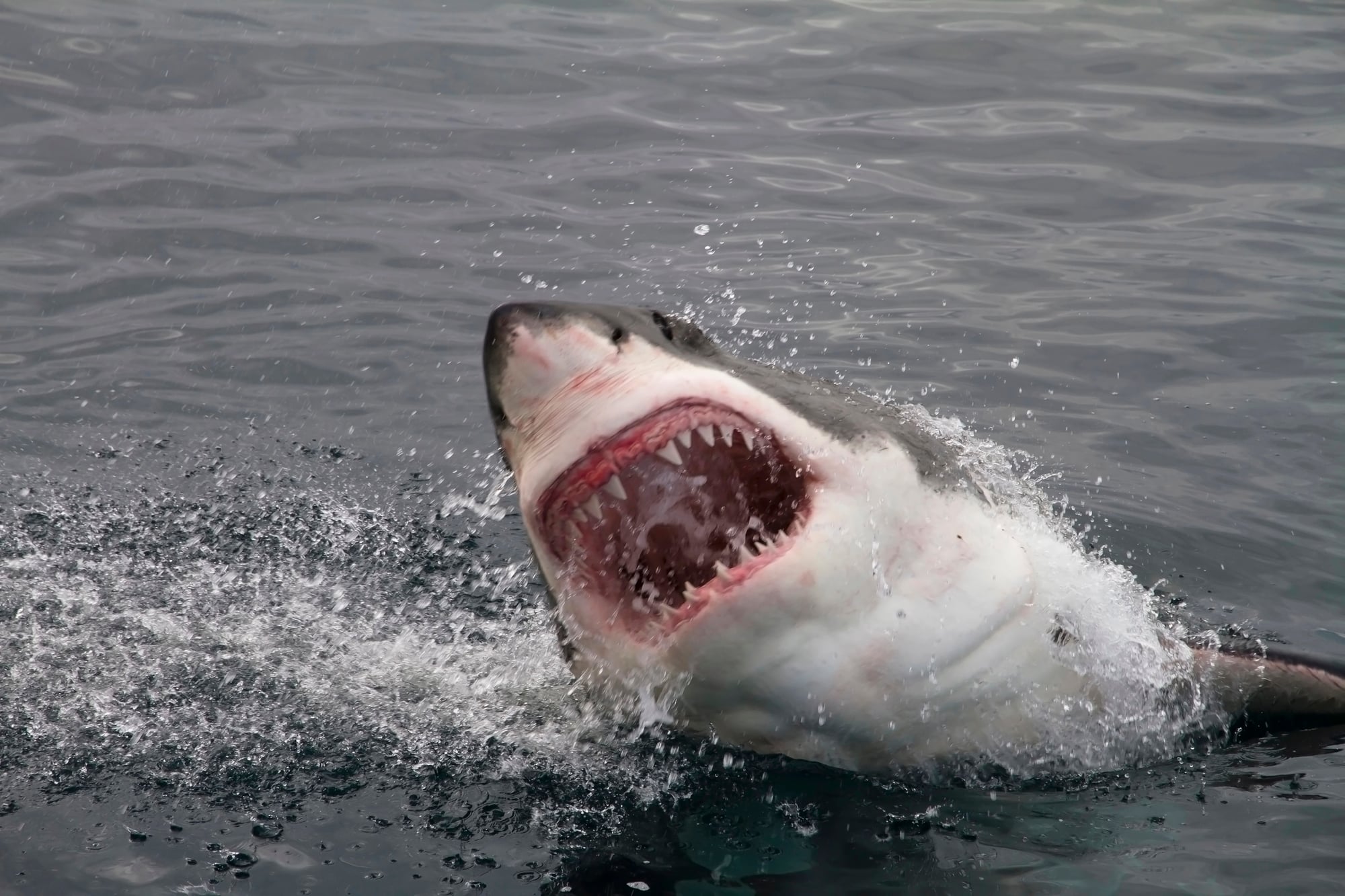
Steven Spielberg’s shark thriller was meant to feature numerous scenes of the mechanical shark, but when the prop repeatedly malfunctioned, Spielberg was forced to reimagine the film. He pivoted to a strategy of suggesting the shark’s presence rather than showing it, using music, floating barrels, and point-of-view shots.
This constraint inadvertently created the suspenseful atmosphere that made the film a masterpiece.
Solo: A Star Wars Story

The Han Solo origin story began filming under directors Phil Lord and Christopher Miller, who brought an improvisational comedy style to the production. Approximately 75% through filming, Lucasfilm replaced them with Ron Howard, who reshot roughly 70% of the movie.
The finished film had a much more conventional tone and structure than the reportedly more comedic original vision.
Justice League

Zack Snyder’s superhero team-up film took a dramatic turn when the director left during post-production due to a family tragedy. Warner Bros. brought in Joss Whedon, who rewrote and reshot approximately 25% of the movie, drastically changing the tone, removing characters, and shortening the runtime.
The resulting theatrical version was so different that fans campaigned for years to see Snyder’s original vision.
I Am Legend

The Will Smith apocalyptic thriller originally featured a completely different ending that dramatically changed the film’s message. In the original ending, Smith’s character realizes the creatures he’s been fighting are sentient and only trying to rescue one of their own.
This philosophical conclusion was replaced with a more conventional sacrificial ending after test audiences responded negatively to the thought-provoking finale.
Annie Hall
Woody Allen’s Oscar-winning film began as a murder mystery titled ‘Anhedonia’ with a running time of nearly two and a half hours. During editing, Allen and his team realized the relationship between Alvy and Annie was the most compelling element.
They cut entire subplots, removed a murder mystery element, and restructured the narrative, transforming it from a sprawling comedy into a focused relationship study.
American History X

Director Tony Kaye’s powerful drama about racism was significantly re-edited after production. When Kaye delivered his cut, star Edward Norton worked with the studio to re-edit the film, emphasizing his character’s journey and redemption.
Kaye was so upset by these changes that he tried to have his name removed from the credits, but the Norton-influenced version is the one that reached theaters.
E.T. the Extra-Terrestrial
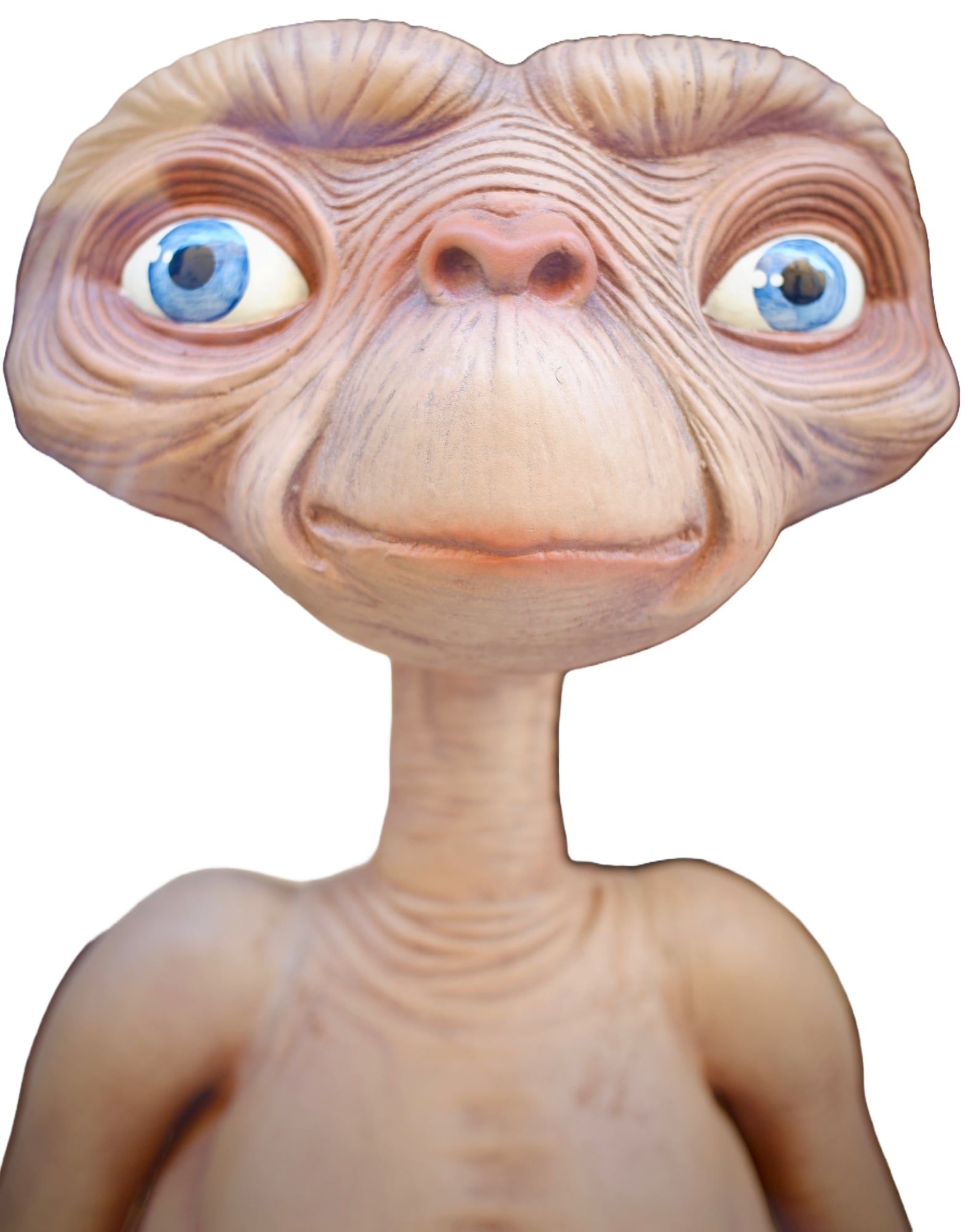
Spielberg’s beloved alien film began as a much darker project titled ‘Night Skies,’ about malevolent aliens terrorizing a family. During pre-production, Spielberg shifted toward a gentler story about friendship and connection.
Even during filming, the tone continued to evolve, becoming increasingly emotional and child-focused, moving dramatically away from the thriller elements that had initially inspired it.
The Bourne Identity

Doug Liman’s spy thriller underwent significant reshoots and rewrites after Universal Studios was unhappy with the original cut. The film’s ending was completely changed, with a Paris-set conclusion replacing a more complex finale involving Bourne’s training facility.
The changes helped establish the taut, realistic style that would define the franchise, though they delayed release by over a year.
Fantastic Four (2015)
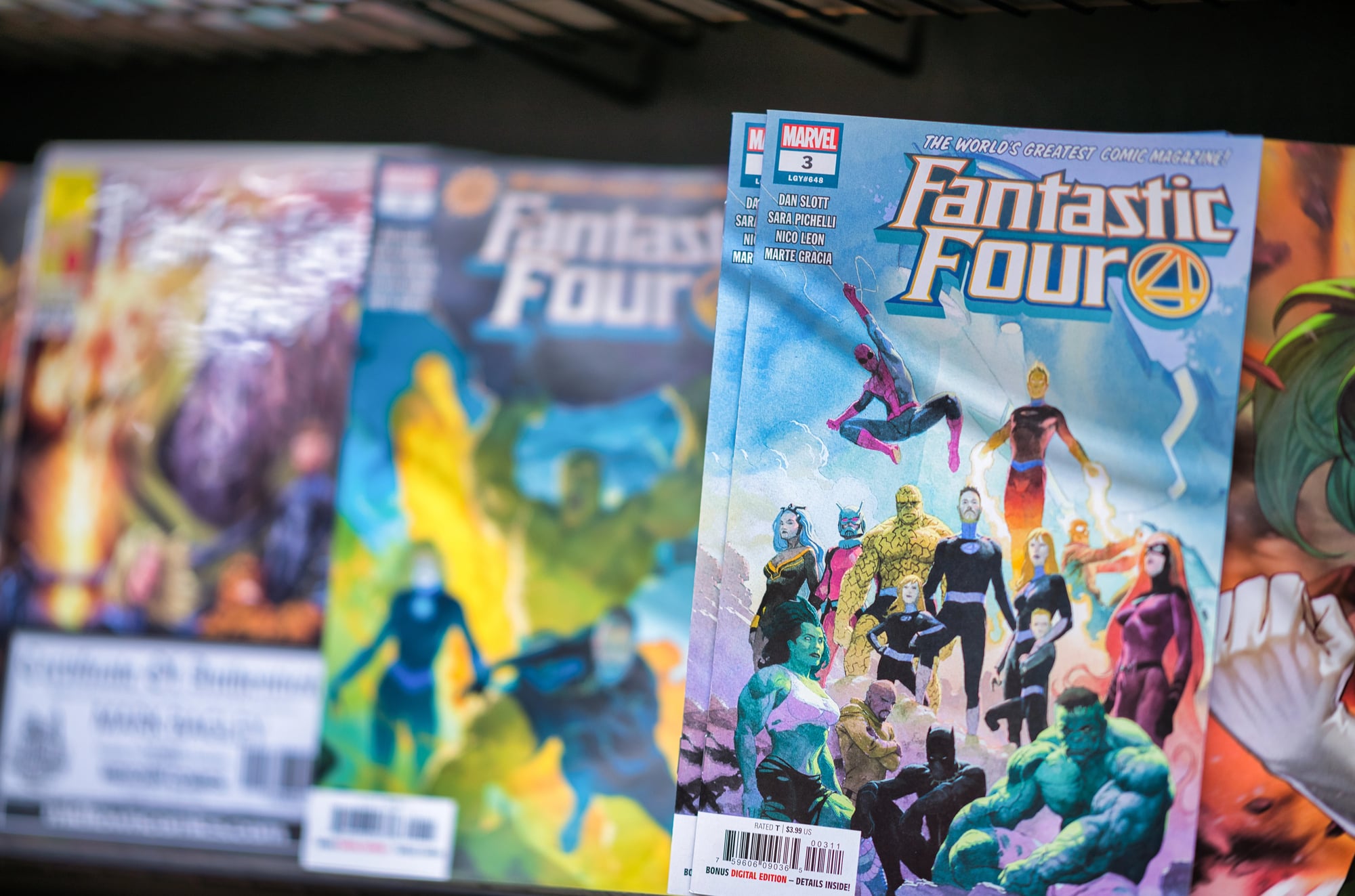
Josh Trank’s superhero reboot reportedly suffered from studio interference that dramatically altered his original vision. Extensive reshoots changed major plot elements, character dynamics, and the film’s conclusion.
The resulting movie contained visibly different scenes, with noticeable continuity errors in hair, makeup, and sets, creating a disjointed film that satisfied neither the director’s darker vision nor fans hoping for a faithful adaptation.
The Magnificent Ambersons
Orson Welles’s follow-up to ‘Citizen Kane’ is perhaps cinema’s most famous case of studio interference. While Welles was away, RKO Pictures cut over 40 minutes from his film and shot a new, happier ending that contradicted the director’s intentions.
The original footage was destroyed, forever altering what many critics believe could have been Welles’s greatest masterpiece.
Blade Runner

Ridley Scott’s sci-fi classic underwent substantial changes after initial test screenings. The studio mandated a more explanatory voice-over and a happier ending showing Deckard and Rachael escaping to a pastoral setting.
Scott later removed these elements in his ‘Director’s Cut’ and ‘Final Cut’ versions, restoring his original, more ambiguous vision of the film that has since become the definitive version.
The Road to Hollywood’s Cutting Room Floor
The transformation of these films demonstrates cinema’s collaborative and often unpredictable nature. What begins as one vision frequently evolves through the combined influence of directors, producers, actors, editors, and even test audiences.
These behind-the-scenes changes remind us that filmmaking is less a controlled process than an ongoing negotiation between artistic vision and practical realities. Sometimes the most troubled productions create the most enduring classics, proving that in Hollywood, chaos can be the unexpected midwife of creativity.
More from Go2Tutors!

- The Romanov Crown Jewels and Their Tragic Fate
- 13 Historical Mysteries That Science Still Can’t Solve
- Famous Hoaxes That Fooled the World for Years
- 15 Child Stars with Tragic Adult Lives
- 16 Famous Jewelry Pieces in History
Like Go2Tutors’s content? Follow us on MSN.