Forgotten Olympic Sports That Were Once Popular
The Olympics have always been about competition, glory, and pushing the human body to its limits. But not every sport that made it to the Games stayed there.
Over the decades, dozens of events have come and gone, leaving behind stories that most people never hear about. Some were dropped because they didn’t attract enough interest, while others just seemed too strange or impractical to continue.
Let’s take a look at some of these lost competitions that once had their moment under the Olympic spotlight.
Tug of war

Yes, tug of war was once an Olympic sport. Teams of eight would grab a thick rope and pull with everything they had, trying to drag the other side across a line.
It appeared in six Olympics between 1900 and 1920, and countries took it seriously. Britain dominated the competition, winning five medals across those years.
The sport required raw strength, coordination, and strategy about when to dig in and when to pull hard. It wasn’t just playground fun.
These were trained athletes who practiced specific techniques and built team chemistry. The event was dropped after 1920, though no one really knows why.
It just faded away as the Games started focusing on more individual athletic achievements.
Live pigeon shooting
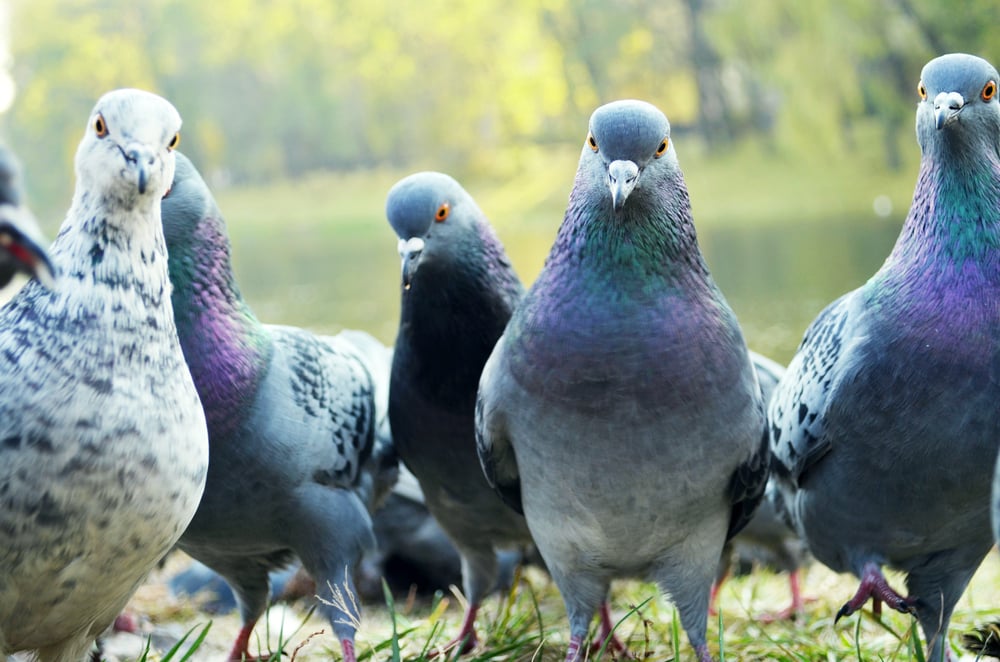
The 1900 Paris Olympics featured an event that would horrify people today. Competitors stood in a field and shot live pigeons released into the air, and whoever killed the most birds won.
Nearly 300 pigeons died during the competition, and the field was apparently covered in feathers and blood by the end. A Belgian shooter named Leon de Lunden took home the gold after bringing down 21 birds.
People were upset about it even back then. It remains the only time in Olympic history that animals were killed on purpose as part of a competition.
After the backlash, organizers replaced it with clay pigeon shooting, which is still around today.
Rope climbing
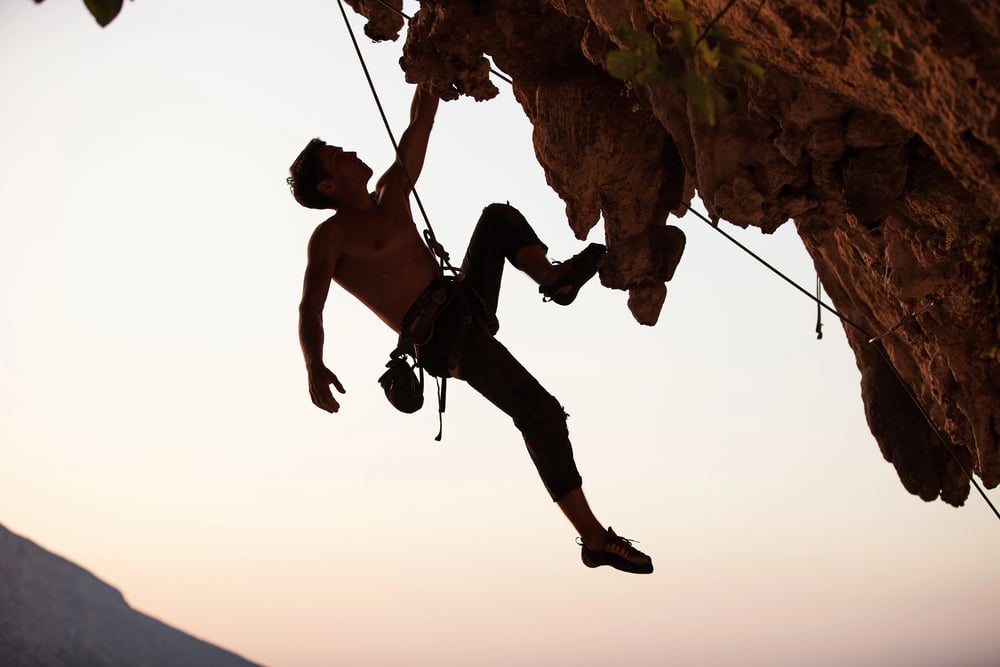
Climbers would race up a vertical rope using only their hands and arms, with their legs dangling below them or wrapped around for support. The rope was usually about 25 to 40 feet tall, and the clock measured how fast someone could reach the top.
This appeared in several early Olympics, starting in 1896. The American gymnast George Eyser won gold in 1904, which was even more remarkable because he had a wooden leg.
The sport tested upper body strength and grip endurance in ways that few other events did. It fell out of favor as gymnastics evolved to include more apparatus and floor routines.
But anyone who has tried to climb a rope in gym class knows how brutal it can be.
Plunge for distance
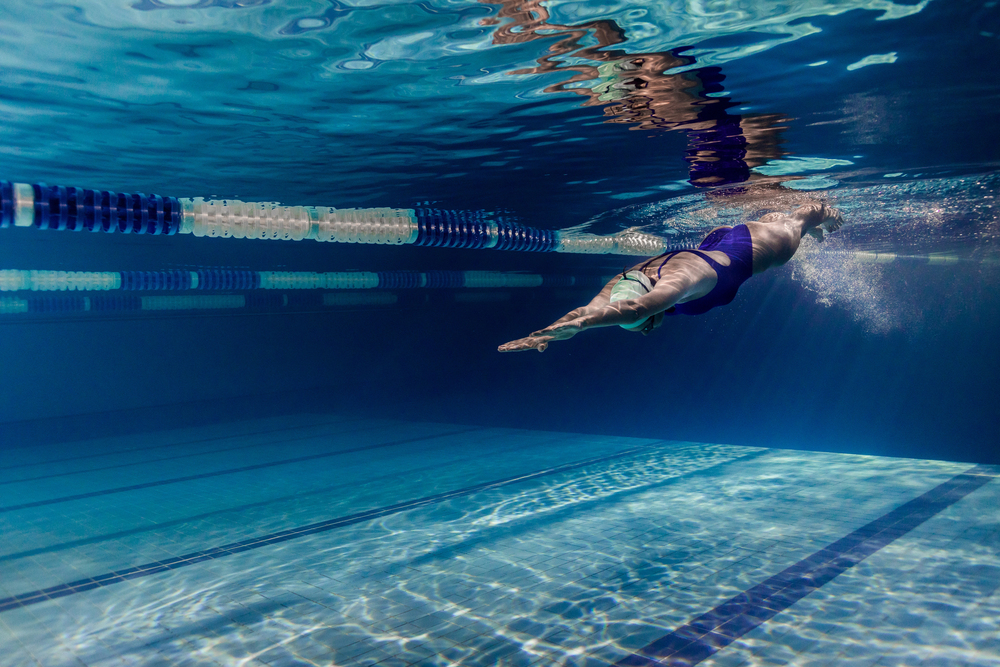
This might be the strangest Olympic event ever. Athletes would dive into a pool and then glide underwater without moving their arms or legs at all.
They had 60 seconds to see how far their momentum would carry them before they had to come up for air. Whoever traveled the farthest distance won.
It only appeared once, at the 1904 St. Louis Games. An American named William Dickey won gold by gliding over 62 feet.
The event required good lung capacity and a streamlined body position, but it wasn’t exactly thrilling to watch. Someone would dive in, disappear underwater, and then just float there while judges measured.
No wonder it never came back.
Solo synchronized swimming

Synchronized swimming is still part of the Olympics, but the solo version was dropped after 1992. One swimmer would perform an entire routine alone, combining dance, gymnastics, and breath control in the water.
The performances were beautiful and demanded incredible athleticism. Swimmers had to memorize complex choreography, time their movements to music, and make it all look graceful while holding their breath underwater.
The United States and Canada were particularly strong in this event. But Olympic organizers eventually decided that the team events were more impressive and exciting to watch.
The solo competition disappeared, even though many people still consider it one of the most difficult aquatic events ever created.
Standing high jump
Jumpers would stand still next to a bar with their feet together, then leap straight up without any running start. The current record from 1912 was about five feet three inches, set by American Ray Ewry.
That might not sound like much compared to modern high jumpers who clear over seven feet, but try jumping that high from a standing position. It’s incredibly hard.
Ewry actually won eight gold medals across three Olympics in various standing jump events, which makes him one of the most successful Olympians most people have never heard of. The sport required explosive leg power and perfect timing.
It was dropped after 1912 as athletics moved toward events that showcased speed and momentum rather than pure static strength.
Club swinging
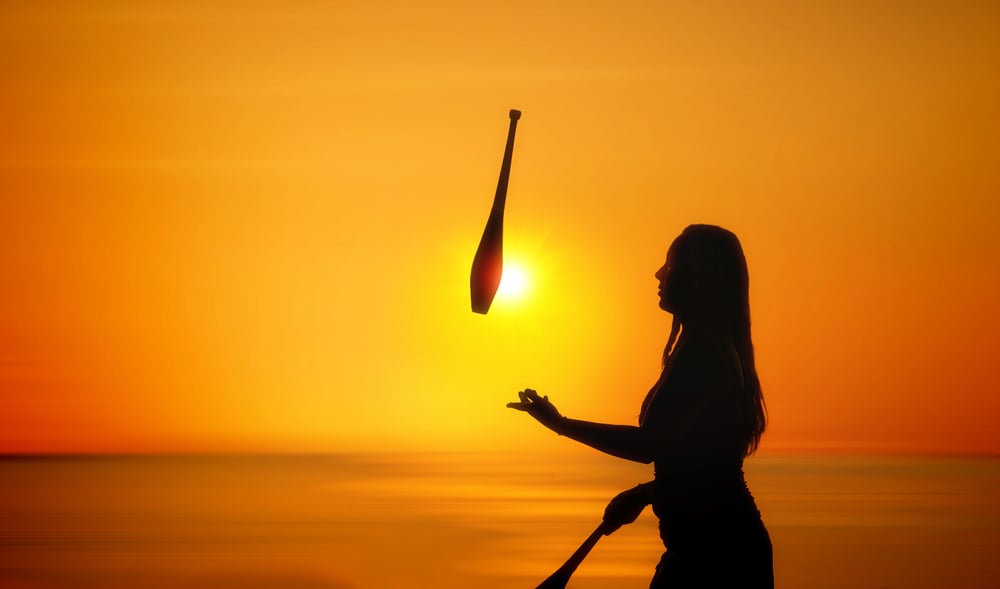
This event looked like a cross between gymnastics and juggling. Athletes would swing heavy wooden clubs in coordinated patterns, performing elaborate routines that judges scored on technique and grace.
The clubs usually weighed several pounds each, and competitors would spin them around their bodies in complex formations. It appeared at the 1904 and 1932 Olympics.
The sport originated from military training exercises designed to build shoulder and arm strength. Watching it must have been mesmerizing, with the clubs whirling through the air in synchronized movements.
But it never really caught on with audiences, and the International Olympic Committee decided it was too niche to continue. The clubs gathered dust, and the sport vanished.
Motor boating
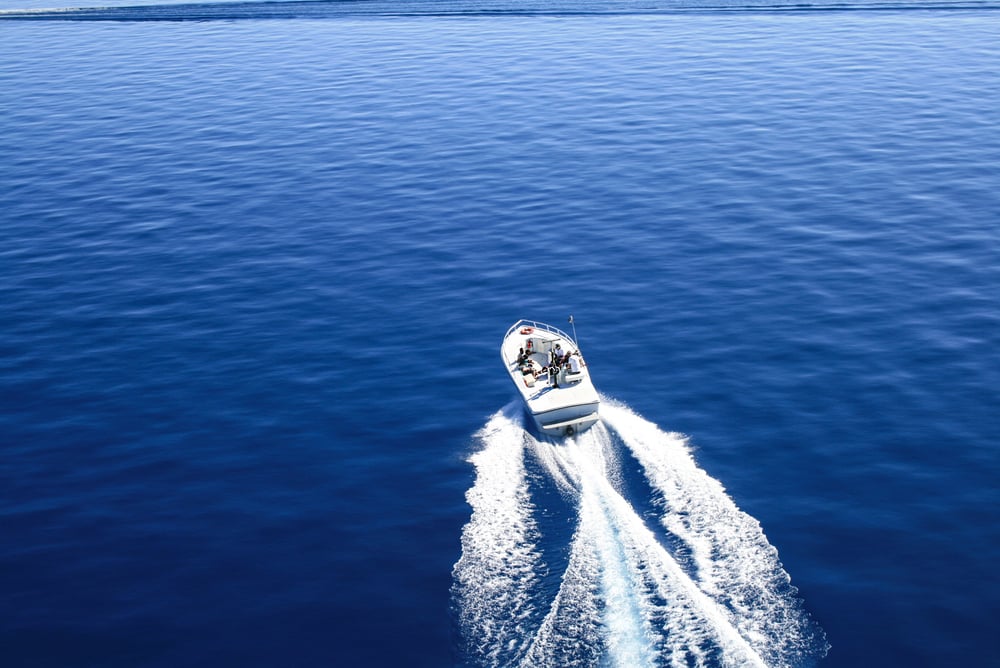
Internal combustion engines were cutting edge technology in the early 1900s, so someone thought racing boats at the Olympics made sense. The 1908 London Games featured three motorboat races across different distances and engine classes.
The weather was terrible during the competitions, with rough water and rain making things dangerous. Only one race actually finished, with several boats breaking down or capsizing.
The gold medal went to a British team in the eight-meter class. The event was supposed to return in 1912, but it got cancelled and never came back.
As cars and motorized vehicles became common, the novelty wore off. Plus, it didn’t really fit with the idea of human athletic achievement that defined most Olympic sports.
Dueling pistols
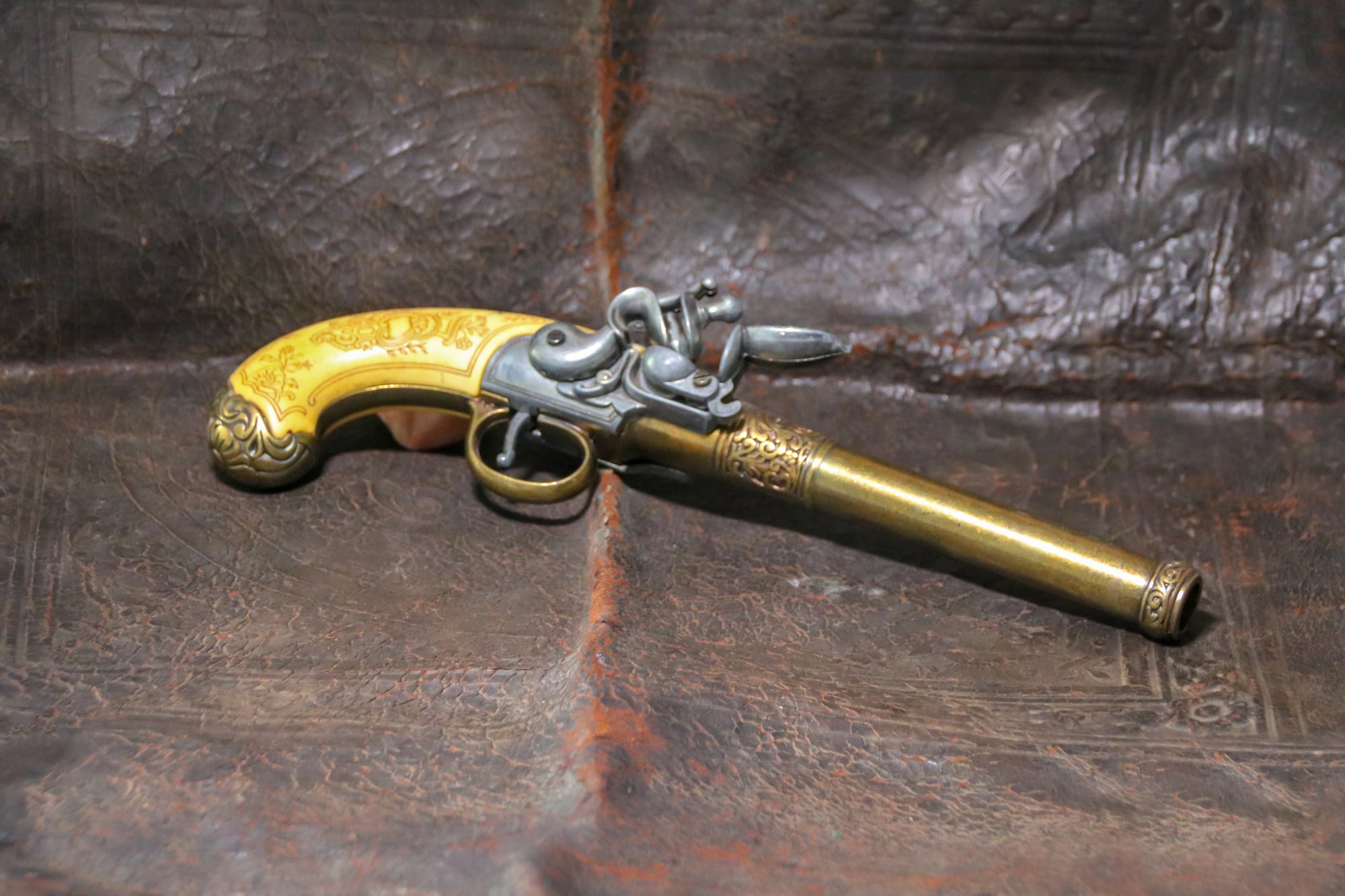
No, competitors didn’t shoot at each other, thankfully. Instead, they fired at mannequins dressed in formal coats.
The targets had bullseyes on their chests, and shooters stood at various distances trying to hit the mark. This appeared at the 1906 and 1908 Olympics.
The sport was meant to simulate the formal duels that European gentlemen once fought to settle disputes. Accuracy mattered more than speed, and shooters used the same kind of pistols that would have been used in real duels decades earlier.
The event had an old-fashioned, aristocratic feel that didn’t quite match where the Olympics were heading. It quietly disappeared as shooting sports evolved to focus on different formats and targets.
Croquet
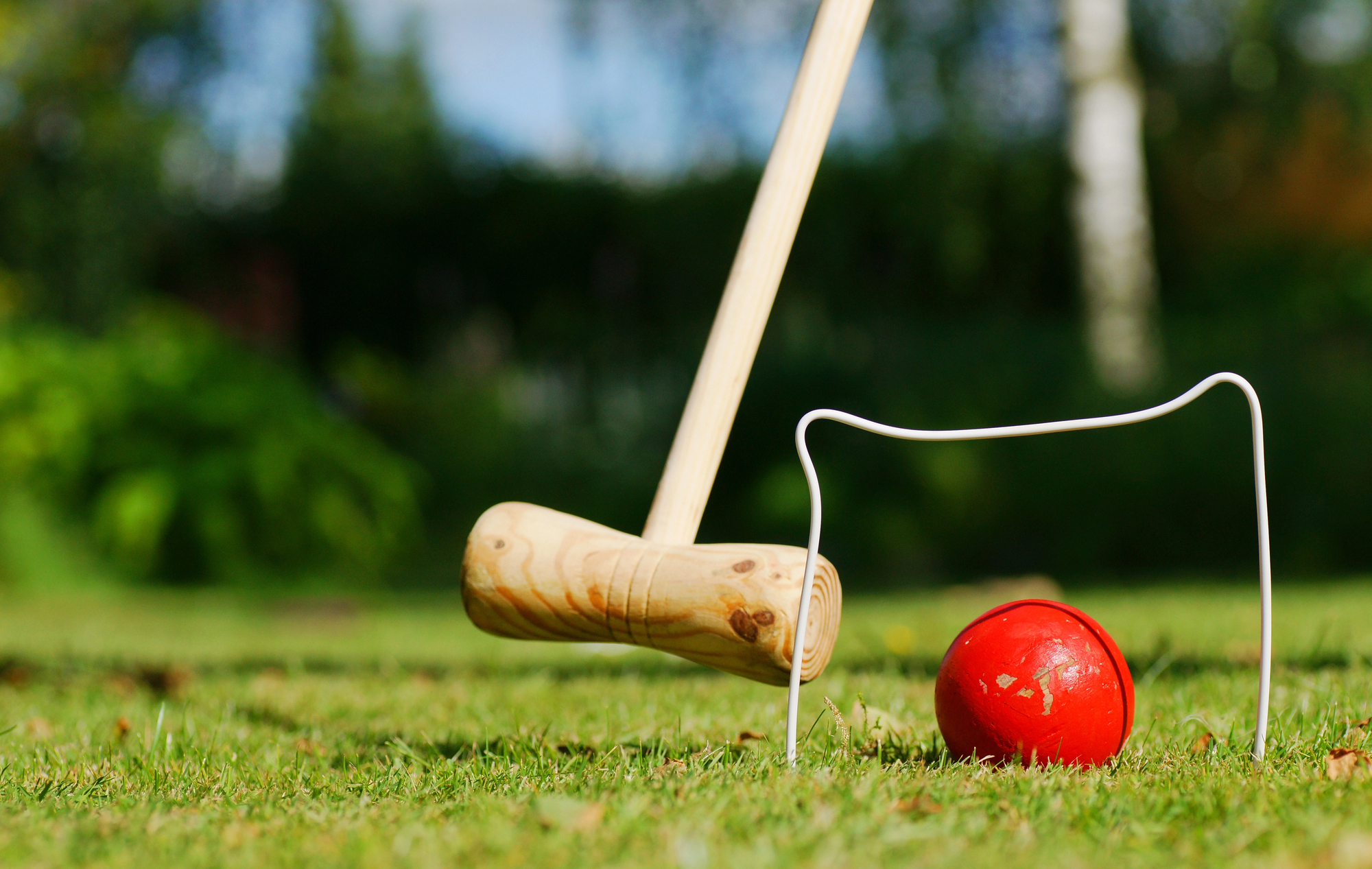
The 1900 Paris Olympics included croquet, making it one of the few lawn games to ever appear at the Games. Players used mallets to knock wooden orbs through a series of hoops stuck in the grass.
France swept all the medals because almost no one else showed up to compete. Only one spectator reportedly watched the entire croquet competition, which is just sad.
The event suffered from terrible planning and almost no international interest. It was also one of the first Olympic events where women competed, though that detail often gets forgotten.
After the embarrassingly low turnout, organizers dropped it immediately. Croquet went back to being a backyard pastime instead of an international competition.
Swimming obstacle race
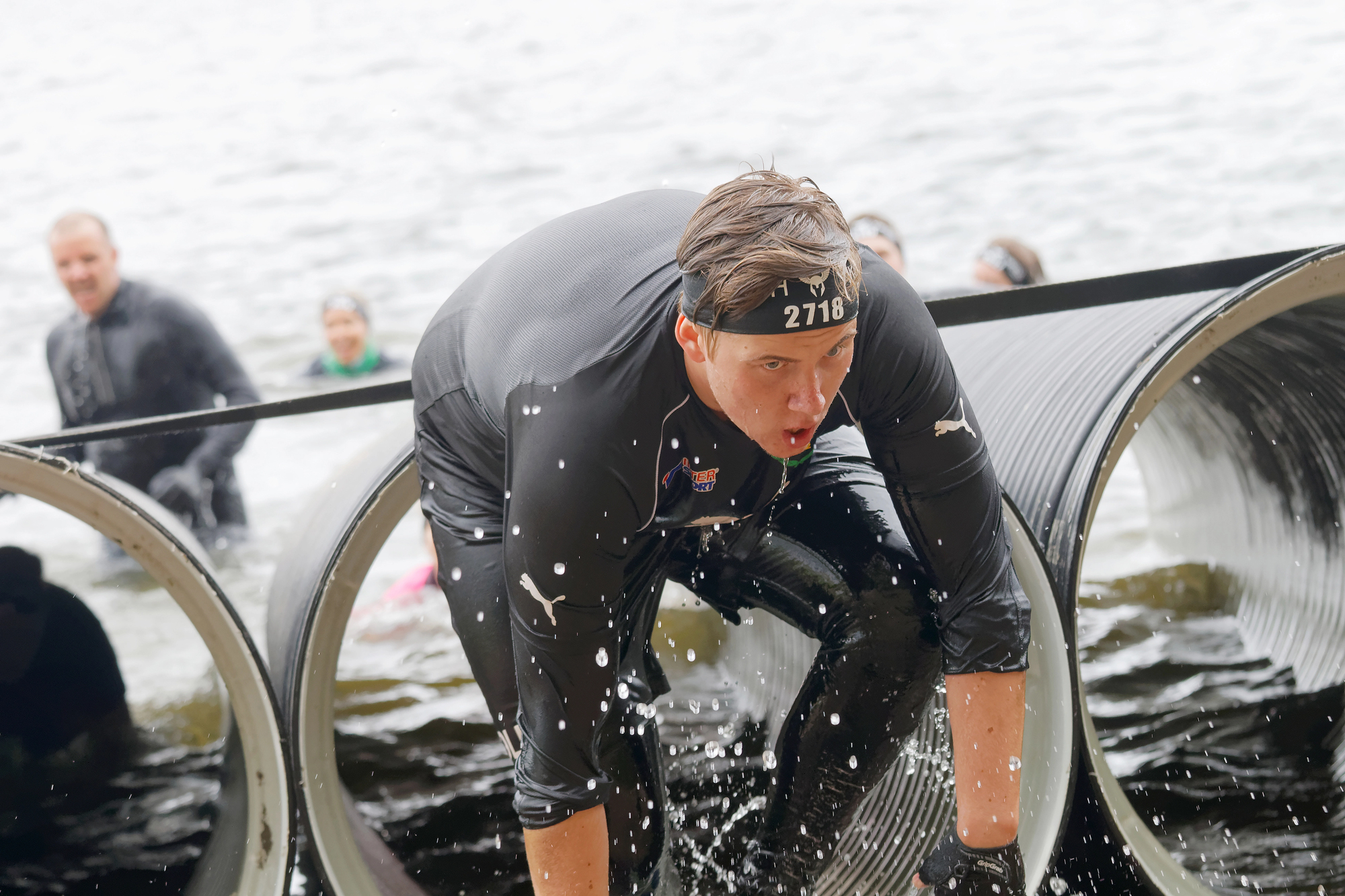
The 1900 Olympics featured a swimming race with a weird twist. Competitors had to swim 200 meters in the Seine River while climbing over a pole, scrambling over a row of boats, and swimming under another row of boats.
The murky river water and awkward obstacles made the whole thing chaotic and unpredictable. An Australian swimmer named Frederick Lane won the event, though how anyone kept track of the rules is unclear.
The race must have looked absolutely ridiculous, with swimmers hauling themselves over boats and splashing around obstacles. It was part of an era when Olympic organizers were still figuring out what made sense as a competition.
This particular experiment failed, and swimming went back to straightforward pool races.
Running deer shooting

Shooters would stand at a firing range while a mechanical deer-shaped target moved past them on a track. They had to hit the target as it went by, simulating the experience of hunting a moving animal.
The event appeared at several Olympics between 1908 and 1948. Norway and Sweden dominated the competition, likely because both countries had strong hunting traditions.
Different versions used single shots or double shots, and the deer target moved at different speeds to increase difficulty. It was popular in its time, but by the mid-1900s, the Olympic committee wanted to move away from events that mimicked hunting.
The deer targets stopped running, and the sport disappeared.
Military patrol
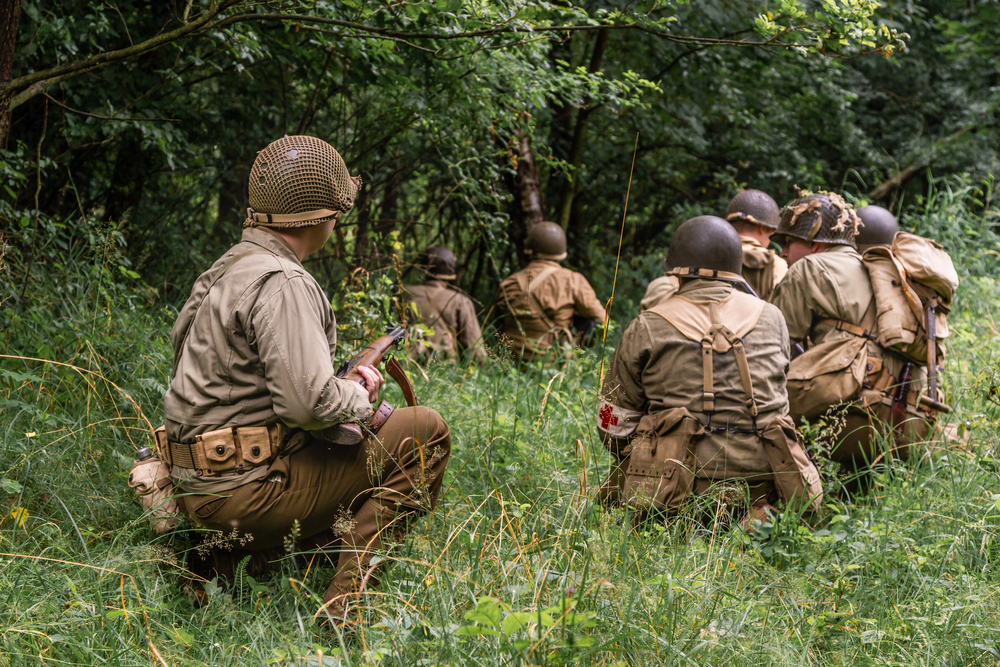
This was basically an early version of the biathlon, but with a full team instead of individuals. Four-person squads would ski across the country while carrying military equipment, then stop to shoot at targets.
It appeared as a demonstration sport several times between 1924 and 1948. Teams wore military uniforms and the event was designed to showcase skills that soldiers needed in winter warfare.
Switzerland and Norway were particularly strong, given their mountainous terrain and skiing culture. The event eventually evolved into the modern biathlon we know today, where individual athletes ski and shoot.
The military team format was dropped as the Olympics moved away from events with direct military connections.
Jeu de paume
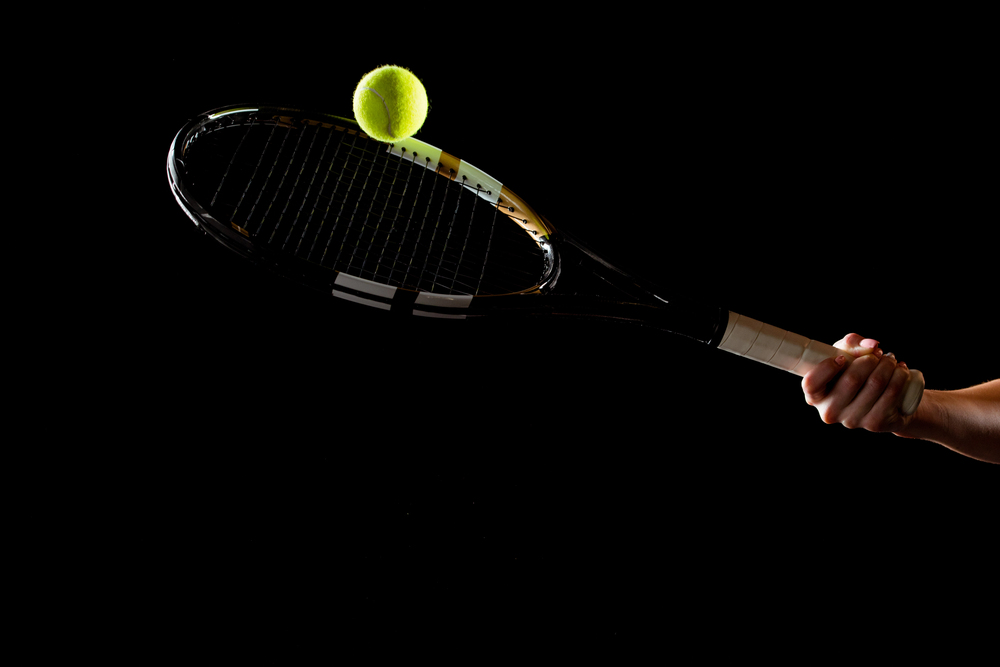
This French sport was an ancestor of modern tennis, played in an enclosed court with unusual rules and scoring. Players hit a orb back and forth using their hands or padded gloves, and the court had strange angles and openings that affected play.
It appeared at the 1908 Olympics, where an American named Jay Gould won gold despite being one of only a handful of non-French players who knew how to play. The sport was popular among French aristocracy but almost unknown elsewhere.
The complicated rules and specialized courts made it impractical for international competition. Tennis was growing in popularity at the same time, offering a simpler and more accessible alternative.
Jeu de paume retreated back into obscurity.
Basque pelota
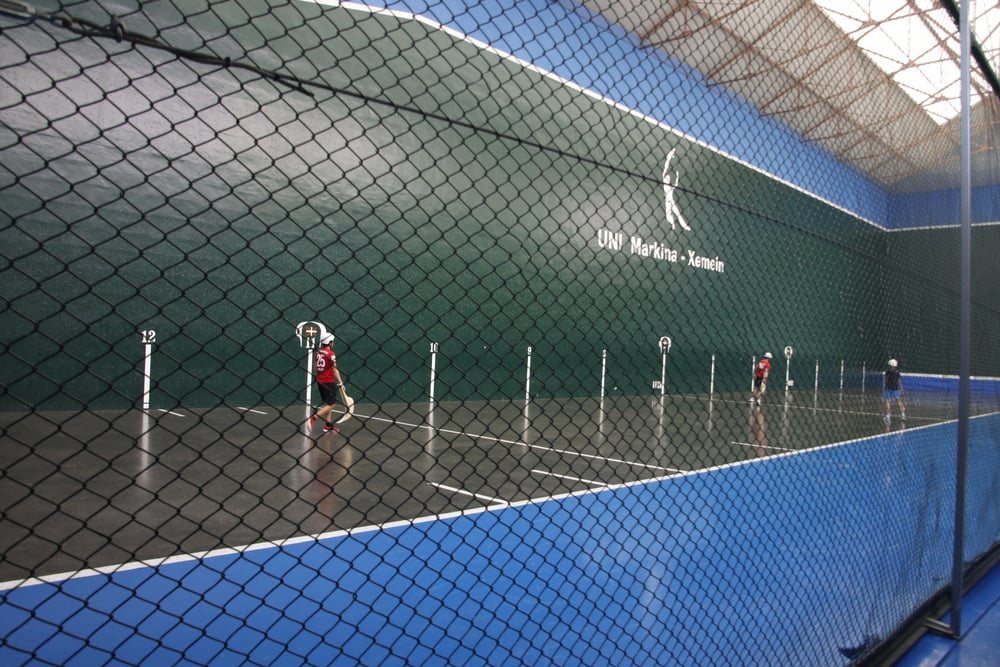
This fast-paced orb game came from the Basque region between Spain and France. Players used curved wicker baskets strapped to their hands to catch and throw a hard orb against a wall.
The orb could reach incredibly high speeds, and matches required quick reflexes and precision. It appeared at the 1900 Olympics in Paris, where Spain and France competed.
The sport was thrilling to watch but remained too regional to attract a global following. Most countries didn’t have the facilities or knowledge to compete, which made it hard to justify keeping it around.
After its single Olympic appearance, it went back to being a beloved local tradition in Basque country. The wicker baskets and hard orbs stayed in the villages and cities where the game was born.
3000 meter steeplechase team event

The individual steeplechase still exists today, with runners jumping over barriers and water pits. But there used to be a team version where countries would enter multiple runners and add up their combined times or placements.
It appeared at the 1900, 1904, and 1908 Olympics. Britain and the United States were the main competitors, and the team element added a strategic dimension that the individual race didn’t have.
Countries had to decide how to pace their runners and whether to sacrifice one athlete’s placement to help the others. As the Olympics grew, team track events mostly disappeared in favor of relays or individual competitions.
The team steeplechase was among the casualties, and honestly, it’s a shame because it sounded pretty interesting.
Where yesterday’s games meet today’s world
Looking back at these forgotten sports reminds us that the Olympics have never been set in stone. What seemed important or exciting in 1900 or 1920 might look bizarre or outdated today.
Some of these sports disappeared because they were too dangerous, too expensive, or just didn’t make sense anymore. Others faded because the world changed and new competitions took their place.
MMore from Go2Tutors!

- The Romanov Crown Jewels and Their Tragic Fate
- 17 Halloween Costumes Once Considered Taboo
- Famous Hoaxes That Fooled the World for Years
- 15 Child Stars with Tragic Adult Lives
- 16 Famous Jewelry Pieces in History
Like Go2Tutors’s content? Follow us on MSN.