Most Successful Toy Lines in History
Before screens filled every pocket, kids found magic in boxes with wind-up robots and paper-doll kingdoms. Not just chunks of molded plastic or bright blocks snapped together, but whole universes spun from imagination.
Each figure carried a name, a past, maybe even a secret mission. These weren’t sold one by one – they grew, spread, pulled siblings into shared make-believe.
Time passed, yet the play never really ended.
A fresh peek at top-selling toys through the years – why they still fill store spaces long after first appearing. Their staying power comes not just from luck but from smart design, strong storytelling, sometimes nostalgia riding alongside new generations.
LEGO
Not many brands have reached the level of success and longevity that the LEGO brand has. The brand was first established in Denmark in 1932.
However, the modern version of the interlocking brick was not developed until 1958. This basic yet exact interlocking design has become the cornerstone of the brand’s global success.
LEGO has earned tens of billions of dollars in revenue during its existence. The brand has also ventured into movies, video games, and even theme parks.
The genius of the LEGO brand is its ability to adapt. A brick can become part of a spaceship, a castle, or even a cityscape.
Barbie
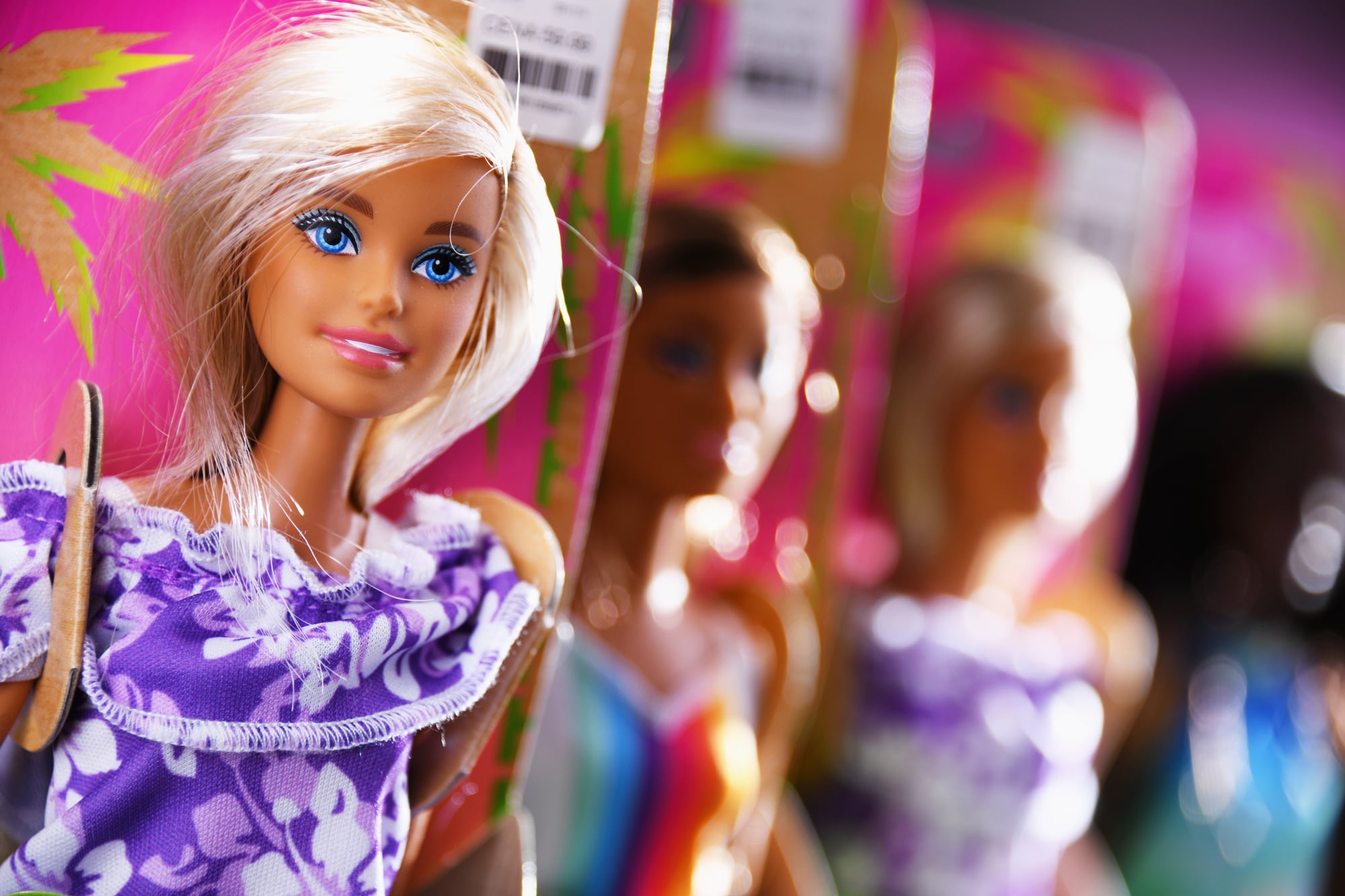
Introduced by Mattel in 1959, Barbie quickly became one of the most recognizable toys in the world. Over one billion dolls have been sold globally, and the brand has generated billions in revenue across decades.
Barbie’s success stems from reinvention. The doll has evolved through countless careers, styles, and cultural shifts.
What began as a fashion doll expanded into a lifestyle brand with animated series, films, and merchandise that stretches far beyond the toy aisle.
Hot Wheels
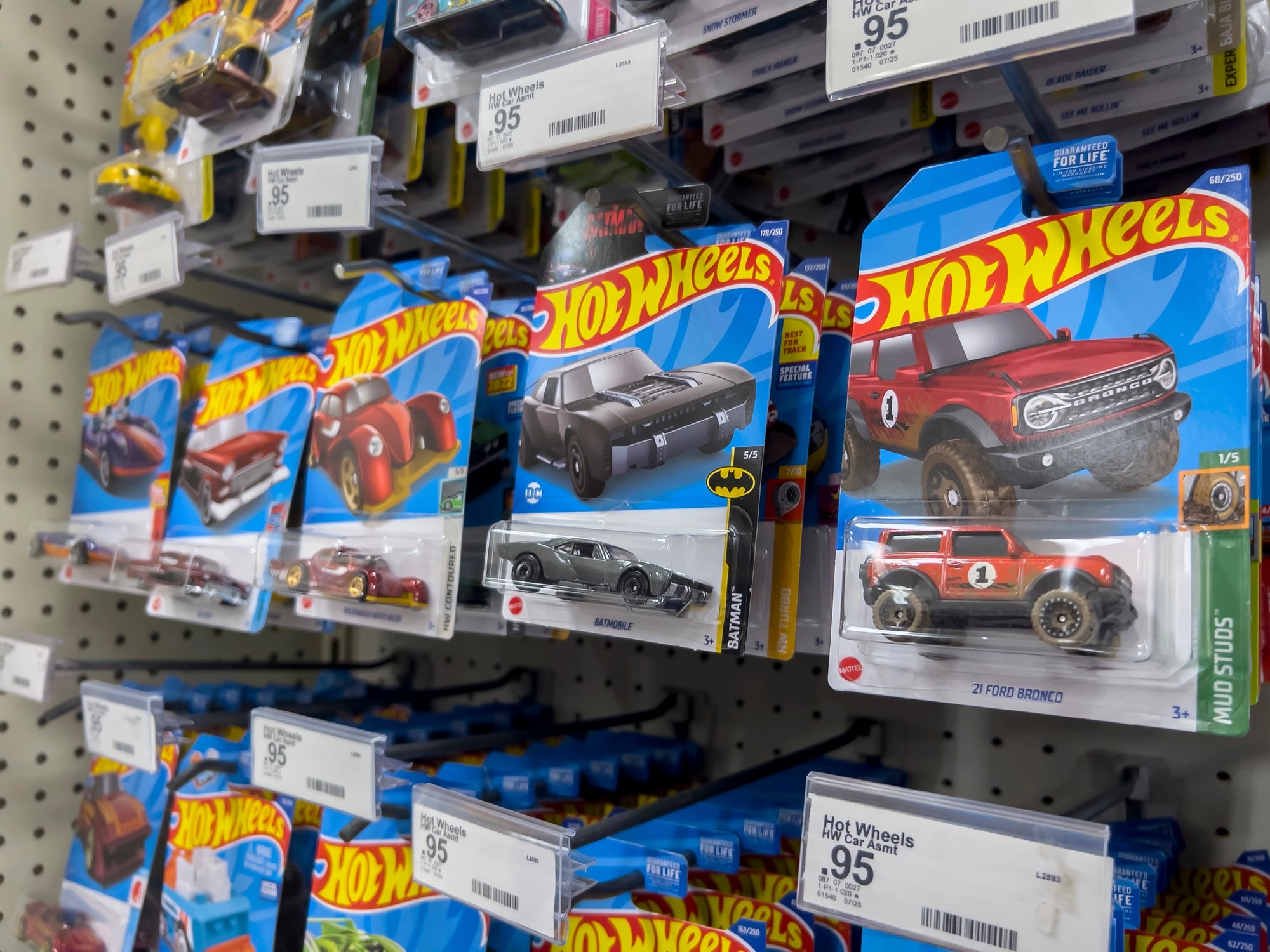
Launched by Mattel in 1968, Hot Wheels transformed die-cast toy cars into high-performance miniatures. With billions of cars sold, it remains one of the most successful toy lines ever produced.
The appeal lies in collectability and speed. Each small car carries exaggerated design elements and vibrant paint schemes.
Over time, limited editions and themed series turned simple toy vehicles into collector items for both children and adults.
Transformers
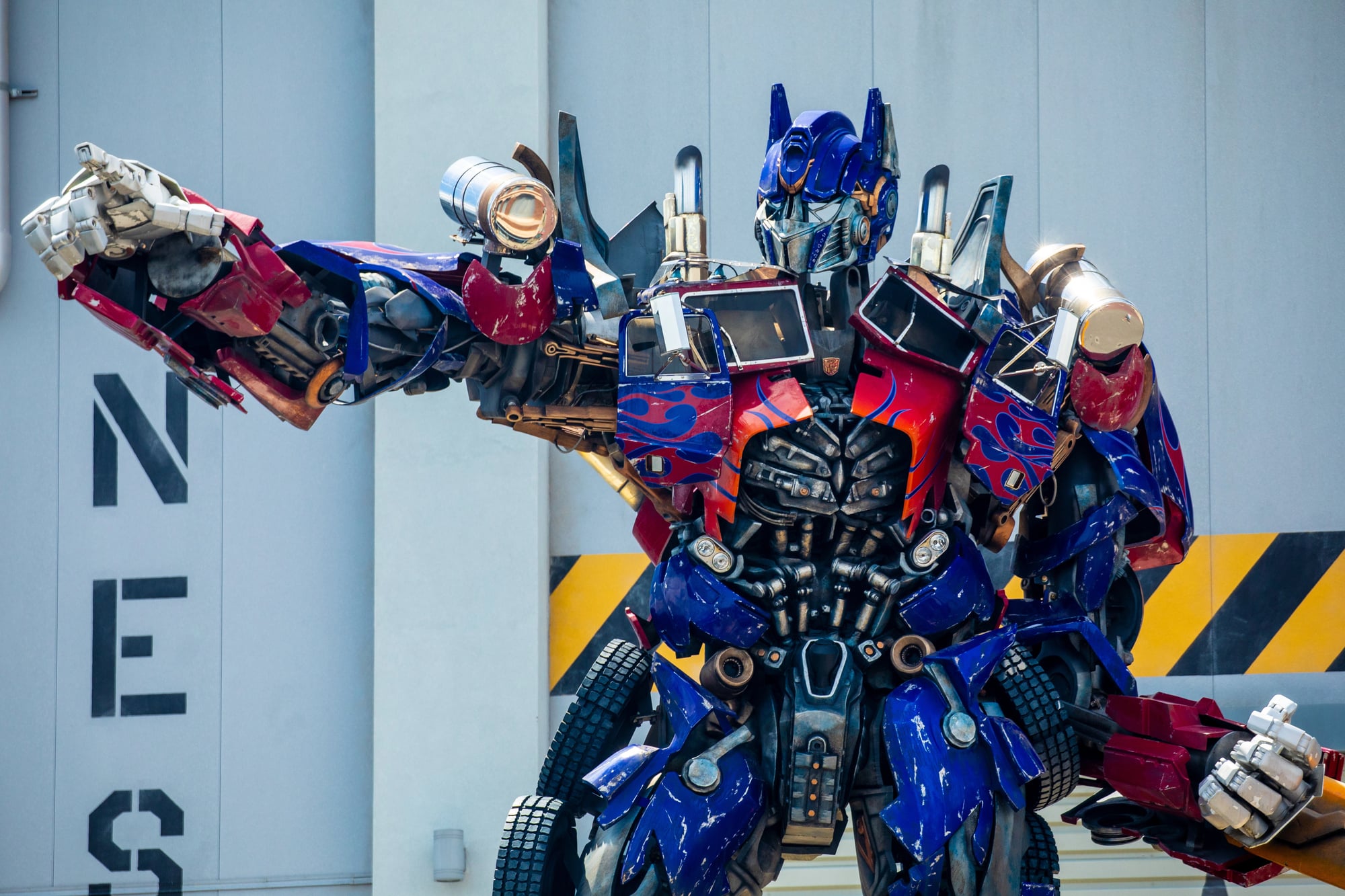
Debuting in the 1980s, Transformers combined action figures with mechanical ingenuity. The ability to shift from robot to vehicle made the line feel innovative at a time when static figures dominated shelves.
The franchise expanded into animated series, blockbuster films, and extensive merchandising. That cross-media presence amplified toy sales, proving that storytelling can elevate a toy line from popular to iconic.
Star Wars Action Figures
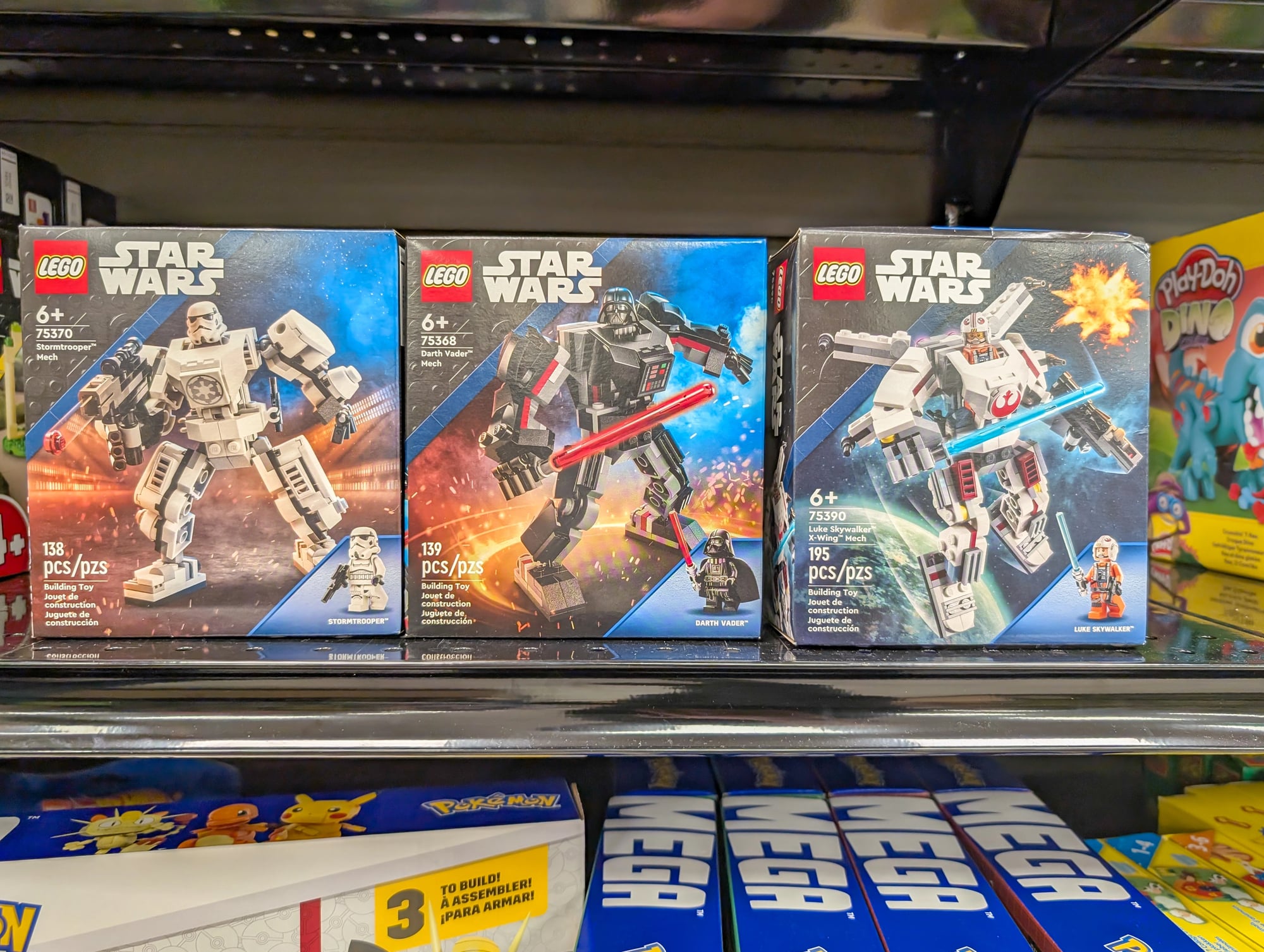
When Star Wars action figures launched in 1977, few predicted how large the market would become. The original film’s success created demand for characters children could hold in their hands.
Over the decades, Star Wars toys have generated billions in sales. Each new film release revives interest, creating generational cycles of collectors.
The line demonstrated how licensing partnerships could transform the toy industry.
Pokémon

Originally launched in the 1990s as a video game franchise, Pokémon quickly expanded into trading cards, plush toys, and figures. The Pokémon Trading Card Game alone has sold tens of billions of cards worldwide.
The brand’s enduring appeal comes from continuous expansion. New characters, regions, and storylines refresh interest every few years.
Pokémon’s structure encourages collecting, which fuels sustained demand.
G.I. Joe
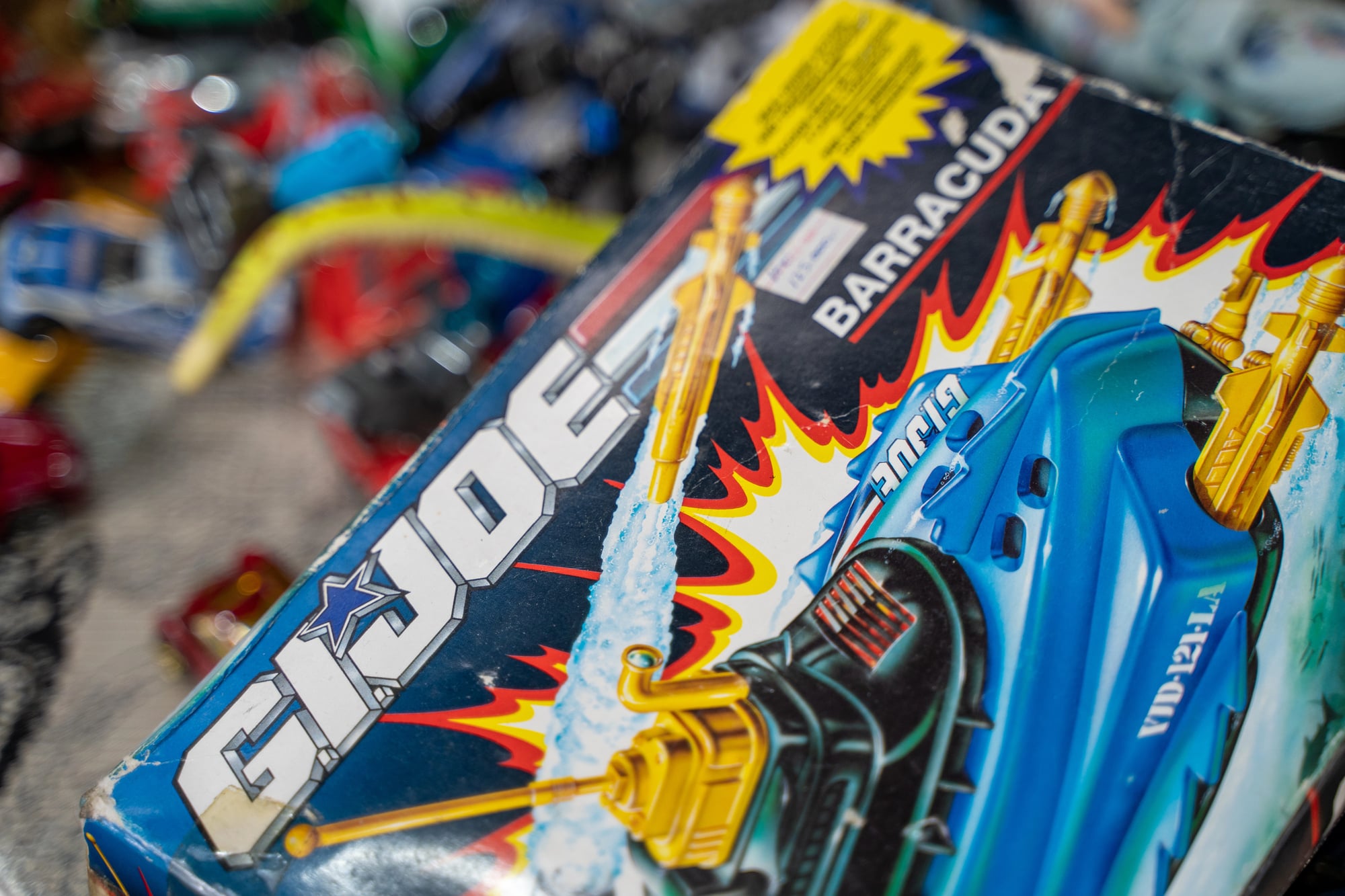
First introduced in 1964, G.I. Joe pioneered the modern action figure category. The line evolved from military-themed dolls to stylized figures during the 1980s, complete with animated series and comic books.
G.I. Joe’s success lies in adaptability. It shifted tone and design to match cultural trends while maintaining a recognizable identity.
Its influence shaped how future action figures were marketed.
Matchbox
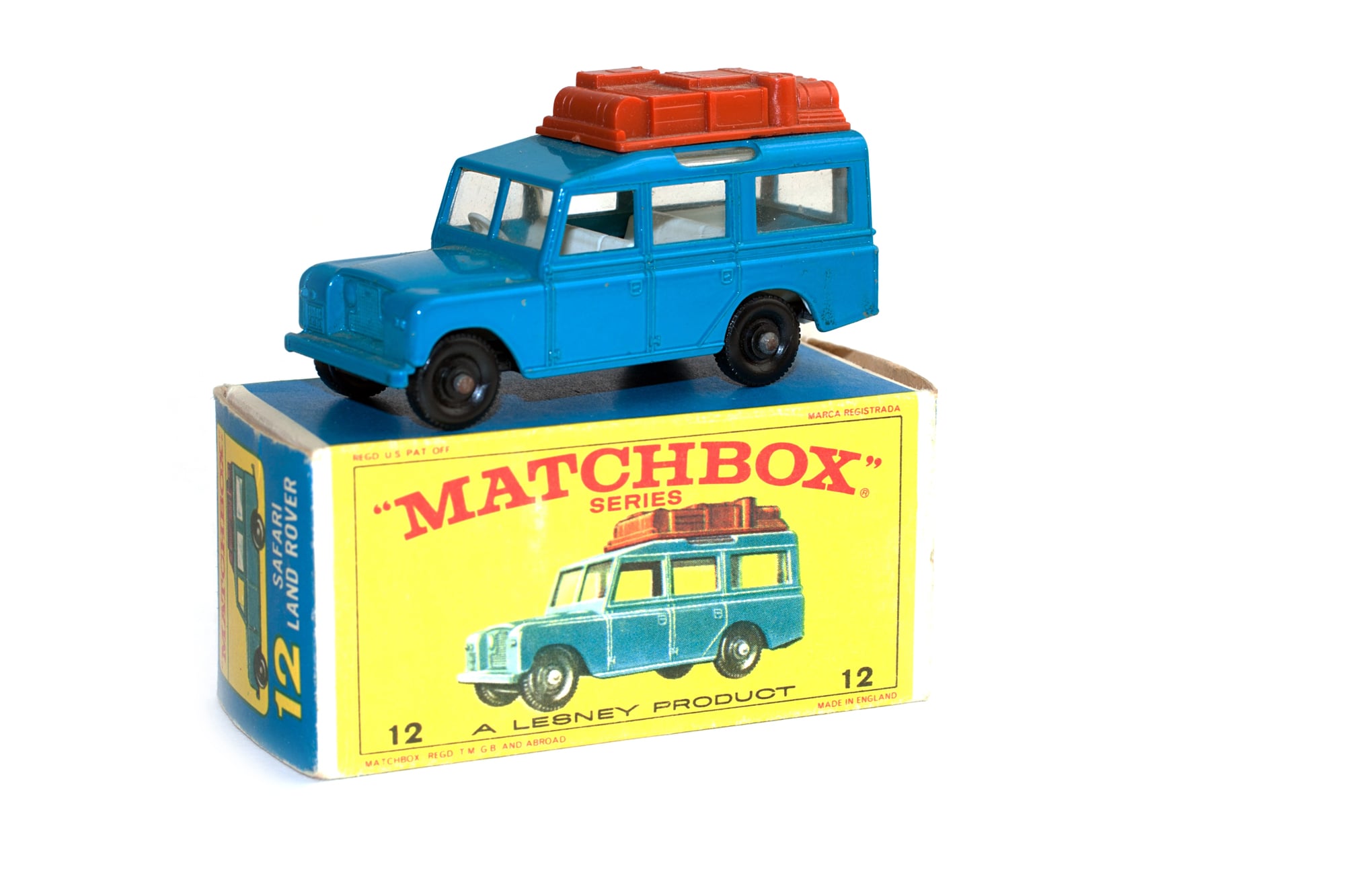
Before Hot Wheels dominated speed-focused car toys, Matchbox had already established itself in the 1950s. Its realistic miniature vehicles appealed to children who wanted everyday cars in small, durable form.
Matchbox’s global success came from accessibility. The cars were affordable and widely distributed.
That reach allowed the brand to remain competitive even as rivals entered the market.
Nerf
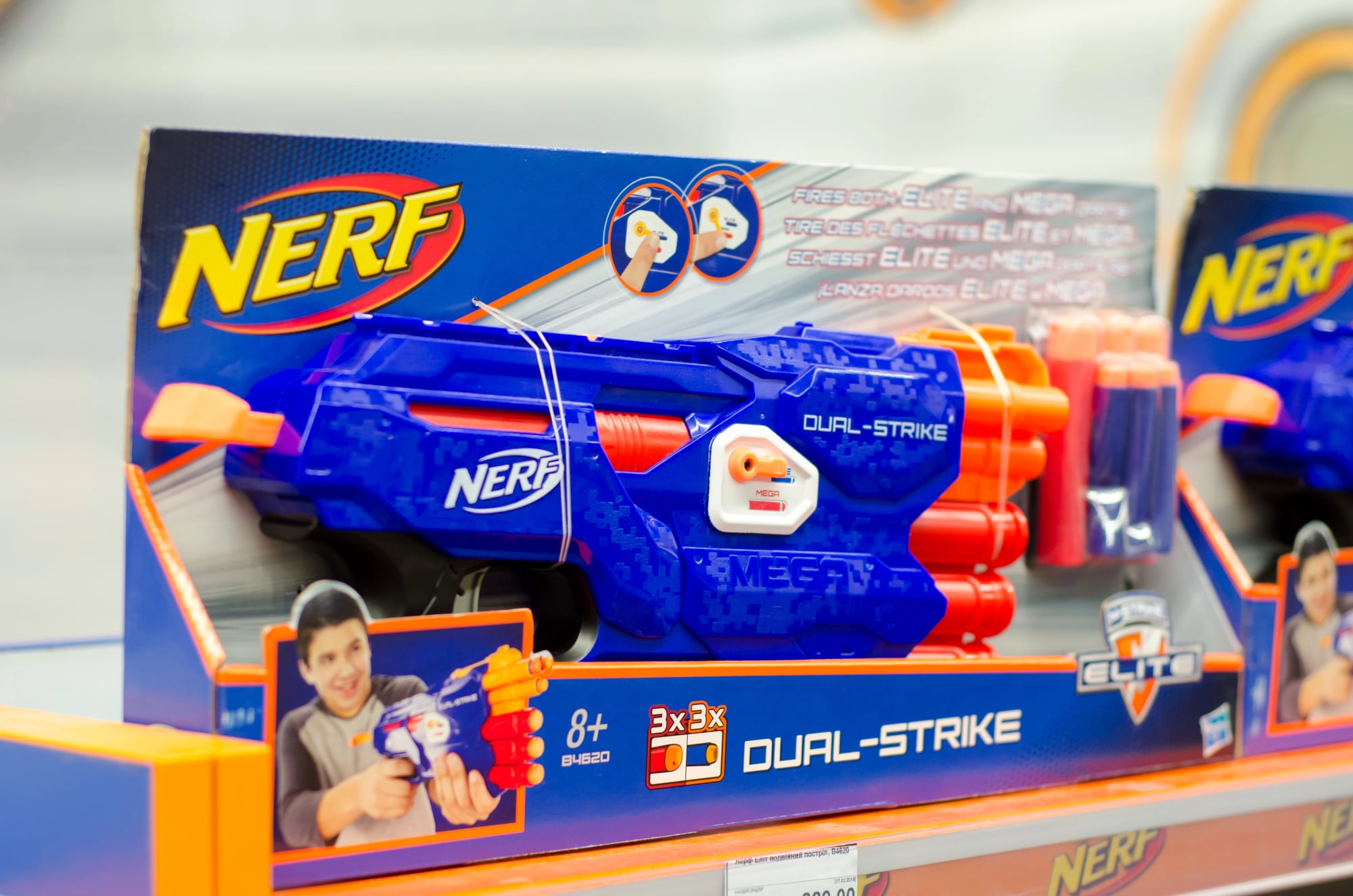
Nerf launched in the late 1960s with soft foam orbs, later expanding into foam dart blasters. The brand carved out a space between toy and sport, offering safe, active play.
Over time, Nerf became synonymous with foam projectile toys. Its bright colors and modular designs kept the product line fresh.
The emphasis on motion and teamwork made it more than a shelf item.
My Little Pony

Introduced in the 1980s, My Little Pony combined colorful plastic figures with animated storytelling. The toy line saw renewed success in the 2010s through updated animation that attracted both children and older fans.
That revival demonstrates the power of rebranding. A strong visual identity and evolving narrative allowed the brand to span multiple decades of popularity.
Fisher-Price Little People

Fisher-Price introduced Little People in the 1950s, offering simplified figures designed for younger children. The toys focused on imaginative play rather than intricate detail.
Their durability and safety made them a staple in households worldwide. The line’s steady evolution kept it relevant while preserving its core concept.
Beyblade
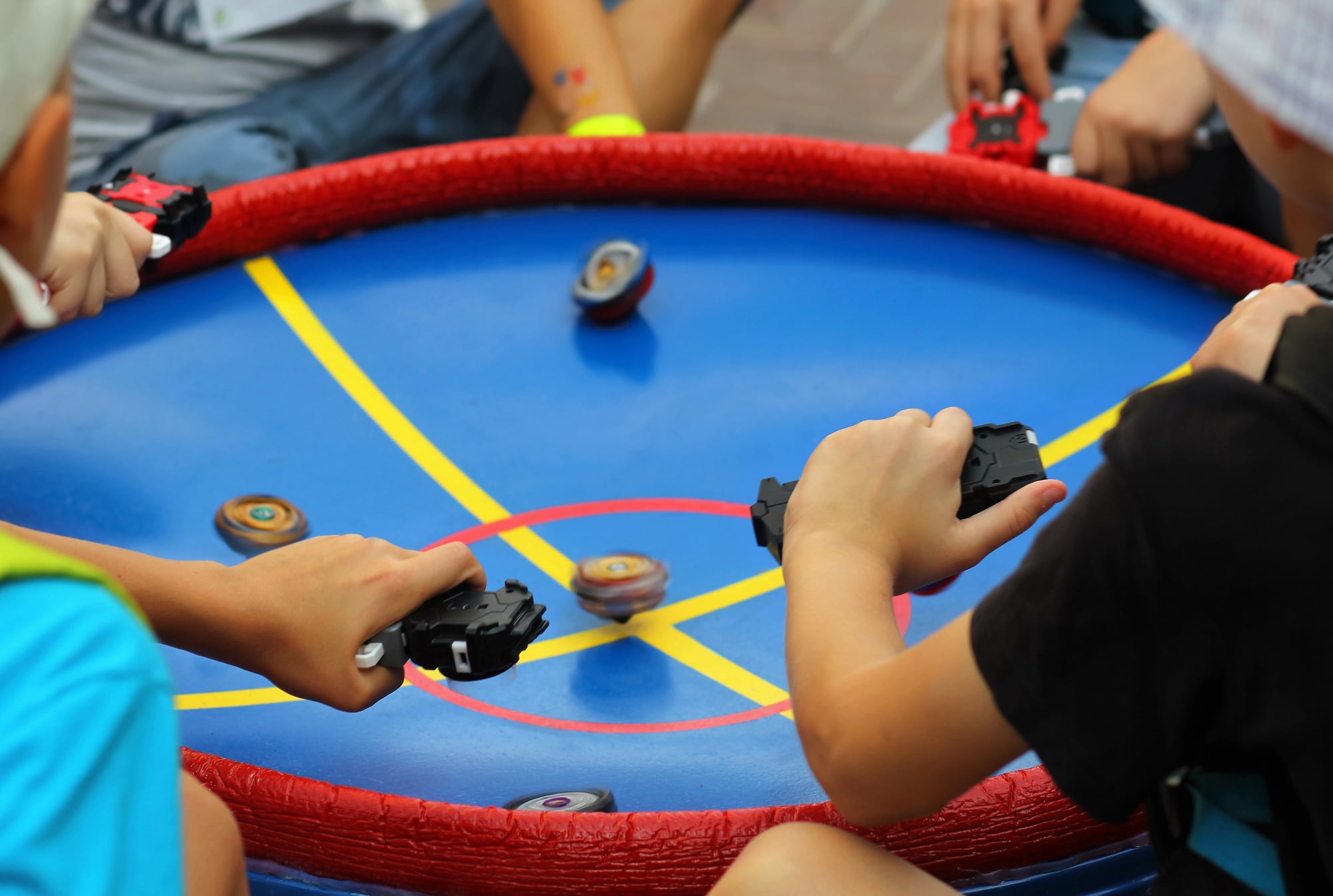
Launched in the late 1990s, Beyblade turned spinning tops into competitive collectibles. Each top could be customized, creating strategy within a simple concept.
The accompanying animated series boosted global interest. Tournaments and competitive play reinforced the brand’s appeal, helping it sustain multiple relaunch cycles.
Playmobil
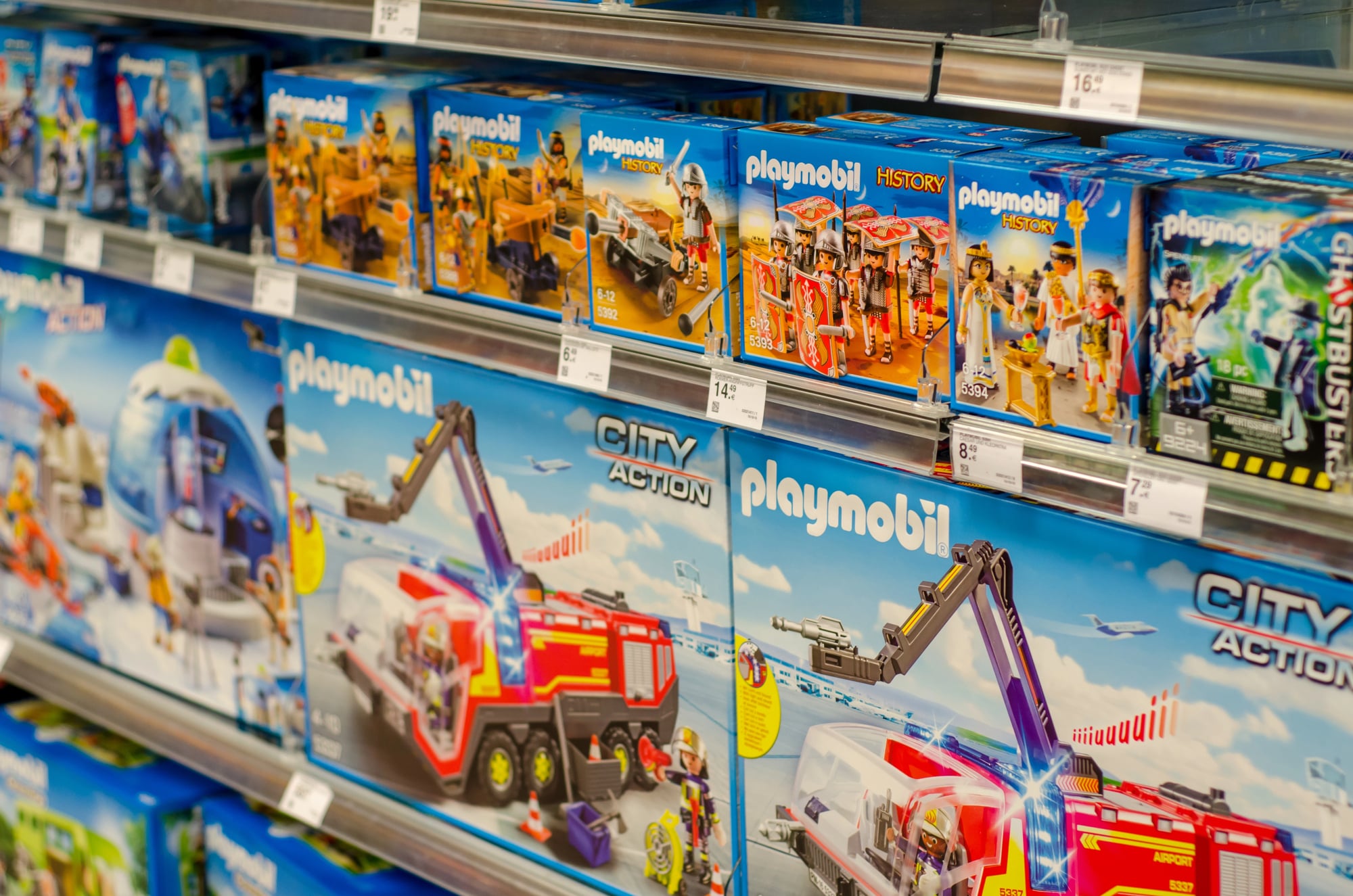
Founded in Germany in the 1970s, Playmobil created small figurines with themed playsets ranging from pirate ships to medieval castles. Unlike LEGO’s open-brick format, Playmobil focused on structured scenarios.
That distinction carved out a loyal following. The detailed sets encouraged storytelling within predefined worlds, making it a complementary alternative to brick-based construction toys.
Thomas & Friends

Based on a children’s book series, Thomas & Friends transformed train sets into character-driven play systems. Wooden railway sets became especially popular in the 1990s and early 2000s.
The brand’s strength lies in narrative attachment. Children form bonds with individual characters, which encourages collection of multiple trains and accessories.
American Girl
Launched in the 1980s, American Girl combined dolls with detailed historical backstories. Each doll represented a specific era, supported by books and accessories.
This educational angle set it apart from purely fashion-driven dolls. The brand cultivated loyalty through storytelling, retail experiences, and collectible accessories that extended the play value.
Rubik’s Cube
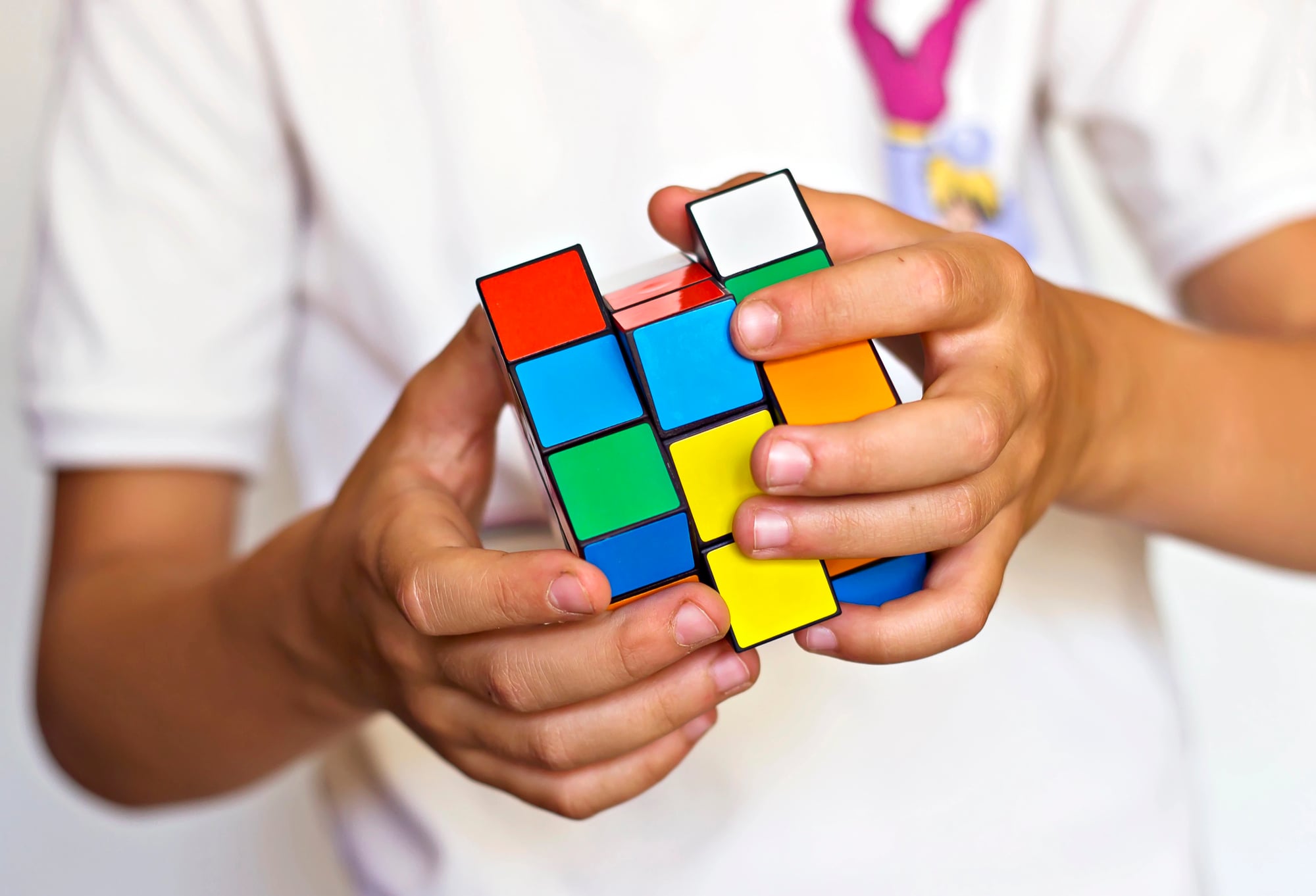
Introduced in 1974 by Hungarian inventor Ernő Rubik, the Rubik’s Cube became a global phenomenon in the 1980s. Over 350 million cubes have been sold worldwide, making it one of the best-selling toys of all time.
Its appeal lies in simplicity paired with challenge. Six colored sides and a twistable core created a puzzle that feels endlessly engaging.
Even decades later, speedcubing competitions and new variations keep it relevant.
Cabbage Patch Kids
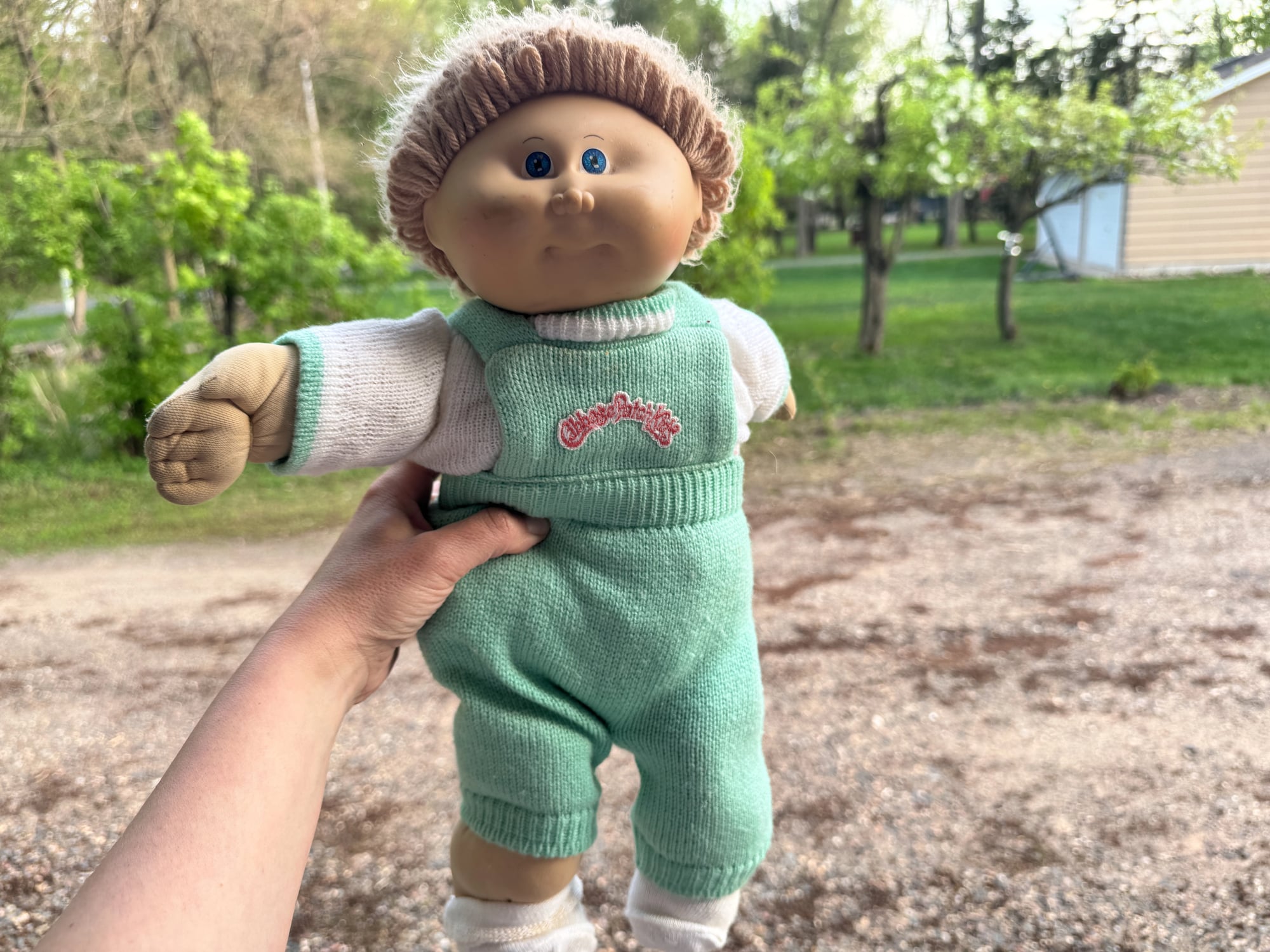
Cabbage Patch Kids, introduced in the early 1980s, started a toy craze like none other in the history of retailing, as parents camped out in front of stores to buy the dolls, which rapidly went out of stock during the holiday season itself.
The dolls came with a name and adoption certificate, thus creating a sense of ownership in children, which led to phenomenal sales for the brand.
Why Toy Lines Become Cultural Fixtures
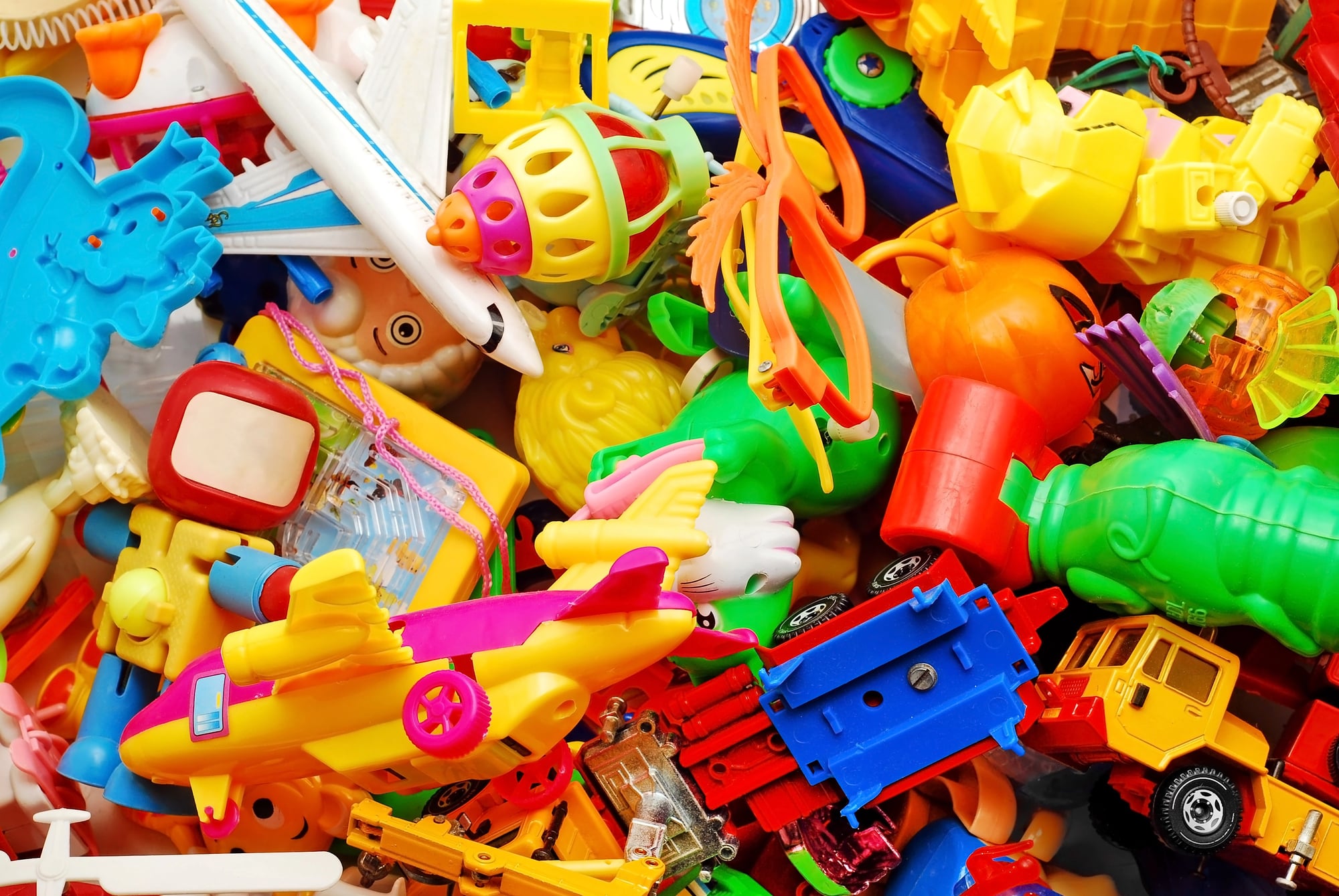
Success often comes to toy series that mix new ideas with what feels known. Yet they shift just enough to stay fresh, never straying too far from their core.
Some grow past plastic figures into shows, movies, even apps – quietly building a wider footprint. Each step keeps recognition alive while stretching where it can go.
Out here beyond glowing displays, real hands-on fun still holds ground. Decades-old toys usually aren’t just one thing – they build small worlds instead.
These objects pull kids into making stories, gathering pieces, sharing moments. Such mix of traits keeps some brands sharp in memory years past their debut – simple thoughts stick around when they give room to grow.
More from Go2Tutors!

- The Romanov Crown Jewels and Their Tragic Fate
- 13 Historical Mysteries That Science Still Can’t Solve
- Famous Hoaxes That Fooled the World for Years
- 15 Child Stars with Tragic Adult Lives
- 16 Famous Jewelry Pieces in History
Like Go2Tutors’s content? Follow us on MSN.



