What the World’s Most Powerful Passport Allows
Carrying the right passport can make all the difference when you’re planning international travel. Some passports open doors effortlessly, while others require mountains of paperwork just to cross a border.
Singapore’s passport currently holds the top position as the world’s most powerful travel document, granting access to 193-195 destinations without the hassle of advance visa applications. That kind of freedom transforms how people experience global mobility, turning spontaneous trips and business opportunities into realistic possibilities rather than bureaucratic nightmares.
The Singapore passport enables citizens to exit and re-enter their country freely, facilitates consular assistance abroad when needed, and requests protection for the bearer during international travel. But the real magic lies in what this little red booklet unlocks across the globe.
Here is a list of 16 advantages that come with holding the world’s most powerful passport.
Access to Nearly Every European Country

Singapore passport holders enjoy visa-free access to all Schengen countries and the United Kingdom. That means you can hop between Paris, Rome, Berlin, and London without dealing with visa applications or border delays.
The entire European continent essentially becomes your playground, whether you’re chasing art history through Florence or sampling tapas in Barcelona. Most countries allow stays of up to 90 days within a 180-day period, giving travelers plenty of time to explore.
Simplified Entry to North America

For travel to the United States, Canada, Australia, and New Zealand, Singapore passport holders only need a digital entry permit. These electronic travel authorizations take minutes to complete online, unlike traditional visa processes that can drag on for weeks.
The approval often comes through within hours, making last-minute business trips or family emergencies far more manageable than they’d be for citizens of many other countries.
Seamless Travel Throughout Asia

Singaporean citizens can enter other ASEAN countries without a visa for stays up to 14 days or longer, depending on the country. The passport also provides visa-free access to China and Hong Kong, major economic powerhouses that many other passport holders find challenging to enter.
Whether you’re exploring ancient temples in Cambodia or attending tech conferences in Tokyo, the process stays remarkably straightforward.
Visa-On-Arrival Options for Dozens of Countries

Singapore nationals are eligible for a visa on arrival in 27 countries. This means you can literally decide to visit certain destinations and sort out the paperwork when your plane lands.
Immigration officers at the airport or border crossing handle everything right there, usually for a reasonable fee. It’s not quite as convenient as walking straight through, but it beats scheduling embassy appointments weeks in advance.
Electronic Visa Applications for Strategic Destinations
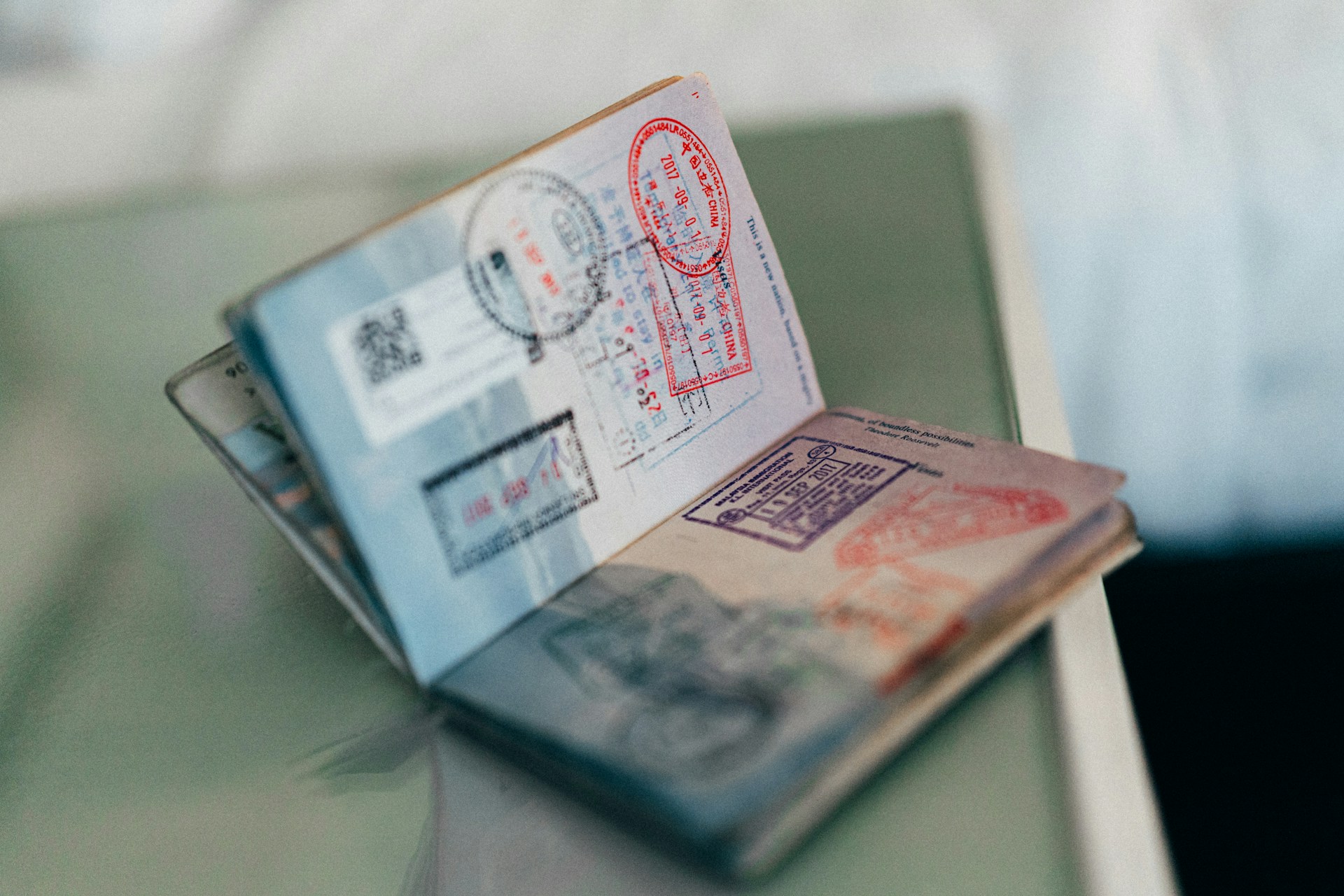
Citizens of Singapore can easily obtain eVisas for travel to 16 countries. These digital applications let you handle everything from your couch without visiting embassies or mailing your passport anywhere.
The process typically involves filling out an online form, uploading a photo, and paying a fee. Most approvals arrive within a few days, keeping the hassle factor low for destinations that require a bit more documentation.
Ten-Year Validity Period
Singapore passports are valid for ten years for adults. That decade-long validity means fewer trips to immigration offices, less money spent on renewal fees, and one less thing to worry about when planning international travel.
Many countries issue passports for only five years, forcing their citizens through the renewal process twice as often. The extended validity also helps with visa applications that require passports to be valid for six months beyond your travel dates.
Biometric Security Features
All Singapore passports issued since August 2006 contain biometric features, including a chip that stores the traveler’s photograph, signature, and fingerprint biometrics. These high-tech security measures protect against fraud and identity theft while speeding up border control processes.
The biometric data gets verified at immigration checkpoints, creating an extra layer of security that actually makes crossing borders faster rather than slower. This technology also helped Singapore meet requirements for various visa waiver programs.
Automated Immigration Clearance at Home

Singapore citizens aged six and older can use automated clearance lanes at the country’s checkpoints, provided their biometric identifiers have been enrolled. Instead of waiting in long queues to speak with immigration officers, travelers scan their passports and biometrics at automated gates.
The whole process takes seconds, transforming what used to be a tedious wait into a seamless experience. Parents can even enroll young children who collected passports before turning six, ensuring families move through checkpoints efficiently together.
Expedited Border Control in Multiple Countries

Singapore citizens who travel as tourists are eligible to use automated border control systems when arriving in or departing from various countries. Many nations have established reciprocal arrangements that let Singaporean travelers skip regular immigration lines and use eGates instead.
This privilege extends the convenience of automated clearance beyond Singapore’s borders, making international travel feel almost as smooth as domestic flights.
APEC Business Travel Card Benefits

Holders of an APEC Business Travel Card traveling on business do not require a visa to APEC countries, and the card is treated as such except by Canada and the United States. Business travelers also get expedited border crossing in all member economies.
For professionals who regularly fly between Asia-Pacific countries, this card eliminates repetitive visa applications and lets them focus on actual business rather than bureaucratic hurdles. The card essentially functions as a regional business passport.
Consular Services and Protection Abroad

The Singapore passport facilitates the process of securing assistance from Singapore consular officials abroad if necessary and requests protection for the bearer while abroad. When emergencies strike during international travel—lost documents, legal troubles, natural disasters—having strong consular backing matters enormously.
Singapore’s network of embassies and consulates stands ready to help citizens navigate crises, arrange emergency travel documents, and connect with local authorities.
Educational Advantages for Children

The National University of Singapore and Nanyang Technological University rank in the global top 15, and it’s easier for children with Singapore passports to enroll in the country’s universities, with lower costs than foreigners face. Singaporeans can also receive government scholarships for training and medical benefits.
These educational perks extend well beyond just having a powerful travel document, creating long-term advantages for families raising children with Singaporean citizenship.
Reduced Immigration Scrutiny
Singapore passports are popular targets for counterfeiters due to relatively liberal visa requirements for Singaporeans and the tendency for immigration officials to clear Singapore passport holders more quickly. While the counterfeiting itself is obviously problematic, this reality reveals something important: immigration officials worldwide generally view Singapore passport holders favorably.
That positive perception translates to smoother border crossings, fewer questions, and less time spent explaining your travel intentions.
Strong International Reputation

The Nomad Passport Index analyzes passports by five criteria including ease of travel, tax policies, global perception, ability to obtain dual citizenship, and personal freedoms. Singapore consistently scores well across these metrics, with its strong international reputation opening doors both literally and figuratively.
Countries trust Singapore’s vetting processes for citizenship, which means they’re more willing to grant visa-free access to its passport holders.
Freedom to Explore Without Extensive Planning

With a Singapore passport, you can travel to over 190 countries without the hassle of applying for a visa in advance. This transforms how people approach travel, enabling spontaneous weekend getaways and flexible itineraries.
Instead of planning trips months ahead to accommodate visa processing times, Singaporean travelers can book flights with just a few days’ notice and know they’ll be able to enter their destination without drama.
Access to Remote and Unique Destinations
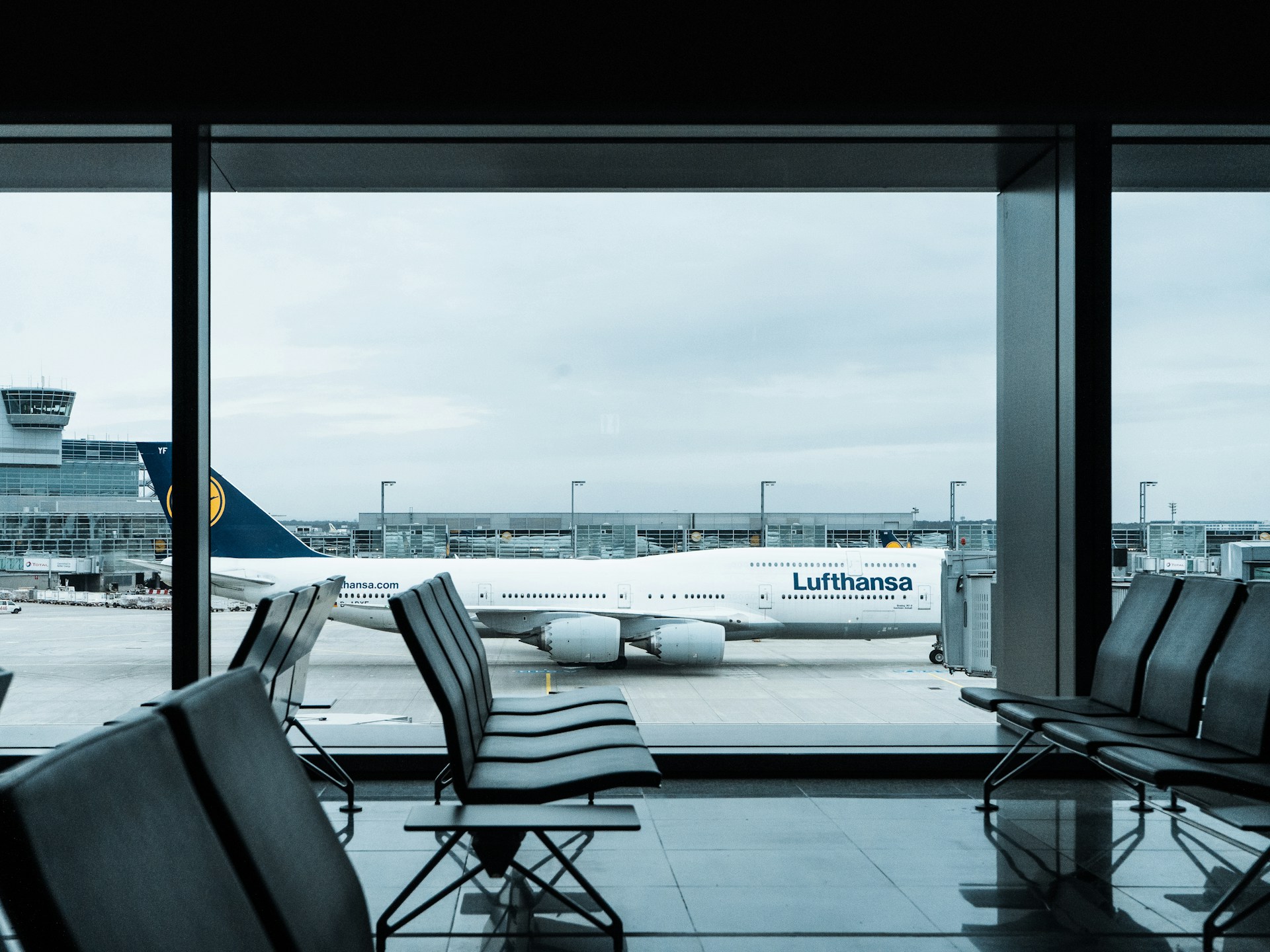
Singapore passport holders can travel without a visa to numerous lesser-known destinations including Bonaire, St. Eustatius and Saba, St. Maarten, St. Pierre and Miquelon, and St. Vincent and the Grenadines. These smaller territories and island nations often appear on few people’s travel radars, but they’re completely accessible to Singaporean travelers.
Whether you’re chasing off-the-beaten-path adventures or collecting passport stamps from unusual places, the Singapore passport removes barriers that would stop most other travelers cold.
A Shift in Global Power

The rise of Singapore’s passport reflects broader changes in how the world views power and influence. The United States, which held the number one position in 2014, has dropped to tenth place—its lowest position in the 20-year history of the Henley Passport Index.
This shift signals a fundamental change in global mobility and soft power dynamics, with nations that embrace openness and cooperation surging ahead while those resting on past privilege get left behind. Singapore’s tiny geographic footprint belies its enormous diplomatic reach, proving that passport power stems from relationships and reputation rather than military might or historical dominance.
More from More from Go2Tutors!

- The Romanov Crown Jewels and Their Tragic Fate
- 17 Halloween Costumes Once Considered Taboo
- Famous Hoaxes That Fooled the World for Years
- 15 Child Stars with Tragic Adult Lives
- 16 Famous Jewelry Pieces in History
Like Go2Tutors’s content? Follow us on MSN.