Evolution of Uniforms in Professional Sports
Uniforms in sports have never been just about fabric and color.
They tell stories of changing times, shifting trends, and growing industries.
From rough cotton shirts to high-tech gear, what athletes wear has gone through some serious changes—sometimes in unexpected ways.
What started as simple team identifiers has become a blend of science, style, and even marketing.
Let’s take a walk through the evolution of uniforms across the world of professional sports.
Early days were all about function over flair

In the beginning, most sports uniforms were plain and practical.
Teams wore whatever helped players move easily and told them apart from opponents.
Colors were often dull and materials were heavy.
Comfort wasn’t really the goal—it was all about getting through the game.
No logos, no sponsors, just basic gear.
Wool and cotton ruled the early 1900s

Wool was a common material, especially in sports like baseball and football.
It was warm and durable but also heavy and itchy.
Cotton showed up later as a lighter option but still soaked up sweat quickly.
Athletes didn’t have much say in what they wore.
Back then, staying dry was nearly impossible during a game.
Logos and numbers changed the game

Once teams began adding logos and numbers, uniforms became more than just gear—they became symbols.
Fans could now recognize their favorite players easily.
Numbers on the back became standard, and logos gave teams a strong identity.
This simple shift made uniforms a big part of the fan experience.
It also opened the door for branding and merchandise.
Television forced teams to rethink colors

When sports started airing on black-and-white TVs, teams had to adjust their colors.
Stripes and patterns became important to help viewers tell teams apart.
Even after color TV came along, some teams kept bold colors to stand out.
TV didn’t just change how games were watched—it also shaped how teams dressed.
The 70s brought wild designs and bright colors

The 1970s were a bold time for sports fashion.
Teams experimented with flashy colors, big fonts, and unique patterns.
Some of the looks were short-lived, but others became iconic.
It was a time when uniforms started to show personality.
Fans either loved them or laughed at them, but nobody could ignore them.
Synthetic fabrics changed everything
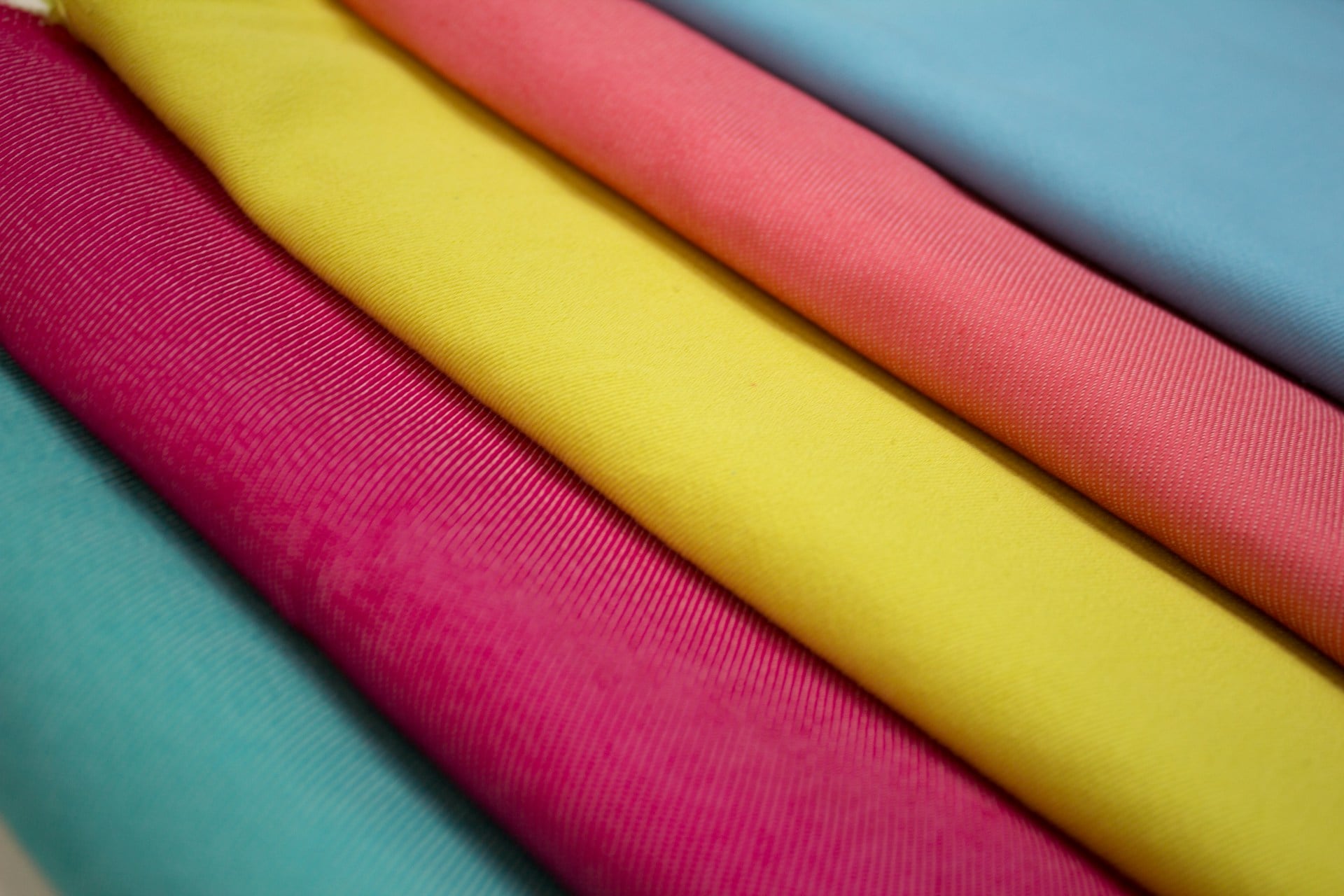
The arrival of polyester and other synthetic materials was a game-changer.
Suddenly, uniforms were lighter, cooler, and easier to clean.
Athletes could move more freely and stay more comfortable.
Over time, old fabrics like wool disappeared completely.
The shift made performance a bigger focus in uniform design.
Sponsorship logos entered the picture

In many sports, especially overseas, uniforms started featuring company logos.
At first, it was small and subtle.
But as money poured in, sponsors took up more space.
Some jerseys now look like walking billboards.
This move brought in huge revenue but also stirred debate among fans about tradition.
Basketball uniforms shrank and stretched
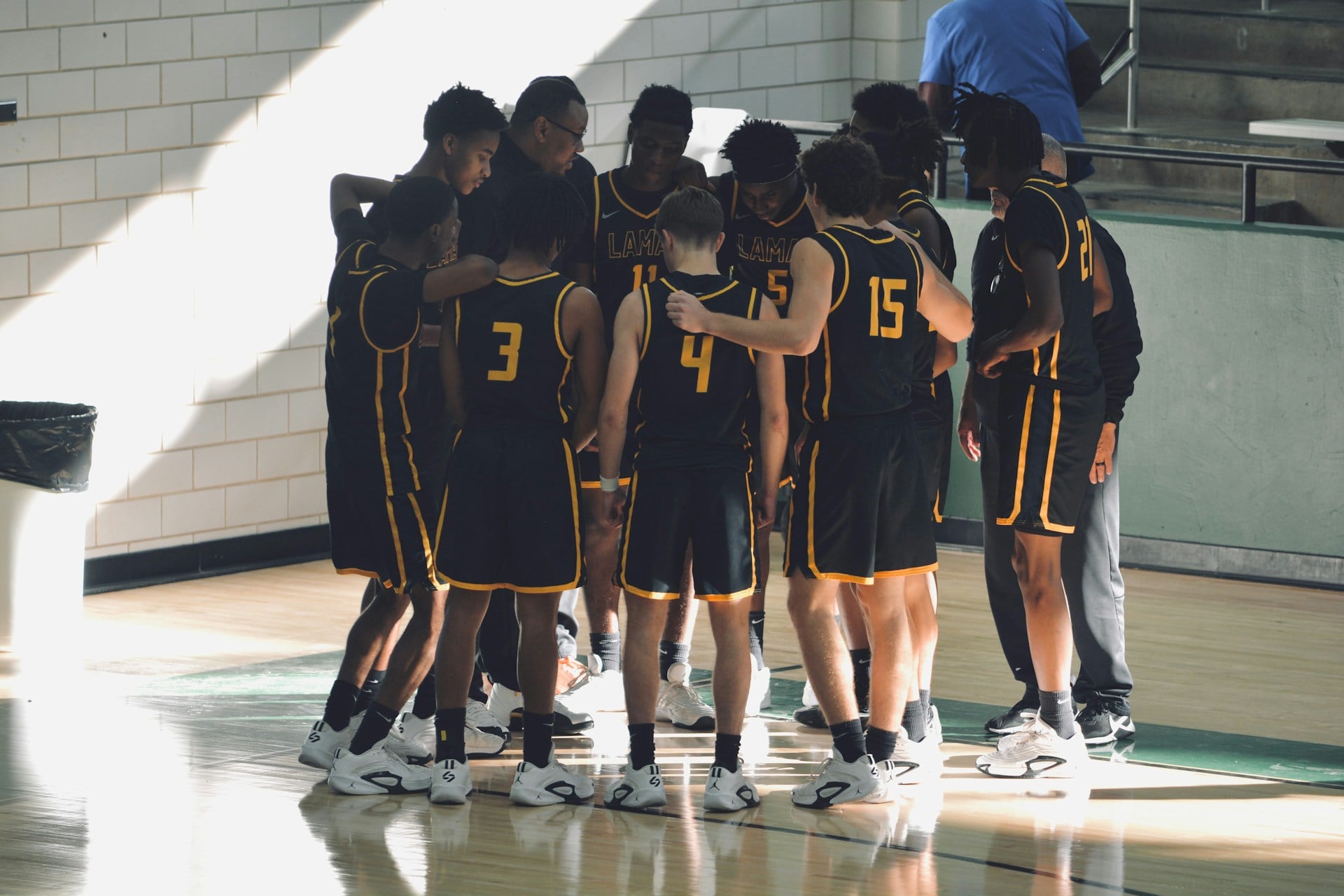
In the early days, basketball uniforms were short and tight.
Then in the 90s, baggy shorts and loose jerseys took over.
Today’s uniforms strike a balance between fit and flexibility.
Players have more input than ever before.
Style and comfort go hand in hand now.
Football gear got tougher and smarter
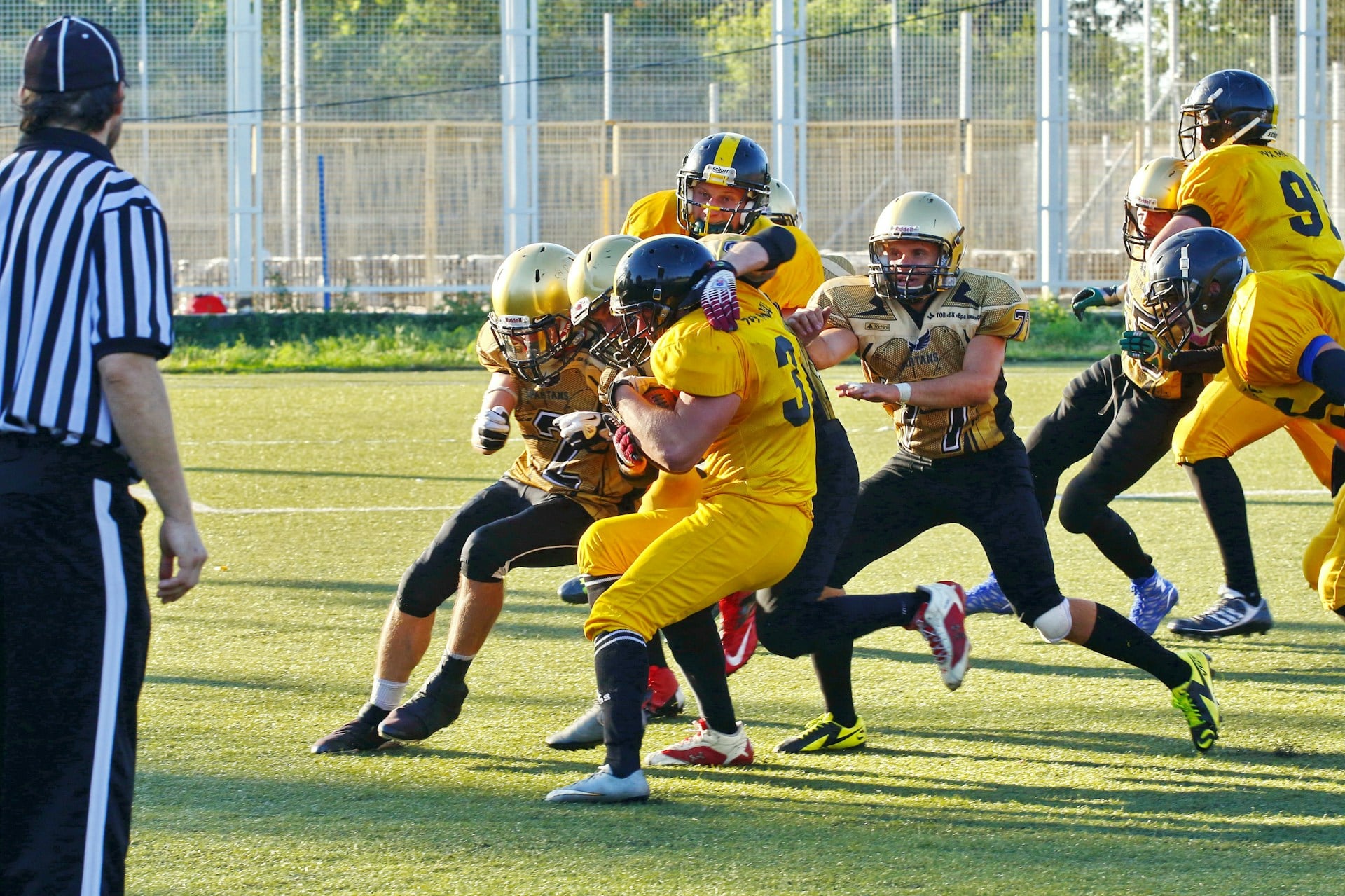
Football uniforms have always been built for impact, but the tech behind them has come a long way.
Helmets are smarter, pads are lighter, and fabrics are more breathable.
Safety is a bigger focus than ever.
Every piece of gear is designed to reduce injury without slowing players down.
Soccer kits embraced global trends

Soccer kits used to be very traditional, with little change from year to year.
But with global fans and international brands, the designs have become more fashion-forward.
Clubs now release multiple kits each season.
Fans collect them like sneakers.
The line between sportswear and streetwear keeps getting thinner.
Hockey gear found balance between safety and style

Hockey players wear a lot of protective equipment, so uniform design has to work around that.
Jerseys got wider to fit pads, but still needed to look sharp.
Over time, team logos and color schemes became more aggressive.
Even the goalie masks turned into canvases for personal expression.
Women’s sports pushed for better fit and fairness

For a long time, women’s sports uniforms were just smaller versions of men’s.
That’s finally changing.
Designers now consider movement, comfort, and confidence for female athletes.
Teams are speaking up for what works and what doesn’t.
Progress has been slow, but it’s happening.
Weather drove innovation in fabric tech

Athletes don’t always play in perfect weather.
Some sports face rain, heat, or even snow.
Uniforms now use smart fabrics that wick sweat, resist water, and keep muscles warm.
This kind of tech helps players stay focused, no matter the conditions.
It’s one more way science has changed the game.
The rise of alternate and “city” jerseys
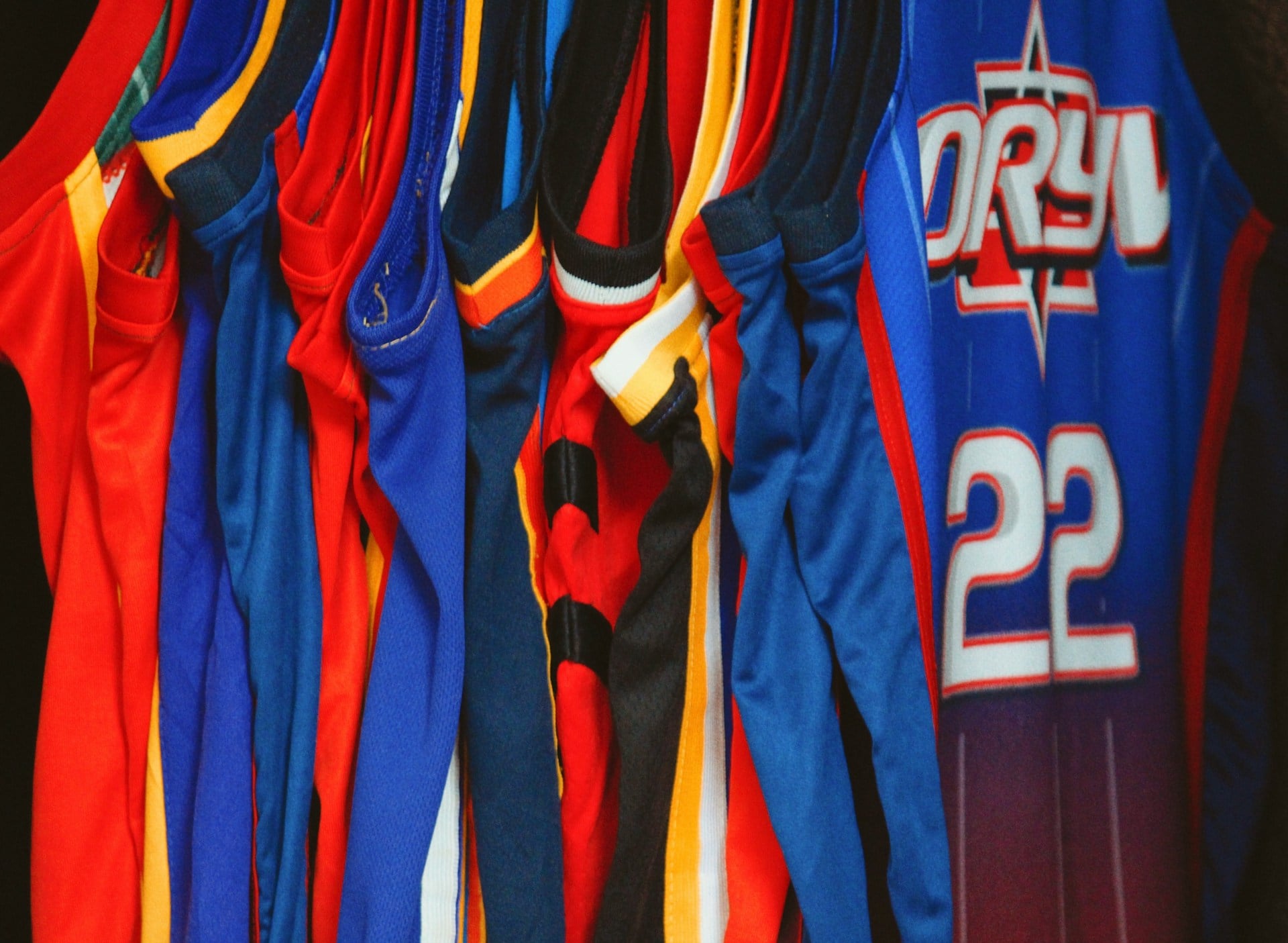
Teams started rolling out alternate uniforms to celebrate cities, causes, or anniversaries.
These special-edition jerseys often break the mold with bold designs or new colors.
They give fans something fresh and boost merchandise sales.
Some even become more popular than the main uniforms.
Throwback nights brought back the classics

Sports teams sometimes wear old-school uniforms to honor their history.
These throwback nights bring a wave of nostalgia to both players and fans.
Seeing old logos, fonts, and styles connects today’s game with its roots.
It’s a reminder of how far the uniforms—and the sport—have come.
Fans now shape what teams wear

Social media and online polls give fans a louder voice in uniform choices.
Teams often tease designs before releasing them.
Some even let fans vote on new looks.
It creates excitement and a sense of connection.
Uniforms are no longer just for players—they’re part of the fan culture too.
Eco-friendly materials entered the scene

As sustainability became more important, some leagues and teams began using recycled materials.
Uniforms made from plastic bottles or eco-friendly fabrics started to appear.
It’s still a growing trend, but it shows that sports aren’t ignoring global issues.
Performance and purpose can now go together.
Customization became part of the norm

Names on the back used to be a big deal.
Now, athletes can choose sleeve lengths, shoe colors, and even jersey cuts.
Some teams offer fans the same customization options.
This mix of personal style and team pride adds a new layer to sports fashion.
It’s not just about fitting in—it’s also about standing out.
From wool to wearable tech

Today’s uniforms sometimes include sensors and trackers built right into the fabric.
These tools help coaches monitor speed, movement, and even heart rate in real time.
What once seemed like science fiction is now part of training.
Uniforms have become part of the strategy, not just the look.
Wearing the past, playing for today

Uniforms in sports tell more than team stories—they reveal where the game has been and where it’s going.
From scratchy wool shirts to gear filled with sensors, the journey shows how much has changed.
But at the heart of it, uniforms still do what they always did: unite a team and excite the fans.
Each new trend builds on what came before, blending old pride with new energy.
And as long as sports keep evolving, uniforms will keep changing right alongside them.
More from Go2Tutors!

- The Romanov Crown Jewels and Their Tragic Fate
- 17 Halloween Costumes Once Considered Taboo
- Famous Hoaxes That Fooled the World for Years
- 15 Child Stars with Tragic Adult Lives
- 16 Famous Jewelry Pieces in History
Like Go2Tutors’s content? Follow us on MSN.