15 Curious Facts About Christmas Decorations
Every December, homes transform into spaces filled with twinkling lights, evergreen branches, and colorful ornaments. These decorations feel as natural to the season as snow and hot cocoa, yet most people never stop to wonder where they came from or why certain plants and objects became so connected to Christmas.
The traditions surrounding Christmas decorations stretch back centuries, blending pagan rituals with Christian symbolism and modern commercial influence. Some customs developed from practical needs while others grew from ancient myths and legends. Behind every wreath, light string, and glass ornament sits a story worth knowing. The decorations that fill homes today carry more history than most people realize. Each tradition arrived through its own unique path.
Trees were decorated with food first

Before glass ornaments existed, people hung edible items on their Christmas trees. Apples, nuts, cookies shaped like stars, and strings of popcorn covered the branches.
These treats served double duty as both decoration and snack. In Germany during the 1800s, families would bake gingerbread cookies in various shapes and hang them from tree branches using ribbons. When children behaved well, they could take a cookie as a reward. This practical approach to decorating meant nothing went to waste after the holidays ended.
Glass ornaments came from a German glassblower
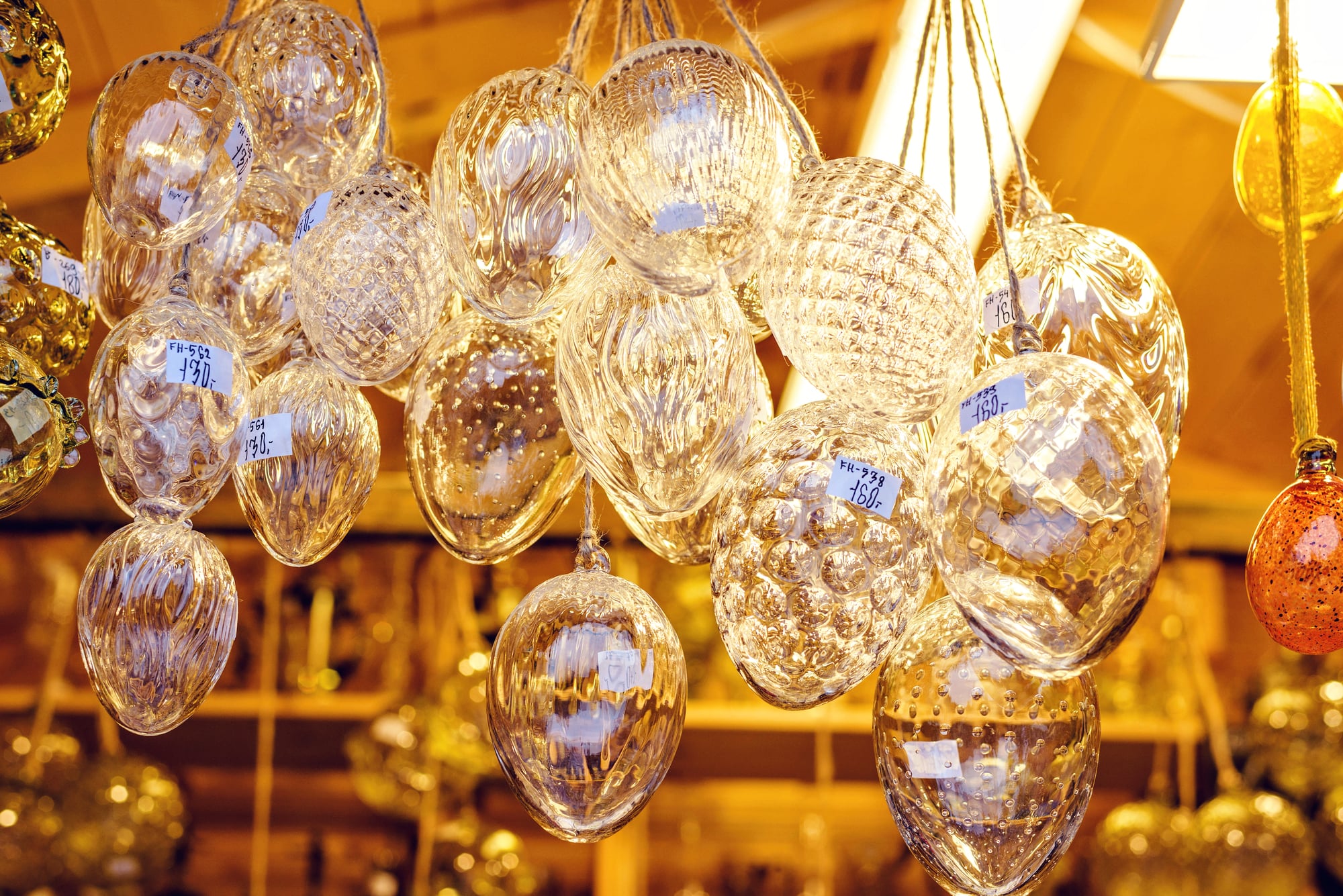
Hans Greiner started making glass ornaments called baubles in Germany during the 1800s, creating the first manufactured Christmas decorations. Before Greiner, ornaments were homemade or edible.
His glass creations caught on quickly because they looked beautiful and lasted year after year. By the 1880s, American stores like Woolworth’s imported these German glass ornaments because demand outpaced what American makers could produce. The glass ornament industry exploded, and soon ornaments came in countless shapes, from simple rounds to detailed figurines.
Electric lights replaced dangerous candles
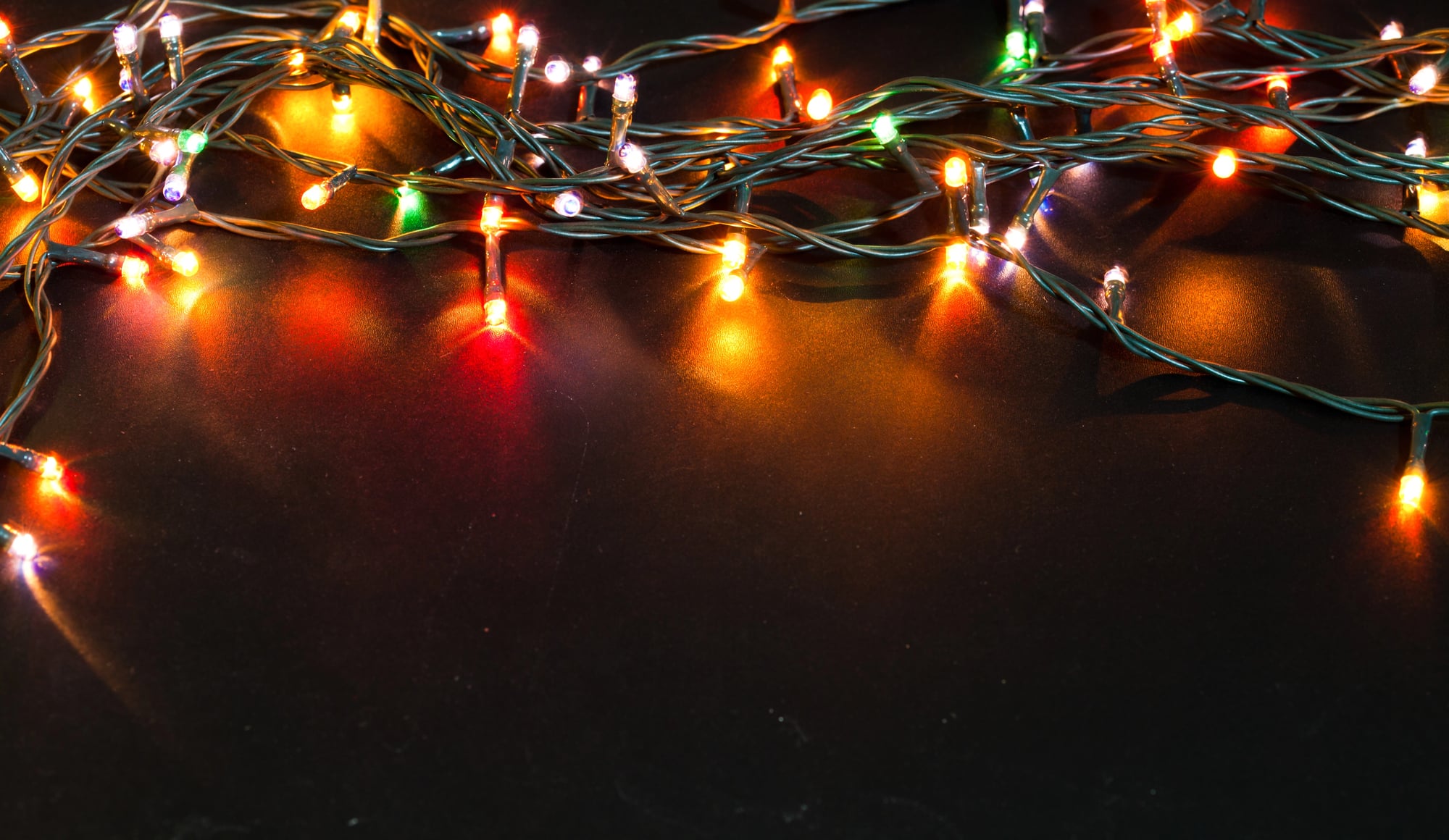
In 1882, Edward Johnson hand-wired 80 red, white, and blue light bulbs and strung them around his Christmas tree in New York City. This breakthrough came from Johnson’s friendship with Thomas Edison and his work with Edison’s electric company.
Before electric lights, families attached real candles to tree branches using clips or melted wax, which caused countless house fires every year. Until 1903, lighting a tree with electric lights cost about $2,000 in today’s money, making it a luxury only wealthy families could afford. General Electric changed everything when they started offering pre-assembled light kits that regular people could rent or buy.
Tinsel used to be real silver

In the early 1600s, German craftsmen made tinsel from thin strips of actual silver. They beat silver into incredibly thin sheets and cut it into narrow strips to drape over tree branches.
The shimmer was spectacular, but silver tarnished quickly and cost a fortune. By the 20th century, manufacturers switched to aluminum and eventually to the plastic tinsel available today. The original silver tinsel was so valuable that families carefully removed it after Christmas and stored it to use again the following year, treating each strand like the precious metal it was.
Candy canes started as white sticks

The candy cane originated around 1670 in Germany, shaped like a ‘J’ to represent the crooks of shepherds who visited baby Jesus. These early candy canes had no stripes, no peppermint flavor, and no color at all.
Around 1900, the red stripes and peppermint flavoring were added. The addition of red created the festive look people recognize today, and the minty taste made them more appealing as holiday treats. Churches originally gave them to children during long Christmas services to keep them quiet and occupied.
Mistletoe’s name means something gross

The word mistletoe comes from Anglo-Saxon terms meaning bird droppings on a twig. According to British lexicographer Susie Dent, mistletoe ‘literally means bird poop on a twig’.
This unromantic origin reflects how mistletoe spreads in nature. Birds eat the berries, fly to another tree, and deposit the seeds in their droppings. The seeds then grow on the host tree’s branches, which is where people find mistletoe to harvest. Ancient druids considered mistletoe a powerful plant, especially when found growing on oak trees, and they harvested it with golden sickles during special ceremonies.
Wreaths represented victory in ancient Rome

For the Romans, wreaths were associated with victory and honor, with laurel wreaths crowning the heads of victorious warriors and statesmen. The circular shape symbolized eternal life and the endless cycle of seasons.
Romans used evergreen wreaths during winter solstice festivals called Saturnalia. When Christianity spread, these pagan symbols transformed into Christian decorations. The circular shape came to represent eternal life through Christ, while the evergreen branches symbolized hope during the darkest months. By the 16th century, Germans were hanging wreaths on their doors during Advent, and the practice spread across Europe and eventually to America.
Poinsettias got famous through television

Paul Ecke sent poinsettia plants to television shows in Los Angeles like ‘The Tonight Show’ and ‘The Bob Hope Show’ to decorate their sets for Thanksgiving and Christmas. This marketing genius from San Diego County made poinsettias synonymous with Christmas in America.
Before Ecke’s promotional campaign, most Americans had never seen these Mexican plants. The legend behind poinsettias tells of a poor Mexican girl who brought weeds to church on Christmas Eve. When she placed them on the altar, they miraculously transformed into beautiful red flowers. While the plant’s natural habitat is Mexico, its connection to American Christmas celebrations came entirely through mid-century television exposure.
The first electric tree display drew crowds
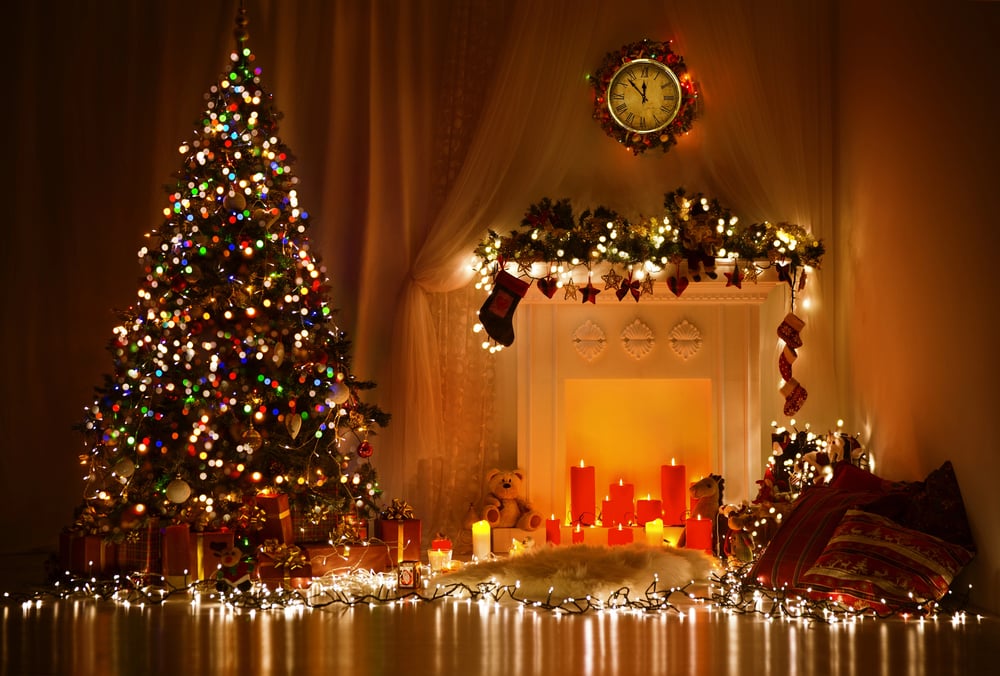
When Edward Johnson lit up his tree in 1882, people stopped on the street to stare through his parlor window. A reporter wrote that the tree was ‘brilliantly lighted with eighty lights in all encased in these dainty glass eggs, and about equally divided between white, red and blue’.
Johnson placed the tree on a revolving pedestal so it would slowly turn while the lights blinked on and off. The spectacle was unlike anything people had seen before. Johnson repeated the display every year, always making it bigger. By 1884, he had 120 bulbs on his tree. His publicity stunt worked, though it would take decades before regular families could afford electric Christmas lights.
Holly leaves represent something painful
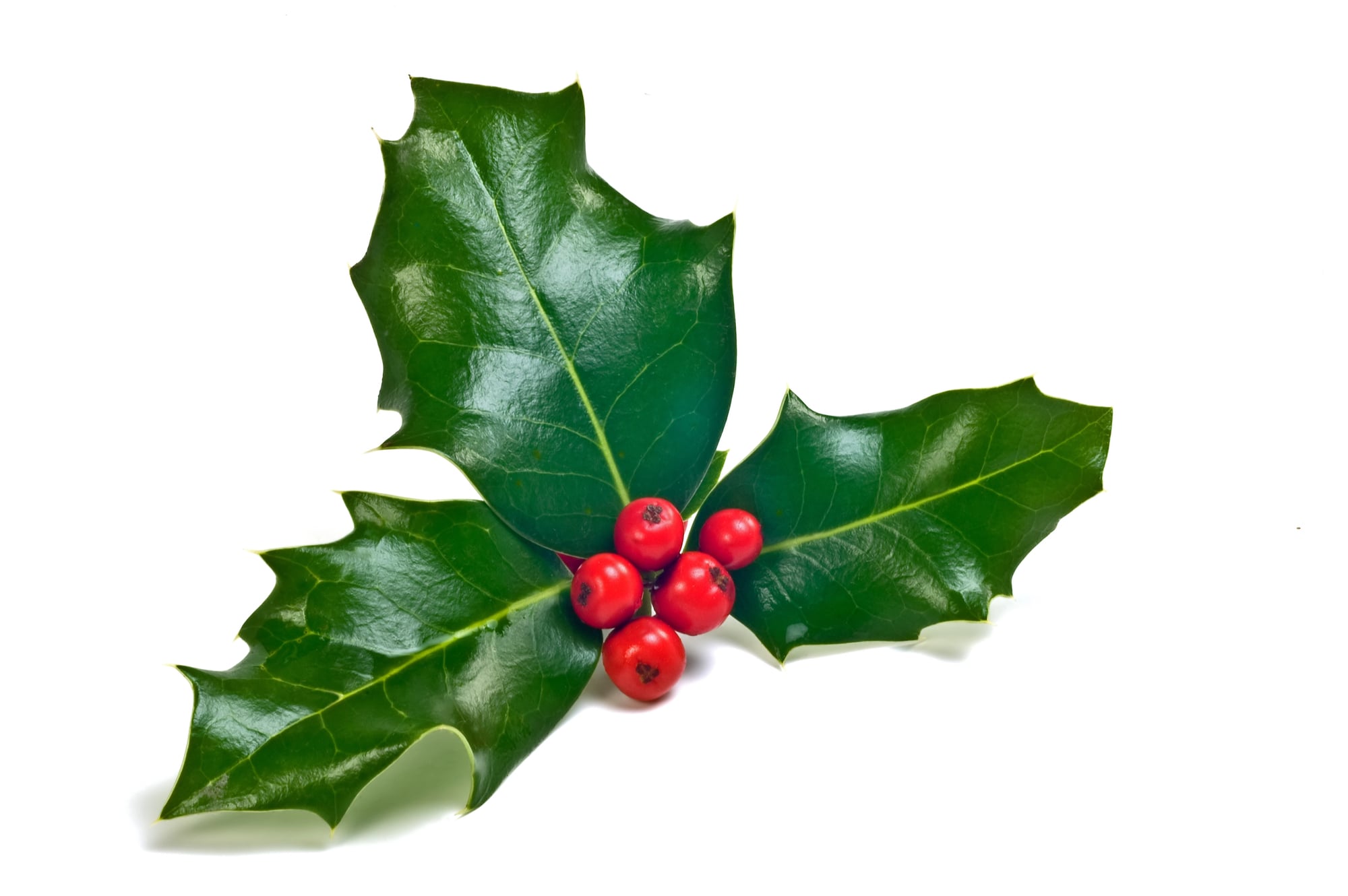
Christians interpreted holly’s spiky leaves as symbols of the crown of thorns Jesus wore. The red berries represented drops of blood.
This religious symbolism transformed a plant that ancient Romans and Druids used in pagan winter celebrations into a Christmas decoration. Holly stays green year-round, which made it special to ancient peoples who saw most plants die during winter. They brought holly branches inside as reminders that life would return in spring. The plant’s ability to thrive in cold weather made it perfect for winter decorations, whether for pagan solstice festivals or Christian Christmas celebrations.
Bubble lights came about back in the 1940s
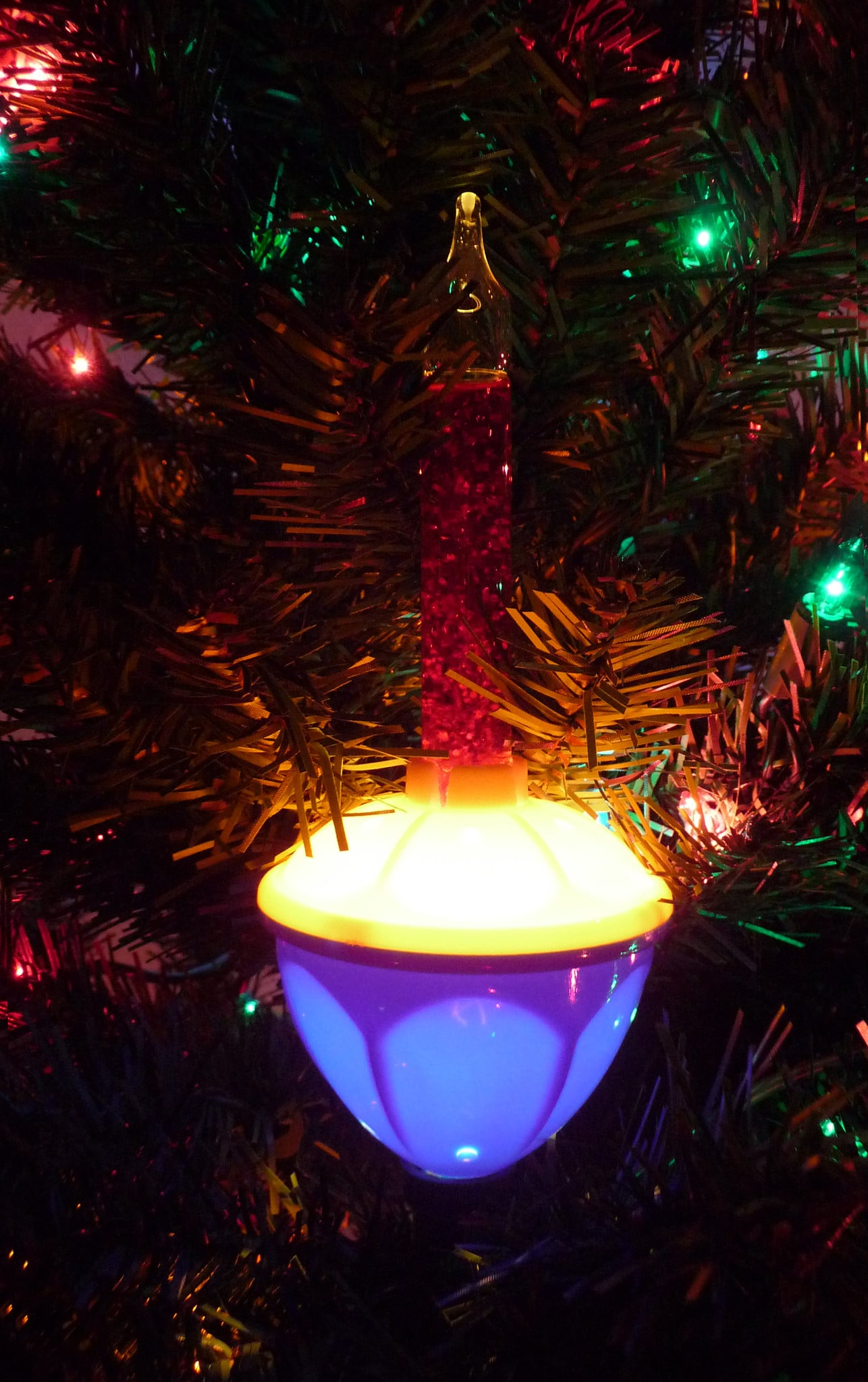
Carl Otis, from near Chicago, came up with unique bubble lamps that caught on fast after WWII. Inside these lights, fluid warmed up once powered, making bubbles rise slowly – kinda hypnotic to watch.
Starting around the late ’40s, NOMA began selling them; folks across the U.S. snapped them up since they felt fresh and fun. By 1950, when he no longer held the patent rights, Otis shifted gears and started running a small craft store. Then during the ’50s and into the ‘60s, shiny aluminum Christmas trees got trendy – but many hesitated using electric bubbling lights nearby due to shock risks. That fear helped drag down sales, which played a part in NOMA folding for good by 1966.
Advent wreaths feature particular shades of candles

Plenty of churches plus some Christian households set up Advent wreaths – these often have three purple candles along with a pink one, yet you’ll sometimes see red, green, or white ones instead.
It’s a habit that kicked off in the 1800s, although it ties back to traditions from the 1500s; back then, folks used a pine ring holding 24 flames – one for every day leading to Christmas beginning December 1st. Keeping track of two dozen candles was tricky, which made people switch to just four, each standing for an Advent Sunday. On the first Sunday, they’d fire up only the initial wick; by week two, both the first and second got lit, building like that till all four glowed on the last Sunday before the holiday. A few designs add a central white candle meant for Jesus – it gets lit fresh on Christmas morning.
Outdoor light displays started in California

The very first outdoor electric Christmas lights went up thanks to Frederick Nash along with the Pasadena Chamber of Commerce – over on Santa Rosa Avenue in Altadena, California. That spot, known as Christmas Tree Lane, lit up somewhere near 1920.
Ever since then, it’s stayed glowing every year, aside from blackout years in WWII. It kicked off America’s habit of flashy yard decorations for the holidays. Until that moment, holiday bulbs were only seen inside homes, strung on tree branches. In the 1950s, mass-built neighborhoods pushed yard decor into the spotlight – people tried to outdo their neighbors with flashier setups. Thanks to stronger postwar earnings, average households had extra cash for festive items, so what once felt unusual became common across suburbs.
Kissing under the mistletoe came with certain conditions
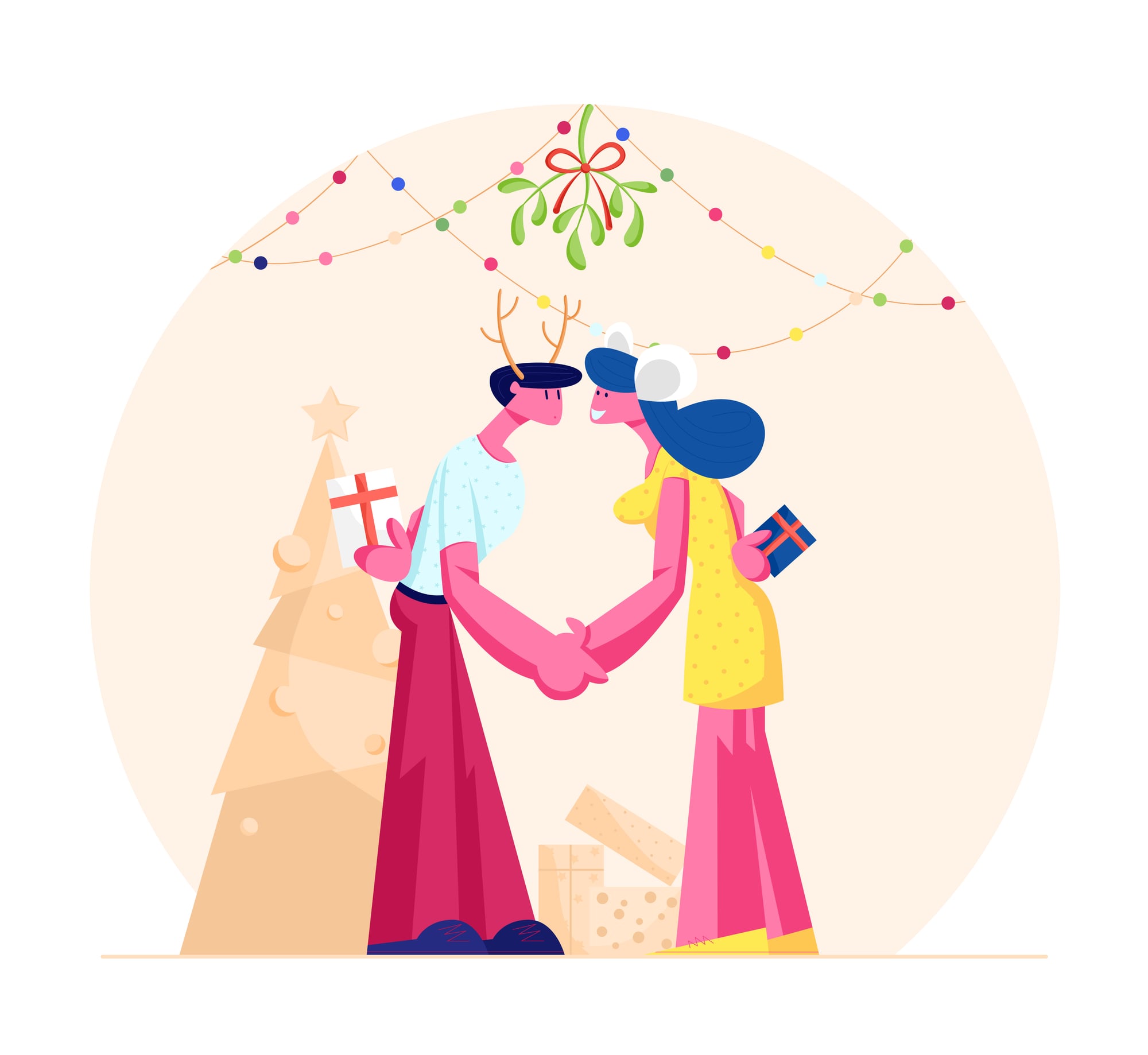
In 18th-century England, blokes got to peck a lass beneath the mistletoe – only if she agreed. Each smooch had rules though: one berry picked meant one kiss on the cheek, yet once berries ran out, so did chances for kissing.
That’s what kept things from going too far. It ties back to old Norse tales, where Frigg, a mother goddess, turned mistletoe into a token of affection after her son Baldur died then came back because of it. Ancient druids picked mistletoe during rituals – since they thought it shielded people from harm. It lives off other trees, feeding on them slowly, so old cultures saw it as mysterious. While growing without soil, it looked supernatural back then.
Cotton stuffing decorated toys covered sweet containers

Cotton batting ornaments took off when Germany’s holiday toy market exploded near 1900, shipping tons to America. They resembled little clouds of frost.
Families often made them at home – wrapping fluffy cotton onto thin metal shapes of creatures or people. Crafters either drew features by hand or glued on paper pictures, followed by outfits from crinkled paper. A few were dusted with shiny mica bits instead of glitter. The smart bit? Certain decorations hid little candy boxes. Once Christmas passed, kids could break open their ornament to discover sweets within – so they worked as trim plus unexpected presents.
Old ways mix with new tools

Families often keep old glass baubles from past generations while setting up smart lights you control by talking. Wreaths made of pine branches have been around forever, yet now they stand beside blow-up snowmen on front lawns.
Back then, people used flames that could easily start fires – today’s strings can blink all night without risk. Traditions stick around, even when tech changes how we celebrate them. The decor isn’t really about looks – it’s about meaning. It shows how people crave comfort, joy, or color when days get short and skies stay gray. Each trinket put up, each strand of bulbs powered on links now with folks long ago doing just this. They used what was around them – whatever tools, stuff, or tricks their era had.
More from Go2Tutors!

- The Romanov Crown Jewels and Their Tragic Fate
- 13 Historical Mysteries That Science Still Can’t Solve
- Famous Hoaxes That Fooled the World for Years
- 15 Child Stars with Tragic Adult Lives
- 16 Famous Jewelry Pieces in History
Like Go2Tutors’s content? Follow us on MSN.



