How Long Famous Landmarks Took to Build
Walking past an ancient cathedral or standing beneath a towering monument makes people wonder about the hands that built it. These structures didn’t appear overnight.
Thousands of workers spent years, sometimes entire lifetimes, hauling stones, mixing mortar, and perfecting details that tourists now snap photos of in seconds. The time it took to complete these landmarks often tells a story just as fascinating as the buildings themselves.
Some took mere years while others spanned generations. Here are the timelines behind some of the world’s most recognizable structures.
The Great Wall of China
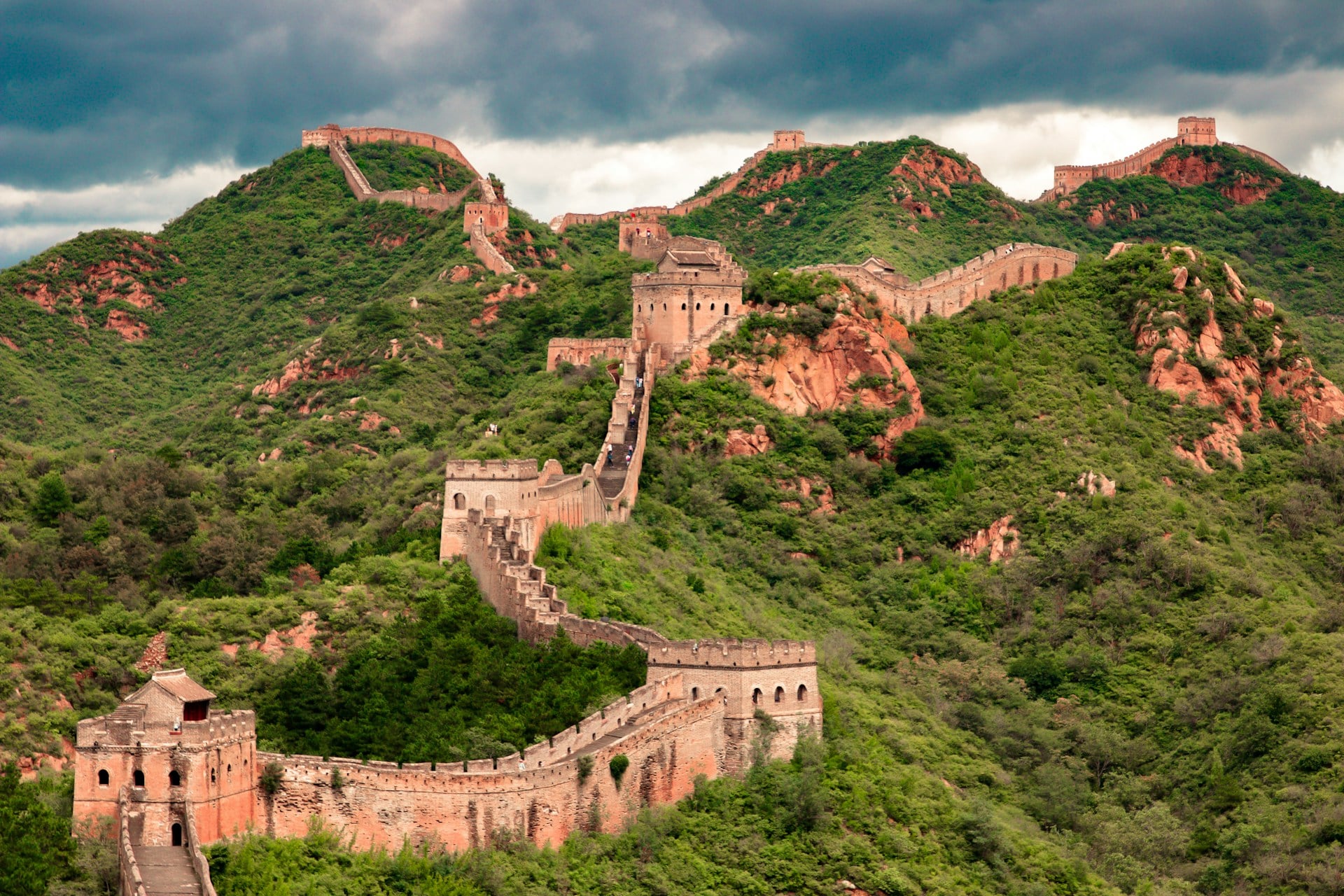
This massive defensive barrier took over 2,000 years to reach its final form, though calling it one continuous project would be misleading. Different Chinese dynasties built different sections starting around the 7th century BC, with the most famous parts constructed during the Ming Dynasty between 1368 and 1644.
Workers didn’t just stack stones in a line. They created a complex system of walls, watchtowers, and fortifications stretching roughly 13,000 miles across mountains, deserts, and plains.
Millions of laborers worked on various sections over the centuries, and many died during construction.
The Taj Mahal
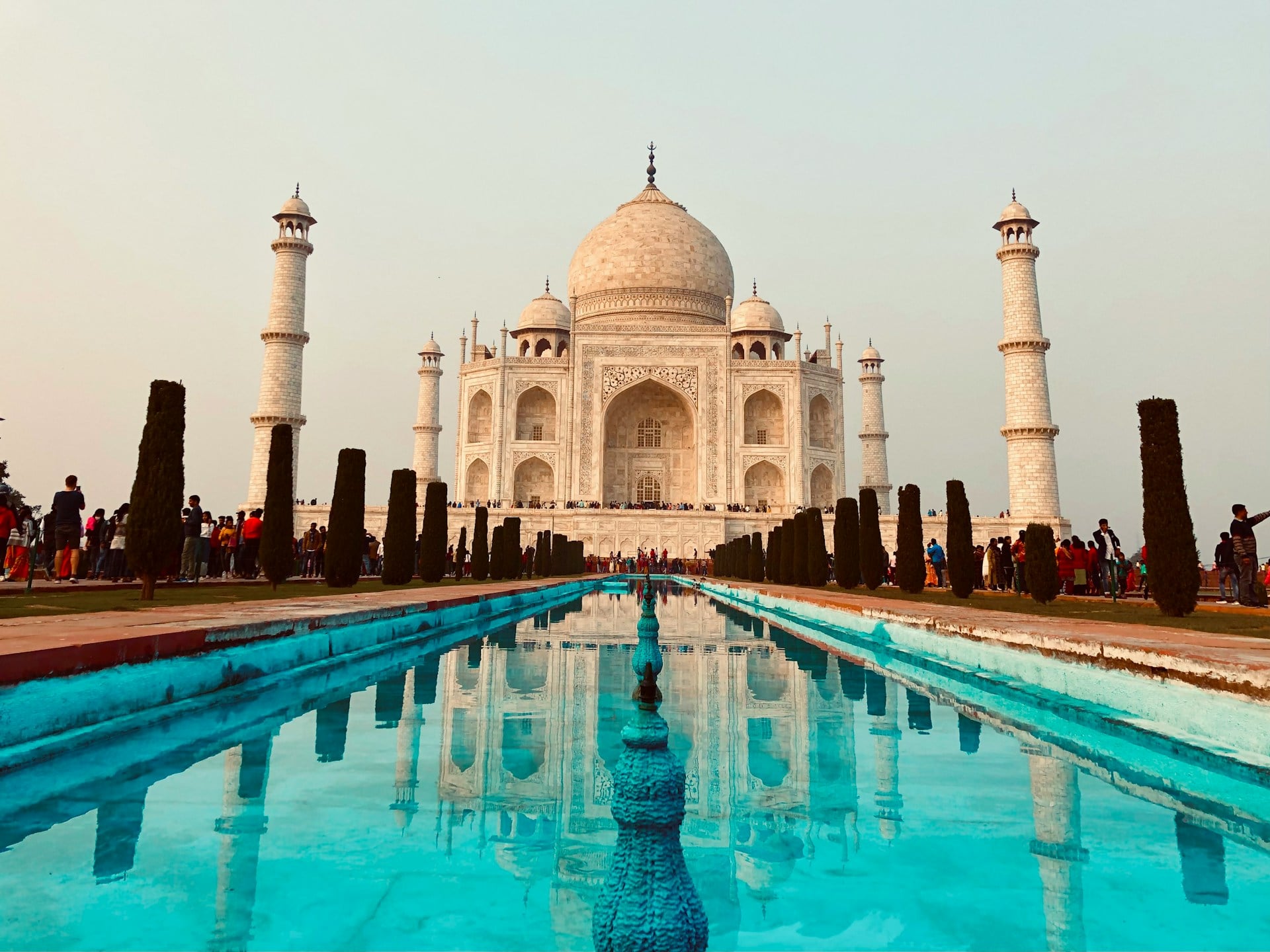
Emperor Shah Jahan wanted a tomb worthy of his beloved wife Mumtaz Mahal, so he commissioned what became India’s most famous building. Construction began in 1632 and wrapped up around 1653, taking roughly 21 years from start to finish.
About 20,000 workers and 1,000 elephants hauled white marble and precious stones to the site in Agra. The main structure took about 12 years while the surrounding complex and gardens needed another decade.
Every intricate detail, from the inlaid gemstones to the carved screens, required painstaking craftsmanship that couldn’t be rushed.
Notre-Dame Cathedral
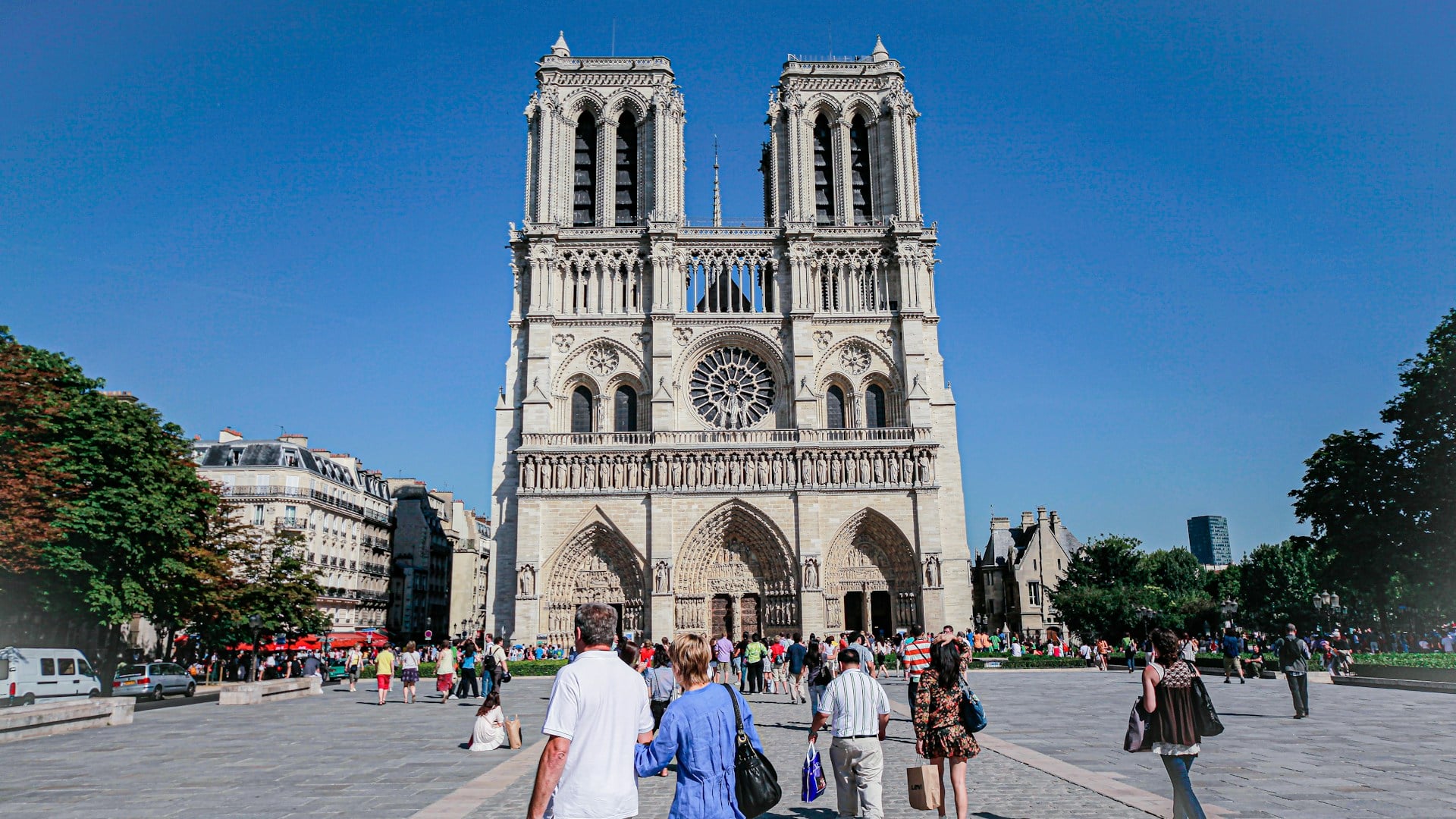
Paris wouldn’t look the same without Notre-Dame’s Gothic towers rising above the Seine River. Construction started in 1163 under Bishop Maurice de Sully and continued for nearly 200 years, finally finishing around 1345.
The cathedral went through multiple building phases as architectural styles evolved and funding came and went. Medieval construction moved slowly because workers relied on hand tools, animal power, and human strength to lift massive stones into place.
Different generations of craftsmen added their touches, creating a building that represents centuries of changing tastes and techniques.
The Colosseum
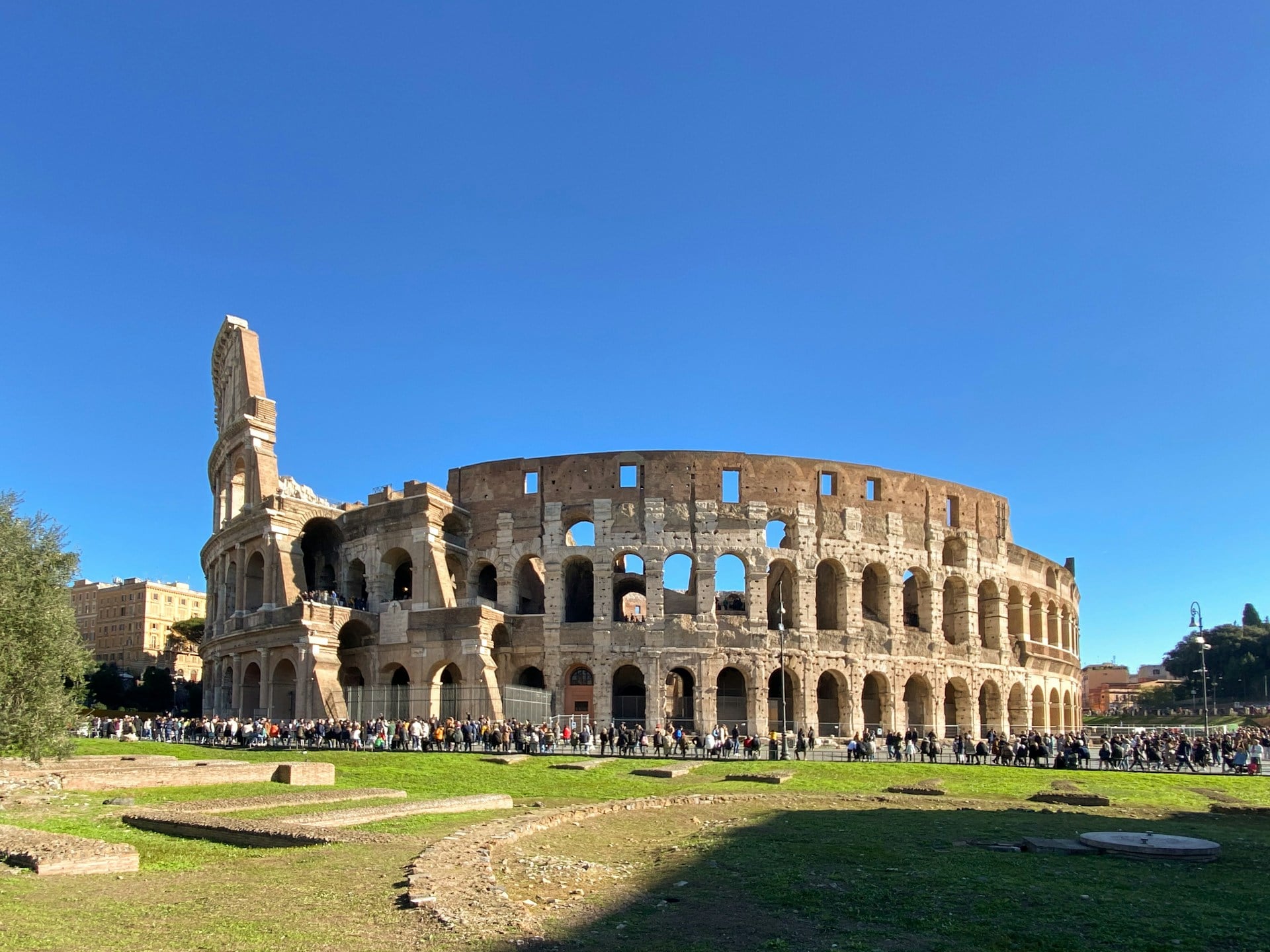
Roman emperors knew how to make a statement, and the Colosseum definitely qualified as one. Emperor Vespasian started construction around 70 AD, and his son Titus opened it to the public in 80 AD, making the timeline roughly 10 years.
The Romans employed somewhere between 60,000 and 100,000 Jewish slaves captured during wars to do much of the heavy lifting. This arena could hold 50,000 spectators who came to watch gladiator fights and other public spectacles.
The speed of construction impressed everyone, especially considering the building’s size and the limited technology available at the time.
Stonehenge
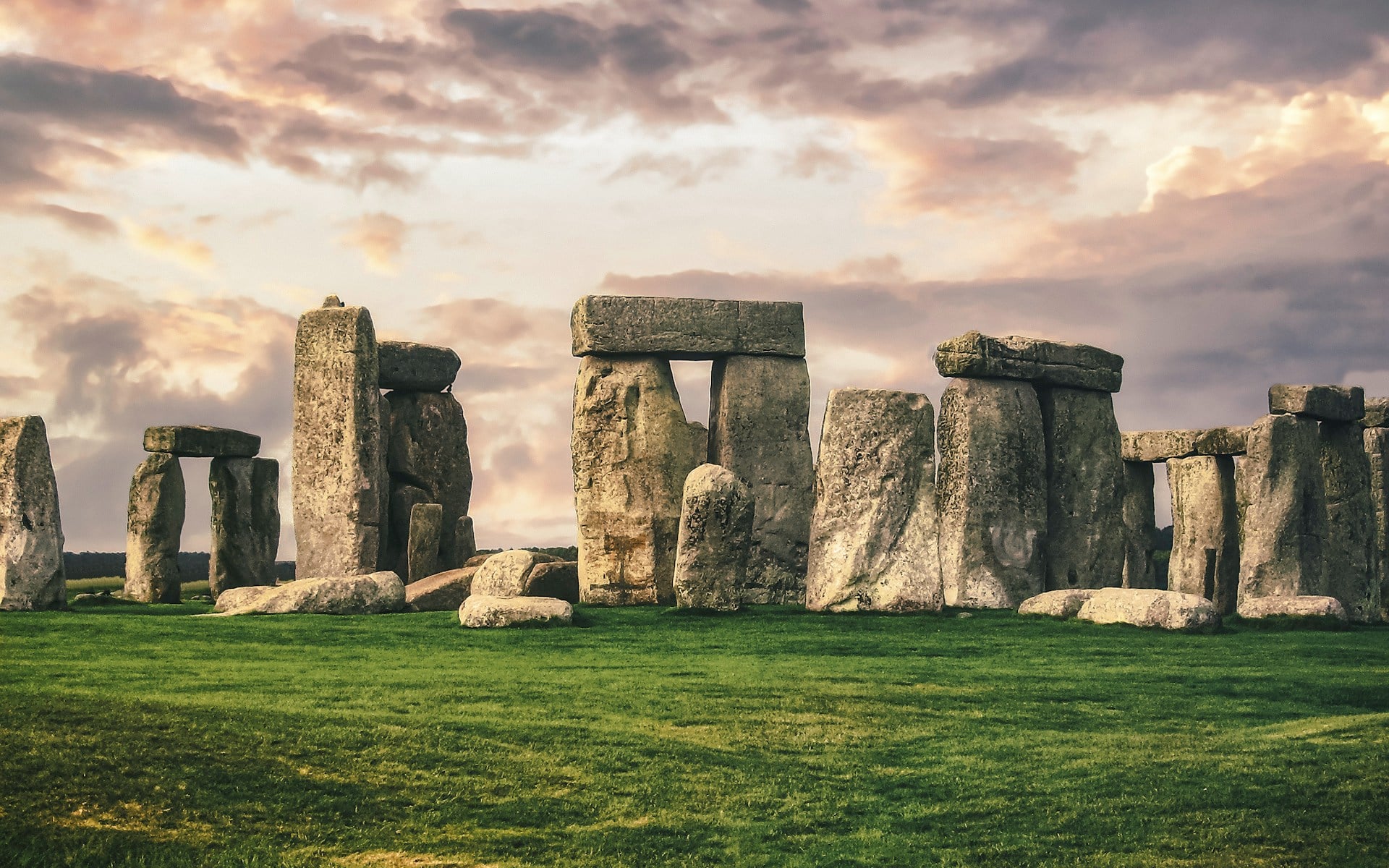
The mysterious stone circle in England confuses archaeologists because nobody knows exactly who built it or why. Construction happened in several stages starting around 3000 BC and continuing until roughly 1600 BC, spanning about 1,400 years total.
The earliest phase involved digging a circular ditch and bank, while later builders added the massive standing stones that define the monument today. Some stones traveled nearly 200 miles from Wales to the site in southern England.
Different groups of ancient peoples modified and added to Stonehenge over many generations, each leaving their mark on the landscape.
The Empire State Building
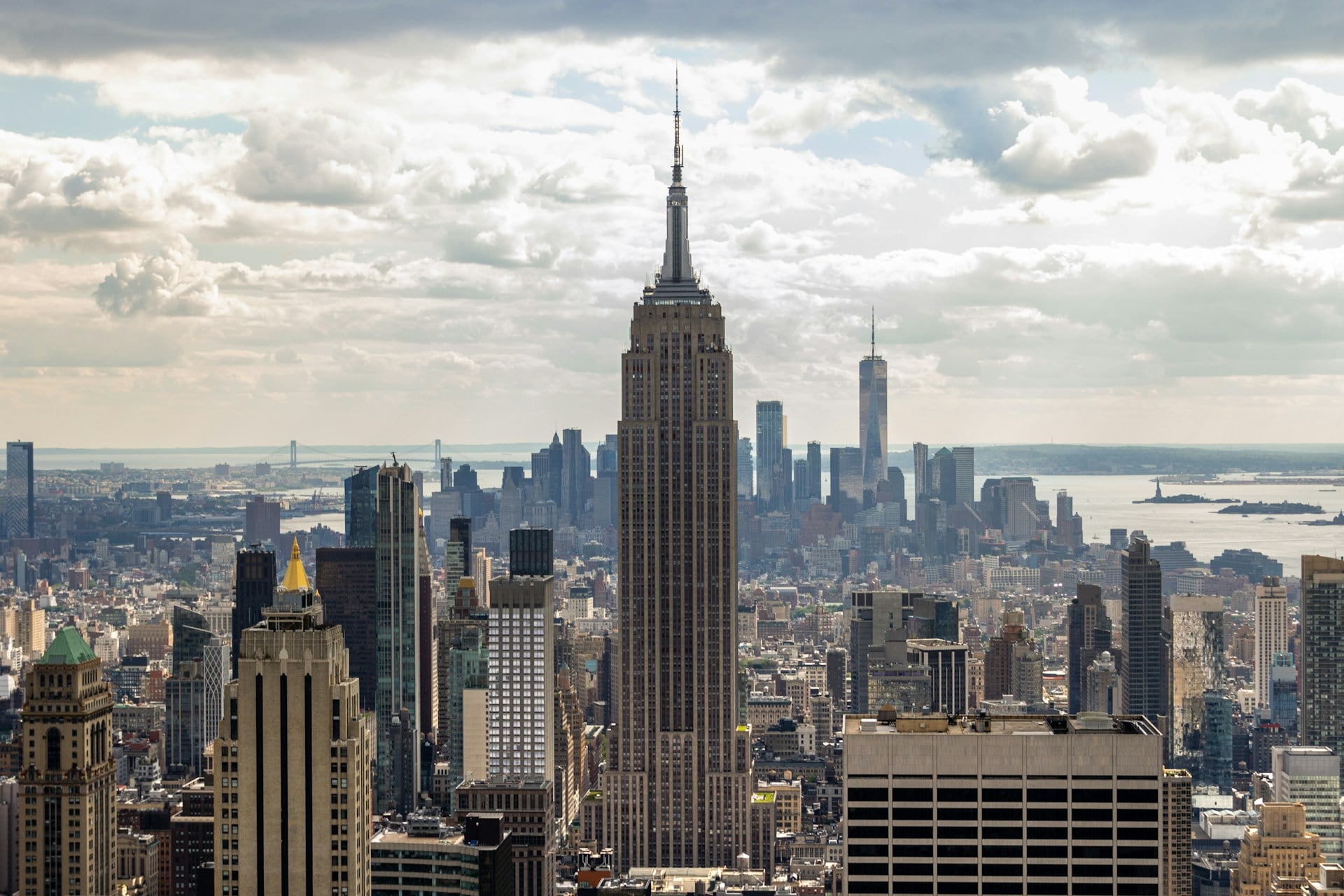
New York City’s race to build the world’s tallest building in the 1930s created one of construction’s most impressive speed records. Workers broke ground in March 1930 and completed the building by April 1931, taking just 13 months total.
The project employed about 3,400 workers during peak construction, with teams working simultaneously on different floors. Builders added an average of 4.5 floors per week, a pace that seems almost impossible even with modern equipment.
The Great Depression actually helped because materials cost less and workers desperately needed jobs, making labor abundant and motivated.
Angkor Wat
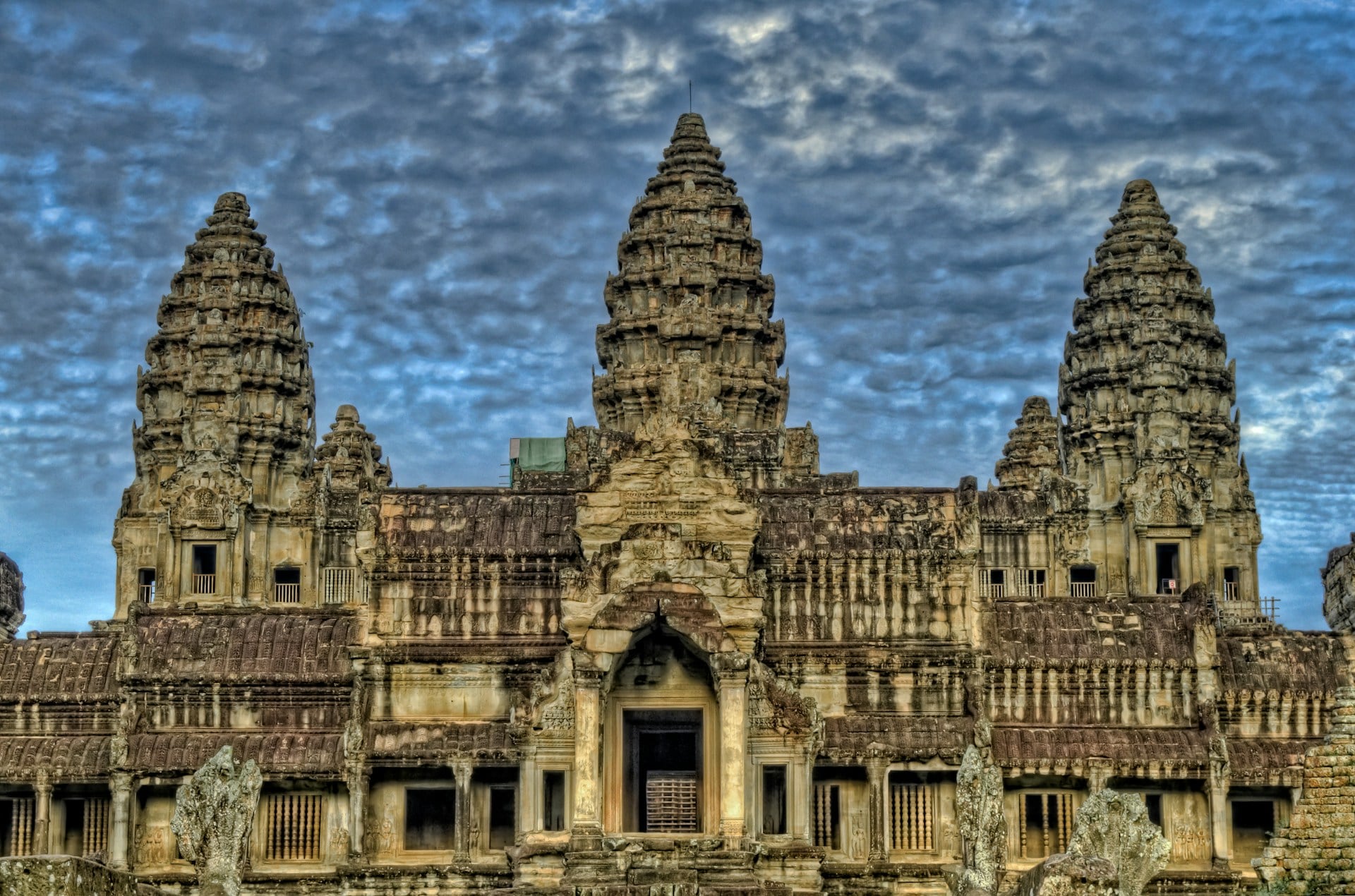
Cambodia’s temple complex stands as the largest religious structure ever built, covering about 400 acres of jungle. King Suryavarman II commissioned the Hindu temple in the early 12th century, with construction lasting from roughly 1113 to 1150, about 37 years.
Thousands of workers quarried sandstone blocks from a site 25 miles away and transported them using elephants, rafts, and human labor. The temple’s intricate carvings cover nearly every surface, depicting Hindu mythology and historical events.
Building it required organizing a massive workforce and maintaining consistent funding throughout multiple decades.
The Sydney Opera House
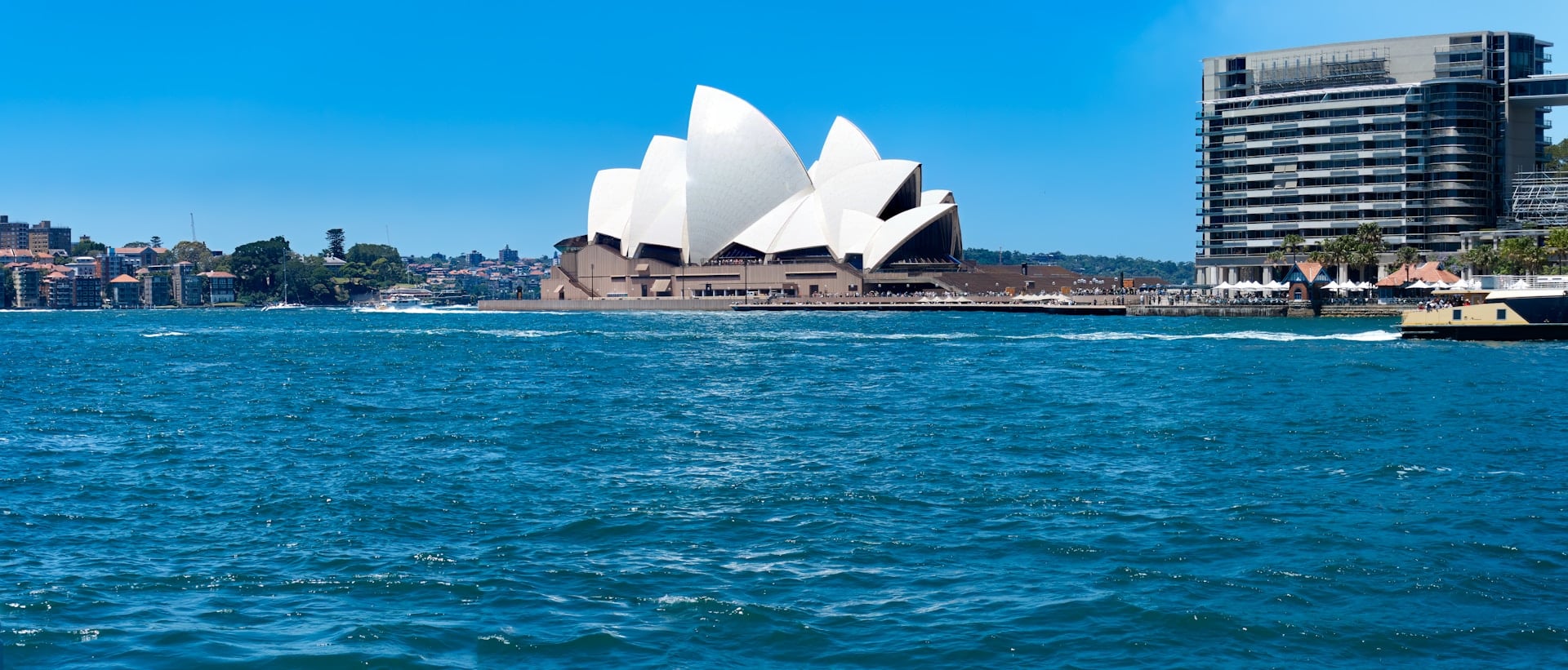
This modern icon almost bankrupted Australia and drove its architect to quit before completion. Construction began in 1959 with an estimated four-year timeline and a budget of $7 million Australian dollars.
The building actually took 14 years to complete, opening in 1973, and cost $102 million Australian dollars. Danish architect Jørn Utzon designed those distinctive sail-like shells, but engineering them proved far more complex than anyone anticipated.
The project faced constant delays, budget overruns, and political interference, eventually causing Utzon to resign in frustration and never see his masterpiece finished.
Mount Rushmore
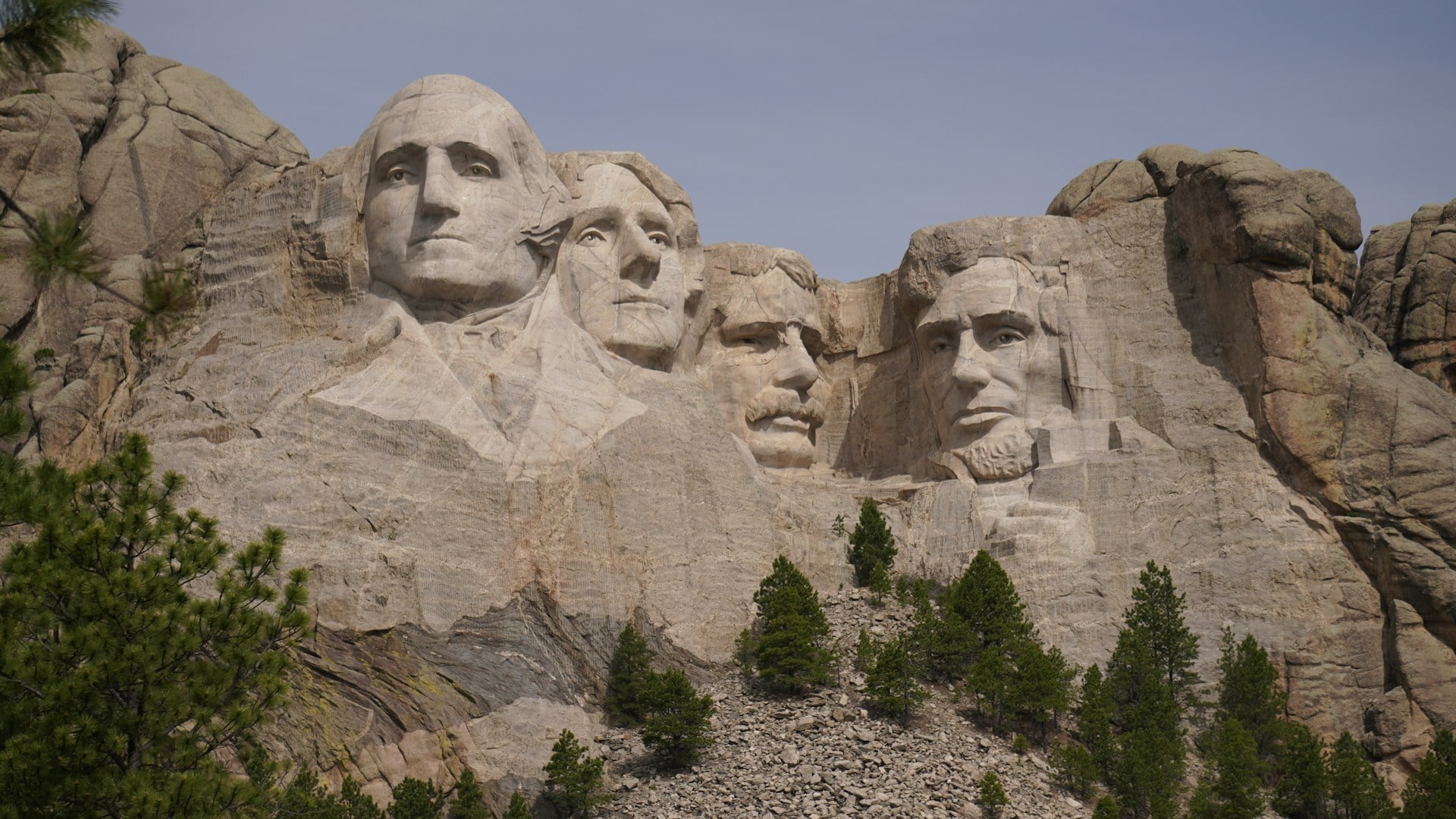
Carving four presidents’ faces into a South Dakota mountain sounds ambitious, and the timeline proves it. Sculptor Gutzon Borglum and about 400 workers started blasting and chiseling in 1927 and finished in 1941, taking 14 years total.
The project only involved actual carving for about six and a half years because funding shortages caused frequent work stoppages. Workers dangled from ropes while using jackhammers and dynamite to remove 450,000 tons of rock.
Each president’s face stands about 60 feet tall, and Borglum died just months before completion, leaving his son Lincoln to finish the final touches.
Sagrada Familia
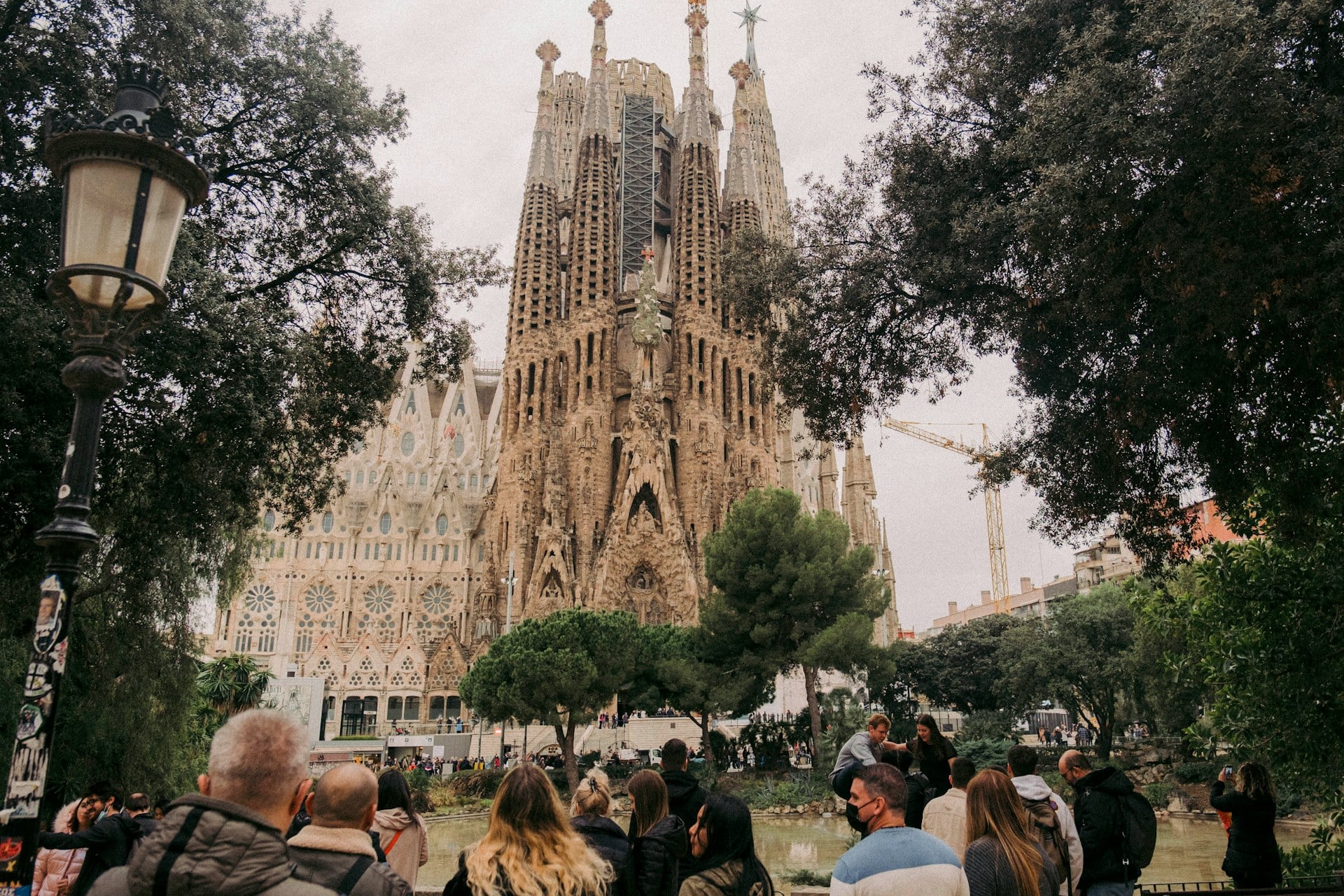
Barcelona’s most famous church has been under construction since 1882 and still isn’t finished, making it one of history’s longest-running building projects. Architect Antoni Gaudí took over the project in 1883 and devoted the rest of his life to it until his death in 1926.
The current completion date is for 2026, which would make the total timeline 144 years. Gaudí created such complex and unique designs that modern builders need computer modeling to figure out his intentions.
The Spanish Civil War, funding issues, and the sheer difficulty of Gaudí’s vision all contributed to the extended timeline.
The Panama Canal
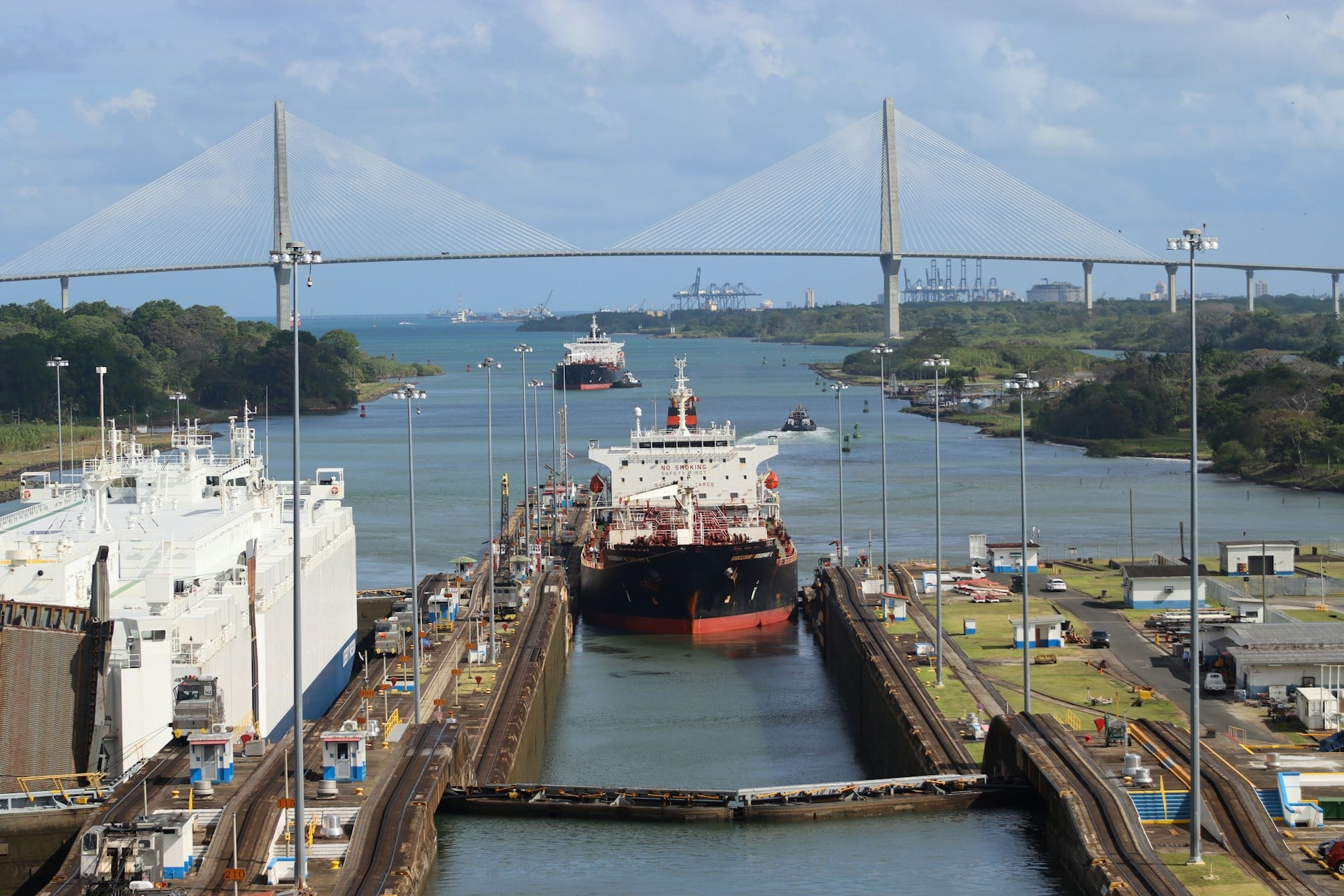
Connecting the Atlantic and Pacific Oceans through Central America proved to be one of engineering’s greatest challenges. The French started digging in 1881 but abandoned the project after losing roughly 22,000 workers to disease and accidents.
The United States took over in 1904 and completed the canal in 1914, taking 10 years under American management. Workers excavated over 200 million cubic yards of earth and rock, fighting mudslides, floods, and tropical diseases the entire time.
The project required building massive locks, taming a wild river, and essentially splitting a continent in half.
Big Ben
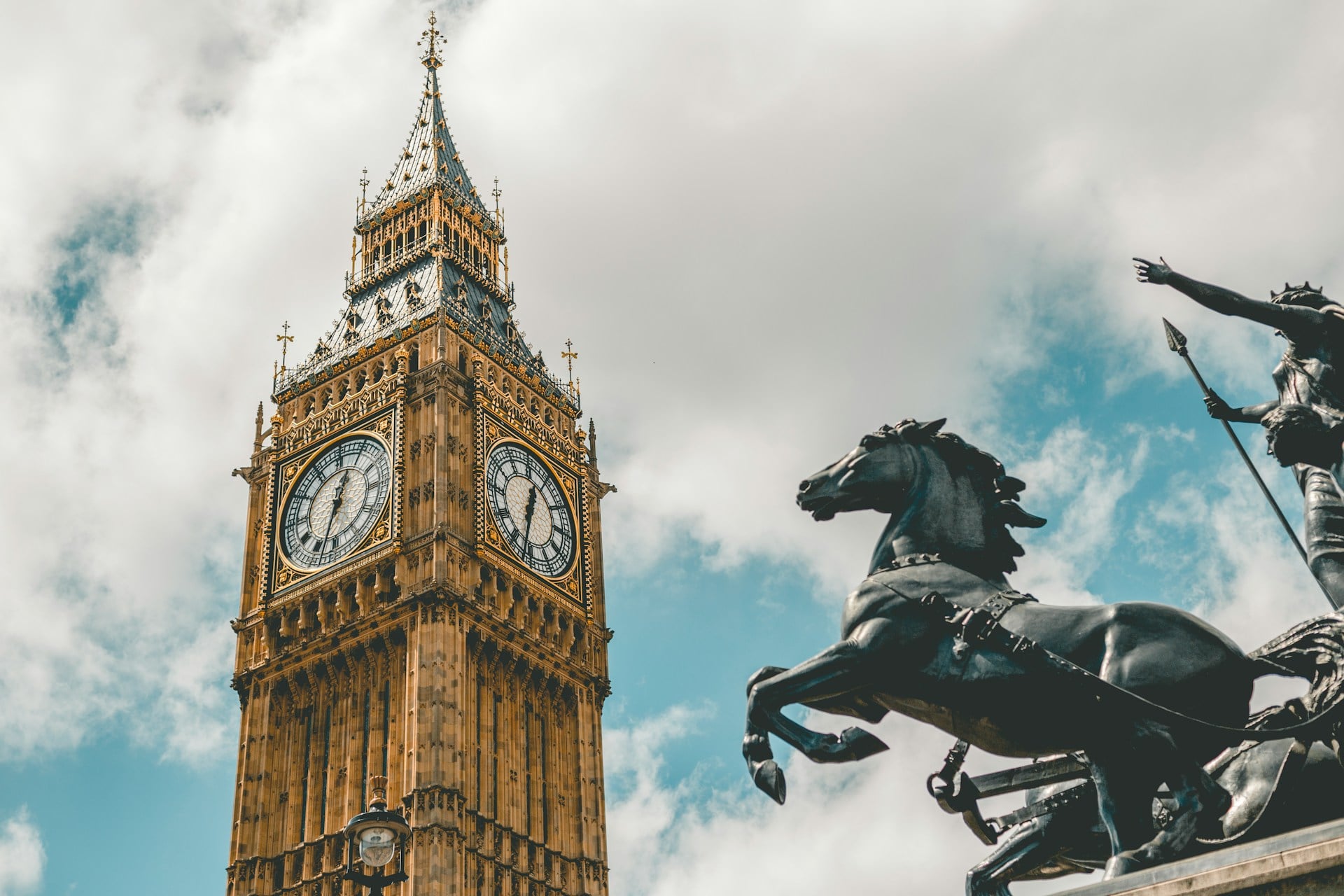
London’s famous clock tower actually got built relatively quickly compared to many landmarks. Construction began in 1843 and finished in 1859, taking about 16 years from start to completion.
The tower itself only needed about 13 years, but the massive clock and bells required additional time for installation and testing. The tower stands 316 feet tall and contains over 8,000 tons of brickwork.
Charles Barry designed the tower as part of rebuilding the Houses of Parliament after a fire destroyed the old structure. The famous bell called Big Ben cracked shortly after installation and had to be rotated to use an undamaged section.
Machu Picchu

The Inca built this mountain city in Peru during the mid-1400s, though exact dates remain debated. Most historians believe construction took place between 1450 and 1460, making the timeline roughly 10 years.
The Inca constructed the entire complex without wheels, iron tools, or written plans, relying instead on precisely cut stones that fit together without mortar. Workers shaped granite blocks using harder stones and bronze tools, then hauled them up steep mountain paths.
The site sits about 8,000 feet above sea level, making every aspect of construction exponentially more difficult.
Hoover Dam
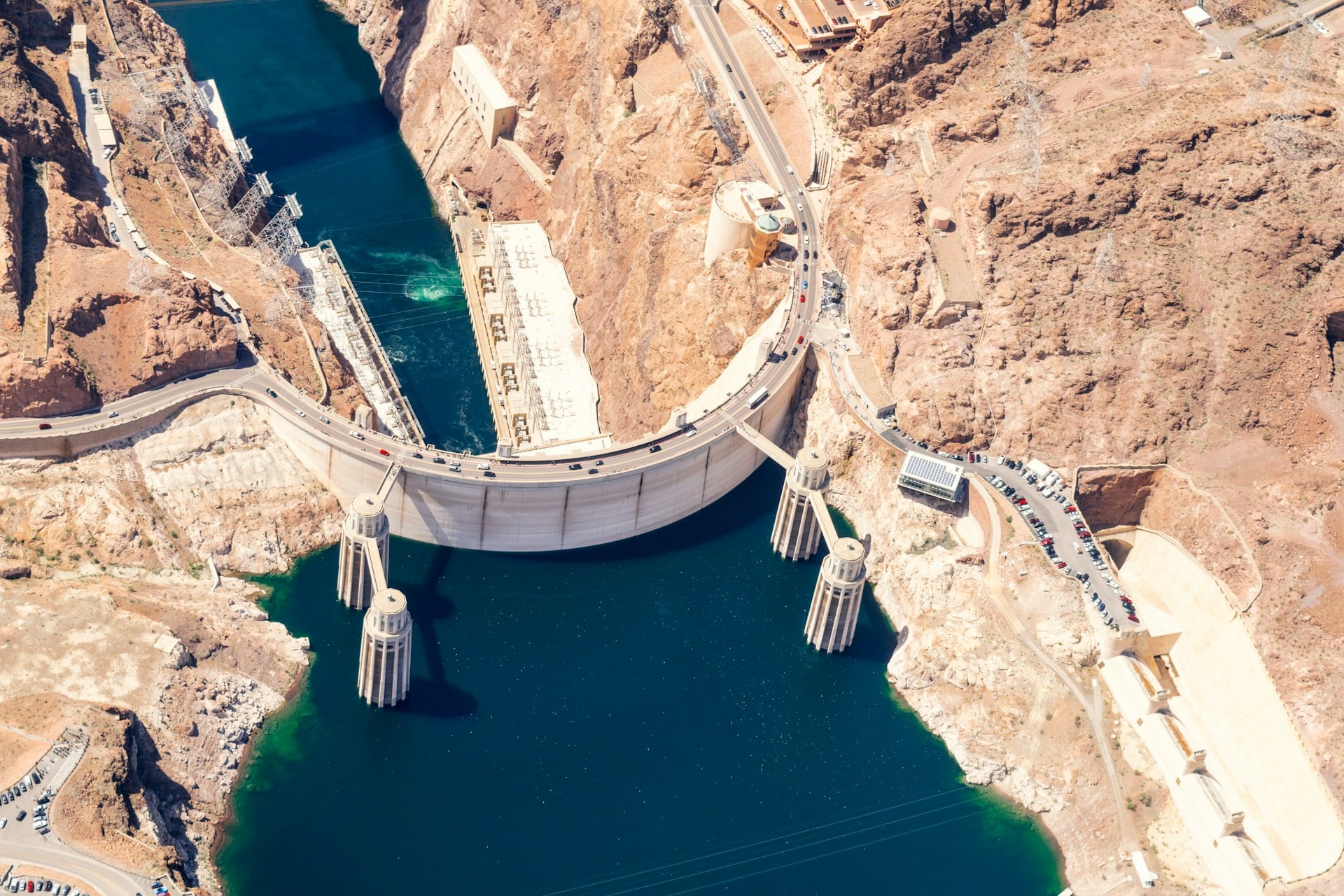
The Great Depression gave America this massive concrete structure that tamed the Colorado River. Construction started in 1931 and finished in 1936, taking five years despite predictions it would need seven.
About 21,000 workers labored in brutal desert heat, with temperatures often exceeding 120 degrees Fahrenheit inside the canyon. The dam contains enough concrete to pave a highway from San Francisco to New York City.
Workers poured the concrete in sections because if they’d poured it all at once, it would have taken 125 years to cool and cure properly.
The Leaning Tower of Pisa
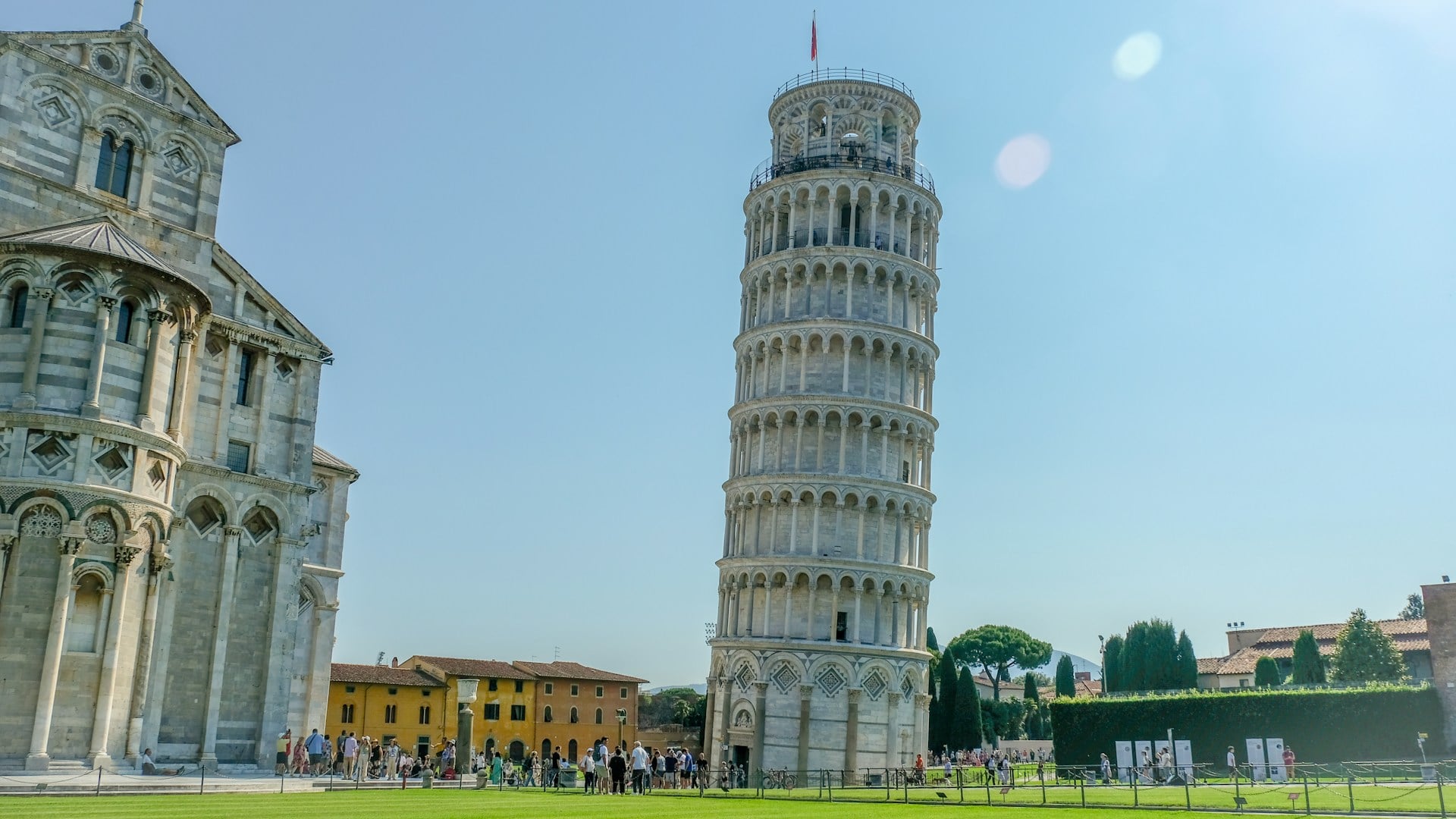
This famous tower took so long to build partly because it kept sinking into the ground. Construction began in 1173 but stopped after just three floors when the soil beneath started giving way.
Building resumed in 1272, nearly a century later, with architects trying to correct the lean by making one side taller. The tower finally got completed in 1372, making the total timeline 199 years.
The soil contained clay, fine sand, and shells, creating an unstable foundation that nobody anticipated. Engineers spent centuries trying to stabilize the tower, and it now leans at about 4 degrees from vertical.
Christ the Redeemer
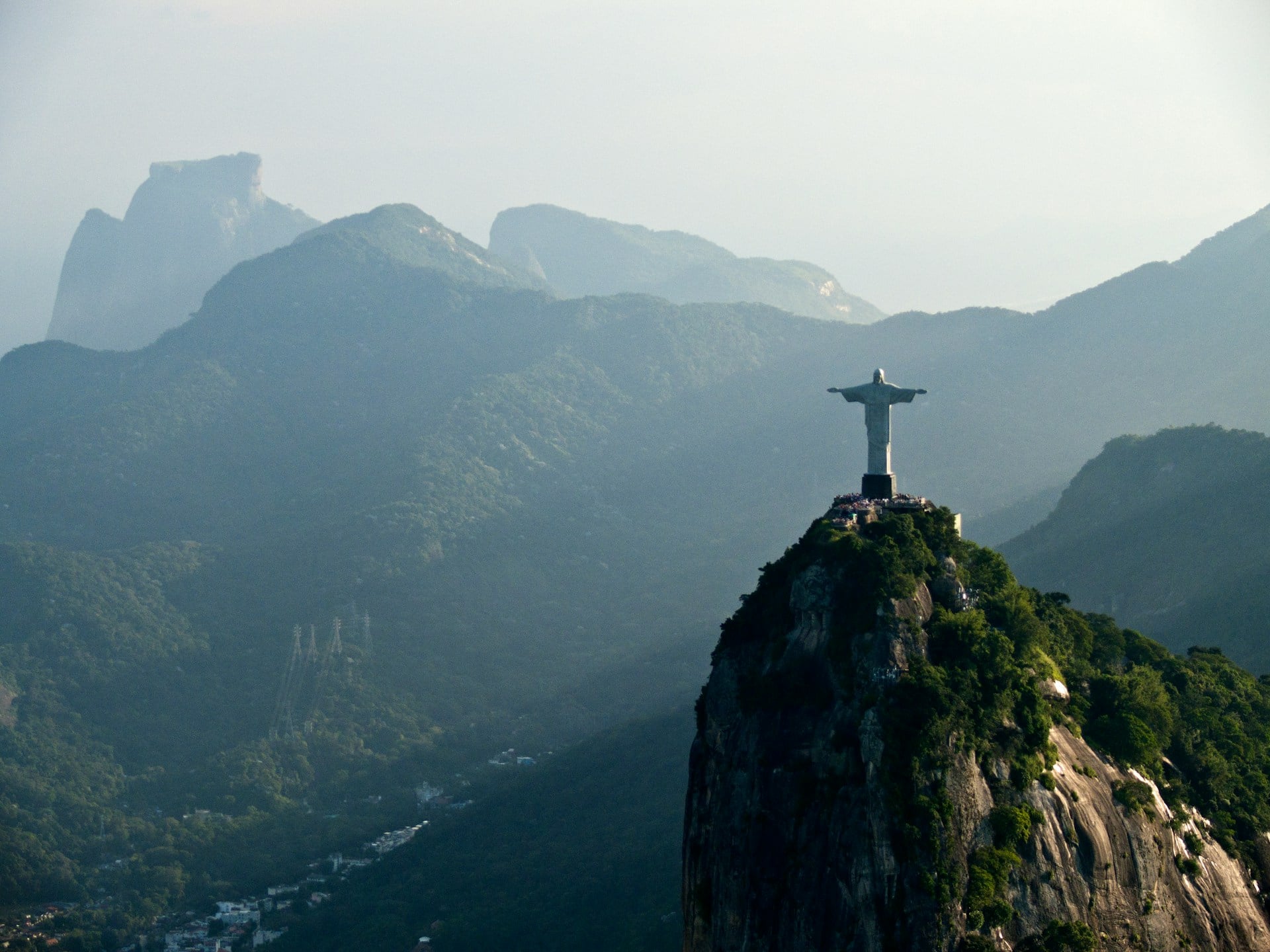
Rio’s famous Jesus statue was built between 1922 and 1931 – roughly nine years of work. A Brazilian engineer named Heitor da Silva Costa came up with the overall design.
Meanwhile, a French artist, Paul Landowski, shaped the face and hands using clay models. Materials were dragged up Corcovado Mountain by workers relying on a small train made just for this job.
It measures 98 feet high without the base, which adds another 26. Across its arms, it spans 92 feet from one hand to the other.
The outside is made up of countless triangle-shaped soapstone pieces, placed one by one by hand. Over the years, storms and bolts from the sky hit it again and again – so fixes never really stop.
The Golden Gate Bridge
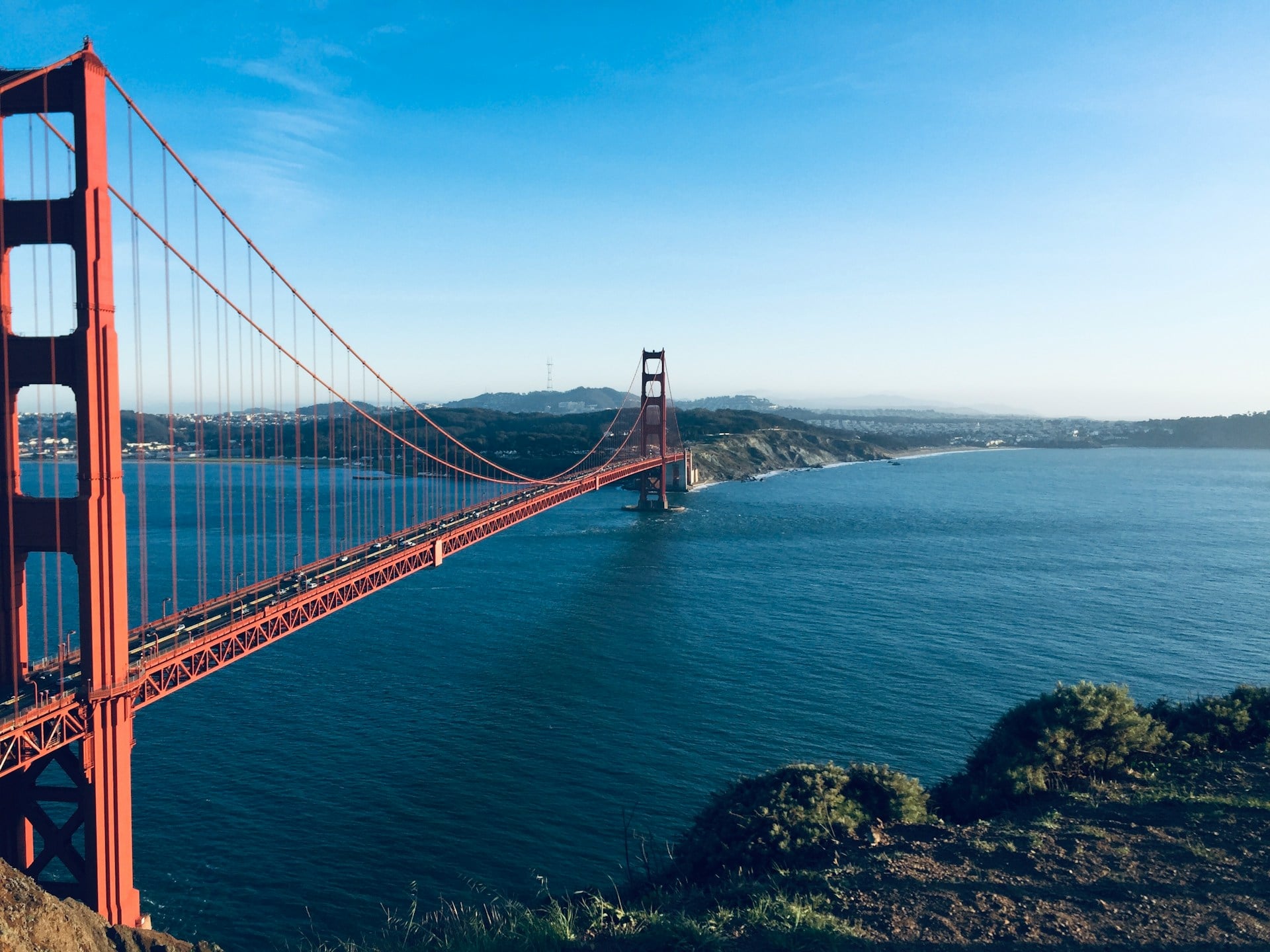
San Francisco’s well-known orange bridge needed four years and a bit more – starting January 1932, ending April 1935. Joseph Strauss, the lead engineer, pulled off a job most thought impossible due to rough tides, steep depths, along with constant fog.
It stretches 1.7 miles between its two main towers, while those supports climb 746 feet high from the bay surface. Even though they used new safety methods like a rescue net – which caught 19 falling workers – eleven laborers still lost their lives mid-build.
That bold orange shade? Officially named international orange; began as a temporary rust coating, yet suited so well folks chose to leave it.
The Burj Khalifa
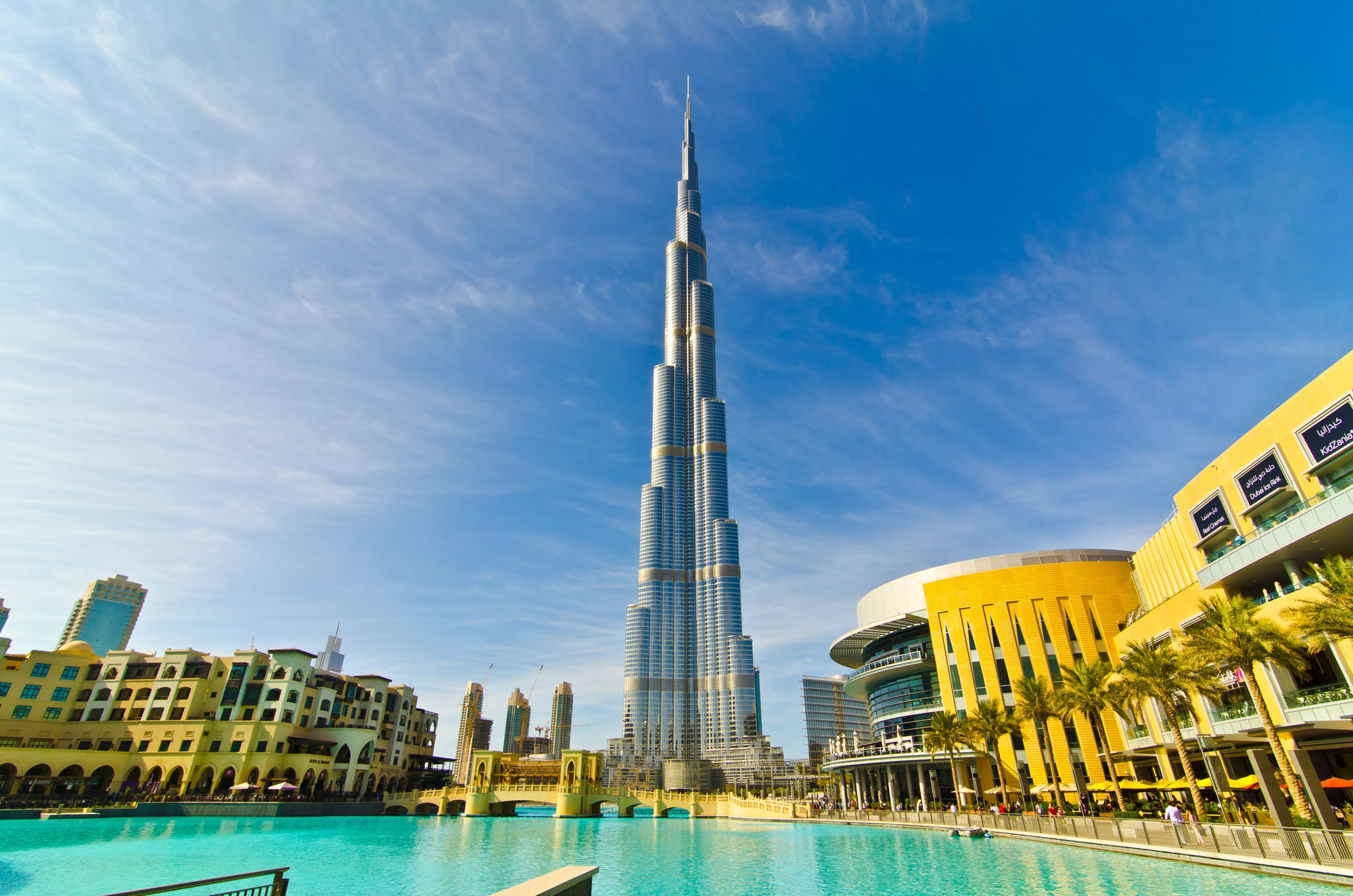
Dubai’s towering skyscraper was built between 2004 and 2010 – six years of construction, but interior work stretched beyond that. Standing at 2,717 feet with 163 levels, it easily beats every other building in height.
Crews labored nonstop, laying concrete after dark so cooler temps would stop cracks from forming. If you piled up all the concrete used here, it’d reach nearly 93 miles straight into the sky.
Workers from more than 100 nations pitched in – around 12,000 people helped finish the job, which ran about $1.5 billion.
Time Stamps in Stone
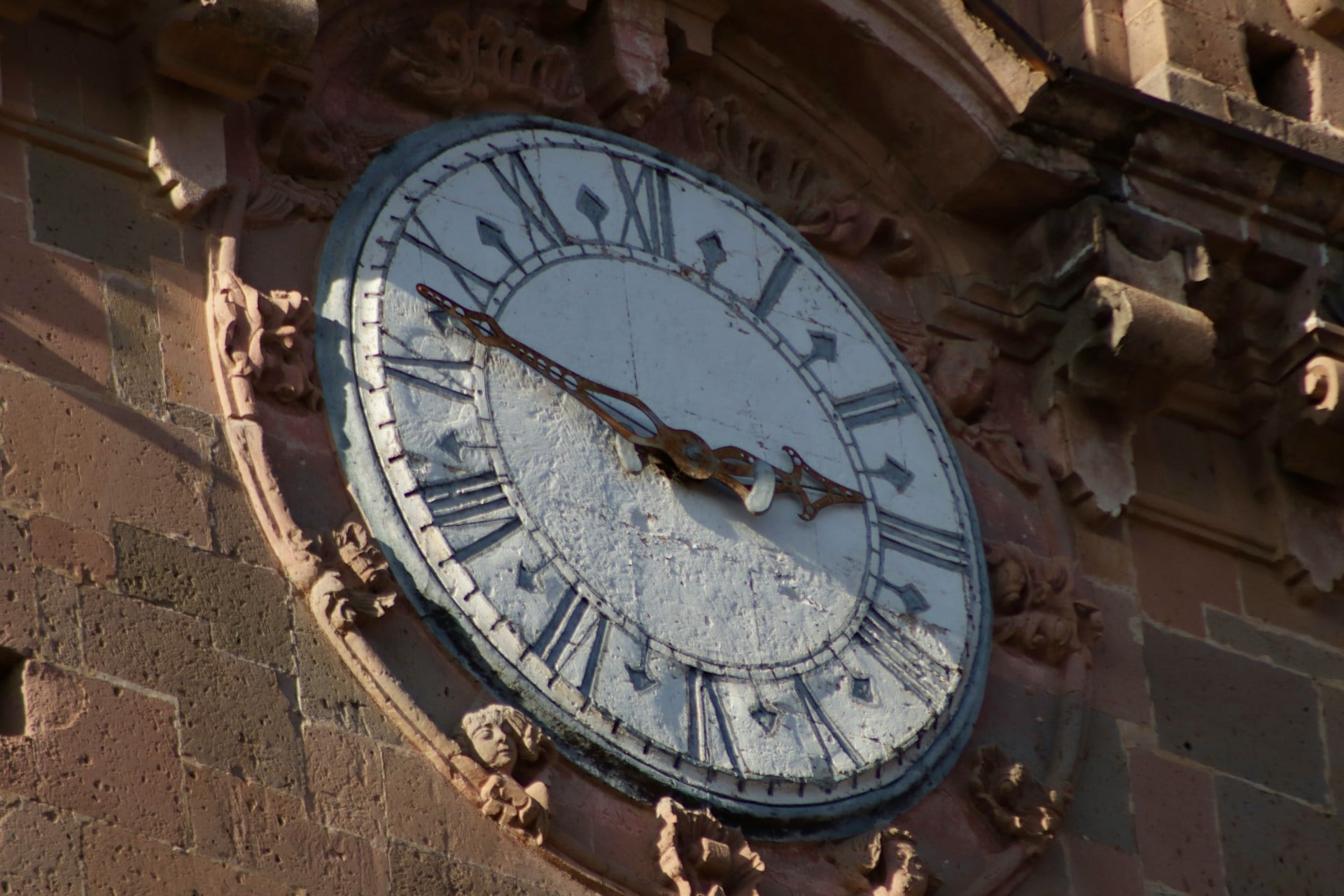
Those famous buildings show you – big wins usually take time. Today’s builders work quicker than folks did in the Middle Ages, yet even current towers demand many seasons of prep and labor.
What sets past jobs apart from present ones isn’t drive – it’s tools. While old stoneworkers toiled their whole lives shaping churches, or recent teams hustled to complete high-rises, every edifice stands as a heap of sweat turned into rock, metal, and cement – left behind so those who come next can look up and see what we made.
More from Go2Tutors!

- The Romanov Crown Jewels and Their Tragic Fate
- 13 Historical Mysteries That Science Still Can’t Solve
- Famous Hoaxes That Fooled the World for Years
- 15 Child Stars with Tragic Adult Lives
- 16 Famous Jewelry Pieces in History
Like Go2Tutors’s content? Follow us on MSN.