13 Playground Designs That Would Be Illegal Today
Remember those playgrounds from decades past? The ones where you’d come home with scraped knees, mysterious bruises, and stories of death-defying feats?
Today’s playgrounds prioritize safety over thrill, and for good reason. The equipment that once dominated schoolyards and parks across America has largely disappeared due to serious injury concerns and updated safety regulations.
Here is a list of 13 playground features that were once commonplace but would never pass today’s strict safety standards.
Giant Metal Slides
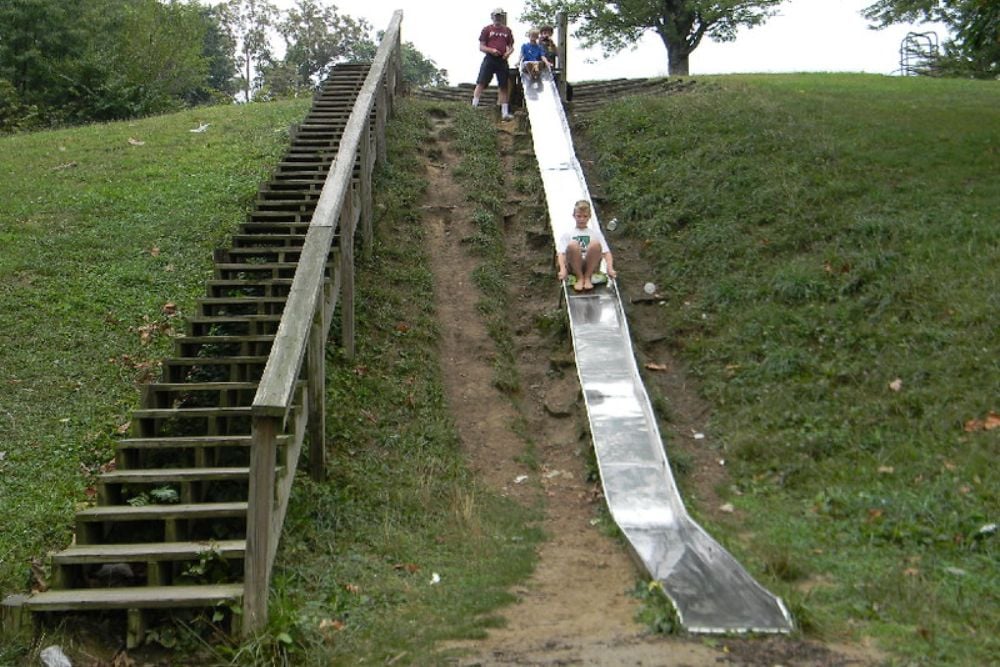
Those towering metal slides that reached scorching temperatures in the summer sun were playground staples. Children would climb rickety ladders to dizzying heights, only to shoot down metal surfaces that could easily reach 150°F on hot days.
Modern safety standards now require slides to be made from heat-resistant materials, feature gentle slopes, and include proper side barriers to prevent falls.
Asphalt Surfaces
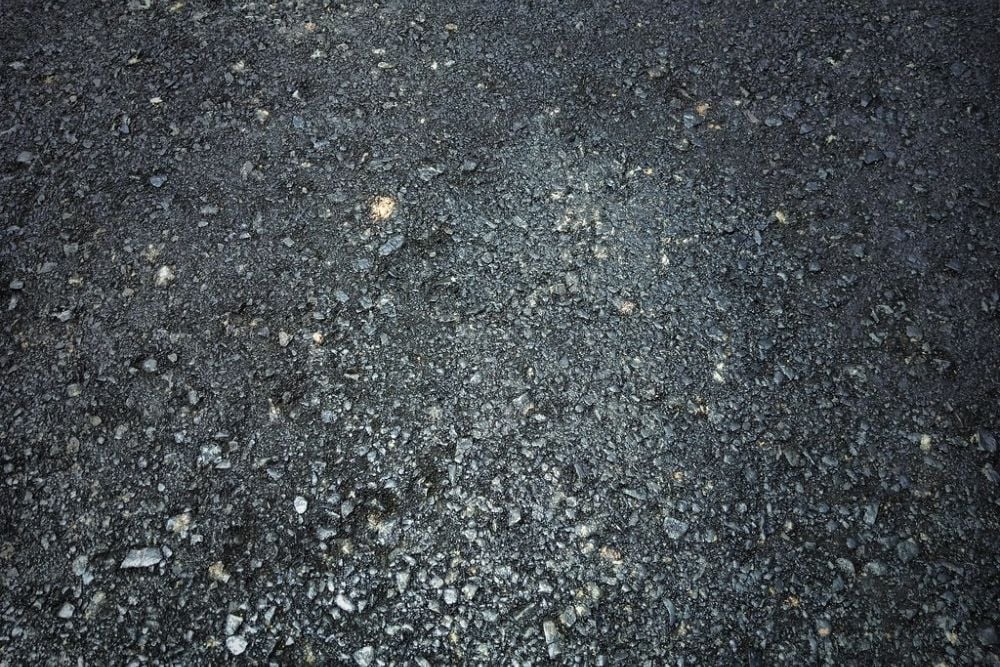
Playgrounds of yesteryear often featured unforgiving asphalt or concrete surfaces directly beneath climbing equipment. A fall from even moderate heights onto these hard surfaces could result in serious injuries including broken bones and head trauma.
Current playground regulations mandate impact-absorbing surfaces like rubber mats, wood chips, or specialized sand beneath all equipment where falls might occur.
Like Go2Tutors’s content? Follow us on MSN.
Merry-Go-Rounds

The classic spinning platform that could reach dizzying speeds has largely disappeared from modern playgrounds. These metal contraptions allowed children to spin at dangerous velocities, often resulting in children being flung off by centrifugal force.
The combination of high speeds, metal construction, and the risk of limbs getting caught underneath made these a liability nightmare that modern safety standards simply don’t allow.
See-Saws Without Springs
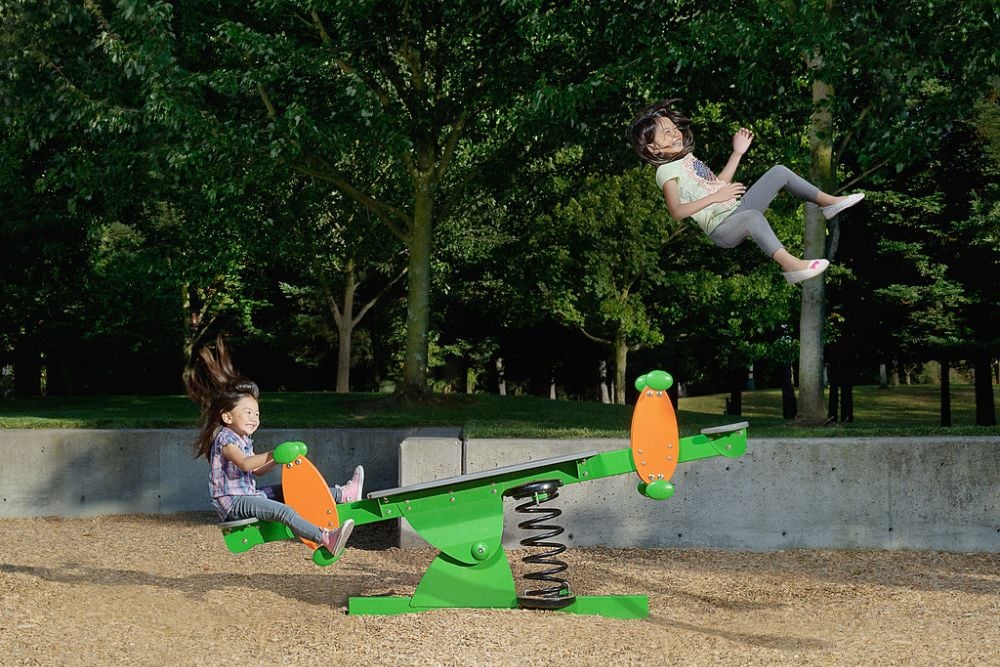
Traditional seesaws operated like simple lever systems with nothing to prevent sudden drops if one child jumped off. This design commonly led to tailbone injuries and even more serious accidents when smaller children were catapulted off their seats.
Modern versions include spring mechanisms that prevent abrupt movements and cushioned seats to minimize impact.
Metal Jungle Gyms

Those dome-shaped climbing structures made from steel pipes were perfect for developing upper body strength but terrible for safety. The hard metal construction combined with significant heights created substantial injury risks, especially when multiple children climbed simultaneously.
Today’s jungle gyms feature rounded edges, plastic-coated materials, and more secure handholds to prevent dangerous falls.
Like Go2Tutors’s content? Follow us on MSN.
Tire Swings on Metal Chains
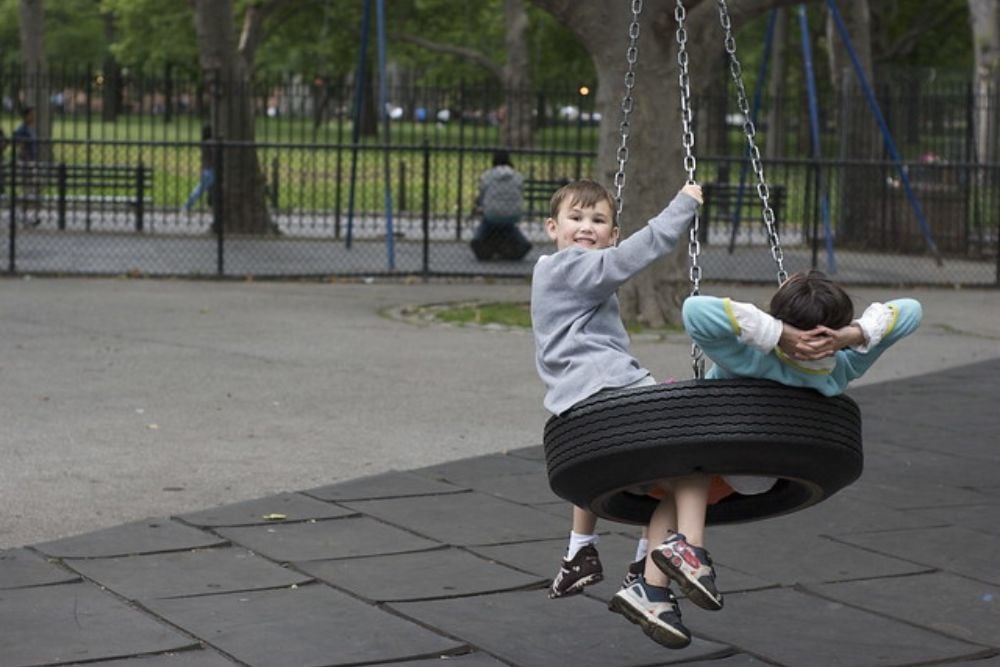
While seemingly innocent, tire swings suspended by metal chains posed serious hazards. The heavy tires could build momentum quickly, and the metal chains could pinch fingers or even wrap around necks in worst-case scenarios.
Contemporary playground swings use softer materials, enclosed tire designs, and flexible connections that reduce pinching hazards and impact forces.
Giant Stride
This forgotten playground equipment featured a tall center pole with hanging chains that children would grab before running in circles, eventually lifting off the ground while spinning. The potential for collisions, falls from height, and chain-related injuries was enormous.
This equipment has been almost completely eliminated from American playgrounds due to its inherent dangers.
Tall Metal Climbing Rockets

Those rocket-shaped climbing towers that stretched 20 feet or higher were playground landmarks in the 1960s and 70s. Children could climb inside these hollow metal structures with minimal fall protection and often on hot metal rungs.
Today’s standards limit climbing heights for young children and require enclosed platforms with multiple safety features to prevent falls.
Like Go2Tutors’s content? Follow us on MSN.
Animal Spring Riders Without Barriers

Those bouncy animal figures mounted on heavy springs often featured minimal handholds and no barriers to prevent children from falling sideways onto hard surfaces. The vigorous bouncing motion combined with poor stability features created tipping hazards.
Modern versions include side panels, better ergonomics, and proper spring containment to prevent pinching.
Metal Monkey Bars Over Hard Surfaces

Traditional monkey bars were often installed at considerable heights with no safety features other than a child’s grip strength. The combination of smooth metal bars that became slippery when wet and hard landing surfaces below created perfect conditions for arm fractures and head injuries.
Contemporary designs feature ergonomic grips, lower heights, and mandatory impact-absorbing surfaces underneath.
Concrete Tunnels

Large concrete pipes or tunnels were sometimes repurposed as playground equipment, creating crawl spaces with poor visibility and ventilation. These heavy structures presented crushing hazards if they shifted, and their rough interiors could cause abrasions.
Modern tunnels are made from lightweight materials with smooth interiors and clear sightlines for supervision.
Like Go2Tutors’s content? Follow us on MSN.
Free-Standing Teeter Totters
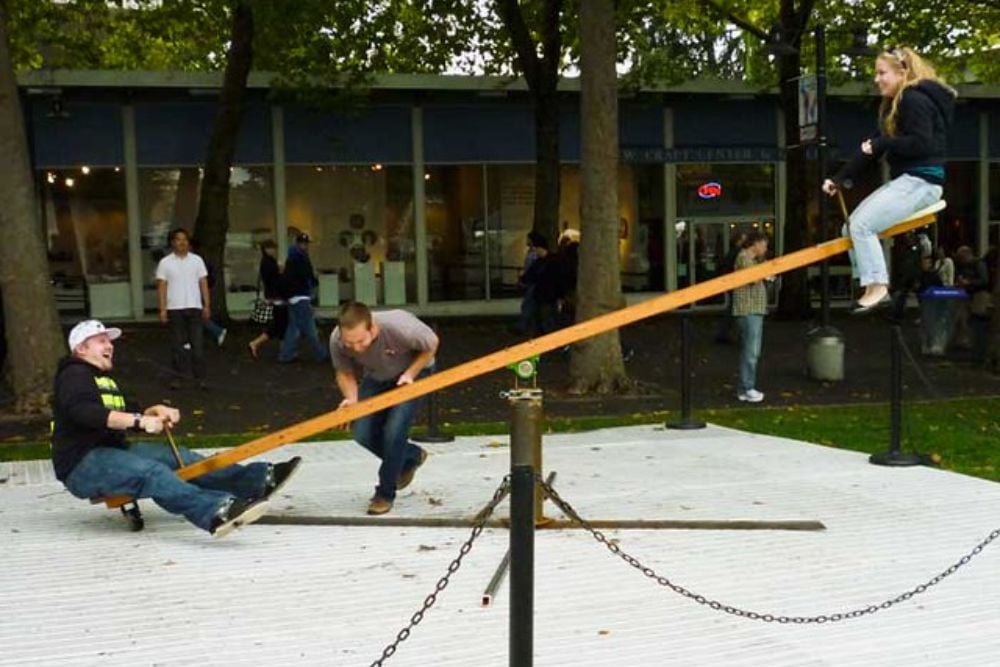
These balance beams that rotated on a central fulcrum allowed children to walk across constantly moving surfaces with no handrails or fall protection. The unpredictable movements combined with height created significant fall risks.
Today’s balance equipment includes side handles, limited motion ranges, and proper fall zones with protective surfacing.
Old-Style Sandboxes

Uncovered sandboxes without proper drainage became health hazards, collecting water, animal waste, and hidden objects like broken glass. The sand itself often contained harmful materials including crystalline silica, which can cause respiratory issues when regularly inhaled.
Modern sandboxes include covers, drainage systems and use specially formulated play sand that meets strict safety guidelines.
The Balance of Safety and Adventure

The playground evolution reflects our growing understanding of childhood development and injury prevention. While today’s play spaces might seem tame compared to their predecessors, they strike a crucial balance between providing developmental challenges and minimizing serious injury risks.
The best modern playgrounds incorporate thoughtful design elements that stimulate risk assessment and physical development while preventing the catastrophic injuries that once sent thousands of children to emergency rooms annually.
More from Go2Tutors!

- 18 Unexpectedly Valuable Collectibles You Might Have Lying Around
- 15 Things Every Teenager in the ’70s Did That Teens Today Wouldn’t Understand
- 15 Strange Things People Have Tried to Ban (And Failed)
- 15 Inventions That Were Immediately Banned After Being Created
- 20 Actors Who Were Almost Cast in Iconic Roles
Like Go2Tutors’s content? Follow us on MSN.