16 Facts About the Most Unusual Museum Exhibits
Museums are supposed to be places of quiet contemplation where you admire ancient artifacts and priceless paintings. But some museums throw that rulebook right out the window and showcase things that’ll make you do a double-take.
From collections of hair to preserved body parts and toilets with histories dating back thousands of years, the world’s strangest museum exhibits prove that humans will preserve and display just about anything. These aren’t your typical art galleries filled with Monets and Picassos—they’re way weirder than that.
Here is a list of 16 facts about the most unusual museum exhibits.
The Mütter Museum Houses Medical Nightmares
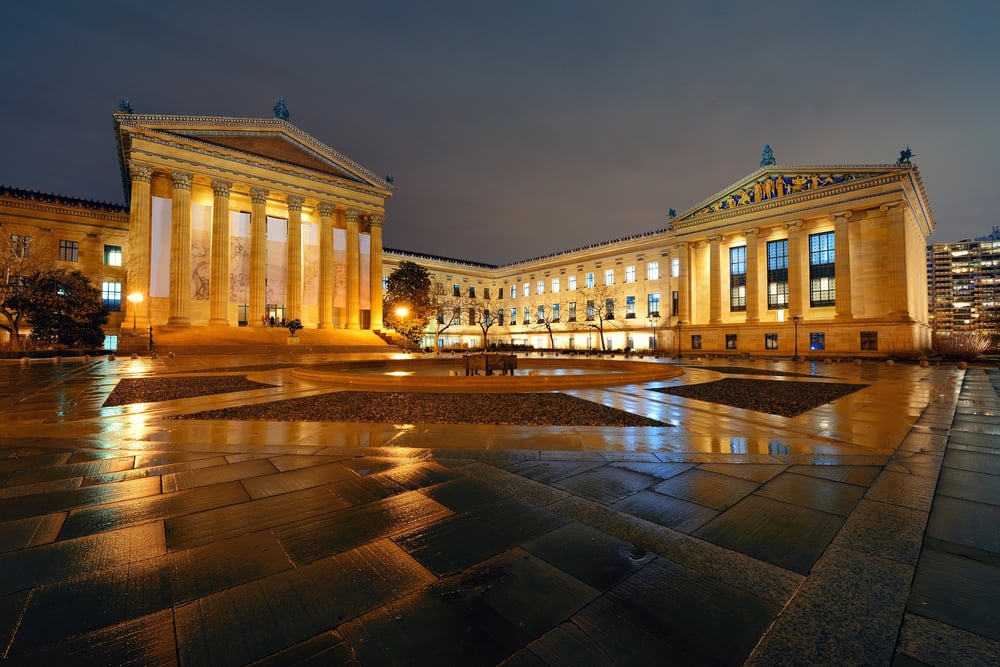
Philadelphia’s Mütter Museum contains over 25,000 medical specimens that would make most people squirm. Surgeon Thomas Dent Mütter bequeathed his collection of 1,700 objects and $30,000 to the College of Physicians of Philadelphia in 1858, with the museum opening to the public shortly after.
Today it showcases anatomical oddities like the Soap Lady, a mummified woman whose body turned into a waxy substance after death, and a collection of 139 skulls assembled by Austrian anatomist Joseph Hyrtl to disprove racist phrenology theories.
Underwater Sculptures Double As Coral Reefs
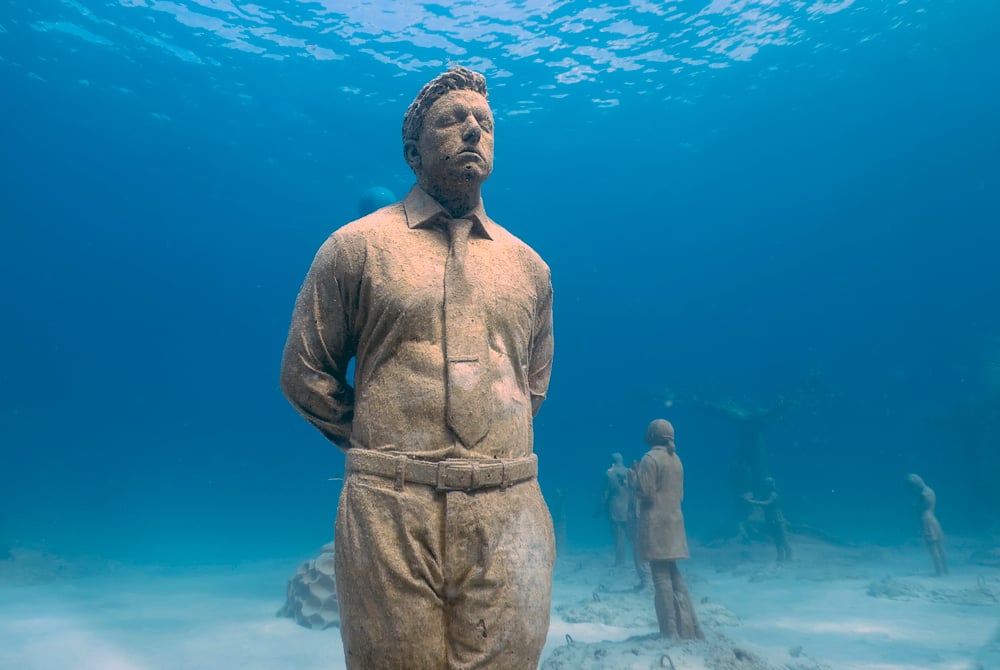
British sculptor Jason deCaires Taylor created the world’s first underwater museum off the coast of Cancún, Mexico, in 2009. The Museo Subacuático de Arte features over 500 permanent life-size sculptures submerged in the ocean that serve as artificial coral reefs.
Hundreds of thousands of visitors explore the site annually by diving, snorkeling, or glass-bottom boats, while the sculptures attract fish, lobsters, and new coral growth that transforms the concrete art into living ecosystems.
A Museum Dedicated Entirely To Toilets
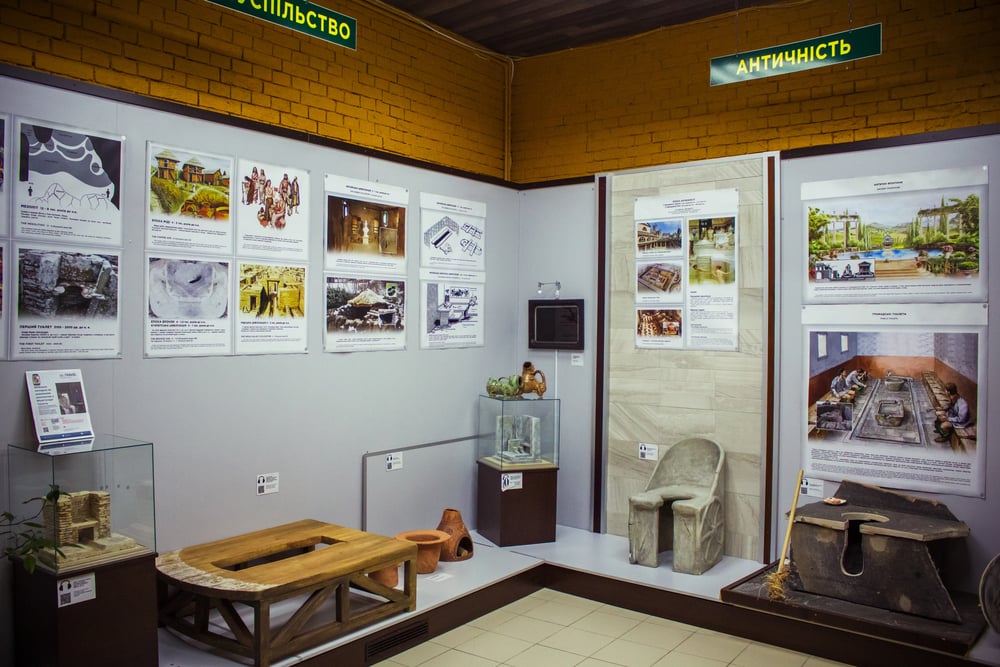
The Sulabh International Museum of Toilets in New Delhi, India, traces the history of sanitation from 2500 BC to the present day. Established in 1992 by social reformer Dr. Bindeshwar Pathak, the museum houses hundreds of toilet artifacts from dozens of countries.
Visitors can see a replica of King Louis XIV’s toilet where he supposedly held court while defecating, gold and silver toilet pots used by Roman emperors, and a treasure chest-style commode used by British hunters on camping trips.
Over 16,000 Women Donated Hair To A Cave Museum

In the rural Turkish town of Avanos, Türkiye, potter Chez Galip created a hair museum in a small cave beneath his studio. The walls are covered with locks of hair from more than 16,000 women, each strand accompanied by the donor’s name and address.
The collection transforms the entire underground space into what can only be described as a hairy shrine that visitors find either fascinating or deeply unsettling depending on their perspective.
Iceland Displays 276 Preserved Penises

The Icelandic Phallological Museum in Reykjavík, Iceland, houses one of the few known collections dedicated entirely to preserved male organs from various species. The museum contains over 300 specimens ranging from a two-millimeter hamster member to the 1.7-meter private parts of a sperm whale.
In 2011, a 95-year-old Icelandic man became the first human donor, and the collection now includes specimens from nearly every land and sea mammal found in Iceland.
Ventriloquist Dummies Fill An Entire Museum
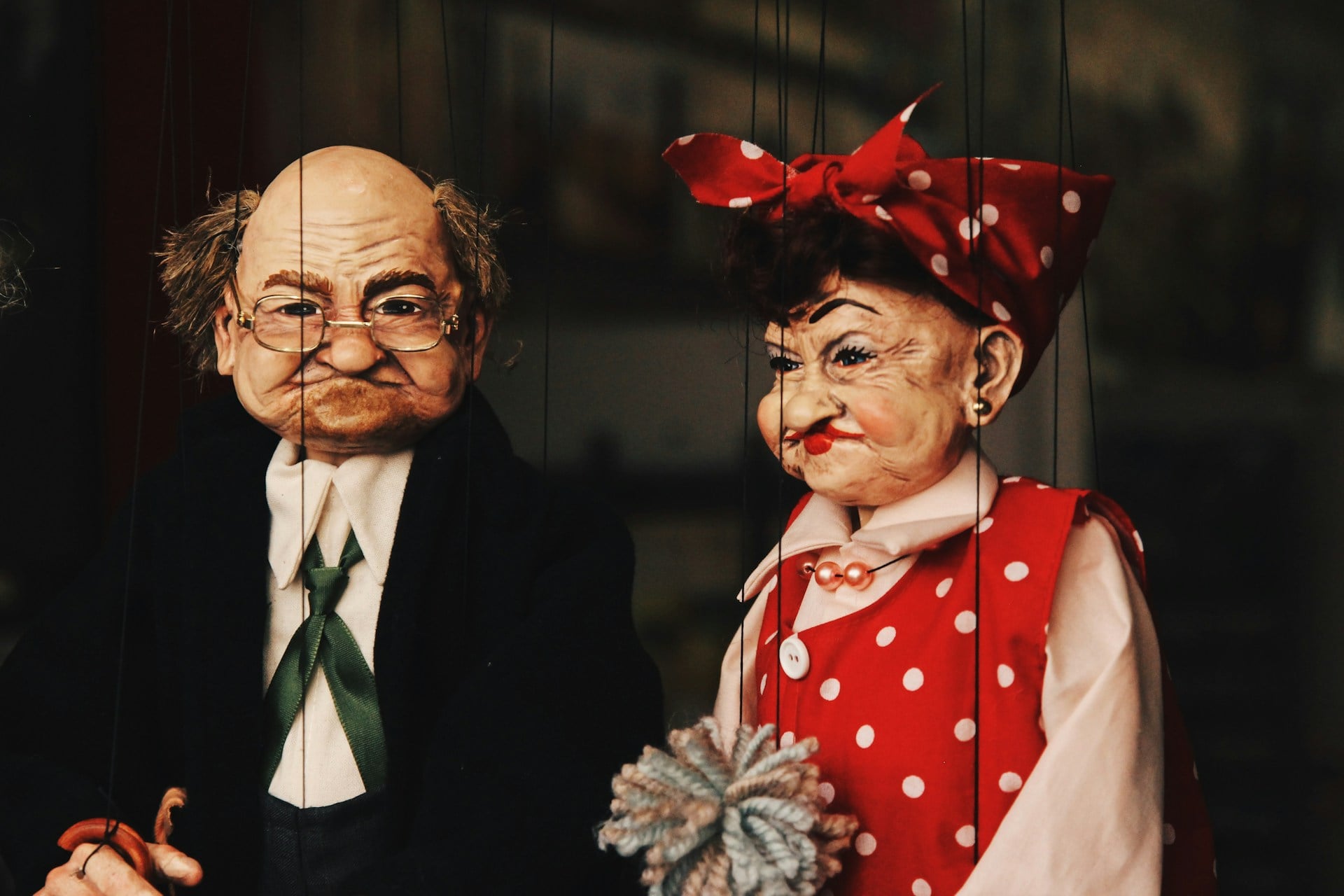
The Vent Haven Museum in Fort Mitchell, Kentucky, displays over 1,000 ventriloquist dummies from around the globe. William Shakespeare Berger started the collection in 1910 with his first dummy, Tommy Baloney, and by 1947 his collection had grown so large he renovated his garage to house the figures.
The museum opened to the public in 1973, and today rows of smiling and sometimes eerie wooden faces sit in seats throughout the museum, creating an atmosphere that ranges from charming to slightly creepy.
A Museum Celebrates Failed Relationships
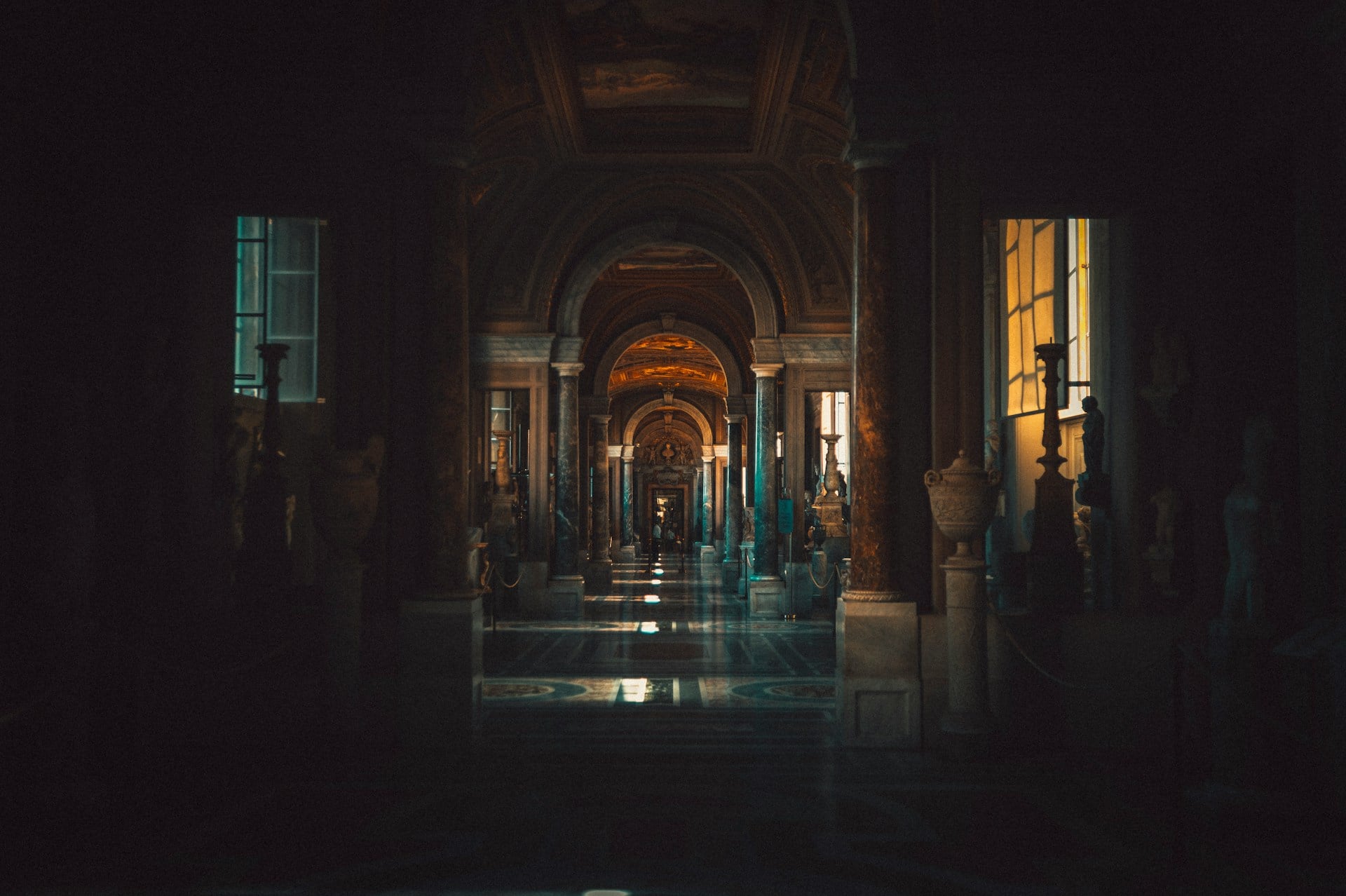
The Museum of Broken Relationships in Zagreb, Croatia, evolved from a traveling exhibition about failed relationships and their ruins. The museum has hosted temporary pop-ups globally while maintaining its permanent home in Zagreb.
Visitors donate artifacts from their own broken relationships, viewing them as a chance to overcome emotional collapse. The collection includes obvious items like rings and Valentine’s Day gifts alongside stranger remnants like fuzzy pink handcuffs and a wooden watermelon, each accompanied by the heartbreaking or bizarre story of how the relationship ended.
Bread Gets Its Own Museum In Germany
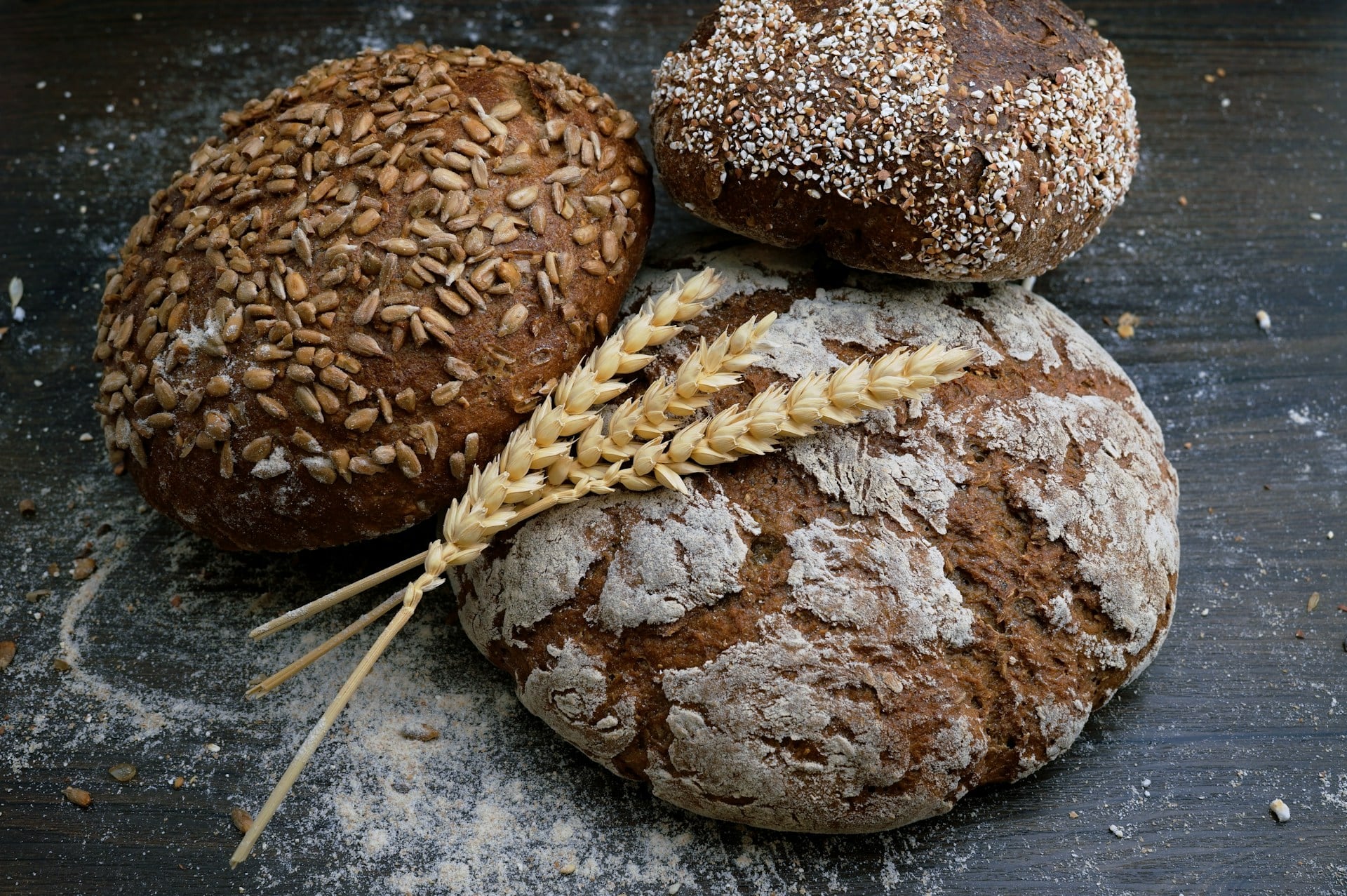
The Museum of Bread Culture in Ulm, Germany, houses more than 18,000 exhibits depicting the 6,000-year history of bread in works of art. The collection includes works by notable artists including Salvador Dali, Man Ray, and Pablo Picasso, alongside ancient artifacts from bakeries dating back to the Stone Age.
Despite being devoted to the staff of life, visitors won’t find a single edible loaf within the museum walls—it’s strictly about the cultural and historical significance of bread.
Russia’s Kunstkamera Displays Medical Oddities
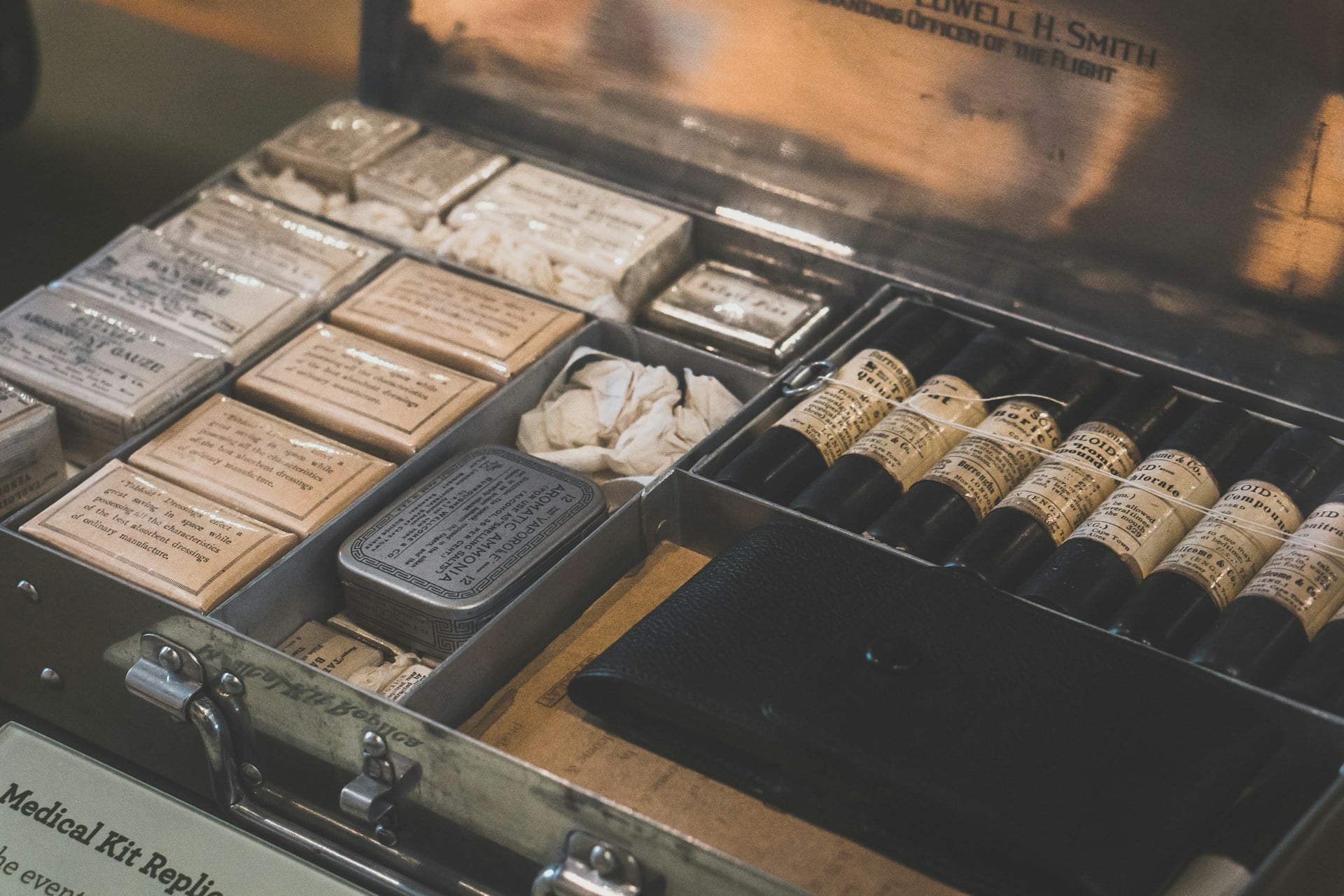
Peter the Great assembled Russia’s first museum, the Kunstkamera in St. Petersburg, Russia, with over 200,000 natural and human oddities to dispel his people’s belief in monsters. The czar put together a collection of curiosities including deformed fetuses, creatures with extra heads or limbs, and even a decapitated human head preserved in alcohol and other preservatives.
Today the building houses the Museum of Anthropology and Ethnography, with many remnants of the czar’s macabre collection tucked among displays of local tribes.
The National Mustard Museum Honors Condiment History
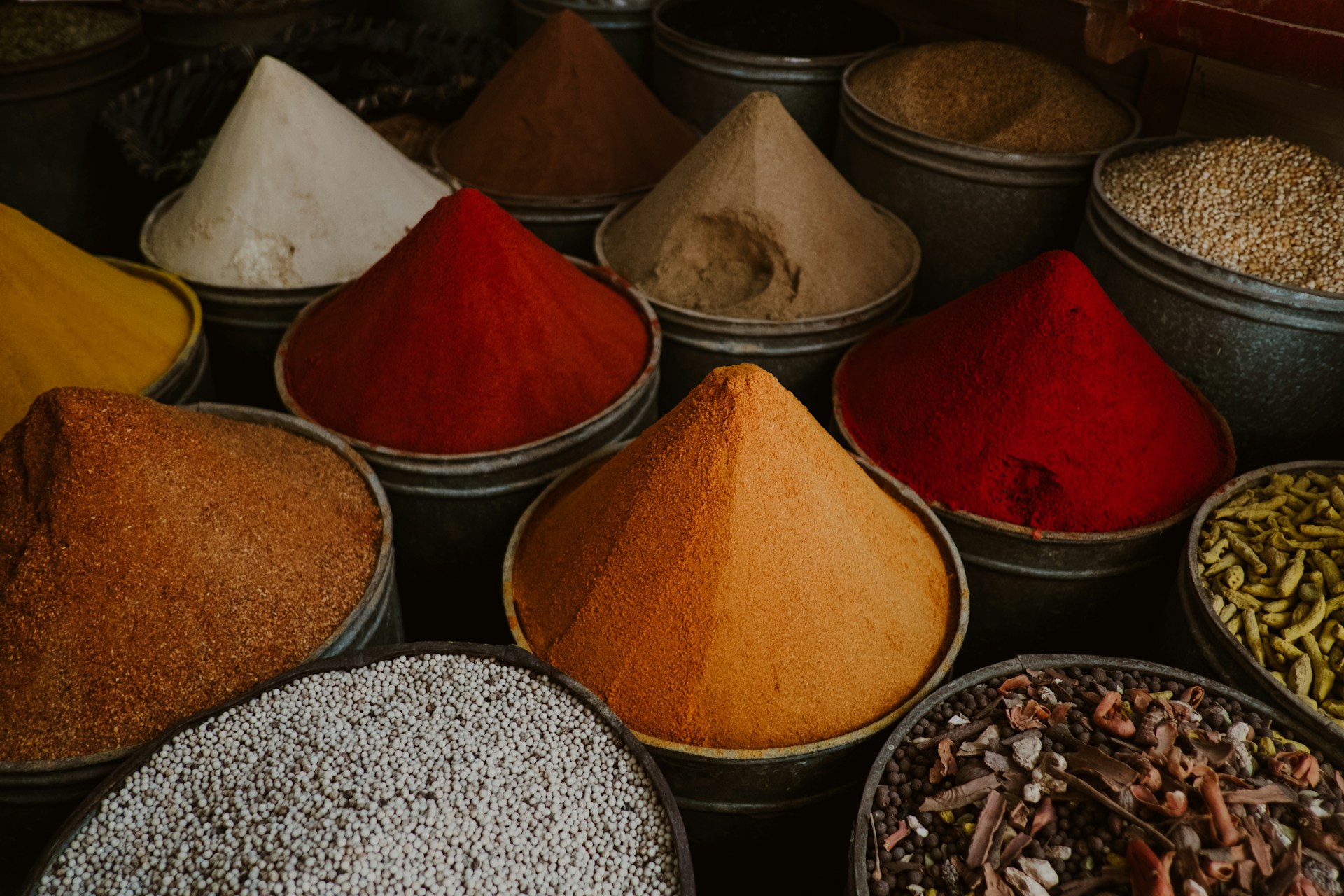
Barry Levenson founded the National Mustard Museum in Middleton, Wisconsin, in 1992, and it now boasts a collection of 6,000 mustards from 70 countries. Visitors can learn about mustard history and view artifacts like antique tins, mustard pots, and vintage advertisements.
The museum hosts an annual worldwide Mustard Competition and National Mustard Day street festival, and admission to see this extensive condiment collection is completely free.
A Manhattan Museum Fits Inside A Freight Elevator
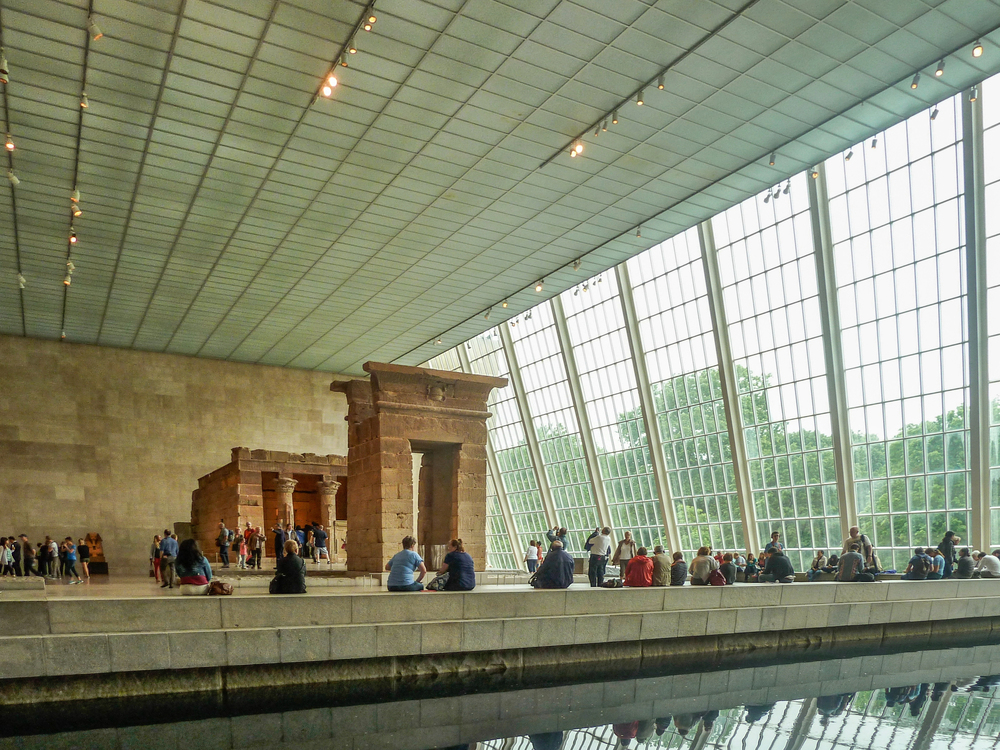
The museum in Manhattan’s Tribeca neighborhood in New York City operates out of a converted freight elevator. This tiny contemporary natural history museum focuses on seemingly random, everyday objects that are overlooked, dismissed, or ignored.
Collections frequently change but have included sunglasses, backpacks, and aerosol cans, with the display visible 24 hours a day through a peephole even when the museum has limited opening hours.
Japan Turned Instant Ramen Into A Museum
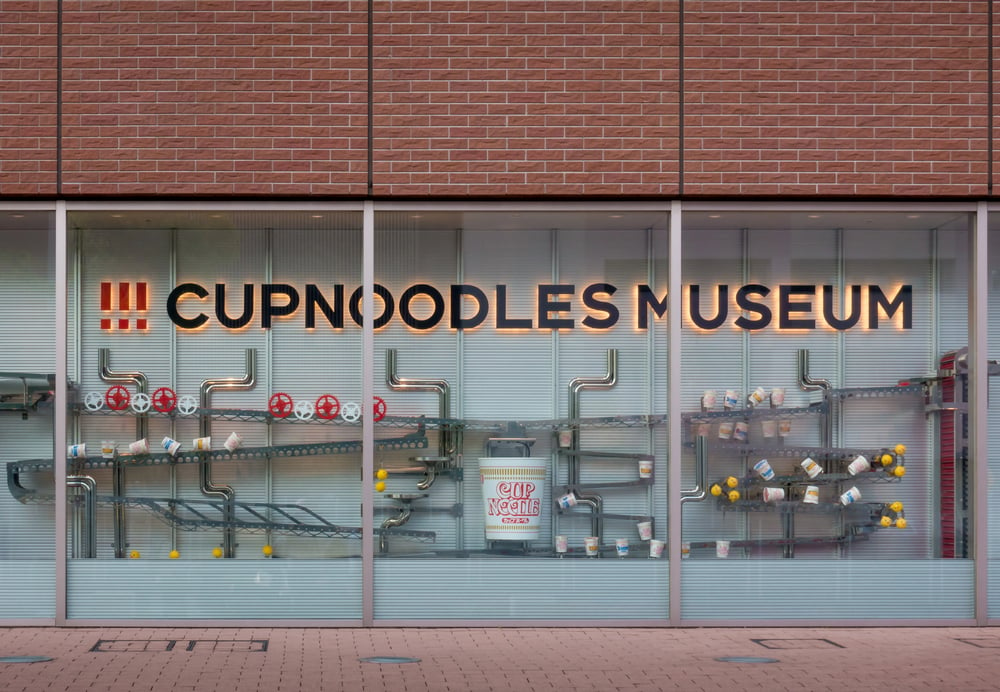
The Shin-Yokohama Rāmen Museum in Yokohama, Japan, recreates the streets of 1958 Tokyo from the Shōwa era, the year instant noodles were invented. The museum celebrates Momofuku Andō, who invented instant noodles in 1958 and later created Cup Noodles in 1971, keeping millions of college students alive on a budget for decades.
Rather than just displaying artifacts, the museum functions as a food hall with several branches of famous ramen restaurants from across Japan serving their expert recipes in a nostalgic setting.
The Museum Of Bad Art Celebrates Terrible Work
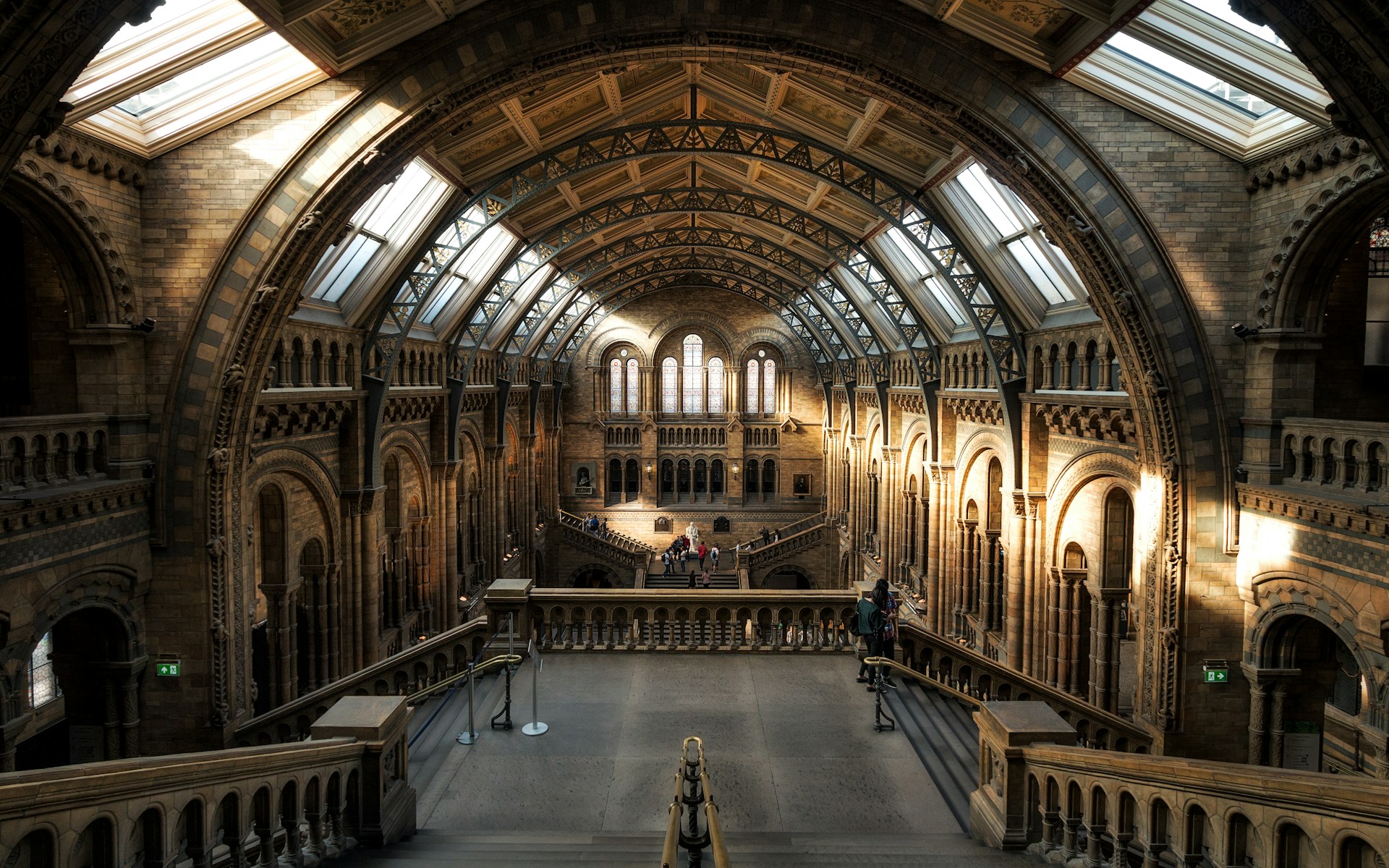
The Museum of Bad Art, founded in 1993, describes itself as the world’s only museum dedicated to the collection, preservation, exhibition, and celebration of bad art in all its forms. MOBA has spent decades showcasing artwork spawned by what one critic called the deranged and deluded.
The collection is neatly categorized online for anyone who wants to appreciate truly awful art, proving that terrible execution can be just as interesting as masterful technique.
Parasites Get Their Own Museum In Tokyo
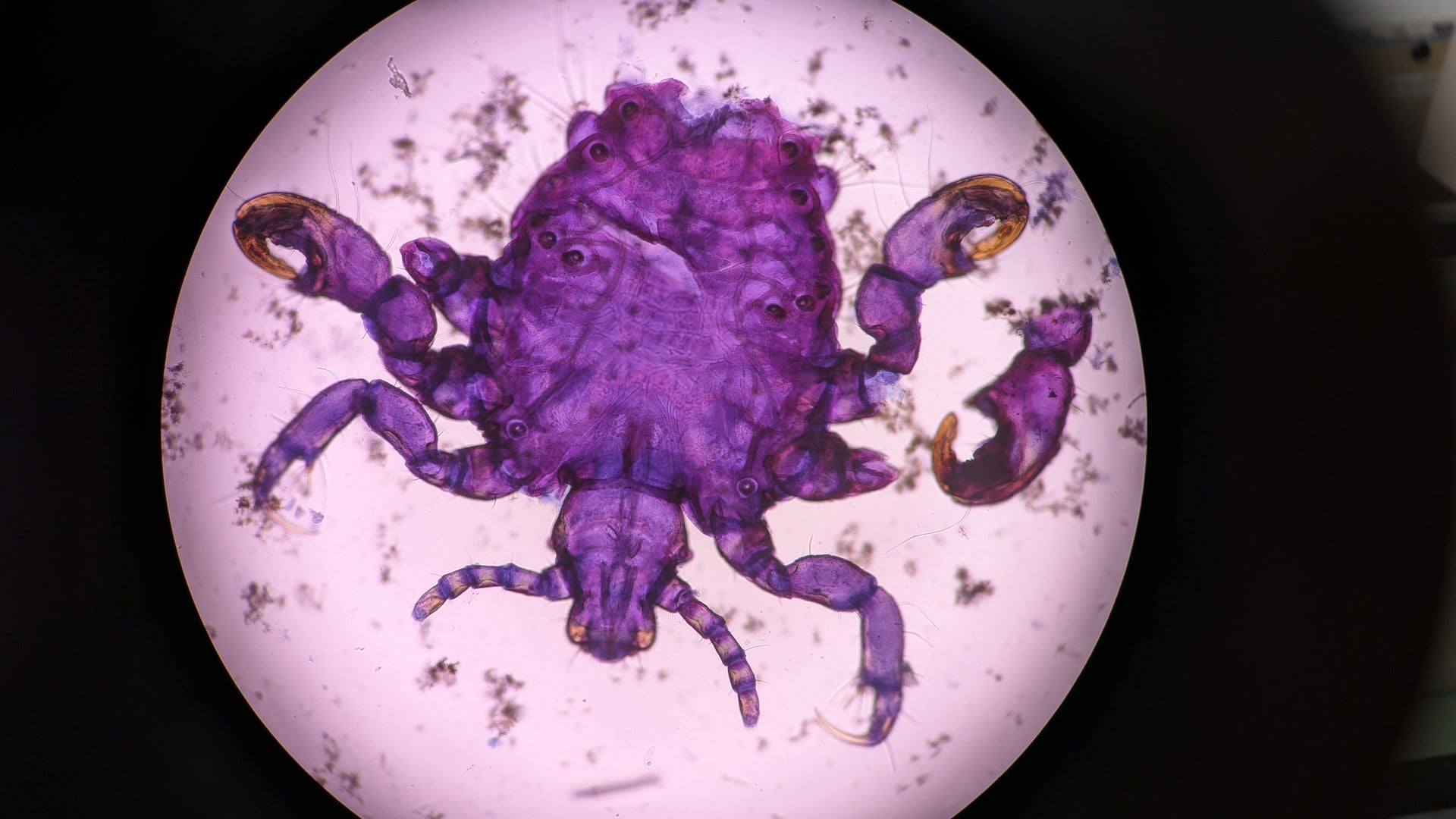
The Meguro Parasitological Museum in Tokyo, Japan, displays around 300 specimens on exhibit from a collection of tens of thousands of rare microscopic bugs and parasites. The collection’s most famous exhibit is a 29-foot (8.8 meter) tapeworm that was removed from a human host.
This museum definitely isn’t recommended for anyone with a weak stomach, but it provides an educational look at organisms that most people would prefer never to think about or encounter in real life.
A Museum Honors Dog Collars Through The Centuries
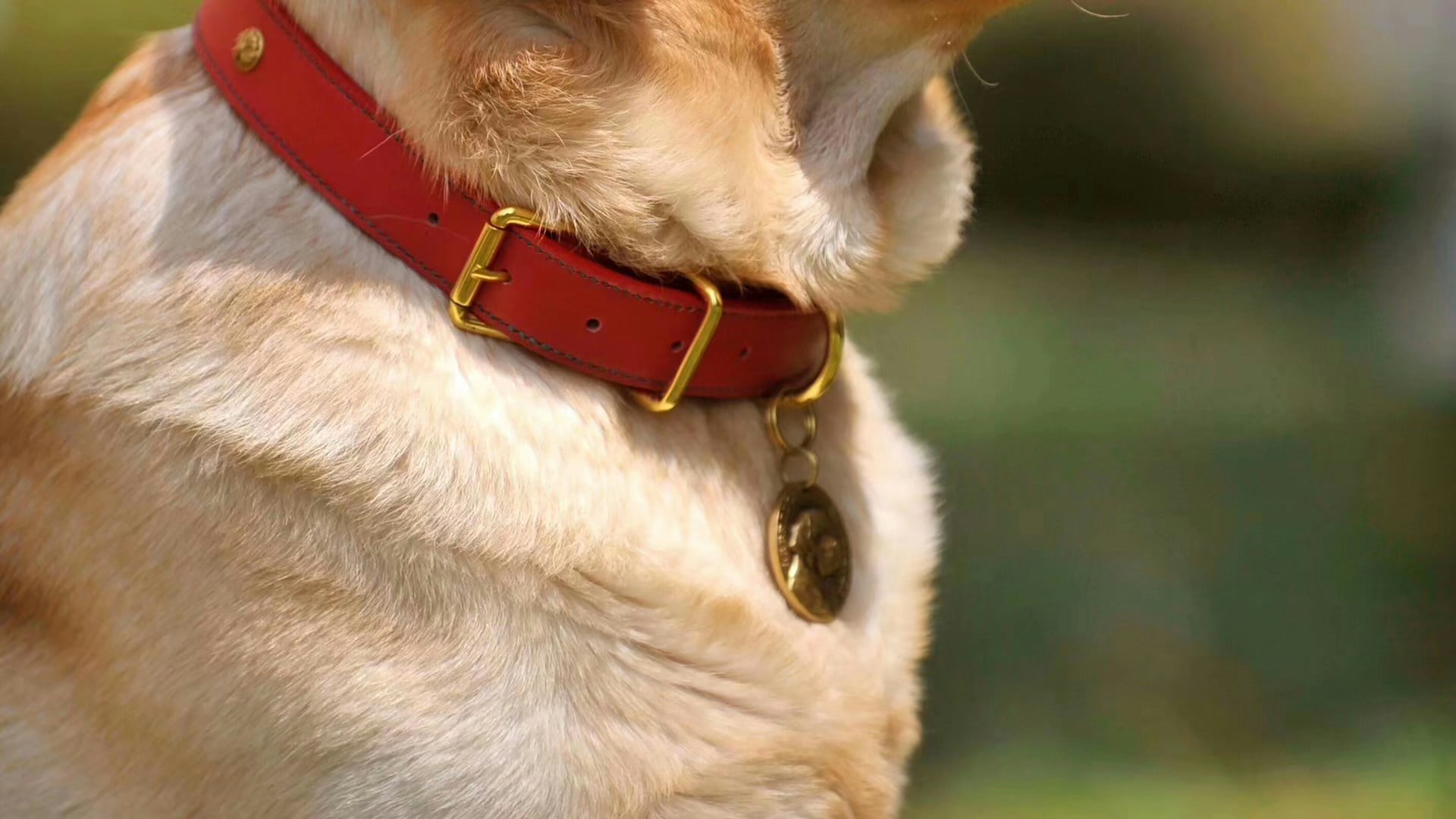
Housed in Leeds Castle in Kent, England, the Dog Collar Museum features a collection of over 130 dog collars dating back to the 15th century. The exhibit traces the evolution of these practical yet symbolic accessories through history, from fearsome spiked collars designed to protect hunting dogs from wild animals to ornate leather designs that showcased an owner’s wealth and status.
The Clown Hall Of Fame Preserves Painted Faces
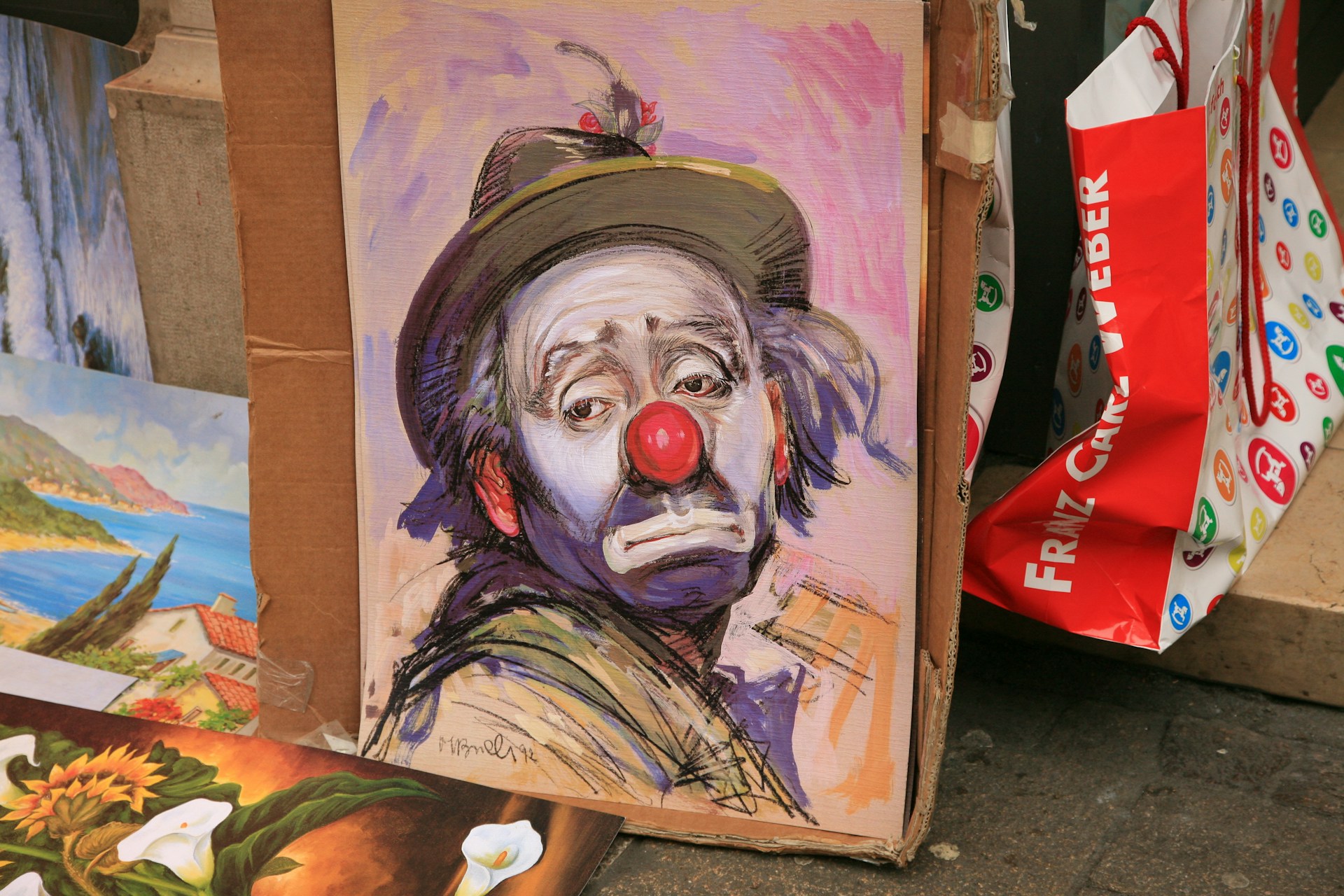
The International Clown Hall of Fame & Research Center in Baraboo, Wisconsin, is dedicated to preserving the legacy of clowns from around the world. The museum, which has relocated over the years before settling in Baraboo, displays a wide range of clown memorabilia including costumes, photos, and personal belongings of famous clowns.
Visitors can view scrapbooks of legendary circus clowns and learn what exactly makes a clown cry, though those with coulrophobia might want to skip this particular attraction entirely.
Where The Strange Becomes Art
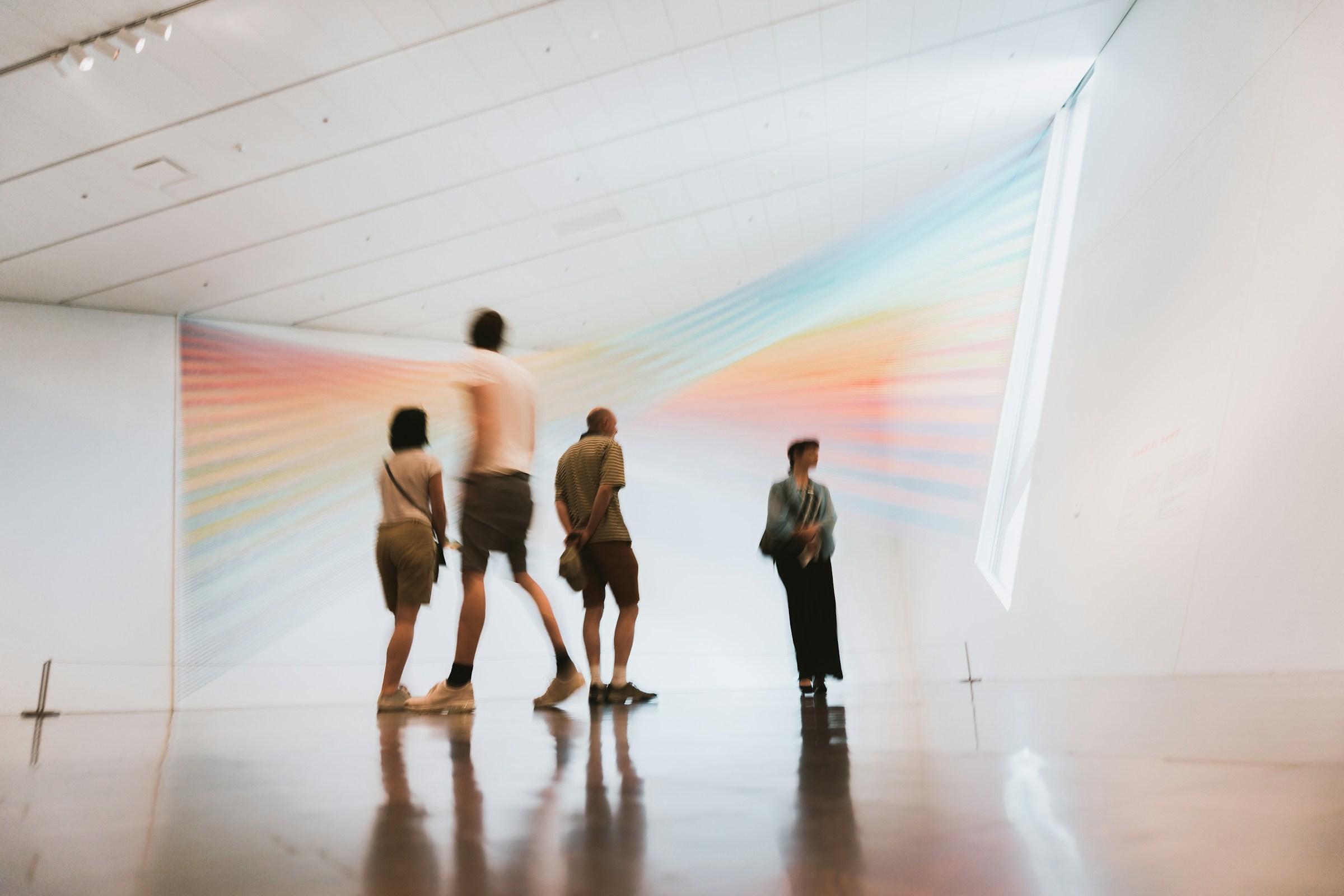
The strangest museum exhibits remind us that one person’s trash is another person’s treasure, and sometimes that treasure ends up behind glass in a climate-controlled display case. These collections range from genuinely educational to downright bizarre, but they all share something in common—they make us question what deserves to be preserved and why.
Whether it’s medical oddities teaching us about human anatomy, underwater sculptures protecting coral reefs, or toilets documenting the evolution of sanitation, these unusual exhibits prove that museums can be educational, entertaining, and deeply weird all at the same time. The next time you visit a traditional art museum, remember that somewhere out there, someone’s carefully cataloging and displaying something infinitely stranger.
More from Go2Tutors!

- The Romanov Crown Jewels and Their Tragic Fate
- 17 Halloween Costumes Once Considered Taboo
- Famous Hoaxes That Fooled the World for Years
- 15 Child Stars with Tragic Adult Lives
- 16 Famous Jewelry Pieces in History
Like Go2Tutors’s content? Follow us on MSN.