Viral Moments Before the Internet Existed
Long before social media feeds and trending hashtags, certain events captured the world’s attention in ways that seem almost impossible by today’s standards. News traveled through television broadcasts, radio waves, newspapers, and most powerfully through word of mouth.
People gathered around their TVs or rushed to newsstands, eager to be part of the collective experience that everyone would be talking about the next day. Let’s look at some of those unforgettable moments that had everyone buzzing, even without a single tweet or viral video.
The Beatles land in America
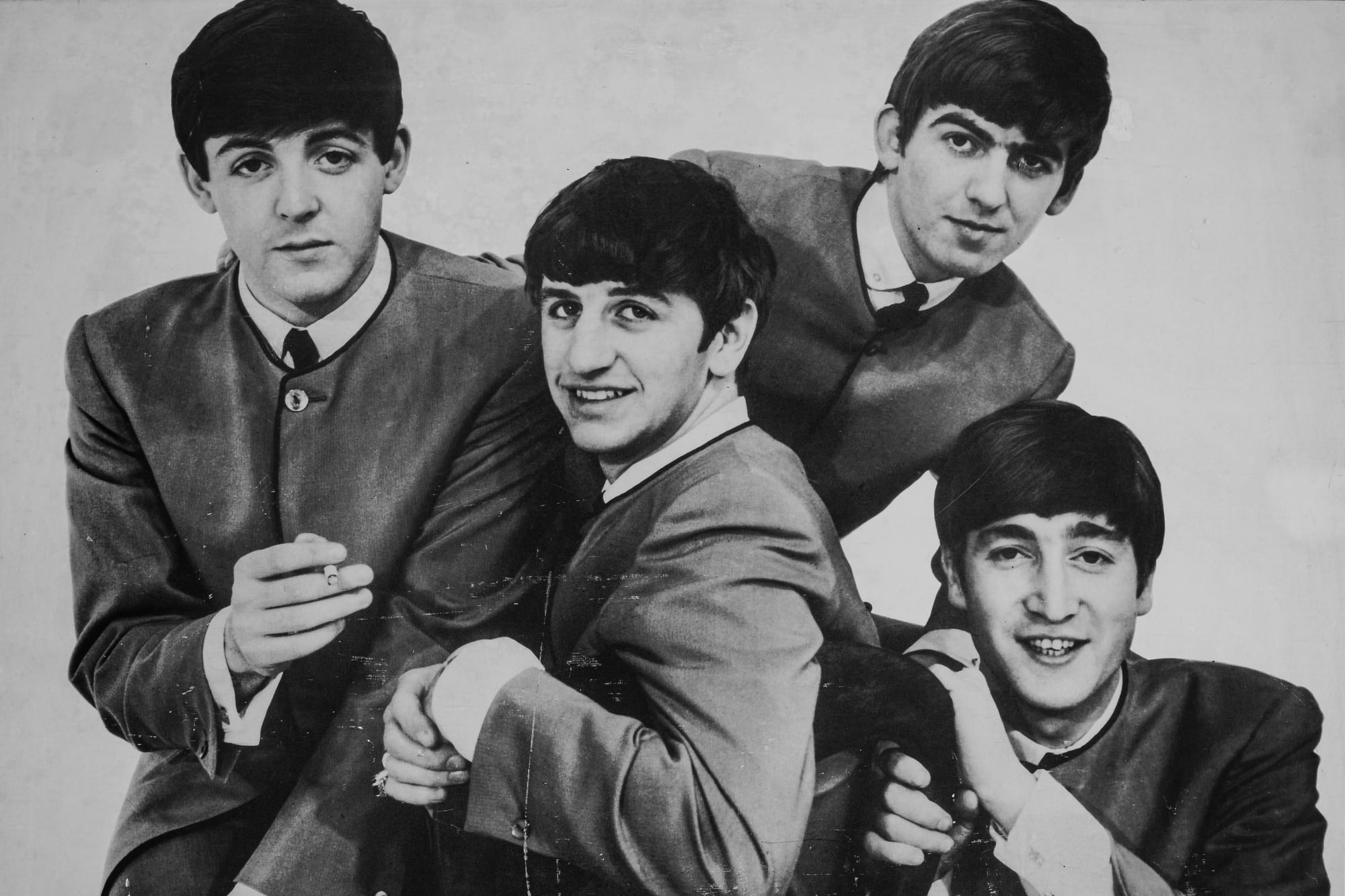
When four young men from Liverpool stepped off a plane at New York’s JFK Airport in February 1964, absolute chaos erupted. Over 3,000 screaming fans crowded the airport, creating a scene that had never been witnessed before in American music history.
The Ed Sullivan Show appearance that followed drew 73 million viewers, roughly 40 percent of the entire U.S. population at the time. Kids stayed home from school the next day just to talk about what they’d seen, and suddenly every teenage boy wanted a mop-top haircut.
Orson Welles scares America with aliens
The 1938 radio broadcast of ‘War of the Worlds’ sent actual panic rippling across the United States. Welles presented H.G. Wells’ science fiction story as a series of news bulletins reporting a Martian invasion, and thousands of listeners who tuned in late genuinely believed aliens had landed in New Jersey.
People flooded police stations with calls, some grabbed their families and fled their homes, and newspapers the next morning were filled with stories of the hysteria. The broadcast became a cautionary tale about media influence that people discussed for decades.
Houdini’s impossible escapes
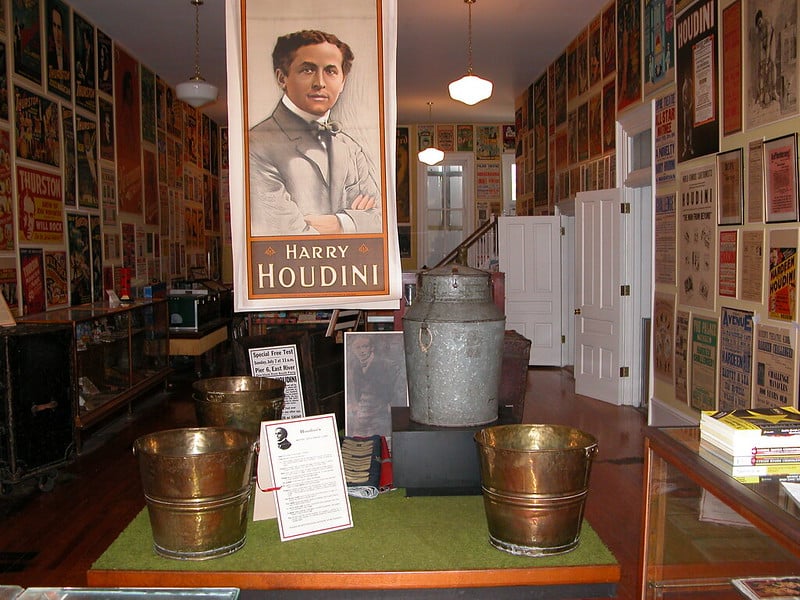
Harry Houdini turned escape artistry into a phenomenon that spread across continents through newspaper coverage and word of mouth. He’d challenge local police in every city to lock him up in their most secure cells, then escape within minutes while crowds gathered outside.
His stunts grew increasingly dangerous, from being locked in water-filled milk cans to hanging upside down in straitjackets from tall buildings. People who witnessed his performances rushed to tell others, and his fame grew so massive that his name became synonymous with the impossible.
The Hindenburg disaster
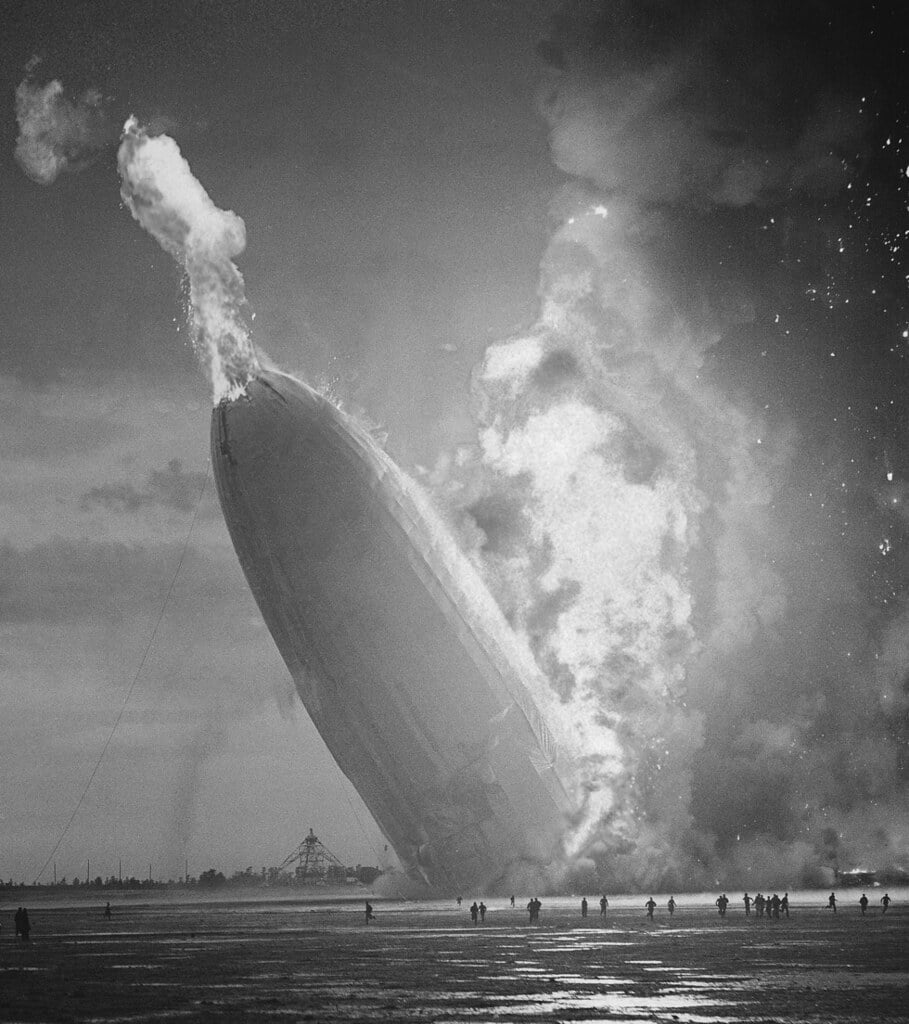
When the massive German airship burst into flames while attempting to dock in New Jersey in May 1937, radio reporter Herbert Morrison captured the tragedy live. His emotional broadcast, particularly his anguished cry ‘Oh, the humanity!’, was replayed on radio stations nationwide.
Newspapers ran dramatic photographs of the burning zeppelin across their front pages. The disaster effectively ended the era of passenger airships and became one of the most discussed tragedies of the decade, with people recounting where they were when they heard the news.
Babe Ruth calls his shot
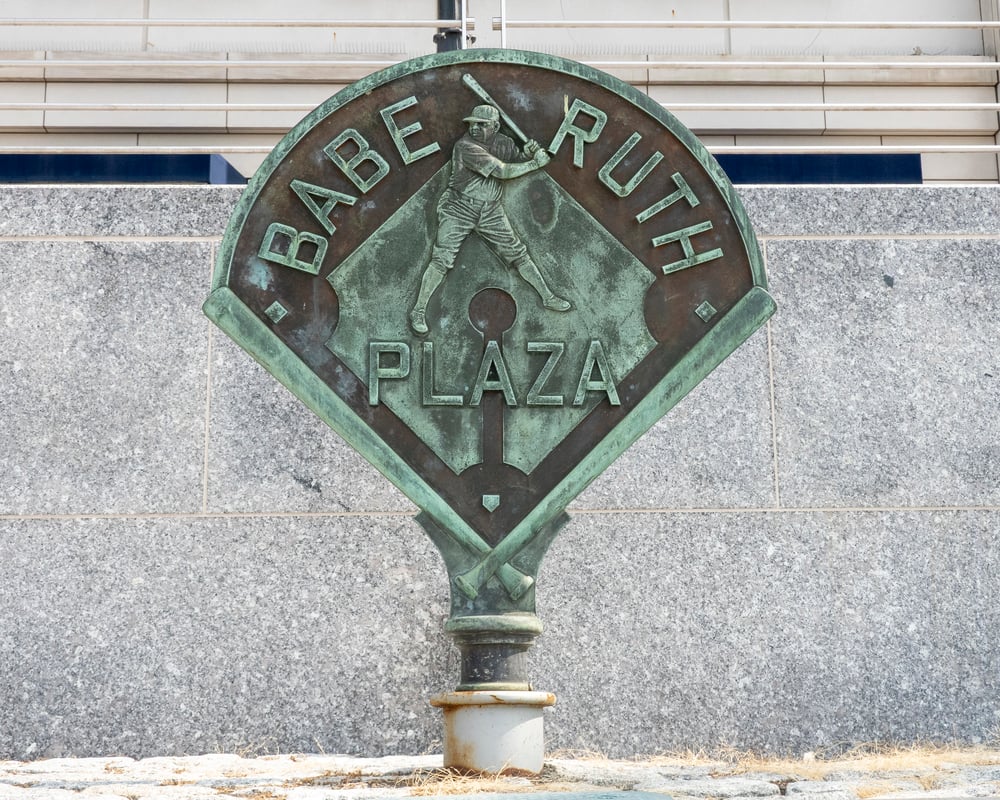
During the 1932 World Series, Babe Ruth supposedly pointed to the center field bleachers before hitting a home run to that exact spot. Whether he actually called the shots remains debated, but the legend spread like wildfire through newspapers, radio broadcasts, and conversations at every corner store and barbershop in America.
The story grew with each retelling, turning an already impressive home run into baseball mythology. For years afterward, people argued about what really happened, making it one of sports’ most discussed moments.
The Scopes Monkey Trial
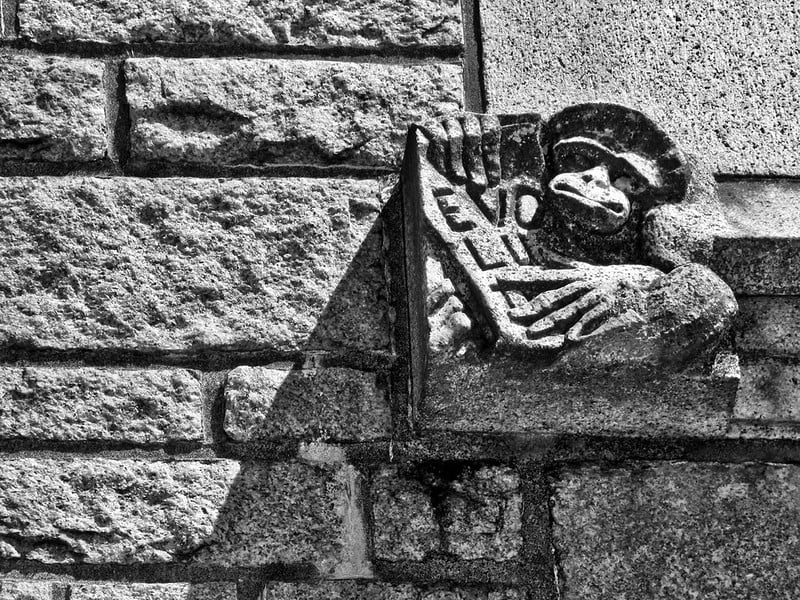
In 1925, a Tennessee teacher went on trial for teaching evolution, and the case became a national obsession. Radio stations provided updates, newspapers sent their top reporters, and thousands of people descended on the small town of Dayton to witness the proceedings.
The trial pitted two famous lawyers against each other and represented a clash between traditional religious beliefs and modern science. People across America followed every development, discussing the case at dinner tables and debating its implications for education and freedom.
Charles Lindbergh crosses the Atlantic
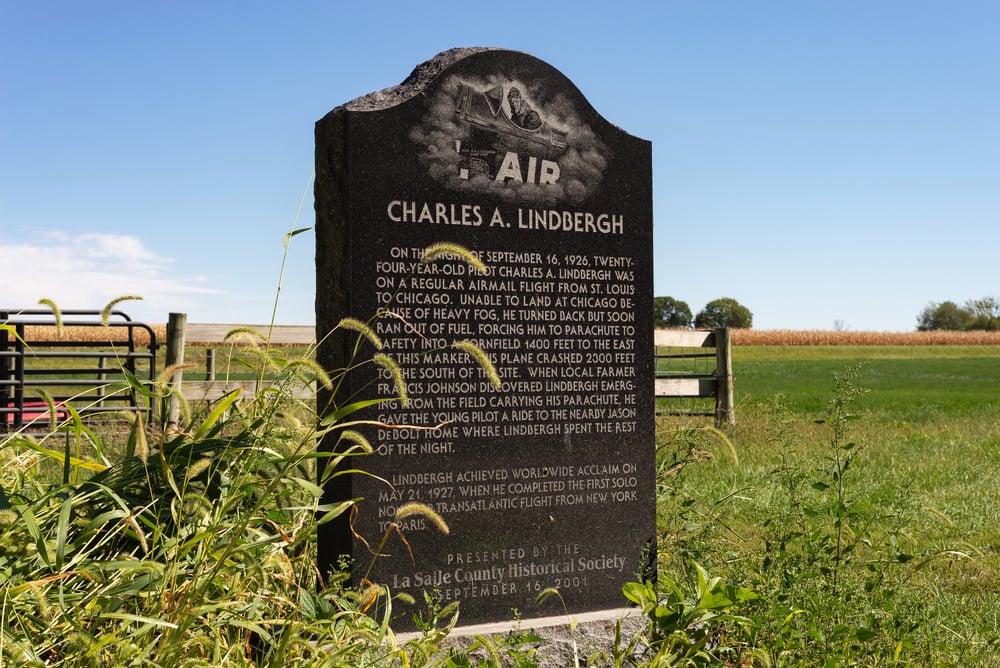
When Lindbergh completed the first solo nonstop flight across the Atlantic Ocean in 1927, he instantly became the most famous person on Earth. His 33-hour journey from New York to Paris captured imaginations worldwide, with radio stations interrupting regular programming to provide updates on his progress.
Four million people lined the streets of New York for his ticker-tape parade, and newspapers couldn’t print enough copies to meet demand. His achievement inspired countless young people to pursue aviation and dominated conversations for months.
The Zapruder film surfaces
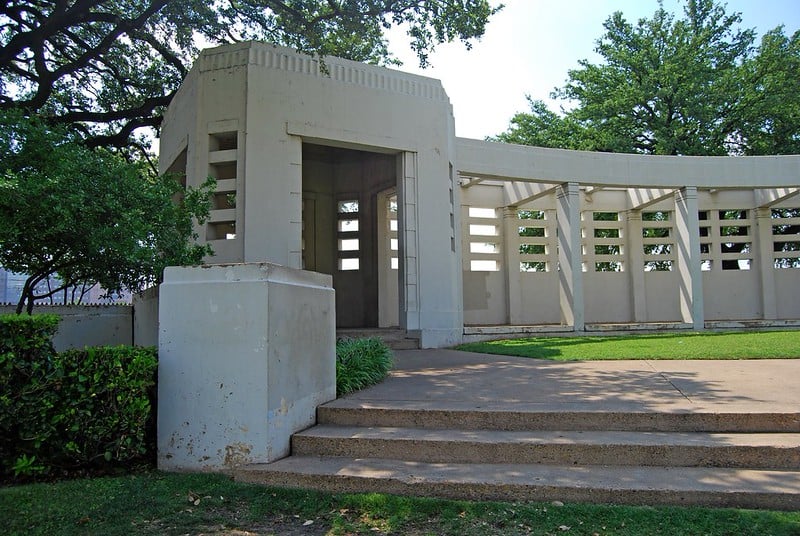
Abraham Zapruder’s home movie footage of President Kennedy’s assassination in 1963 became the most analyzed piece of film in history, despite most Americans never seeing it. Life magazine purchased the rights and published still frames, which people studied obsessively in libraries and newsstands.
Those few who did see the footage described it to others in hushed tones. The film’s existence and the debate over what it showed fueled conspiracy theories and discussions that continued for generations.
Joe Louis defeats Max Schmeling
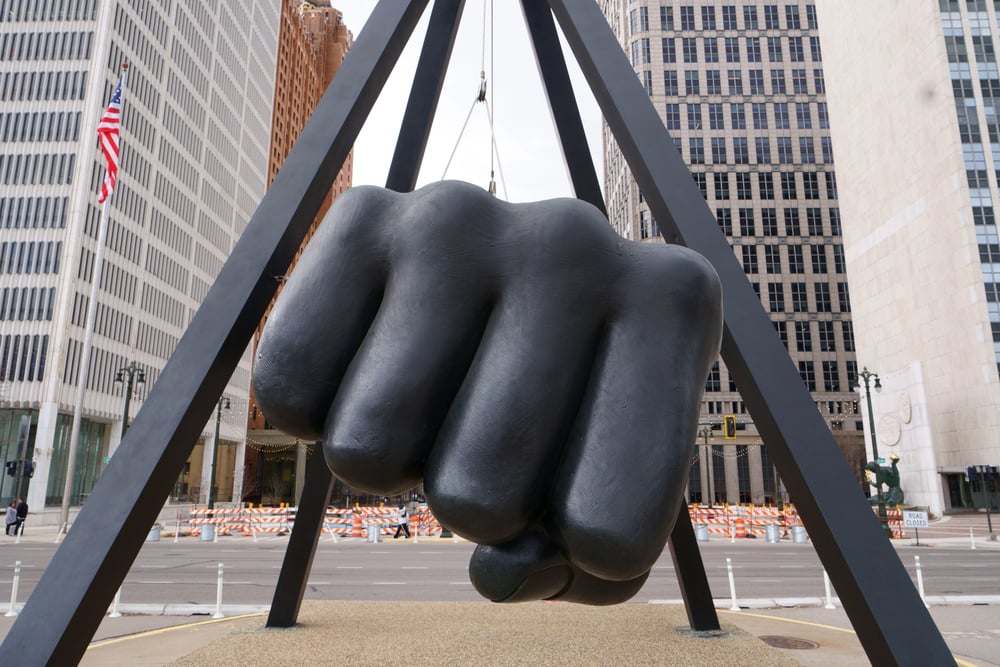
The 1938 rematch between American boxer Joe Louis and German fighter Max Schmeling carried symbolic weight far beyond sports. With tensions rising in Europe and Nazi Germany promoting theories of racial superiority, the fight became about much more than boxing.
An estimated 70 million Americans listened on radio as Louis knocked out Schmeling in the first round. Celebrations erupted in the streets, and the victory became a source of national pride discussed in every corner of the country.
The Roswell incident
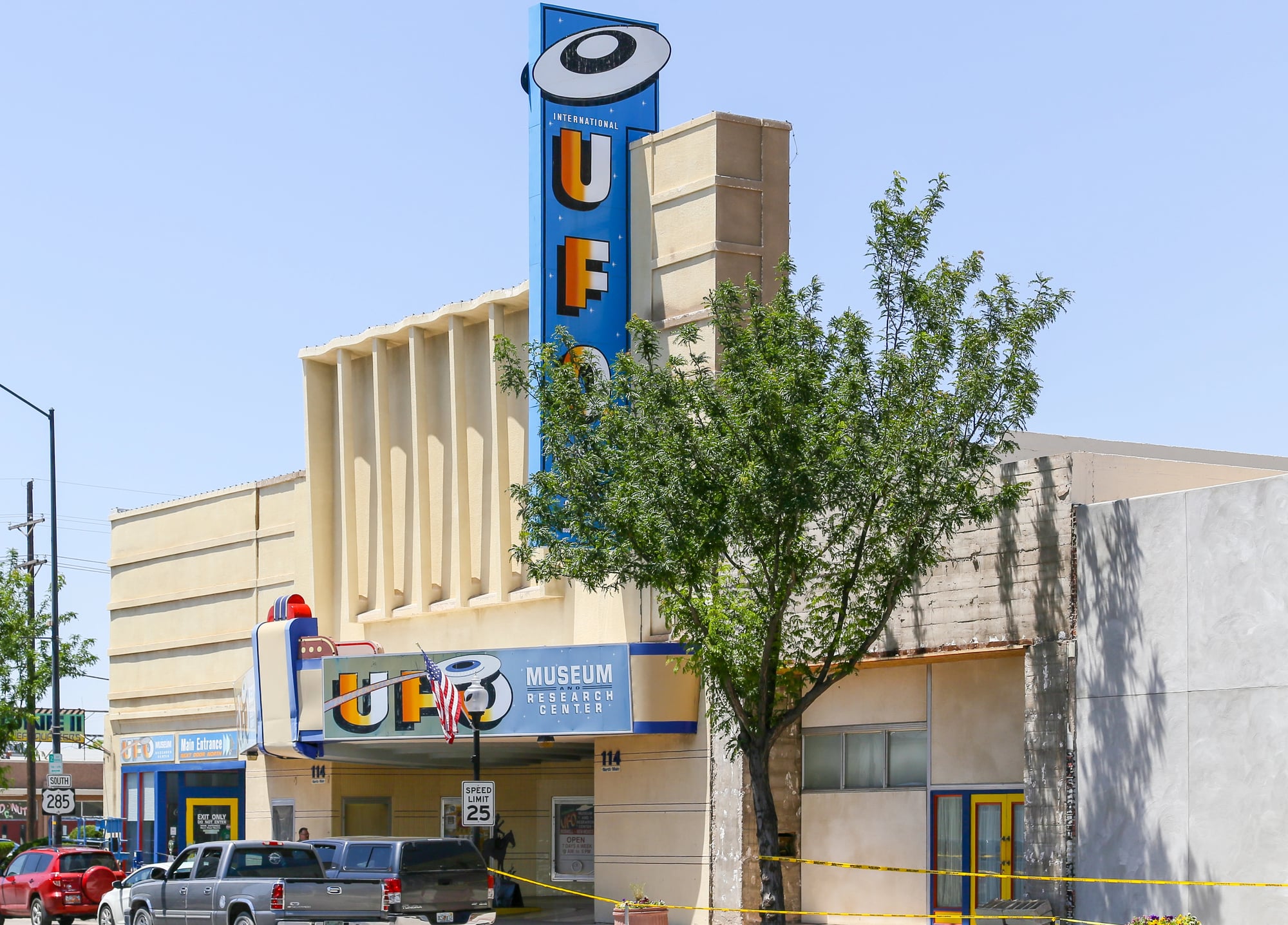
When reports emerged in July 1947 that a flying saucer had crashed near Roswell, New Mexico, newspapers across the country picked up the story. The military quickly changed the explanation to a weather balloon, but the brief window of UFO speculation was enough to spark decades of debate.
People shared theories at work, at home, and anywhere conversations happened. The incident became foundational to UFO culture and conspiracy thinking, spreading through books, magazines, and countless retellings.
Elvis appears on Ed Sullivan
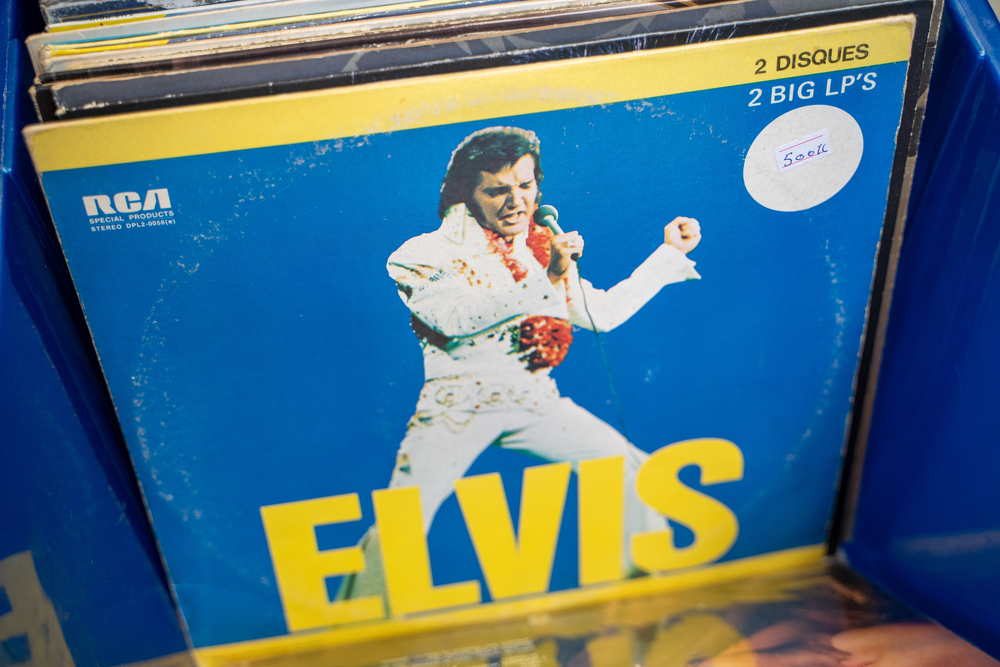
Elvis Presley’s September 1956 appearance on The Ed Sullivan Show drew 60 million viewers, about 82 percent of the television audience that night. The performance was so controversial that cameramen were instructed to film him only from the waist up, which only increased the fascination.
Teenagers rushed to school the next day to discuss every hip swivel and curl of his lip. Parents worried about his influence while kids couldn’t get enough, creating a generational divide that everyone seemed to have an opinion about.
The quiz show scandals break
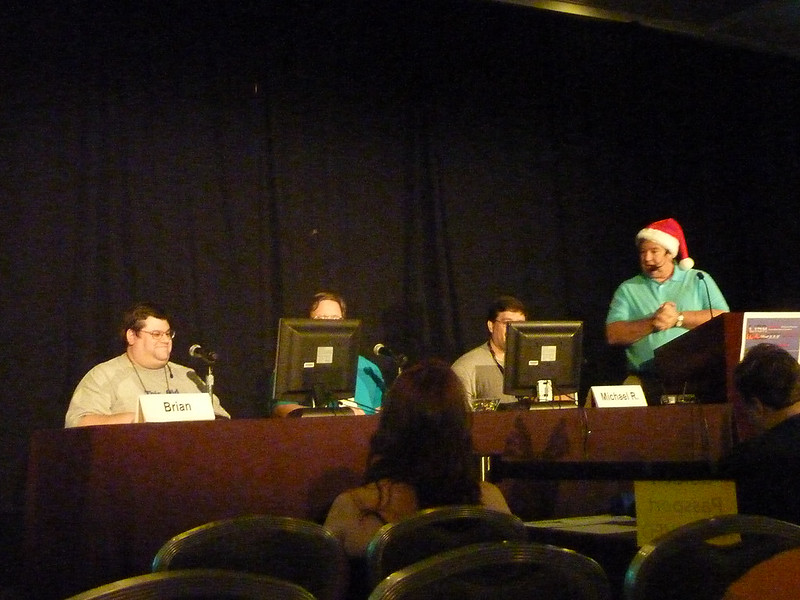
When it was revealed in 1959 that popular TV quiz shows like ‘Twenty-One’ were rigged, with contestants given answers in advance, the nation felt genuinely betrayed. Congressional hearings were broadcast on television, and viewers watched in shock as beloved contestants admitted to fraud.
The scandal destroyed careers, led to new broadcast regulations, and sparked conversations about television’s honesty and influence. People who had gathered around their sets to watch these shows now gathered to discuss how they’d been fooled.
D-Day invasion begins
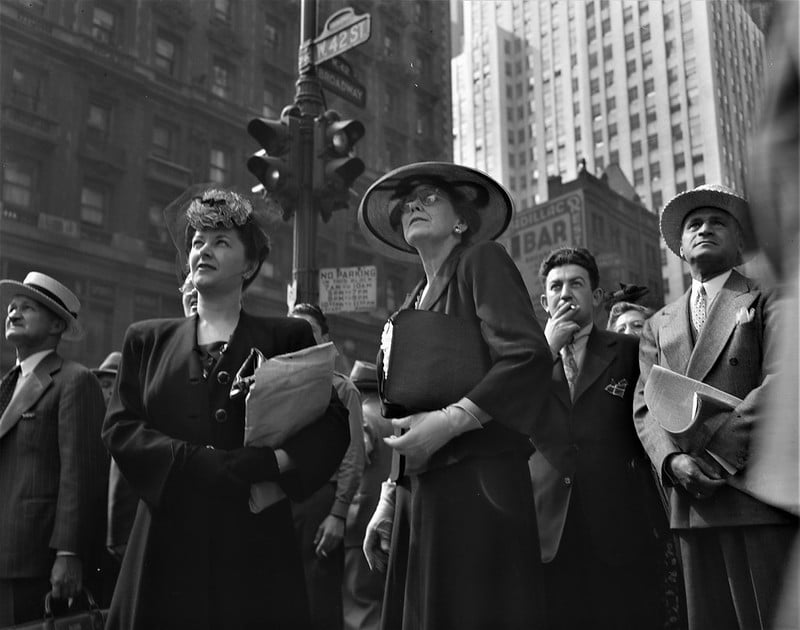
On June 6, 1944, news of the Allied invasion of Normandy spread rapidly through radio broadcasts and newspaper extras. People gathered in churches to pray, crowded around radios for updates, and discussed the massive operation everywhere they went.
The invasion represented a turning point in World War II, and everyone understood its significance. For weeks afterward, communities anxiously awaited news of local soldiers who had participated in the landing.
Marilyn Monroe’s subway grate scene
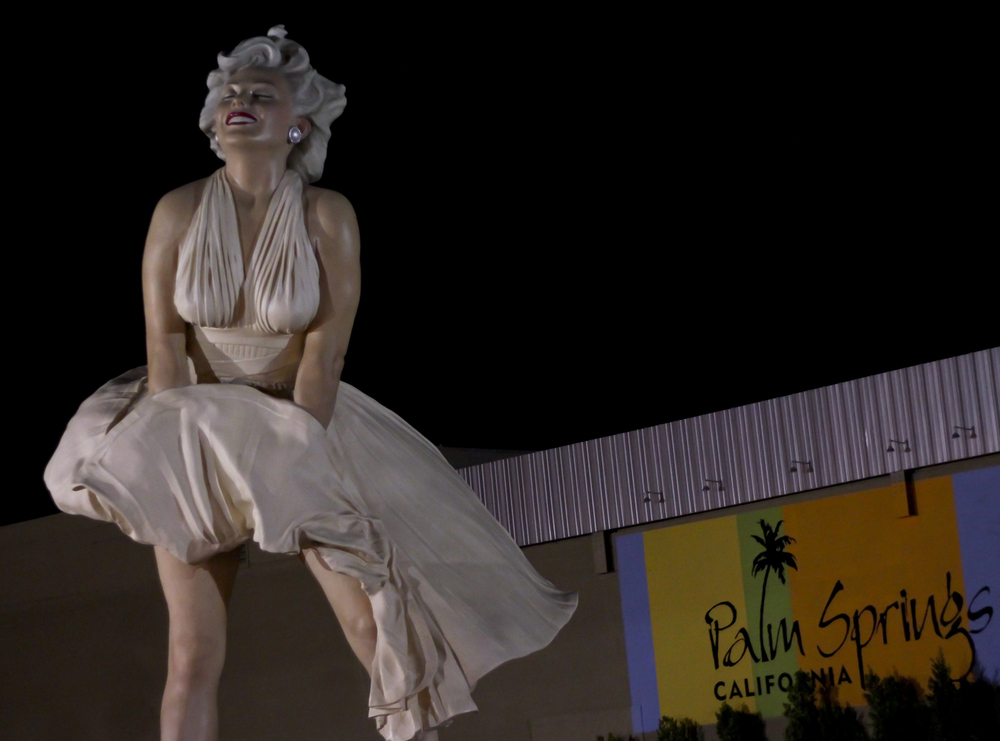
The shoot for Marilyn Monroe’s well-known scene in ‘The Seven Year Itch’ happened in September 1954, pulling huge crowds onto a NYC sidewalk. Cameras snapped her white dress lifting from the rush of air below – thanks to a passing train underneath.
That shot spread fast across global media, showing up everywhere from tabloids to fashion spreads. Over time, it turned into one of the era’s most unforgettable visuals, mentioned again and again without pause.
Her role as a legend locked in place because of that instant – one kept alive through pictures and talk ever since.
Bobby Fischer defeats Boris Spassky
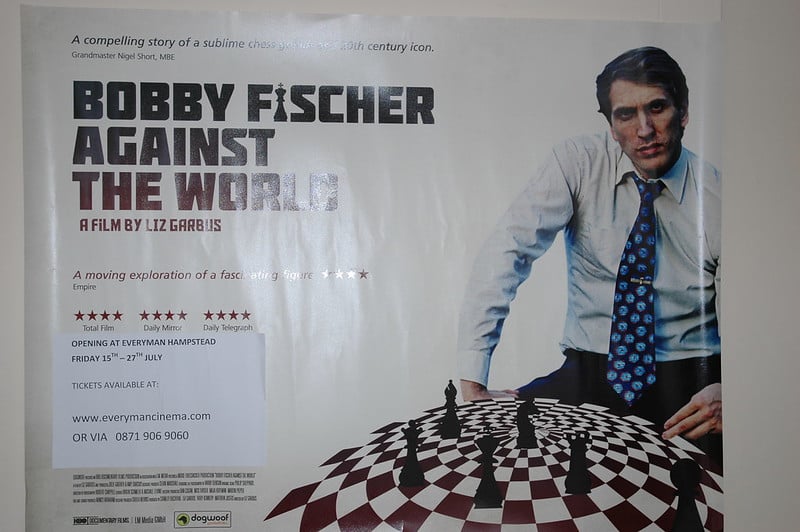
The 1972 chess showdown pitting American Bobby Fischer against Soviet Boris Spassky turned into a surprise sensation amid Cold War tensions. Broadcasters aired live footage of what’s usually seen as quiet gameplay, headlines tracked progress day by day, while folks with zero past interest leaned in closely.
This wasn’t just about pieces on a board – it mirrored the ongoing rivalry between the U.S. and USSR. When Fischer won, streets lit up with joy, offering hope at a time when morale needed a boost.
The moon landing captivates humanity
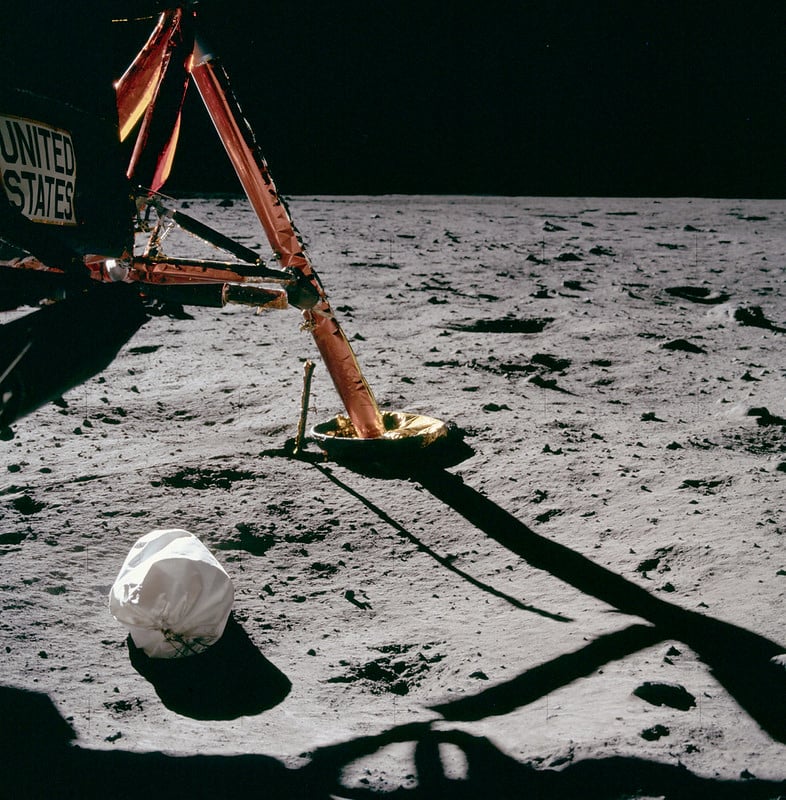
Back in July 1969, when Apollo 11 touched down on the Moon, nearly 650 million folks tuned in from around the world. Folks huddled near whatever TV they could find – neighbors, kids, parents – all eyes glued.
The moment after, talk at work, on streets, even in shops kicked off with “Catch that?” as everyone swapped how it made them feel. Classrooms got together for quick talks, papers slapped out one-off issues, yet still, chatter about walking on the Moon kept going strong for days.
Muhammad Ali refuses military service
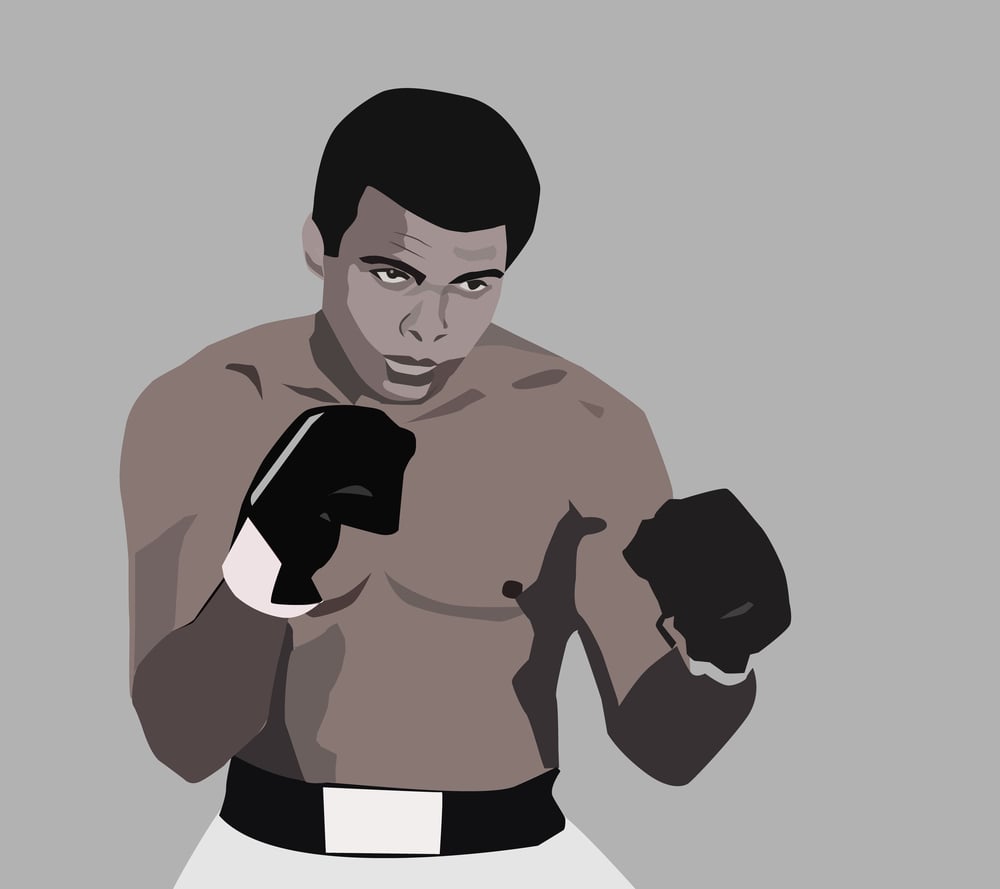
Ali’s 1967 decision to dodge the draft sparked outrage across America. Because he said, “I ain’t got no quarrel with them Viet Cong,” folks argued about it at schools, workplaces – just about everywhere.
When they took away his boxing crown and threatened jail, opinions split – he was either brave or a traitor, depending on your view. While TV clips played it nonstop, newspapers ran headlines daily, neighbors fought over meals; really, this wasn’t just about one man – it mirrored how torn everyone felt in Vietnam.
Woodstock shaped an entire era
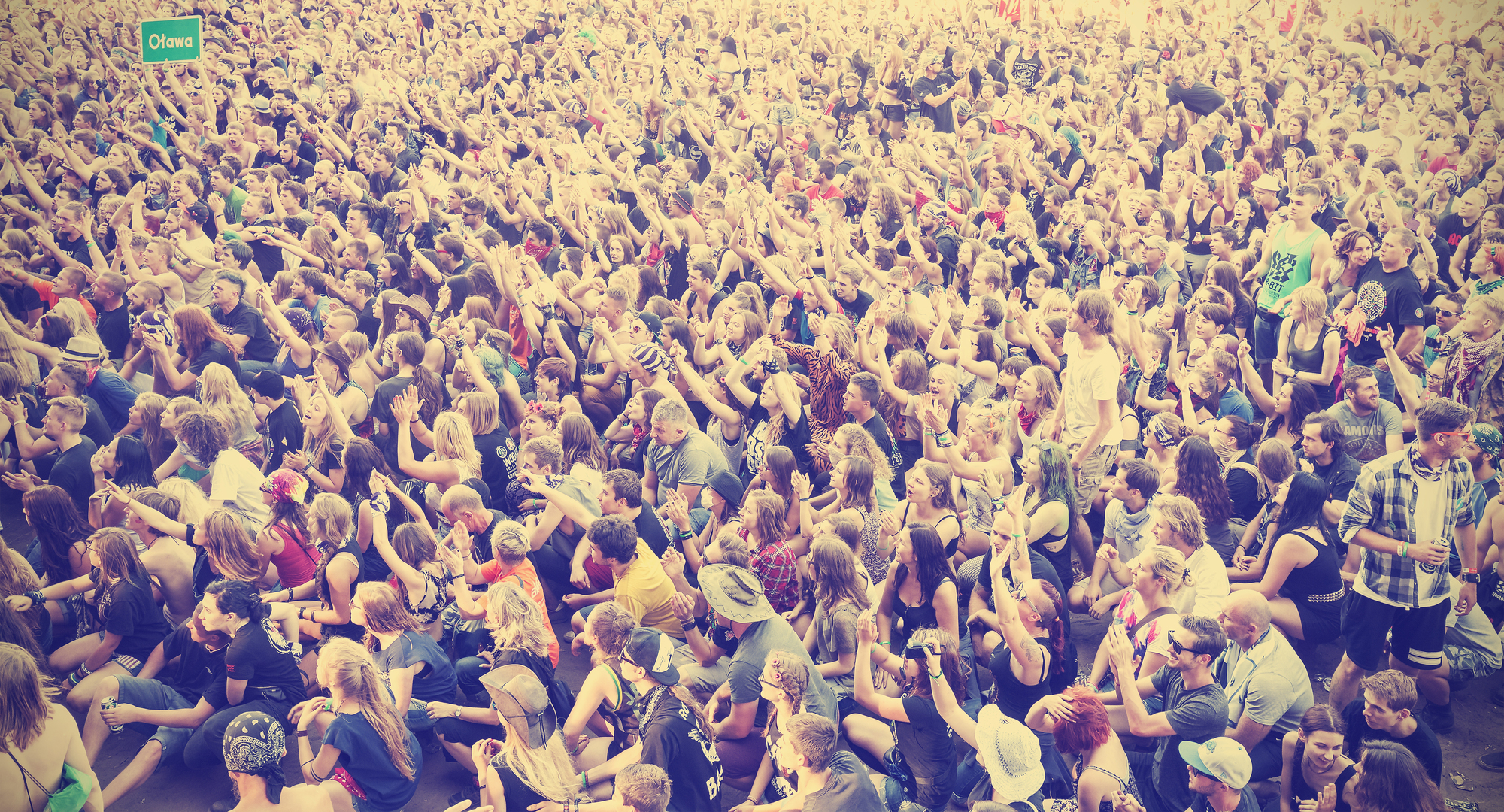
In August 1969, around five hundred thousand folks showed up at a rural spot in New York State for a big concert. People who missed out still got stories from those who went.
Even with storms, slippery ground, or chaos getting things done, the event came to stand for rebellion and new ideas. Tales about the acts, the masses, because of shared moments moved fast across universities, small-run zines, along with chats shaping youth identity near that decade’s end.
Its effect reached way past just three days of songs.
Right here, at this spot. Not somewhere else – right now
Those times show viral stuff didn’t start with new gadgets. Folks’ve always wanted to share wild stories, passing them quickly from one person to another.
Back then it took longer – still, folks felt the urge to link up over big events. Nowadays things blow up fast, spreading way wider, yet they still feed that core hunger we had when crowding near radios or grabbing headlines off newsprint years back.
More from Go2Tutors!

- The Romanov Crown Jewels and Their Tragic Fate
- 13 Historical Mysteries That Science Still Can’t Solve
- Famous Hoaxes That Fooled the World for Years
- 15 Child Stars with Tragic Adult Lives
- 16 Famous Jewelry Pieces in History
Like Go2Tutors’s content? Follow us on MSN.