Legacy Brands that nearly went Bankrupt
Even the biggest names in business aren’t immune to financial disaster.
Companies that once dominated their industries have found themselves on the edge of collapse.
They fought to survive against changing markets, poor decisions, and fierce competition.
Some managed to pull off remarkable turnarounds.
Others serve as cautionary tales about what happens when giants stumble.
Here is a list of legacy brands that nearly went bankrupt.
Apple
In 1997, Apple was just 90 days away from running out of cash.
The company that had revolutionized personal computing in the 1970s was hemorrhaging money.
It was losing over $1 billion annually.
Steve Jobs returned as CEO that year after being forced out more than a decade earlier.
He found a company adrift with too many products and no clear direction.
Jobs immediately slashed the product line by 70 percent.
He focused on just four key products and struck an unlikely deal with Microsoft for a $150 million investment.
The bold moves worked.
Within a year Apple posted a $309 million profit.
This set the stage for the iPod, iPhone, and iPad revolutions that would make it one of the world’s most valuable companies.
IBM
By the early 1990s, IBM was a dinosaur heading for extinction.
The computing giant had lost $16 billion over three years and was widely expected to be broken up and sold for parts.
Lou Gerstner took over as CEO in 1993, becoming the first outsider to lead the company.
He famously declared that vision wasn’t what IBM needed—execution was.
He kept the company intact when everyone advised splitting it up.
Gerstner recognized that IBM’s unique value was providing complete technology solutions to businesses.
He laid off nearly 100,000 employees, shifted focus from hardware to services and software, and transformed IBM’s insular culture into one focused on customers and results.
During his tenure, the company’s market value grew from $29 billion to $168 billion.
Chrysler

Chrysler was on life support in 1979, losing money at an alarming rate and facing the real possibility of shutting down entirely.
Lee Iacocca, recently fired from Ford, took the helm and immediately went to Washington to beg for help.
He eventually secured $1.5 billion in federal loan guarantees.
He became the face of Chrysler’s comeback, appearing in television ads with his signature challenge: “If you can find a better car, buy it.”
Iacocca cut costs ruthlessly, negotiated wage concessions with unions, and introduced the wildly successful minivan that created an entirely new vehicle category.
Chrysler paid back the government loans seven years early in 1983.
Iacocca became a business celebrity whose autobiography topped bestseller lists for two years.
Marvel
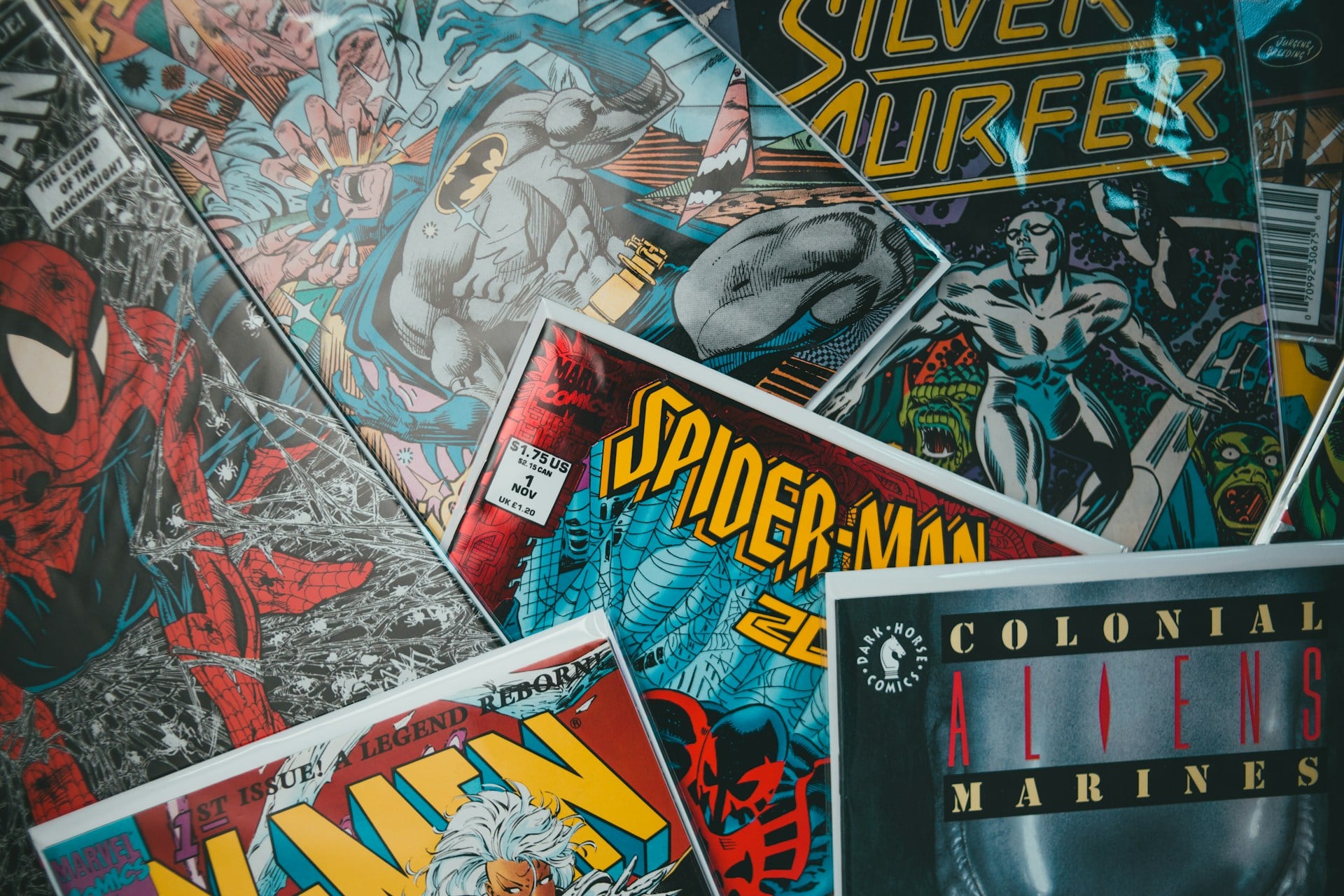
The comic book publisher filed for bankruptcy in 1996 after years of declining sales and mounting debt from the comic crash of 1993.
Marvel had tried diversifying into restaurants and other ventures that flopped spectacularly.
The company was fighting for survival.
The turnaround came when Marvel decided to stop licensing its characters for peanuts and instead started making its own movies.
Using the rights to its characters as collateral, Marvel secured $525 million in funding and launched Marvel Studios in 2005.
The gamble paid off when Iron Man became a massive hit in 2008.
Disney acquired Marvel for $4 billion the following year, turning decades of comic book stories into a cinematic empire worth billions.
Lego
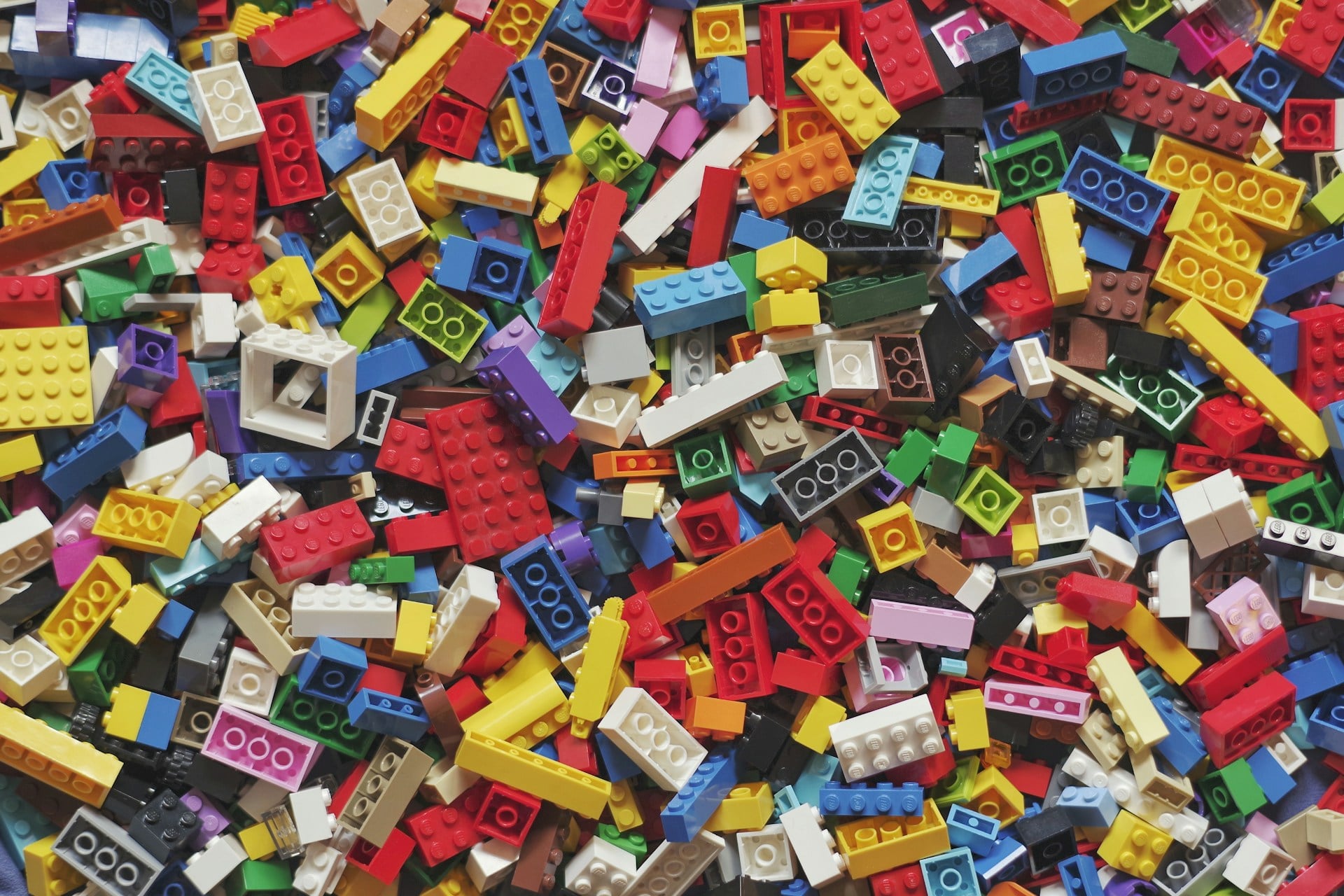
The Danish toy maker was drowning in nearly $1 billion of debt by 2004.
It was hemorrhaging cash from failed ventures into theme parks, video games, and even a jewelry line for girls.
Lego had strayed far from its core business of plastic building bricks, and sales had plummeted 40 percent.
New CEO Jørgen Vig Knudstorp took the company back to basics.
He cut the number of different brick types in half and sold off everything that wasn’t essential to the core product.
He introduced popular themed sets based on Star Wars, Harry Potter, and other franchises that tapped into existing fan bases.
The strategy worked brilliantly.
The 2014 Lego Movie sparked a global renaissance for the brand.
It transformed Lego into one of the world’s most profitable toy companies.
General Motors
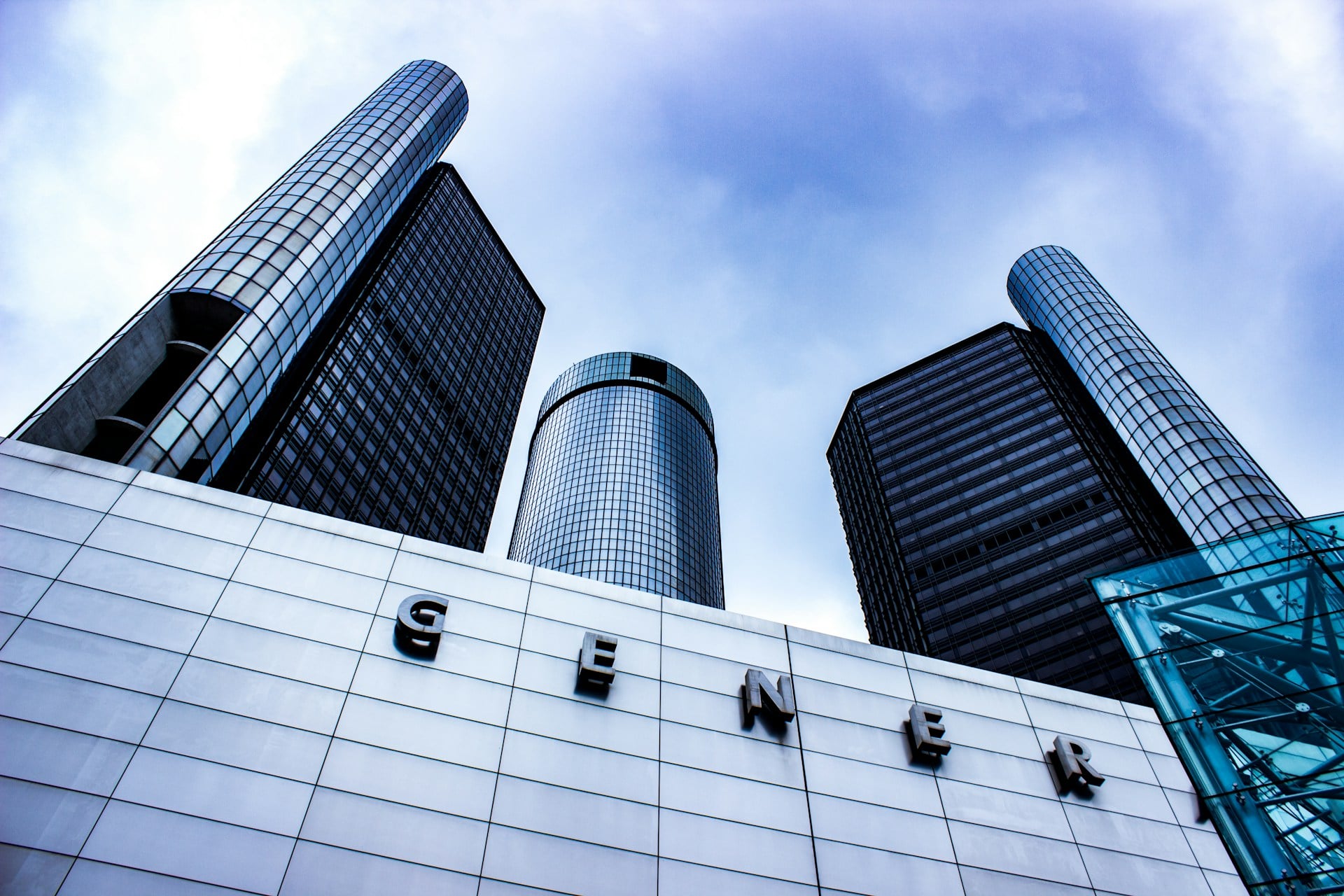
GM filed for Chapter 11 bankruptcy in 2009 after decades of decline left it unable to survive the financial crisis.
The automaker that had once been America’s largest employer was losing billions annually.
It was weighed down by underperforming brands like Pontiac, Hummer, and Saturn.
The federal government stepped in with a $66.7 billion bailout to prevent massive job losses and economic devastation.
GM emerged from bankruptcy a leaner company, shedding unprofitable brands and focusing on core names like Chevrolet and Buick.
The restructured automaker went public again in 2010 and has since regained profitability.
It faced criticism that the bailout rewarded failure and used taxpayer money to pick winners and losers.
Polaroid
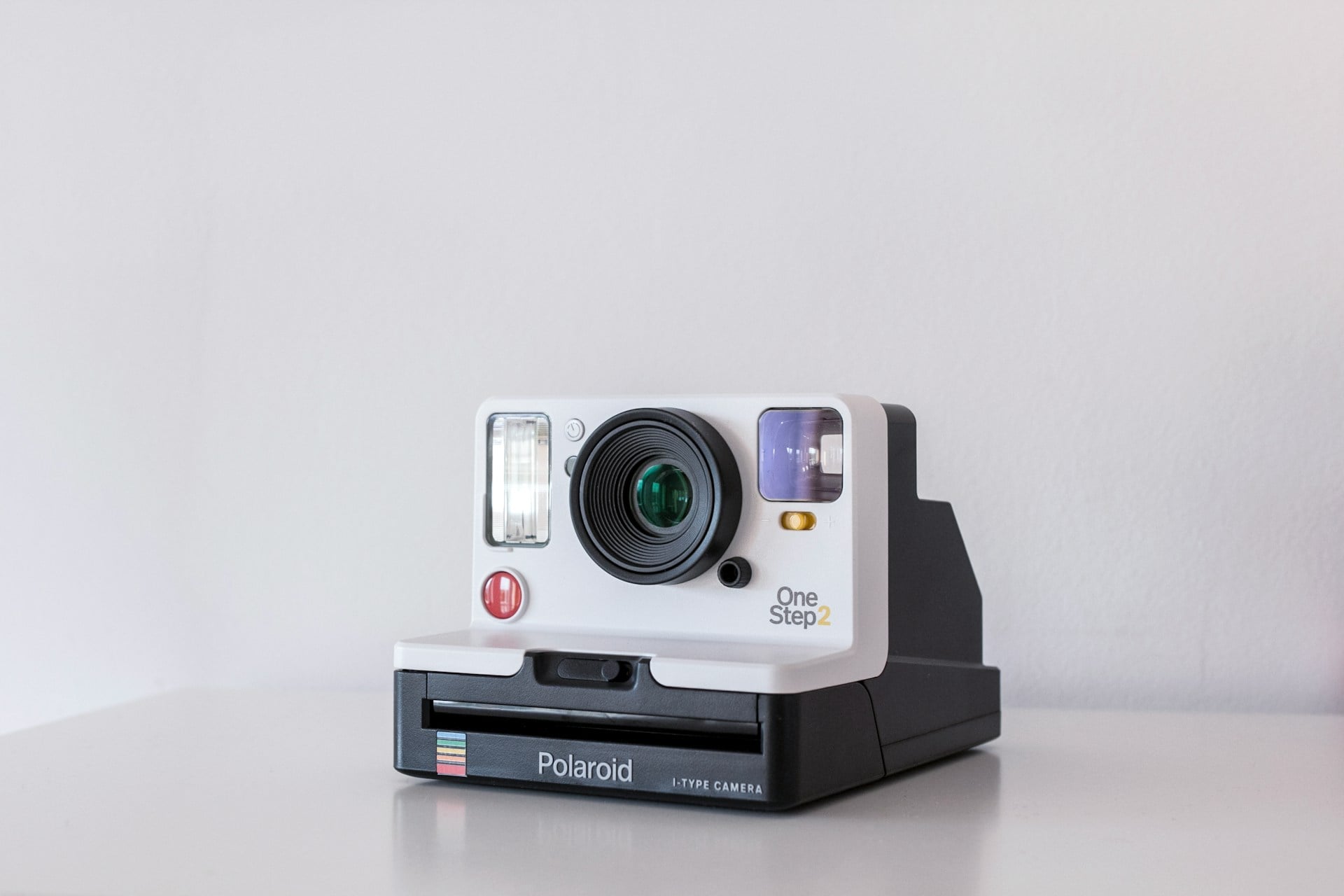
The instant photography pioneer filed for bankruptcy twice—first in 2001 when digital cameras made film obsolete, then again in 2008 during its attempted comeback.
Polaroid had invented a category but failed to adapt when the world went digital.
It closed its last film factory as sales evaporated.
A group of enthusiasts bought the factory and kept instant film alive through the Impossible Project.
Polaroid was reinvented in 2010 as a lifestyle brand that embraced both its heritage and new technology.
It licensed products like portable iPhone printers and action cameras.
The brand brought Lady Gaga on as creative director and successfully positioned itself as retro-cool rather than outdated.
It proved that even seemingly dead brands can find new life.
Converse

The iconic sneaker brand filed for bankruptcy in 2001 after years of being crushed by Nike and other competitors in the performance shoe market.
Converse had dominated basketball footwear for decades but couldn’t keep pace with high-tech innovations.
It kept manufacturing in the United States while rivals moved production overseas.
Nike acquired the struggling brand for $309 million in 2003 and transformed it completely.
Rather than competing in athletics, Nike repositioned Converse as a lifestyle and fashion brand.
It capitalized on the retro appeal of Chuck Taylor All Stars.
The strategy worked spectacularly.
Converse sales grew from around $200 million at acquisition to nearly $2 billion within 15 years.
The old canvas sneakers still had plenty of life left.
Sears
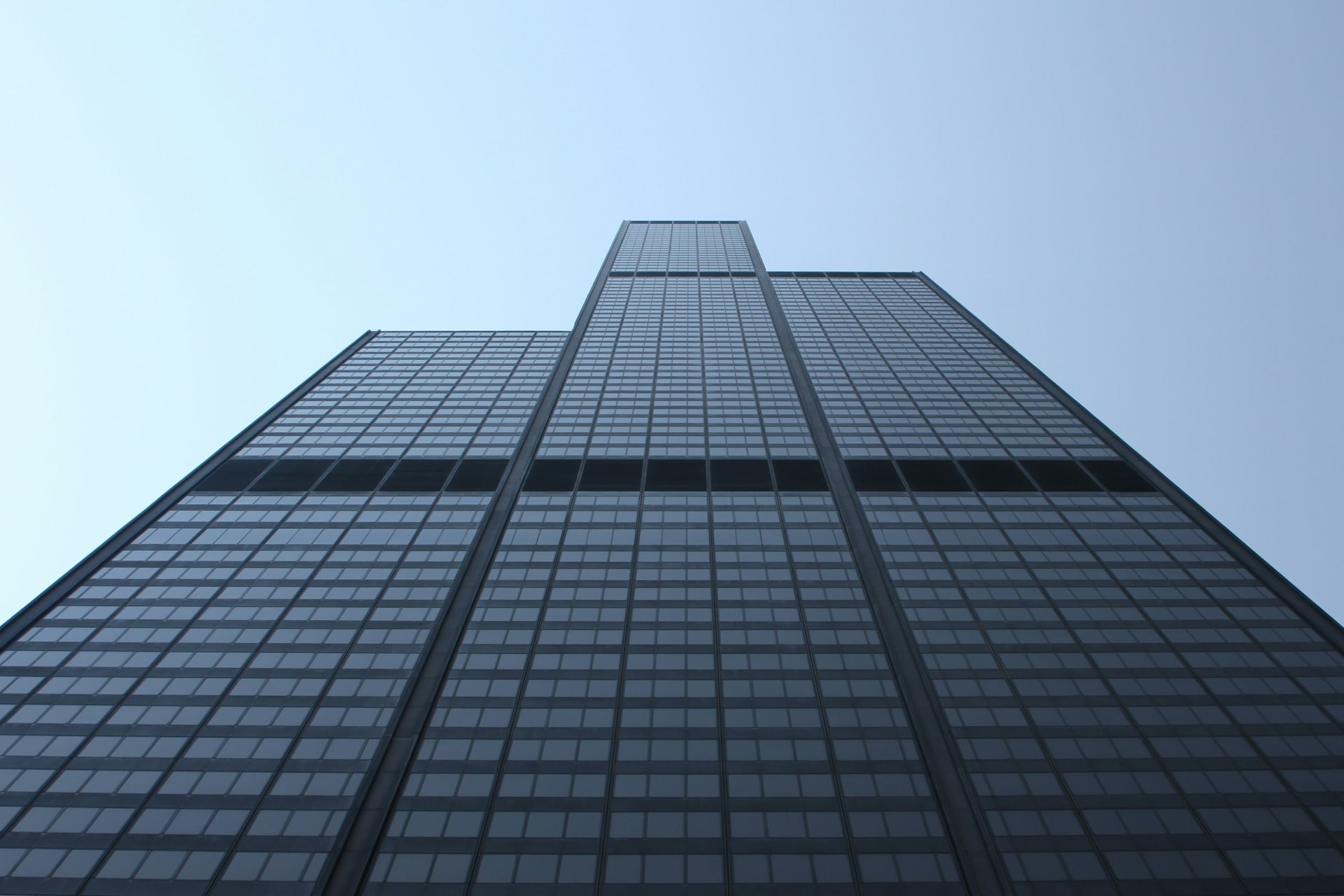
Once America’s largest retailer and employer, Sears filed for bankruptcy in 2018 after years of terminal decline.
The company that had sold everything from houses to tools through its famous catalog failed to adapt to online shopping and changing consumer habits.
Sears had been slowly dying for decades, closing stores and losing market share to competitors who understood the future.
The company emerged from bankruptcy as a much smaller operation under new ownership.
Continued struggles have left it a shadow of its former self.
Sears stands as perhaps the most dramatic example of how even the mightiest retailers can fall when they stop innovating and lose touch with customers.
Nintendo
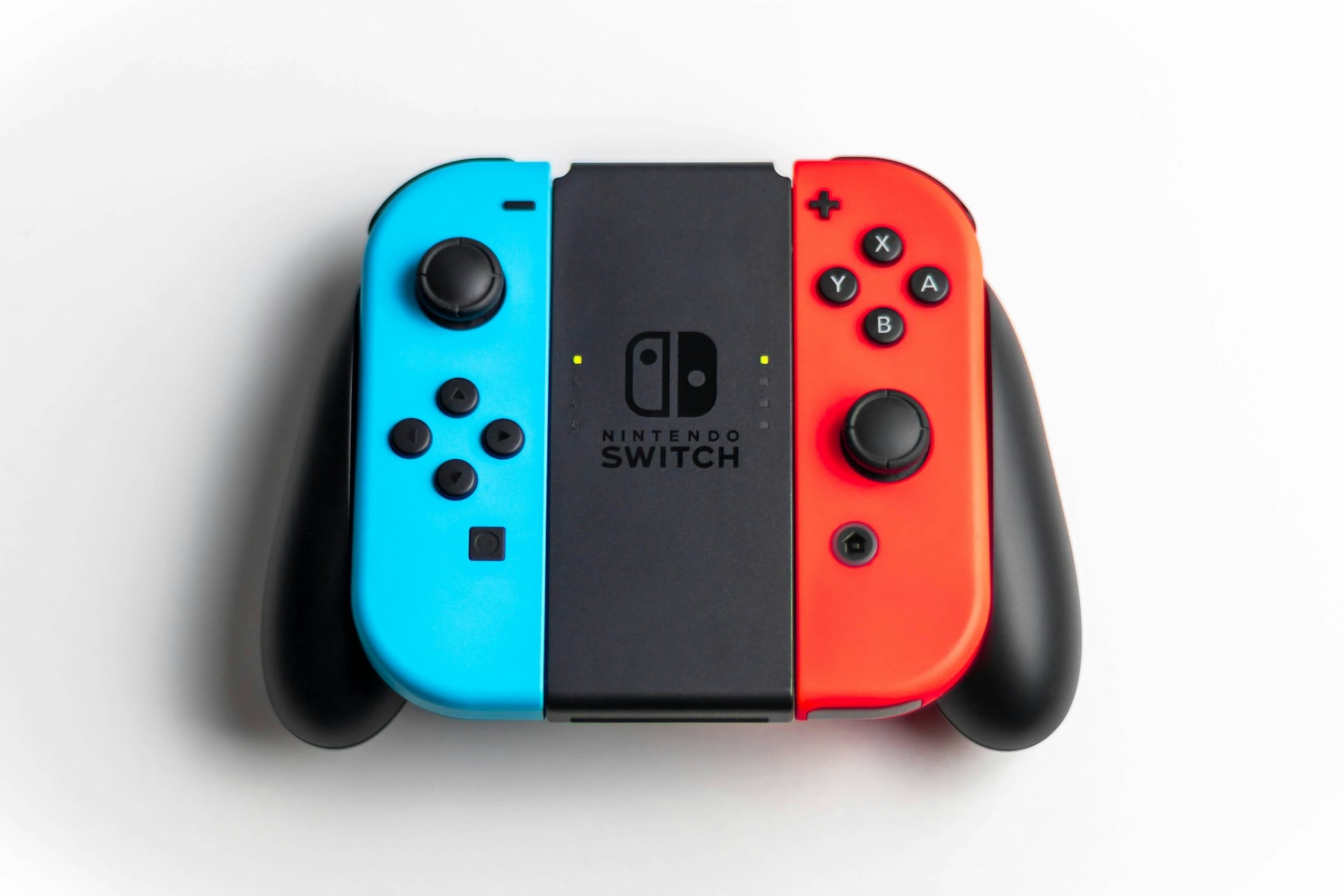
The gaming giant faced severe financial pressure after its Wii U console flopped spectacularly in 2012.
It became Nintendo’s worst-selling home console.
The failure forced Nintendo executives to take major pay cuts and left the company scrambling for cash.
Nintendo responded by diversifying revenue streams, licensing characters for theme parks, and launching mobile apps including the phenomenon Pokemon Go.
These moves generated enough cash flow to develop the Nintendo Switch.
The console launched in 2017 and became one of the fastest-selling consoles ever.
The Switch’s success vindicated Nintendo’s approach of innovation over raw technical specs.
It saved the company without requiring a single layoff.
TGI Fridays
The casual dining chain with the signature flair filed for Chapter 11 bankruptcy in November 2024 after years of shrinking footprint and declining customer traffic.
Fridays blamed the COVID-19 pandemic as the primary driver of its financial challenges.
The company had been struggling long before 2020.
The bankruptcy affected 39 company-operated restaurants in the United States while franchise locations remained open.
The company announced it would use the bankruptcy process to explore strategic alternatives and ensure long-term viability.
The filing represented another blow to casual dining chains that have struggled to compete with fast-casual restaurants and delivery apps.
Tupperware

The kitchen storage brand synonymous wi
th plastic containers filed for bankruptcy in September 2024 after years of falling popularity and mounting debt.
Tupperware had built an empire on home parties where salespeople demonstrated products to friends and neighbors.
That model collapsed as shopping moved online and younger consumers showed little interest.
The company struggled to reinvent itself for modern retail.
Despite efforts to expand into new channels, it couldn’t overcome decades of declining relevance.
The bankruptcy marked a sad end for a brand that had been so dominant its name became synonymous with food storage containers.
It showed how even category-defining products can become obsolete.
Express
The mall retailer filed for bankruptcy in April 2024 after consistently failing to excite shoppers with its merchandise mix.
Express had been a trendy destination for young professionals in earlier decades but lost its way amid changing fashion preferences and fierce competition.
Nearly 100 stores closed as part of the bankruptcy proceedings.
The company sold itself to a consortium led by WHP Global in June 2024.
It hoped new ownership could revive the struggling brand.
Express joined a long list of mall-based retailers brought down by the shift to online shopping and the decline of shopping malls themselves.
Joann Fabrics
The 81-year-old fabric and craft retailer filed for bankruptcy in March 2024 as customers cut back on spending for arts and crafts supplies.
Joann had been a fixture in strip malls across America, serving quilters, sewers, and crafters for generations.
Rising costs and changing consumer habits finally caught up with the chain.
The company’s stock was delisted from the Nasdaq.
Joann became privately owned through the bankruptcy process, which slashed its debt burden while keeping all 850 stores open.
The restructuring gave Joann a chance to reinvent itself for modern crafters.
The company still faces challenges from online competitors and broader retail headwinds.
True Value
The 75-year-old hardware store brand filed for bankruptcy in October 2024 and ended its legacy by selling its operations to a rival.
True Value cited a significant cash crunch driven by a stalled housing market and consumers becoming far more selective about discretionary purchases like hardware.
Rising interest rates had effectively frozen home sales and remodeling projects.
This devastated hardware retailers that depended on homeowners making improvements.
Individual True Value stores remain open because they are independently owned and were not part of the bankruptcy proceedings.
The corporate entity that supplied and supported them effectively ceased to exist.
This marked the end of an era for the cooperative hardware model.
From Titans to Survivors

These corporate near-death experiences reveal a pattern that transcends industries and decades.
The brands that survived did so by making painful but necessary changes.
They slashed costs, refocused on core strengths, and adapted to new realities rather than clinging to past glories.
Whether it was Apple betting everything on four products, IBM keeping itself together when conventional wisdom demanded a breakup, or Converse reinventing itself as fashion rather than sports gear, the common thread was bold leadership willing to make tough calls.
The companies that failed or barely limped through waited too long to change.
They discovered that even the most iconic names can’t survive on nostalgia alone.
More from Go2Tutors!

- The Romanov Crown Jewels and Their Tragic Fate
- 17 Halloween Costumes Once Considered Taboo
- Famous Hoaxes That Fooled the World for Years
- 15 Child Stars with Tragic Adult Lives
- 16 Famous Jewelry Pieces in History
Like Go2Tutors’s content? Follow us on MSN.