15 Famous Fairytales Never Meant for Children
Most people grew up with sanitized versions of these stories — the Disney adaptations, the illustrated picture books, the bedtime readings that always ended happily. What they probably didn’t know is that many of the world’s most beloved fairytales started out as something far darker, more violent, and decidedly not for young ears.
These weren’t stories meant to comfort children. They were warnings, morality tales, and sometimes just brutal reflections of the world adults actually lived in.
1. Cinderella: The Stepsisters Got What Was Coming to Them
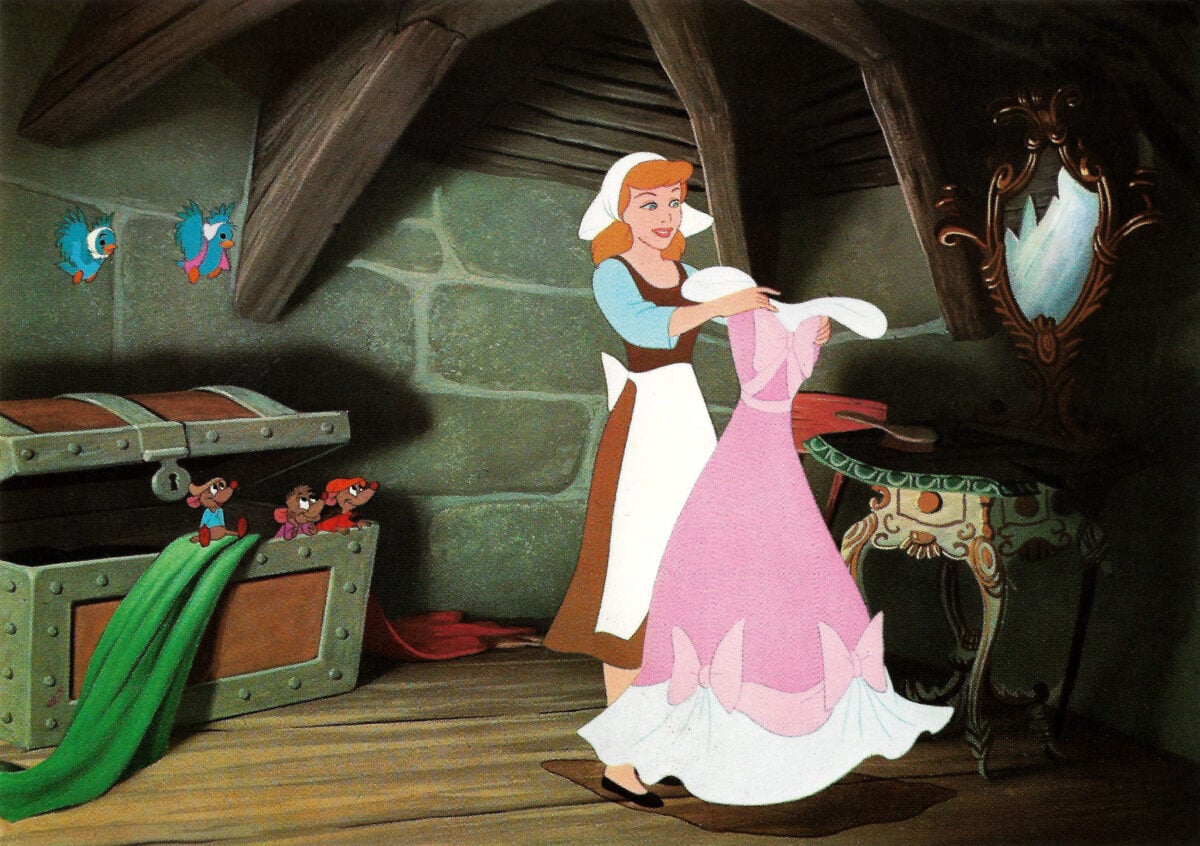
The version most people know ends with a glass slipper, a prince, and a wedding. The Brothers Grimm version ends with birds pecking out the eyes of the stepsisters as punishment for their cruelty.
Earlier Italian versions, like Giambattista Basile’s La Gatta Cenerentola from 1634, are even more graphic — the heroine kills her own governess to clear the way for her father to remarry. Not exactly a “kindness wins” moral.
2. Little Red Riding Hood: A French Warning About Men
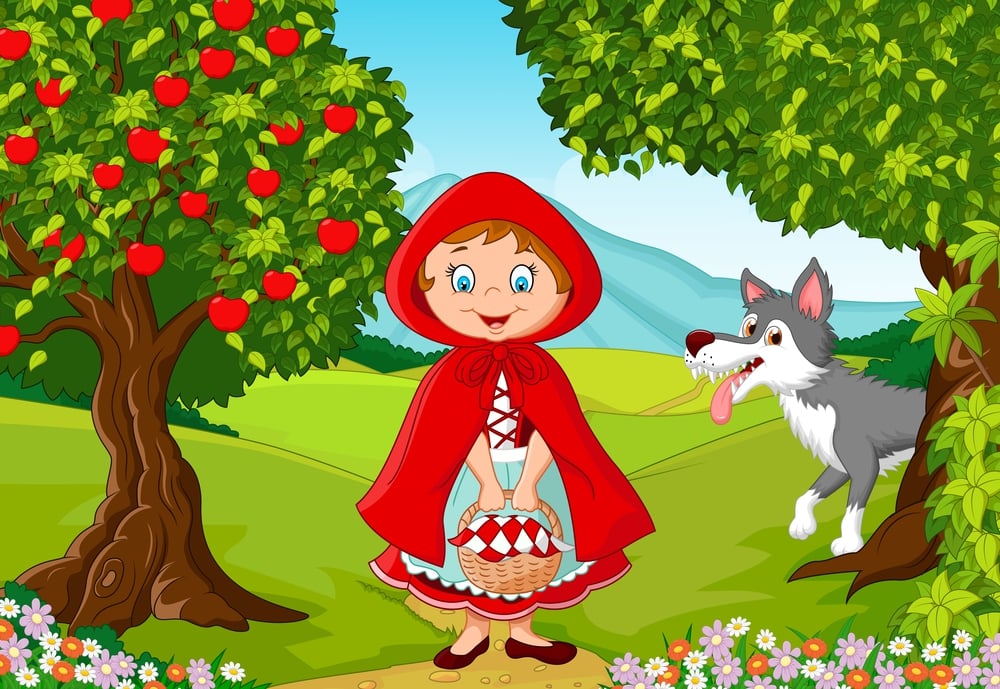
Charles Perrault wrote the earliest widely known version of this story in 1697, and he was blunt about what it meant. The wolf isn’t just a wolf — he’s a seducer, and the story ends with the girl being consumed, no rescue, no woodcutter.
Perrault even added a poem at the end explicitly warning young women about charming men who seem friendly but have other intentions. The Brothers Grimm added the hunter later, giving the story its now-familiar happy ending and erasing the original’s uncomfortable point.
3. Sleeping Beauty: The Original Has No Prince Charming
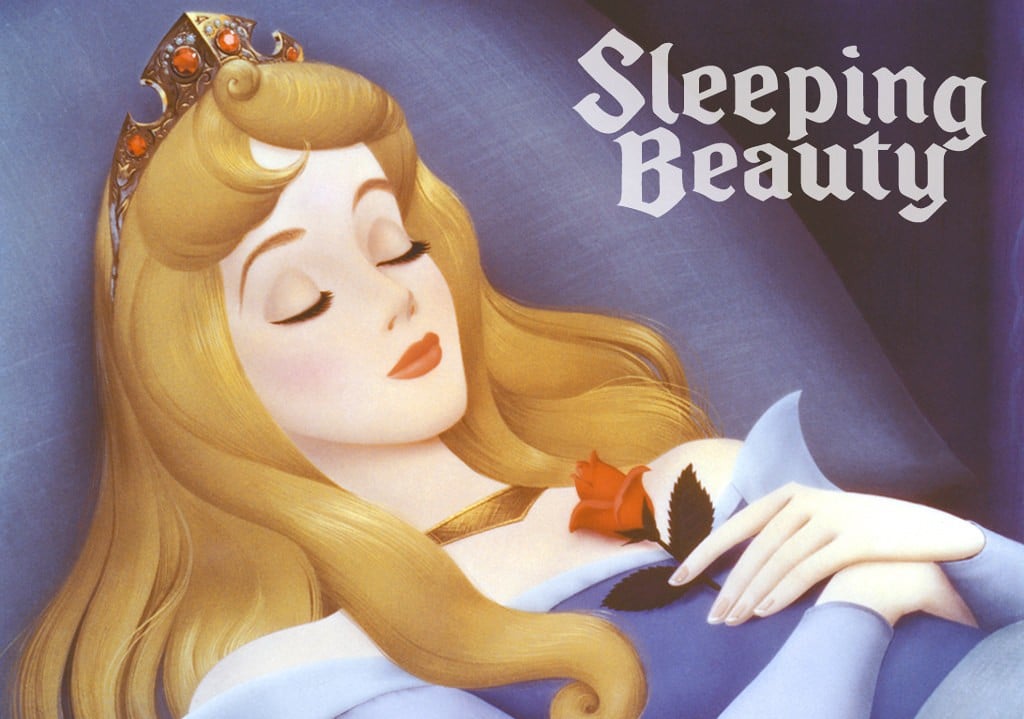
Basile’s 1634 version, Sun, Moon, and Talia, doesn’t feature a kiss. The sleeping princess is found by a king — who is already married — and he assaults her while she sleeps.
She wakes up only after giving birth to twins, who accidentally absorbed the splinter that kept her unconscious. The king eventually returns, falls in love with her, and kills his own wife to be with Talia.
This is the story Perrault and later the Grimms softened into something palatable.
4. Snow White: The Evil Queen Was Originally the Mother
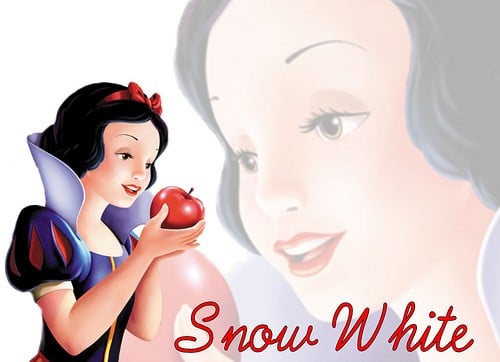
In the earliest recorded versions of Snow White, the villain isn’t a stepmother — she’s Snow White’s biological mother. The Brothers Grimm changed this detail in later editions, likely because a mother trying to kill her own daughter was too disturbing even for them.
The original also features the queen ordering a huntsman to bring back Snow White’s liver and lungs so she can eat them. The apple comes later.
The queen at the end is forced to dance in red-hot iron shoes until she dies.
5. The Little Mermaid: She Was Always Going to Die
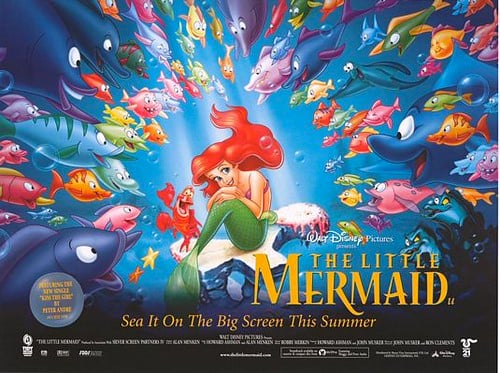
Hans Christian Andersen wrote this story in 1837, and he did not write it for children — he wrote it as a meditation on longing, sacrifice, and the soul. The mermaid gives up her voice, suffers tremendous pain with every step she takes on land (the original describes it as walking on knives), fails to win the prince’s love, and turns into sea foam instead of gaining a human soul.
There’s a theological argument buried in it about earning grace through suffering. Andersen himself said the story was deeply personal.
The Disney version is almost unrecognizable by comparison.
6. Rapunzel: The Tower Hid a Pregnancy
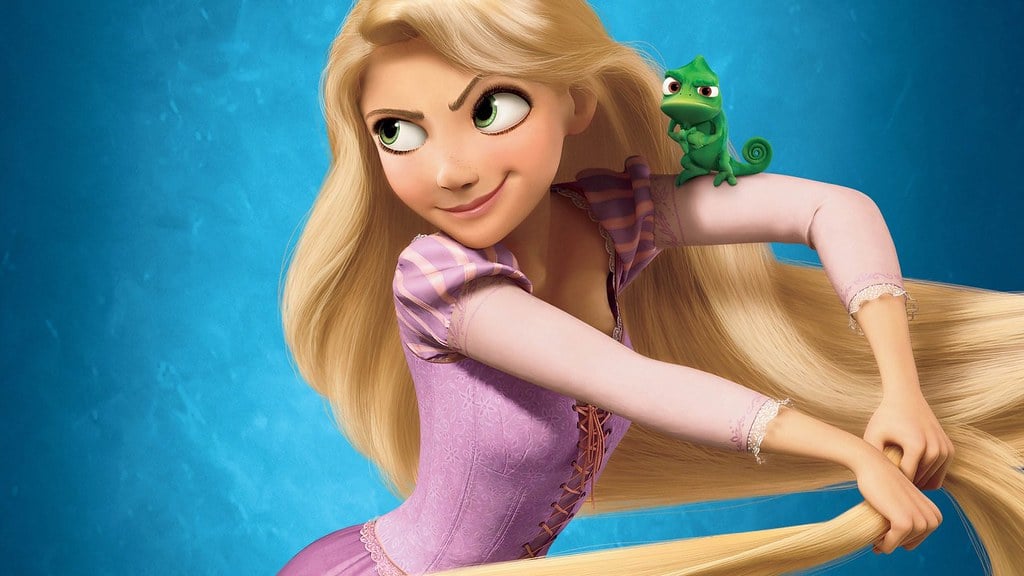
In Basile’s original telling, the girl locked in the tower isn’t called Rapunzel — she’s Petrosinella. But across all early versions, the key detail that later got cut is that the prince visits regularly enough for the girl to become visibly pregnant.
In the 1812 Grimm version, she accidentally reveals this to the witch by asking why her clothes are getting tight. The Grimms edited this out in the 1857 edition.
What’s left is a story about a girl locked away “for her protection,” which carries its own uncomfortable weight.
7. Bluebeard: A Portrait of a Serial Killer
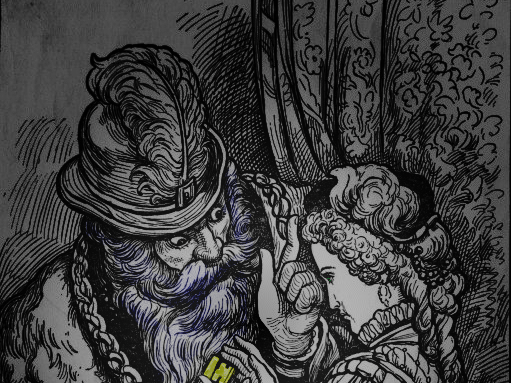
Perrault’s Bluebeard is one of the few stories on this list that was never really softened — because it was always meant for adults. A nobleman with a blue beard marries a young woman, gives her the keys to every room in his castle, and forbids her from opening one door. She opens it and finds the bodies of his previous wives.
He nearly kills her before her brothers arrive to execute him. The story is a direct horror tale about domestic violence and the danger of marrying wealthy men with mysterious pasts.
It reads like a warning pamphlet, not a bedtime story.
8. Hansel and Gretel: Born from a Famine
The Brothers Grimm collected this story during a period of serious food shortages in Europe, and that context matters. Parents abandoning children in the woods wasn’t just a plot device — it was something that actually happened during times of severe famine.
The story reflects that real terror. The original version also makes the mother the one who insists on abandoning the children (not a stepmother), making her later death feel like a direct consequence.
The cannibalism element — a witch who eats children — was also likely rooted in genuine anxieties about desperation and starvation.
9. Beauty and the Beast: An Arranged Marriage Manual
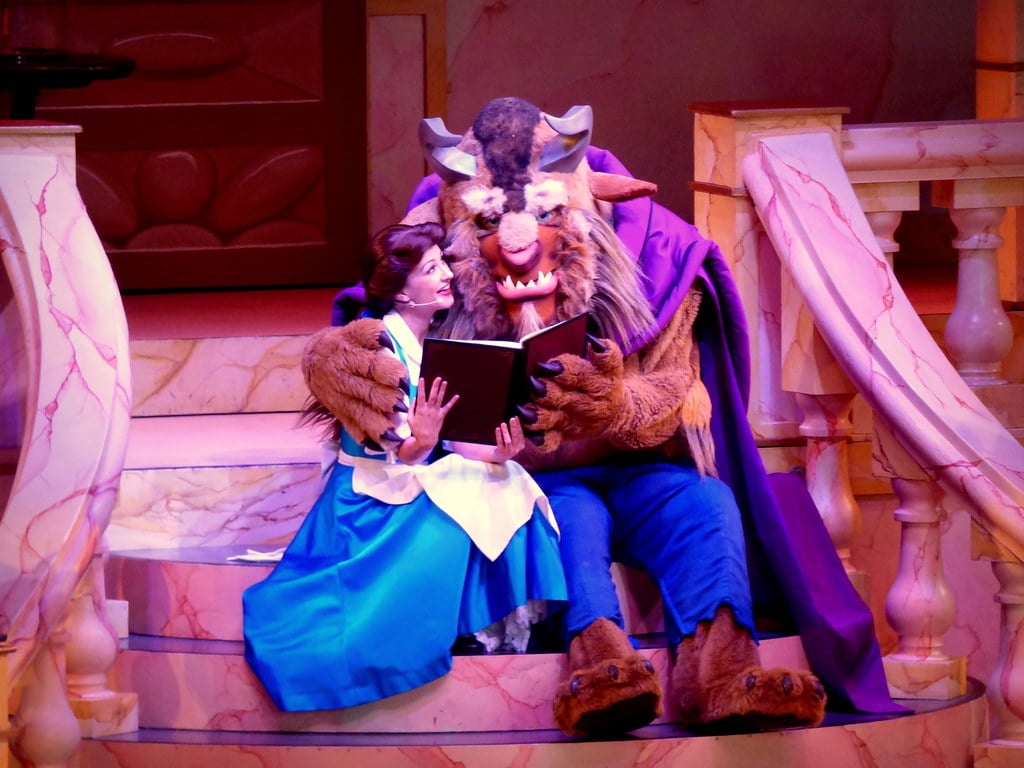
The most famous version of this story was written by Madame de Beaumont in 1756, and it was explicitly written to prepare young French women for arranged marriages. Beauty’s acceptance of the Beast — learning to love someone she didn’t choose, setting aside her initial repulsion, and finding virtue beneath an ugly exterior — was essentially a how-to guide for navigating a marriage to a stranger chosen by her father.
De Beaumont wrote it for her students. The romance repackaging came later.
10. Rumpelstiltskin: The Ending Is Genuinely Disturbing
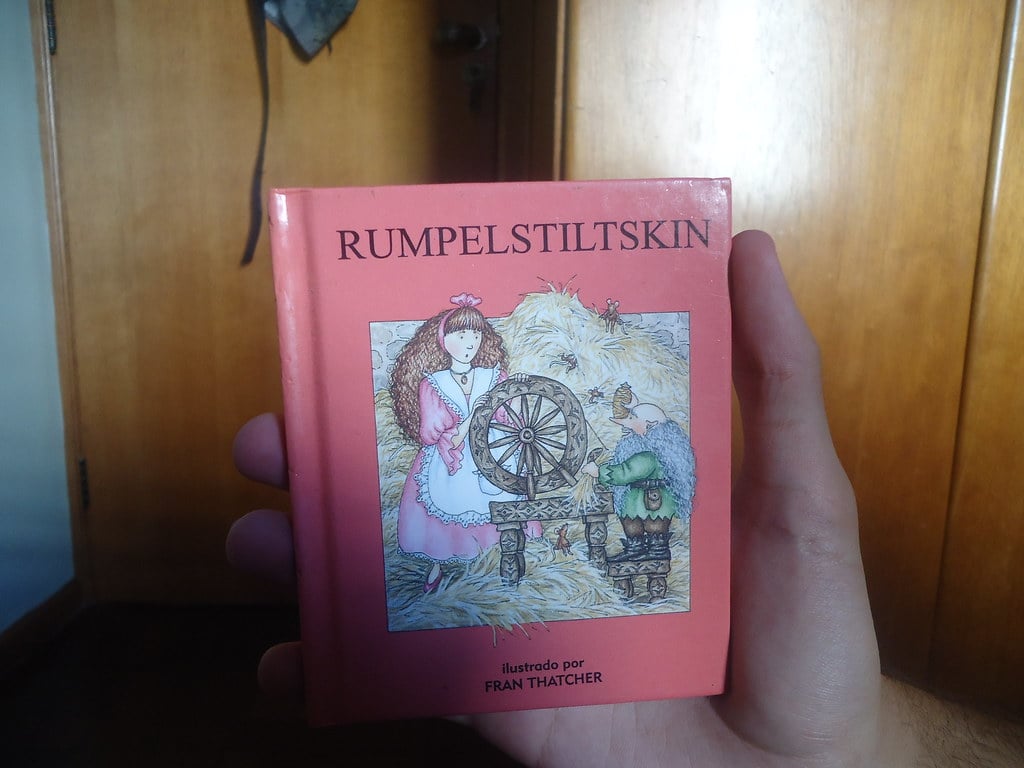
The story itself is dark enough — a man lies to a king, claiming his daughter can spin gold, and the king threatens to kill her if she can’t deliver. But the ending of the original Grimm version is what people forget.
When Rumpelstiltskin discovers the queen has learned his name, he doesn’t just stomp his foot. He tears himself in half with rage. Some earlier versions have him flying away on a cooking ladle, but the Grimm version is visceral.
There’s also something troubling about a story where a woman must give up her firstborn child just to survive a situation created entirely by her father’s lie.
11. The Juniper Tree: Cannibalism at the Dinner Table

This Grimm tale is one of the most disturbing stories in their entire collection, and it was never softened the way others were. A stepmother kills her stepson, chops him up, and serves him as a stew to his own father, who eats the meal and remarks how delicious it is.
The boy’s sister buries his bones, and he’s eventually resurrected as a bird who drops a millstone on the stepmother’s head. The story involves murder, dismemberment, and a father unknowingly consuming his child.
The Grimms included it in their collection but it rarely makes it into modern anthologies aimed at children — for obvious reasons.
12. The Girl Without Hands: A Father’s Bargain With the Devil
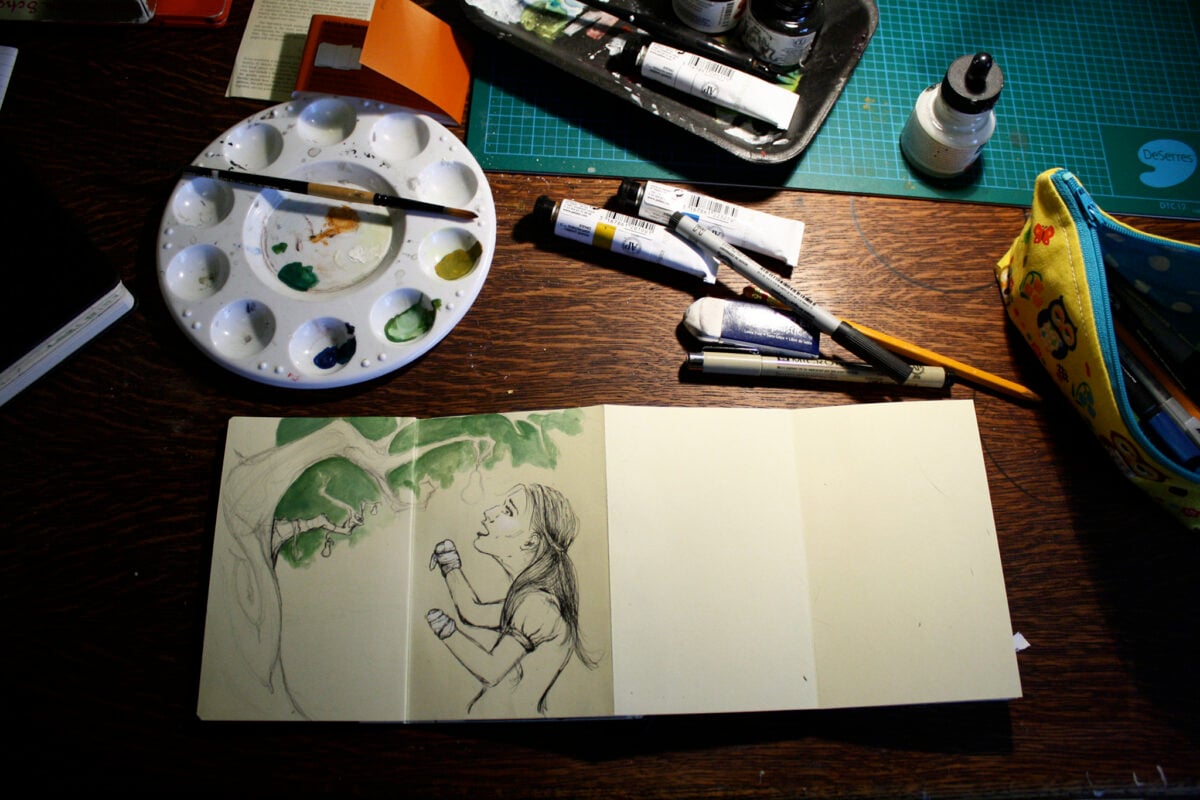
This Grimm story follows a miller who accidentally promises his daughter to the devil in exchange for wealth. The devil eventually demands she be mutilated — her hands cut off — to make her “unclean” enough for him to take.
The father does it. The rest of the story follows the girl’s long journey of suffering and eventual restoration, but the starting point — a father agreeing to harm his own child for money and then following through — is not something most modern children’s books would open with.
13. Allerleirauh: A King Pursues His Own Daughter
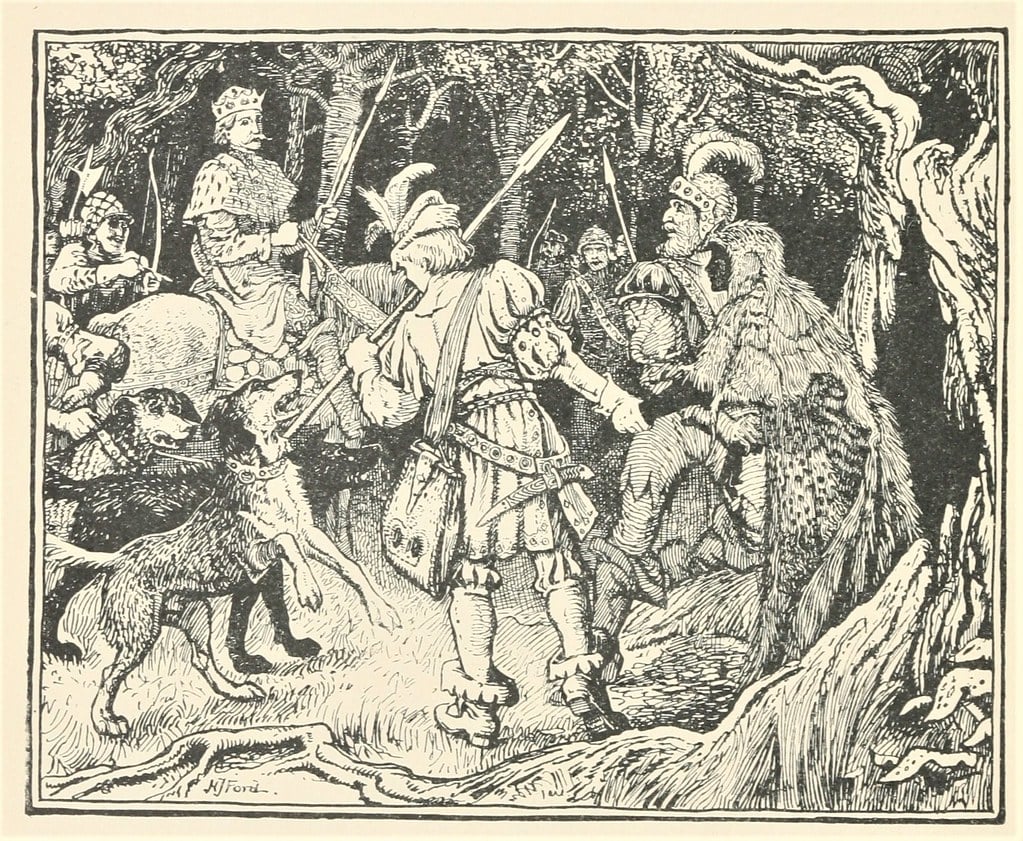
Allerleirauh, or All-Kinds-of-Fur, is one of the Grimm stories that gets left out of most collections. A king promises his dying wife he’ll only remarry someone as beautiful as her.
When he finds no suitable woman, he turns his attention to his own daughter, who matches her mother’s description. The daughter flees in disguise to escape him.
She eventually marries another king who falls in love with her. The story doesn’t linger on the horror of the father’s intentions, but the premise is unmistakable.
The Grimms included it without apparent discomfort.
14. The Robber Bridegroom: A Fiancé Who Murders Women
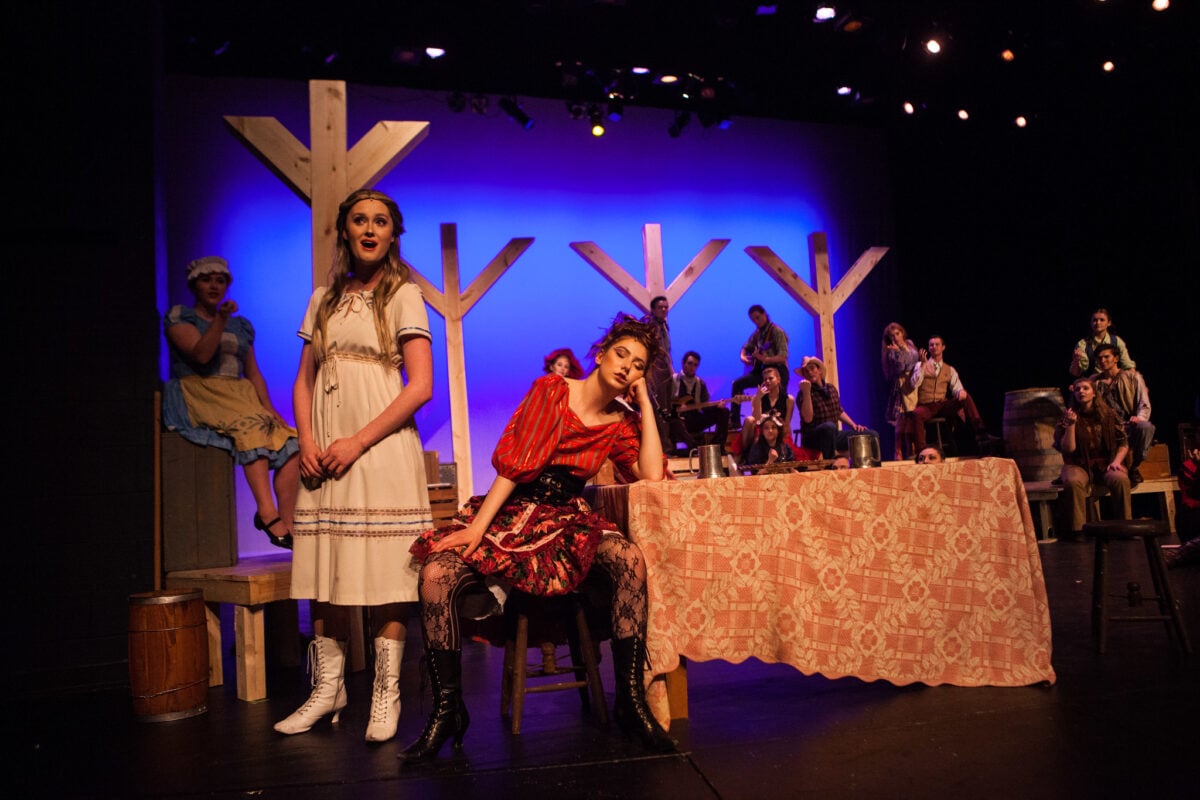
A deal was made by a trader, giving away his child to someone appearing decent. Into the woods she went, stepping into the home of her promised one.
There, behind trees and silence, she saw what they did – women brought under false hope, then cut down, torn apart, consumed. One stranger died right before her eyes while shadows moved without sound.
Running saved her, breath sharp against cold air until distance grew between her and that den. Later, gathered around food meant for celebration, she spoke – not loud but clear – as though recalling sleep visions full of blood.
From pocket or sleeve slipped a severed digit, held up like an answer no one asked for. Facing execution, he and his group meet a grim fate. Truly unsettling, yet the Grimms left much of it untouched.
15. Fitcher’s Bird: A Magician and the Locked Chamber He Warns Against
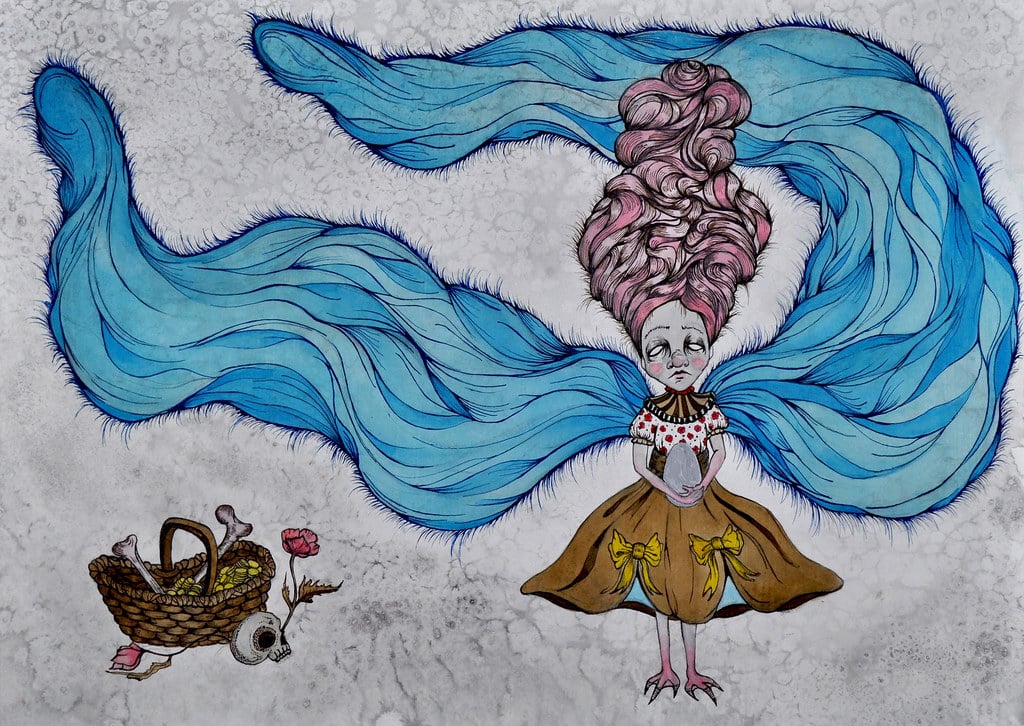
A tale like Bluebeard, only twisted with flesh that moves where it should not. One after another, the sorcerer takes women, hands each an egg, and warns them about a door.
The first woman ignores his rule, steps inside – bones and blood meet her eyes, she startles, drops the egg into the mess, colors it red. Then he cuts her apart just the same.
The second tries better luck, yet stumbles on the threshold, slips the egg into severed limbs, sees it soak darkness. After that, silence again.
The third sibling clears the trial, puts her siblings’ forms back together – life returning like breath after drowning – and watches flames swallow the wizard whole within his burning home. This tale trades in vengeance painted sharp with violent scenes, often mentioned beside Perrault’s Bluebeard, yet Fitcher’s Bird sinks deeper into shadow at nearly every turn.
What These Stories Were Really For

Fairytales never broke down needing repair. Working just as intended, they echoed grown-up worries – fears, threats, inner tensions passed through voices at bedtime.
Harsh acts, broken trust, being left behind, dangerous men, grinding lack of money: life often felt this way, storytelling among the scant tools to make sense of it. Later on, cleaning up the tales happened – publishers did it, also movie makers aiming at family audiences.
It isn’t really bad, this approach. Yet a piece fades once the rough parts vanish.
For hundreds of years these tales stuck around since they spoke true about cruelty in life. Comfort hides in the polished copies. Yet raw ones?
They grab some readers by the throat.
More from Go2Tutors!

- The Romanov Crown Jewels and Their Tragic Fate
- 13 Historical Mysteries That Science Still Can’t Solve
- Famous Hoaxes That Fooled the World for Years
- 15 Child Stars with Tragic Adult Lives
- 16 Famous Jewelry Pieces in History
Like Go2Tutors’s content? Follow us on MSN.