Collectors Who Lost Fortunes Overnight
The promise of collecting has always carried a certain allure.
Buy something now, watch it appreciate, sell it later for a tidy profit.
Sometimes it works exactly that way.
Other times, it ends with someone staring at a garage full of worthless items, wondering where everything went wrong.
History is littered with collectors who watched their investments evaporate faster than morning fog.
What made these losses particularly brutal was the speed.
Not a slow decline over decades, but a sudden collapse that left people reeling.
One day they owned something valuable, the next day they owned expensive dust.
Here’s a look at some of the most devastating collector crashes in recent memory.
The Robinson Family and Their Beanie Baby Dreams
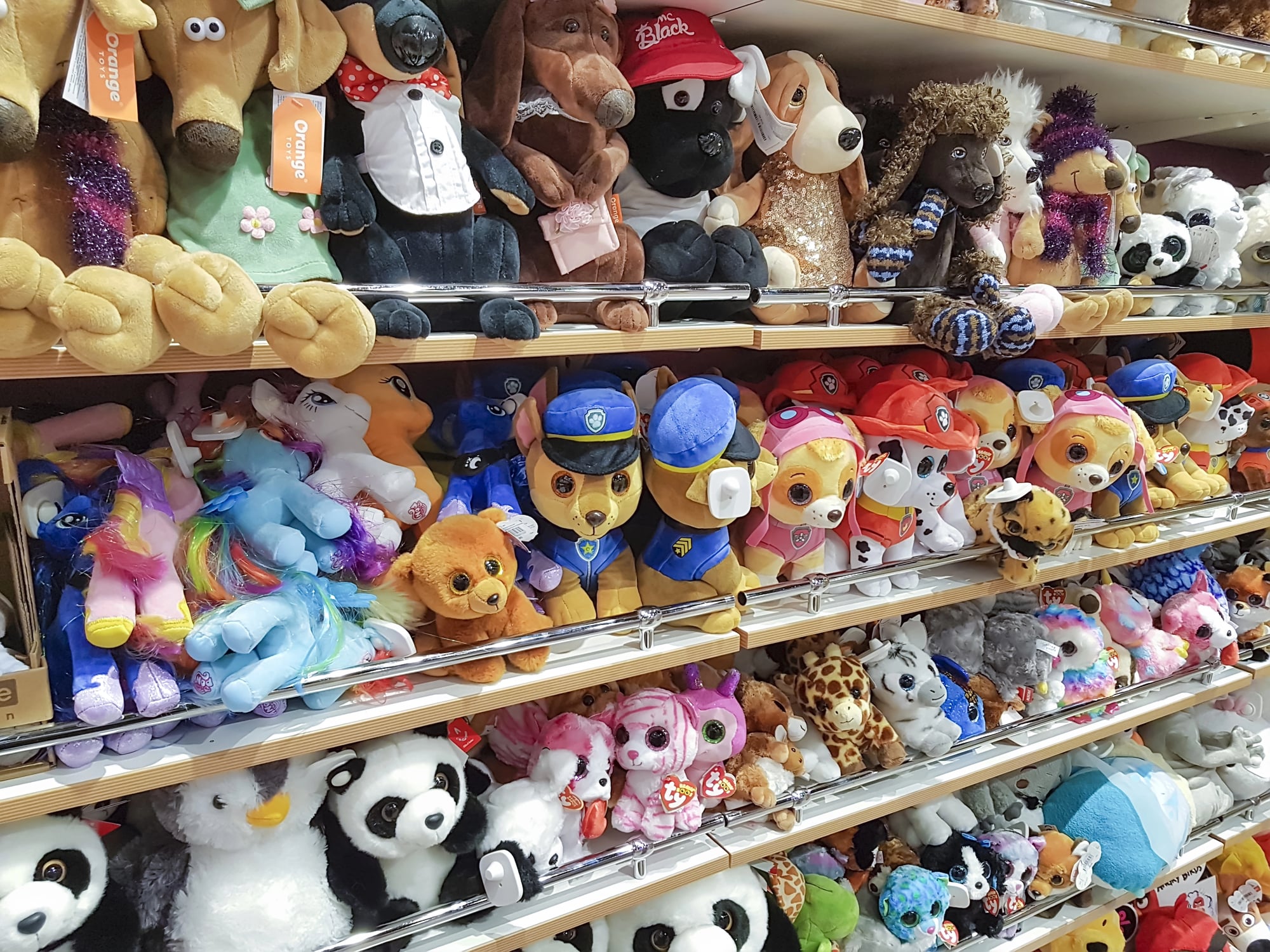
In the mid-1990s, the Robinson family of Los Angeles spent over $100,000 on Beanie Babies, convinced they were building a college fund for their five children.
What started innocently enough spiraled into an all-consuming obsession.
The family ate at McDonald’s multiple times daily to collect Teenie Beanies from Happy Meals until the kids became physically ill.
When the Beanie craze collapsed in 1999, the thousands of stuffed animals the family had accumulated became worth less than a dollar each.
The documentary made by one of the Robinson sons, titled Bankrupt By Beanies, captures the surreal nature of the disaster.
His mother admitted they could have made a profit if they had cashed out during the first six months.
Instead, they held on, believing the peak was still ahead.
In September 1999, Ty Inc. announced that all Beanies would be retired by the end of the year, sending shockwaves through the collector community.
The company later retracted the announcement, but the damage was done.
Confidence evaporated.
The market for Beanie Babies crashed alongside the dotcom bubble in 2000, and resale prices plummeted as collectors cracked open their storage containers and flooded the market with inventory.
When Comic Books Became Worthless Paper
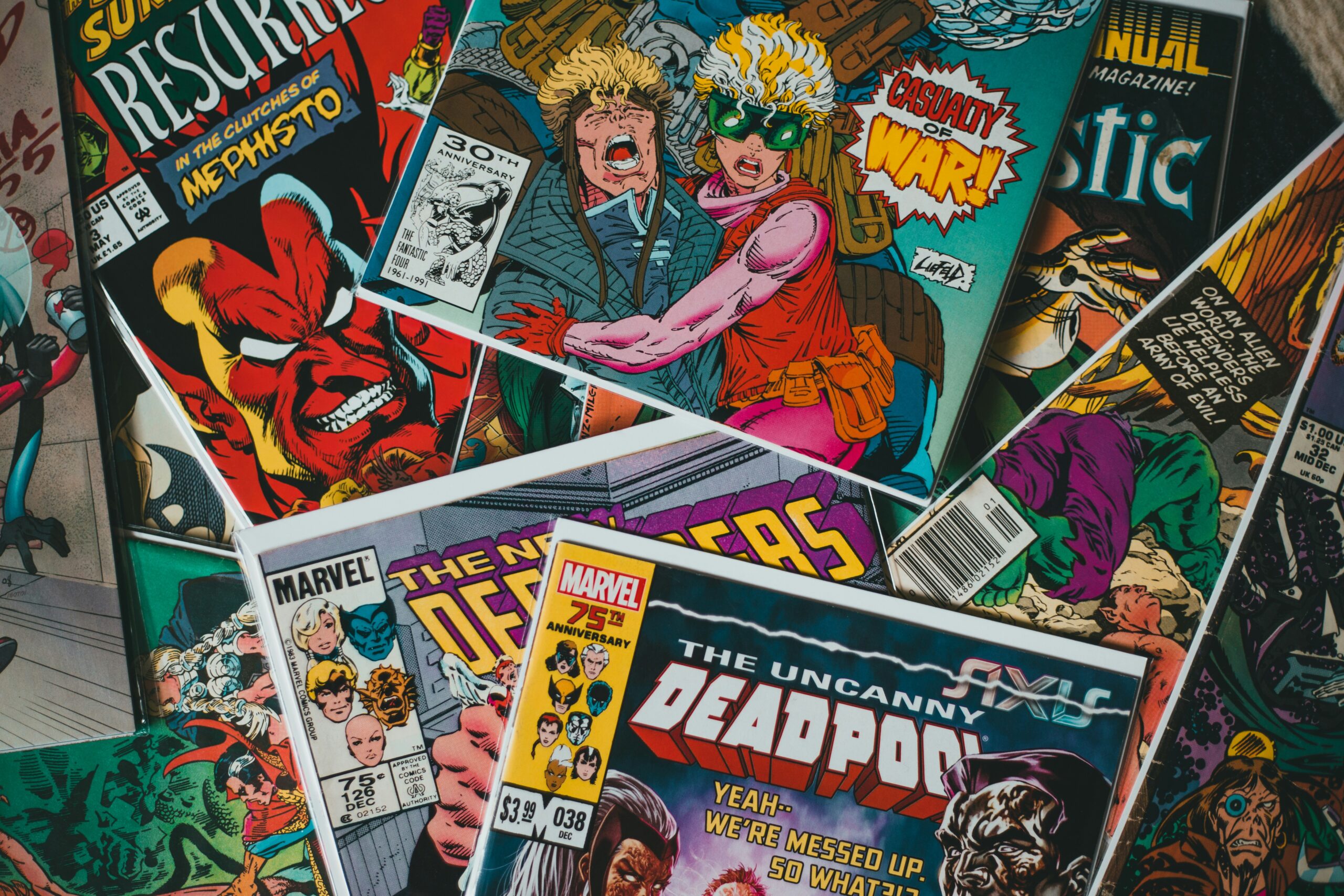
The comic book crash of the early 1990s followed a strikingly similar pattern.
Between 1993 and 1997, the speculator boom collapsed, forcing two-thirds of all comic book specialty stores to close and driving numerous publishers out of business.
Even Marvel Comics, the industry giant, declared bankruptcy in 1997.
The problem was simple: too much supply, not enough genuine demand.
Publishers flooded the market with high print runs and multiple variant covers, believing they were riding a wave of unprecedented interest.
Collectors bought multiple copies of the same issue, expecting future value.
But scarcity drives collectibility, and when everyone owns something, nobody wants to buy it.
As one collector recalled, thousands of Bronze and Modern Age comics from that era now sell for around ten dollars per thousand — barely more valuable than firewood.
What made the loss particularly painful was that it never recovered.
Unlike blue-chip vintage comics, which retained value, the 1990s books never came back.
Collectors who invested heavily found themselves holding worthless inventory that would remain worthless.
The crash was driven partly by intermediaries who created artificial demand.
Distributors like Diamond and Capital City would set up accounts for anyone with a $300 check, turning collectors into dealers and causing comic shops to multiply from 800 in 1979 to 10,000 by 1993.
When the bubble burst, the entire infrastructure collapsed.
The NFT Goldrush That Turned to Dust
The NFT market crash of 2022 might be the most spectacular example of overnight wealth destruction in the digital age.
Pop star Justin Bieber, who bought NFTs worth over two million dollars in 2022, watched the value drop by nearly 95 percent.
His portfolio, heavy on Bored Ape Yacht Club pieces, is now worth just over $100,000.
Stephen Curry purchased his Bored Ape for 55 ETH, approximately $178,000 at the time, and the best offer now sits at 25 ETH, around $41,000.
The most expensive Bored Ape sold for $3.4 million in July 2022.
Today, the highest bid hovers around $295,000.
Even celebrity endorsements and star power could not prop up the market.
Trading volumes in non-fungible tokens tumbled 97 percent from a record high in January 2022, sliding from $17 billion to just $466 million by September.
The crash was part of a broader crypto winter, but NFTs took an even harder fall than cryptocurrency itself.
By 2024, analysts revealed that 96 percent of NFT collections had effectively died, with zero trading activity and complete silence on social platforms.
The brutal truth was that oversaturation killed the market.
The barrier to entry for artists was much lower than for collectors, and the number of new artists seeking buyers far outpaced the number of collectors willing to invest.
What had seemed like a revolutionary new art form devolved into a speculative bubble with predictable results.
Contemporary Art’s Devastating Correction

Traditional art collectors were not immune to sudden losses.
Emmanuel Taku’s painting Sisters in Pink hit the auction block in 2021 and fetched $189,000 against a top estimate of $35,000.
Three years later, the same painting sold for $8,000.
Not $80,000.
Eight thousand dollars.
Someone who bought at the peak lost 96 percent of their investment.
In spring 2025, a painting by contemporary artist Rashid Johnson sold for $292,100, marking a 72 percent loss for the collector who paid $816,500 for it in 2022.
Major works by established artists like Andy Warhol and Robert Ryman were withdrawn or bought in at auction.
The mid-tier contemporary art market, once considered a safe bet, turned dangerous.
Auction sales in the first six months of 2024 at major houses fell 26 percent from 2023 and 36 percent from the market peak in 2021.
The number of wealthy collectors planning to purchase art dropped to 43 percent, while those planning to sell increased to 55 percent.
The market had more sellers than buyers, and prices reflected it.
Part of the problem was the inflated primary market.
Galleries had raised prices too quickly during the boom years, pricing out new collectors and creating unrealistic expectations.
When reality hit, values were corrected hard and fast.
The Dotcom Billionaire Who Lost Almost Everything

Masayoshi Son, founder of SoftBank, saw his net worth peak at $78 billion in February 2000 as the dotcom bubble swelled.
Then the NASDAQ crashed.
Son’s net worth plummeted to $1.1 billion, a personal loss of $76.9 billion.
At the time, it was considered the largest loss of personal wealth in history.
Son had used SoftBank to acquire large stakes in dozens of high-flying internet companies.
When the bubble burst on March 10, 2000, those investments became nearly worthless overnight.
SoftBank’s market cap collapsed, and Son’s 42 percent stake in the company dragged his fortune down with it.
The speed of the collapse was stunning.
It took about a year for his net worth to drop from $78 billion to $1 billion.
Son eventually rebuilt his fortune, but the loss remains one of the most dramatic wealth destructions ever recorded.
He held onto assets that everyone else was selling, watching his fortune evaporate in real time.
Why Markets Keep Crashing

The pattern repeats itself with eerie consistency.
A new collectible or asset class emerges.
Early adopters make money.
Media coverage intensifies.
Speculators flood in.
Prices detach from reality.
The bubble bursts.
Latecomers get crushed.
Economists describe these as phantastic objects — unconscious representations of something that fulfills deep psychological needs.
People buy not because the item has intrinsic value, but because they believe someone else will pay more for it later.
When that belief evaporates, so does the market.
Technology has accelerated the cycle.
The Beanie Baby boom happened before eBay reached critical mass.
The comic book crash predated online marketplaces.
But NFTs lived entirely in the digital realm, and their rise and fall happened at internet speed.
Information spreads faster now, but so does panic.
Another factor is artificial scarcity.
Ty Warner manipulated supply and demand by selling small batches to independent businesses and retiring each toy soon after introducing it, making collectors rush to buy each new release before it disappeared.
Comic publishers tried the same with variant covers.
NFT projects created rarity through limited minting.
It worked until it did not.
What This Means for Today

Every generation gets its own collecting bubble.
The particulars change, but the fundamentals remain the same.
When magazines and price guides start declaring something a great investment, when strangers at parties talk about flipping items for profit, when people who know nothing about the category start buying — those are warning signs.
The survivors are usually the ones who collect for genuine passion rather than profit.
They buy what they love, not what they think will be appreciated.
They weather crashes because they never intended to sell anyway.
The speculators, meanwhile, get wiped out with depressing regularity.
Current warning signs exist in certain markets.
Trading cards have seen another surge.
Certain crypto assets trade on pure speculation.
New digital collectibles launch weekly.
Some will hold value.
Most will not.
And when the crash comes, it will arrive faster than anyone expects, leaving another generation of collectors staring at worthless inventory and wondering what went wrong.
More from Go2Tutors!

- The Romanov Crown Jewels and Their Tragic Fate
- 13 Historical Mysteries That Science Still Can’t Solve
- Famous Hoaxes That Fooled the World for Years
- 15 Child Stars with Tragic Adult Lives
- 16 Famous Jewelry Pieces in History
Like Go2Tutors’s content? Follow us on MSN.


