16 Internet Hoaxes That Fooled Millions
The internet has always been a playground for pranksters, scammers, and creative storytellers. What started as harmless pranks in chatrooms has evolved into sophisticated operations that can fool millions of people worldwide. From fake news that sparked real-world panic to elaborate social media schemes that lasted for months, these digital deceptions remind us why we should never believe everything we see online.
Here’s a look at 16 internet hoaxes that managed to trick countless people and sometimes even made headlines in major news outlets.
The Nigerian Prince Email Scam

This classic fraud has been around since the early days of email and continues to fool people today. The scammer poses as a wealthy Nigerian prince or government official who needs help transferring millions of dollars out of the country. They promise huge rewards in exchange for a small upfront fee or banking information.
What makes this hoax particularly effective is how it preys on people’s greed and sympathy. Despite being widely known as a scam, it still generates millions in losses each year because scammers have refined their approach to sound more legitimate.
lonelygirl15

— Photo by VitalikRadko
This YouTube series helped put the platform on the map by presenting itself as the video diary of a teenage girl named Bree. Viewers followed her daily life, relationships, and eventually her involvement with a mysterious cult.
The series gained massive popularity before being revealed as a scripted show created by filmmakers. What made this hoax brilliant was its timing during YouTube’s early days when the line between authentic personal content and produced entertainment wasn’t clearly defined.
Many viewers genuinely believed they were watching a real person’s life unfold in real-time.
Like Go2Tutors’s content? Follow us on MSN.
The Manti Te’o Girlfriend Hoax
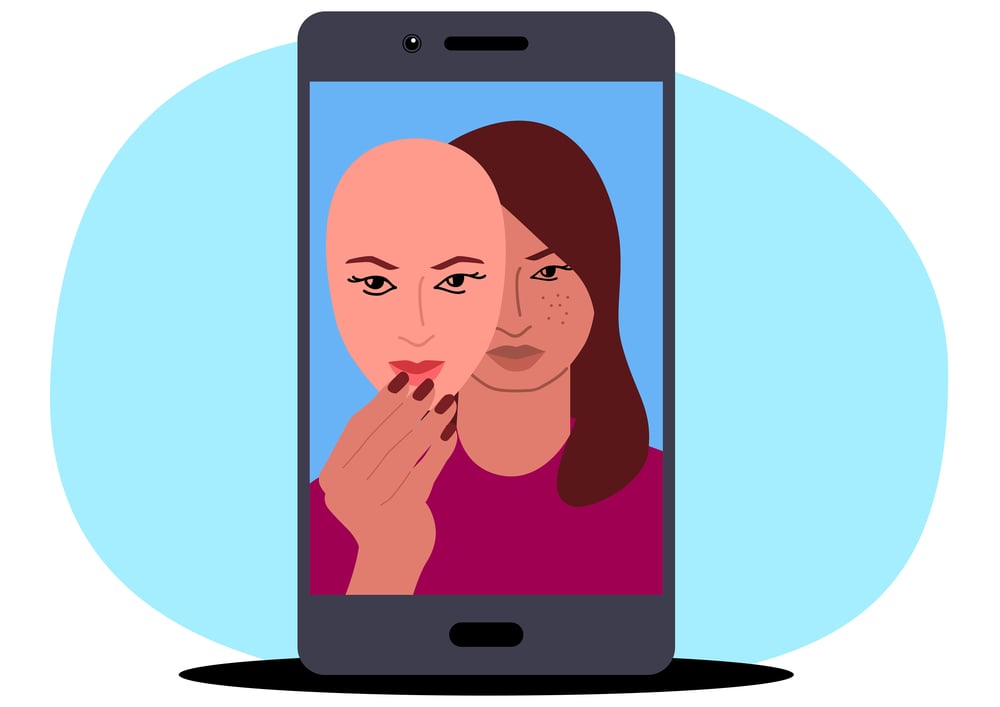
Notre Dame linebacker Manti Te’o believed he was in a relationship with a woman named Lennay Kekua from Hawaii, whom he rarely saw due to his busy football schedule. The story became national news when Kekua allegedly died of leukemia, inspiring Te’o’s emotional football performances.
It was later revealed that Kekua never existed – her social media accounts were fake, using photos of another woman, and the person Te’o had been meeting was actually an acquaintance named Ronaiah Tuiasosopo. This catfishing incident highlighted how easily someone could create an entire fake identity online and maintain it for months.
The 6 Days of Darkness Solar Storm

In 2014, the hoax site Huzlers published an article claiming a solar storm would block out the sun from December 16 to 22. The fake story spread so widely across social media and foreign news outlets that NASA took the unusual step of directly addressing it.
NASA’s Earth Observatory explicitly stated that they had ‘in no way issued any statement regarding 3 (or 6) days of darkness in December due to a solar storm’. The hoax worked because it sounded scientific enough to be plausible, especially when shared by people who trusted the original poster.
The Shed at Dulwich

— Photo by seemantaduttaskv@gmail.com
This brilliant prank turned a London man’s garden shed into TripAdvisor’s top-rated restaurant without serving a single meal. Oobah Butler created a website with photos of delicious-looking dishes made from paint, bleach tablets, and shaving cream, then drummed up interest by making reservations appointment-only and having friends write glowing reviews.
People contacted him looking for work and companies sent free food samples. When he finally opened for one night and served canned soup, diners still asked to return. The hoax exposed how easily fake reviews can manipulate our dining choices.
Like Go2Tutors’s content? Follow us on MSN.
The Tourist Guy 9/11 Photo

This fake photo showed a tourist at the top of the World Trade Center on 9/11 with a plane about to crash in the background. The image circulated widely in the days following the attacks, playing on people’s emotions during a traumatic time.
The photo was eventually proven to be a digital manipulation, but not before it had been shared millions of times across email and early social media platforms. This hoax demonstrated how quickly false images could spread during breaking news events when people were eager to share anything related to the tragedy.
Betty White Death Hoax

In September 2014, the fake news site Empire News published a story about ‘Betty White dying’ – as in, dying her hair – and fooled some 2 million people into mourning the actress. The clever wordplay in the headline made people assume the beloved Golden Girls star had passed away.
Social media exploded with tributes before the truth emerged. This hoax showed how quickly celebrity death rumors can spread and how people often share news without reading beyond the headline.
The Drunk Girl Social Experiment

‘Drunk Girl in Public’ claimed to be a social experiment capturing creeps approaching an intoxicated woman in Los Angeles, but the creator had actually coached the men into acting that way. Following backlash and an apology from actress Jennifer Box, filmmaker Stephen Zhang quietly changed the video’s title.
This fake social experiment gained millions of views before being exposed, highlighting how staged content masquerading as real-world observation can manipulate public opinion about social issues.
Like Go2Tutors’s content? Follow us on MSN.
The Microsoft Church Acquisition
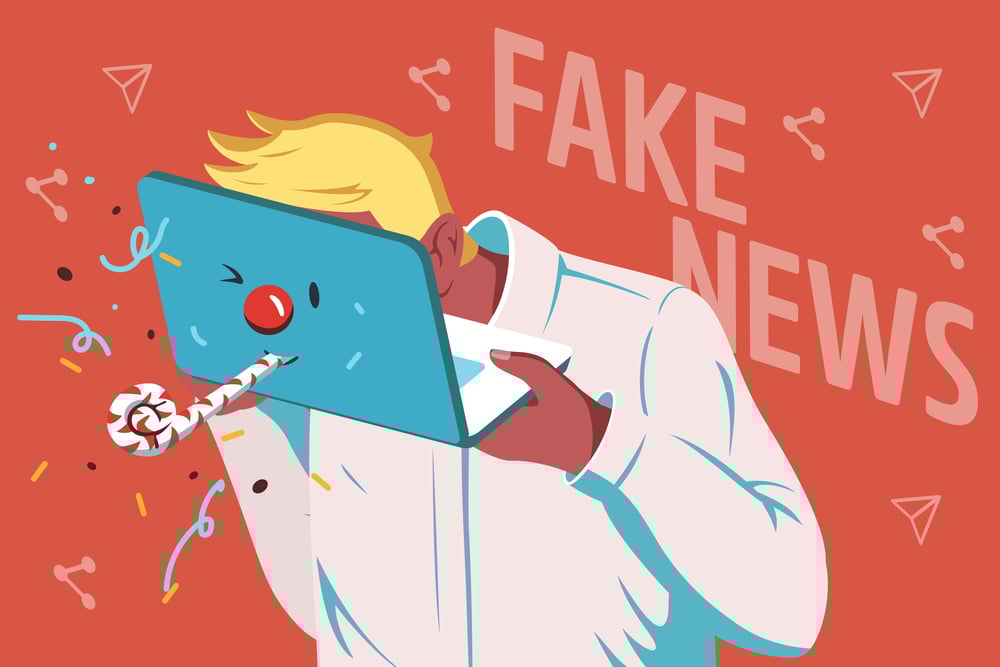
This 1994 hoax claimed Microsoft had acquired the Roman Catholic Church and is considered the first hoax to reach a mass audience on the Internet. The fake press release was detailed enough to fool many early internet users who weren’t yet accustomed to questioning everything they read online.
Even after Microsoft debunked it, similar fake acquisition stories continued to circulate about various companies. This hoax established the template for corporate satire that would become common in later internet culture.
The Momo Challenge
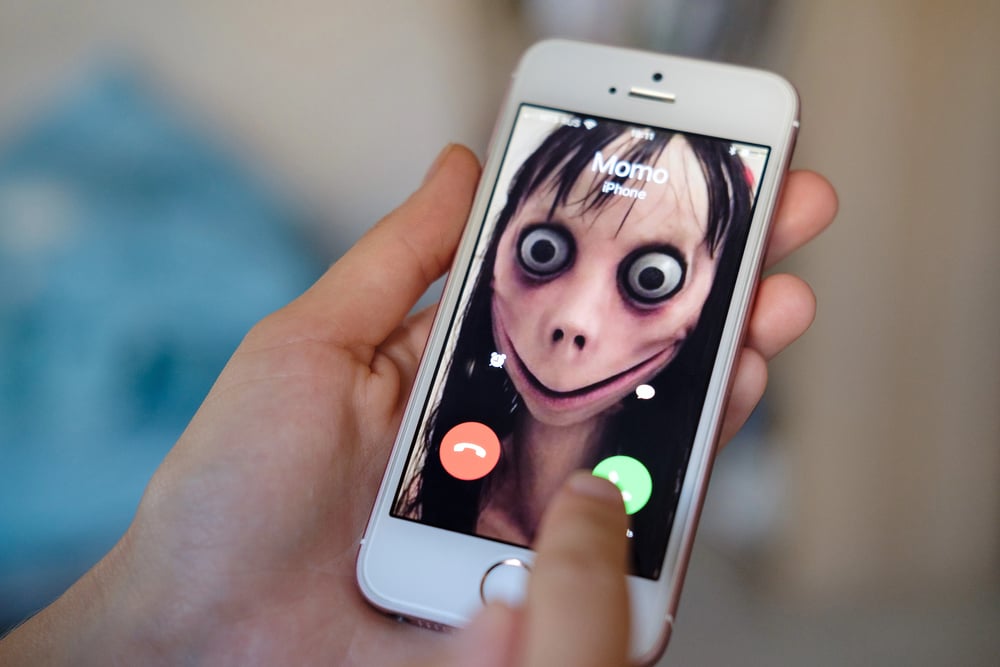
— Photo by skvalval
This fake social media challenge supposedly encouraged children to injure and kill themselves. Despite being largely fabricated by media outlets, the panic it generated was very real, with schools sending warnings to parents and children becoming genuinely frightened.
The mythical ‘Momo Challenge’ took the internet by storm, leaving a lasting mark on our collective digital history. This case showed how moral panic could spread faster than facts, creating real fear from an imaginary threat.
Shark Swimming on the Highway

During Texas flooding caused by a hurricane, a picture of a shark swimming on a highway began circulating the Internet, and it kind of made sense given the extreme flooding. However, a quick reverse-image search revealed that this image was fake.
This hoax succeeded because it aligned with people’s expectations during a natural disaster – extraordinary circumstances seemed to call for extraordinary events, making the impossible seem plausible.
Like Go2Tutors’s content? Follow us on MSN.
The Eagle Stealing a Baby

A photoshopped image of an eagle stealing a baby made the rounds on the Internet. The dramatic and frightening image played on parents’ worst fears about wildlife dangers.
While obviously fake to careful observers, the emotional impact of the image caused many people to share it immediately without verification. This hoax demonstrated how fear-based content spreads rapidly, especially when it involves perceived threats to children.
Pizzagate

This conspiracy theory falsely claimed a Washington D.C. pizza shop was the center of a political conspiracy, leading to real-world harassment and ultimately a man arriving with a rifle to ‘investigate’. The operators of the pizza shop became frightened by confrontations with people who believed the fake news.
This case showed how internet hoaxes could escalate from online rumors to dangerous real-world consequences, forever changing how we think about the responsibility of social media platforms.
Genpets Bio-Engineered Pets
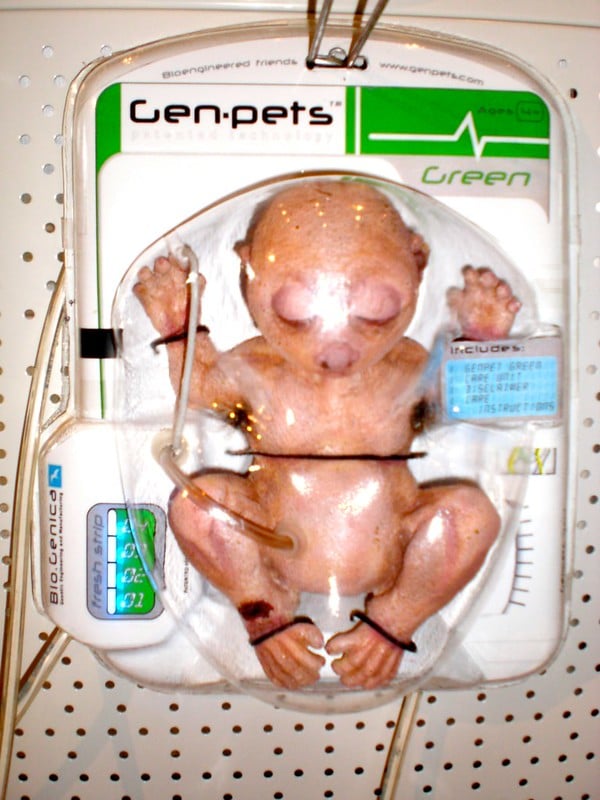
This hoax involved a mixed-media art installation featuring what appeared to be bio-engineered pet creatures. The realistic-looking display convinced many people that scientists had actually created these hybrid animals for sale.
The hoax worked because it seemed just plausible enough given advancing genetic technology, while playing on people’s fascination with unusual pets. Even after being revealed as art, some people continued to believe the creatures were real.
Like Go2Tutors’s content? Follow us on MSN.
The Pacific Northwest Tree Octopus

This elaborate hoax featured a fictional amphibious octopus species called Octopus paxarbolis that supposedly lived in Pacific Northwest trees. Complete with a detailed website, conservation efforts, and scientific-sounding documentation, this hoax fooled students, teachers, and even some adults for years.
The site looked legitimate enough that it became a teaching tool for educators trying to show students how to evaluate online sources critically.
The Fairy in the Garden

Prop-maker Dan Baines created an authentic-looking fairy corpse and claimed to have found it in his garden, sparking widespread belief and countless emails from concerned believers. Some people even warned Baines about the fairy’s supernatural characteristics, suggesting he return it to avoid danger.
His professional skills as a prop-maker made the creation believable enough that many people genuinely thought he had discovered proof of mythical creatures. The hoax succeeded because it tapped into people’s desire to believe in magic and wonder.
When Digital Deception Becomes Reality
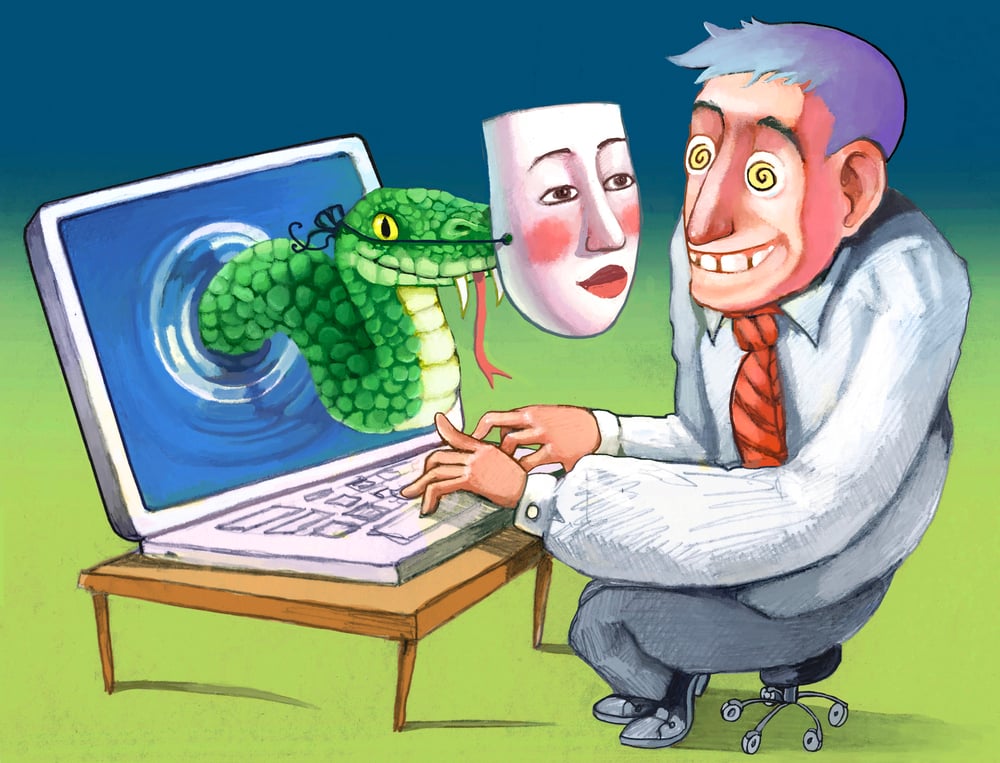
These hoaxes reveal something fascinating about human nature in the digital age. We want to believe in extraordinary stories, share shocking news, and be part of viral moments – often before we take time to verify what we’re spreading.
While technology has made it easier to fact-check information, it has also made it easier to create convincing fakes. The most successful hoaxes aren’t just clever lies; they’re stories that tap into our emotions, biases, and desires in ways that make us want them to be true.
In our rush to be first to share the latest viral content, we sometimes forget that the most unbelievable stories usually are exactly that – unbelievable.
More from Go2Tutors!

- 16 Historical Figures Who Were Nothing Like You Think
- 12 Things Sold in the 80s That Are Now Illegal
- 15 VHS Tapes That Could Be Worth Thousands
- 17 Historical “What Ifs” That Would Have Changed Everything
- 18 TV Shows That Vanished Without a Finale
Like Go2Tutors’s content? Follow us on MSN.