Strange Facts About the Koh-i-Noor Diamond
There are famous gemstones, and then there is the Koh-i-Noor. It sits in the Tower of London now, locked behind glass, surrounded by tourists and security cameras.
But the stone’s history reads less like a museum exhibit and more like a centuries-long argument between empires — one that hasn’t actually ended yet.
Nobody Agrees on Where It Was Found

The origin of the Koh-i-Noor is genuinely unknown. Some historians believe it was mined in the Kollur mine in what is now India’s Andhra Pradesh state, possibly as far back as the 13th century.
Others push the timeline much earlier. What’s certain is that by the time it first appeared in written records, it had already passed through several hands — which means its earliest story is mostly guesswork dressed up as history.
The Name Tells You Everything
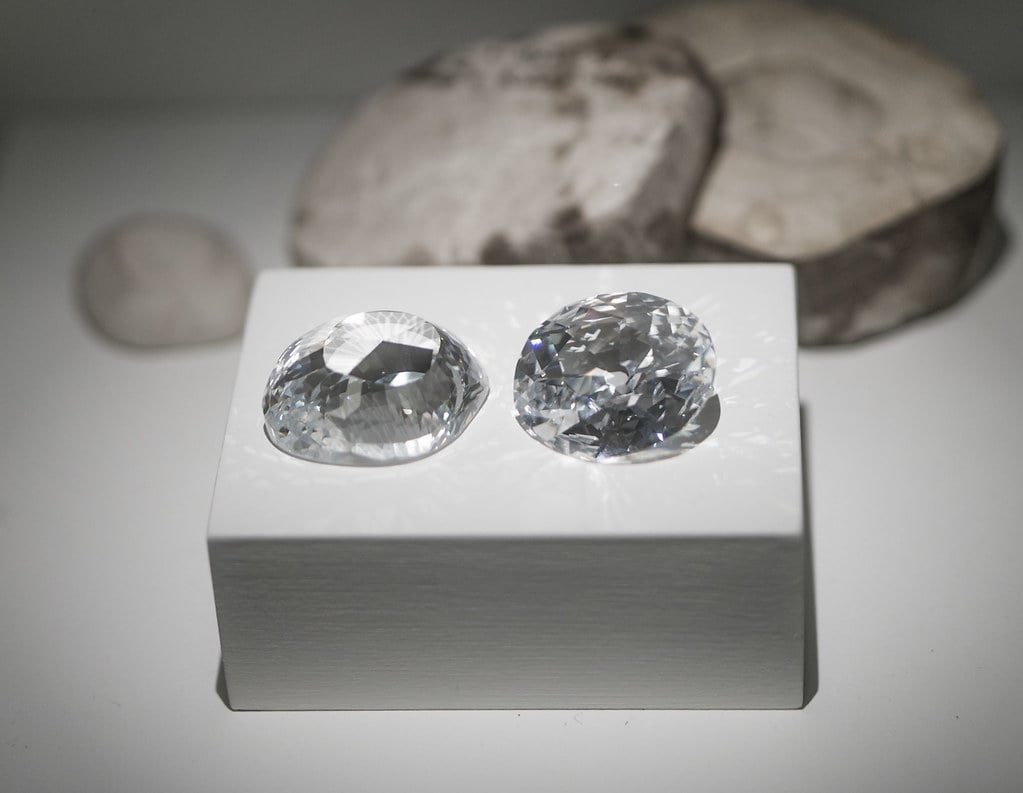
Koh-i-Noor is Persian for “Mountain of Light.” The name was reportedly given to the diamond by Nadir Shah of Persia after he seized it in 1739 following his invasion of Delhi.
According to legend, when he first saw it, that’s all he said. Whether or not the story is true, the name stuck — and it’s hard to argue with the description.
It Has Been Stolen Repeatedly

Calling the Koh-i-Noor’s journey a “transfer of ownership” is generous. It passed through the hands of Mughal emperors, Persian invaders, Afghan rulers, and Sikh maharajas — often through violence.
Nadir Shah got it by sacking Delhi. The Afghans took it from the Persians.
The Sikhs took it from the Afghans. And then the British took it from the Sikhs.
The stone has essentially never been willingly given away.
A Curse Follows Every Man Who Owns It

One of the more persistent stories attached to the Koh-i-Noor is that it brings misfortune — specifically to men. The supposed curse traces back to a Hindu text that describes the diamond as capable of bringing great power but also great calamity to any male owner.
Whether by coincidence or design, the list of men who possessed the diamond and then suffered catastrophic fates is long enough to give pause. Since arriving in Britain, the stone has only been worn by women of the royal family.
That’s not officially because of the curse, but it’s not not because of the curse either.
It Used to Be Much Bigger
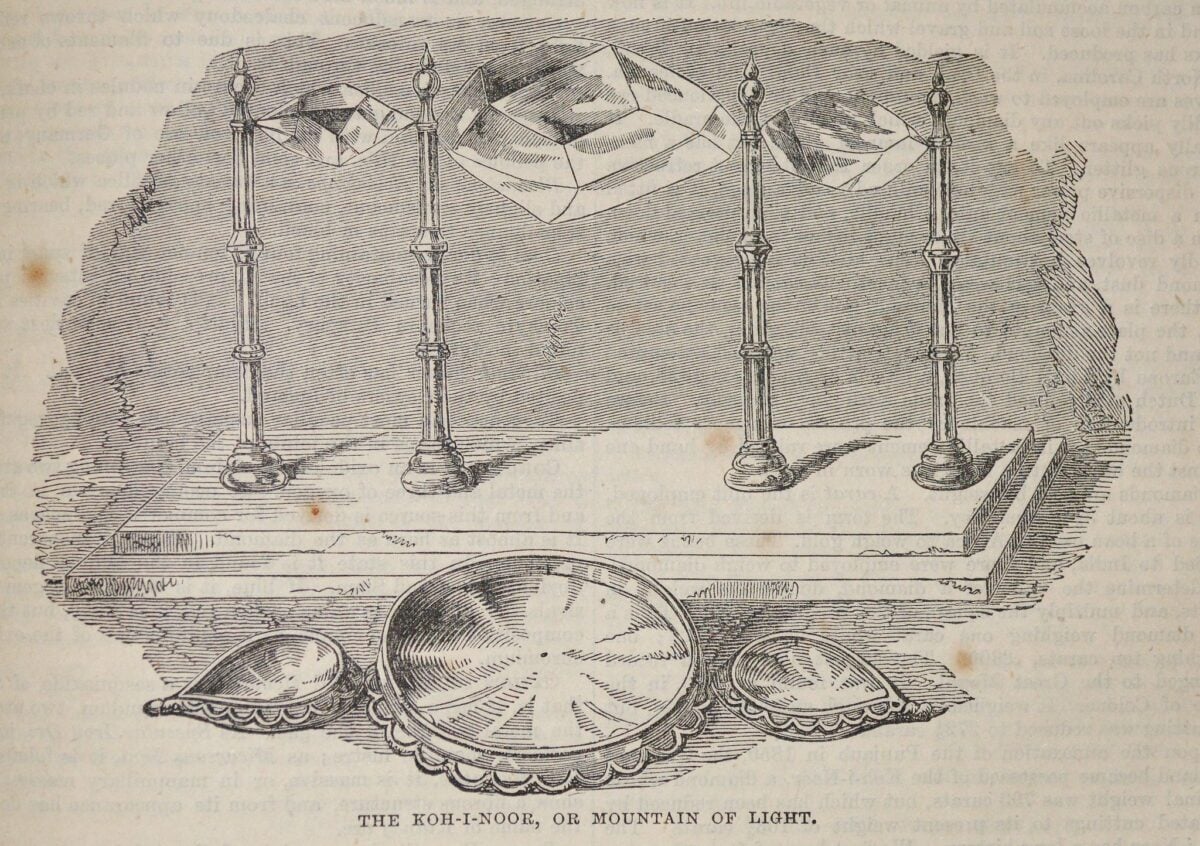
When the Koh-i-Noor arrived in Britain in 1850, it weighed around 186 carats. That already sounds impressive.
But historians believe that in its earliest known form, the diamond weighed well over 600 carats — possibly close to 800. Centuries of cutting and re-cutting reduced it dramatically.
Each time a new owner got hold of it, they often had it recut to suit their own tastes or to remove previous owners’ handiwork. The stone you can see in London today is a fraction of what once existed.
The British Received It from a 10-Year-Old
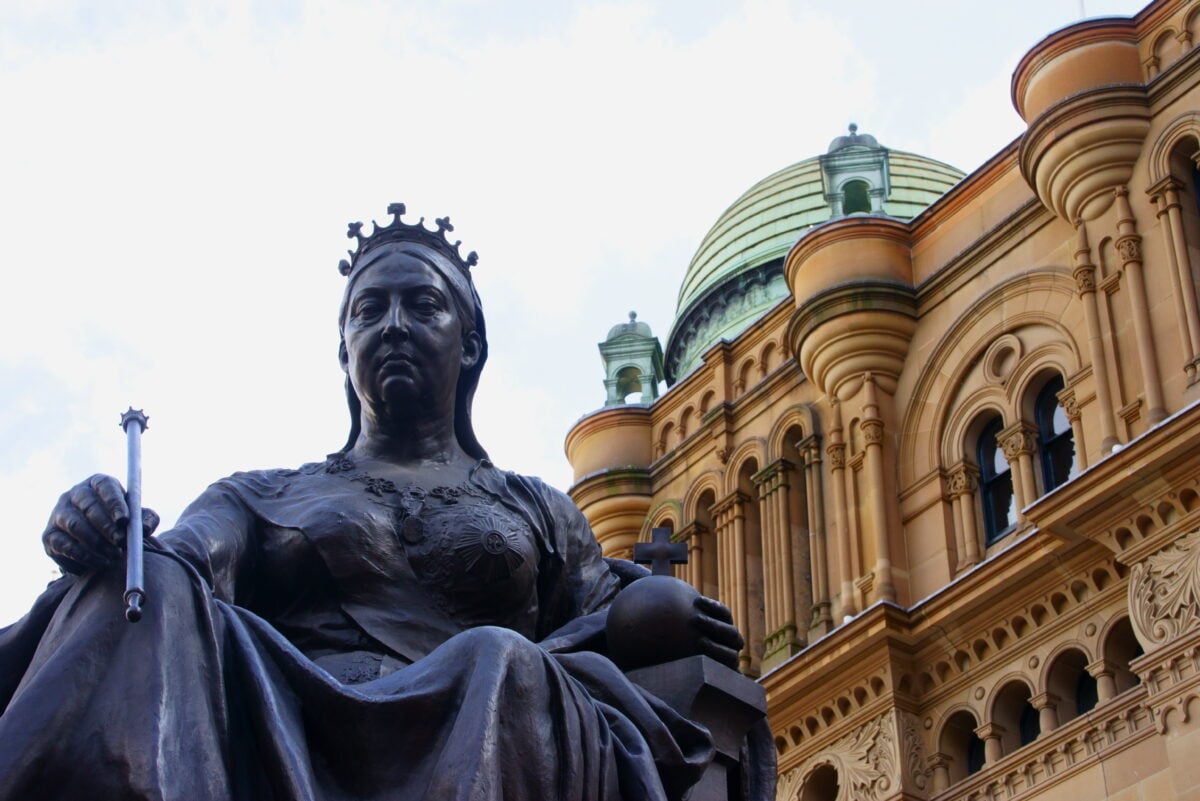
After the Second Anglo-Sikh War, the Punjab was annexed by the British East India Company. Under the terms of the Last Treaty of Lahore in 1849, the Koh-i-Noor was surrendered to Queen Victoria.
The person who signed that document was Duleep Singh, the last Maharaja of the Sikh Empire. He was ten years old at the time.
He later reportedly described the moment as one he had no real understanding of, and spent much of his adult life trying to reclaim both the diamond and his homeland.
Queen Victoria Was Underwhelmed
After all the drama surrounding the Koh-i-Noor’s arrival in England, you might expect Queen Victoria to have been thrilled. She wasn’t, particularly.
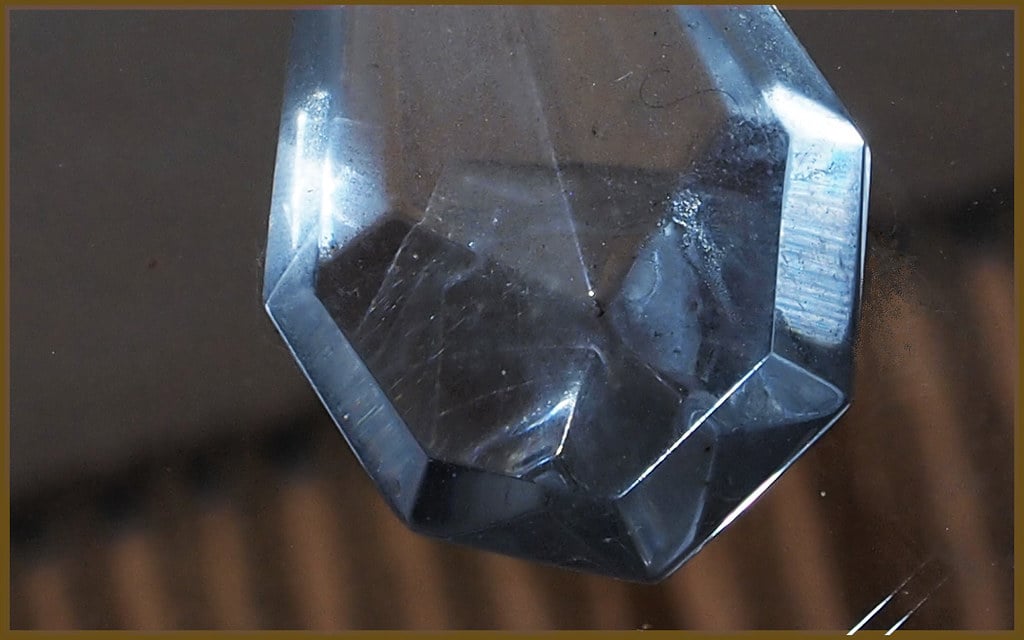
The stone was displayed at the Great Exhibition of 1851, where visitors were also underwhelmed — its cut at the time didn’t show the diamond’s brilliance well under the gas lighting. Victoria reportedly found it dull.
That led directly to the decision to have it recut, which is why it now weighs 105.6 carats instead of 186.
The Recutting Was a Disaster (By Most Accounts)
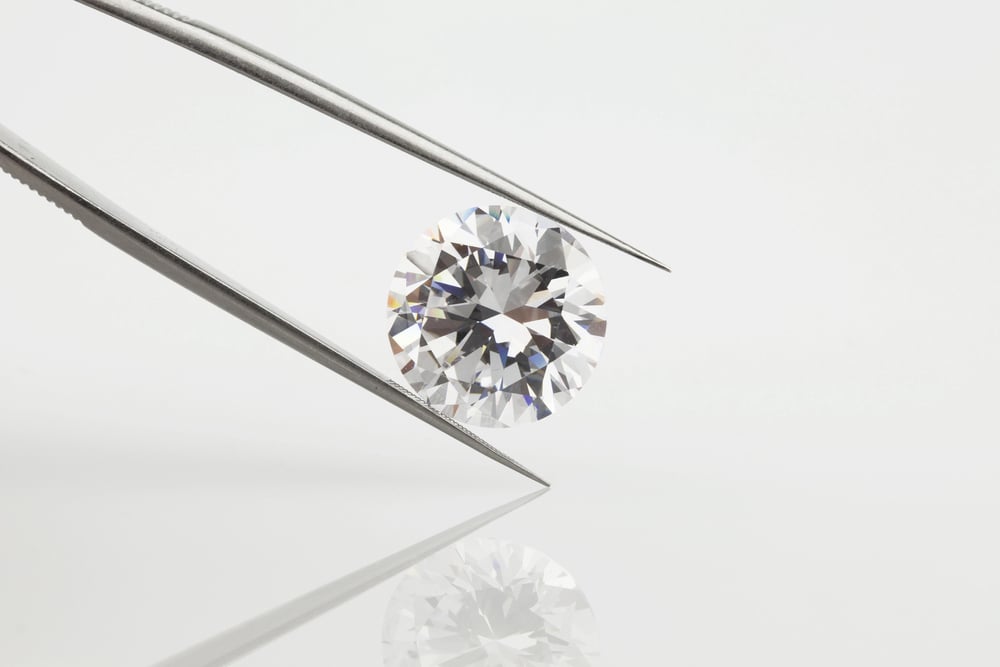
Prince Albert hired a Dutch jeweler named Levie Benjamin Voorzanger to recut the diamond in 1852. The process took 38 days and cost what would now be hundreds of thousands of dollars.
It also removed nearly half the stone’s remaining weight. Gemologists and historians have debated ever since whether the recutting actually improved the diamond’s appearance.
Many argue it didn’t — that the original cut, despite seeming dull, preserved more of the stone’s character. The question is now academic, since there’s no going back.
It Sits in a Crown That Almost Never Leaves a Vault
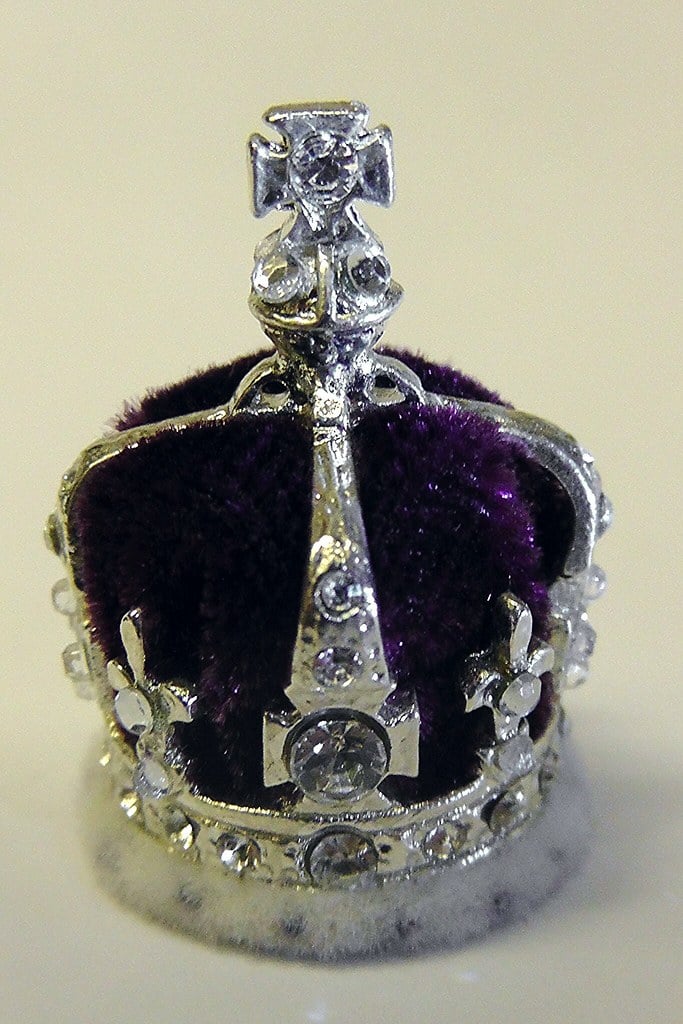
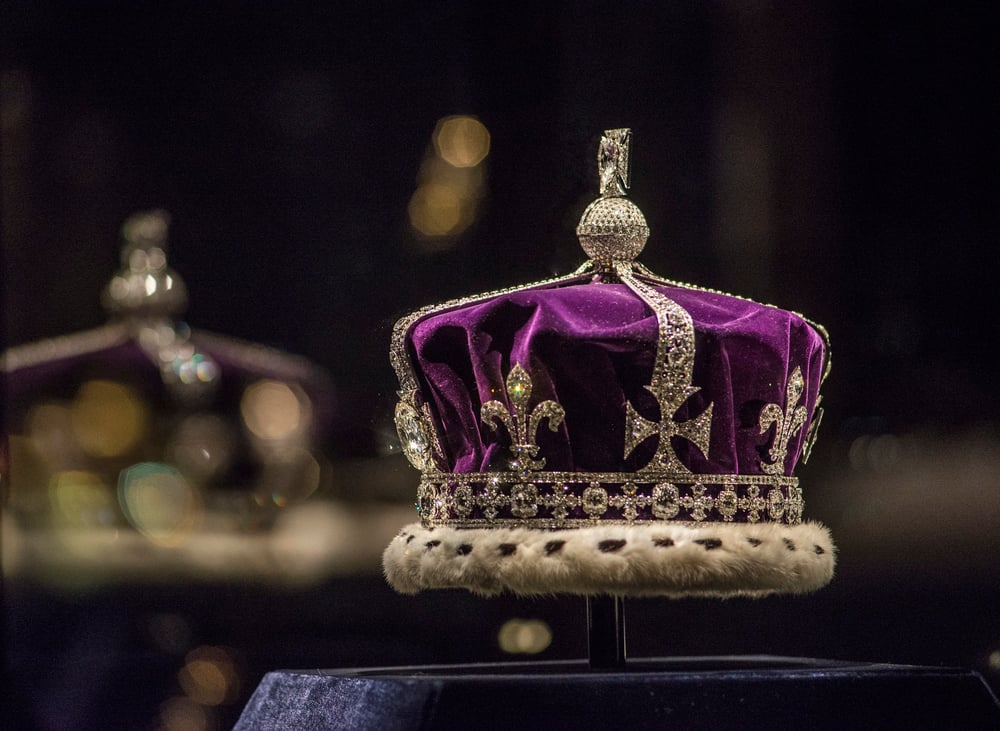
The Koh-i-Noor is currently set in the Coronation Crown made for Queen Elizabeth The Queen Mother in 1937. That crown has been worn exactly once — at the coronation.
Since then, it has sat in the Tower of London, occasionally moved for display purposes. The crown is not used in active ceremonies.
So one of the most storied diamonds in history spends most of its existence in a climate-controlled vault, being looked at through bulletproof glass.
Only Women in the Royal Family Wear It
By long-standing tradition, the Koh-i-Noor is worn only by female consorts, not by kings or male heirs. When King Charles III was crowned in 2023, the Queen Mother’s Crown — with the Koh-i-Noor — was not placed on Camilla’s head.
A different crown was used instead, which sparked fresh conversation about the stone’s future. The tradition of female-only wearers remains intact, though it’s increasingly more symbolic than practical given how rarely the crown appears in public.
At Least Four Countries Want It Back
India, Pakistan, Afghanistan, and Iran have all at various points claimed rightful ownership of the Koh-i-Noor. India’s case is perhaps the most publicly argued, with successive governments formally requesting its return.
The British government has consistently refused, citing the Antiquities and Art Treasures Act as well as the legal position that the diamond was surrendered — not stolen — under the Treaty of Lahore. The debate about what “surrendered” means when a ten-year-old signs the paperwork remains very much alive.
It’s Not Actually the Biggest Diamond in the Crown Jewels
Despite all its fame, the Koh-i-Noor is not the largest diamond in the British Crown Jewels. That title belongs to the Cullinan I, also known as the Star of Africa, which weighs 530 carats and sits in the Sovereign’s Sceptre.
The Cullinan diamond — found in South Africa in 1905 — was cut into nine major stones, the two largest of which are part of the Crown Jewels. The Koh-i-Noor is famous not because of its size, but because of everything that happened around it.
It Barely Sparkles the Way You’d Expect
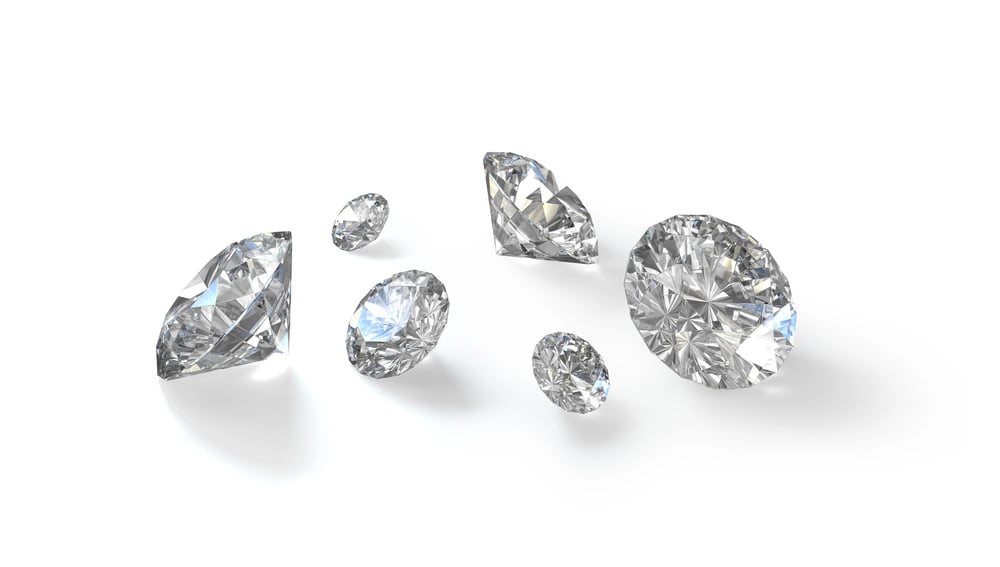
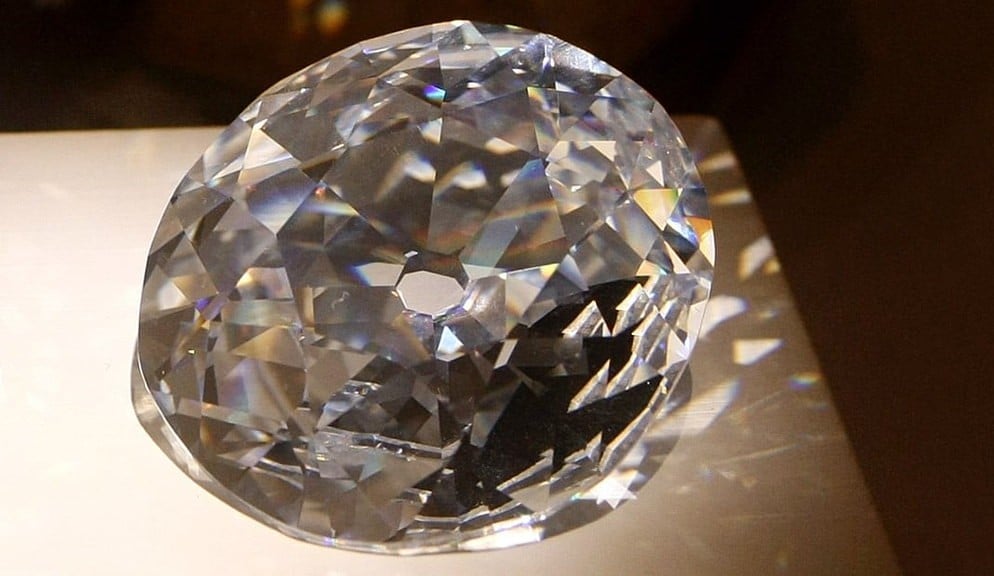
Most people who see the Koh-i-Noor in person describe being surprised by how restrained it looks. It’s not dazzling in the way a modern brilliant-cut diamond is.
The oval brilliant cut it received in 1852 is older in style, and the stone’s color — near-colorless with a faint warmth — doesn’t catch light the same way contemporary gems do. For a diamond with this much mythology attached to it, many visitors find it almost quiet.
Which somehow feels right. Stones that have survived this much history don’t need to show off.
A Stone That Outlasted Everything Around It
Empires rose and fell around this diamond. The Mughals are gone.
Nadir Shah’s Persian dynasty is gone. The Sikh Empire is gone.
The British Empire — at least in its original form — is gone. The Koh-i-Noor is still here, sitting in London, still contested, still strangely compelling.
Whatever you think about who it belongs to, there’s something remarkable about an object that has witnessed that much human ambition and outlasted all of it. The diamond doesn’t carry its history lightly.
But it carries it.
More from Go2Tutors!

- The Romanov Crown Jewels and Their Tragic Fate
- 13 Historical Mysteries That Science Still Can’t Solve
- Famous Hoaxes That Fooled the World for Years
- 15 Child Stars with Tragic Adult Lives
- 16 Famous Jewelry Pieces in History
Like Go2Tutors’s content? Follow us on MSN.