16 Gadgets Invented to Solve Small Annoyances
Not every invention sets out to change the world. Some just want to stop the bread from going stale, keep the cords from tangling, or prevent the remote control from disappearing into the couch again.
These are the gadgets born not from grand ambition but from genuine irritation — the quiet frustration of a repeated inconvenience that finally pushed someone to do something about it.
The Bread Clip

That small plastic tab holding your bread bag closed was invented in 1952 by Floyd Paxton, who apparently whittled the first prototype from a piece of plastic mid-flight because he needed something to close a bag and had nothing else on hand. The result was the Kwik Lok clip — a device so simple and so effective that it has barely changed in seventy years.
It solves exactly one problem: keeping bread fresh after the bag has been opened. And it does it perfectly.
The Spinning Toothbrush Holder

Standard toothbrush holders collect water at the base, breed bacteria in tight corners, and make it unnecessarily difficult to grab one toothbrush without knocking the rest over. The rotating toothbrush holder — a circular stand where each toothbrush sits in its own slot and can spin outward — was invented specifically because the standard version was quietly terrible.
Nobody talks about it. But anyone who has switched knows the difference immediately.
The Binder Clip

The binder clip is one of those objects so common that its invention is easy to forget. Louis Baltzley patented it in 1910 to help his father, a writer, manage manuscript pages.
The standard paper clip existed, but it wasn’t strong enough for large stacks. The binder clip was stronger, more secure, and reusable indefinitely.
It solved the paper clip’s limitations without replacing it, which is a neat trick for any invention.
The Jar Opener

Jar lids are designed to create an airtight seal, which they do very well — sometimes too well. The rubber jar opener, usually a flat disc or grip pad, adds enough friction to the equation that even a weak grip can twist open most lids without assistance.
The concept is almost embarrassingly simple. But before it existed, getting into a stubborn jar meant running it under hot water, banging the lid on the counter, or asking someone stronger.
The rubber disc made all of that unnecessary.
The Cable Clip
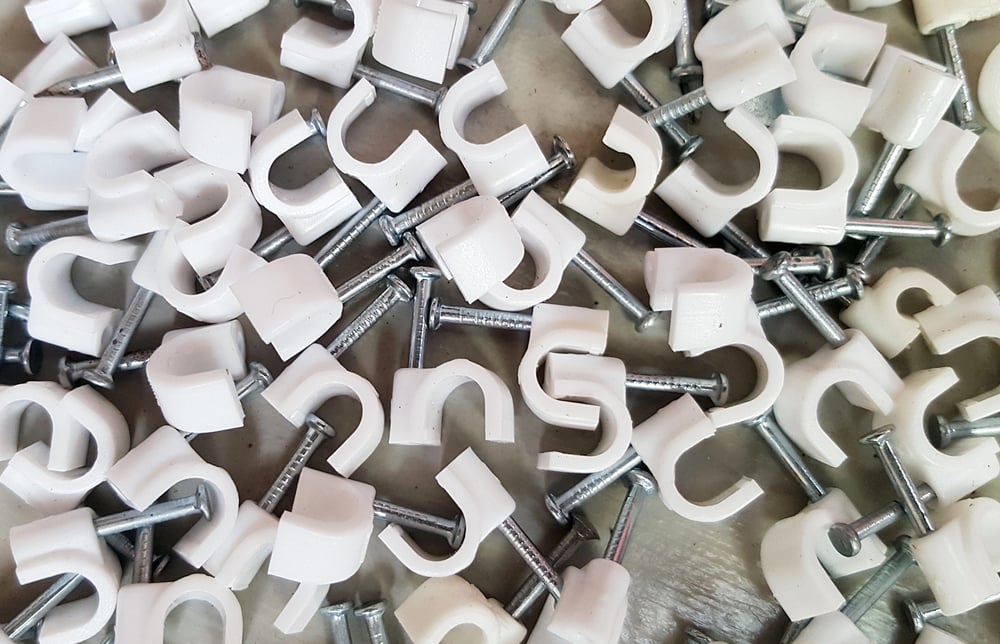
Cable management is one of those problems that didn’t fully exist until everyone owned five or six devices that needed charging simultaneously. Cable clips — small adhesive hooks or channels that run cords along desk edges and table legs — were designed to stop the slow accumulation of tangled wires on every surface.
They work best when used consistently, which means the people most likely to need them are the least likely to use them. But for those who do, the desk transformation is real.
The Avocado Saver

Avocados have an infuriating relationship with time. They go from underripe to perfect to brown in what feels like a matter of hours, and storing half an avocado without losing the unused portion is a minor daily battle for anyone who eats them regularly.
The avocado saver — a curved container shaped to hold the unused half snugly, usually with a press-fit lid — was designed specifically for this problem. It keeps the surface from oxidizing as quickly and holds the shape of the fruit during storage.
A small solution to a genuinely annoying problem.
The Cord Organizer Sleeve

When cables multiply and tangle behind televisions, desks, and entertainment systems, the result is a dense knot of wires that’s difficult to trace, frustrating to clean around, and unpleasant to look at. The cord organizer sleeve — a fabric or plastic tube that bundles multiple cables into one tidy channel — exists purely to address this.
It doesn’t improve the cables. It doesn’t make anything charge faster.
It just hides the chaos, and for many people that’s more than enough.
The Clip-On Strainer

Boiling pasta requires draining it, which requires carrying a heavy pot of boiling water across the kitchen to pour into a colander in the sink. The clip-on strainer eliminates the colander entirely — it clips directly to the pot rim and lets you drain the water by tilting the pot, keeping the pasta inside.
The colander itself isn’t going anywhere. But for a smaller batch of pasta or vegetables, the clip-on version solves the problem in a smaller footprint.
The Banana Hanger
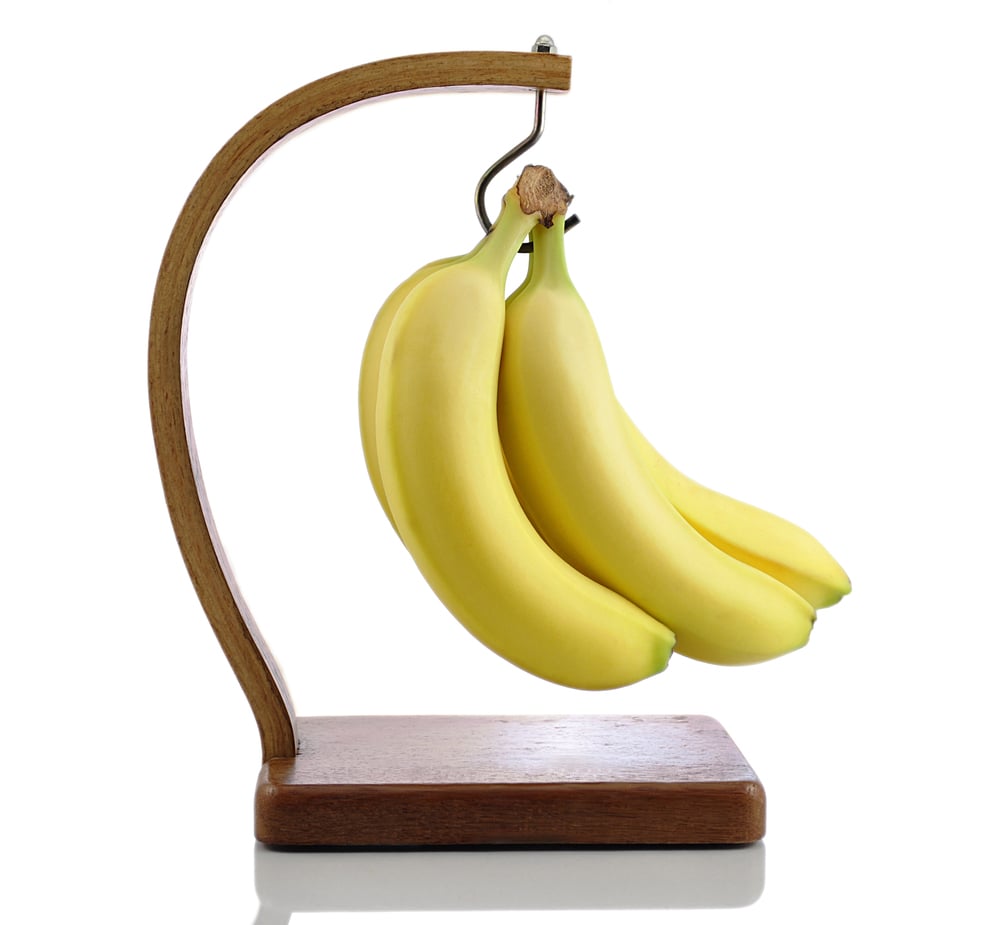
Bananas stored flat bruise faster and ripen unevenly. A banana hanger — a small hook stand that suspends a bunch in the air — was invented to keep them off the counter and allow air to circulate around them.
They last longer and bruise less. The gadget is often mocked for being unnecessary.
But people who use one tend to keep using one, which suggests the annoyance being solved was real enough.
The Magnetic Wristband
Anyone who has attempted a home repair project knows the specific misery of dropping screws. They roll under things, fall into carpet, and disappear at the exact moment you need them.
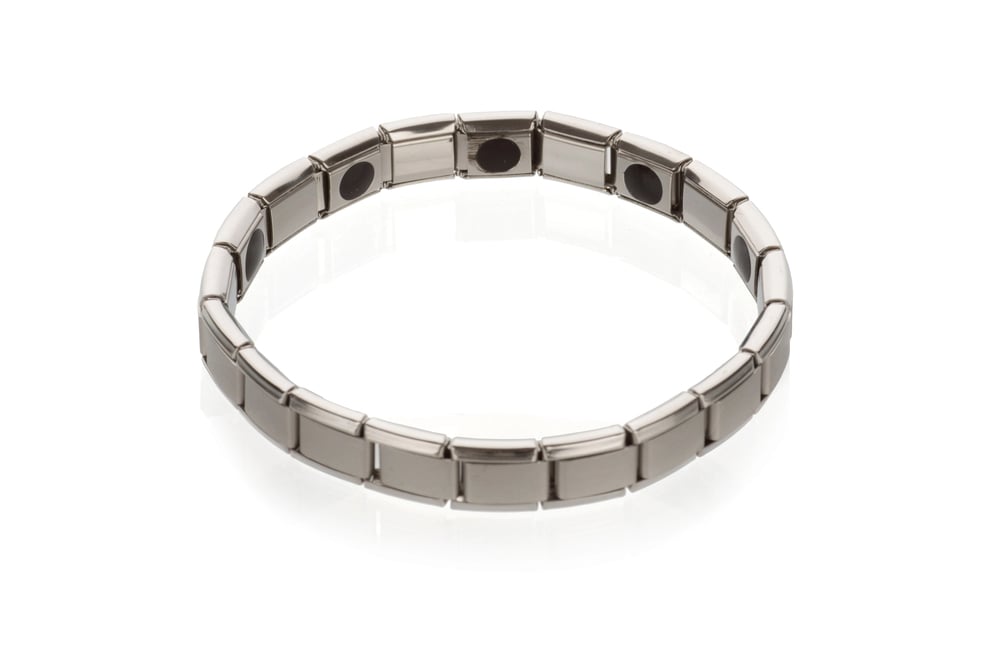
The magnetic wristband — a strap worn around the wrist with a magnetic strip that holds screws, nails, and small metal parts in place — was invented so your hands stay free while your supplies stay close. It’s an inelegant-looking thing but genuinely useful on a ladder or underneath a sink.
The Touchscreen Stylus

s
Touchscreens respond to the electrical charge of a fingertip, which means they don’t work well with gloves or for people who prefer precision when writing or drawing. The capacitive stylus mimics the electrical properties of a finger, allowing touchscreens to respond to a pointed tip instead.
It was invented almost immediately after touchscreens became common. Which tells you how quickly people noticed the limitation.
The Silicone Pot Holder Glove

Traditional oven mitts are thick, clumsy, and terrible for gripping. The silicone oven glove replaced them with a form-fitting alternative that provides heat protection and grip simultaneously.
You can actually pick things up while wearing it, which sounds like a low bar until you’ve tried maneuvering a roasting pan with a standard mitt. The grip pattern on the palm is the detail that makes it work.
Silicone against a hot pan surface holds in a way that fabric simply doesn’t.
The Luggage Scale
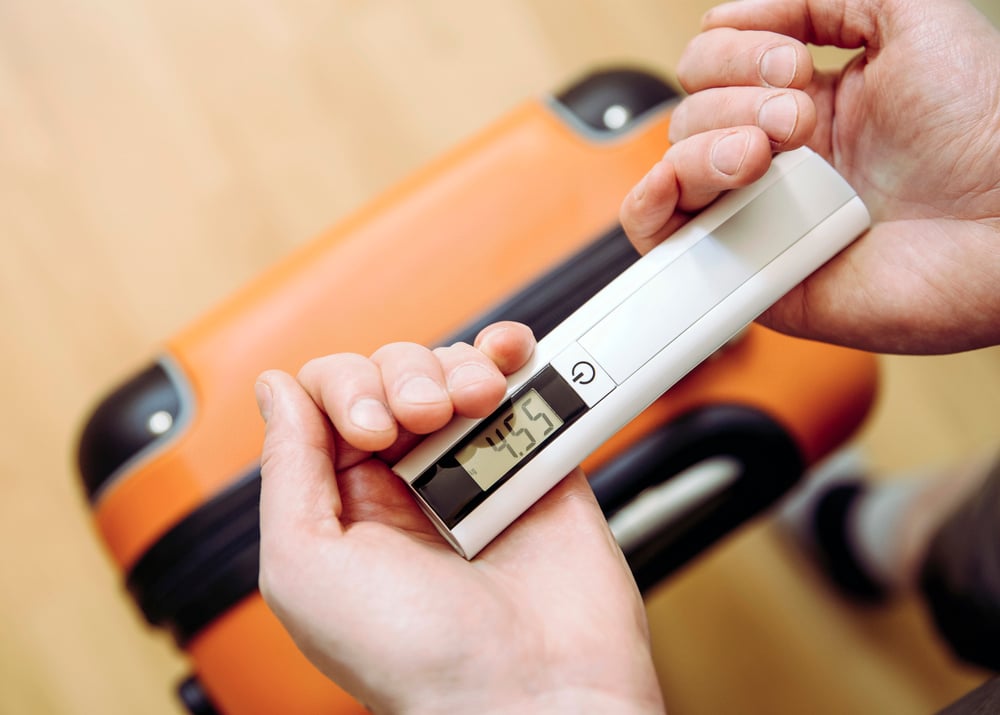
Airlines charge fees for overweight bags, and those fees are steep. Weighing luggage at home before heading to the airport removes the guesswork — and the dread — from the check-in process.
The handheld luggage scale clips to a bag handle and displays the weight when you lift it. It was invented because the alternative — guessing, or borrowing a bathroom scale and calculating the difference while holding your suitcase — was genuinely uncomfortable and often wrong.
The One-Touch Can Opener

Standard can openers require grip strength, coordination, and patience to operate cleanly without leaving a jagged edge. The one-touch electric can opener sits on top of a can, presses a button, and drives itself around the rim automatically, cutting the lid off in one smooth motion and leaving no sharp edges.
For anyone with limited hand strength or dexterity, it’s a significant improvement. For everyone else, it’s still a noticeable upgrade over the manual version.
The Lint Roller
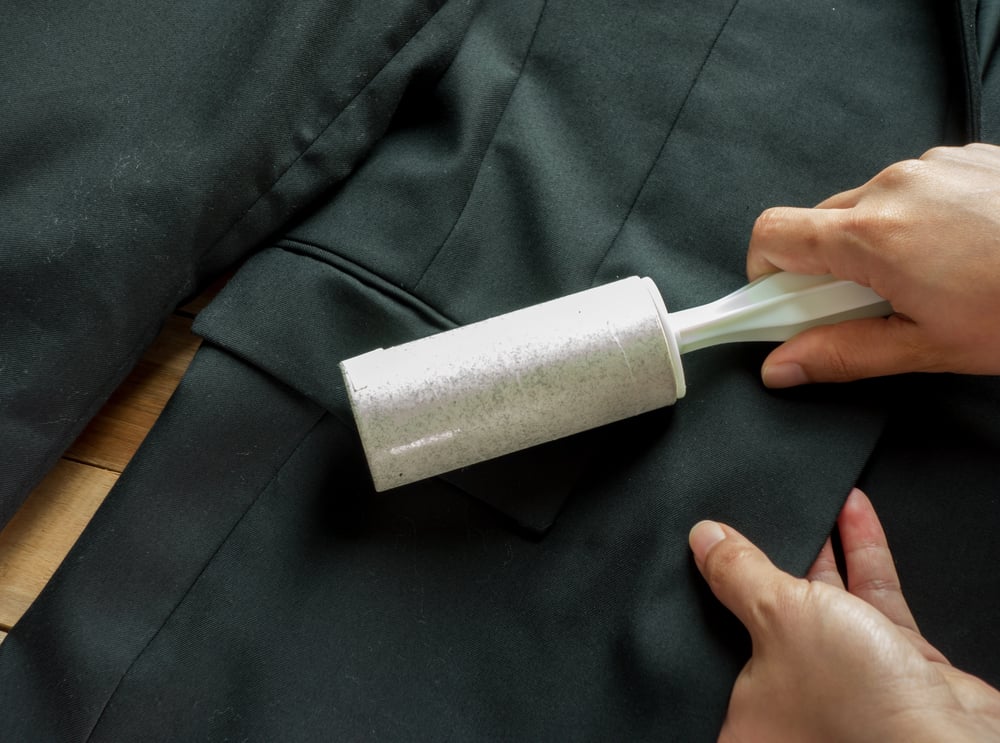
Sticky stuff clings to clothes all day long – hairs, fuzz, bits of who-knows-what. Back then? People used brushes or plucked junk off piece by piece.
A roll on a stick changed that, pulling gunk away in one smooth move. Once a page gets full, just lift it away – another waits underneath.
Simple? Sure, now it feels like everyone should have thought of it sooner. Still, nobody made it common until Nickolas McKay built the kind people started using daily back in the 1950s.
The Grip Opener for Sealed Packaging

That stubborn plastic wrap, sealed tight so you need tools just to tear it, usually ends up scattering whatever’s inside. Opening something like that?
Frustrating for nearly everyone. A jagged edge built into the corner helps rip through without needing extra gear nearby.
Some versions even hide a small cutting surface there, meant to split the film cleanly instead of shredding it wildly. That box still stinks.
Yet somehow opening it feels a tiny bit smoother, which is frankly the most truth ever comes through on these things.
Annoyance as the Mother of Invention

What grabs headlines usually solves big challenges – think smartphones, microwaves, electric vehicles. Yet it might be the tools tackling minor annoyances that tell us more about how we live.
These devices capture the little hassles piling up each hour, the irritations everyone tolerates until one person simply refuses. Each thing here began when someone finally snapped after endless frustration.
Not a fairy tale beginning, true. Yet these moments birthed everyday tools we now rely on without thinking.
Practicality grows best from irritation.
More from Go2Tutors!

- The Romanov Crown Jewels and Their Tragic Fate
- 13 Historical Mysteries That Science Still Can’t Solve
- Famous Hoaxes That Fooled the World for Years
- 15 Child Stars with Tragic Adult Lives
- 16 Famous Jewelry Pieces in History
Like Go2Tutors’s content? Follow us on MSN.



