Nazi Gold Still Missing Today
The Nazis didn’t just wage war during World War II. They stole everything they could get their hands on.
Gold bars, priceless paintings, jewelry ripped from concentration camp victims, rare books, religious artifacts. As Nazi forces tore through much of Europe and North Africa during World War II, gold, valuable artifacts and priceless paintings disappeared from the conquered territories, and many of these treasures are still missing to this day.
When the war started turning against Germany, Nazi officers scrambled to hide their stolen goods before Allied forces could seize them. While some of these cultural treasures were saved by Allied units, around $37 billion of loot is still missing.
Here’s where billions in Nazi treasure might be hiding right now.
Lake Toplitz holds counterfeit money

Lake Toplitz is a lake situated in a dense mountain forest high in the Austrian Alps, 98 km from Salzburg in western Austria, surrounded by cliffs and forests. In 1959, cases were found containing $134 million of counterfeit British sterling.
Investigations showed the banknotes to be high quality forgeries produced during Operation Bernhard, a Nazi attempt to destabilize Great Britain’s economy by flooding the country with forged banknotes. The Nazis printed millions in fake British pounds, hoping to crash the British economy.
When the plan fell apart, they dumped boxes of the stuff into this remote Austrian lake. Some seeking the $5.6 billion of Reichsbank gold have drowned.
The Amber Room vanished from Königsberg
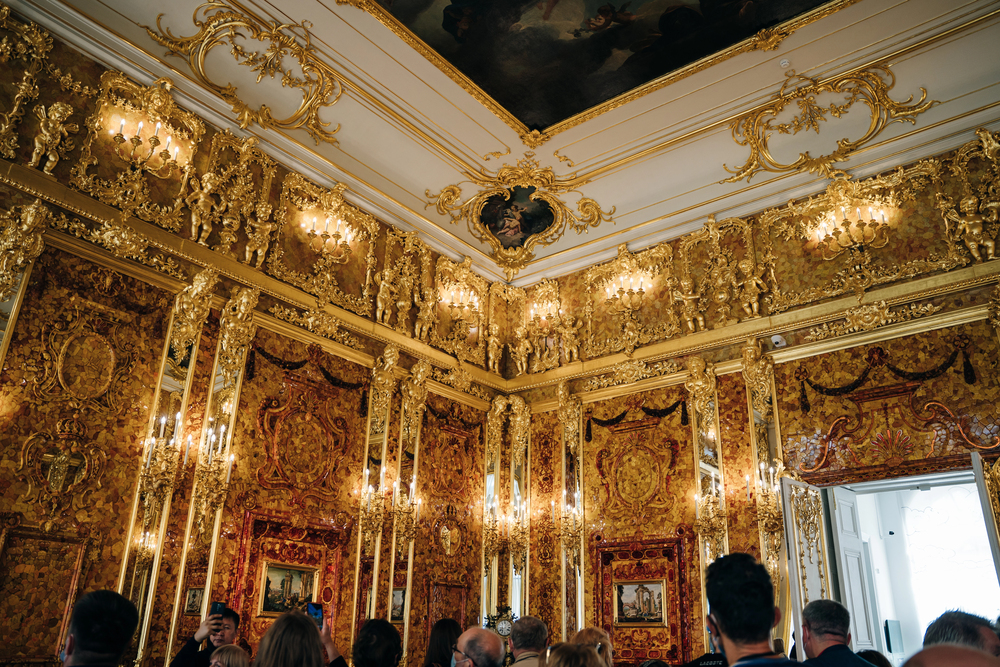
The Amber Room was a chamber decorated in amber panels backed with gold leaf and mirrors, located in the Catherine Palace near Saint Petersburg, constructed in the 18th century in Prussia. The room covered more than 55 square metres and contained over 6 tonnes of amber.
The Nazis believed the room was made by Germans and, most certainly, made for Germans. German soldiers tore down the Amber Room within 36 hours, packed it up in 27 crates and shipped it to Königsberg, Germany.
After that, the trail goes cold. Some think Allied bombs destroyed it in 1944.
Others believe the crates were loaded onto a ship that sank. The ornate chamber, perhaps the most valuable treasure stolen by the Nazis, has never been found.
Wewelsburg Castle might hide SS rings
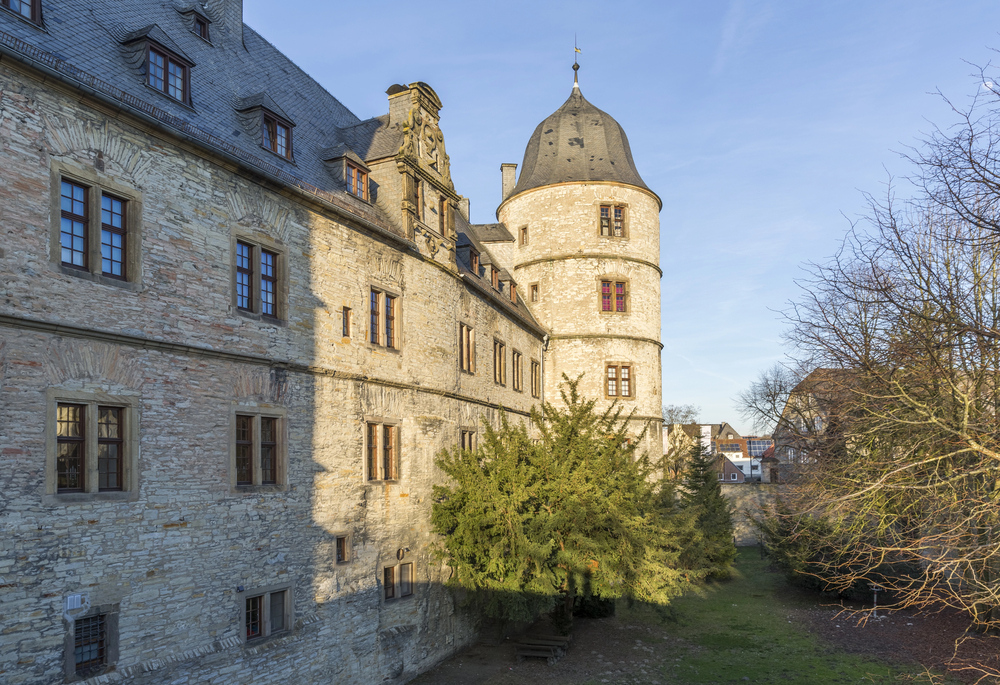
Treasure hunters are searching the hills surrounding the castle of Wewelsburg for $93 million of jewelry. Himmler purchased the castle before the war began and is believed to have hidden in a cave some 9,200 silver rings that he handed out to members of the SS.
These weren’t ordinary rings. They marked elite SS membership and carried Nazi symbols.
When defeat looked certain, Himmler apparently stashed them somewhere in the caves and tunnels around his castle. Treasure hunters have been combing those hills for years with metal detectors and ground radar.
Nobody’s found anything yet, but that hasn’t stopped people from trying.
Jonas Valley tunnels could hold atomic secrets
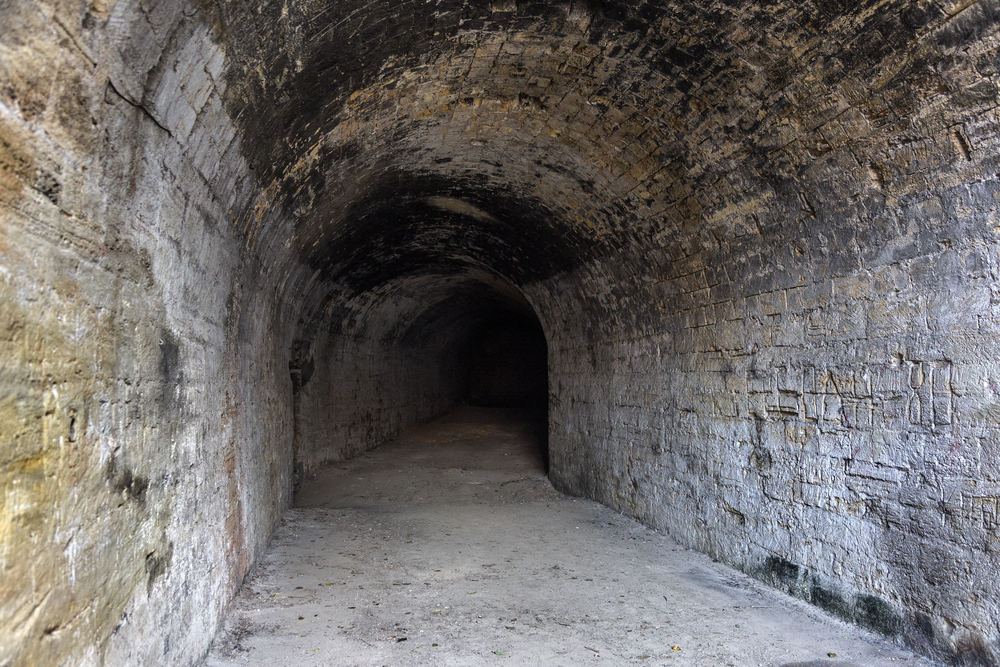
In Jonas Valley, home to the S-III Führer HQ, treasure hunters believe that Hitler’s atomic bomb, the Tsarist Amber Room, numerous lost art masterpieces, and metric tons of Reichsbank gold are hidden in a tunnel system dug into the surrounding mountains. The Nazis built extensive underground facilities in this area, digging tunnels deep into the mountains.
When Soviet forces approached, the Germans sealed many of these tunnels. What got left behind remains anyone’s guess.
Local authorities have blocked most searches because the tunnels are unstable and dangerous. Parts of the mountain could collapse if anyone starts digging around.
Lake Walchen saw mysterious Nazi activity
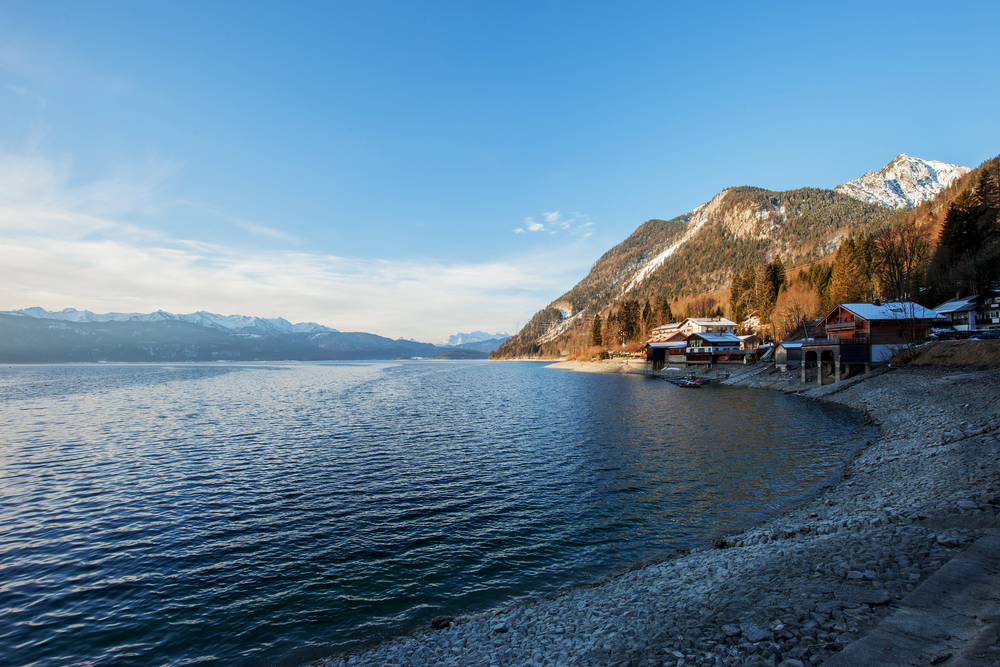
An enormous amount of gold is rumored to have been dumped into Lake Walchen, located in the countryside near Munich. Residents noticed troops on the shore in April of 1945, one month before the Third Reich ended.
The archives contain records showing that Himmler authorized three trucks, with troop escort, to travel in the dark from Berlin to Bavaria at the same time the residents had seen the troops. Why would Himmler send three trucks of cargo from Berlin to a Bavarian lake in the middle of the night?
The lake has numerous underwater ravines where divers focus their searches, but the depth and cold water make exploration difficult.
Lüner Lake guards Dachau treasure
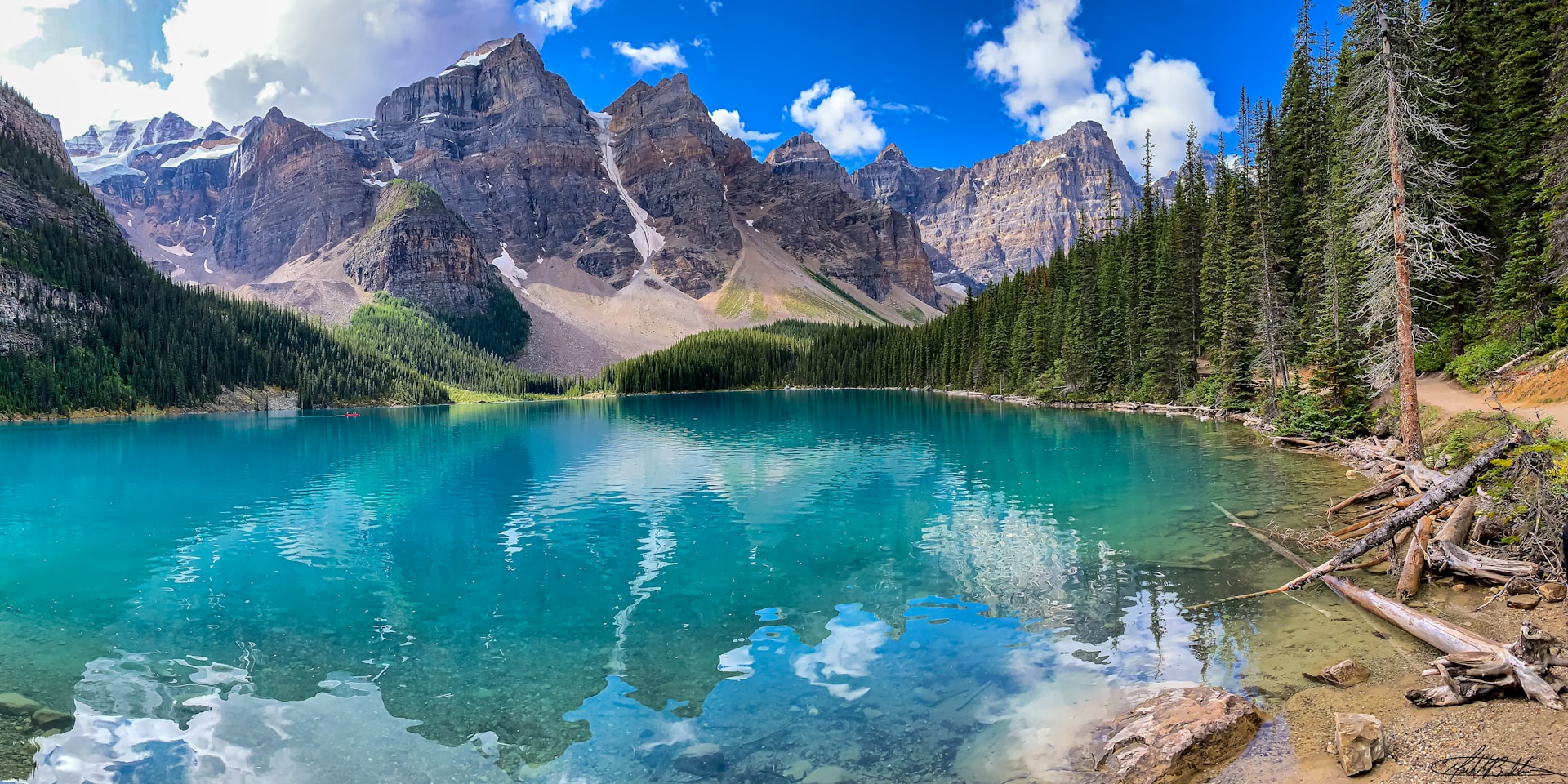
Another Alpine lake, the Lüner, is rumored to be the hiding place for $84 million in gold and jewels taken from prisoners in the Dachau concentration camp. One of them mentioned to the doctor appointed to care for them, Wilhelm Gross, that there was a fortune in gold bars, jewelry, and rare stamps buried on the shore of the lake under an Alpine hut.
Edward Greger, a U.S. Army intelligence officer, had planned in the early 1950s to search for the treasure, but a new dam built in 1956 submerged the area surrounding the lake. The treasure, if it ever existed, now sits under many feet of water.
Modern sonar equipment might locate it, but nobody’s gotten permission to search.
Swiss banks received stolen gold
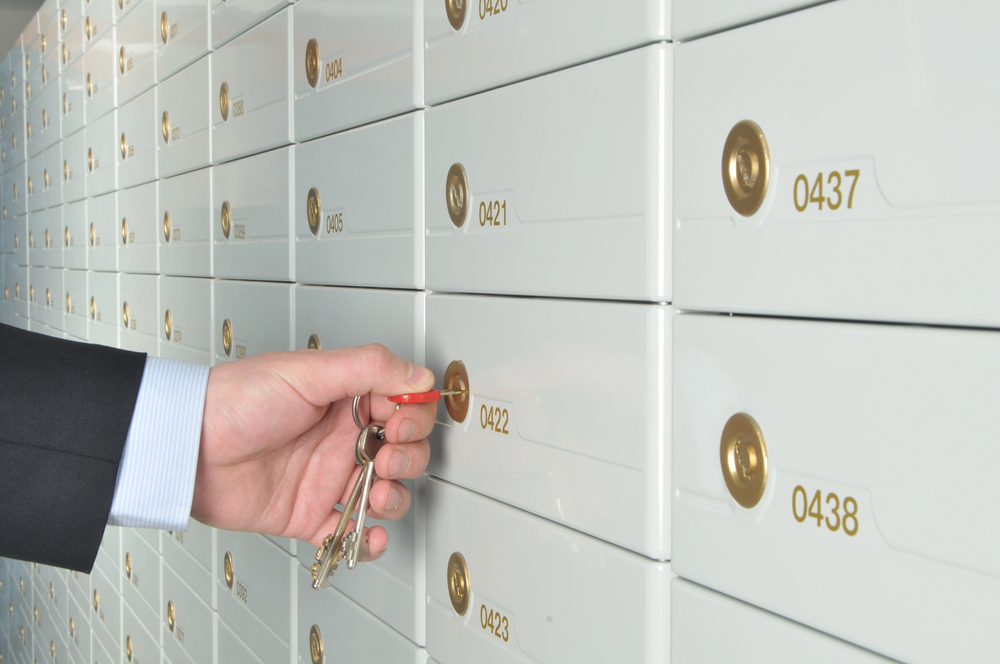
It is estimated that nearly 91 tonnes of Nazi gold were laundered through Swiss banks, with only 3.6 tonnes being returned at the end of the war. Switzerland stayed neutral during the war, which made it a perfect place for the Nazis to stash stolen assets.
German officials shipped trainloads of gold bars to Swiss banks throughout the war years. Some of that gold came from national reserves of conquered countries.
Some came from Jewish families. The present whereabouts of the Nazi gold that disappeared into European banking institutions in 1945 has been the subject of several books, conspiracy theories, and a civil lawsuit brought in January 2000.
Hochberg Palace well holds billions
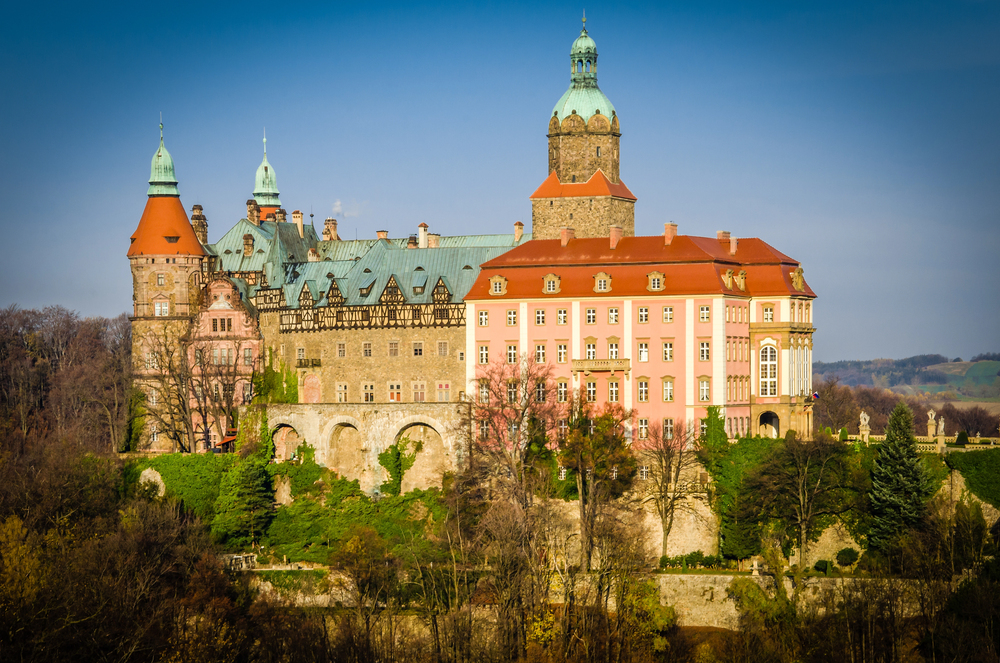
The diary listed 11 sites where Nazis concealed looted gold, jewels, priceless paintings and religious objects. One location that it names is an abandoned well that extends nearly 200 feet underground, beneath the 16th-century Hochberg Palace in the village of Roztoka, in southwestern Poland.
The gold at the bottom of the well is thought to have come from the Reichsbank in the Polish town of Breslau and is estimated to be worth billions of euros. Additional documents suggest that after the Nazis hid their ill-gotten riches, they murdered witnesses, dumped the bodies in the well, and then detonated explosives to seal the entrance.
The palace owners plan to search for the well during building renovations.
The Nazi gold train never existed
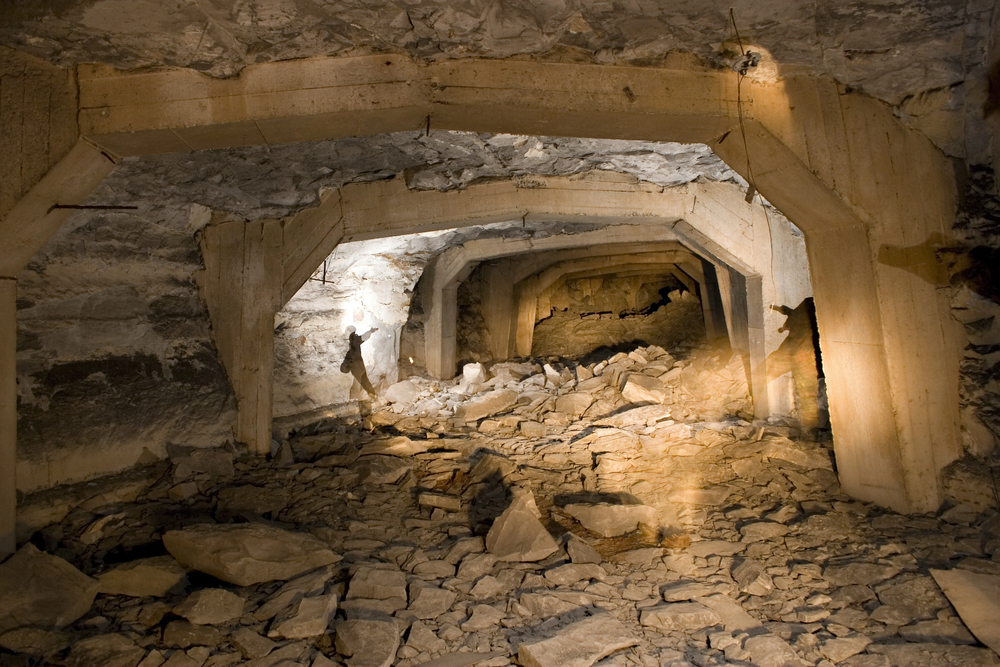
According to the apocryphal story, in the last months of World War II, a Nazi armoured train laden with gold and other treasures left Breslau, arrived at the station Freiburg in Schlesien, but did not reach the next station in Waldenburg in Schlesien. Onboard the train was purported more than 300 tons of gold, jewels, weapons, and artistic masterpieces.
In 2015, two men claimed they’d found it using ground-penetrating radar. Polish authorities sectioned off the area and brought in the military to check for mines.
In mid-November, two different teams were cleared by city authorities to make a non-invasive assessment of the site, and Madej’s team announced that a survey had found no evidence of a train. The whole thing was probably a myth from the start.
Lake Chiemsee revealed one Nazi artifact
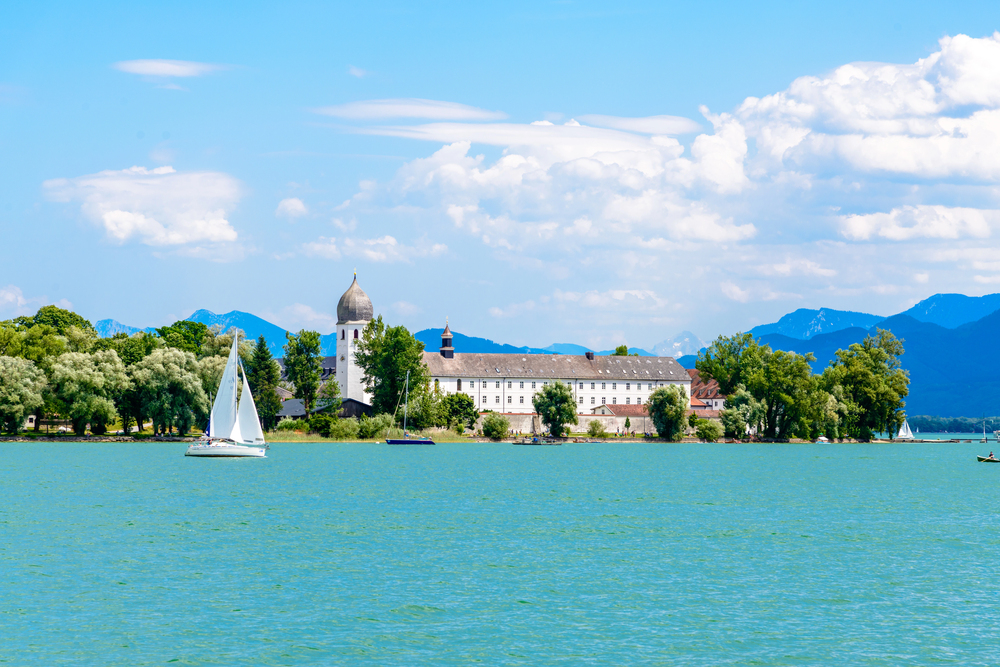
A Nazi-themed gold cauldron, worth more than $560,000, was found in a Bavarian lake in 2001. Weighing more than 9 kilograms, it is adorned with mythical Celtic and Indo-Germanic figures and was allegedly made on Himmler’s orders.
Since the discovery, nothing else of value has been recovered at the site. That single find keeps treasure hunters coming back.
If the Nazis dumped one valuable object in the lake, the thinking goes, maybe they dumped more. Authorities have tried to limit diving in the lake, but people show up anyway with equipment, hoping to strike it rich.
Stolpsee Lake holds Berlin gold
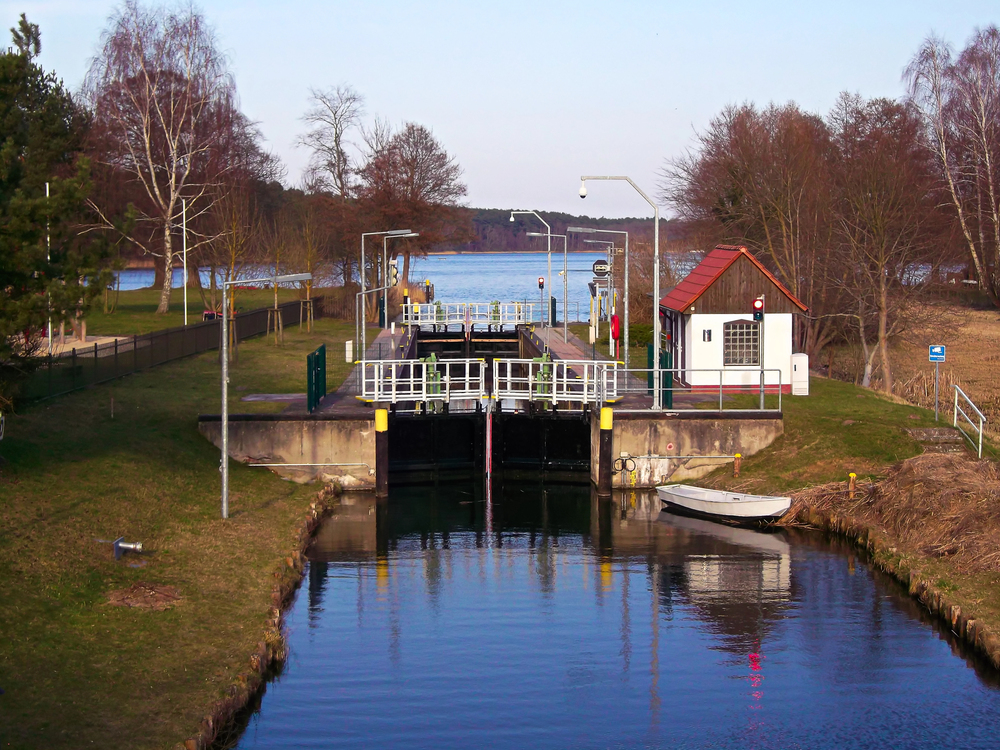
A stash of looted gold said to be worth more than $1 billion has attracted bounty hunters to Stolpsee, near Berlin. This lake sits close enough to Berlin that Nazi officials could have reached it quickly in the final days of the war.
Local stories tell of military trucks arriving at night and soldiers unloading heavy crates. The lake is deep and cold, making recovery difficult.
German authorities have banned unauthorized diving, but enforcement is spotty. Every summer, police catch treasure hunters trying their luck.
Merkers mine held the biggest find

The United States Army discovers around 2 million dollars of stolen Nazi gold, art, and other valuables in an abandoned salt mine, the Kaiseroder Mine, in Merkers, Germany. The two women told Mootz that the mine contained gold stored by the Germans, along with other treasures.
This was the mother lode, the single biggest Nazi treasure discovery of the war. American soldiers found gold bars stacked like firewood, priceless paintings rolled up in corners, bags full of currency from a dozen countries.
Eisenhower himself visited the mine to see the haul. But this find only proved what everyone suspected.
If the Nazis stashed this much in one location, how much more got hidden elsewhere?
Polish Jews lost 63,000 treasures
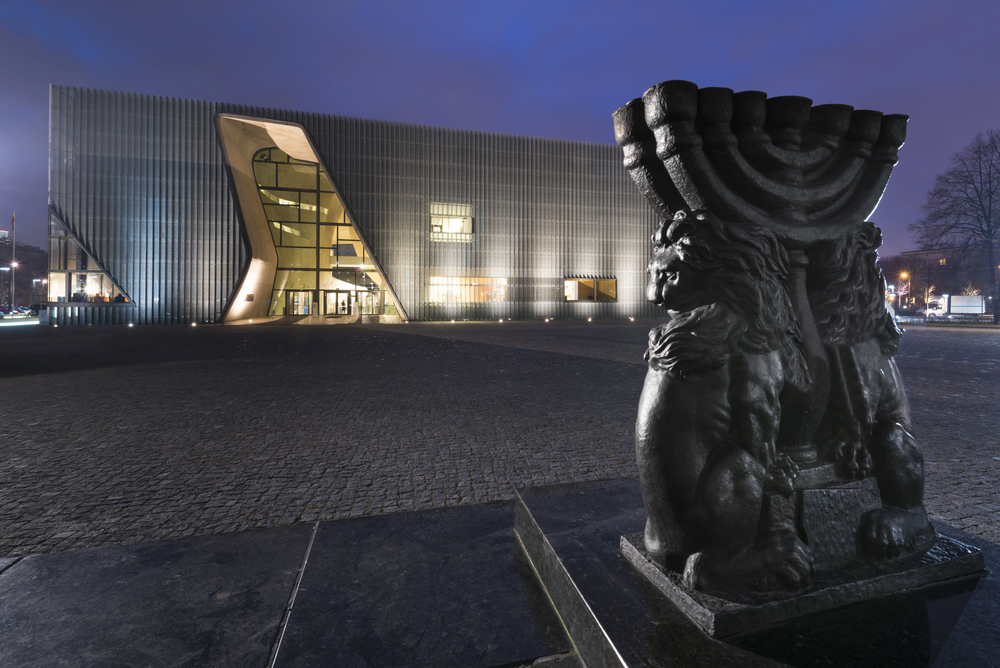
About 63,000 artworks and cultural artifacts that were stolen from Polish Jews by the Nazis are still missing, and the Polish government is actively working to secure their return. These weren’t all grand masterpieces.
Many were family heirlooms, religious objects, photographs, documents that proved property ownership. The Nazis systematically looted Jewish homes, taking everything of value.
After the war, survivors tried to reclaim their possessions, but most of it had vanished. Some pieces show up at auctions decades later, prompting legal battles over ownership.
Most will probably never be found.
The SS Minden sank with treasure
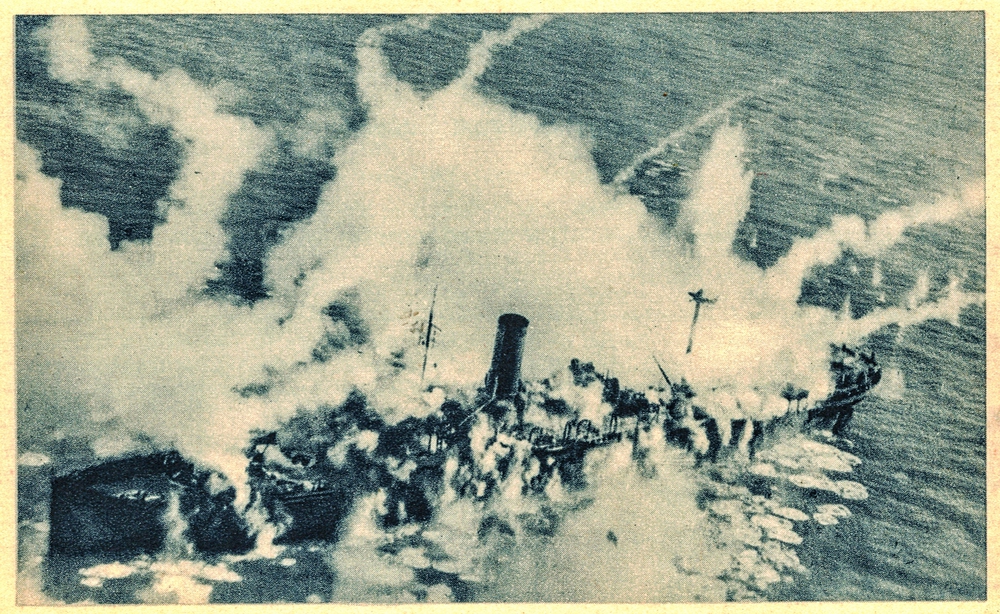
On its way from Rio de Janeiro to Germany in 1939, the Nazi ship S.S. Minden ran into a British ship off the coast of Iceland. The Minden was carrying cargo from Germany’s embassy in Brazil, including gold and other valuables.
Rather than let the British capture the ship, the German captain scuttled it. The Minden sank in deep water off Iceland’s coast.
Nobody knows exactly what was aboard, but German records show valuable cargo was loaded before departure. The ship sits in international waters, making salvage rights complicated.
A few expeditions have tried to locate the wreck, but Iceland’s waters are treacherous.
Raphael’s painting disappeared completely
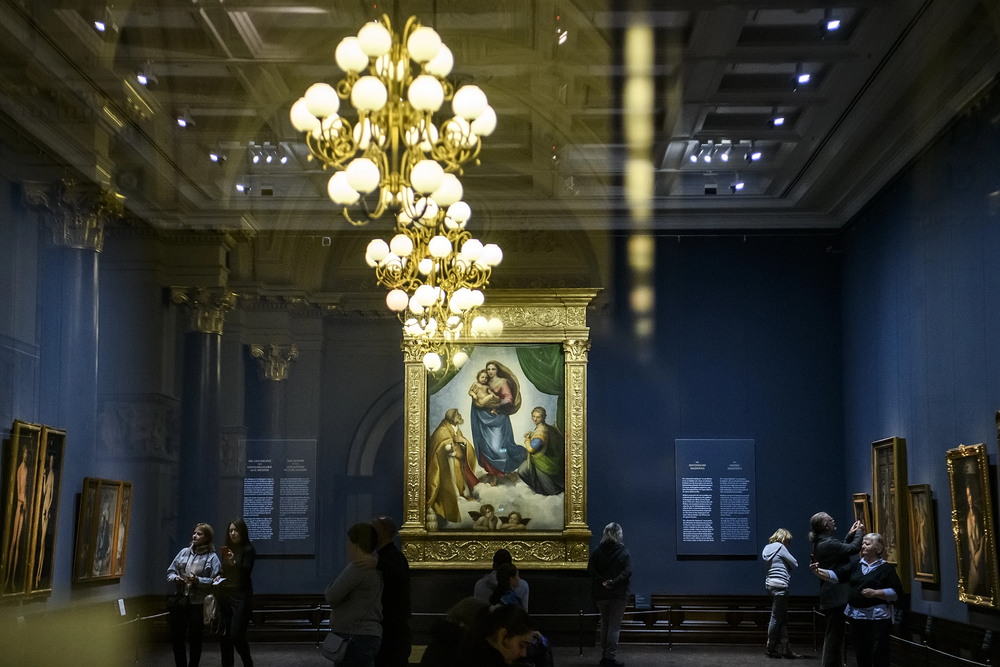
The Nazis stole a lot of paintings during WWII, but one of the most famous and historically important ones to go missing is Portrait of a Young Man by the revered Italian Renaissance artist Raphael. This painting was considered one of Raphael’s finest works.
The Nazis took it from a museum in Poland early in the war. After that, nobody saw it again.
It might have burned in a bombing raid. It might be hanging in someone’s private collection, the owner too afraid to reveal it.
It might be sitting in a warehouse somewhere, forgotten. The painting is worth tens of millions of dollars, assuming it still exists.
Operation Bernhard failed completely
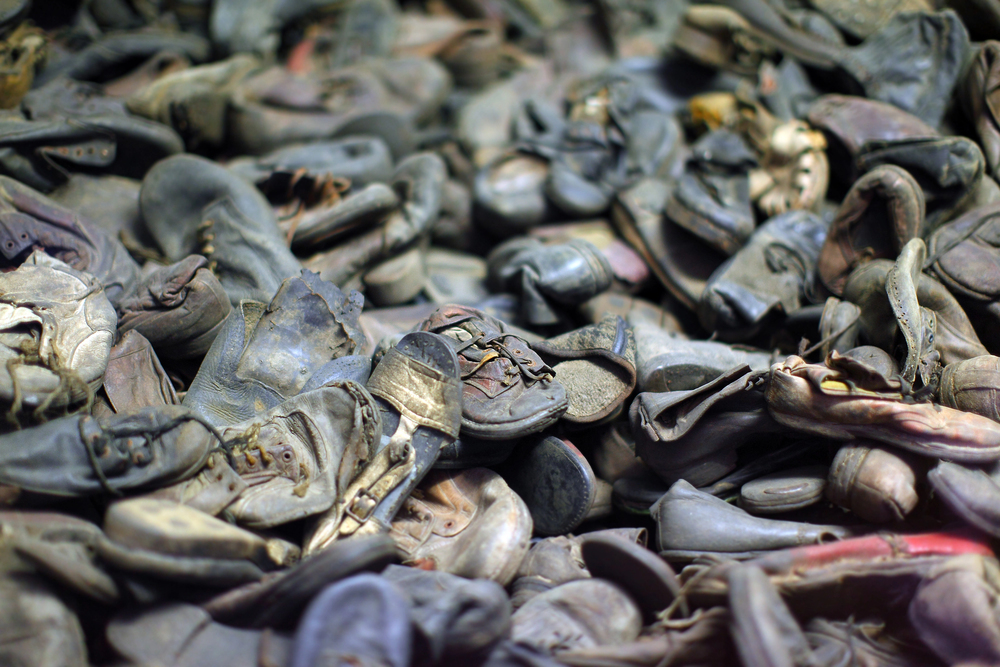
The purpose of the project was to destabilize the economies of the US and England via a large scale counterfeiting operation. The Nazis developed nearly indistinguishable forgeries and planned to spread them throughout the Allied nations, causing inflation.
They forced concentration camp prisoners who had printing experience to make fake bills. Enough forgeries were circulated that the Bank of England began to issue new currency starting in 1957 to counter it.
When Germany started losing the war, the Nazis panicked and dumped millions in fake pounds into various Alpine lakes rather than let Allied forces discover the operation.
Where billions still hide today
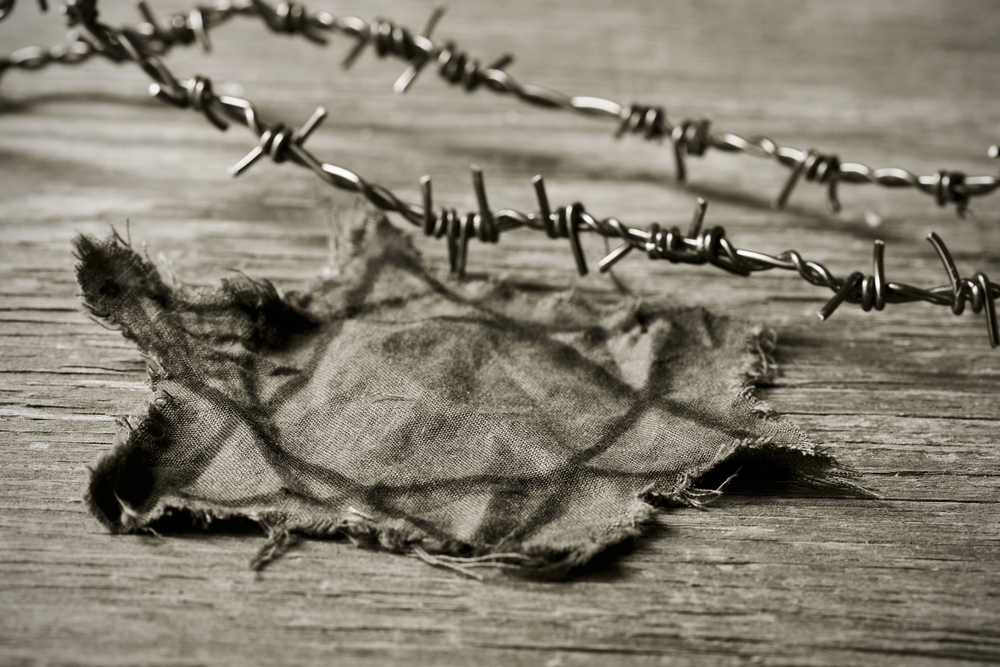
As Nazi forces tore through much of Europe and North Africa during World War II, gold, valuable artifacts and priceless paintings disappeared from the conquered territories, and many of these treasures are still missing to this day. Some of it was destroyed in bombing raids or fires.
Some went to the bottom of lakes and oceans. Some got melted down for cash.
But billions of dollars worth probably still exists somewhere, hidden in tunnels, buried in forests, locked in Swiss vaults. Every few years someone claims to have found a major cache, but most turn out to be false leads.
The real treasure, if anyone ever finds it, will probably come from an accidental discovery by construction workers or hikers who stumble across something they weren’t looking for.
More from Go2Tutors!

- The Romanov Crown Jewels and Their Tragic Fate
- 13 Historical Mysteries That Science Still Can’t Solve
- Famous Hoaxes That Fooled the World for Years
- 15 Child Stars with Tragic Adult Lives
- 16 Famous Jewelry Pieces in History
Like Go2Tutors’s content? Follow us on MSN.