Oldest Surviving Schools Operating in Modern America
Walking through the halls of America’s oldest schools feels like stepping through layers of time. These institutions have educated students for centuries, weathering wars, economic upheavals, and countless social changes while maintaining their commitment to learning.
Some predate the Declaration of Independence by decades, others were founded when the colonies were still finding their footing as a new nation. These schools represent more than just longevity—they’re living museums of American educational history, where traditions blend seamlessly with modern teaching methods.
Students today walk the same pathways as those who lived through the Revolutionary War, the Civil War, and every major moment that shaped this country.
Boston Latin School
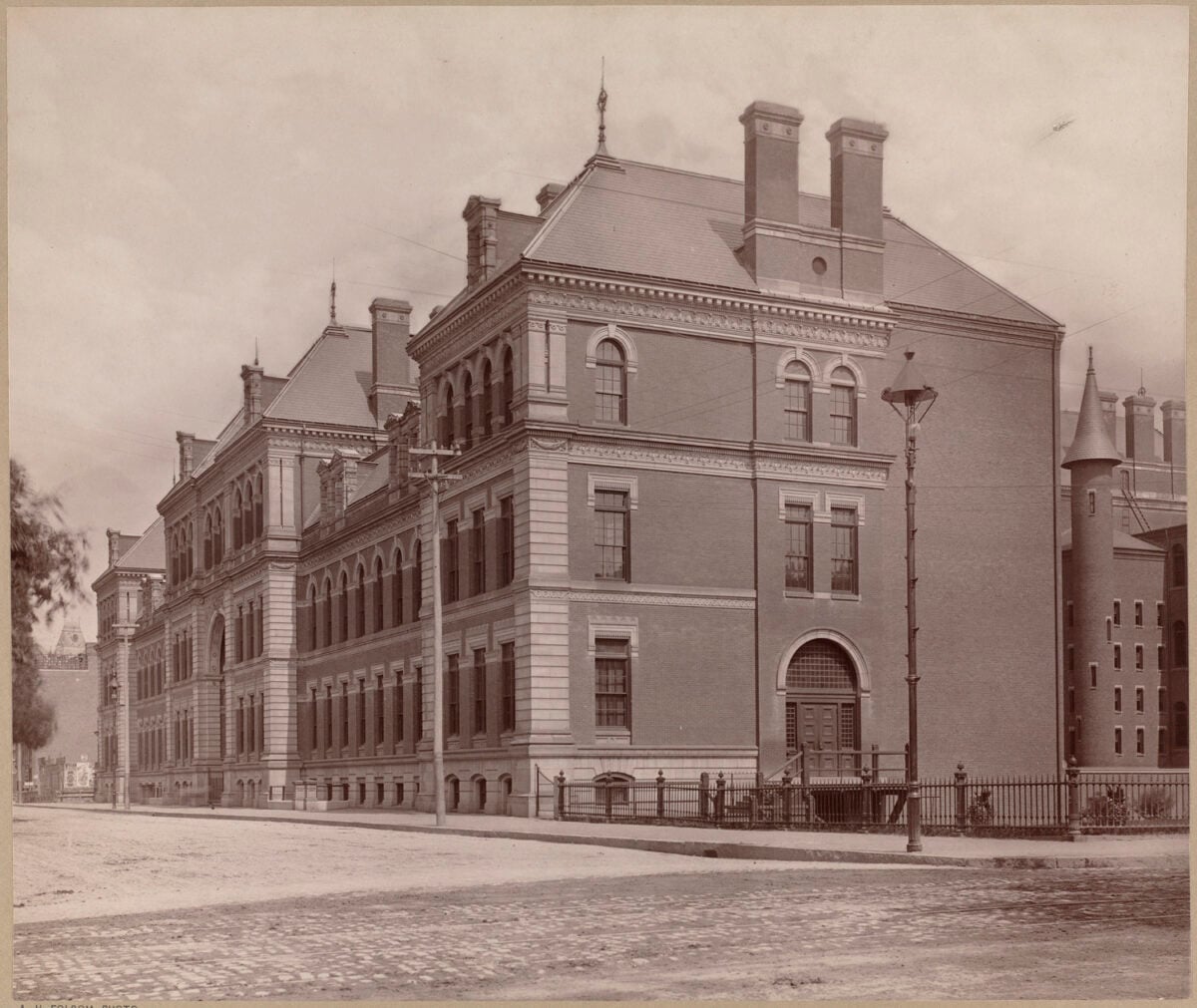
Founded in 1635, Boston Latin School holds the distinction of being America’s oldest public school. Five signers of the Declaration of Independence walked these halls.
The school has never closed its doors, not even during the Revolutionary War when British troops occupied Boston. The curriculum still emphasizes Latin and classical studies.
Students today read the same ancient texts that educated Samuel Adams and John Hancock.
Collegiate School
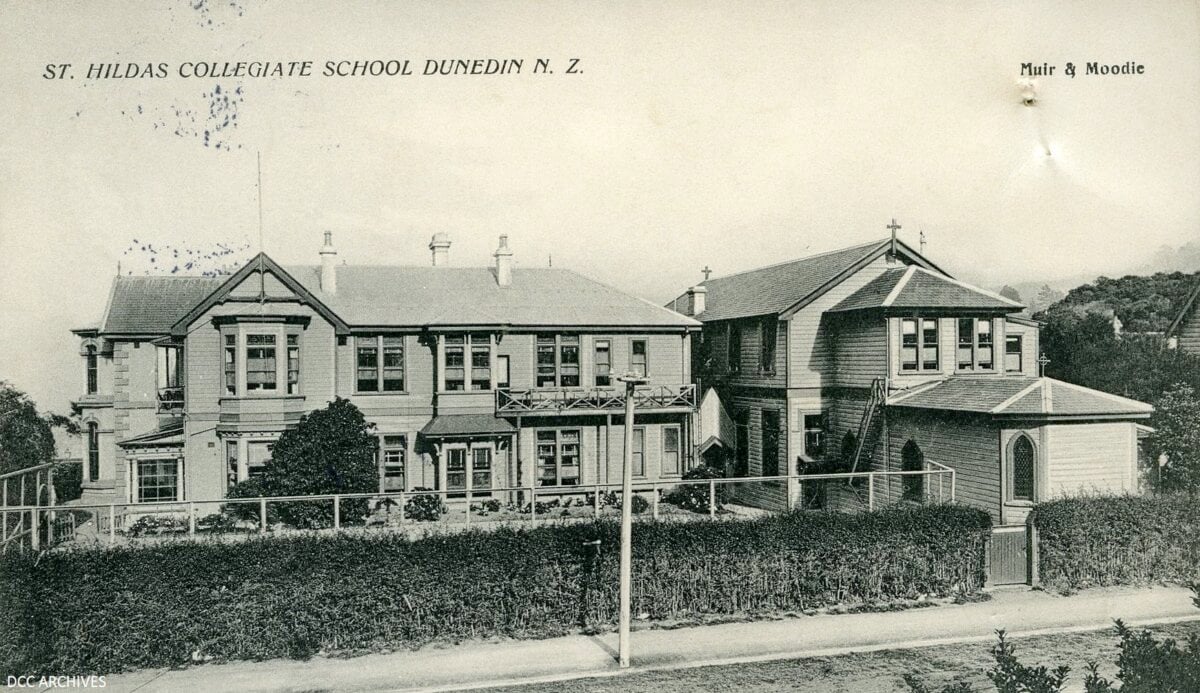
The Collegiate School in New York City opened in 1628, making it the oldest continuously operating school in the United States. Dutch colonists established it to educate their children in the New Amsterdam settlement, and it survived the transition from Dutch to British rule without missing a beat.
The school has occupied multiple locations throughout Manhattan over the centuries. Current students attend classes just blocks from where their predecessors studied nearly four hundred years ago.
Roxbury Latin School
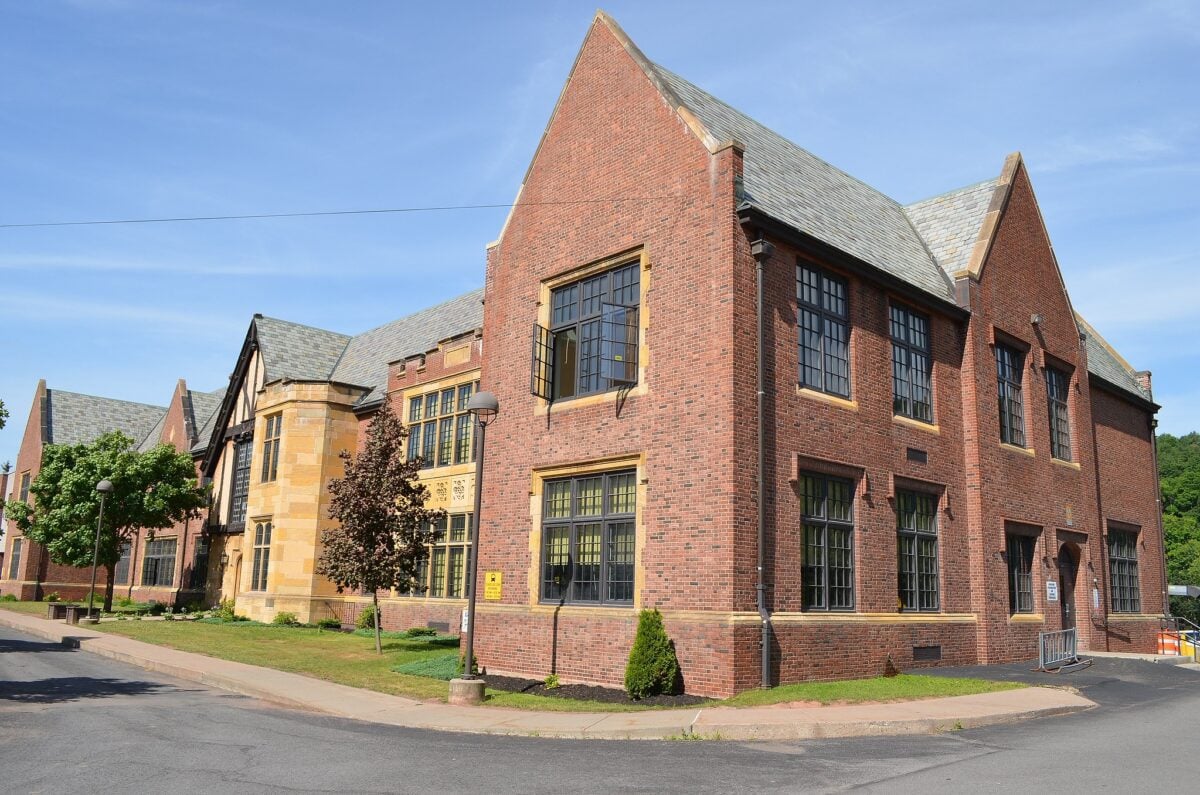
There’s something almost stubborn about a place that refuses to change its essential character across four centuries, and Roxbury Latin School (founded in 1645) embodies this kind of institutional persistence. The brick buildings seem to hold conversations between generations—current students discovering the same intellectual excitement that gripped their predecessors during the presidency of James Madison, or while news of the California Gold Rush spread through New England towns.
The school’s commitment to Latin and Greek feels less like nostalgia and more like a quiet insistence that some things shouldn’t be discarded simply because they’re old. Walking through the campus, you sense the accumulated weight of all those graduation ceremonies, all those young minds wrestling with Cicero and calculus in roughly equal measure.
Friends Select School
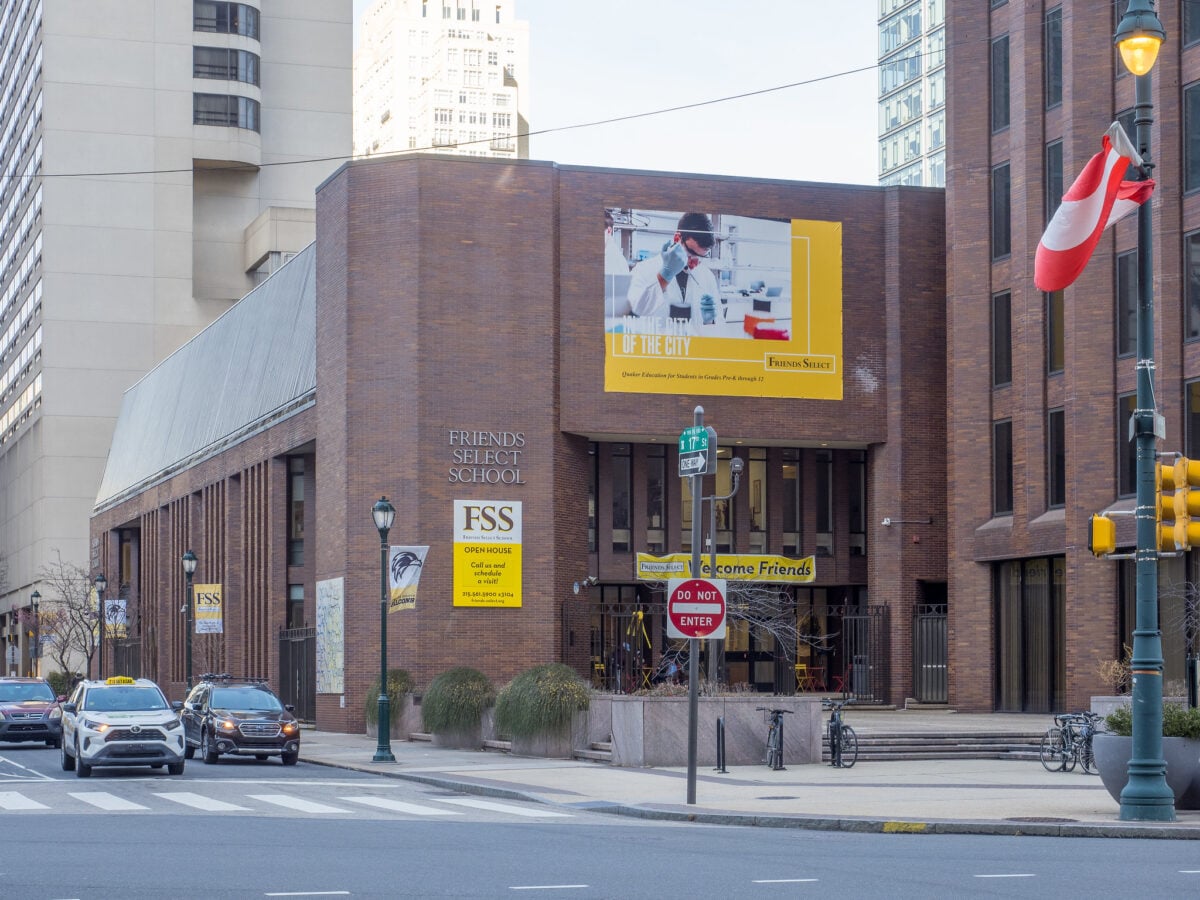
Private Quaker education works differently than other approaches, and Friends Select School in Philadelphia has been proving this since 1689. The school was built around Quaker principles of equality and peaceful resolution, which meant educating boys and girls together when most institutions kept them strictly separated.
The famous Quaker silence still shapes daily life here. Morning meetings begin with students sitting quietly until someone feels moved to speak—a practice that teaches patience in ways no curriculum could manage.
William Penn Charter School
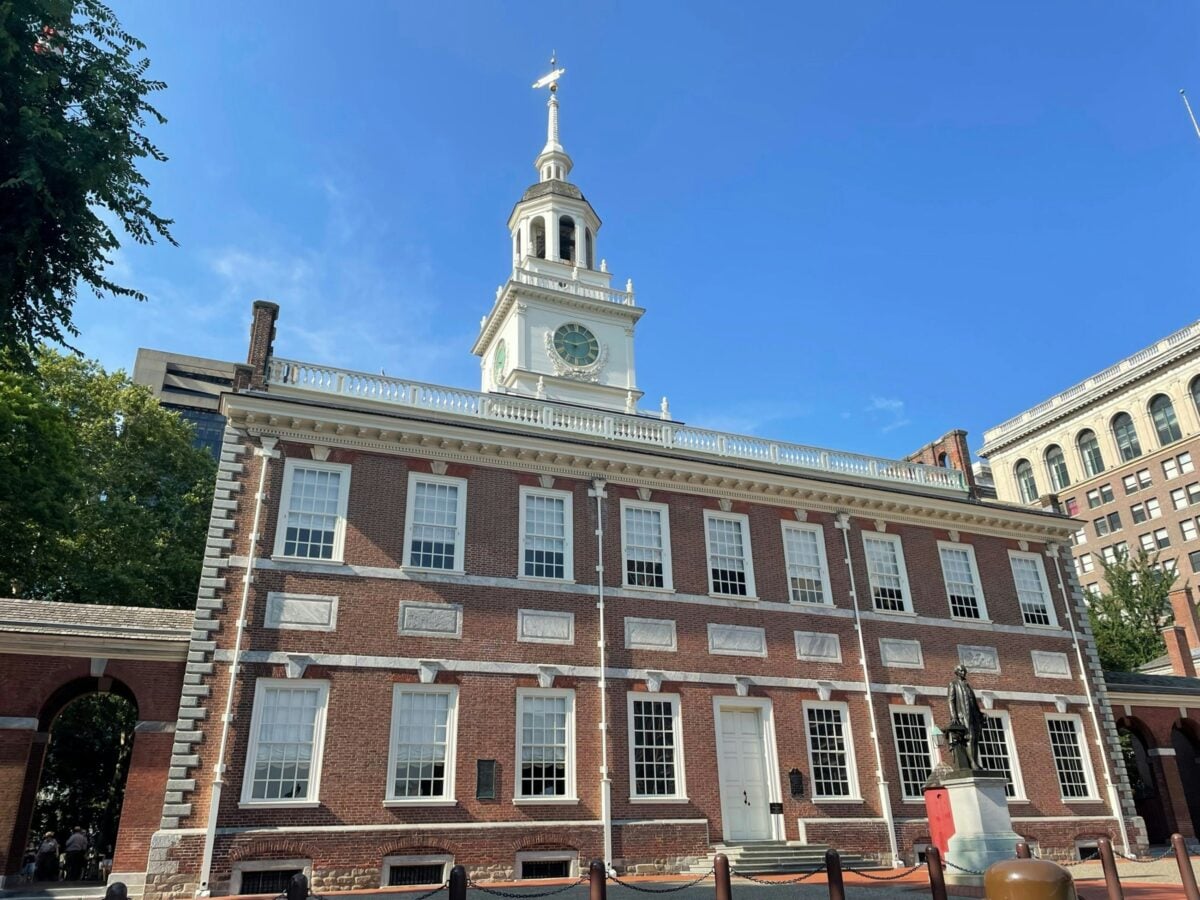
So here’s what’s interesting about William Penn Charter School, which opened in Philadelphia in 1689 (the same year as Friends Select, as it happens): it was established with a specific mission to provide education regardless of a family’s ability to pay, and while the economics have certainly shifted over more than three centuries, that founding principle still echoes through the institution today. Penn himself donated the original funds, which makes sense when you consider that the man who founded Pennsylvania would want to ensure that education wasn’t restricted to the wealthy—though the irony isn’t lost on anyone that the school now serves one of the more affluent communities in the region.
But what really strikes you about walking through the campus is how the Quaker influence shows up in unexpected places: students still address teachers by their first names (a radical idea in 1689), and the emphasis on community service feels less like a requirement and more like an assumption. The buildings themselves tell the story—modern additions built around a colonial core, as if the school keeps growing outward from its original seed.
Trinity School
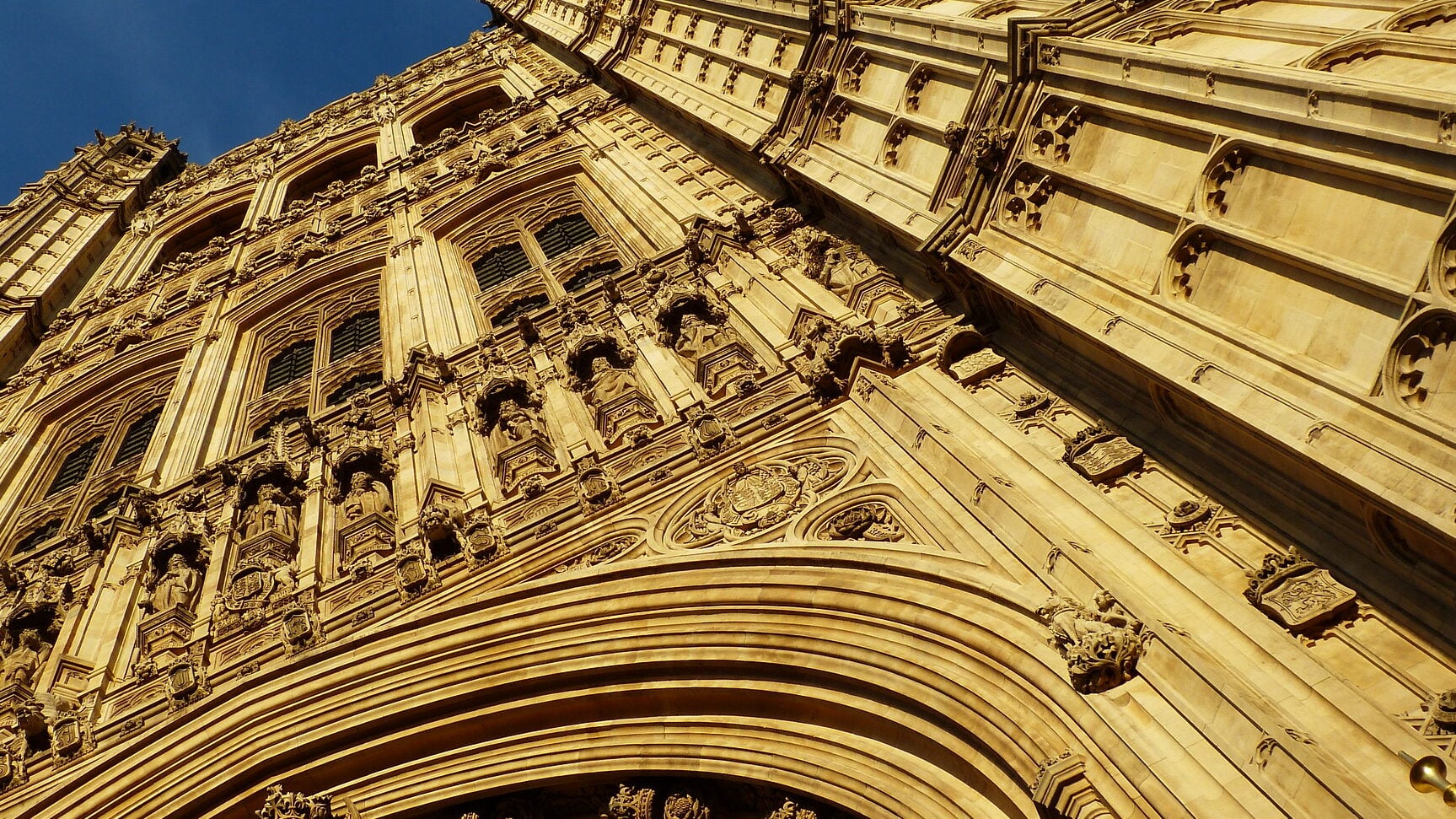
Ancient institutions develop their own gravity, and Trinity School in New York City has been pulling students into its orbit since 1709. The school began as a charity institution connected to Trinity Church, designed to educate poor children in lower Manhattan.
That charitable mission evolved over centuries, but something of the original spirit persists in the way the community approaches learning—less about individual achievement and more about collective responsibility. The campus has moved multiple times throughout the city’s history, each relocation reflecting the changing character of New York itself.
Students today benefit from resources those early charity pupils could never have imagined, yet they’re participating in the same fundamental process: young minds being shaped by teachers who understand that education serves purposes larger than individual advancement.
Moravian Academy
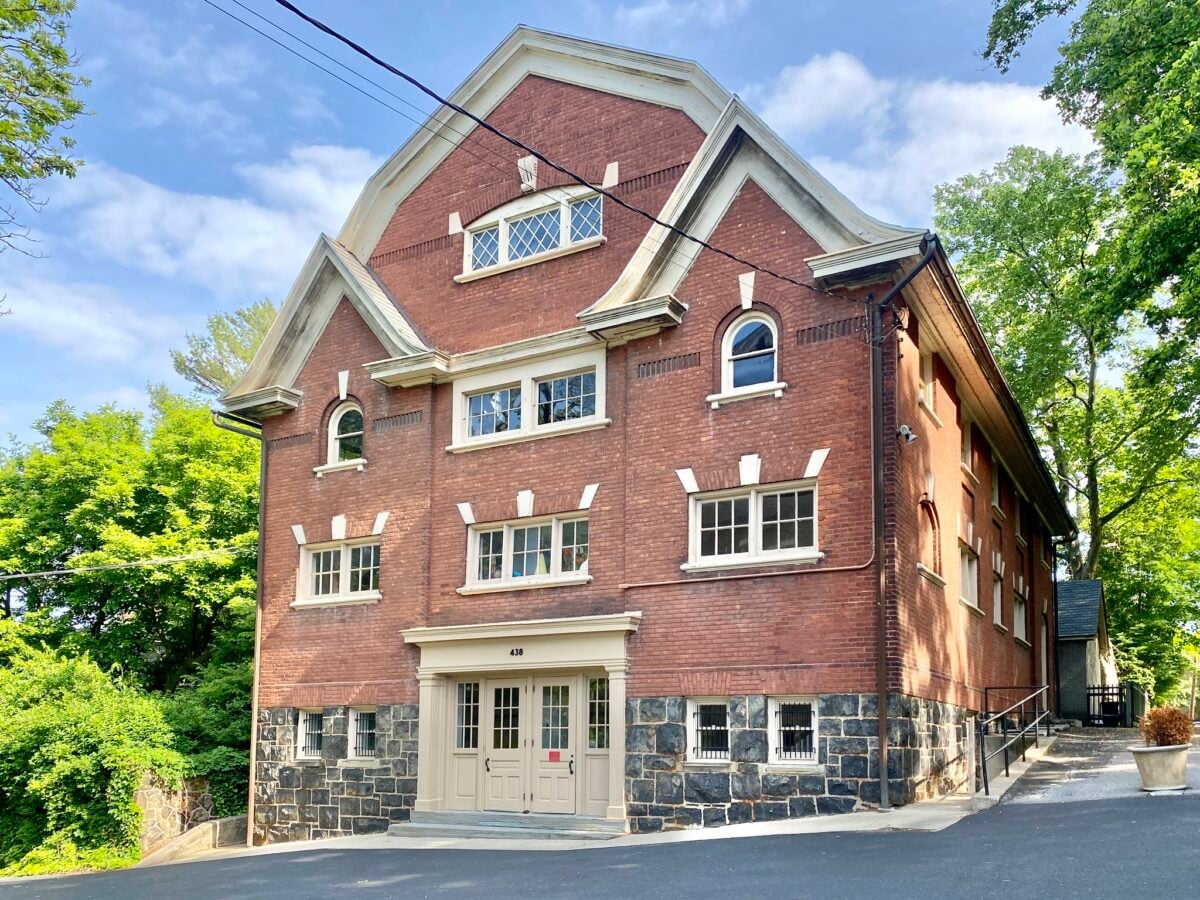
Moravian Academy gets education right in ways that feel both ancient and completely contemporary. Founded in Bethlehem, Pennsylvania in 1742 by members of the Moravian Church, the school understood from the beginning that learning works best when it connects to real life rather than existing in academic isolation.
The Moravians were practical people who valued craftsmanship alongside scholarship. Students today still benefit from this integrated approach—science classes that involve actual experimentation, history lessons that connect to current events, arts programs that produce work rather than just theory.
Phillips Academy Andover
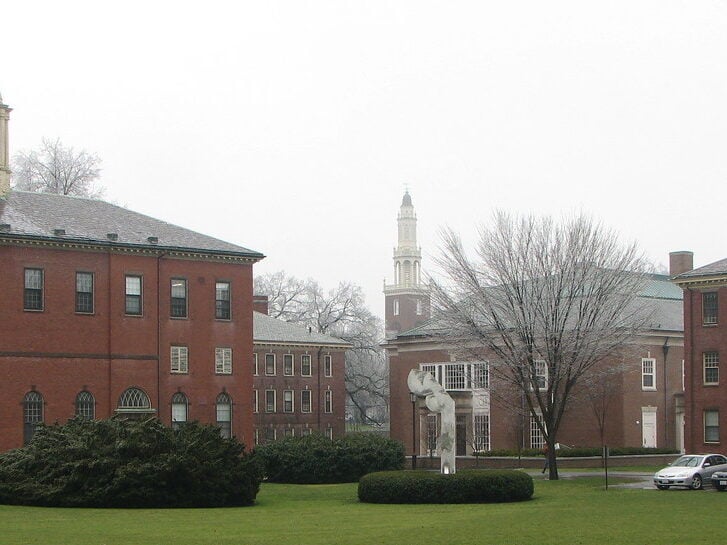
The thing about Phillips Academy Andover, established in 1778, is that it was designed from the start to be excellent rather than exclusive. The founders wanted to create an institution that could compete with the best European schools while remaining fundamentally American in character.
And yet (there’s always an “and yet” with these old institutions) the school has struggled throughout its history to balance its founding democratic ideals with the practical realities of operating a top-tier educational institution. The campus reflects this tension—stunning facilities that serve students from around the world, built on land that was once farmland in a small Massachusetts town.
The school’s influence on American education extends far beyond its own graduates. Teaching methods developed at Andover have shaped secondary education across the country. Fair enough—when you’ve been refining your approach for nearly two and a half centuries, you’re bound to learn something worth sharing.
Phillips Exeter Academy
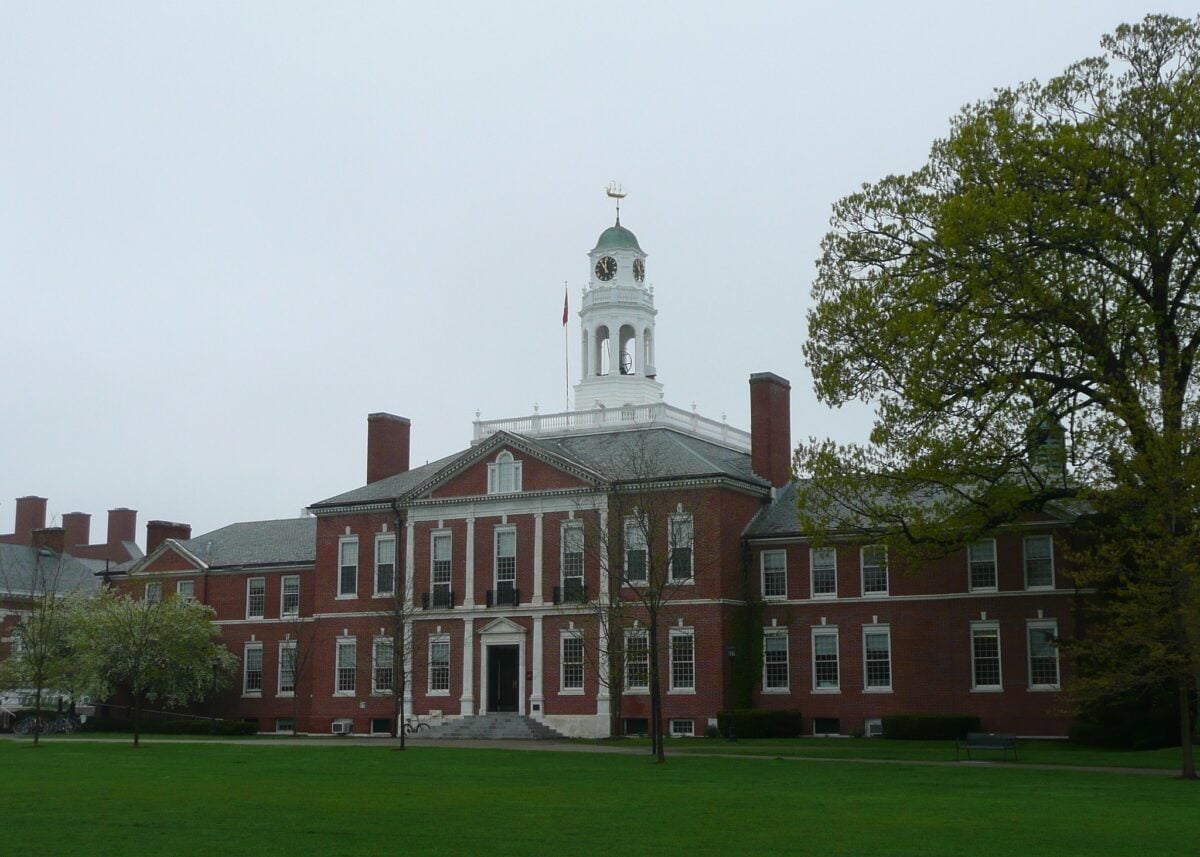
Phillips Exeter Academy arrived in New Hampshire just three years after its Massachusetts counterpart, but it took a notably different approach to secondary education. The Harkness method, developed here, puts students around an oval table where they drive their own discussions while teachers guide rather than lecture.
This sounds simple until you watch it in practice. Students learn to defend their ideas, question assumptions, and build on each other’s thinking.
The method requires more intellectual courage than traditional classroom formats—there’s nowhere to hide when you’re part of a twelve-person seminar.
Georgetown Preparatory School
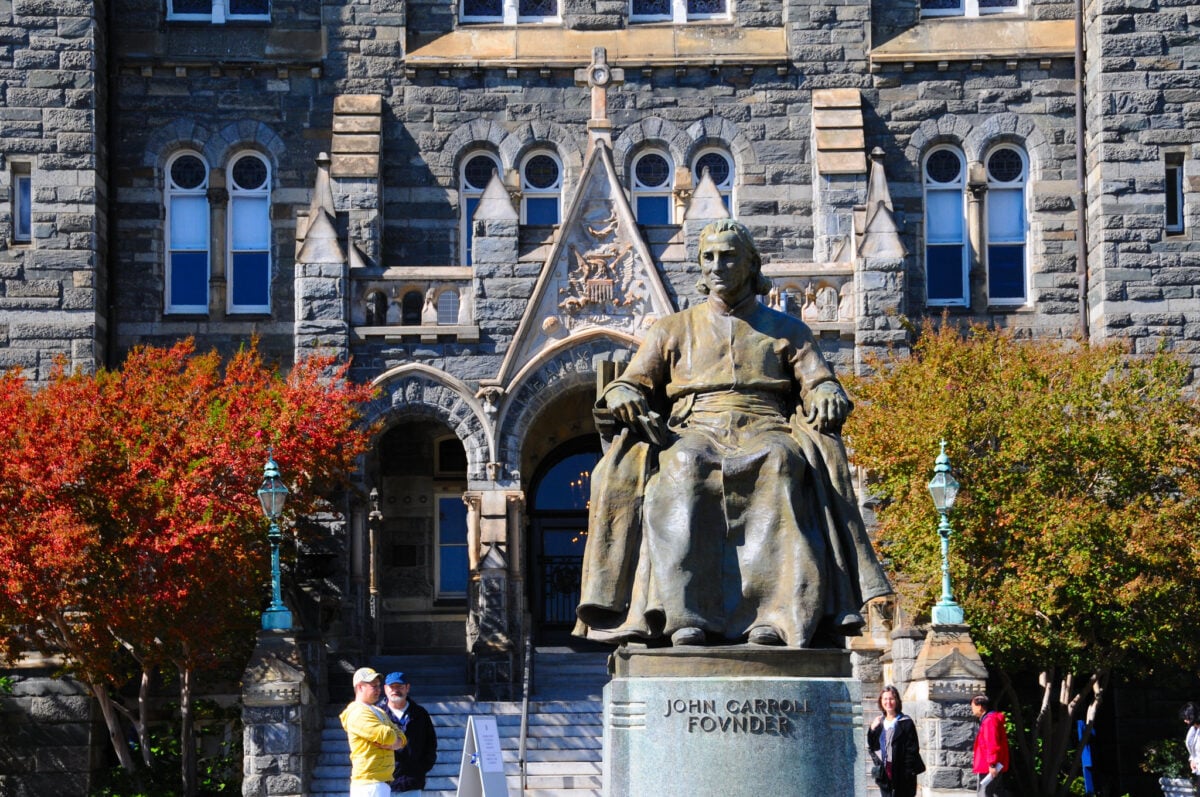
Georgetown Preparatory School, founded in 1789, represents the oldest Catholic preparatory school in the United States. The Jesuit approach to education emphasizes intellectual rigor balanced with spiritual development, and this dual focus has remained consistent for more than two centuries.
The school’s location just outside Washington, D.C., has allowed generations of students to witness American government in action. Many graduates have gone on to serve in public office, carrying forward the Jesuit emphasis on service to others.
Salem Academy
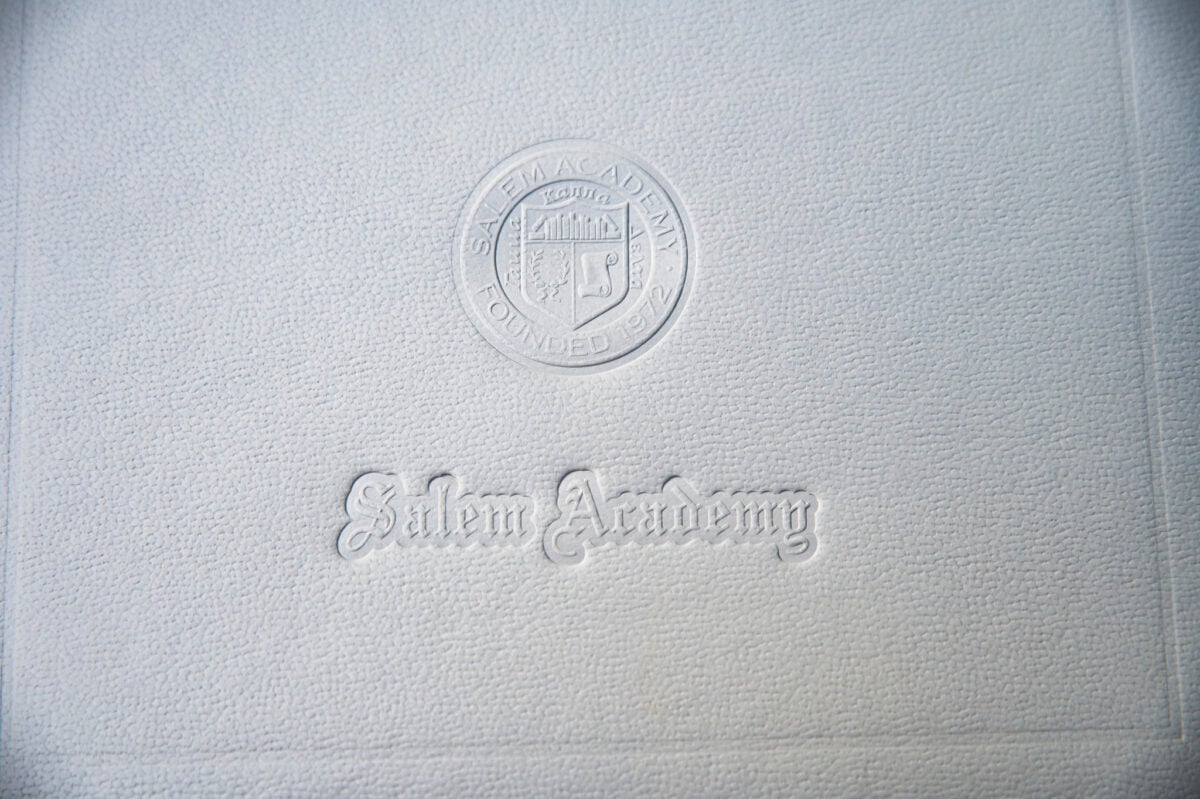
Salem Academy in North Carolina has been educating young women since 1772, making it one of the oldest female educational institutions in the country. The Moravian founders believed that girls deserved the same quality of education as boys—a radical notion for the 18th century.
The school’s approach combined academic subjects with practical skills, preparing students for lives that would require both intellectual capability and real-world competence. This integrated philosophy continues today, though the specific skills have evolved considerably.
Cheshire Academy
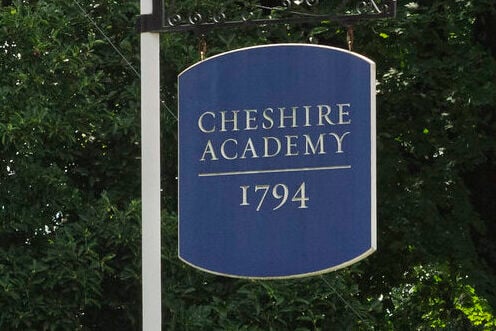
Cheshire Academy opened in Connecticut in 1794 with a mission to prepare students for college and for life. The school’s rural setting was intentional—founders believed that learning happened best away from urban distractions, surrounded by natural beauty that encouraged reflection and serious study.
The campus still reflects this philosophy. Students today benefit from small class sizes and close relationships with teachers, much like their predecessors did in the 18th century. The school has grown and modernized, but the essential commitment to personal attention remains unchanged.
Saint James School
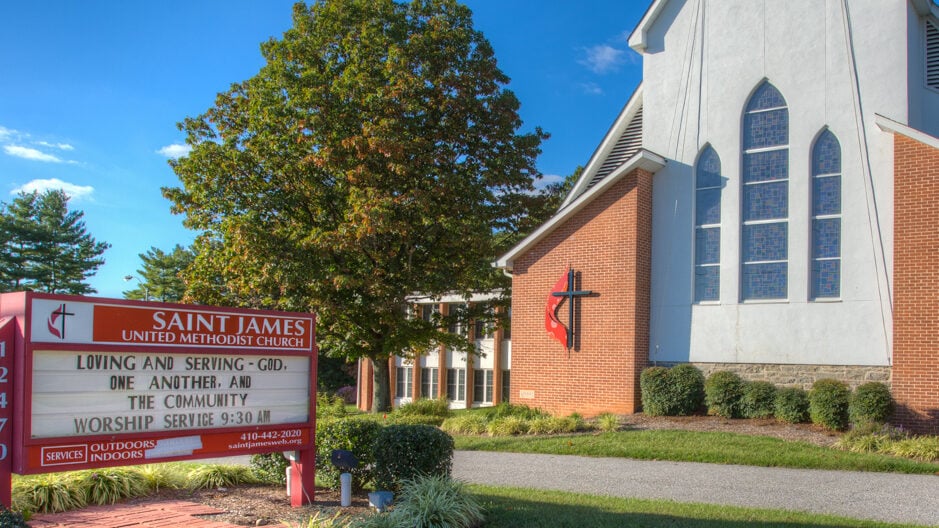
Saint James School in Maryland, established in 1842, represents the oldest Episcopal boarding school in the United States. The founders wanted to create an institution that would provide excellent academic preparation within a strong moral framework, and this dual emphasis continues to shape school life today.
The campus reflects the founders’ vision—beautiful buildings that inspire serious study, surrounded by countryside that encourages reflection and personal growth. Students participate in daily chapel services, maintaining the spiritual component that was central to the school’s original mission.
Where Time Keeps Teaching
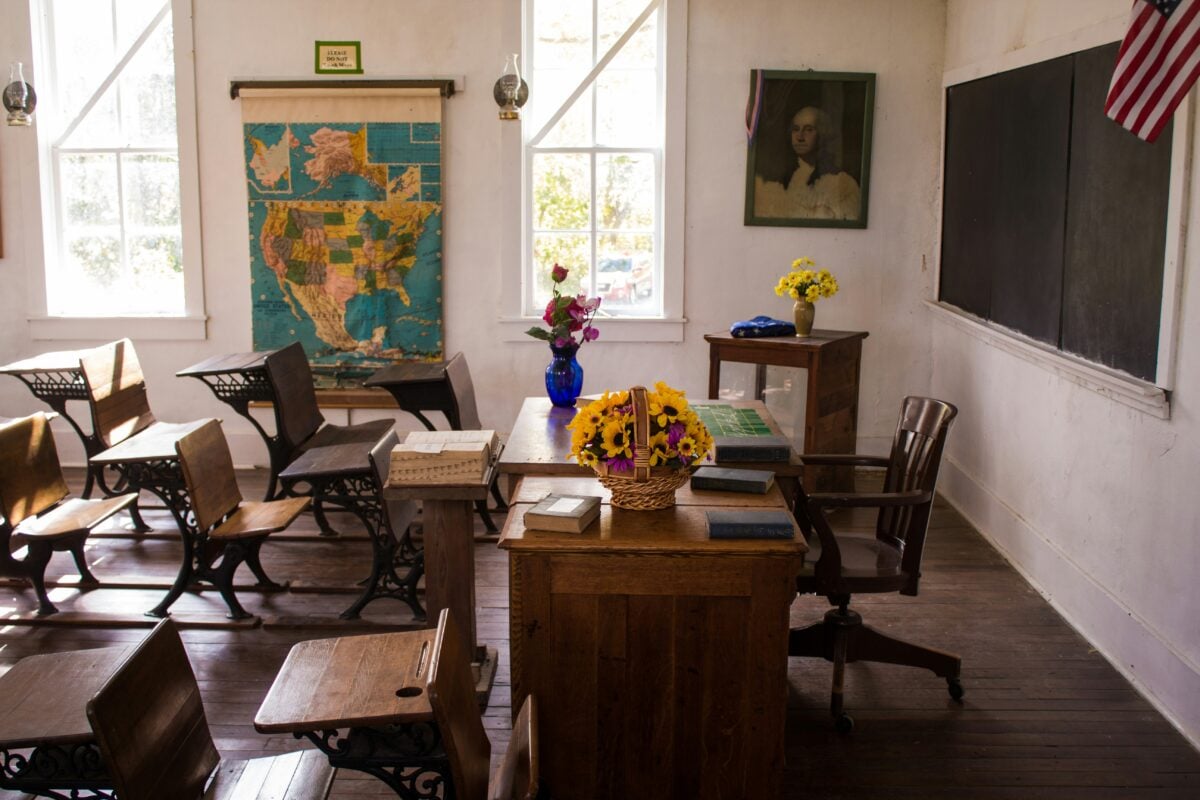
These schools prove that educational excellence isn’t about the newest technology or the latest pedagogical trends. Instead, they demonstrate what happens when institutions commit to their core missions over centuries, adapting to changing times while maintaining their essential character.
Students who graduate from these historic schools carry forward not just knowledge, but a sense of connection to something larger than themselves—the long conversation between past and future that defines American education at its best.
More from Go2Tutors!

- The Romanov Crown Jewels and Their Tragic Fate
- 13 Historical Mysteries That Science Still Can’t Solve
- Famous Hoaxes That Fooled the World for Years
- 15 Child Stars with Tragic Adult Lives
- 16 Famous Jewelry Pieces in History
Like Go2Tutors’s content? Follow us on MSN.



