18 Historic Photos With Deeper Stories
Photographs tend to be simple on the surface, yet they capture one person, one place, or one moment in time in one frame. However, many photographs from history have stories to tell that are far more profound than the image itself.
The facial expressions, location, and timing of the photograph tend to relate to pivotal points in history. Some photographs have achieved legendary status because they have captured pivotal moments in history, and sometimes they have achieved legendary status after the passing of time, when people have come to realize just how much history was preserved in one photograph.
Let’s take a more in-depth look at eighteen historic photographs and the stories they have to tell.
Raising the Flag on Iwo Jima
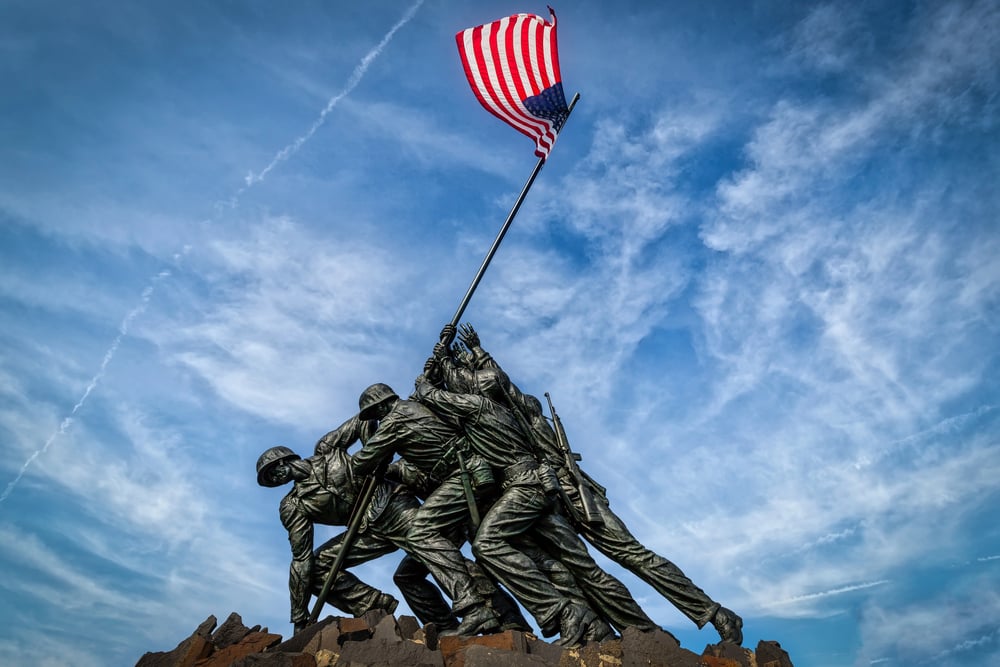
One of the most recognizable images from the Second World War shows six United States Marines raising the American flag on Mount Suribachi during the battle of Iwo Jima in 1945. The photograph, taken by Joe Rosenthal, quickly became a symbol of determination and unity during a difficult stage of the war.
The deeper story behind the image is more complicated than many people realize. The photograph captured the second flag raising that day, after a smaller flag had already been placed on the summit earlier.
Even so, the moment reflected the brutal fighting that surrounded the hill and the enormous cost of securing it.
The Migrant Mother

Dorothea Lange’s 1936 photograph of a worried mother surrounded by her children became one of the defining images of the Great Depression. The woman, later identified as Florence Owens Thompson, was photographed at a pea pickers’ camp in California during a time of widespread hardship.
The image captured the quiet anxiety of families struggling to survive during economic collapse. Although the photograph helped bring attention to conditions in migrant camps, the woman herself lived with mixed feelings about the fame the picture later achieved.
Earthrise

During the Apollo 8 mission in 1968, astronaut William Anders photographed Earth rising above the lunar horizon. The image, now known as ‘Earthrise,’ revealed the planet as a small blue sphere floating in vast darkness.
The photograph arrived during a period of political tension and environmental concern. Seeing Earth from that distance changed how many people thought about the planet.
The image later inspired growing interest in environmental protection and planetary awareness.
Tank Man in Tiananmen Square

In 1989, a lone man stood in front of a line of military vehicles in Beijing during protests calling for political reform. Several photographers captured the scene from nearby buildings as the man blocked the vehicles’ path.
The image became a powerful symbol of individual courage. Although the man’s identity remains uncertain, the photograph spread around the world and became one of the most enduring images of peaceful resistance.
V-J Day in Times Square

A jubilant photograph from August 1945 shows a sailor embracing a woman in Times Square as crowds celebrated the end of the Second World War. The image captured the sudden wave of relief that swept through the United States after years of conflict.
Behind the celebration, however, the story reflects the overwhelming emotions of that moment. The pair in the photograph were strangers caught in the excitement of a historic announcement.
The Hindenburg Disaster

In 1937, the German airship Hindenburg burst into flames while attempting to land in New Jersey. Photographers and reporters captured dramatic images of the massive airship collapsing in flames.
The photographs spread quickly through newspapers and newsreels. The disaster effectively ended the era of passenger airships, as public confidence in the technology collapsed almost overnight.
The First Photograph of the Great Abyss

In 2019, scientists released the first-ever image of the great abyss, captured through a global network of radio telescopes known as the Event Horizon Telescope. The picture showed a glowing ring of gas surrounding a dark center.
The image represented years of international collaboration and technological innovation. While it may appear abstract at first glance, the photograph confirmed theories about how black voids behave and marked a milestone in modern astronomy.
The Lunch Counter Sit-In

A photograph from 1960 shows young activists seated at a lunch counter in Greensboro, North Carolina. They remained calmly seated while refusing to leave a segregated establishment that would not serve them.
The image reflects a turning point in the American civil rights movement. Their quiet protest inspired similar demonstrations across the country and helped build momentum for broader social change.
The Napalm Girl

In 1972, photographer Nick Ut captured an image of children running down a road after a napalm attack during the Vietnam War. At the center of the photograph is a young girl whose desperate expression shocked viewers around the world.
The photograph revealed the human cost of the conflict and intensified debate about the war. The girl, Phan Thi Kim Phuc, later became a peace advocate.
The Berlin Wall Falling

Photographs from November 1989 show crowds climbing and celebrating atop the Berlin Wall after authorities announced that restrictions on travel would end. People began dismantling sections of the barrier almost immediately.
The images symbolized the collapse of one of the most visible divisions of the Cold War. Within months, Germany moved toward reunification.
The First Powered Flight
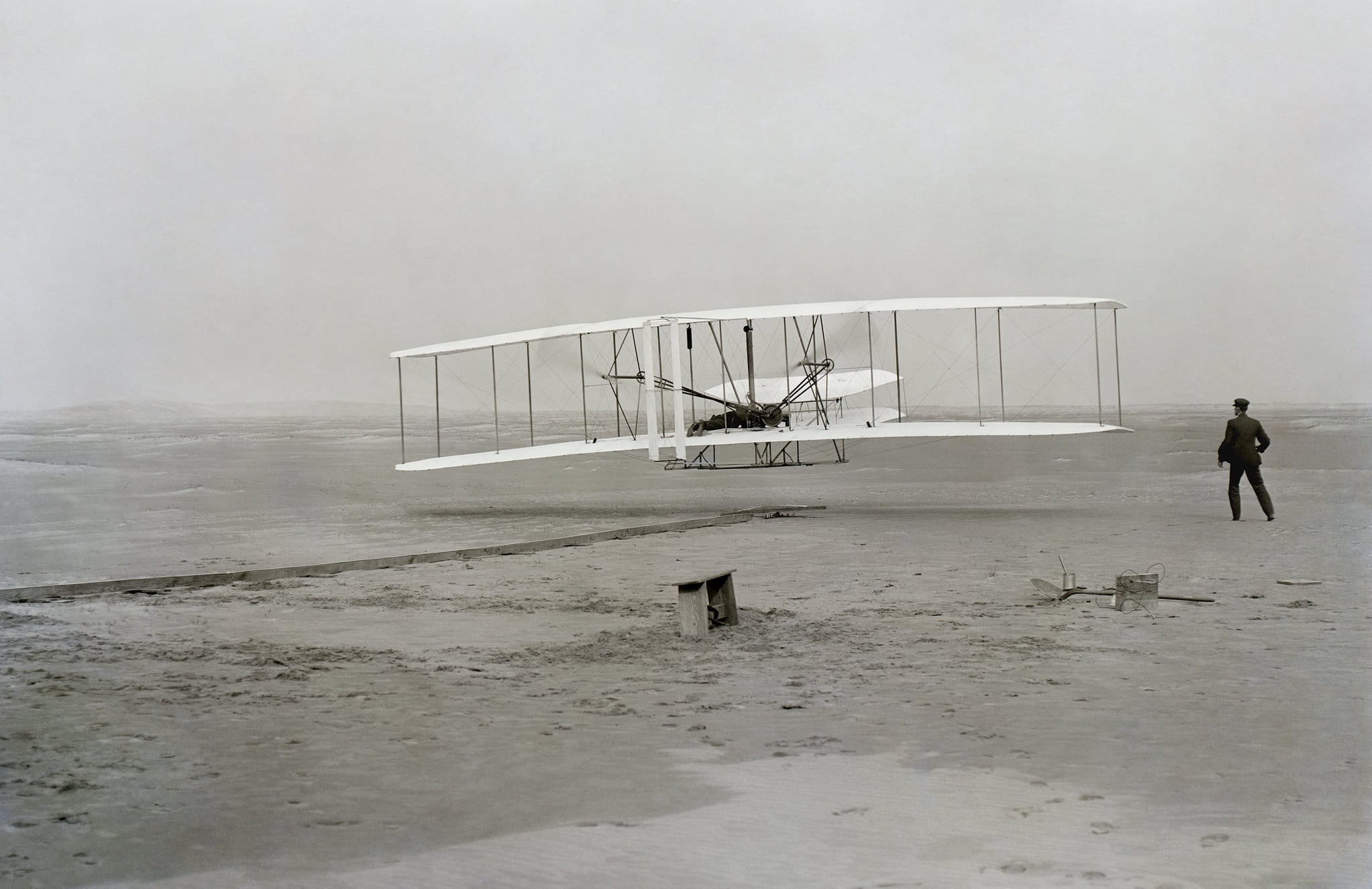
In 1903, the Wright brothers successfully launched the first powered airplane flight at Kitty Hawk, North Carolina. A photograph captured the moment their aircraft lifted slightly above the sand.
The image appears modest compared to modern aircraft, yet it marks a turning point in transportation. That brief flight began the age of aviation.
The Dust Storm Approaching

Photographs from the Dust Bowl era show towering clouds of dust rolling across the plains during the 1930s. One famous image captures families watching a massive storm approach their farms.
These photographs revealed the environmental and agricultural crisis affecting large parts of the United States. They also helped illustrate how drought and farming practices combined to create one of the country’s worst ecological disasters.
The Man on the Moon
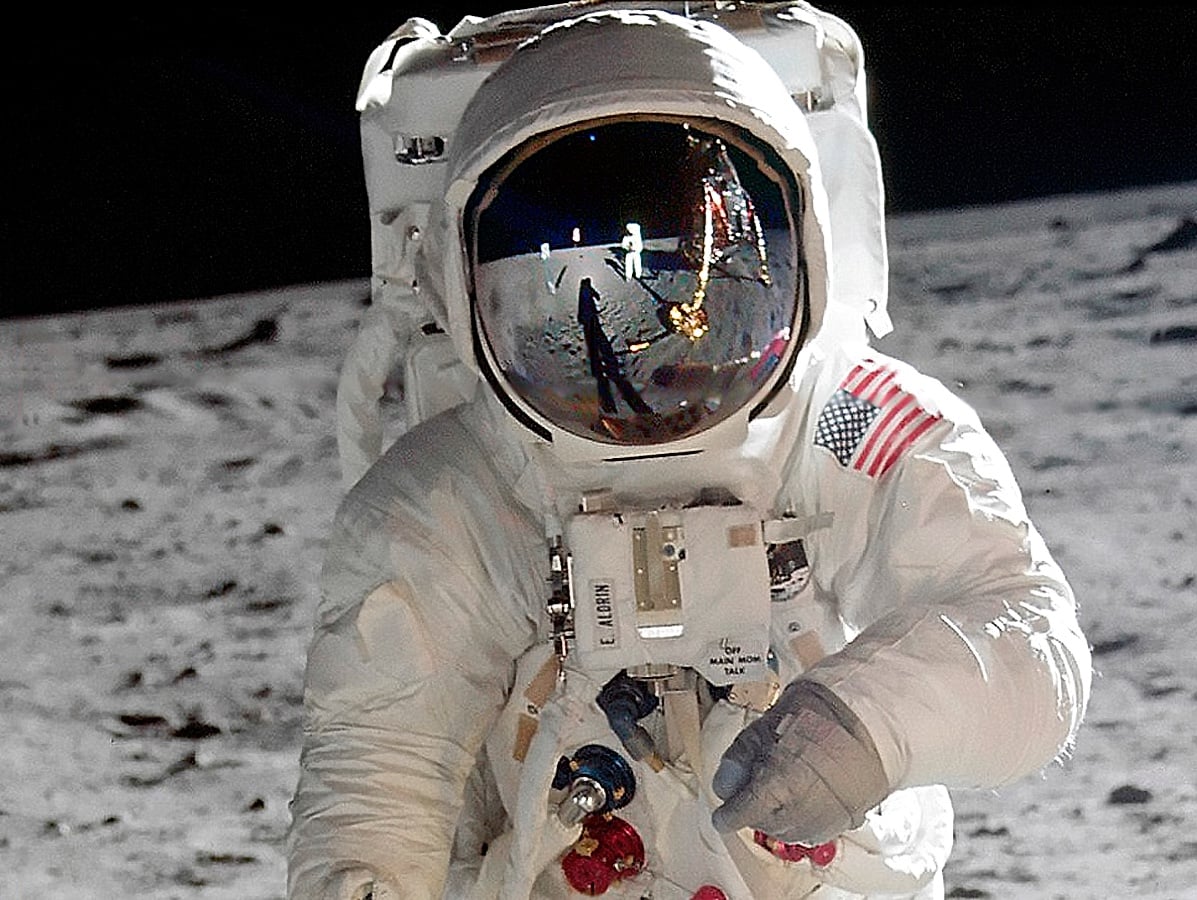
In 1969, the Apollo 11 mission placed humans on the Moon for the first time. One of the most famous images shows astronaut Buzz Aldrin standing on the lunar surface, reflected in the visor of another astronaut’s helmet.
The photograph became a symbol of scientific ambition and international competition during the space race. It also captured the imagination of millions watching from Earth.
The Kent State Protest

A powerful image from 1970 shows a young woman kneeling near a student who had been shot during protests at Kent State University. The photograph spread quickly across newspapers.
The image captured the intense national divisions surrounding the Vietnam War and campus demonstrations. It became one of the defining visual records of the era.
The First Image of Earth From Space

Before astronauts photographed Earth directly, early satellites captured grainy images of the planet from orbit. These early pictures, though simple by modern standards, revealed Earth from an entirely new perspective.
The photographs helped scientists understand weather patterns and planetary observation. They also introduced the public to the idea of viewing Earth as a single connected world.
The Wright Brothers’ Workshop

A photograph of the Wright brothers’ bicycle shop in Dayton, Ohio reveals the modest workshop where they designed early flying machines. Tools, wooden parts, and mechanical components fill the space.
The image reminds viewers that major innovations often begin in humble surroundings. The brothers experimented constantly, combining engineering curiosity with practical problem solving.
The Construction of the Golden Gate Bridge

Photographs from the 1930s show workers standing on narrow beams high above the water during construction of the Golden Gate Bridge. The images reveal both the scale of the project and the courage required to complete it.
The bridge later became one of the most recognizable landmarks in the United States. Those early photographs show the human effort behind its creation.
A Window Into History
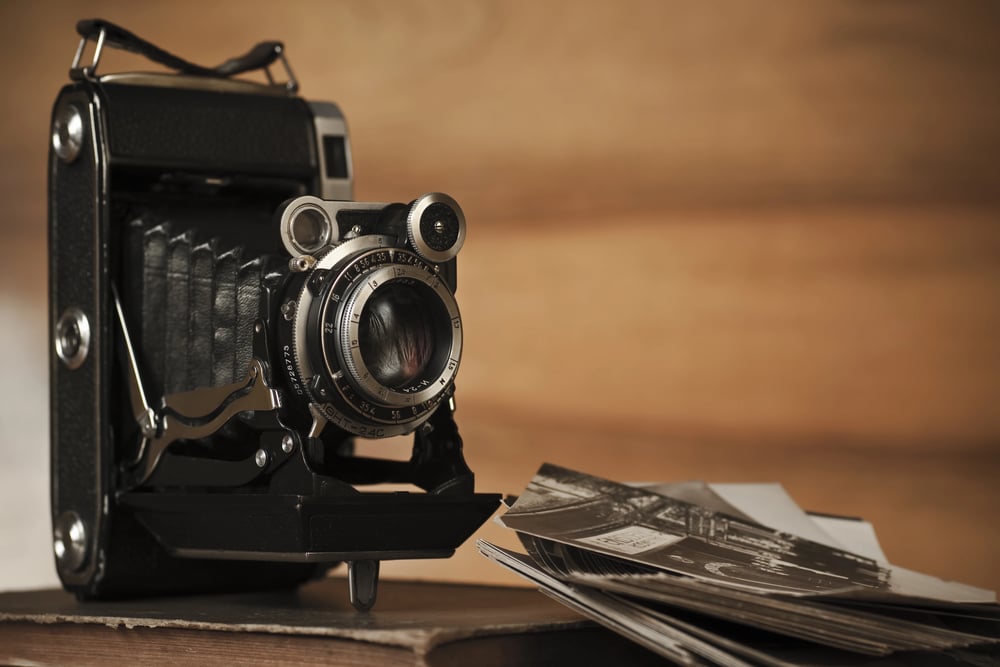
Old photographs carry not only visual information but also emotions, context, and moods that can be hard to find in written documents. A single photograph can evoke the essence of an age or a different facet of a historical event.
Studying these photographs encourages people to remember that history is not a list of dates. It is a list of moments, each with its own stories that continue to impact how people view history.
More from Go2Tutors!

- The Romanov Crown Jewels and Their Tragic Fate
- 13 Historical Mysteries That Science Still Can’t Solve
- Famous Hoaxes That Fooled the World for Years
- 15 Child Stars with Tragic Adult Lives
- 16 Famous Jewelry Pieces in History
Like Go2Tutors’s content? Follow us on MSN.