Museum Thefts No One Has Ever Solved
Art theft sounds like something straight out of a Hollywood movie, but it happens more often than most people realize. Museums around the world invest millions in security systems, yet thieves still manage to walk away with priceless paintings, sculptures, and artifacts.
Some of these heists were pulled off with careful planning and precision, while others seemed almost too easy. The stolen items often vanish without a trace, leaving investigators scratching their heads for decades.
What makes these cases even more fascinating is that many of them remain completely unsolved. Despite countless hours of detective work, advanced technology, and even hefty rewards, the artworks are still missing.
Some pieces have been gone so long that everyone involved in the original investigation has retired or passed away. Let’s take a look at some of the most baffling museum thefts that continue to puzzle experts today.
Isabella Stewart Gardner Museum
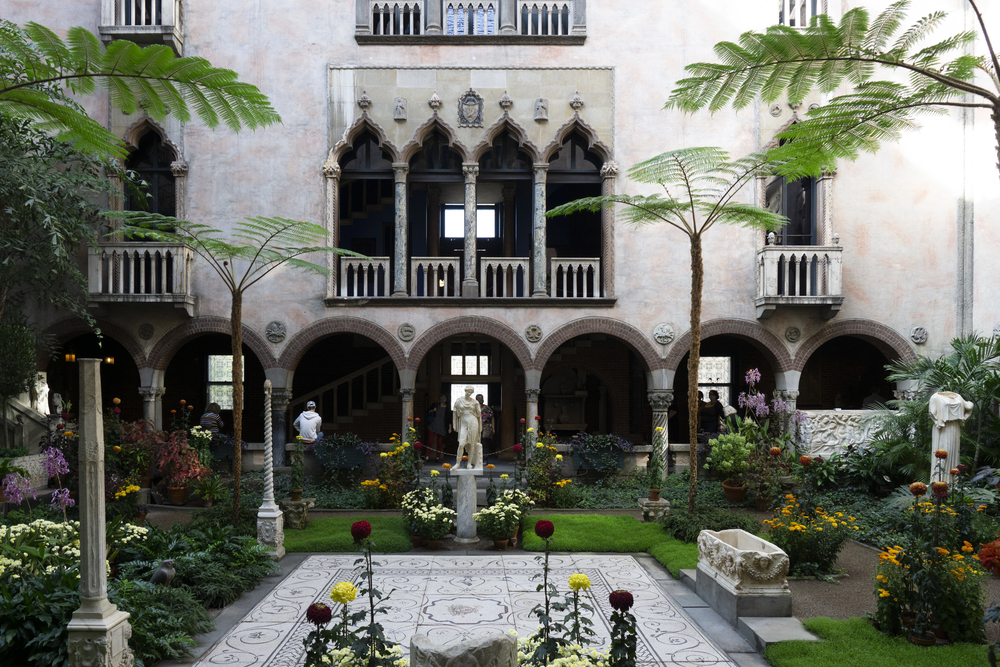
The largest art theft in history happened in Boston back in 1990, and nobody has cracked the case yet. Two men dressed as police officers showed up at the Isabella Stewart Gardner Museum late one night, claiming they were responding to a disturbance.
The security guards let them in, which turned out to be a huge mistake. The fake cops tied up the guards and spent 81 minutes casually removing 13 pieces of art worth an estimated $500 million.
They took works by Rembrandt, Vermeer, and Degas, cutting some paintings right out of their frames. The empty frames still hang on the museum walls today as a reminder of what was lost.
Despite a $10 million reward and thousands of tips over the years, not a single piece has been recovered.
The Mona Lisa
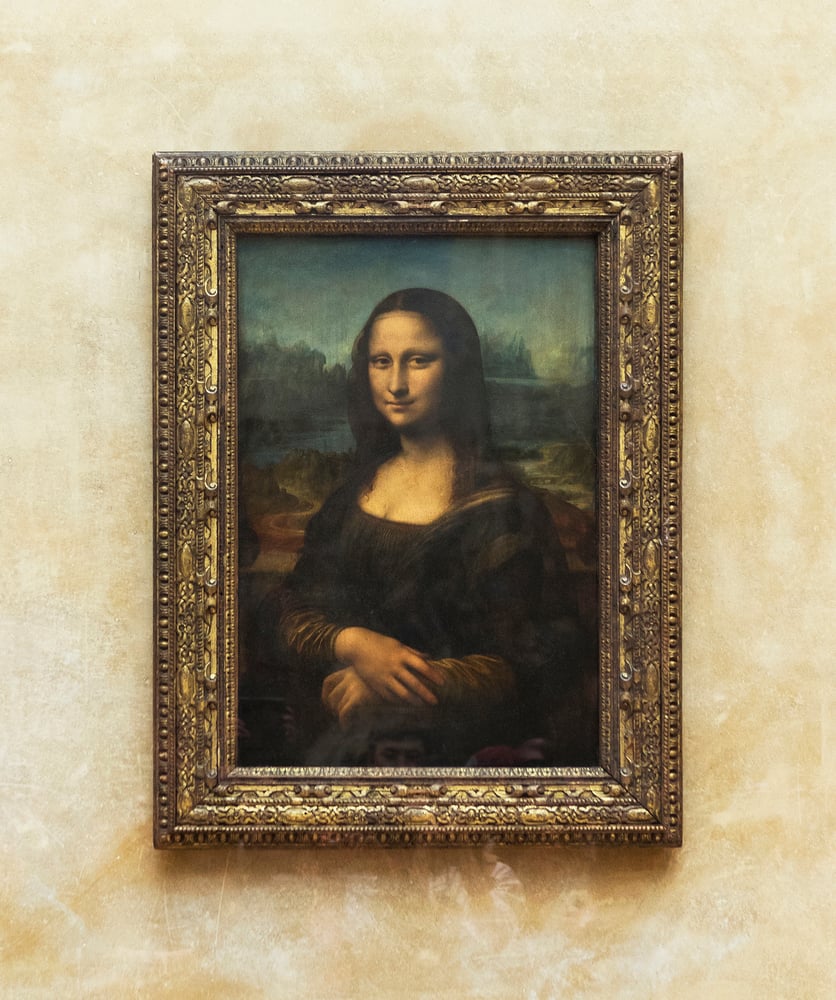
Everyone knows the Mona Lisa now, but back in 1911, it wasn’t quite the superstar it is today. An Italian handyman named Vincenzo Peruggia walked into the Louvre, hid in a closet overnight, and then simply lifted the painting off the wall and walked out with it under his coat.
The theft wasn’t even discovered for 24 hours because staff assumed the painting had been removed for photography. France went into a panic, and the investigation turned up nothing for two years. Peruggia eventually tried to sell it to an art dealer in Florence, which led to his arrest.
While this case was technically solved, the ease with which he pulled it off still baffles security experts more than a century later.
The Screams by Edvard Munch

Edvard Munch painted four versions of The Scream, and two of them have been stolen in separate heists. The first theft happened in 1994 at the National Gallery in Oslo, where thieves broke in through a window and left a note saying “thanks for the poor security.”
They recovered that one eventually, but then in 2004, armed robbers stormed the Munch Museum in broad daylight and grabbed another version along with Munch’s Madonna. Visitors and staff watched helplessly as the thieves ripped the paintings off the walls.
Police found both works two years later, but they were damaged and required extensive restoration. The boldness of both thefts, especially the daylight raid, still raises questions about museum security protocols.
Benin Bronzes from multiple museums
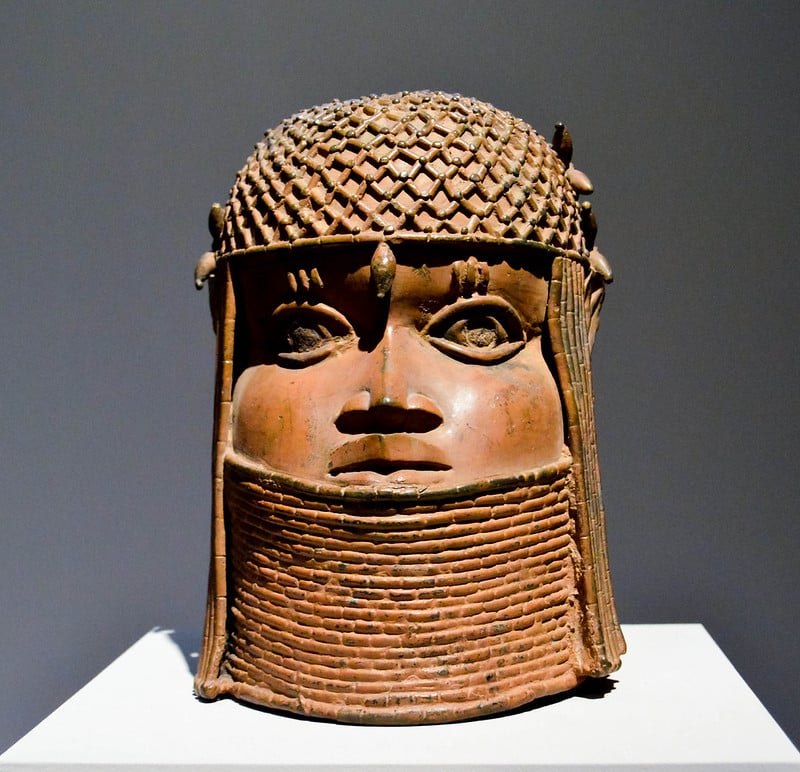
The Benin Bronzes aren’t just missing from one theft. They were looted by British forces in 1897 during a military expedition to the Kingdom of Benin, which is now part of Nigeria.
Thousands of brass plaques and sculptures ended up scattered across museums in Europe and North America. While this wasn’t a traditional heist, the bronzes remain at the center of a massive ongoing debate about rightful ownership.
Several museums have started returning pieces to Nigeria in recent years, but hundreds are still in foreign collections.
Saliera by Benvenuto Cellini
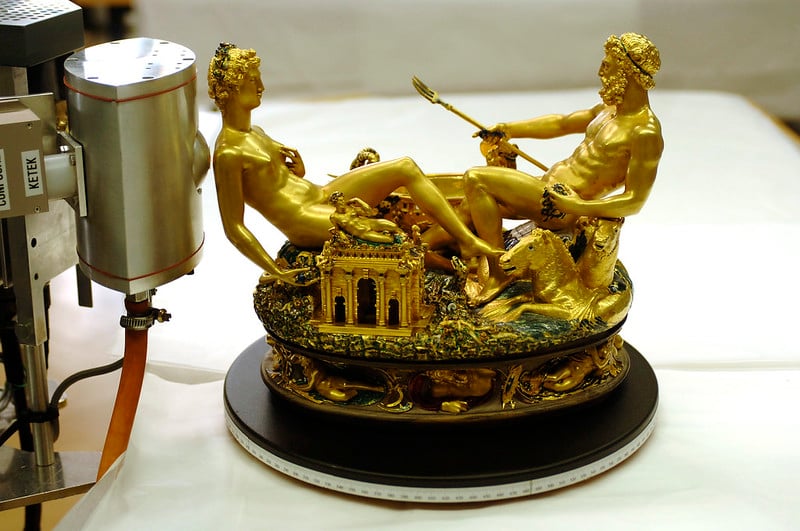
A solid gold salt cellar encrusted with enamel and precious stones disappeared from Vienna’s Kunsthistorisches Museum in 2003. The Saliera was created in the 1500s by the famous sculptor Benvenuto Cellini and was considered one of the most important works of goldsmithing ever made.
A thief broke through a window protected by scaffolding during renovation work and grabbed it right off display. For three years, nobody knew where it went. Then police got a tip and found it buried in a wooden box in a forest.
The thief was caught and sentenced to prison, but how he managed to get past all the security systems and alarms still puzzles experts.
Chinese artifacts from the Palace Museum
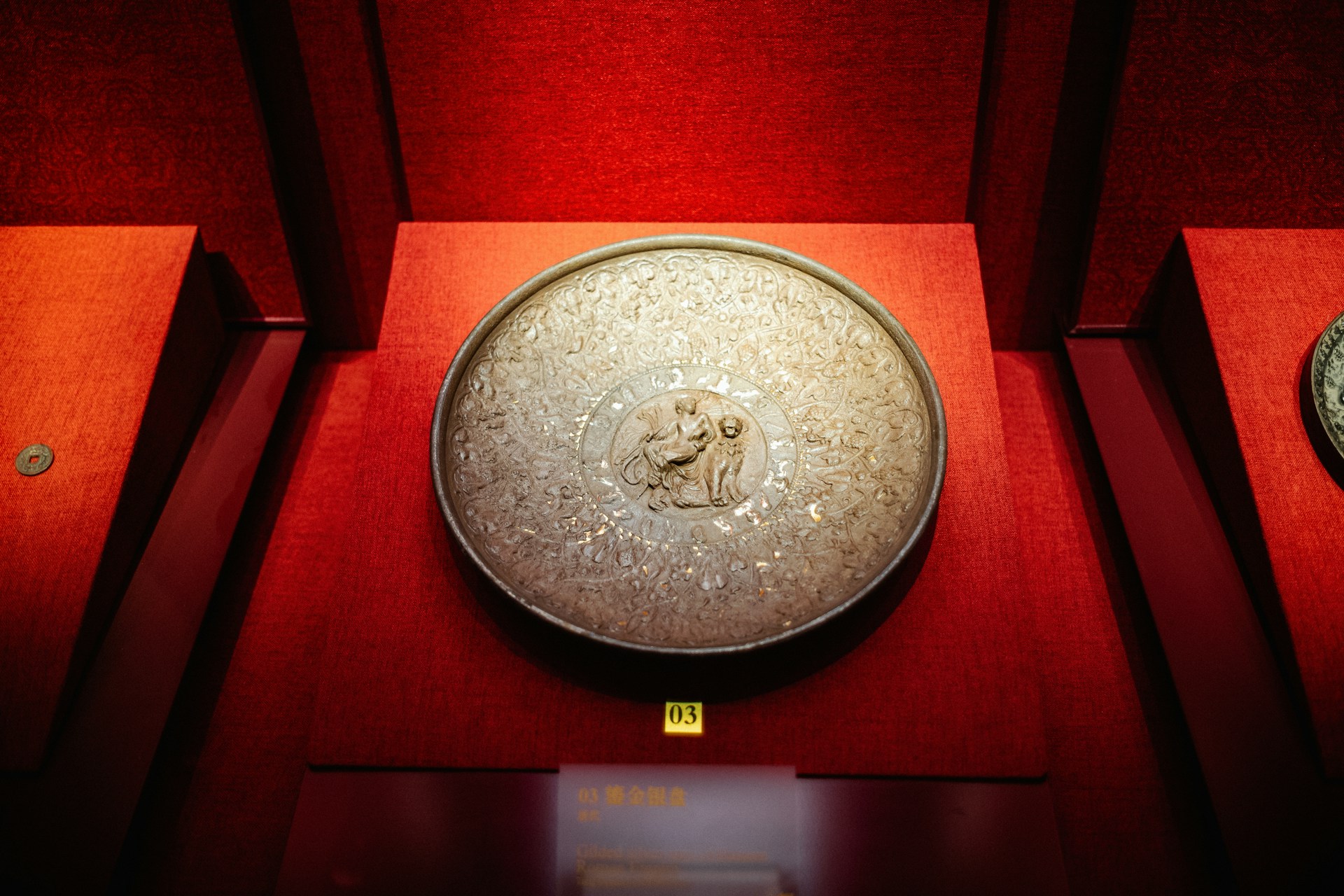
In 2011, a thief broke into the Palace Museum in Beijing and made off with items worth millions. The museum, located in the Forbidden City, supposedly had top-tier security.
The stolen pieces included gold, jewelry, and compact mirrors from the Qing Dynasty. What made this even more embarrassing for the museum was that it took them several hours to realize anything was missing.
Police eventually arrested a suspect and recovered some items, but questions about how someone penetrated such a heavily guarded location never really got satisfying answers.
The Amber Room panels

The Amber Room was an entire chamber decorated with amber panels, gold leaf, and mirrors, originally installed in the Catherine Palace near St. Petersburg. When Nazi forces invaded Russia during World War II, they dismantled the room and shipped it to Germany.
After the war ended, the panels vanished completely. Theories range from destruction during Allied bombing to hidden storage in secret bunkers.
Treasure hunters have searched for decades, following lead after lead that went nowhere. Russia eventually gave up waiting and built a recreation of the room, which opened in 2003.
Caravaggio’s Nativity with San Lorenzo and San Francesco

A Caravaggio painting disappeared from an oratory in Palermo, Sicily, in 1969 and hasn’t been seen since. Nativity with San Lorenzo and San Francesco was one of the artist’s most important religious works, valued at over $20 million.
Thieves cut it right out of its frame, and the leading theory points to the Sicilian Mafia as the culprits. A Mafia informant later claimed the painting was damaged and fed to pigs, though other reports suggest it still exists somewhere in private hands.
Vincent van Gogh works from Amsterdam
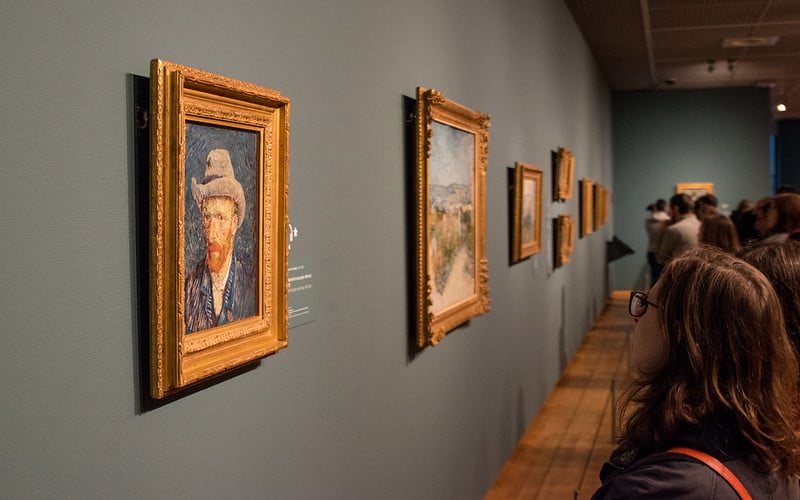
The Van Gogh Museum in Amsterdam has been hit twice, once in 1991 and again in 2002. During the first theft, criminals made off with 20 paintings, though all were recovered within an hour when the getaway car broke down.
The second heist was more successful. Two thieves used a ladder to climb onto the roof, broke in, and stole two paintings in just a few minutes.
The paintings vanished for 14 years until Italian police found them during a raid on a Mafia boss’s property.
Rembrandt from the Swedish National Museum
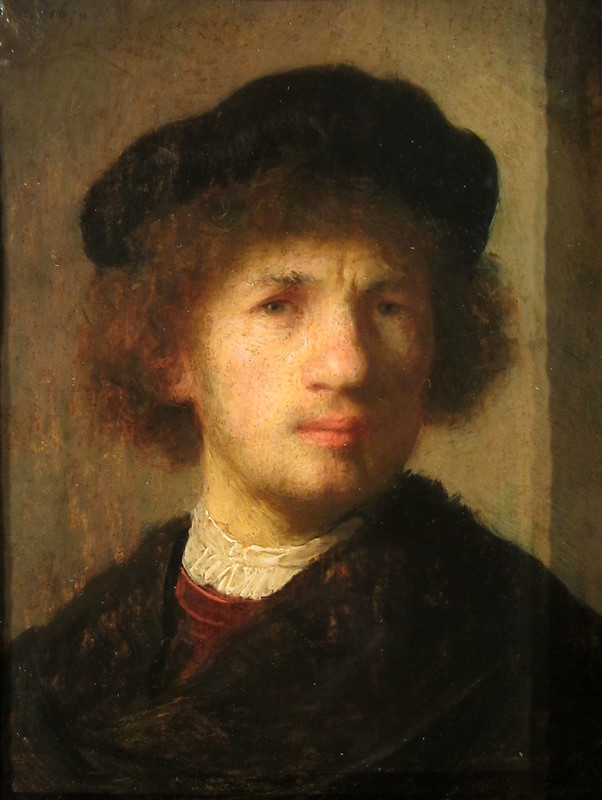
In 2000, three armed men walked into Sweden’s National Museum, set off diversionary explosions outside, and grabbed two Renoirs and a Rembrandt self-portrait in under 10 minutes. They escaped by motorboat across Stockholm’s waterways while police scrambled to respond to the explosions.
Investigators suspected professional criminals with inside knowledge. They eventually recovered all three paintings in 2005, though the works had changed hands multiple times.
Aztec and Mayan gold from Mexico’s National Museum of Anthropology

On Christmas Eve in 1985, thieves broke into Mexico’s National Museum of Anthropology and stole 140 priceless pre-Columbian artifacts. The collection included Aztec and Mayan gold, jade masks, and ceremonial objects.
The thieves disabled alarms and avoided security without anyone noticing until morning. Police arrested several suspects years later, and some items were recovered, but many remain missing.
Cellini Salt Cellar second theft attempt
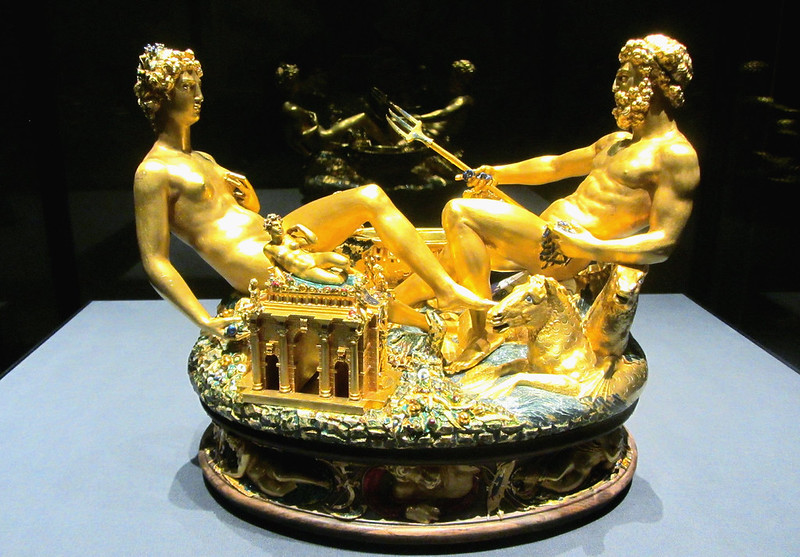
After the Saliera was recovered and returned to Vienna’s museum, you’d think security would be airtight. But in 2006, another group tried to steal it again.
Security actually worked this time, and the thieves were caught before they could escape. The fact that they came back for the same object shows just how desirable certain pieces are in the criminal world.
Iraqi National Museum during the war
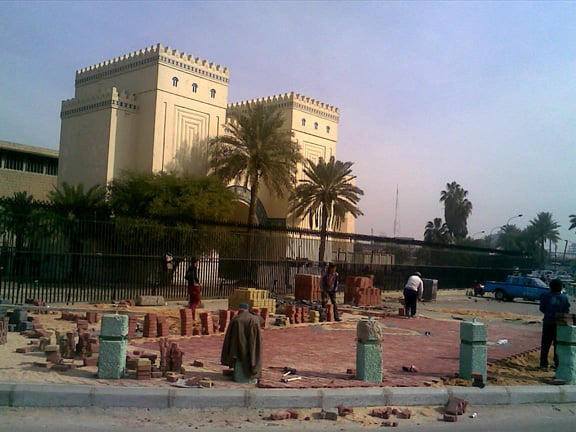
When Baghdad fell in 2003, looters ransacked the Iraqi National Museum over several days. They stole an estimated 15,000 artifacts, including items from ancient Mesopotamia that dated back thousands of years.
While many pieces have since been recovered, thousands are still missing.
Cezanne’s View of Auvers-sur-Oise
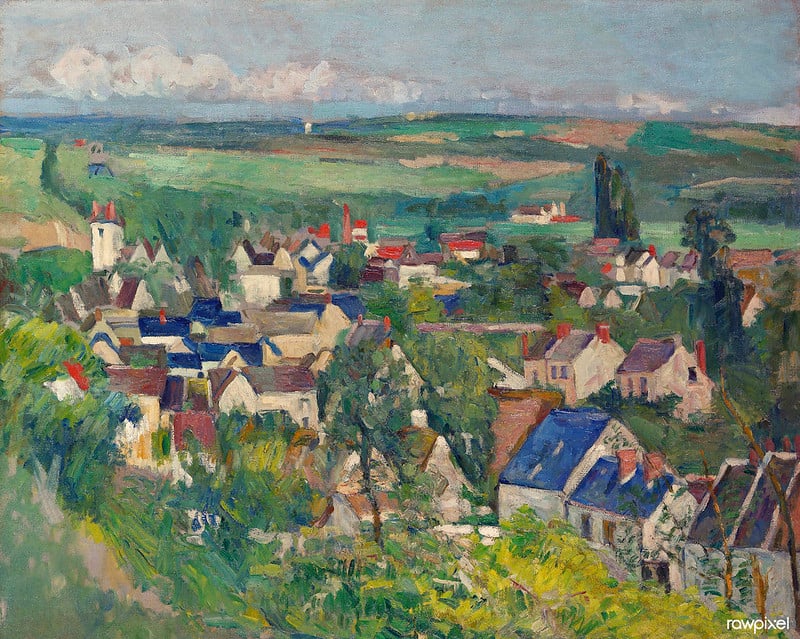
A painting by Paul Cezanne called View of Auvers-sur-Oise was stolen from Oxford’s Ashmolean Museum on New Year’s Eve in 1999. Someone broke in during the fireworks celebrations, when noise covered up the sound of breaking glass.
The painting vanished completely despite worldwide alerts, and it has never surfaced.
African masks from the Barbier-Mueller Museum

The Barbier-Mueller Museum in Geneva specialized in tribal and ancient art, including African masks worth millions. In 2011, thieves broke in and stole several masks considered cultural masterpieces.
Experts believe the masks were sold into private collections where they will never be displayed publicly.
Japanese woodblock prints from multiple locations

Japanese woodblock prints by artists like Hokusai and Hiroshige have been stolen from museums across Europe and North America. The prints are small, valuable, and easy to transport, making them ideal targets.
They are also extremely hard to trace once stolen.
Where the art goes now
Most stolen art never sees the light of day again. It ends up in hidden private collections or used as collateral in criminal deals.
Some pieces get badly damaged or destroyed because thieves don’t know how to store them. Museums continue improving security with advanced technology, but as long as there’s a market for stolen art, thieves will keep trying.
And when a masterpiece disappears, the loss is shared by everyone—not just museums, but the entire world.
More from Go2Tutors!

- The Romanov Crown Jewels and Their Tragic Fate
- 13 Historical Mysteries That Science Still Can’t Solve
- Famous Hoaxes That Fooled the World for Years
- 15 Child Stars with Tragic Adult Lives
- 16 Famous Jewelry Pieces in History
Like Go2Tutors’s content? Follow us on MSN.