Currencies With Creative Anti-Counterfeit Features
Money might seem straightforward enough.
You hand over some bills, you get your coffee, end of transaction.
But those crisp banknotes hiding in your wallet represent some of the most sophisticated design and engineering work happening anywhere on the planet.
Central banks spend years developing security features that are simultaneously obvious enough for the average person to spot and complex enough that even determined counterfeiters can’t crack them.
The result is currency that blends art, science, and a healthy dose of paranoia into something you probably never look at twice.
The arms race between currency designers and counterfeiters has been running for centuries, but modern printing technology turned things up several notches.
When high-quality color copiers became affordable in the late 20th century, suddenly anyone with a few thousand dollars and questionable ethics could take a crack at making fake money.
Central banks responded by getting wildly creative with their defensive strategies.
Here’s how some of the world’s currencies stand out from the crowd.
Australia’s Polymer Revolution
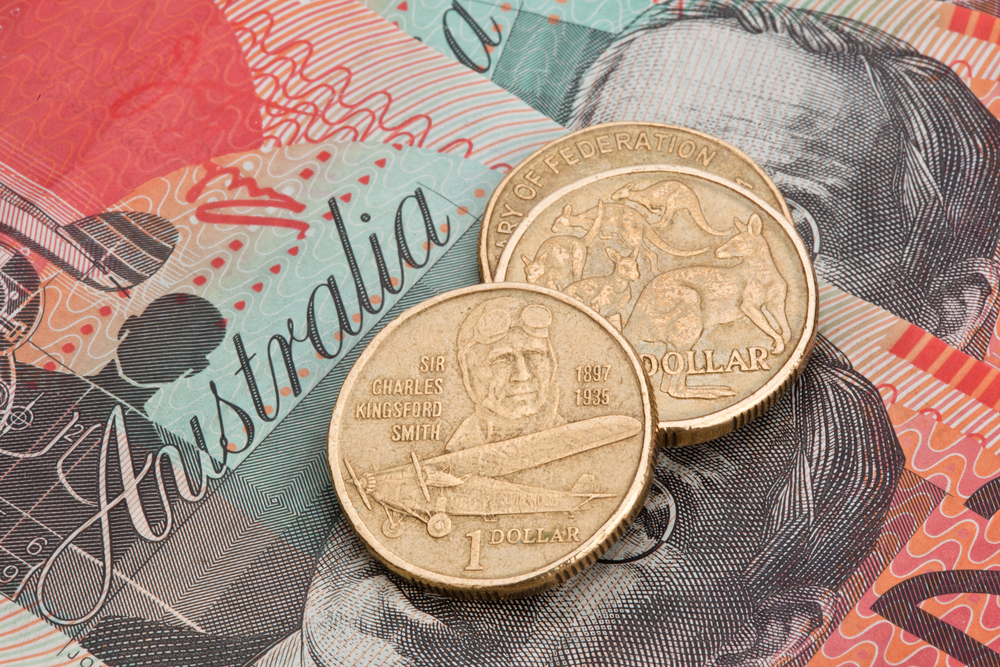
Australia pioneered polymer banknotes back in 1988 after experiencing an alarming surge in counterfeiting when the country switched to decimal currency in 1966.
Scientist Dave Solomon, working with Australia’s national science organization, took on the challenge of creating currency that couldn’t be successfully photographed for reproduction.
His solution involved replacing traditional paper with a flexible plastic material made from biaxially oriented polypropylene.
By 1996, Australia had converted its entire currency system to polymer notes.
The material itself became a security feature.
These notes are tougher than paper currency, lasting significantly longer in circulation.
More importantly, they allow for security elements that simply aren’t possible with traditional paper substrates.
Australian banknotes now include tactile bumps along their edges to help people who are blind or have low vision identify different denominations.
The five-dollar note has one raised bump on each long edge, the ten has two, the twenty has three, and so on.
This innovation came about after teenager Connor McLeod petitioned for the change, ultimately impacting more than 350,000 Australians with vision impairments.
The tactile features are built into the note’s structure during production, so they last as long as the banknote itself without fading or wearing down.
The transparent windows running through Australian polymer notes create another layer of difficulty for counterfeiters.
These clear sections contain intricate holographic elements that shift and change as you tilt the note, producing effects that are nearly impossible to replicate with standard printing equipment.
Switzerland’s Vertical Innovation
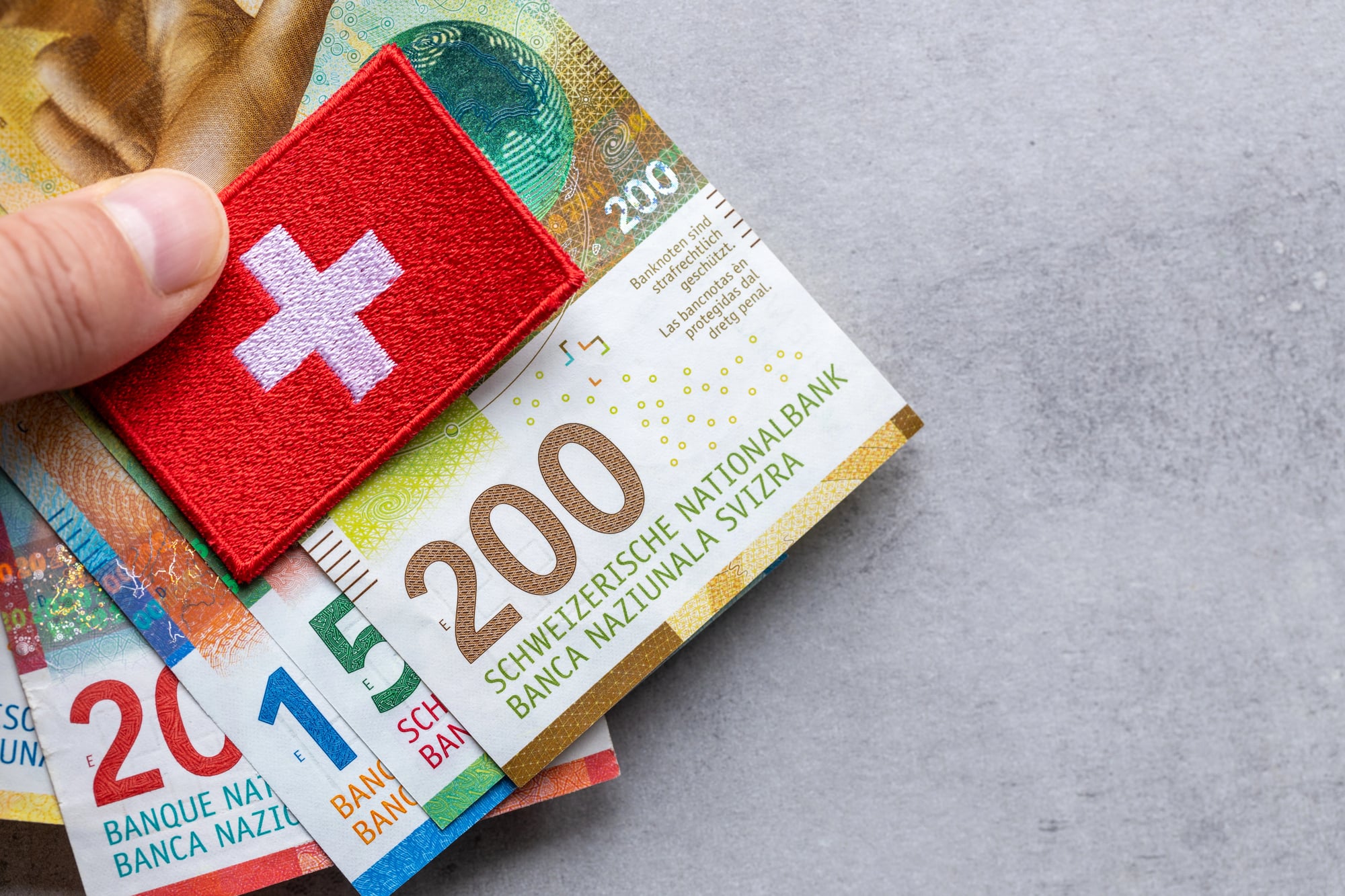
Swiss francs use a three-layer substrate called Durasafe, which sandwiches a polymer core between two thin layers of cotton paper.
This hybrid approach combines the security benefits of both materials.
The notes go through as many as eight different printing processes, compared to the four typically used for standard banknotes elsewhere.
According to the 2008 Guinness World Records, the eighth series of Swiss franc notes held the title of most secure currency in the world, featuring up to 18 different security elements.
These included a tilting digit visible only from unusual angles and ultraviolet-reactive features.
The Swiss weren’t content to rest on those laurels, though.
The ninth series, issued between 2016 and 2019, features cut-out elements like the Swiss cross and triangular flag that give the notes a distinctive appearance.
Swiss banknotes broke convention by adopting a vertical orientation, with each denomination measuring exactly 70 millimeters wide but varying in height.
The design theme, called ‘The Many Facets of Switzerland,’ represents different Swiss characteristics through key motifs.
Time represents organizational talent on the ten-franc note.
Light symbolizes creativity on the twenty.
Wind expresses the wealth of Swiss experiences on the fifty.
Swiss companies dominate the global banknote production industry, with one manufacturer claiming its machines print 90 percent of the world’s banknotes.
The Swiss National Bank’s notes are considered such a gold standard that other countries study them when developing their own security concepts.
Norway’s Pixelated Coastline
Norway took an entirely different approach when redesigning its currency.
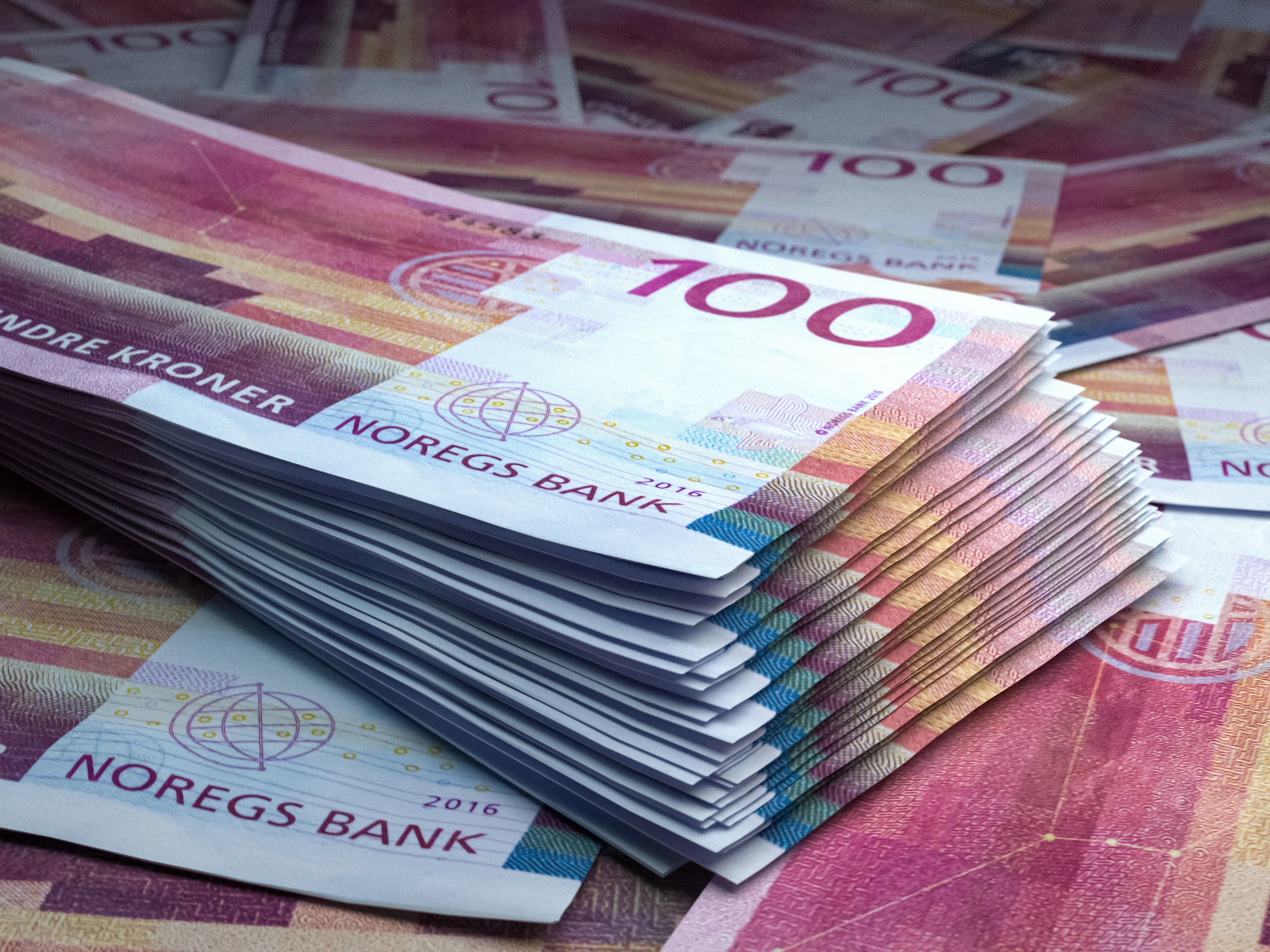
In 2014, the Central Bank of Norway selected designs by architecture firm Snøhetta and Metric Design for its eighth banknote series, creating abstract pixelated patterns inspired by the Norwegian coastline.
This marked the first time Norwegian currency wouldn’t feature portraits of notable individuals.
The pixelated mosaic patterns on the notes’ reverse sides reference the Beaufort scale, which measures wind speed based on observed sea conditions.
On the fifty-kroner note, the wind is gentle, represented by dense cubic patterns and long, gentle wave shapes.
The thousand-kroner note portrays almost a full storm, with elongated color blocks and choppy, short waves.
Each denomination tells a visual story about Norway’s relationship with the ocean, which shapes the lives of the 90 percent of Norwegians who live within six miles of the coast.
Designers worked within rigid constraints imposed by the need for security features, including predetermined locations for serial numbers and denomination markers.
Rather than limiting creativity, these restrictions forced the design teams to innovate within narrow parameters.
The result is currency that looks unlike any other money in circulation worldwide while still maintaining the visual language that helps people immediately recognize it as legitimate banknotes.
Canada’s Transparent Security
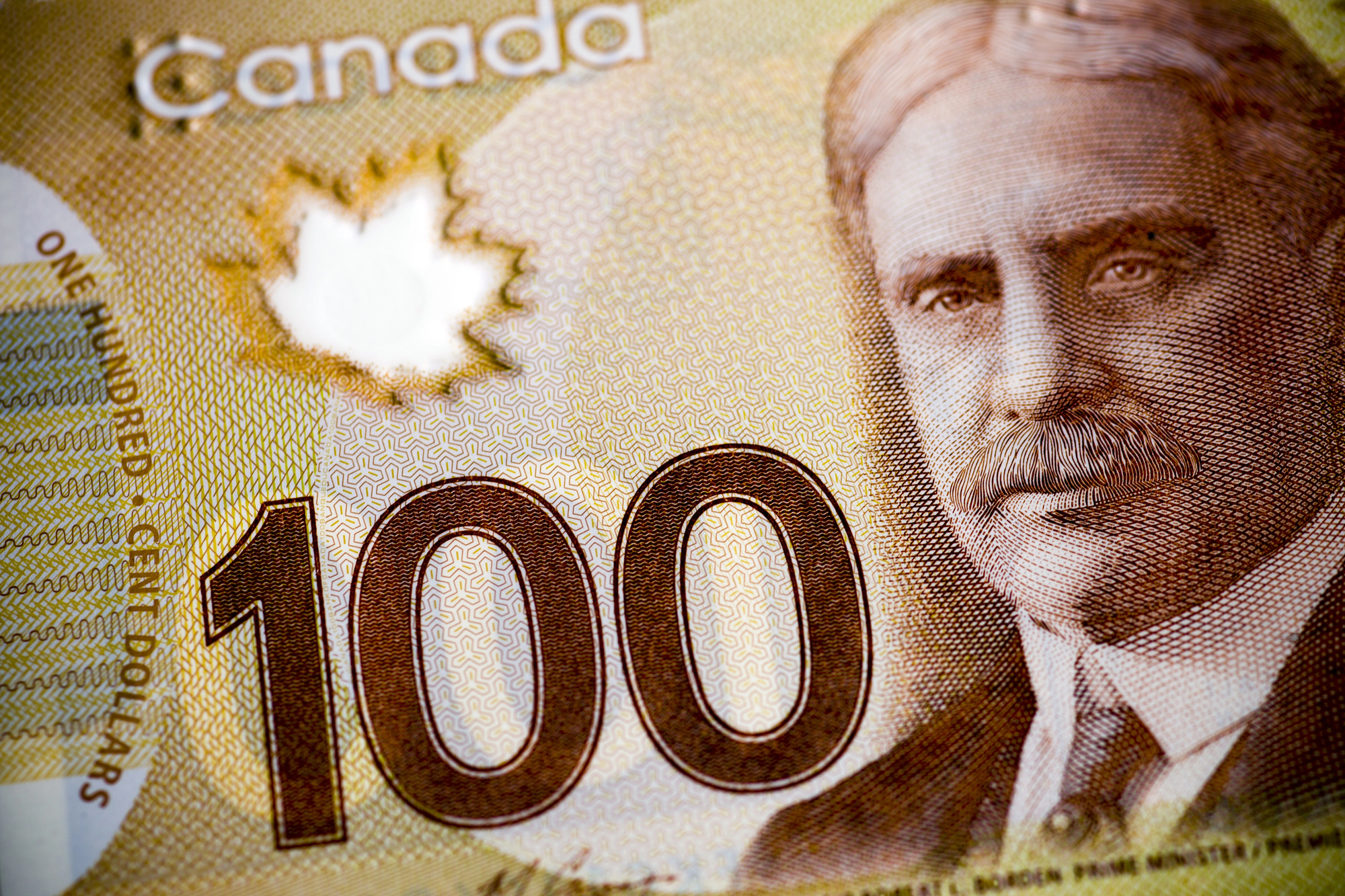
Canada introduced polymer banknotes starting in 2011, incorporating transparent windows with intricate holographic effects.
The twenty-dollar bill features a large transparent window showcasing a metallic portrait of Queen Elizabeth II that changes color when tilted.
These windows proved so susceptible to counterfeiting when the technology became more accessible that later designs added ultra-thin security foil laminated over the windows for additional protection.
Canadian polymer notes resist wear and tear better than their paper predecessors.
They’re also more hygienic and environmentally friendly over their lifespan, though Nigeria briefly attempted to switch back to paper currency in 2012 citing processing difficulties before ultimately maintaining its polymer notes.
Japan’s 3D Holograms
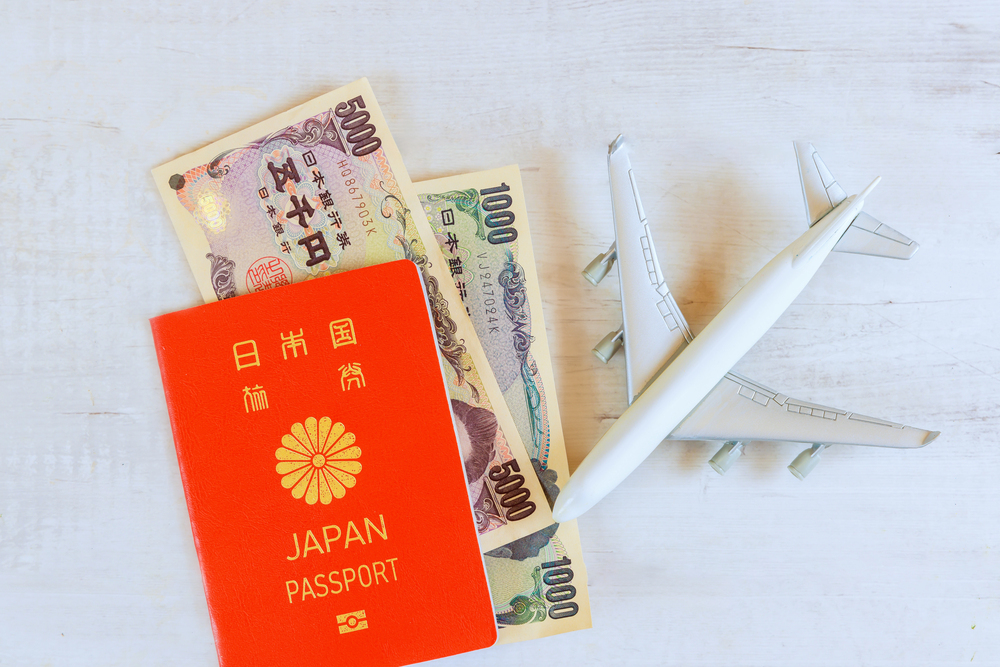
In July 2024, Japan introduced its first new banknotes in twenty years, featuring what it claims is the world’s first use of 3D holographic portraits that appear to rotate when tilted.
The holographic portraits are exceptionally lifelike, resembling photographs but with depth that makes the historical figures appear almost three-dimensional.
Japanese yen notes use intaglio printing, where ink is pressed into the paper to create raised areas with a distinctly rough texture.
The denomination numerals and the text marking them as Bank of Japan notes receive particularly thick applications of ink to create greater relief.
This tactile quality helps visually impaired individuals distinguish between denominations while simultaneously making accurate reproduction extremely difficult.
Other security features include pearl ink that creates an iridescent shine when held at certain angles, microprinting of ‘NIPPON GINKO’ that copy machines can’t reproduce accurately, and luminescent elements that glow under ultraviolet light.
The notes also incorporate watermark bars embedded in the paper, with the number of bars differing by denomination.
The Classic Arsenal
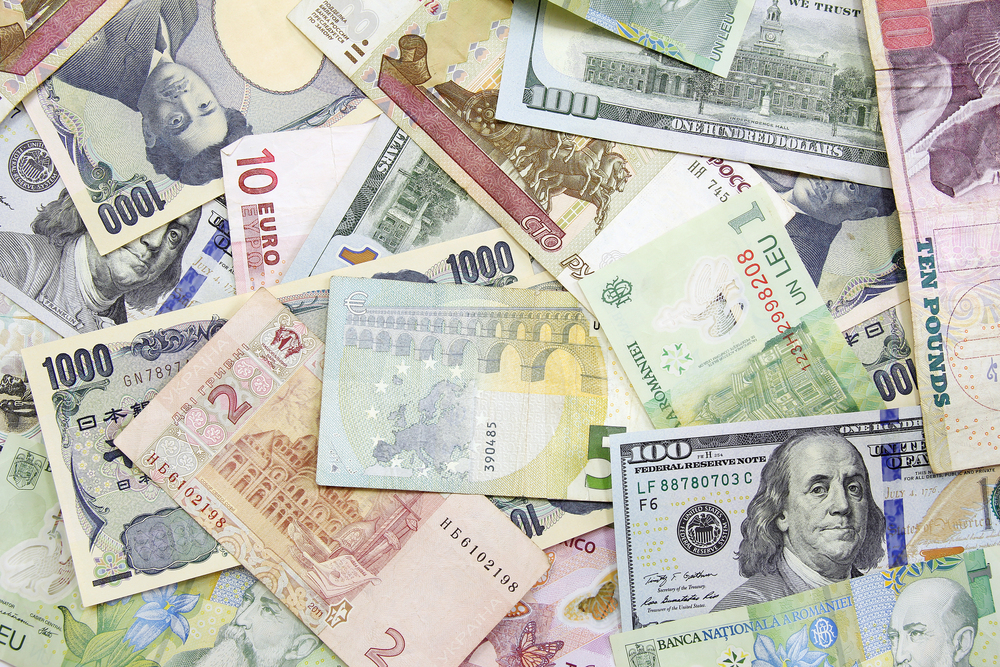
Beyond these standout examples, most modern currencies employ variations on time-tested security features.
Watermarks remain one of the most common protections worldwide, created by varying paper thickness during production so that images become visible when held up to light.
Color-changing features appear on roughly 42 percent of banknotes issued since 2011, with portions of notes shifting hues depending on viewing angle.
More than 300 denominations across 97 currencies use holograms, making them among the most widespread security elements globally.
The United States takes a different approach by specifically avoiding starch in its currency paper, allowing for easy testing with iodine-based ink that turns yellow on genuine bills but dark blue on counterfeits containing starch.
Security threads embedded in banknotes during papermaking have evolved considerably since their introduction in the mid-1800s.
Today more than 90 percent of banknotes contain these threads, which now feature microtexts, holograms, color-changing effects, and ultraviolet luminosity.
Some threads create floating effects where images appear to move or shift above or below the surface when the note is tilted.
Why It Still Matters
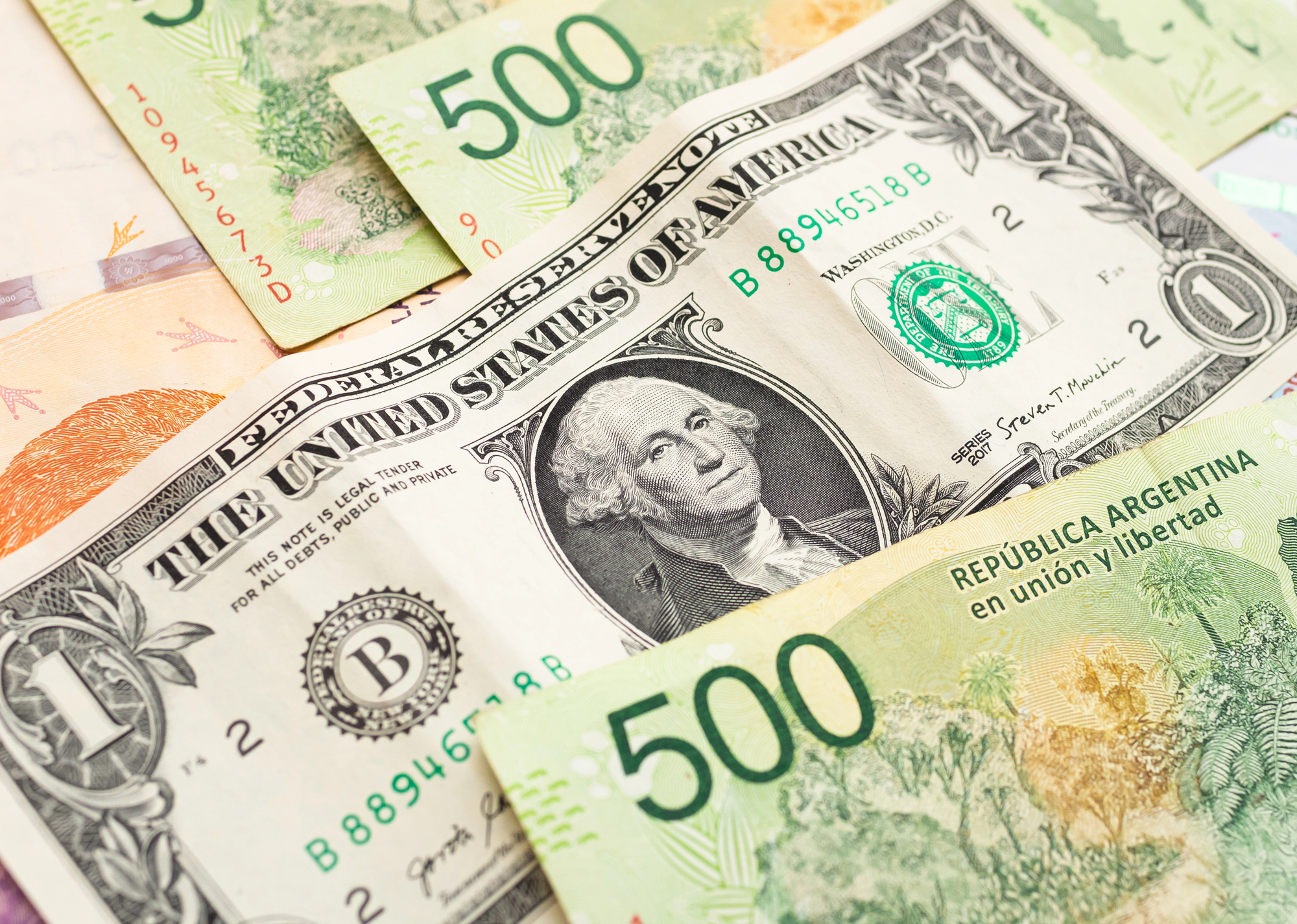
By the end of the American Civil War, nearly one-third of all currency in circulation was counterfeit.
That kind of widespread forgery can devastate public trust in money and, by extension, an entire economy.
Modern security features represent central banks’ continuous effort to stay ahead of increasingly sophisticated counterfeiting technology.
The key isn’t necessarily the number of security features but how they’re combined and how effectively they create an intuitive sense of authenticity.
Most counterfeit notes are relatively easy to identify upon careful examination because forgers imitate the essence rather than perfectly replicating every detail.
Central banks exploit this by designing features that work together, creating an overall impression that’s harder to fake than any single element.
These innovations serve multiple purposes beyond deterring criminals.
Tactile features make currency more accessible.
Artistic designs celebrate national identity and culture.
Durability improvements reduce environmental impact and replacement costs.
The billions of banknotes circulating globally represent not just economic value but also some of humanity’s most successful applications of materials science, optical engineering, and design thinking to solve real-world problems.
Next time you’re handed change, take a second look.
There’s more going on in that piece of currency than meets the eye.
More from Go2Tutors!

- The Romanov Crown Jewels and Their Tragic Fate
- 13 Historical Mysteries That Science Still Can’t Solve
- Famous Hoaxes That Fooled the World for Years
- 15 Child Stars with Tragic Adult Lives
- 16 Famous Jewelry Pieces in History
Like Go2Tutors’s content? Follow us on MSN.



