Surprising Facts About Gingerbread House Traditions
The smell of gingerbread baking triggers memories of holiday seasons for millions of people. But the tradition of building houses from cookies and candy has roots that reach back further and run stranger than most people imagine.
What started as expensive displays of wealth in medieval Europe turned into a family activity that now spans cultures worldwide. The evolution from hard-to-make luxury items to supermarket kits involves fairy tales, world’s fairs, and competitive builders who take the craft to extremes most casual decorators never attempt.
Germany Started It All

Gingerbread itself dates back to ancient times, but the tradition of building structures from it began in Germany during the 16th century. German bakers in Nuremberg and other cities created elaborate gingerbread pieces for religious holidays and special occasions.
These early creations weren’t the charming cottages we know today. Bakers made gingerbread molds depicting religious scenes, saints, and biblical stories.
The spiced cookies served as both decoration and devotional objects, often hung on Christmas trees or displayed in homes as reminders of faith. The shift from flat molded cookies to three-dimensional structures happened gradually.
Professional bakers demonstrated their skills by creating increasingly complex designs. Guilds regulated who could bake gingerbread professionally, making it a protected craft that required apprenticeship and mastery.
Hansel and Gretel Made Houses Popular

The Brothers Grimm published their collection of fairy tales in the early 1800s, including “Hansel and Gretel” with its iconic witch’s house made of bread and decorated with cake and sugar. This story captured public imagination and inspired bakers to recreate the edible dwelling.
The fairy tale’s popularity spread the idea of gingerbread houses beyond professional bakers into homes. Parents wanted to create magic for their children by building the house from the story.
What started as elaborate bakery showpieces became a family tradition. The witch’s house in the story serves a dark purpose—it’s a trap to lure hungry children.
But families building gingerbread houses focus on the magical aspects and ignore the sinister implications. The transformation from predatory lure to wholesome activity shows how traditions adapt to fit cultural needs.
They Were Status Symbols
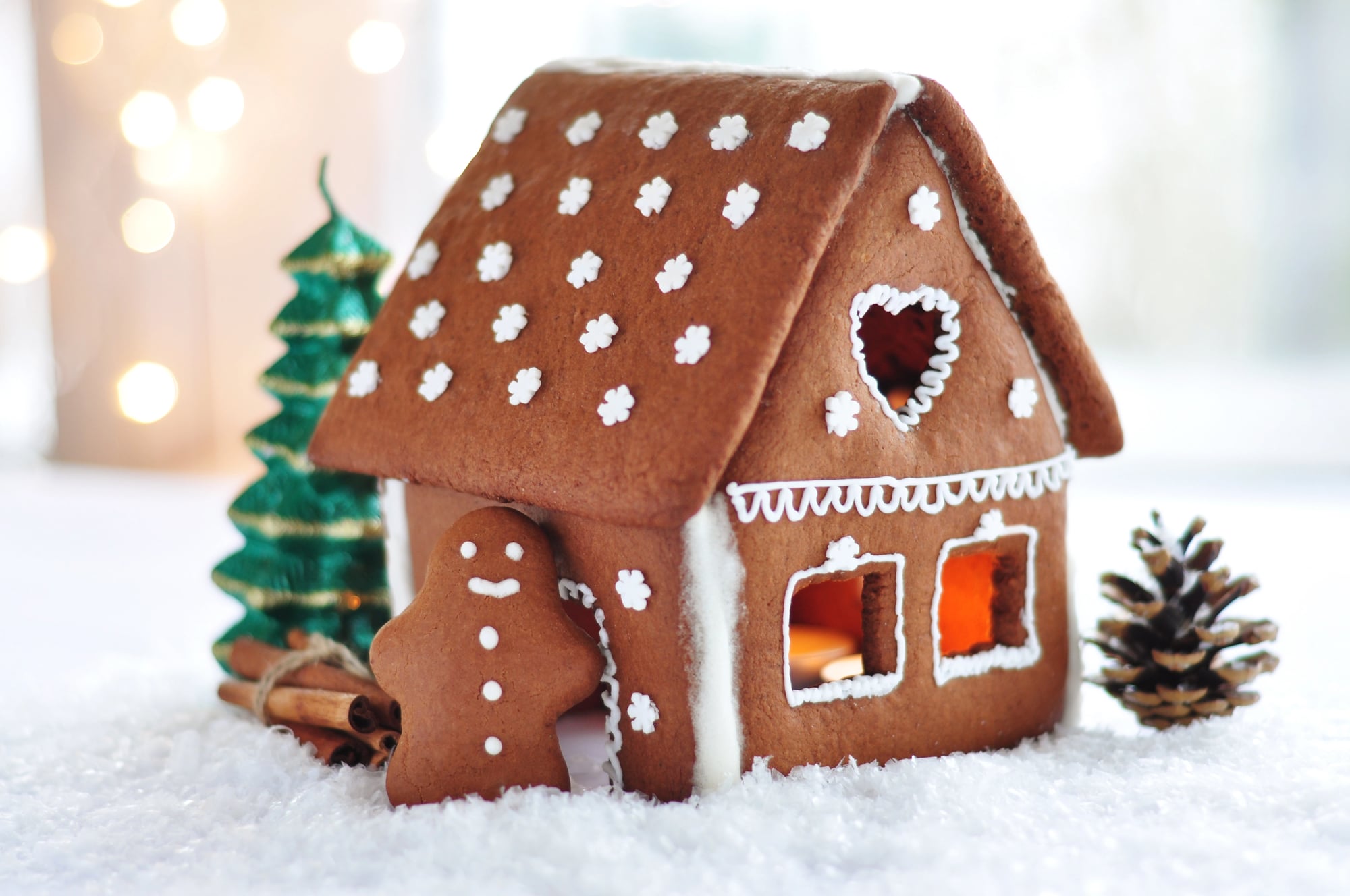
Building a gingerbread house in the 1600s and 1700s required wealth. The spices—ginger, cinnamon, cloves, nutmeg—came from distant lands and cost more than most families could afford.
Sugar was equally expensive, making the royal icing that holds structures together a luxury item. Wealthy families commissioned elaborate gingerbread creations to display during holidays and celebrations.
These weren’t simple cottages but miniature palaces, churches, and entire villages. The size and complexity of your gingerbread display communicated your social standing.
This changed as trade routes expanded and spices became more affordable. By the 1800s, middle-class families could access the ingredients needed for gingerbread.
The democratization of the tradition shifted it from an aristocratic showpiece to a popular folk craft.
Queen Victoria Boosted the Trend

Queen Victoria and Prince Albert made gingerbread houses fashionable in England during the mid-1800s. The royal family displayed elaborate gingerbread creations at Windsor Castle, and the British public eagerly copied royal Christmas traditions.
Victoria’s influence extended beyond England. As the British Empire spread across the globe, so did British Christmas customs.
Gingerbread houses appeared in former colonies and territories, adapted to local tastes and available ingredients. The Victorian era also saw the rise of illustrated magazines and books that shared recipes and techniques for gingerbread construction.
This media coverage helped standardize the tradition and spread it to households that might never have encountered it otherwise.
World’s Fairs Showcased Giants
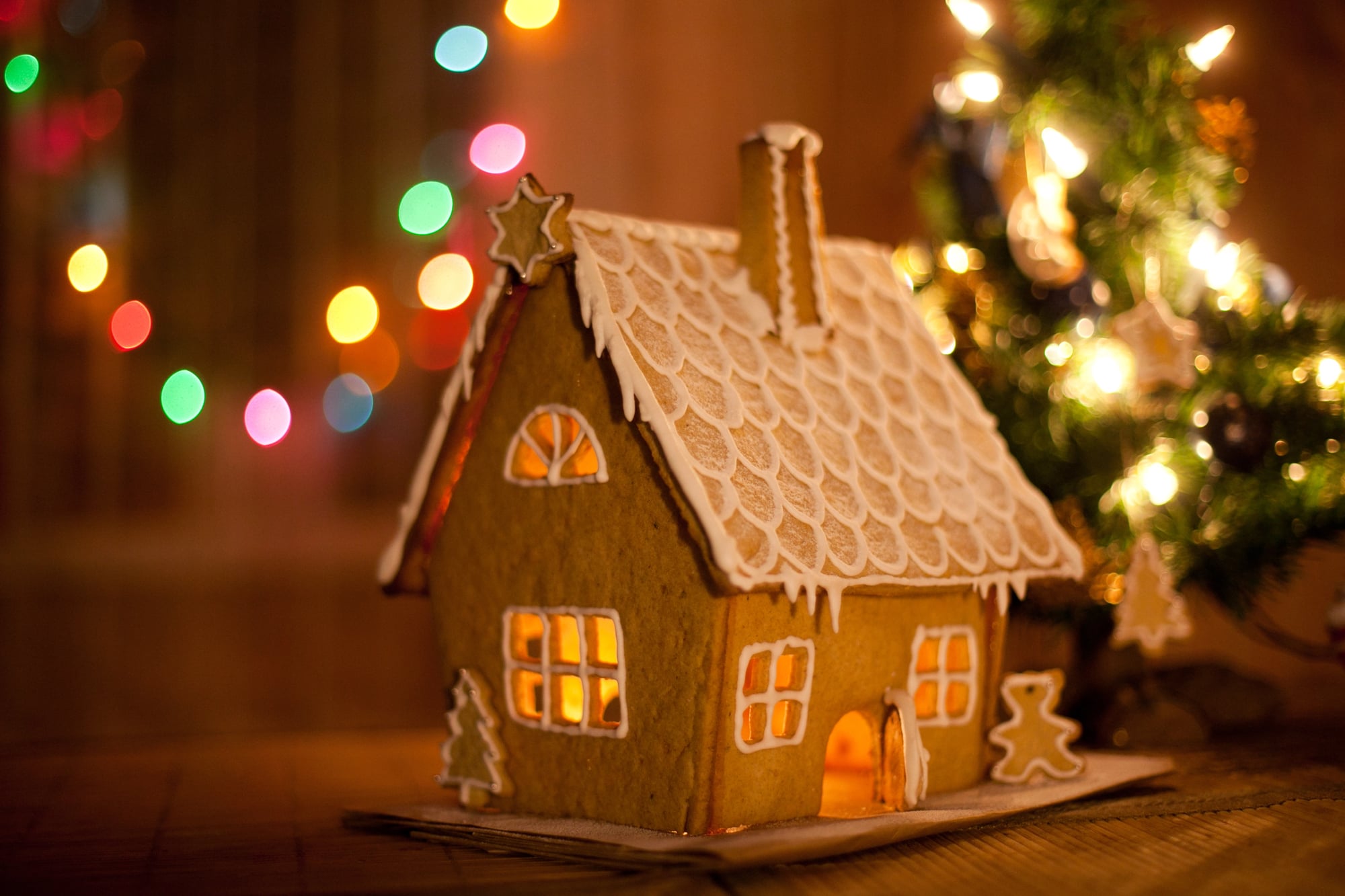
The 1893 World’s Columbian Exposition in Chicago featured massive gingerbread structures that amazed visitors. These weren’t houses but full-scale buildings you could walk through, demonstrating both culinary skill and architectural ambition.
Subsequent world fairs and expositions continued the tradition of grand gingerbread displays. Bakers competed to create the largest, most detailed, or most innovative structures.
These public spectacles turned gingerbread from a home craft into a form of edible architecture. The scale of these creations pushed technical boundaries.
Bakers developed new recipes that could support weight better. They invented structural supports and engineering solutions to keep massive gingerbread walls from collapsing.
Many techniques developed for world’s fair displays eventually filtered down to home bakers.
Recipes Changed Over Centuries
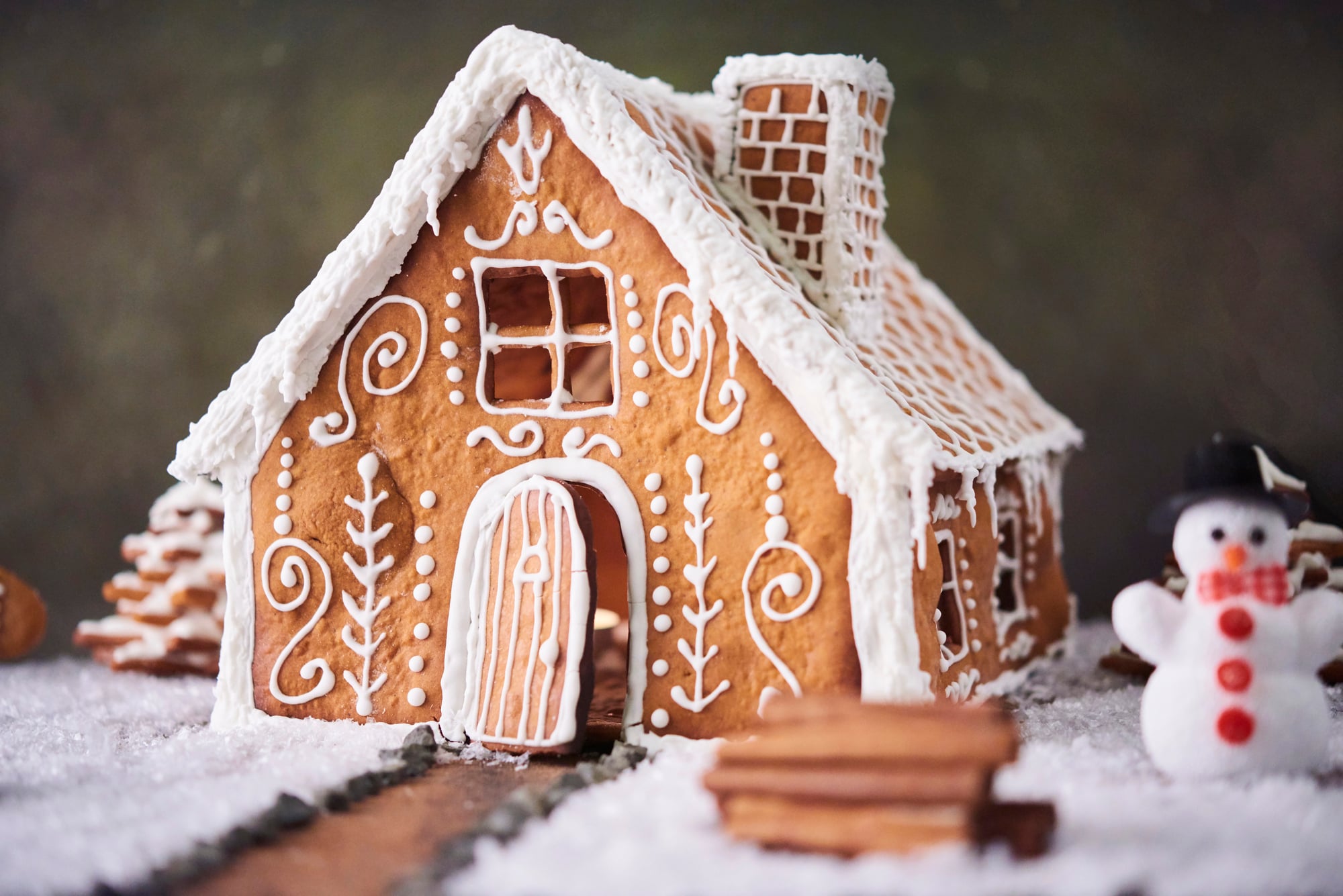
Medieval gingerbread was hard as a rock. The cookies were meant to last for months, sometimes years.
They served as decorations, not food you’d actually want to eat fresh. The consistency resembled wood more than cookies.
Modern gingerbread comes in two main varieties—soft and chewy for eating, or hard and structural for building. The building version still uses old-style recipes that create a firm, durable product that can support royal icing and candy decorations.
Some bakers add structural reinforcements to their gingerbread dough. Extra eggs, less moisture, and different flour ratios create stronger walls.
The goal isn’t delicious cookies but stable construction materials. Many gingerbread houses end up in the trash after the holidays because the cookies taste terrible compared to fresh-baked versions.
Kits Simplified Everything
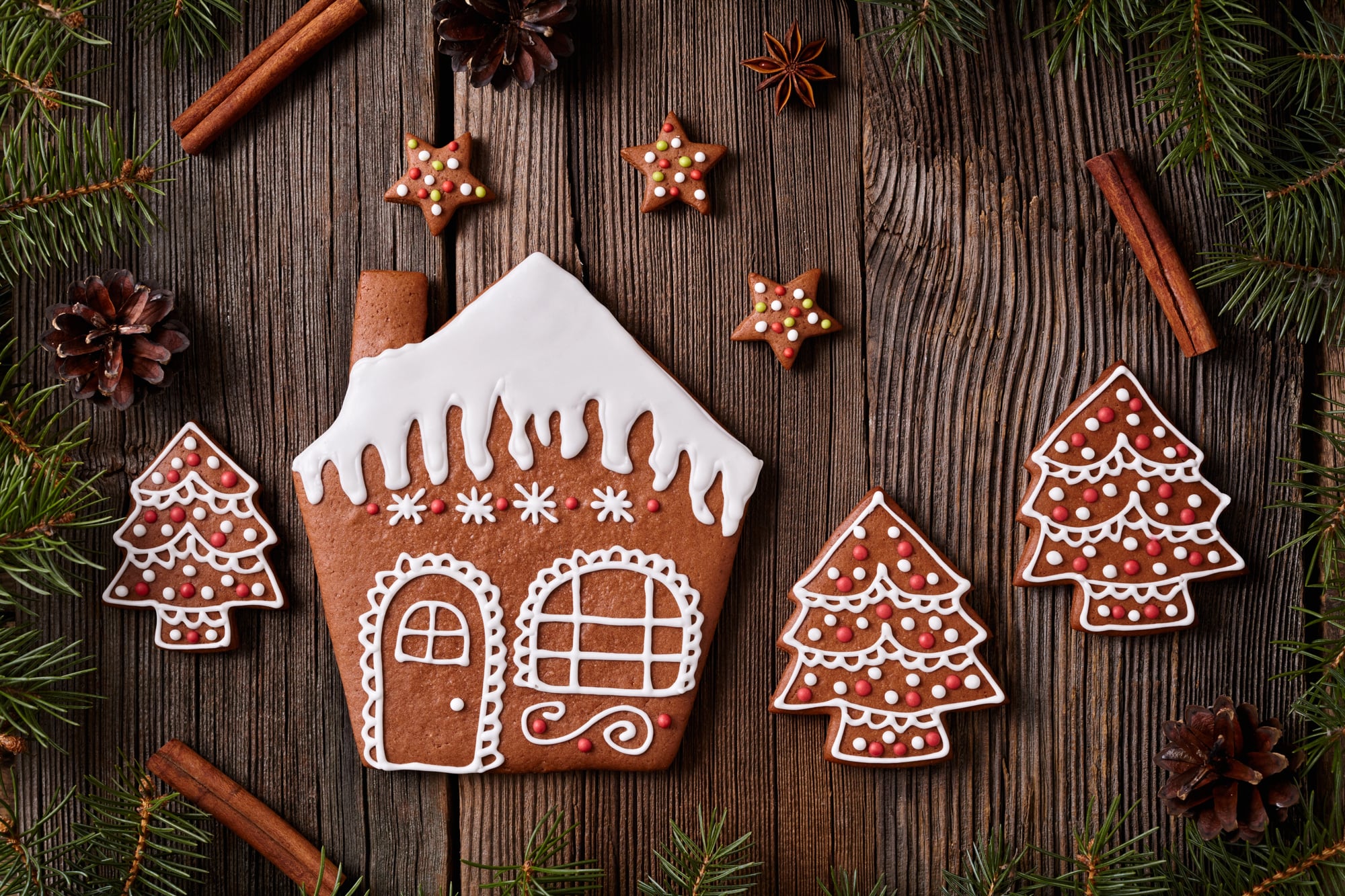
The first commercial gingerbread house kits appeared in the late 20th century, making the tradition accessible to people who didn’t want to bake from scratch. You get pre-baked walls, icing mix, and candy pieces in one box.
These kits changed how families approach gingerbread houses. Instead of a multi-day project involving baking, cutting, and construction, you can build a house in an afternoon.
The trade-off is standardization—kit houses all look similar, lacking the personality of custom creations. Some purists scorn kits as shortcuts that miss the point of the tradition.
Others appreciate how kits lower the barrier to entry, letting more families participate. The debate mirrors larger cultural tensions between convenience and authenticity.
Competitions Get Intense

Professional gingerbread house competitions attract bakers who spend weeks or months planning and executing their creations. These aren’t simple cottages but elaborate scenes featuring multiple buildings, figures, and incredible detail work.
Winners of major competitions often work in pastry professionally. They use techniques from cake decorating, sugar work, and chocolate sculpture.
The gingerbread serves as a medium for edible art that happens to follow a house-shaped convention. Some competitions have specific themes or requirements—build a famous landmark, recreate a movie scene, or construct the tallest stable structure.
These challenges push builders to innovate and experiment. The competition circuit has its own stars and celebrity bakers whose names carry weight in the gingerbread world.
The Biggest Ones Break Records

The current world record for the largest gingerbread house covers thousands of square feet and weighs tons. These record-breaking structures require teams of bakers, structural engineers, and massive amounts of ingredients.
Building record-breaking gingerbread houses costs enormous amounts of money and time. They’re usually sponsored projects meant to attract media attention to hotels, malls, or tourist attractions.
The houses get built, photographed extensively, then dismantled because nobody knows what to do with tons of stale gingerbread. The pursuit of bigger records seems to miss the intimate, family-focused origins of the tradition.
But it creates spectacular displays that inspire people and push the boundaries of what’s possible with edible materials.
Different Countries Add Local Touches
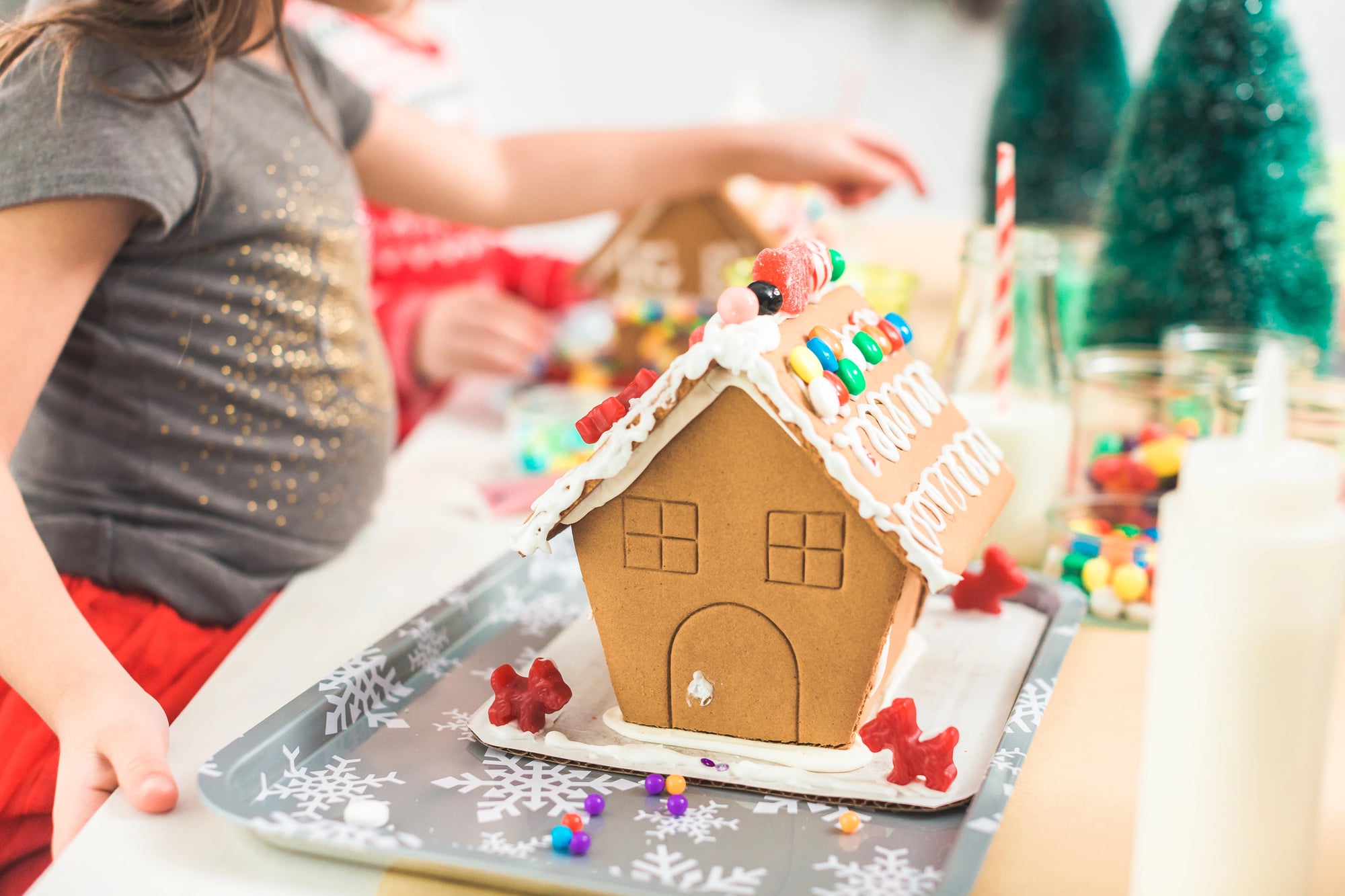
Scandinavian countries make gingerbread houses called pepperkakehus, often with minimalist designs that reflect Nordic aesthetics. They use white icing sparingly and focus on clean lines rather than candy abundance.
In the Philippines, gingerbread houses sometimes incorporate local architectural styles and tropical decorations. Australian versions might feature beach houses instead of snow-covered cottages.
Japanese bakers create precise, detailed houses that reflect their cultural emphasis on craftsmanship. These regional variations show how a German tradition adapted to different cultural contexts.
The basic concept—build a structure from spiced cookies and decorate it—remains constant, but the execution reflects local values and tastes.
Royal Icing Is the Secret

The white icing that glues gingerbread pieces together isn’t regular frosting. Royal icing, made from egg whites and powdered sugar, dries hard as cement.
This property makes it essential for construction but less appealing for eating. Professional builders use royal icing with different consistencies for different purposes.
Thick icing for gluing walls together. Medium consistency for piping decorative details.
Thin icing for flooding sections with smooth color. Understanding these variations separates successful builders from those whose houses collapse.
The hardening property of royal icing means you need to work quickly once you start assembling. You can’t reposition pieces after the icing sets.
This time pressure adds stress to what’s supposed to be a fun activity, especially when building with children who don’t understand the urgency.
Kids and Adults Approach It Differently
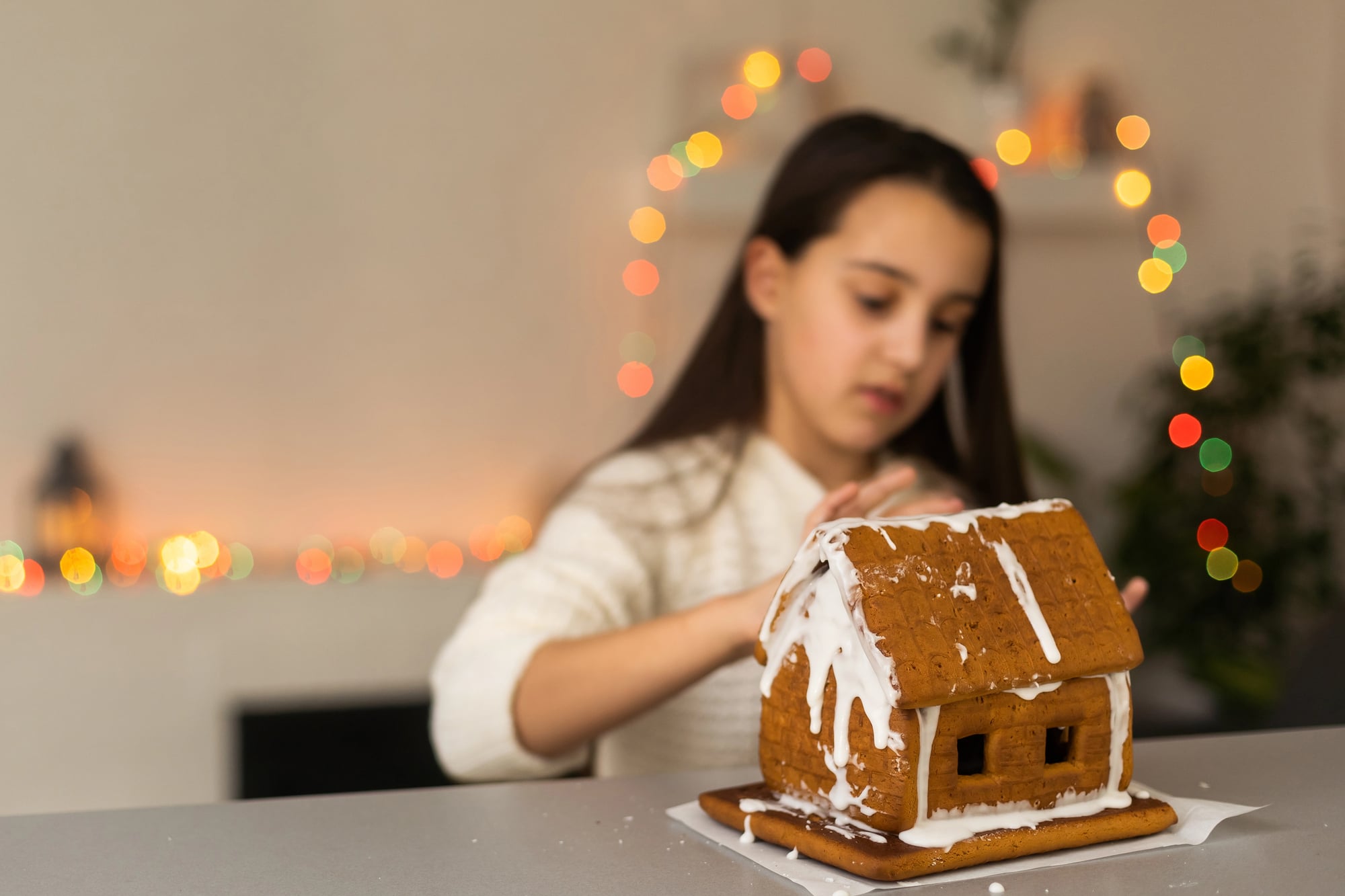
Children building gingerbread houses focus on candy. They want to pile on gumdrops, candy canes, chocolate pieces, and anything colorful.
The house becomes a vehicle for sugar consumption disguised as a craft activity. Adults often emphasize aesthetics—creating realistic snow effects, perfectly aligned shingles, coordinated color schemes.
They research techniques, watch tutorials, and stress over details. What should be playful becomes perfectionist.
The best gingerbread house experiences balance these approaches. Adults handle the structural assembly while kids do the decorating.
This division of labor plays to different strengths and prevents arguments over crooked walls versus messy candy placement.
They Rarely Get Eaten

Most gingerbread houses sit on display for weeks, collecting dust and drying out further. By the time January arrives, the cookies are rock-hard and the candy is stale.
Few families actually eat their creations. Some people dismantle houses to save candy for other uses.
Others throw the whole thing in the trash, feeling vaguely guilty about the waste. A few attempt to compost the gingerbread, discovering that sugar-heavy baked goods don’t break down easily.
The question of what to do with gingerbread houses after the holidays bothers environmentally conscious families. Building something beautiful that becomes garbage conflicts with values about sustainability and waste reduction.
But the tradition persists because the activity itself matters more than the final product.
Instagram Changed the Game
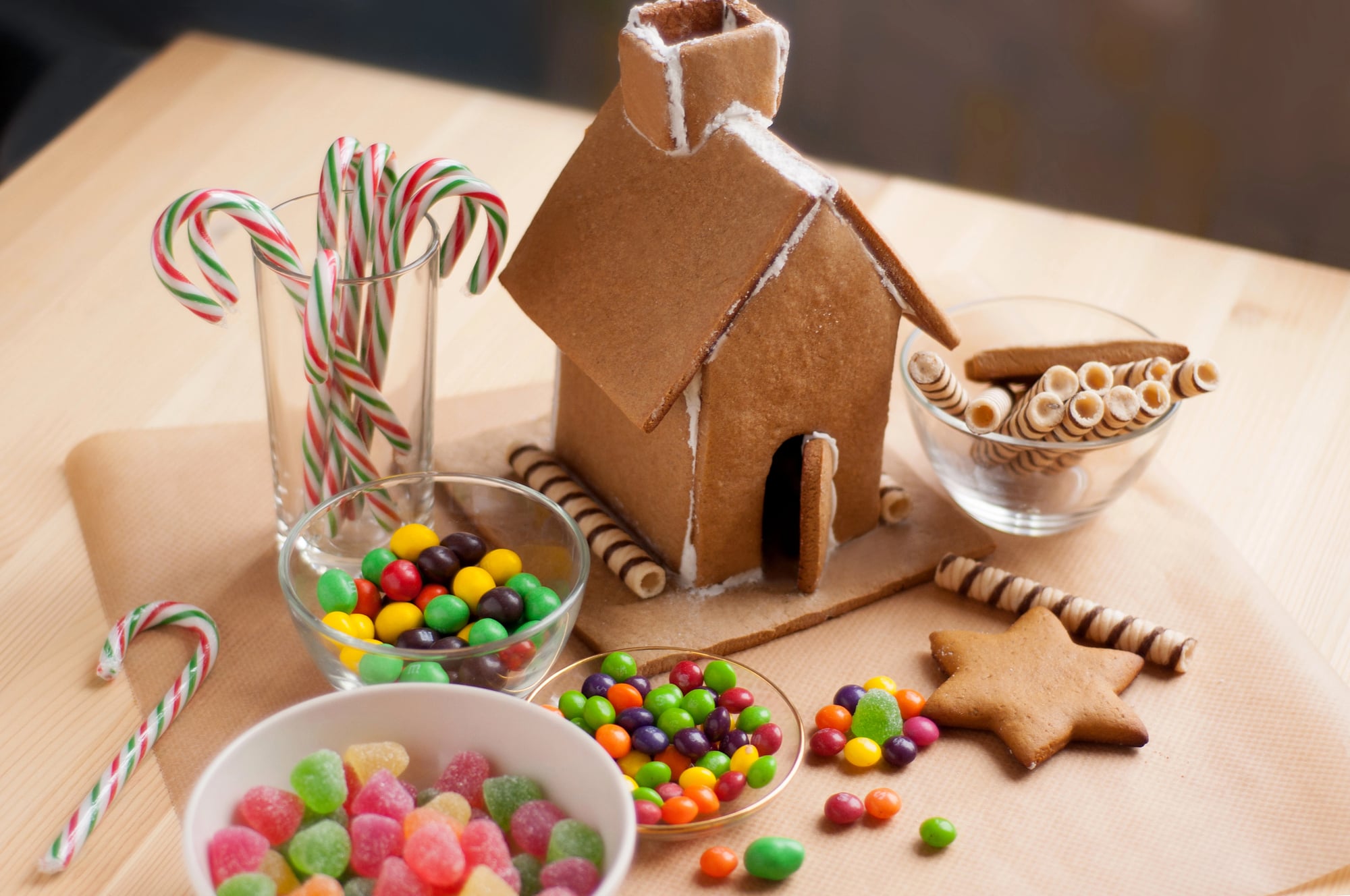
Social media turned gingerbread houses into shareable content. People compete to create the most photogenic designs, the cleverest themes, or the most impressive technical achievements.
The houses become props for perfect holiday photos. This social media influence raises standards and creates pressure.
Your simple cottage looks sad next to elaborate creations that professionals built and styled for maximum likes. The comparison can discourage people from trying or make them feel inadequate about their results.
But social media also provides inspiration and education. You can learn techniques from videos, find new decorating ideas, and join communities of enthusiastic builders.
The technology creates both problems and solutions for the tradition.
Where Sugar Meets Memory

Gingerbread houses sit where baking meets art, nostalgia slips into show – yet they’re snacks that double as mini memorials. Crafting them – the careful shaping of spiced dough into shapes meant only for looking, not touching or tasting – brings hushed rhythm to homes each December, hands assembling sweet walls fated to stand untouched across tabletops.
The habit lingers – not because of sweet highs, but how it carves pieces straight into moments that don’t fade. Kids clutch sticky fingers, trading chewy candies, stunned quiet when the last gelatin bite holds firm.
Grown-ups recall small hands fumbling, sudden smells pricking the nose, that breathless pause as trembling rooms turn still. What remains escapes albums entirely – it whispers later, stretching past broken cookie castles and uncertain wishes.
More from Go2Tutors!

- The Romanov Crown Jewels and Their Tragic Fate
- 13 Historical Mysteries That Science Still Can’t Solve
- Famous Hoaxes That Fooled the World for Years
- 15 Child Stars with Tragic Adult Lives
- 16 Famous Jewelry Pieces in History
Like Go2Tutors’s content? Follow us on MSN.



