17 Rare Photos Of How Malls Looked In The 90s
But later on, the mall meant something more than shopping. It was the place where time slowed down.
Walking through the mall was as if drifting along, no need to hurry, no need to have any place to be. Seeing someone you knew? Maybe you would stop to talk to them, maybe you wouldn’t.
Noise hummed through the ceiling, lights flickered over the stores, and somehow everything worked together. The comfort came not in the order, but in the mess and routine.
But the appearance of the malls was more important than you might realize. The way they were laid out affected the way people navigated through the space.
Vibrant colors lined the walls, some of which clashed intentionally. Fountains, plants, and other quirky things were present, adding to the flavor of the place.
Even though most of these have closed up shop, changed into something entirely different, the images remain. Let’s take a look at some of the images that were common in the malls of the 90s.
Fountain-Centered Atriums

Fountains tended to anchor each space, water always in motion. Loud? Maybe. But the way it shimmered under overhead light felt natural.
Echoes bounced off stone edges, soft but noticeable. Sitting nearby became routine, even if no one planned it.
Pausing here simply happened, part of the rhythm. Pennies stacked quietly below, nobody ever asking why.
Not tied to custom or significance. Just a thing people always ended up doing. Still today, that small moment sharpens everything else around it.
Neon-Lit Food Courts

Food courts had a very specific kind of energy. Bright, loud, and a little overwhelming if you stood still too long.
Neon signs everywhere, each one competing for attention, reflecting off plastic tables that had definitely seen better days.
There was always a mix of smells hanging in the air, none of them subtle. Still, people stayed.
It was the one place where everyone ended up eventually, whether that was the plan or not.
Escalators Framed By Chrome And Glass
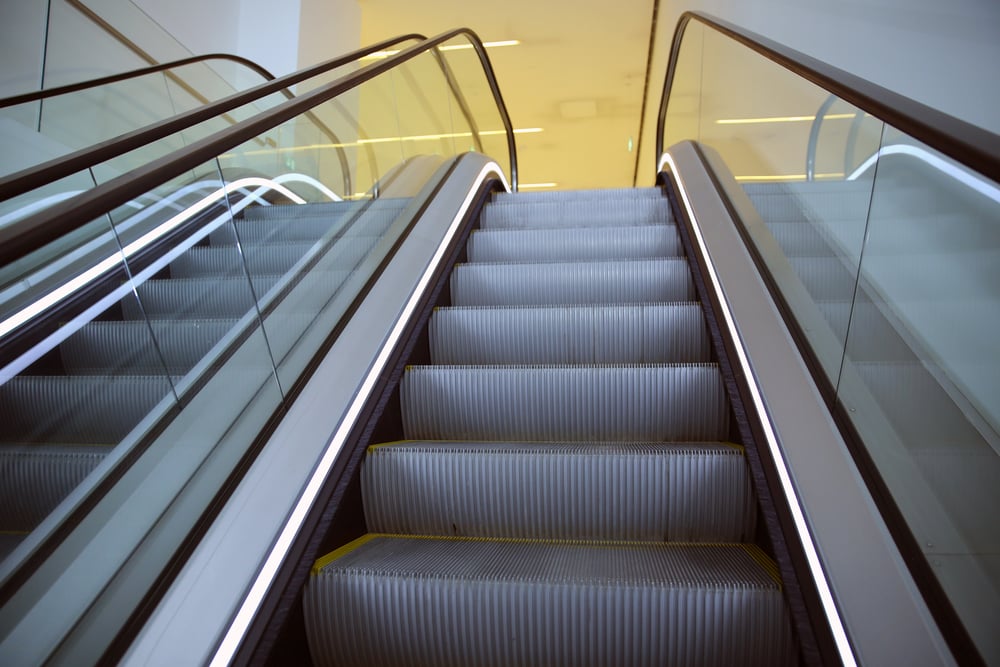
Escalators weren’t hidden away—they were part of the show. You could see them from across the mall, cutting through the space with glass sides and shiny railings that caught every bit of light.
Riding one gave you a slow reveal of everything around you. Shops, people, movement—it all shifted as you moved up or down.
It made the place feel bigger than it probably was.
Arcade Corners

Arcades didn’t try to blend in. You could hear them before you saw them.
Sound effects overlapping, flashing screens, everything slightly too bright. Once you stepped inside, time got a bit weird.
People stayed longer than they meant to, focused on getting just one more try. It wasn’t calm, but that was the point.
Music Stores With Listening Stations
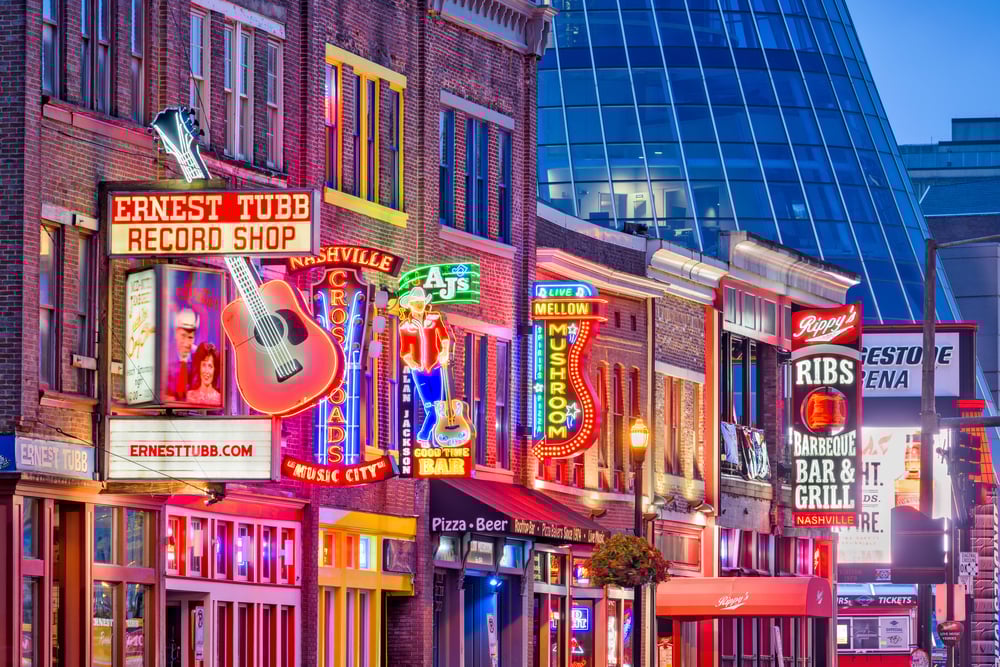
Music stores had this quiet kind of focus to them. Rows of CDs, all neatly lined up, but the real draw was the listening stations.
Big headphones, slightly worn, and always someone standing there, completely locked in. You didn’t rush it.
You stood there, flipping through options, deciding what was worth your attention. It felt more intentional than just pressing play on a screen.
Carpeted Walkways

A lot of malls had carpets, which feels strange now. Not subtle ones either—bold patterns, deep colors, sometimes clashing in ways that shouldn’t have worked but somehow did.
They softened everything. The noise, the footsteps, even the pace of walking.
It made the space feel less harsh, more contained.
Glass Elevator Shafts

Glass elevators were hard to ignore. You’d see them moving up and down through the center of the mall, slow enough that people inside were fully visible the whole time.
Getting in one felt slightly different from a normal lift. You were part of the scene for a minute, whether you wanted to be or not.
Still, people kept using them, mostly for the view.
Department Store Entrances

The entrances to big department stores were wide open, almost blending into the mall itself. No real boundary—just a gradual shift in lighting and layout.
Inside, things felt more structured. Quieter too.
It was like stepping into a different version of the same place, one that took itself a bit more seriously.
Seasonal Decorations

When seasons changed, malls changed with them. Decorations weren’t minimal—they were full setups.
Big displays, themed sections, sometimes entire areas transformed. People didn’t just walk past them.
They stopped. Looked. Took it in. It gave the space a sense of occasion, even if you weren’t there for anything specific.
Food Kiosks In The Middle Of Walkways

Kiosks sat right in the flow of everything. You couldn’t really avoid them.
Small, compact, and always trying to catch your attention at exactly the right moment. Sometimes it worked.
A quick stop, a small purchase, then back into the crowd. They broke up the space in a way that kept things moving.
Brightly Lit Toy Stores

Toy stores were impossible to miss. Bright lights, bold colors, everything designed to pull you in immediately.
From the outside alone, you already knew what kind of energy you were stepping into. Inside, it felt packed, even when it wasn’t.
Shelves full, displays stacked high. It created this sense that there was always more to look at.
Indoor Plant Displays
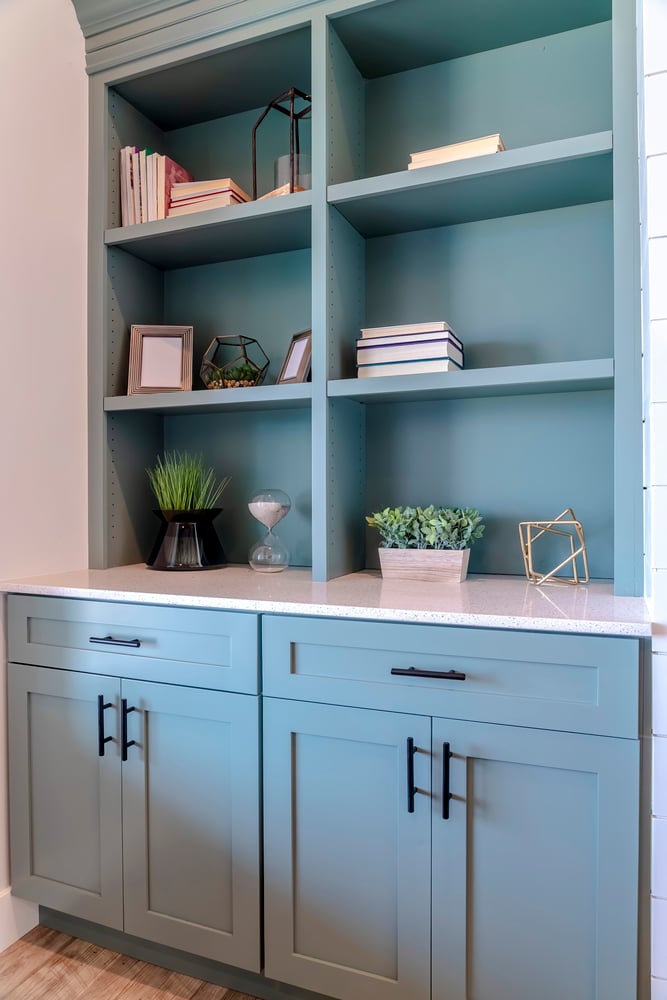
Plants showed up in places you wouldn’t expect. Large planters, sometimes slightly out of place, but they added something softer to all the hard surfaces.
People used those spots without really thinking about it. A quick break, a place to sit, a moment to pause before moving on again.
Skylights And Natural Light

Some malls had skylights that let in actual daylight, which changed the whole feel of the place.
The light shifted as the day went on, making the same space feel slightly different each time you passed through.
It stopped the mall from feeling completely closed off. There was still a sense of the outside, even if you were inside for hours.
Window Displays With Mannequins

Store windows were carefully set up, but not in a way that felt overly polished.
Mannequins stood in slightly stiff poses, showing off outfits that were clearly meant to catch attention.
You didn’t always go inside, but you noticed. It added to the constant visual movement of the mall.
Payphones Along The Walls
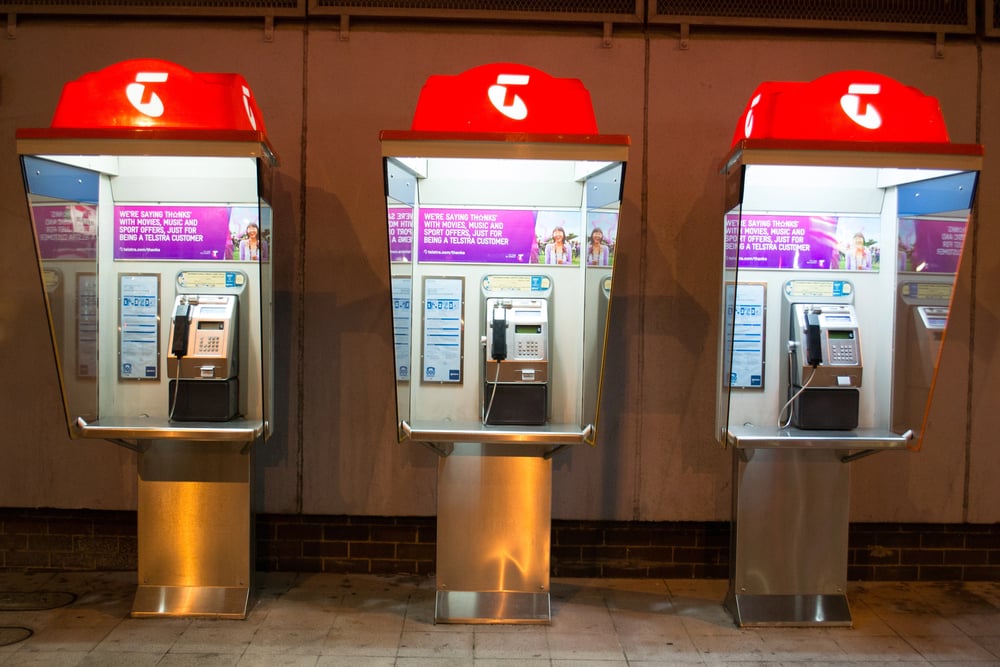
Payphones were just there, lined up along walls or tucked into corners. People used them without a second thought, even if it meant waiting a bit.
There was nothing fast about it. You made the call, said what you needed to say, and moved on.
Simple, but it worked.
Photo Booths
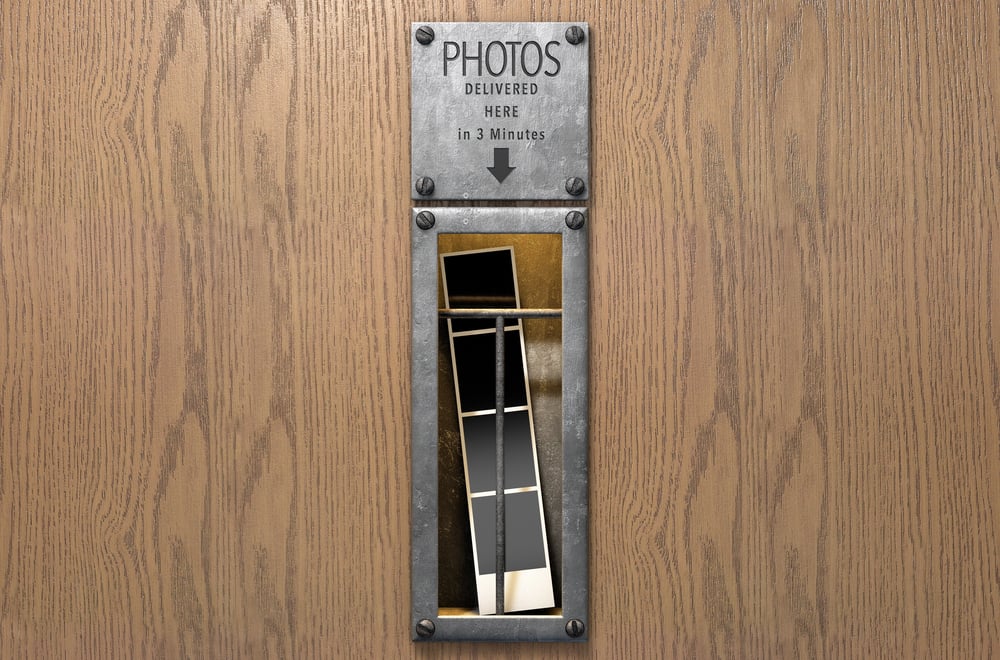
Photo booths were small, slightly cramped, and always a bit unpredictable.
You stepped in, pulled the curtain, and hoped for the best. The result wasn’t perfect, but that was part of it.
You got something physical out of the moment, something you could actually hold onto.
Benches Filled With Shoppers Taking A Break
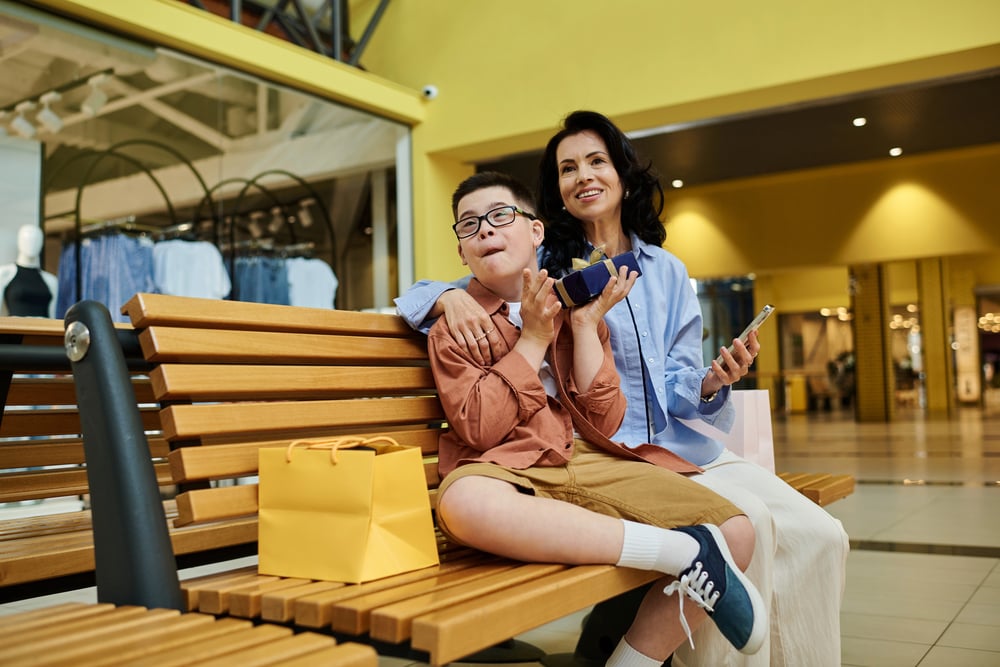
Folks filled those seats fast. Bags on the floor, they’d rest awhile – maybe between errands – or just hold space till a friend came back.
Things moved slower now. A pause took hold, where the mall once rushed forward.
After some time, people rose again, continuing on their way.
Why Those Spaces Still Stick
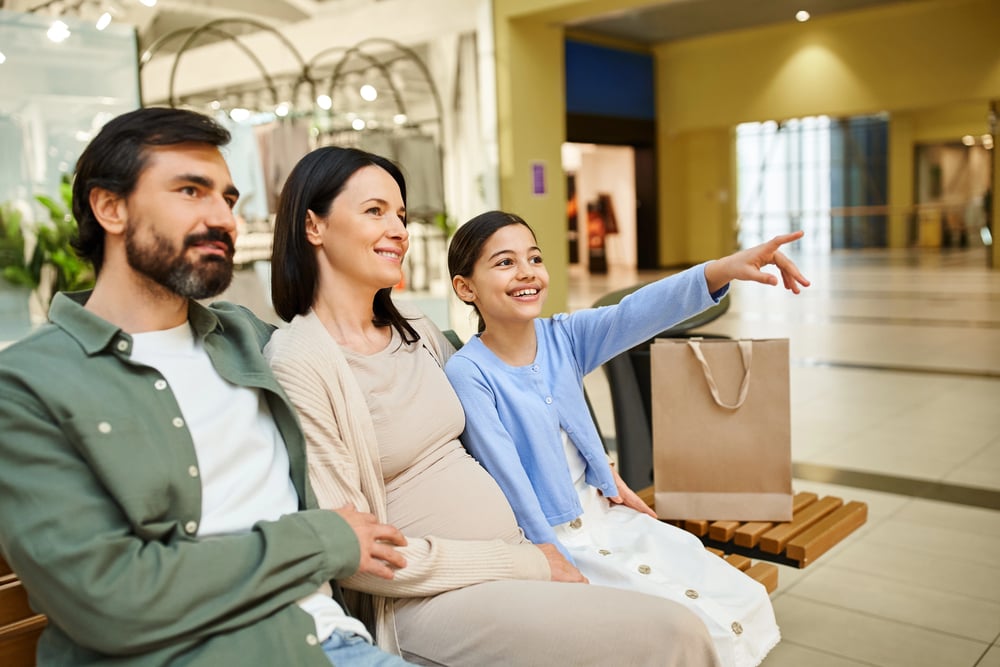
Imagine such a place. Not only useful, but alive, even in the details that no one noticed back then.
With the rise of buying things online, such a place is disappearing. Perhaps the malls are less crowded, but the curiosity is growing, and that’s even stronger now.
What is remembered is not the flawless, but the hum of voices, the haphazard kiosks, the glow of the lights – the rawness. This is a hint of changes that are not being loudly discussed, but are being felt.
More from Go2Tutors!

- The Romanov Crown Jewels and Their Tragic Fate
- 13 Historical Mysteries That Science Still Can’t Solve
- Famous Hoaxes That Fooled the World for Years
- 15 Child Stars with Tragic Adult Lives
- 16 Famous Jewelry Pieces in History
Like Go2Tutors’s content? Follow us on MSN.