The Most Extravagant Coronation Gifts Ever
When a monarch ascends the throne, the world watches.
Coronations aren’t just solemn ceremonies – they’re diplomatic showcases where nations, aristocrats, and wealthy individuals compete to present the most jaw-dropping gifts imaginable.
These aren’t your standard flower bouquets or commemorative plaques.
Throughout history, coronation gifts have ranged from diamond-encrusted weapons to luxury vehicles, each one a calculated gesture of respect, alliance, or sometimes barely concealed one-upmanship.
The tradition runs deeper than simple generosity.
Every extravagant present tells a story about power dynamics, international relations, and the giver’s own status.
Some gifts were meant to dazzle.
Others carried subtle political messages.
A few managed to do both at once.
Here’s a look at some of the most spectacular coronation gifts ever bestowed upon royalty.
A Diamond-Covered Sword Fit for an Emperor
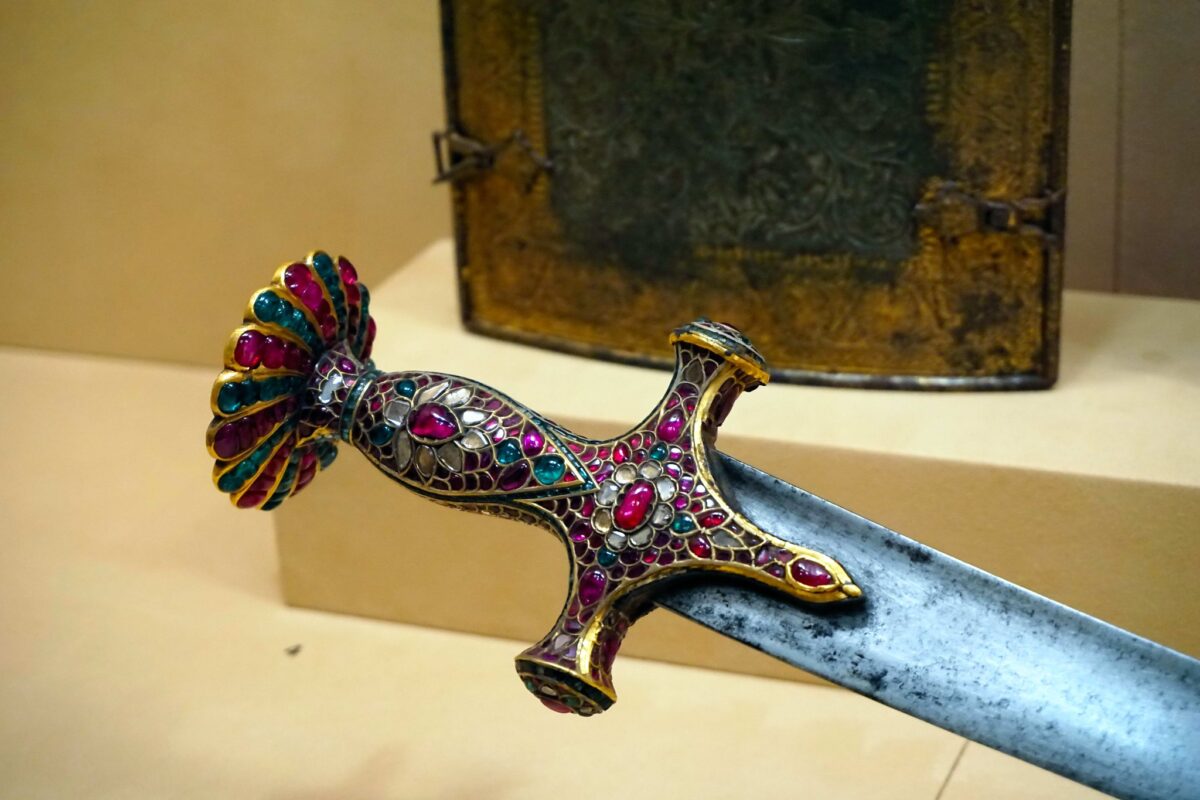
When King Edward VII finally had his coronation in 1902 after a last-minute postponement due to appendicitis, the Maharajah of Jaipur made sure his gift couldn’t be missed.
The sword and scabbard arrived studded with 719 diamonds weighing somewhere around 2,000 carats combined.
The stones varied in color from white to yellow, arranged in stylized lotus flower patterns that showcased both Indian craftsmanship and the Maharajah’s extraordinary wealth.
The steel blade bore an English inscription professing loyalty to the British King, but the real message was more nuanced.
This wasn’t just a gift – it was a statement.
The piece positioned the Maharajah as an equal rather than a subject, showcasing Jaipur as a center of gemstone trade and masterful enameling.
The sword was never meant to see battle.
It served as regalia, a glittering symbol of the complex relationship between the British Crown and Indian royalty during the colonial era.
The Pink Diamond That Became a Royal Favorite
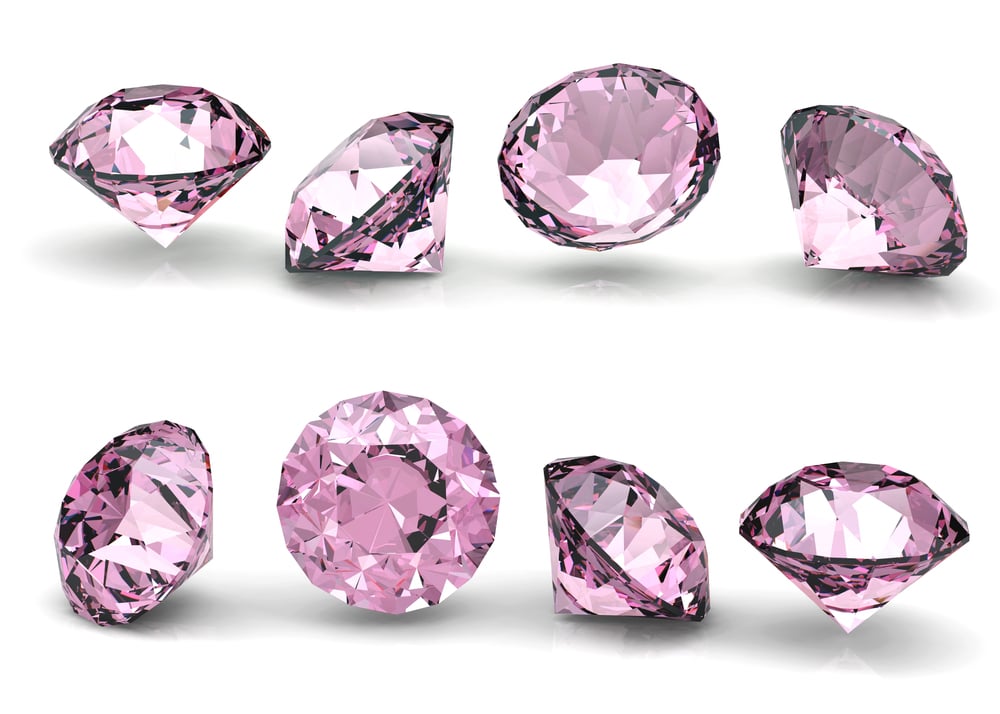
In 1947, Canadian geologist John Williamson presented Princess Elizabeth with an unusual wedding gift: a 54.5-carat rough pink diamond discovered at his mine in Tanzania.
Williamson, reportedly keen to avoid the grand social ceremony that would accompany a personal presentation, had it delivered by a representative instead.
The uncut stone gave the princess an opportunity to decide exactly how to use it.
With guidance from her grandmother Queen Mary, she had it cut by Briefel and Lemer into a 23.6-carat round.
The brooch setting wasn’t completed until 1953, the year of her coronation.
Cartier designed it as a platinum jonquil flower, using an additional 203 white diamonds provided by Williamson to create the petals and leaves.
The Williamson Pink Diamond Brooch became one of Elizabeth II’s most treasured pieces, estimated at around $34 million.
She wore it for major family portraits, state occasions, and even her children’s weddings.
The piece perfectly captured how a coronation gift could transcend its original purpose to become a personal favorite spanning decades.
When Luxury Meets Diplomacy on Four Wheels
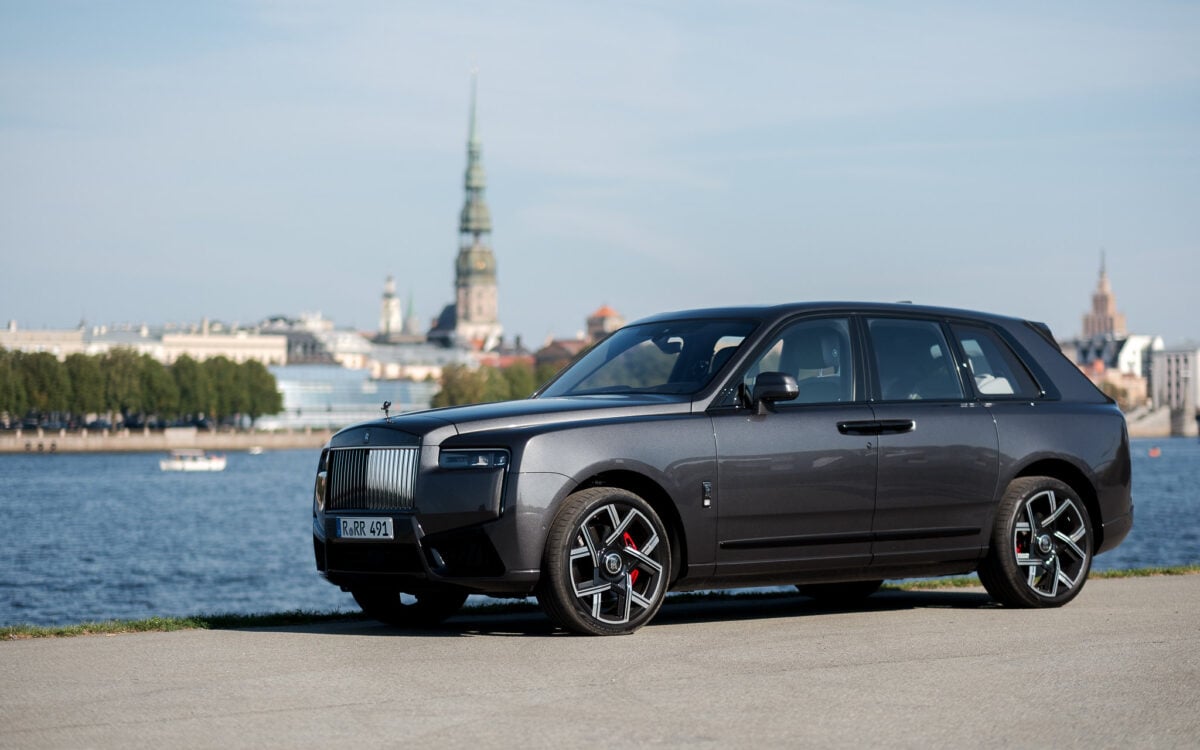
King Charles III received one of the most practical yet extravagant coronation gifts in 2023: a Rolls-Royce Cullinan Series II from the King of Bahrain, valued at approximately £355,000.
Palace sources confirmed the vehicle wasn’t designated for the King’s personal use but was instead added to the royal state fleet.
The gift reflected modern coronation diplomacy, where even presents worth hundreds of thousands maintain a careful balance between generosity and appropriateness.
The King of Bahrain also presented Charles with a decorative clock, showing that even the most expensive gifts are often accompanied by more traditional ceremonial items.
It’s the automotive equivalent of those diamond-studded swords from centuries past – impressive, symbolic, and destined for official occasions rather than everyday use.
A Rare Work of Japanese Art
Queen Elizabeth II’s 1953 coronation came just one year after Japanese-British relations were normalized following World War II.
The gift from Emperor Shōwa carried enormous significance as the first post-war diplomatic exchange between the two nations.
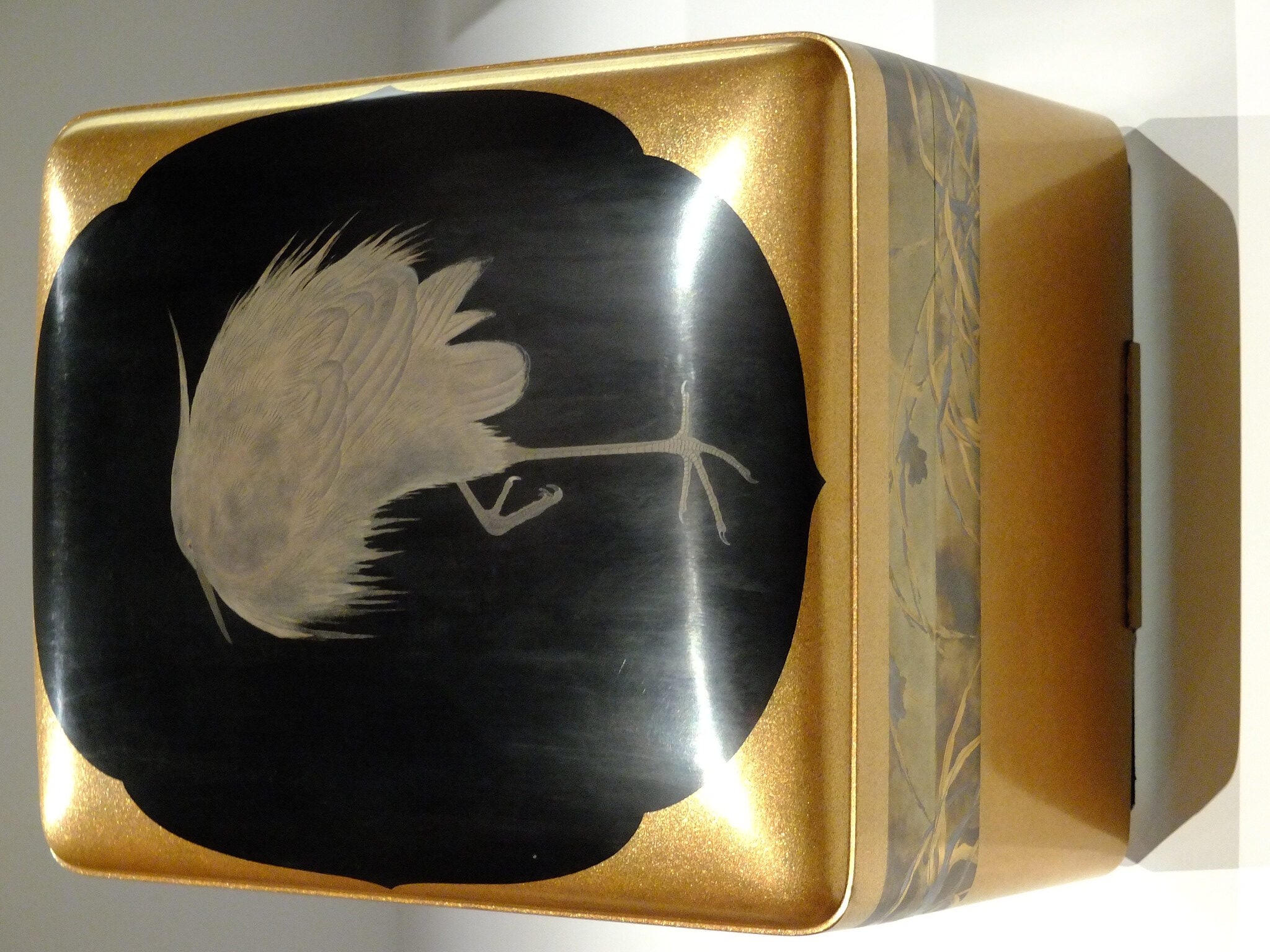
The Imperial Household selected an exceptional cosmetic box created by Shirayama Shōsai, one of the most prestigious lacquerers of the early 20th century and an Imperial Household Artist.
Fewer than 70 examples of his work are known to exist worldwide.
The box features a heron rendered in silver lacquer with minuscule gold accents against Shōsai’s signature lustrous black finish, polished to achieve a mirror-like depth.
Crown Prince Akihito, who would later become emperor himself, presented the gift on his father’s behalf during his first overseas visit.
The piece represented far more than artistic achievement – it symbolized reconciliation between two nations and the careful diplomacy required after years of conflict.
Medieval Power Plays Through Gift-Giving
Centuries before modern monarchs exchanged luxury cars, coronation gifts served as barely veiled displays of superiority.
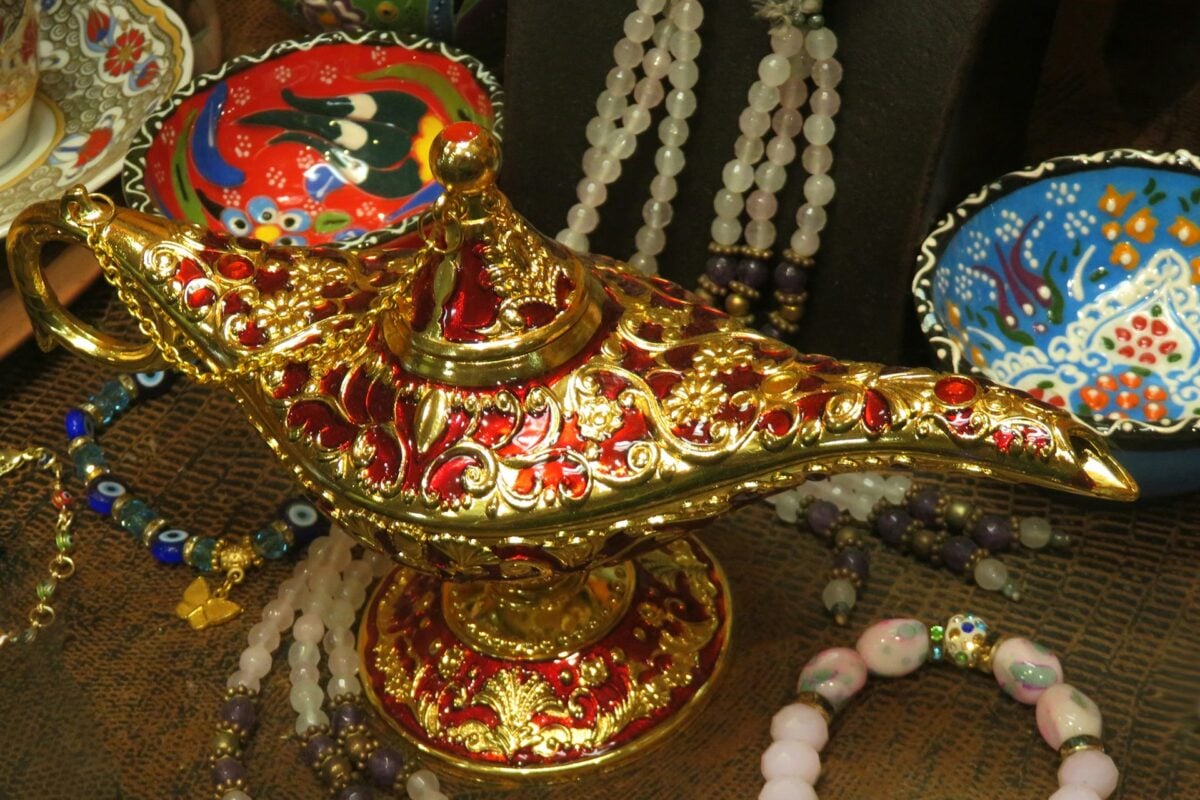
At the coronation banquet of Louis XI in Rheims, Philip the Good, Duke of Burgundy, presented the king with a spectacular collection: two large table centerpieces rendered in pure gold and decorated with precious stones, two sweetmeat dishes (one of pure gold with a golden statue representing Love), plus an array of jugs, cups, flagons, and bowls crafted from precious metals.
Observers immediately understood the Duke’s intent – his magnificence clearly outshone that of the king of France himself.
The point was driven home at a subsequent banquet where all the gold dishes bore the arms of Burgundy, the very vessels Philip had gifted at the coronation.
In an era when gift-giving was both economic redistribution and political maneuvering, Philip the Good used his coronation present to assert his position as a rival rather than a subordinate.
The Cullinan Diamond’s Journey to the Crown
The Cullinan diamond represents one of the most significant gifts in British royal history.
The 3,106-carat behemoth was presented as a birthday gift to King Edward VII in 1907 by the British colonial government of South Africa.
Amsterdam’s Royal Asscher jewelers sliced it into nine massive stones and nearly 100 smaller ones, with Cullinan I – the largest at 530.2 carats – being set in the royal scepter in 1910.
The diamonds cut from this stone have been hotly contested over the years, with many South Africans claiming they remain part of an illegitimate gift bestowed by a brutal colonial power.
The controversy illustrates how even the most dazzling coronation gifts can carry complicated legacies, their beauty inseparable from the historical circumstances of their acquisition.
Why These Gifts Still Matter
Coronation gifts have always walked a fine line between genuine tribute and calculated display.
The most extravagant ones succeed on multiple levels – they honor the new monarch, showcase the giver’s resources and taste, and create lasting symbols of diplomatic relationships.
Whether it’s a diamond-covered sword from an Indian maharajah or a rare Japanese lacquer box presented after wartime reconciliation, each gift captures a specific moment in history.
Modern coronation gifts continue this tradition.
When King Charles III was crowned in 2023, he received diverse offerings from around the world: an Irish oak tree from Ireland’s president, a feather crown and ceremonial items from Indigenous Amazon leaders, and a contribution toward conserving the endangered Western Ground Parrot from Australia.
The scale might vary, but the intent remains unchanged – to mark a historic transition with something memorable.
These extraordinary presents remind us that coronations aren’t just about crowns and ceremonies.
They’re about the delicate dance of international relations, the weight of history, and the enduring human impulse to mark significant moments with gifts that take your breath away.
More from Go2Tutors!

- The Romanov Crown Jewels and Their Tragic Fate
- 13 Historical Mysteries That Science Still Can’t Solve
- Famous Hoaxes That Fooled the World for Years
- 15 Child Stars with Tragic Adult Lives
- 16 Famous Jewelry Pieces in History
Like Go2Tutors’s content? Follow us on MSN.