15 Surprising Ways the World Would Look if Dinosaurs Never Went Extinct
Picture a world where that asteroid missed Earth 66 million years ago, where the great dying never happened, where evolution took a completely different turn. It’s one of those questions that feels almost too big to wrap your head around — like trying to imagine what color sounds like or what existed before the universe began.
But the more you dig into it, the more fascinating it becomes. The ripple effects would have been staggering.
Not just the obvious stuff like giant lizards roaming around modern cities, but changes so fundamental that the entire fabric of life on Earth would be unrecognizable. From the air you breathe to the way your brain works, nothing would have escaped the butterfly effect of 66 million additional years of dinosaur evolution.
Mammals would still be tiny scavengers
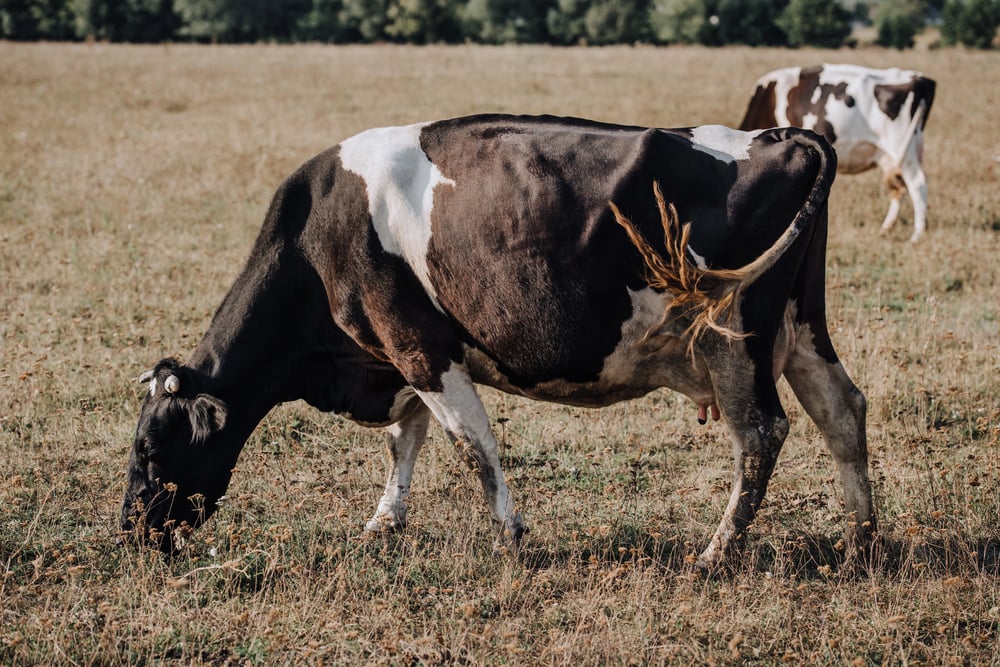
Mammals stayed small for good reason. Dinosaurs owned the planet.
During the Mesozoic, mammals were basically the size of shrews and rats. Without the mass extinction event, they’d probably still be cowering in burrows and tree hollows today.
No room for anything bigger when 30-foot predators are calling the shots.
Birds would be unimaginably diverse

The relationship between dinosaurs and their environment would have continued evolving for another 66 million years, and when you consider that birds are literally dinosaurs (the feathered ones that survived), the diversity would have exploded in directions that seem almost impossible to imagine. And yet, the fossil record gives us hints: some dinosaurs had already developed wing structures, others had sophisticated social behaviors that rival modern primates, and still others showed evidence of complex problem-solving abilities that suggest intelligence was already emerging in multiple lineages.
So picture this: flying dinosaurs the size of small aircraft, others that developed echolocation like bats, perhaps some that learned to dive to crushing ocean depths or others that developed the kind of tool use that would make crows look like amateurs. The evolutionary pressure would have been relentless, pushing these creatures into every conceivable ecological niche and probably several that don’t exist today.
But evolution never stops being creative. It finds ways.
Ocean ecosystems would be dominated by marine reptiles
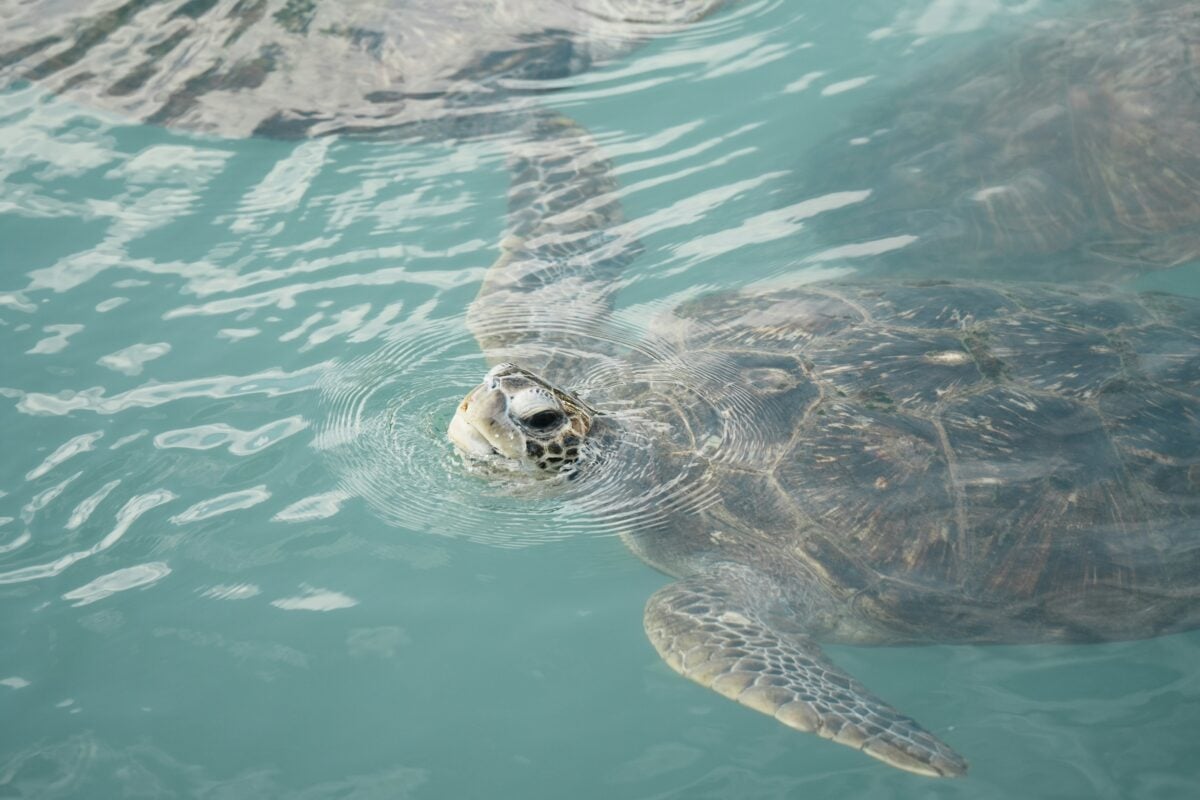
Marine reptiles were already impressive during the dinosaur era. Mosasaurs, plesiosaurs, and ichthyosaurs ruled the seas with an efficiency that would make modern sharks nervous.
Without the extinction event, these creatures would have had 66 million more years to perfect their designs. Whales might never have evolved at all — or if they did, they’d be competing with reptilian sea monsters that had a massive head start.
The ocean food chain would look completely alien to modern eyes.
Flowering plants might never have diversified

There’s something almost musical about the way ecosystems develop — not the harmonious kind of music, but the chaotic, improvised jazz where every instrument is trying to outplay the others and somehow it works until suddenly it doesn’t. Dinosaurs and plants had been locked in this evolutionary dance for over 160 million years by the time the asteroid hit, and the relationship was just getting interesting.
Many of the flowering plants that exploded in diversity after the extinction were small, fast-growing species that could colonize disturbed ground quickly (which there were plenty of after the impact). Without that disruption, the slower-growing but more established plant communities might have maintained their dominance.
Forests could still be dominated by conifers and ferns, with flowers being more of a rare novelty than the foundation of modern terrestrial ecosystems. The ripple effects would be staggering.
No diverse flowering plants means fewer insects, different soil chemistry, altered weather patterns.
Intelligence might have evolved in reptiles instead of mammals
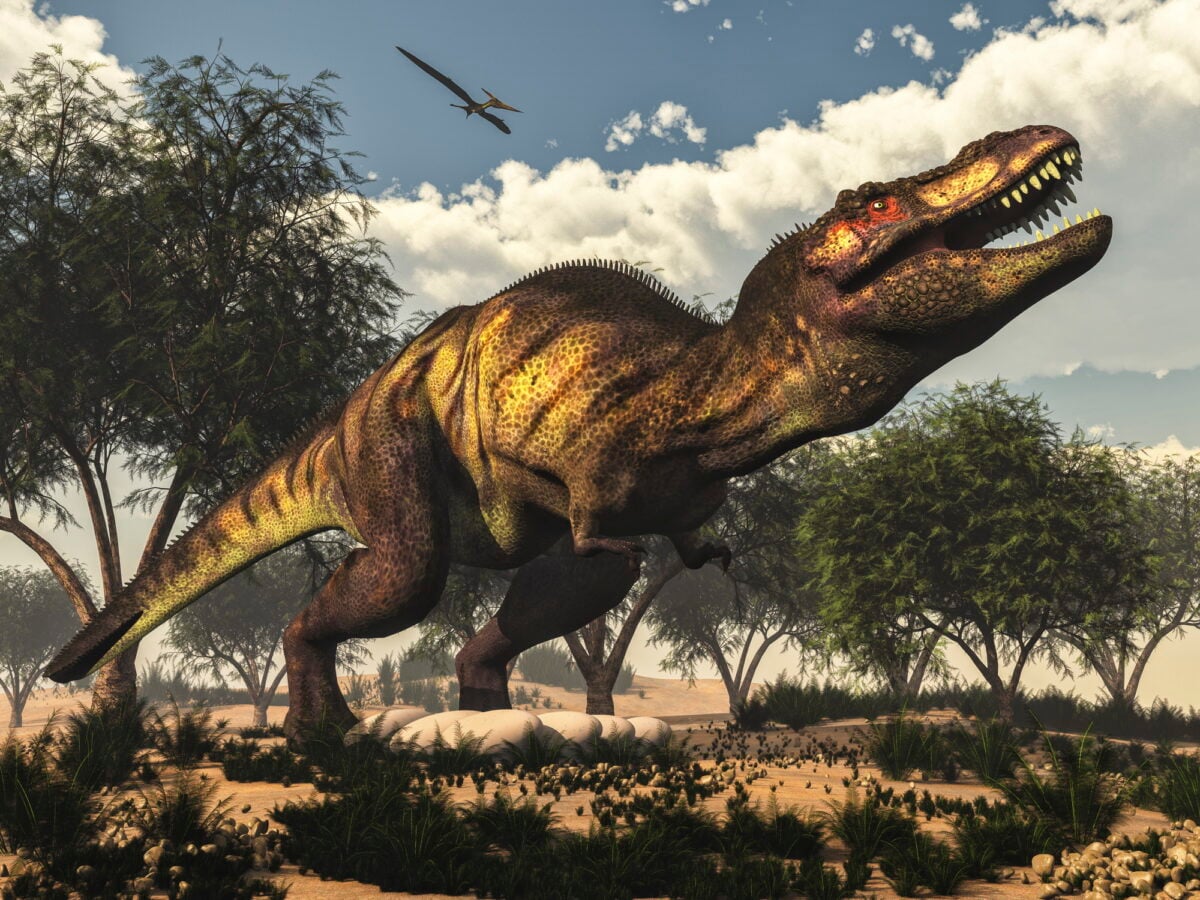
The smartest dinosaurs were getting surprisingly clever. Some species showed evidence of complex social structures and problem-solving abilities.
Given 66 million more years, there’s no reason to think dinosaur intelligence couldn’t have matched or exceeded what mammals eventually achieved. Tool use, language, even technology — all of it was theoretically possible.
The dominant intelligent species on Earth might have been cold-blooded rather than warm-blooded.
Atmospheric composition would be dramatically different

Plants and animals shape the atmosphere as much as the atmosphere shapes them, and when you’re talking about completely different dominant species for an additional 66 million years, the air itself becomes foreign. Dinosaurs had different metabolic rates than mammals, different breathing patterns, different waste products — and they would have been sharing the planet with plant communities that had evolved along entirely different trajectories.
The oxygen levels might be higher or lower (probably higher, given that many dinosaurs evolved in high-oxygen environments), carbon dioxide concentrations would follow completely different cycles, and trace gases that barely register today might be major atmospheric components. Even the way weather systems form and move might be altered by different surface vegetation and different animal behaviors.
So you might not even be able to breathe the air in this alternate Earth. Evolution might have produced an atmosphere that would be toxic to modern mammals.
Climate patterns would follow different cycles

Weather doesn’t just happen. It gets shaped by what lives on the surface.
Different plant communities mean different water absorption, different soil types, different seasonal patterns. Large dinosaur herds migrating across continents would have created entirely different erosion patterns and nutrient distributions.
The climate itself would have evolved along a completely separate pathway.
Mountain ranges and geological features might look completely different
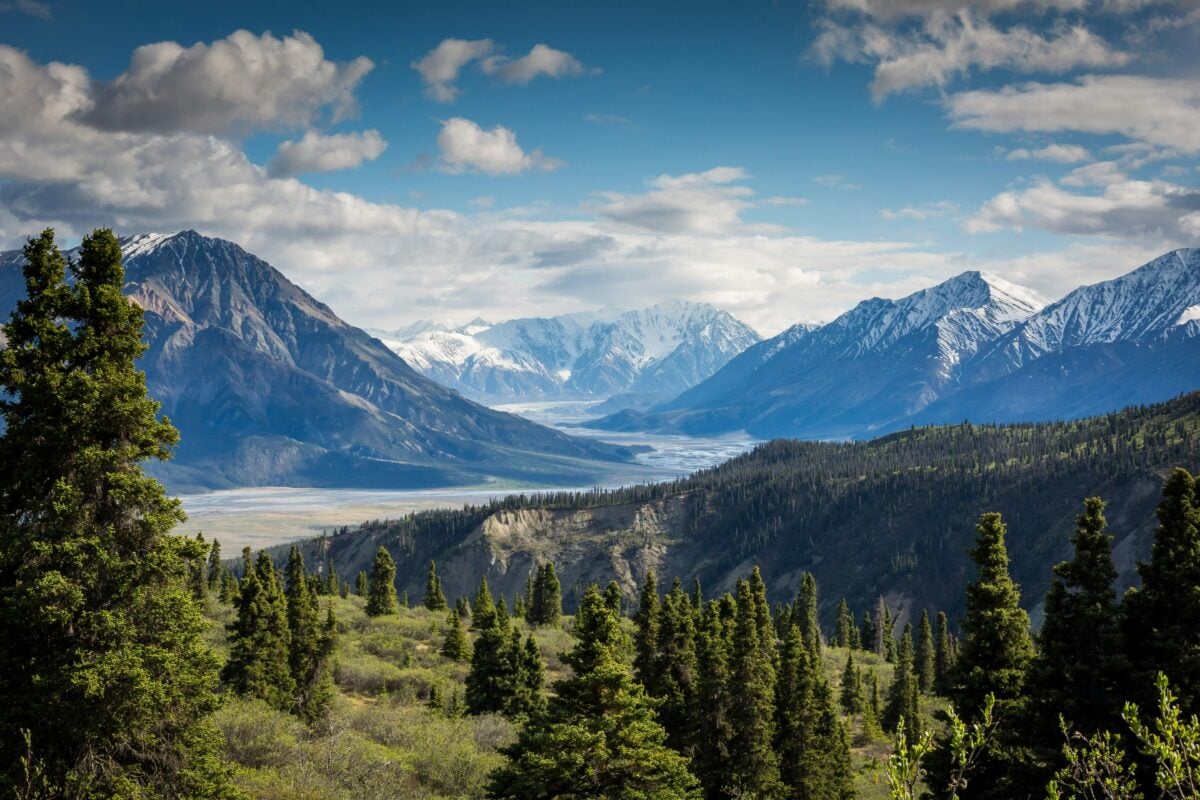
The weight of sustained dinosaur populations — many of them truly massive — would have created different erosion patterns over geological time. Their migration routes would have carved different pathways through landscapes, their feeding behaviors would have shaped different soil compositions, and their simple presence would have influenced how rivers formed and changed course over millions of years.
And then there’s the indirect effects: different plant communities create different root systems, which affect how mountains erode and how sediments get deposited. Even the shape of continents might be subtly altered by 66 million years of completely different surface activity.
But geology moves slowly. The changes would be real but subtle — valleys carved in slightly different places, coastlines shaped by different sedimentation patterns.
Insect diversity would be radically altered

Insects and flowering plants co-evolved together. Without the explosion of flowering plants after the dinosaur extinction, the insect world would look completely alien.
Many of the insect species that exist today evolved specifically to pollinate flowers or eat flowering plants. In a world still dominated by conifers and ferns, insects would have specialized along entirely different evolutionary paths.
The entire base of the terrestrial food web would be unrecognizable.
Arctic and Antarctic regions might still be warm

Dinosaurs thrived in much warmer global temperatures than we see today, and there’s good reason to think their continued dominance might have maintained those conditions. The massive herds of large herbivores would have processed plant matter differently than modern mammals, potentially keeping more carbon in biological circulation rather than allowing it to get sequestered in soils and sediments.
Plus, different plant communities under different atmospheric conditions might have created feedback loops that maintained higher global temperatures. The polar ice caps might never have formed at all, leaving the Arctic and Antarctic as temperate or even tropical regions.
So much for polar bears and penguins. Though to be fair, they never would have evolved in the first place.
Human ancestors would never have left the trees
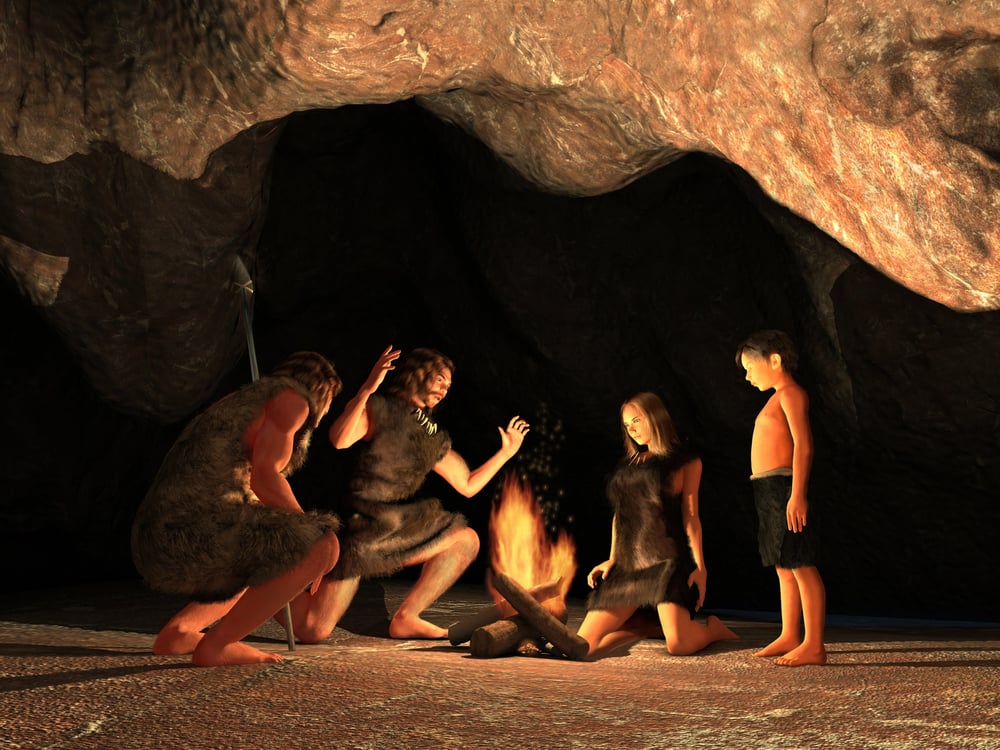
Without the mass extinction that cleared ecological niches for mammals to expand into, primates would never have had the opportunity to develop into larger, ground-dwelling species. The evolutionary pressure that eventually led to early hominids leaving forest environments and developing larger brains simply wouldn’t have existed.
Early mammalian ancestors would still be small, tree-dwelling creatures focused on avoiding predators rather than developing complex tools and social structures. The entire human lineage would have been cut off before it began, leaving intelligence to develop in completely different species through completely different pathways.
Technology would be based on biological principles rather than metal and electricity

Intelligent dinosaurs would have developed technology, but it would look nothing like what humans created. Without the fine motor control that comes from primate hands, and with different sensory capabilities and environmental pressures, their tools and machines would likely be based more on biological manipulation than mechanical engineering.
Think breeding programs that create living tools, symbiotic relationships with other species that serve technological functions, or biochemical processes that achieve what humans accomplish with electronics. Their cities might be grown rather than built, their transportation might be domesticated rather than manufactured.
Space exploration might never have happened
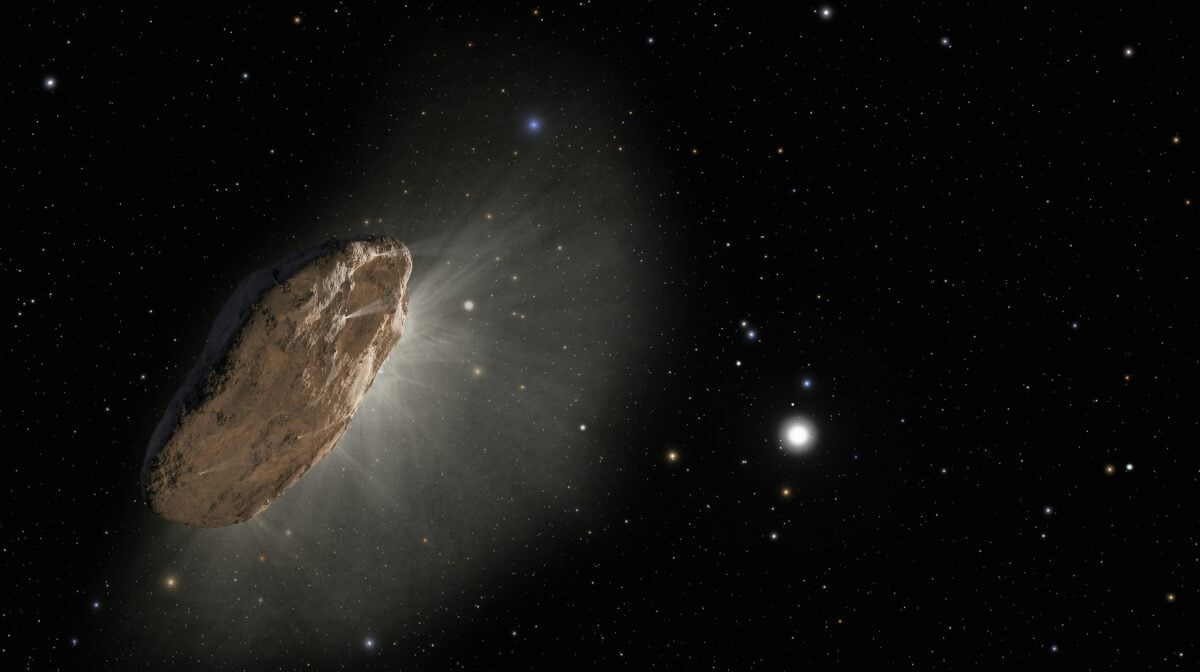
Human space exploration emerged from a specific combination of curiosity, resources, and technological capability that developed through our particular evolutionary pathway. Intelligent dinosaurs might have been more focused on biological manipulation and terrestrial expansion rather than mechanical engineering and space travel.
Their sensory systems, physical capabilities, and environmental relationships would have created different priorities and different approaches to understanding the universe. They might have developed incredible biological technologies while never feeling the need to leave their planet at all.
Global ecosystems would still be connected in ways we can’t imagine

Before the mass extinction, ecosystems were more stable and interconnected than they’ve been since. Species had evolved together for hundreds of millions of years, creating relationships and dependencies that were incredibly complex and resilient.
In a world where that stability continued for another 66 million years, the interconnectedness would be almost impossible for modern minds to comprehend. Every species would be linked to every other through chains of relationships that had been refined and perfected over geological timescales.
Disrupting any part of the system would be nearly impossible — and potentially catastrophic.
Evolution would still be writing different rules
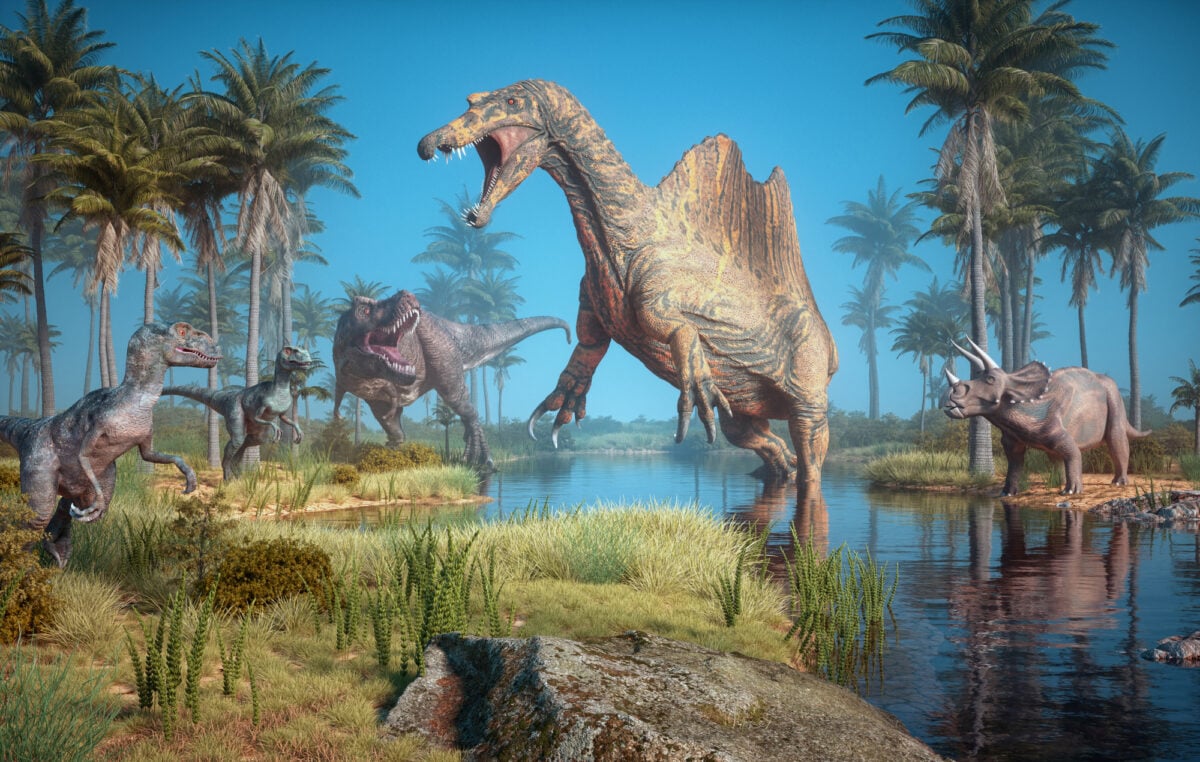
Perhaps the most striking thing about imagining this alternate Earth is recognizing how much of what we consider “normal” about life is actually the result of one cosmic accident. The rules of evolution didn’t change when the asteroid hit, but the game board got completely reset, and the pieces that survived got to play by different strategies.
In a world where dinosaurs never went extinct, evolution would have continued writing its story with completely different characters, in a completely different environment, following plot threads that we can barely imagine. The creativity of natural selection, given 66 million additional years to work with successful designs rather than starting over with the survivors, might have produced wonders that make our current biosphere look like a rough first draft.
And somewhere in that alternate timeline, maybe intelligent dinosaurs are wondering what would have happened if a giant asteroid had hit their planet 66 million years ago.
More from Go2Tutors!

- The Romanov Crown Jewels and Their Tragic Fate
- 13 Historical Mysteries That Science Still Can’t Solve
- Famous Hoaxes That Fooled the World for Years
- 15 Child Stars with Tragic Adult Lives
- 16 Famous Jewelry Pieces in History
Like Go2Tutors’s content? Follow us on MSN.