Top Young Leaders Named on 2025 Asia-Pacific U30
In the Asia-Pacific region, fresh ideas keep moving – now guided by younger minds.Each year brings another group of bold starters, visionaries, or problem-solvers stepping up, building fields that weren’t around ten years back.
The 2025 U30 list from this area honors those under thirty who aren’t chasing waves, rather creating their own.This year’s list features 143 standout youth from 21 countries, working in areas like green solutions, advanced science, medical breakthroughs, or artistic expression.
As a group, they show where momentum is headed – toward ventures that make money while making a difference.Take a peek at what shapes this crowd – while some key figures lead the shift.
A Platform for Vision and Progress

The Asia-Pacific U30 project started to spotlight skill in an area home to more than 50% of everyone on Earth, along with plenty of fresh breakthroughs.Although some see youth leader rankings as flashy news bites, this list goes further.
It shows individuals tackling big challenges – adjusting to climate shifts, fairer learning access, next-gen materials, or getting online – not always from privileged starts.This year’s award winners got spotlighted during the APEC events, showing how company ambitions sometimes line up with government aims.
These rising changemakers show that innovation paired with purpose works – when bold ideas get a real chance.
Simon Yeung and the Future of Sustainable Manufacturing

One standout is Simon Yeung from Biel Crystal.Because of his push for greener methods in production, people outside Hong Kong have started noticing.
The company makes high-precision glass parts for phones and watches, a leader worldwide.Still, it’s been seen more for factory power than environmental change.
Under Yeung’s lead, the firm moved closer to green energy use along with reusing materials, showing old-school makers can still adapt smartly.Getting named on the U30 list highlights how real change doesn’t always mean building from scratch – often, it means upgrading what’s already there.
Yeung’s work shows that green thinking isn’t just tagged on anymore by big players across Asia-Pacific – now, it shapes their future plans.Rather than a side note, caring for nature drives smart moves down the road.
Shaping Technology with a Human Focus

A few people on this year’s list stood out online, but not how you might think.Some want tech to seem friendlier, less robotic.
Across places like Singapore and Seoul, entrepreneurs built tools fixing daily hassles – like getting better healthcare info online, fighting false stories, or helping local shops expand through new apps.Young founders, like those shaping fintech in Australia or pushing AI forward in Japan, focus on fairness and reach rather than hype.
Rather than jumping on trendy apps, they tackle unseen tech backbones powering daily life.What they build suggests a shift across the region – tech leaning less on flashy interfaces, more on underlying structures that quietly drive change.
Even so, juggling big dreams with doing the right thing keeps coming up.Through the U30 picks, you can see Asia’s rising tech stars aren’t just focused on speed – they’re also asking who actually gains from their breakthroughs.
Health Innovation in the Spotlight

Health plus biotech still pull top talent across the area.This year saw young innovators from India, South Korea, or China gain notice for advances in custom treatments alongside medical testing.
A team built budget-friendly gene tests that spot inherited diseases sooner – helping areas where check-ups usually come after things get bad.Meanwhile, a different award winner made cheap health monitors meant for remote clinics, linking advanced science with real-world medicine.
These improvements aren’t unfolding alone.Alongside them, teamwork among colleges, private research spots, and state agencies in the area is picking up speed – driven by young researchers who don’t view country lines as roadblocks to healthier lives.
Social Impact Through Enterprise
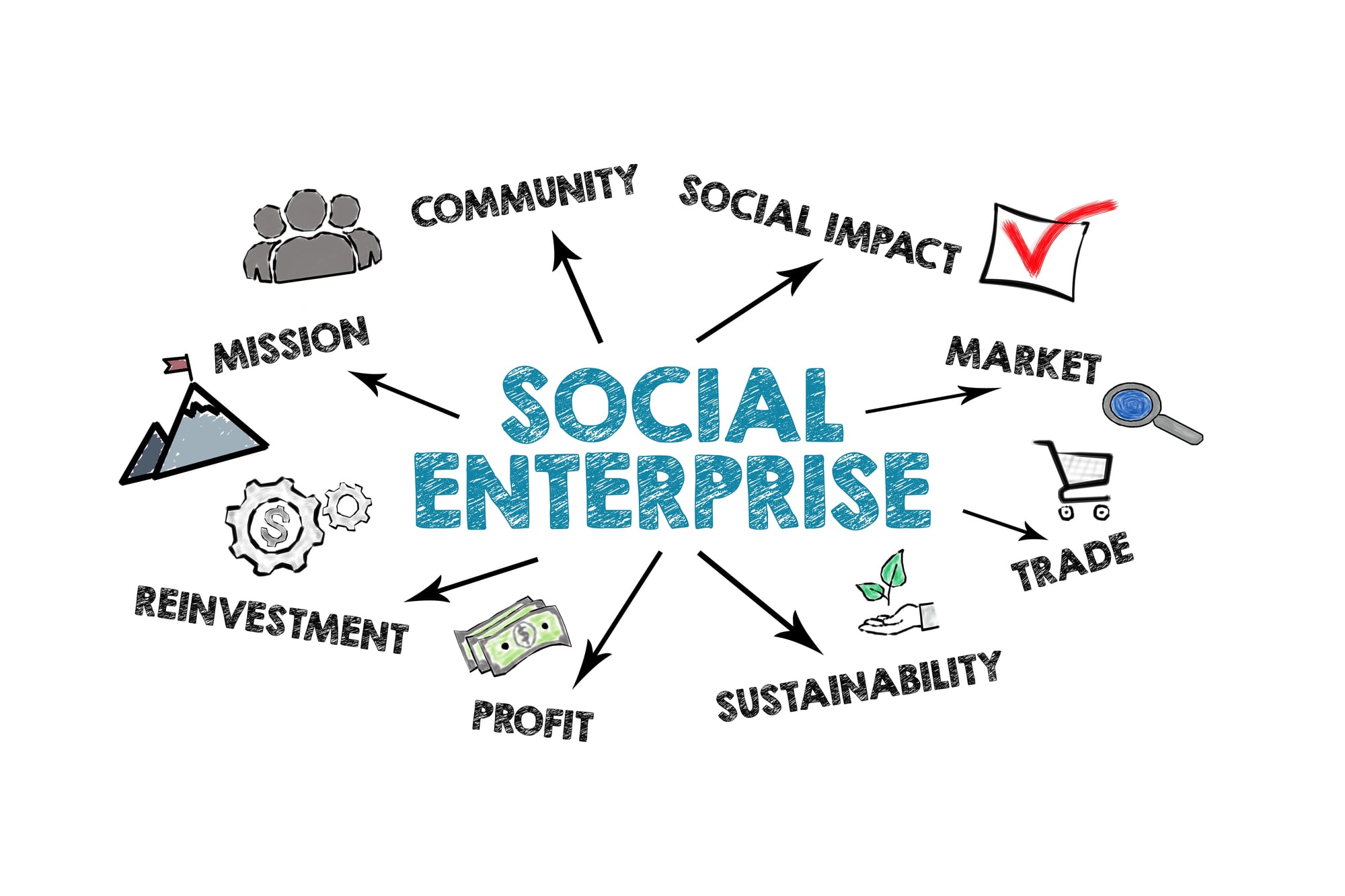
For plenty of young stars on this year’s under-30 lineup, winning means more than just cash or stock prices.Instead of chasing profits only, some are building ventures that tackle unfair systems – using startups like levers for real change.
In Indonesia or the Philippines, some young entrepreneurs tackle trash problems and reuse plastics using local group efforts.Over in Vietnam, a 27-year-old creator gave old-school handcrafts a fresh spin by connecting countryside makers straight to internet shoppers – keeping traditions alive along with decent wages.
At the same time, younger activists in Papua New Guinea build schooling projects run on small solar power units – that open access to lessons in remote areas beyond central electricity networks.The shared idea? A basic but strong thought: purpose alongside profit works – plus if that happens, each sticks around way longer.
A Cultural Shift in Leadership

The list isn’t just about startups or researchers.A bunch of this year’s picks work in creative fields – like directors, artists, game makers, and people shaping culture – who mix today’s ideas with long-standing traditions.
They show that fresh thinking pops up not only in labs and workplaces but also in performance spots, recording rooms, and places where stories take shape.Across Asia, creativity’s been growing fast – lately seen as a top export strength.
The U30 initiative brings in creators and digital minds, showing how influence through culture can shift worldwide views.In an era where online boundaries shift at lightning speed, storytellers hold weight equal to engineers or creators.
Yet they express what it’s like coming of age in places where customs clash with constant transformation.
The Role of Regional Collaboration

The 2025 lineup shows how countries that used to battle it out are starting to move together toward common goals.Instead of going solo, plenty of ventures kick off already spanning borders – like fintech groups mixing know-how from Thailand with talent in Malaysia, farm tech newbies pairing Japan’s sharp techniques with hands-on experience from the Philippines, or community-focused outfits connecting young people across Pacific islands with advisors from New Zealand.
This shared mindset shows a region growing up – where thriving comes not from going solo, but leaning on each other.At the same time, it reflects what APEC aims for down the road: progress built on teamwork that sees varied cultures as a strength, rather than a hurdle.
Maybe that change in thinking’s the softest point on the list – yet it hits hardest.Young leaders across Asia-Pacific aren’t viewing borders as barriers to climb, instead they’re treating them like strands meant to tie together a tougher fabric.
Beyond the Spotlight

Getting on the U30 list is clearly a big deal – still, plenty see it more like a launchpad than an endpoint.A bunch have turned that spotlight into chances: pulling in backers, setting up guidance circles, or boosting community efforts.
But here’s what really catches attention – their habit of giving back.Former participants frequently come back as mentors, guiding fresh faces through common startup struggles.
This ongoing loop turns the ranking from a yearly splash into something that breathes and grows – an evolving circle where skills build on each other, thoughts blend across seasons.Even so, the real test sticks around – how to stay true without shrinking your goals.
When people notice you, eyes turn, yet that spotlight can weigh heavy.Still, anyone who keeps their aim clear usually ends up shifting entire fields well past age thirty.
Why It Still Matters

Listings appear, then fade away – yet the tales they carry stick around.This 2025 under-30 lineup from the Asia-Pacific region?
It’s about youth stepping up without asking if it’s okay.You’ll find them building gear, teaching online from far corners, restoring ocean life, or managing data centers – not because someone told them to, but ’cause fixing stuff feels right.
In an area constantly shifting, these youth keep things steady amid shifts.They show us leading doesn’t wait for long careers or big budgets – it kicks off when one person tackles what everyone else ignores.
When new creators step up, something becomes clear: tomorrow’s Asia-Pacific won’t come from offices only.Instead, it’s shaped in shared work spots, small-town labs, or late-night programming marathons spanning two dozen regions – driven by people below thirty, showing change can happen fast when meaning fuels action.
More from Go2Tutors!

- The Romanov Crown Jewels and Their Tragic Fate
- 13 Historical Mysteries That Science Still Can’t Solve
- Famous Hoaxes That Fooled the World for Years
- 15 Child Stars with Tragic Adult Lives
- 16 Famous Jewelry Pieces in History
Like Go2Tutors’s content? Follow us on MSN.