15 Cities Ranked Lowest for Livability
Some cities just work better than others. You know the feeling when everything clicks—decent healthcare, safe neighborhoods, schools that actually teach kids something useful. Then there are places where getting through a normal Tuesday feels like an uphill battle.
The folks at The Economist Intelligence Unit spend their time ranking 173 cities around the world, looking at stuff like crime rates, hospital quality, whether the roads have potholes, and if kids can get a decent education. Some cities nail it, others… Well, let's just say they're works in progress.
Here is a list of 15 cities that landed at the bottom of the pile.
Damascus

Syria's capital takes the top spot for all the wrong reasons. Years of war turned this ancient city into a shell of what it used to be. Basic services barely function, hospitals lack supplies, and getting around town means navigating destroyed streets. The city scored 30.7 out of 100, which tells you everything.
Tripoli
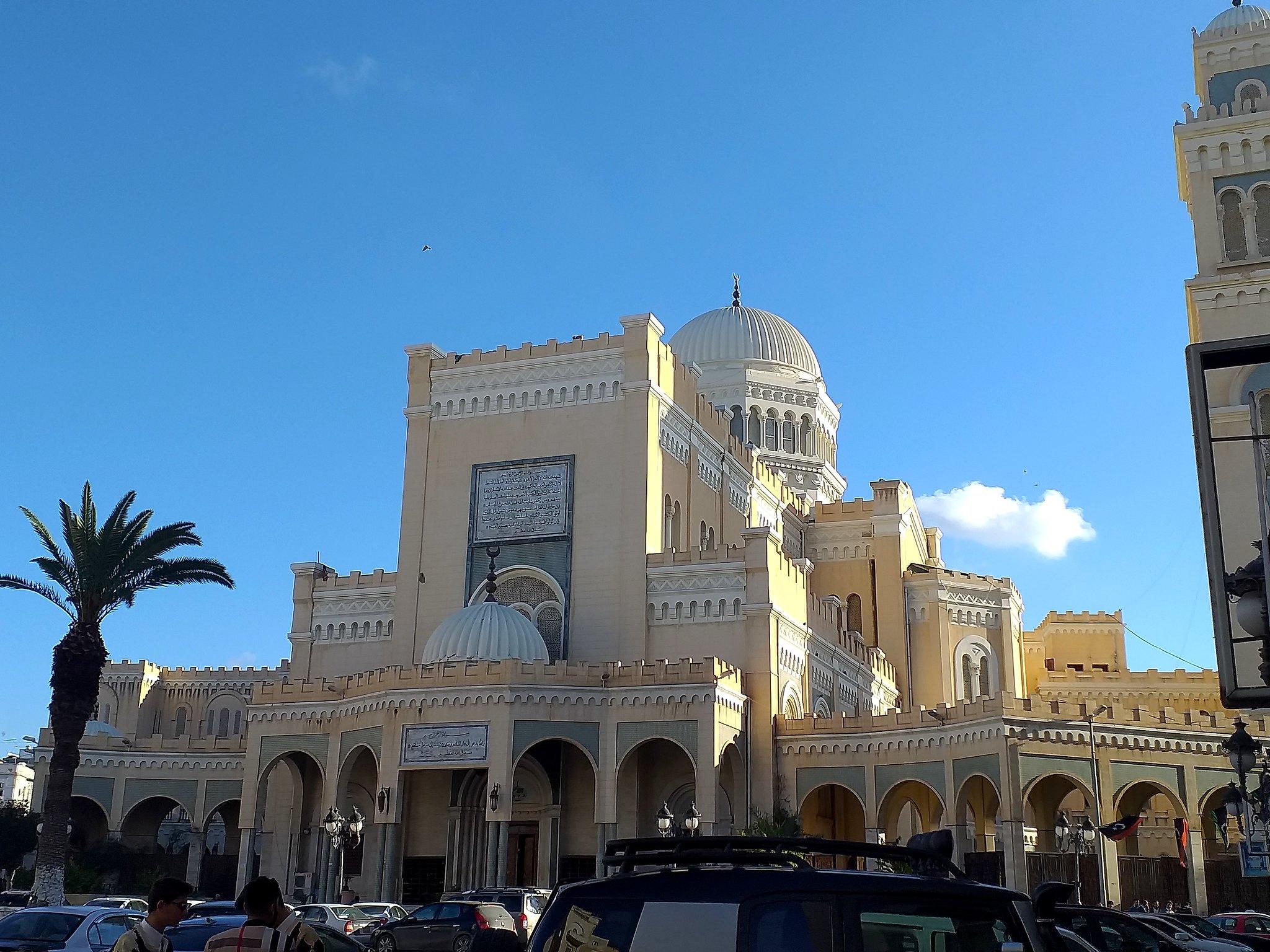
Libya's capital can't catch a break. Different groups keep fighting for control, which makes planning anything beyond lunch pretty tough. The power goes out constantly, water comes and goes, and nobody's really in charge long enough to fix things. It's been stuck in this mess for years now.
Kyiv

Ukraine's biggest city deals with the obvious problem of being in a war zone. Missile strikes knock out power grids and water systems regularly. People have gotten used to living with uncertainty, but that doesn't make it easier. The infrastructure keeps getting rebuilt and then damaged again.
Caracas

Venezuela's capital shows what happens when everything falls apart at once. Money became basically worthless, crime got out of hand, and the lights started going out more than they stayed on. Regular folks struggle to buy groceries or find medicine when they need it.
Port Moresby

Papua New Guinea's main city has crime rates that make residents think twice about going out after dark. The hospitals are understaffed, schools lack basic supplies, and the city grew too fast for anyone to keep up. What started as a small port town now holds hundreds of thousands of people without the infrastructure to support them.
Harare

Zimbabwe's capital rides an economic roller coaster that never seems to level out. Jobs disappeared, the currency collapsed multiple times, and young people started leaving for better opportunities elsewhere. The city that once worked pretty well now struggles with the basics.
Dhaka
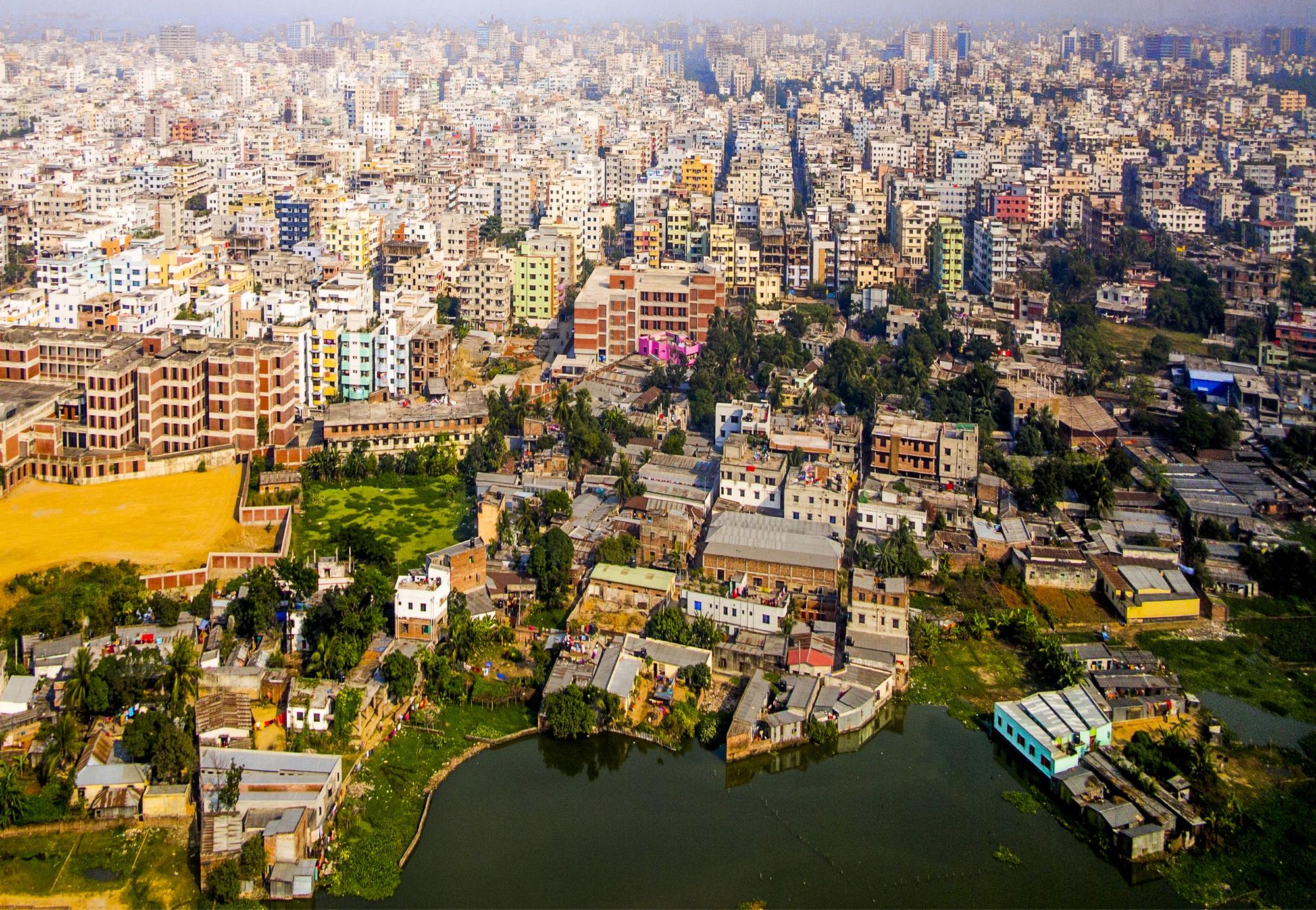
Bangladesh's massive capital crams way too many people into too little space. The air quality makes your eyes water, traffic jams can last for hours, and clean water isn't guaranteed. Growing from a mid-sized city to a megacity happened so fast that nobody had time to plan properly.
Karachi
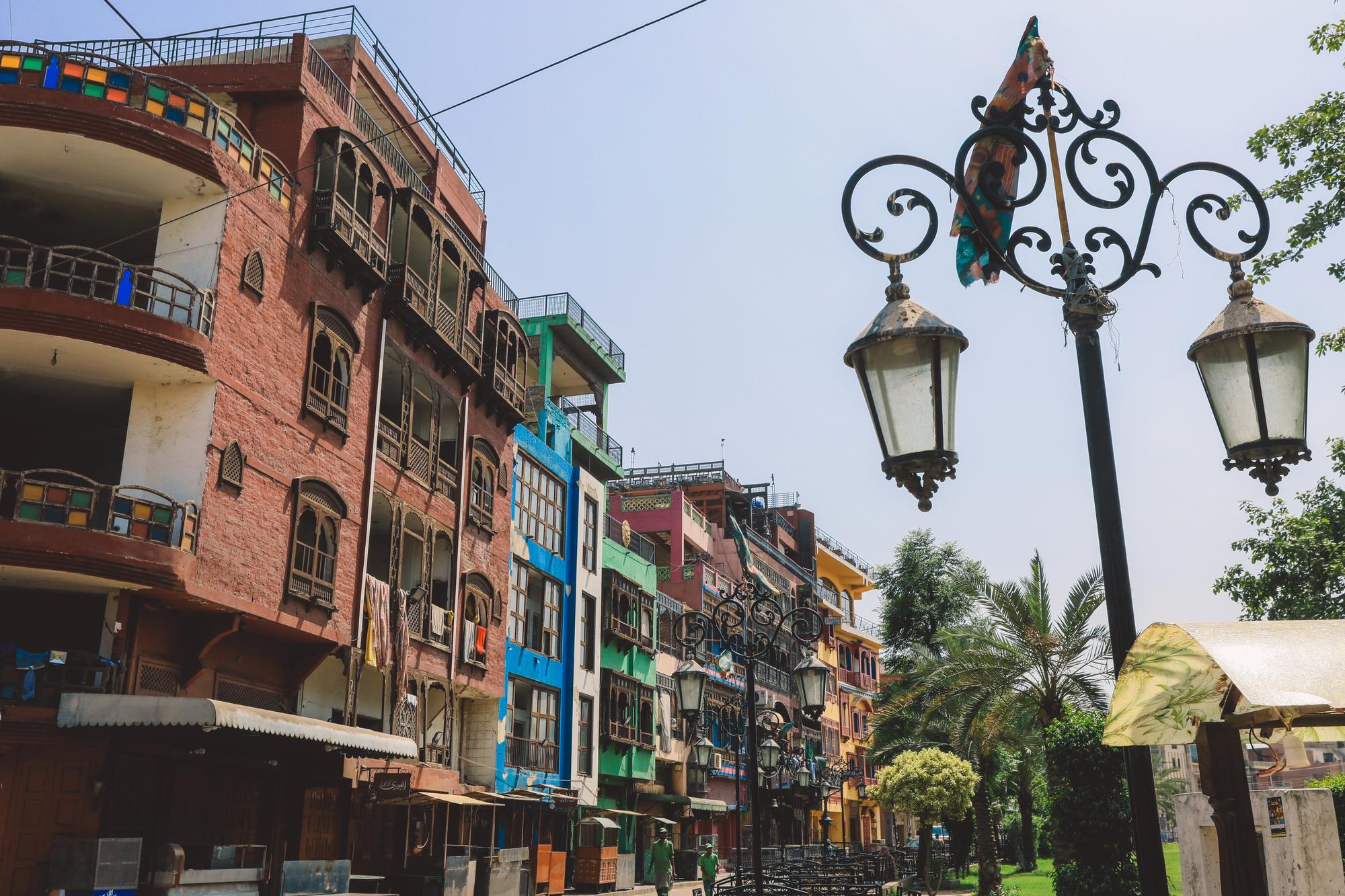
Pakistan's business hub can't shake its reputation for violence and chaos. Water shortages hit different neighborhoods randomly, the electricity grid barely holds together, and political tensions boil over regularly. With over 15 million people calling it home, every problem gets magnified.
Lagos

Nigeria's economic powerhouse proves that money doesn't solve everything. Traffic makes getting anywhere a day-long adventure, while pollution affects everyone from street vendors to office workers. The city generates wealth but struggles to turn that into better living conditions for most residents.
Algiers

Algeria's capital feels stuck in neutral. Young people can't find work, protests pop up regularly, and government promises don't translate into real improvements. The Mediterranean location looks great on postcards, but daily reality involves dealing with crumbling infrastructure and limited opportunities.
Douala
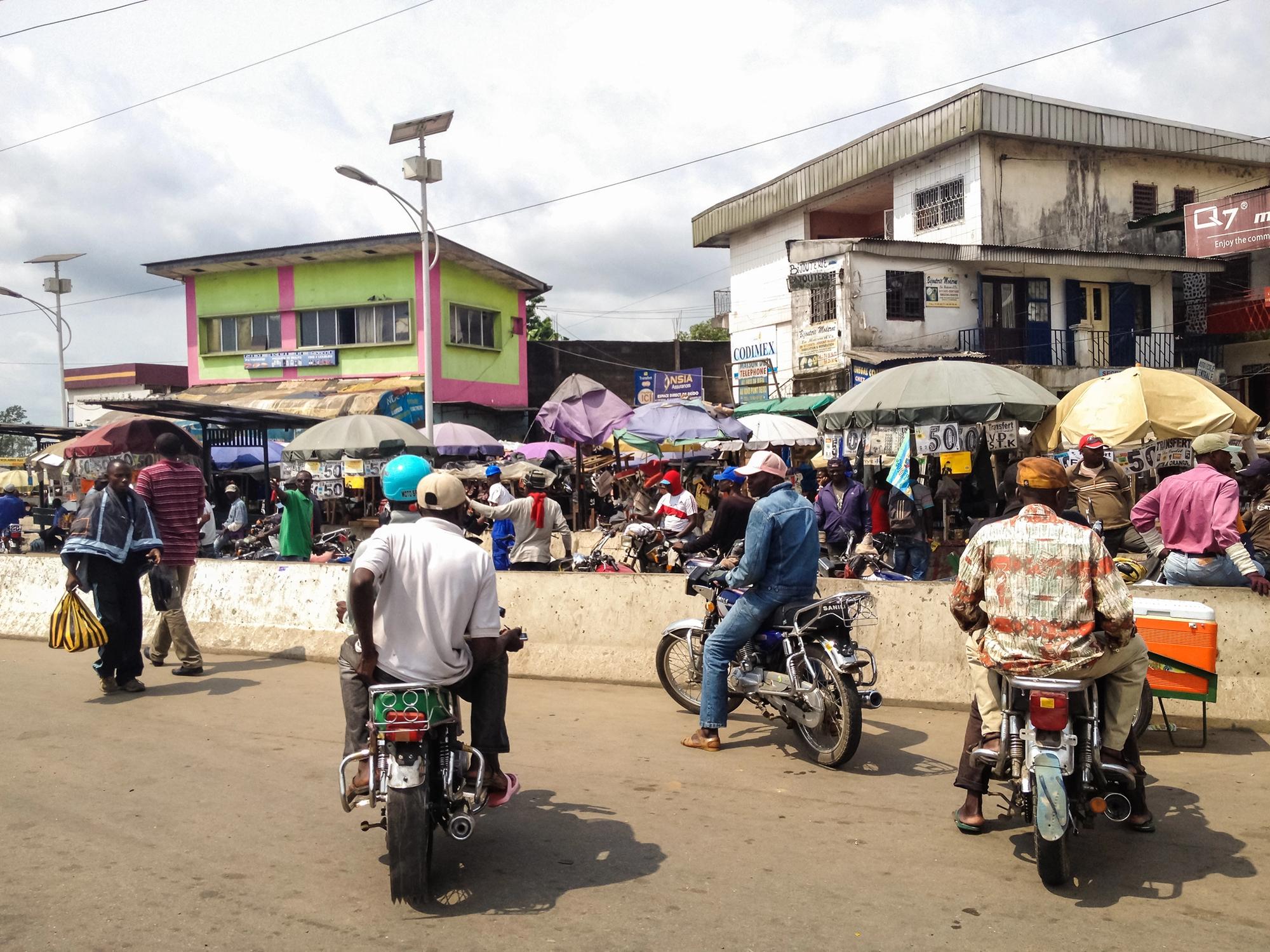
Cameroon's biggest port city keeps the lights on about half the time. Business deals get complicated when you can't count on electricity, while roads flood every rainy season. Being the country's economic center doesn't help much when basic services barely function.
Tehran
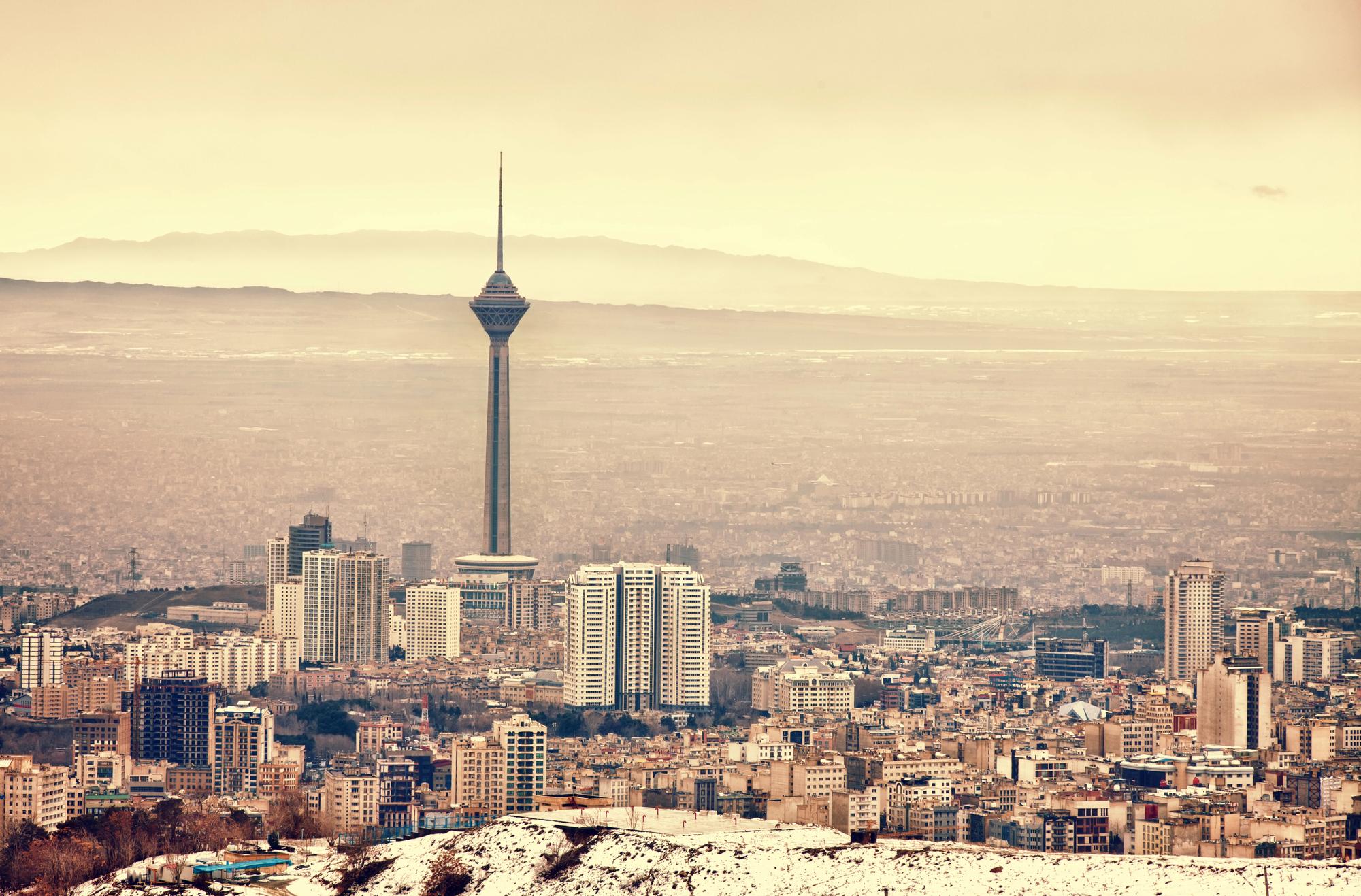
Iran's capital deals with smog so thick you can taste it and economic pressure that makes everything expensive. International sanctions limit access to modern equipment and technology. People adapt by finding creative solutions, but that doesn't change the underlying problems.
Dakar
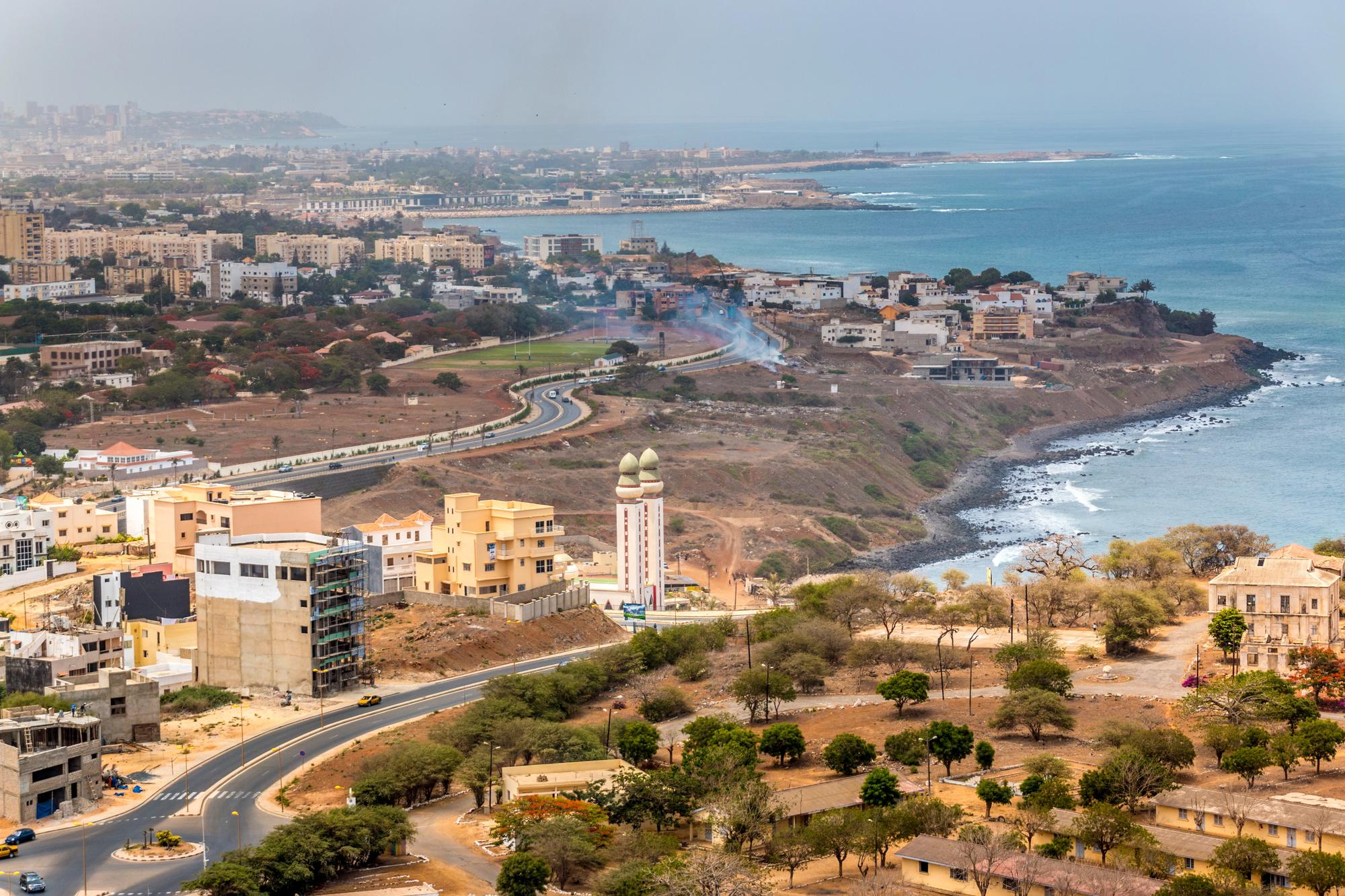
Senegal's coastal capital floods regularly and runs short on clean water just as often. Too many people moved there too quickly, overwhelming hospitals and schools that were already stretched thin. The government tries to keep up, but the challenges keep multiplying.
Colombo

Sri Lanka's main city recently watched its country's economy completely collapse. Fuel stations ran empty, medicine disappeared from pharmacies, and people waited in line for hours to buy basic groceries. Things started improving slowly, but recovery takes time.
Phnom Penh
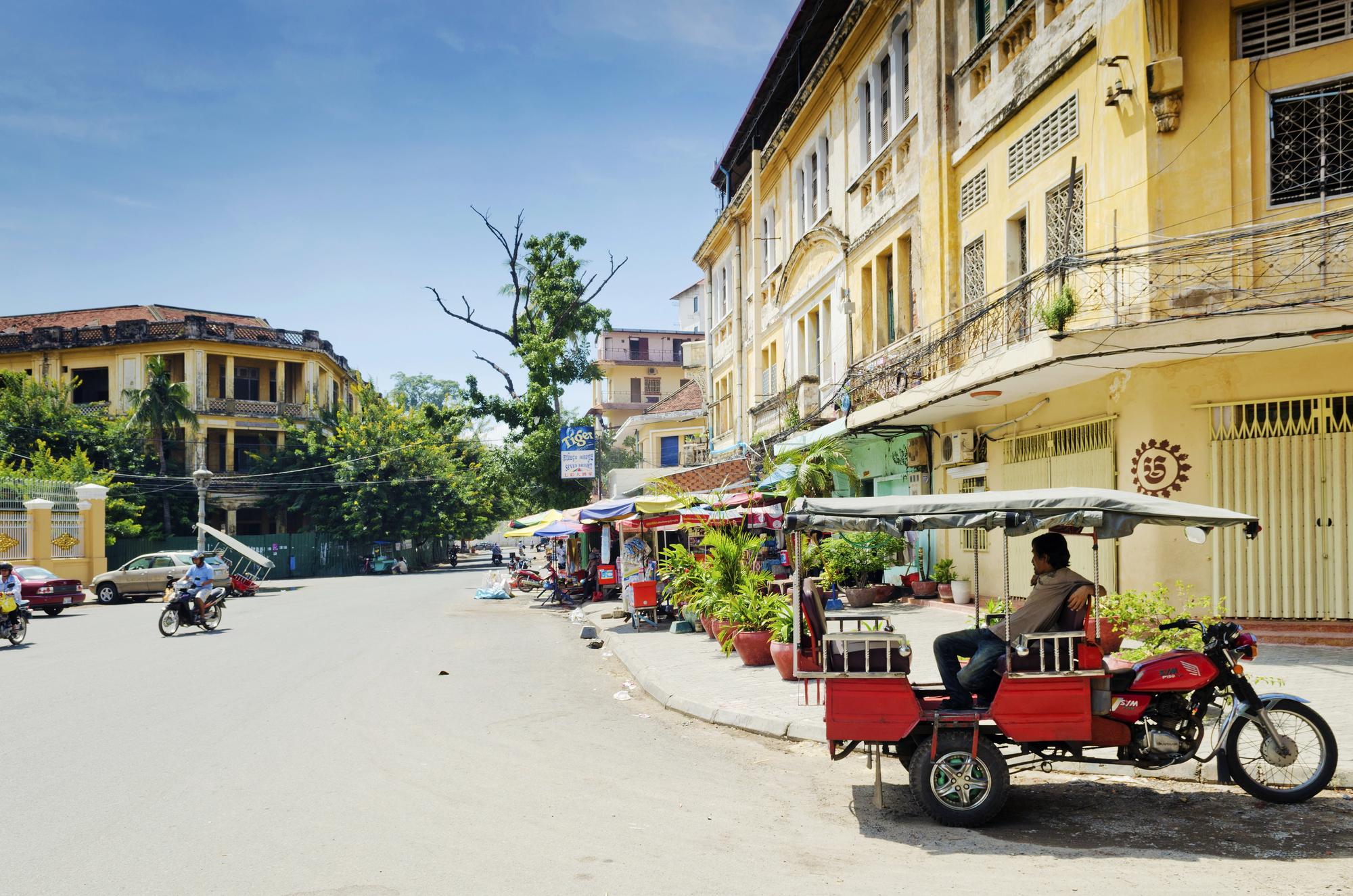
Cambodia's capital floods when it rains hard and chokes on dust when it doesn't. Healthcare options remain limited, schools need more resources, and the infrastructure can't handle the growing population. Progress happens, but not fast enough for people who need better services now.
When Rankings Tell Only Part of the Story
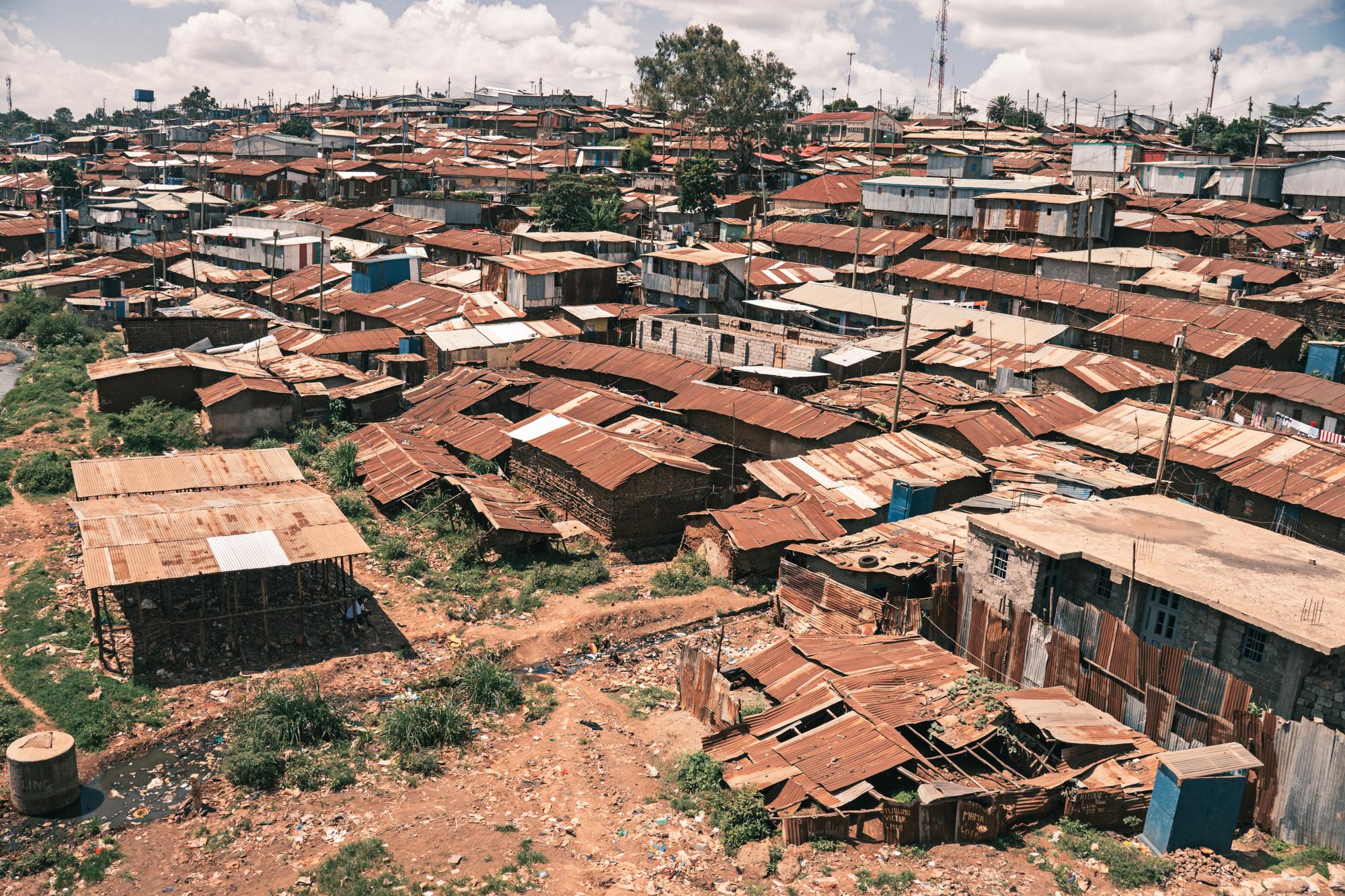
These cities face real problems that affect millions of people every single day. But rankings miss something important—the human side of these places. Damascus has survived for thousands of years. Lagos drives West Africa's economy. Residents in all these cities wake up each morning and figure out how to make things work, often showing more creativity and determination than folks in easier places ever need to develop. The numbers matter, but so do the people who refuse to give up on their home towns.
More from Go2Tutors!

- 16 Historical Figures Who Were Nothing Like You Think
- 12 Things Sold in the 80s That Are Now Illegal
- 15 VHS Tapes That Could Be Worth Thousands
Like Go2Tutors’ content? Follow us on MSN.