Amazing Animal Abilities That Seem Supernatural
The natural world is filled with creatures that possess abilities so extraordinary they blur the line between reality and science fiction.
While we humans pride ourselves on our technological achievements, animals have been perfecting their remarkable skills through millions of years of evolution.
These aren’t just party tricks or minor adaptations—they’re genuine superpowers that allow creatures to survive in ways that seem to defy the laws of nature.
Here is a list of incredible animal abilities that appear almost supernatural.
Axolotl Regeneration
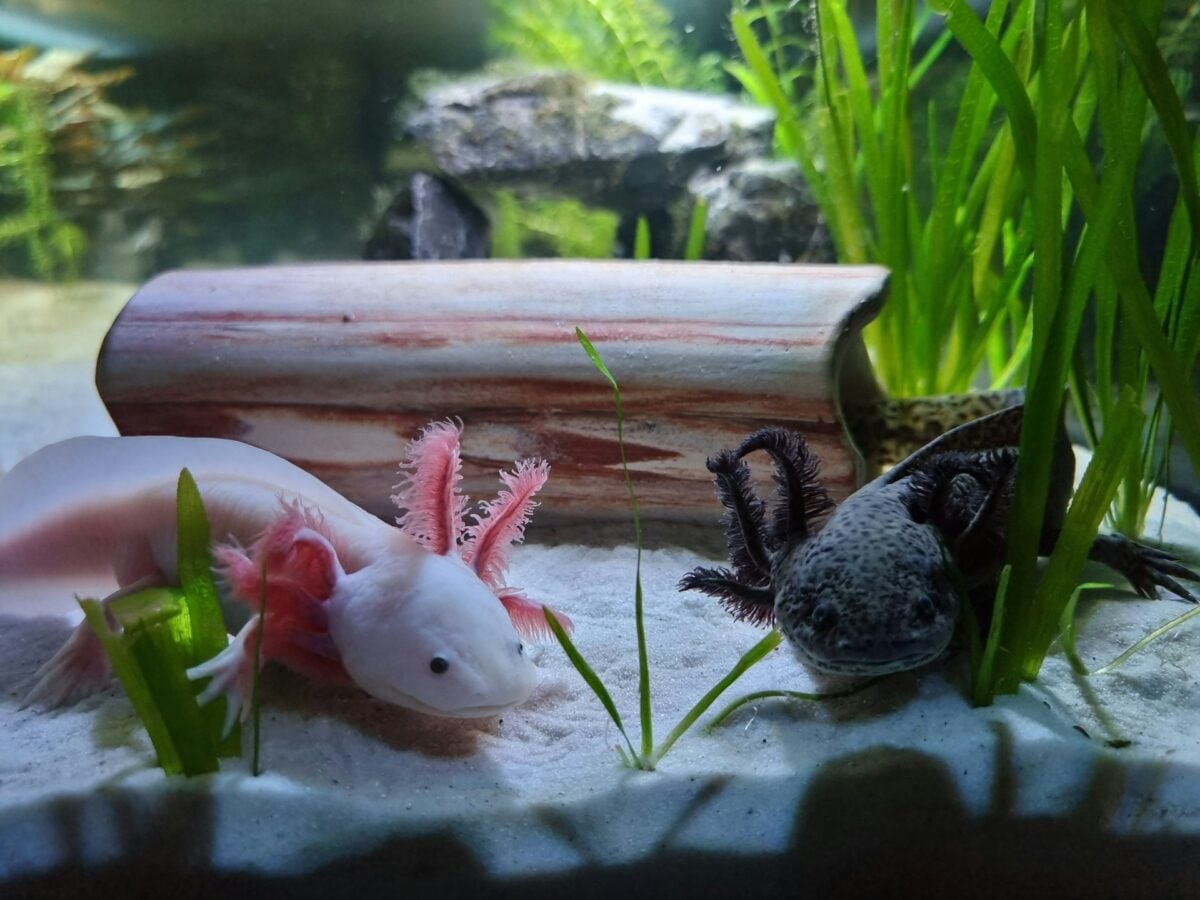
The axolotl, a Mexican salamander, can regenerate entire limbs, spinal cords, heart tissue, and even parts of its brain without scarring.
This regenerative ability is made possible by specialized cells called blastemal cells, which can divide and transform into different types of cells needed for tissue regrowth.
What makes this even more remarkable is that axolotls can repeat this process multiple times throughout their lives, essentially treating catastrophic injuries as minor inconveniences.
Tardigrade Extreme Survival
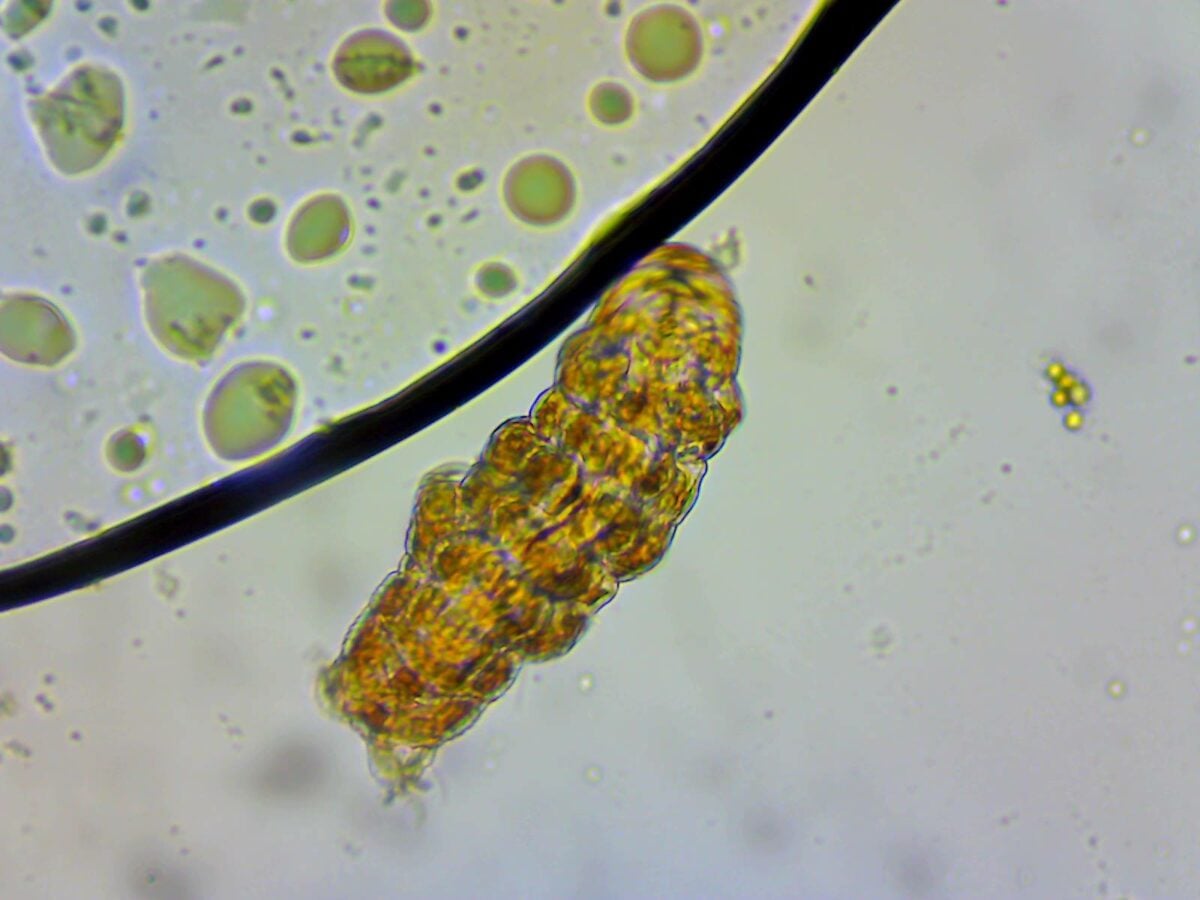
Tardigrades, also known as water bears, can survive incredibly harsh conditions that would kill virtually any other organism by entering a state called cryptobiosis.
In this state, their metabolism comes to a halt, allowing them to survive for thousands of years or even indefinitely.
These microscopic creatures can endure boiling temperatures, freezing conditions, the vacuum of space, and even complete dehydration.
They essentially press pause on life itself until conditions improve.
Immortal Jellyfish Age Reversal
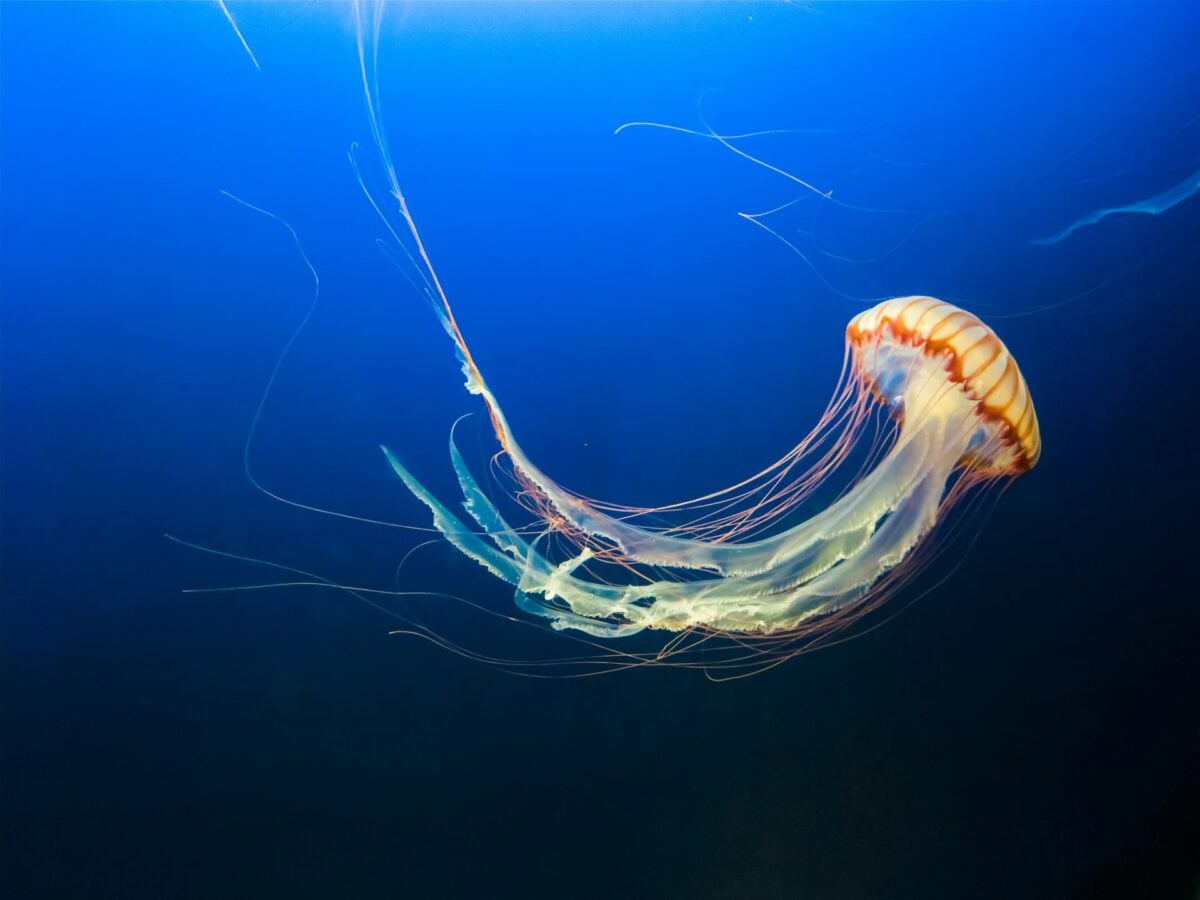
The Turritopsis dohrnii jellyfish possesses a remarkable ability called transdifferentiation, allowing it to revert back to its polyp stage after reaching maturity.
In response to physical damage or starvation, the jellyfish transforms back into a polyp over a three-day period, effectively resetting its biological clock.
As long as they are not killed by external factors like predation or disease, they can theoretically repeat this cycle indefinitely, making them potentially immortal.
This ability to literally turn back time at the cellular level remains one of nature’s most puzzling phenomena.
Cuttlefish and Octopus Instant Camouflage
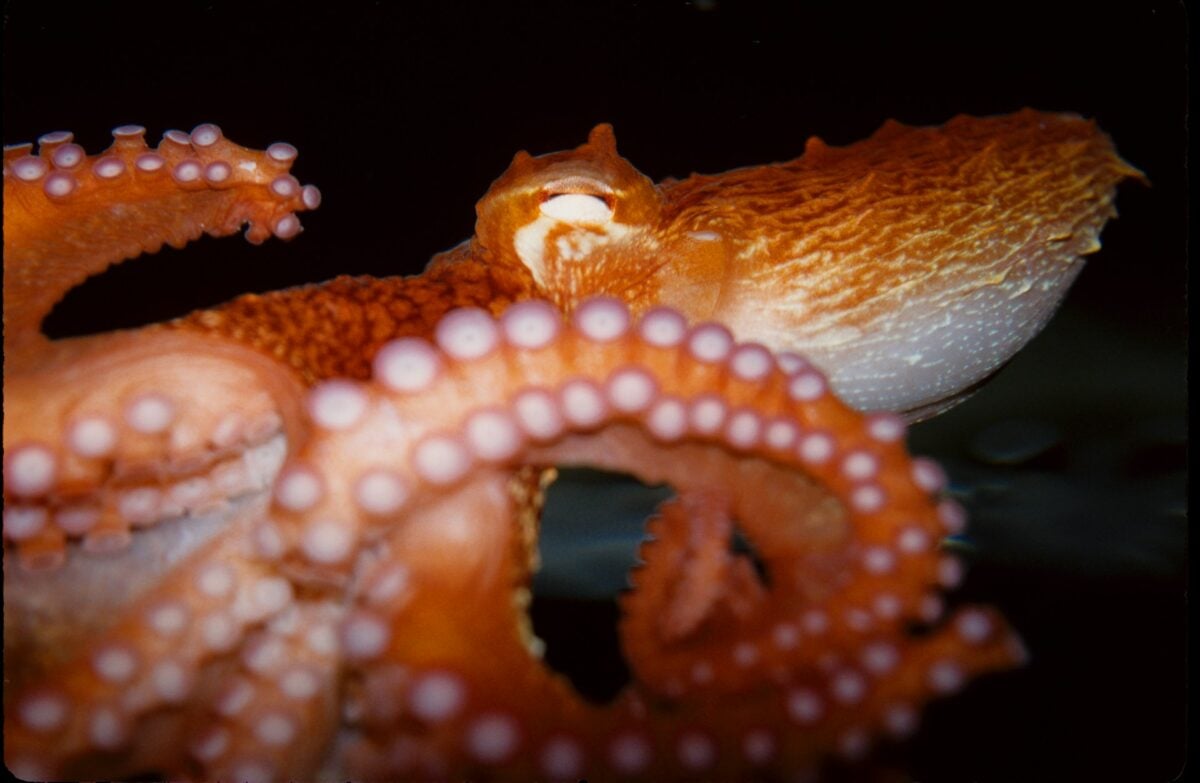
Cuttlefish and octopuses can change their appearance completely in 50 to 200 milliseconds, far faster than chameleons which take one to three seconds.
Many thousands of color-changing cells called chromatophores just below the surface of the skin are responsible for these remarkable transformations.
These animals can also morph their skin into various grades of bumpiness with well-controlled skin papillae to match the three-dimensional texture of their surroundings.
The paradox? They accomplish all this despite being colorblind.
Platypus Electroreception
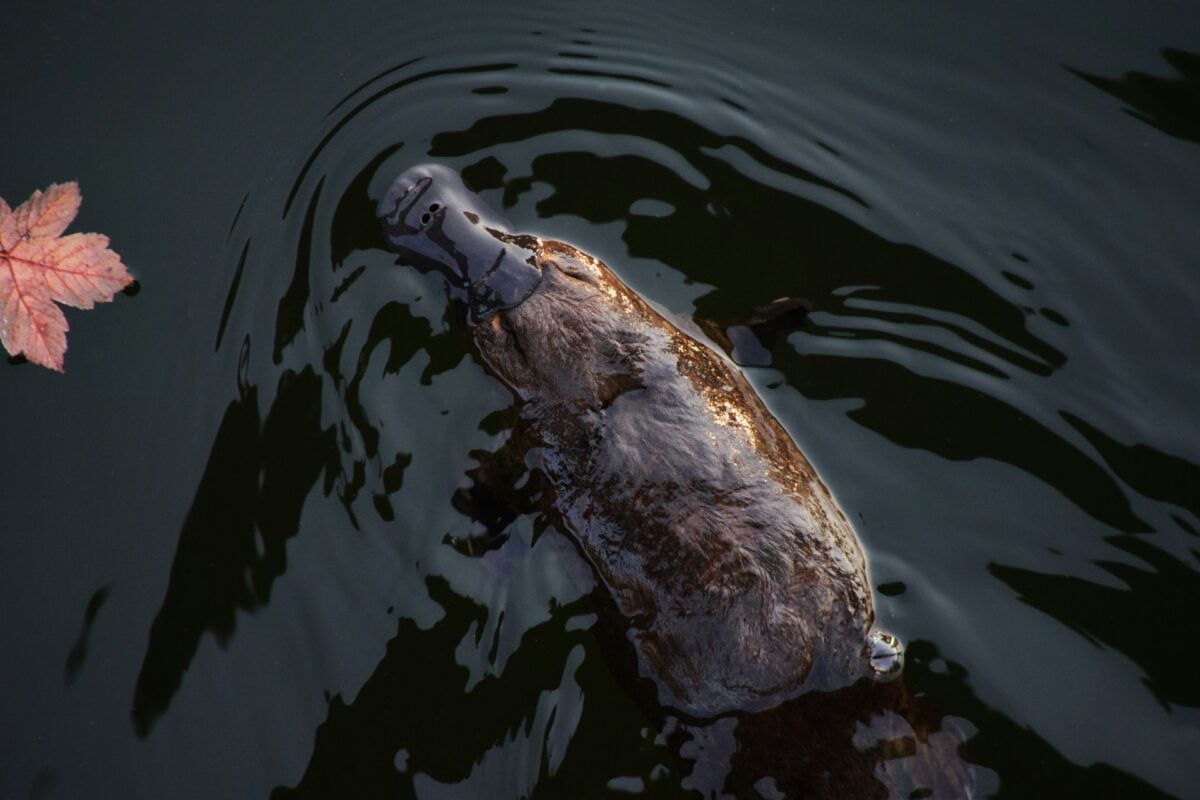
The platypus hunts underwater with its eyes, ears, and nose closed, detecting electric fields generated by the muscle contractions of its prey.
Its bill is lined with over 40,000 electroreceptors that can sense the faintest electrical signals.
This creates an invisible three-dimensional map of its surroundings as it paddles along riverbeds, allowing it to detect a barely perceptible tail flip of a tiny shrimp and instantly orient toward it.
This makes the platypus one of the few mammals to possess this ability, joining sharks in using electricity as a primary hunting tool.
Bat and Dolphin Echolocation
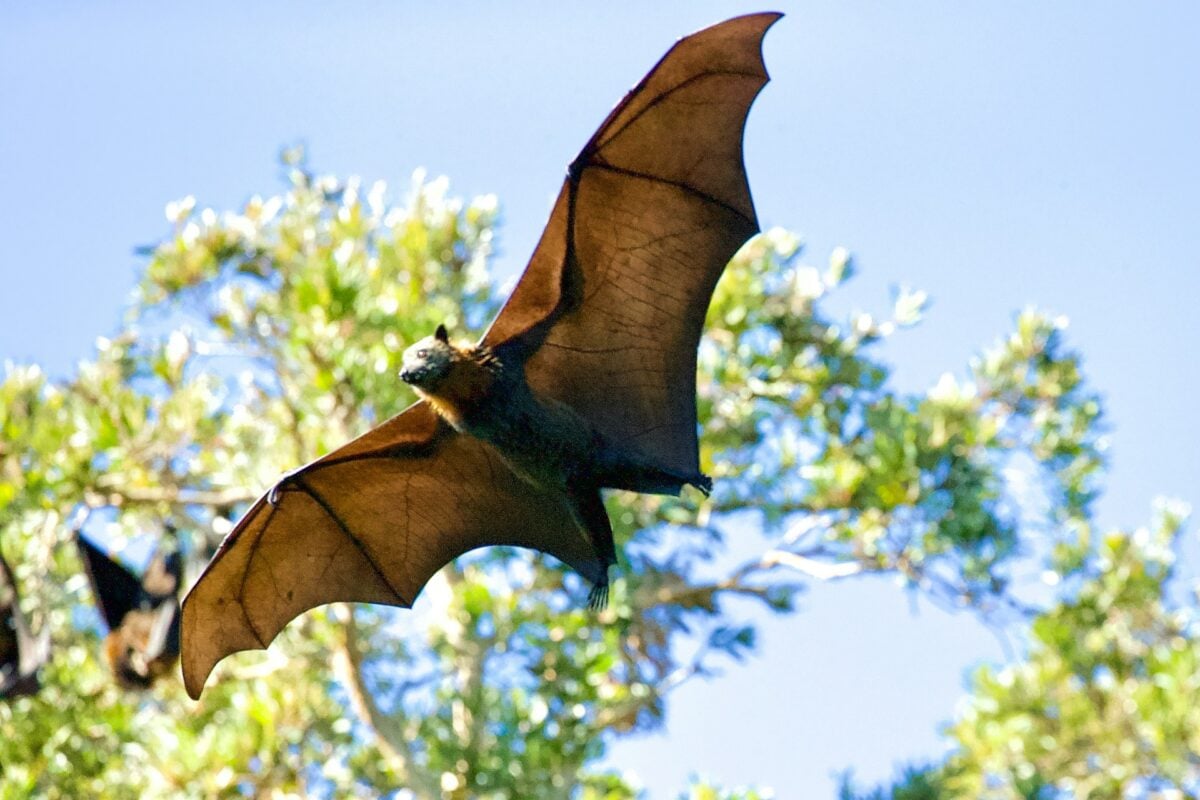
Echolocation allows animals to detect objects and gather detailed information about them by repeating sounds and listening for returning echoes.
Bats and toothed whales like dolphins and orcas are experts at this ability, using it for both short-range tasks like locating prey and longer-range navigation over several kilometers.
Dolphins can identify an object within inches and even determine the difference between a ping-pong and a golf orb based on density alone.
They’re essentially seeing with sound in complete darkness.
Mantis Shrimp Vision and Punch
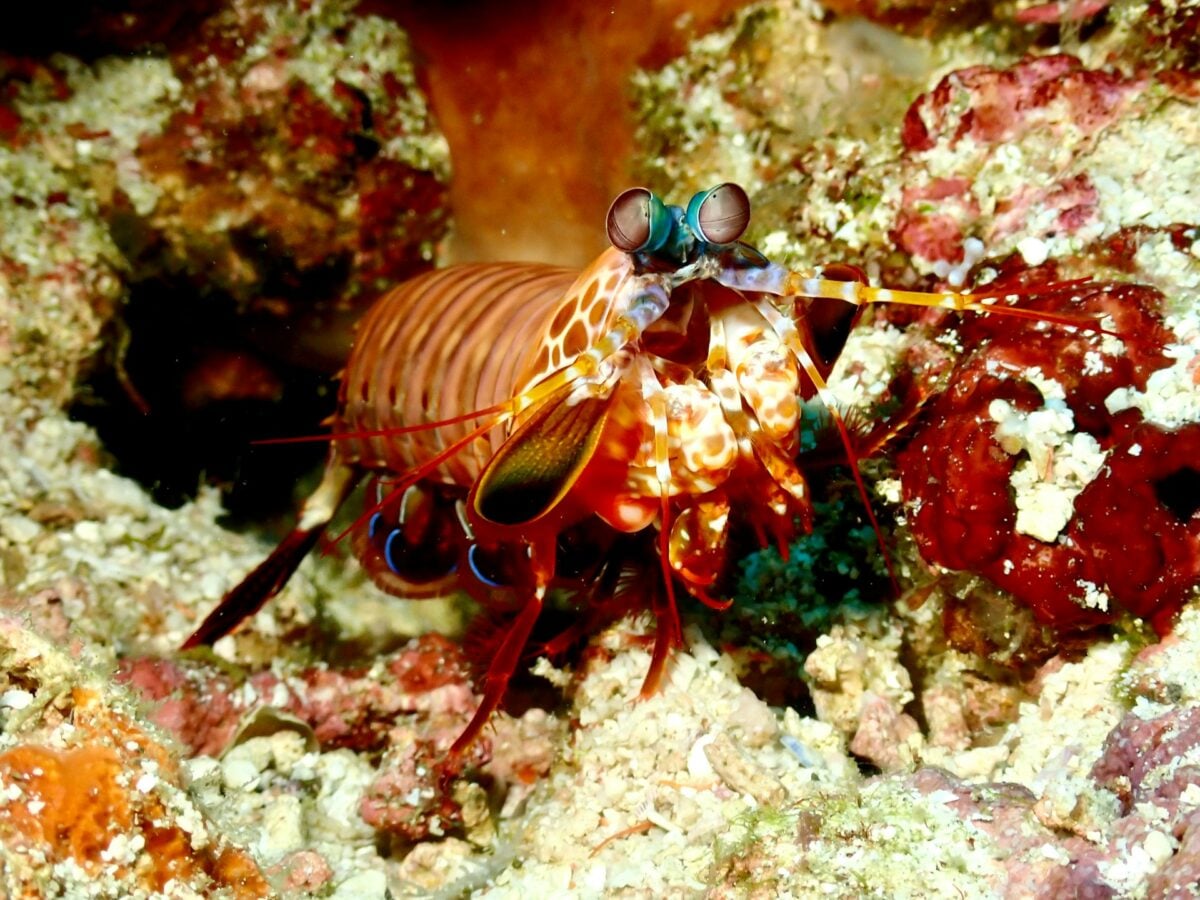
The mantis shrimp has up to sixteen types of photoreceptors compared to the three humans possess, allowing it to see ultraviolet light, polarized light, and colors beyond human imagination.
Its club-like appendages move faster than a bullet, accelerating at over 50 miles per hour underwater with such force that it creates cavitation bubbles that can momentarily reach the temperature of the sun’s surface.
This punch can shatter aquarium glass and crack open hard-shelled prey in an instant, making it one of the ocean’s most formidable predators despite its small size.
Peregrine Falcon Speed
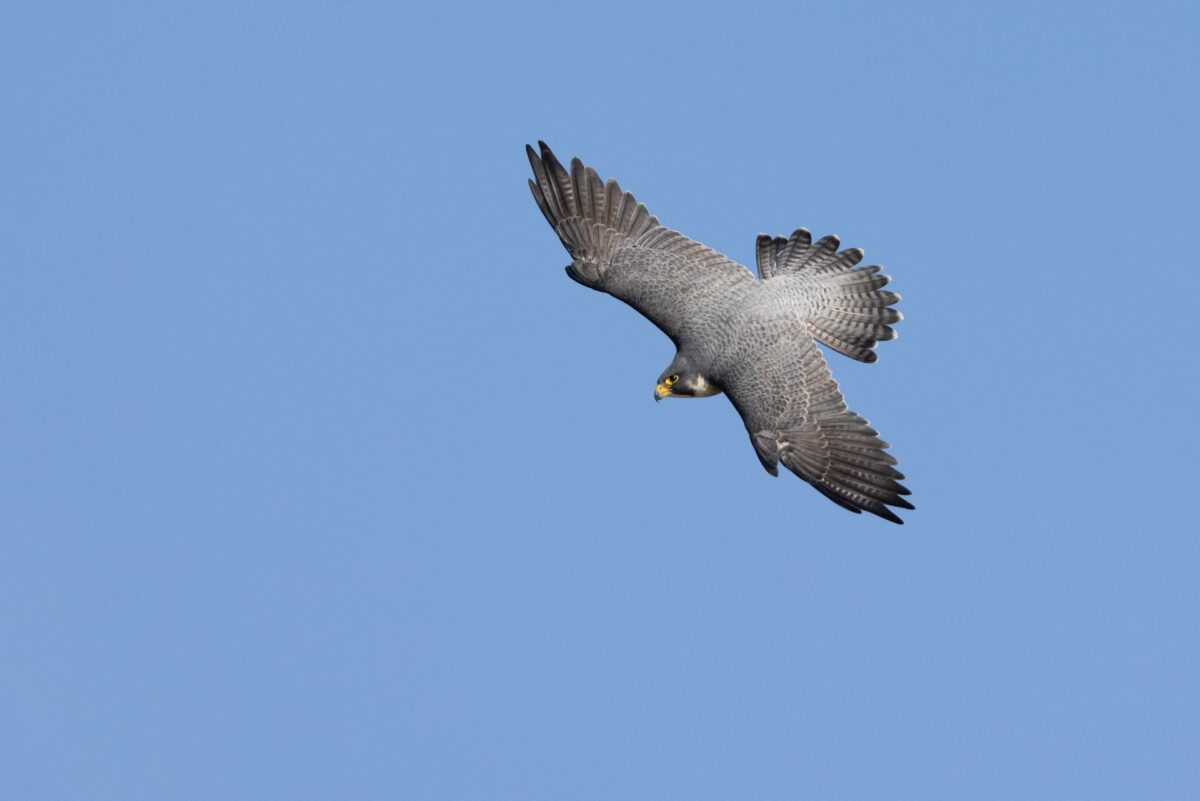
The peregrine falcon can reach speeds of 200 miles per hour during its hunting dives, known as stoops, making it the fastest animal on the planet.
These magnificent birds possess the fastest vision in the animal kingdom, recording 129 Hz (blinks per second) in high light intensity.
Their ability to spot ultra-speed movements allows them to detect prey early, and when they bear down on their target, their speed can easily reach over 217 miles per hour.
That’s faster than most sports cars on a highway.
Lyrebird Sound Mimicry
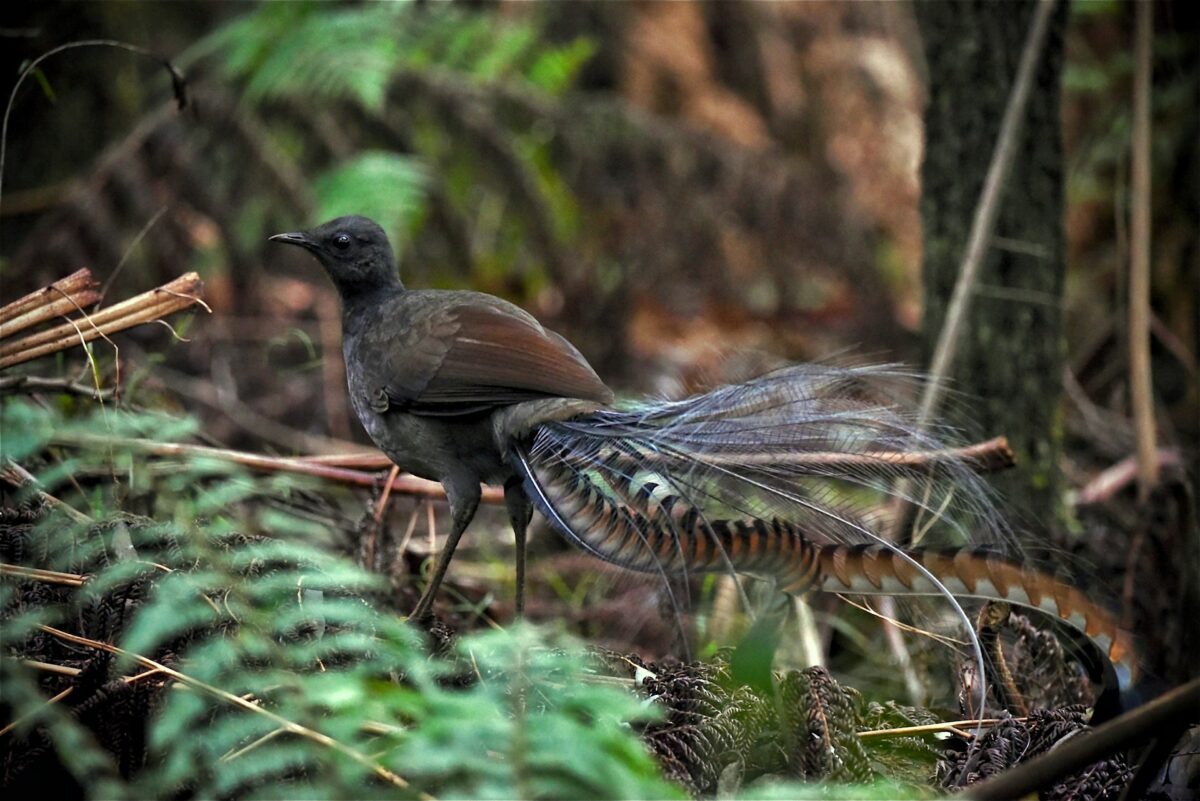
Lyrebirds can mimic a variety of natural and artificial sounds from their environment with remarkable accuracy.
Up to 80 percent of the superb lyrebird’s song consists of mimicry, and it’s not unusual for an individual male to have mastered the calls of 20 to 25 species of bird.
They have been recorded mimicking chainsaws, car engines and alarms, fire alarms, camera shutters, dogs barking, crying babies, and even the human voice.
Scientists believe they possess the audio equivalent of a photographic memory.
Bombardier Beetle Chemical Warfare
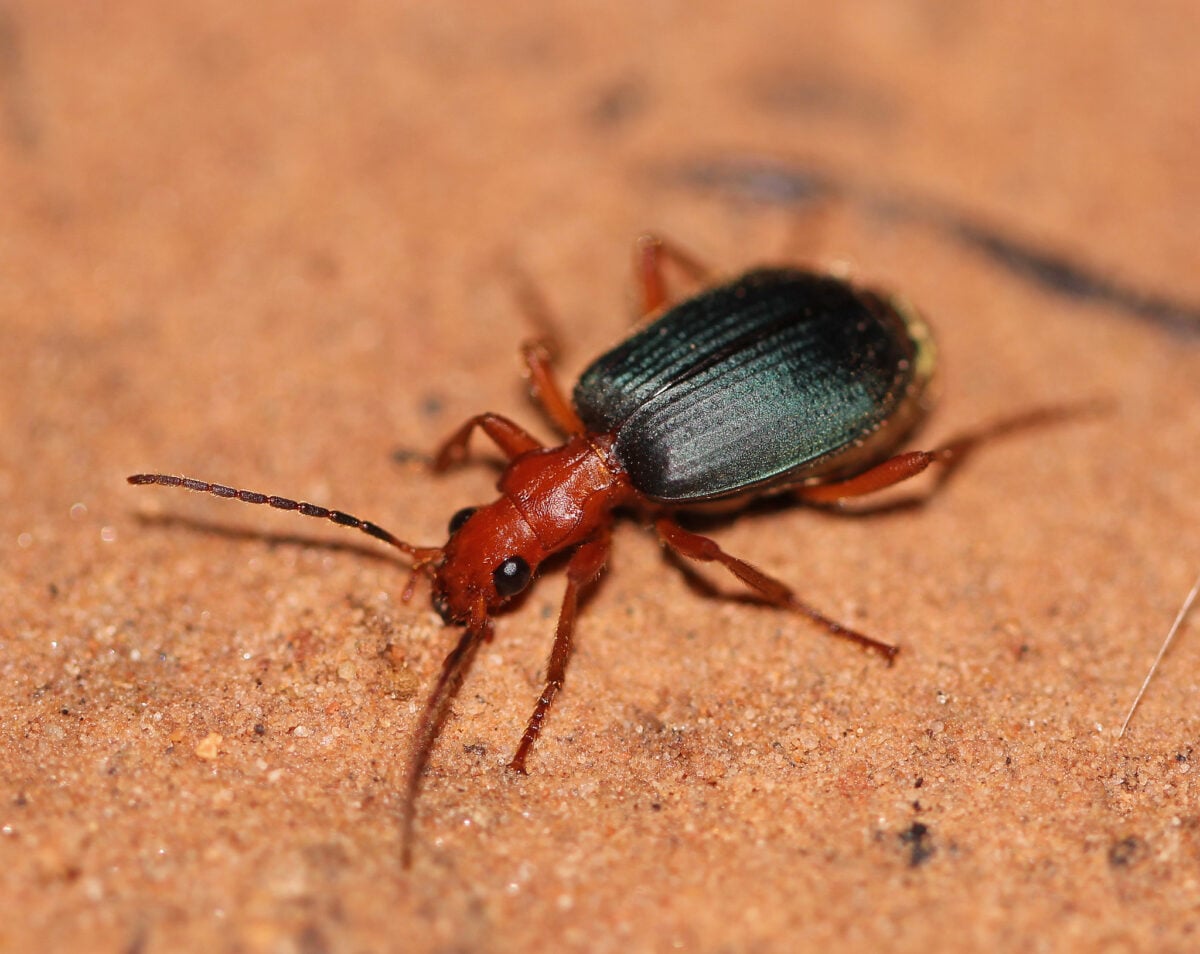
The bombardier beetle mixes hydroquinone and hydrogen peroxide in its abdomen, triggering a strong reaction that generates heat and pressure, raising the temperature to around 200 degrees Fahrenheit.
When threatened, it ejects this explosive spray from its rear with an audible pop, causing burning and irritation to predators.
The beetle can aim its spray with remarkable precision by rotating the end of its abdomen, accurately targeting whatever part of its body is being attacked.
This defensive system is so effective that predators immediately release the beetle after being sprayed.
Gecko Adhesive Climbing
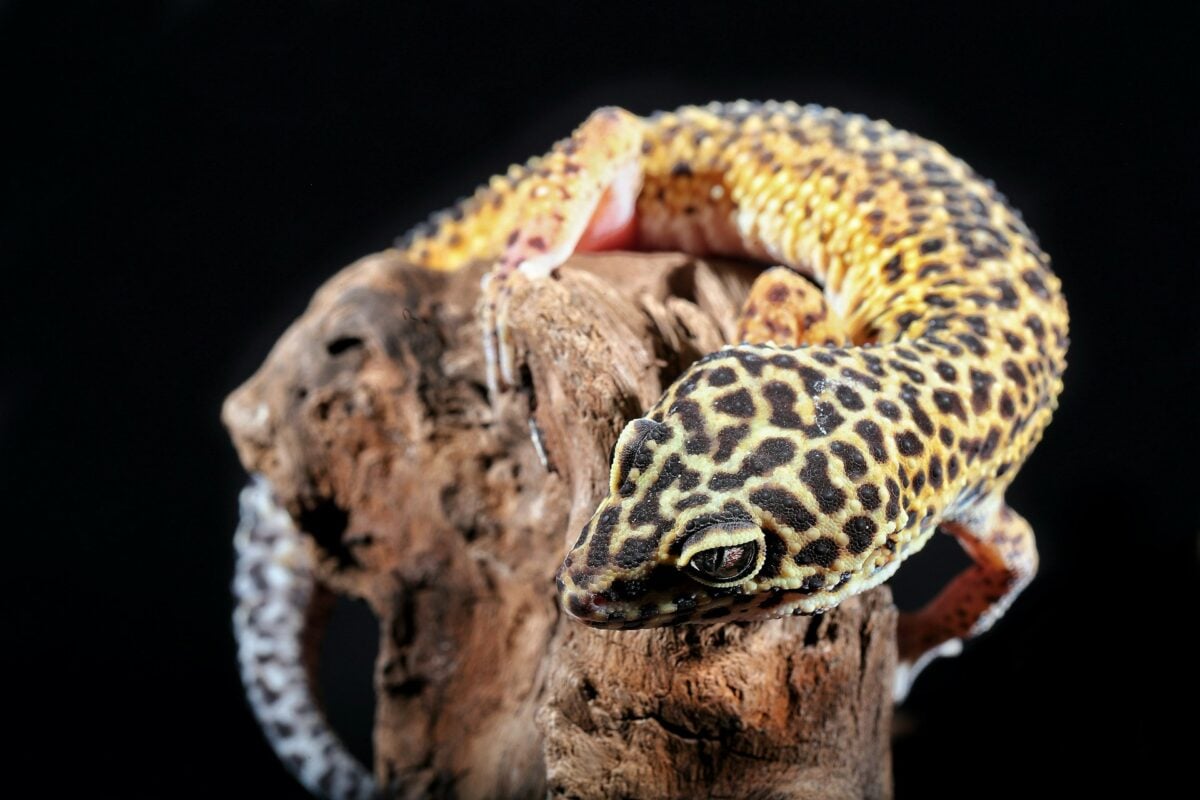
Geckos can walk up walls and across ceilings thanks to millions of microscopic hairs on their feet called setae.
Each hair splits into hundreds of even smaller tips that create weak molecular attractions with surfaces.
Combined across all those tiny contact points, the force becomes strong enough to support the gecko’s entire body weight on virtually any surface, even glass.
They can attach and detach their feet in milliseconds, making them nature’s ultimate climbers.
Electric Eel Power Generation
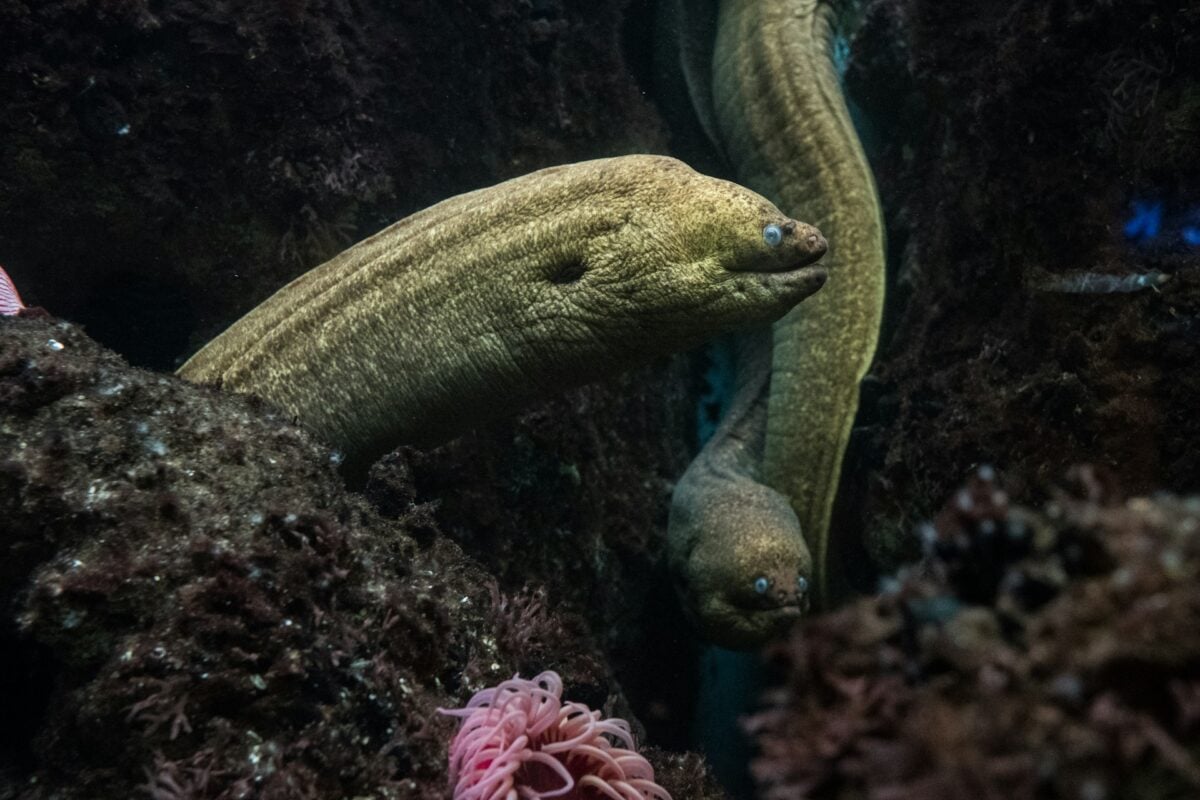
Electric eels can generate shocks of up to 860 volts using three specialized organs made up of disc-shaped cells called electrocytes.
When a signal from the brain arrives, these cells discharge together and act like millions of tiny batteries in series that form a massive jolt.
The eel uses both electrogenic and electroreceptive abilities, generating a weak electric field to detect prey while reserving high-voltage shocks to stun predators or prey.
During dry seasons when predators approach, they may even leap out of the water to deliver their shocking surprise.
Magnetoreception Navigation
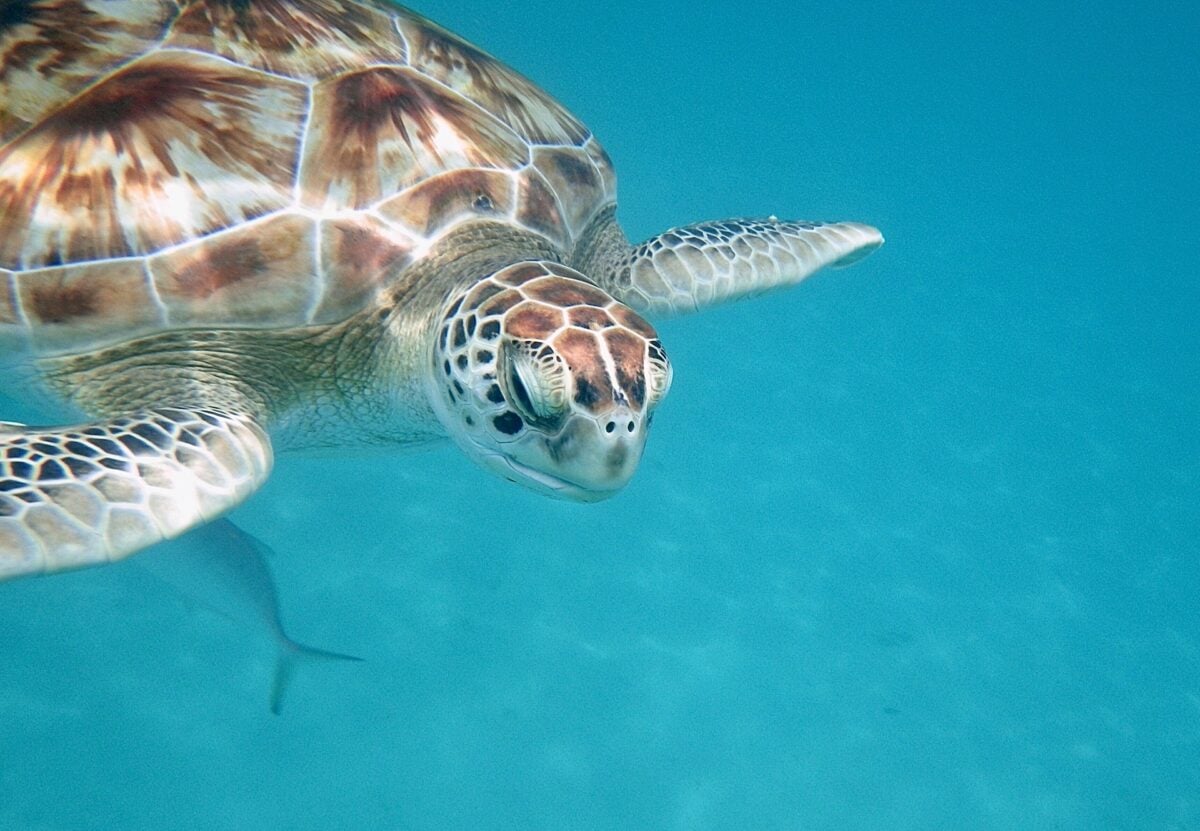
Some animals, including birds, sea turtles, and salmon, possess magnetoreception, allowing them to navigate by sensing Earth’s magnetic field.
This invisible navigation system allows animals to find their way home across thousands of miles of open ocean or vast wilderness without any visible landmarks. Despite decades of research, scientists still don’t fully understand how this internal compass works.
Migratory birds use this ability to return to the same breeding grounds year after year with remarkable precision.
Hercules Beetle Strength
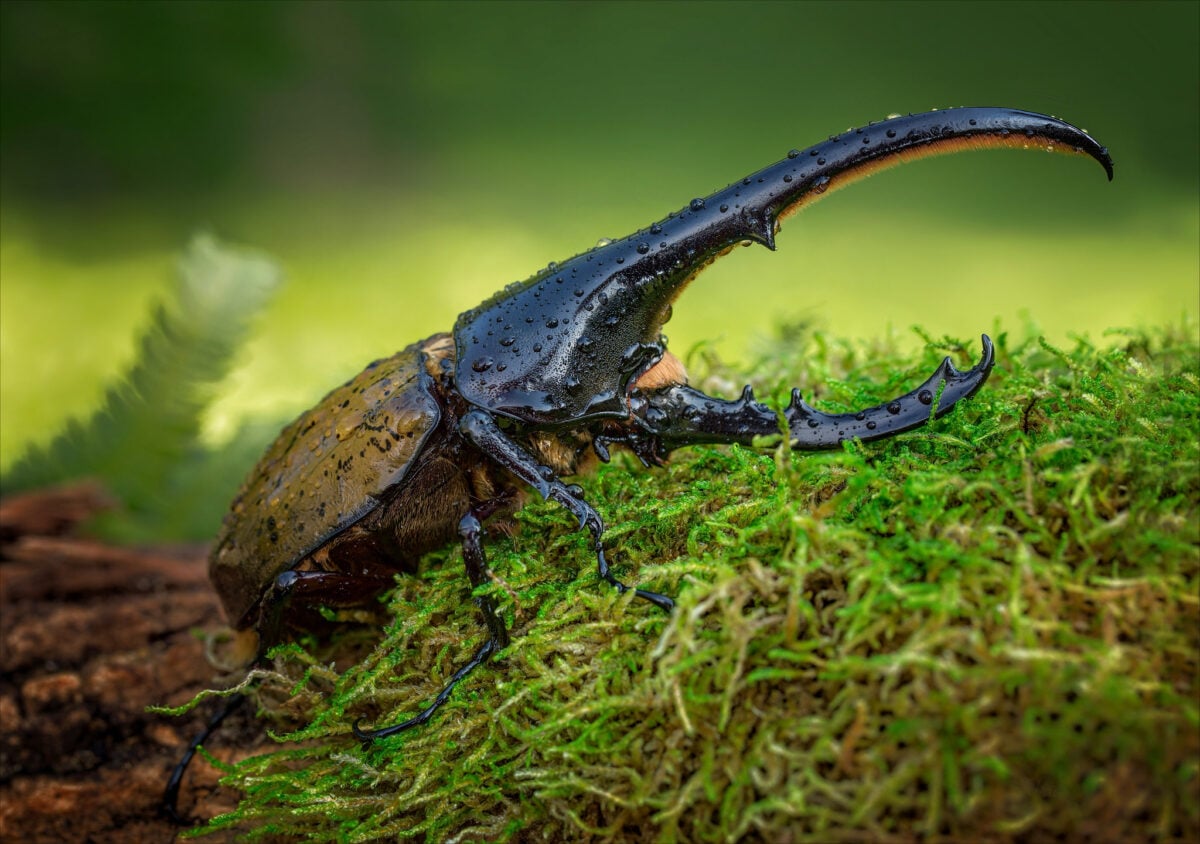
The Hercules beetle can lift objects up to 850 times its own weight, making it one of the strongest creatures on the planet relative to its size.
Its thorax is fortified with a sturdy exoskeleton and powerful muscles that allow it to exert such tremendous force.
To put this in perspective, if a human had proportional strength, they could lift a fully loaded 747 airplane.
This extraordinary power helps the beetle move obstacles and compete with rivals.
Sloth Survival and Recovery
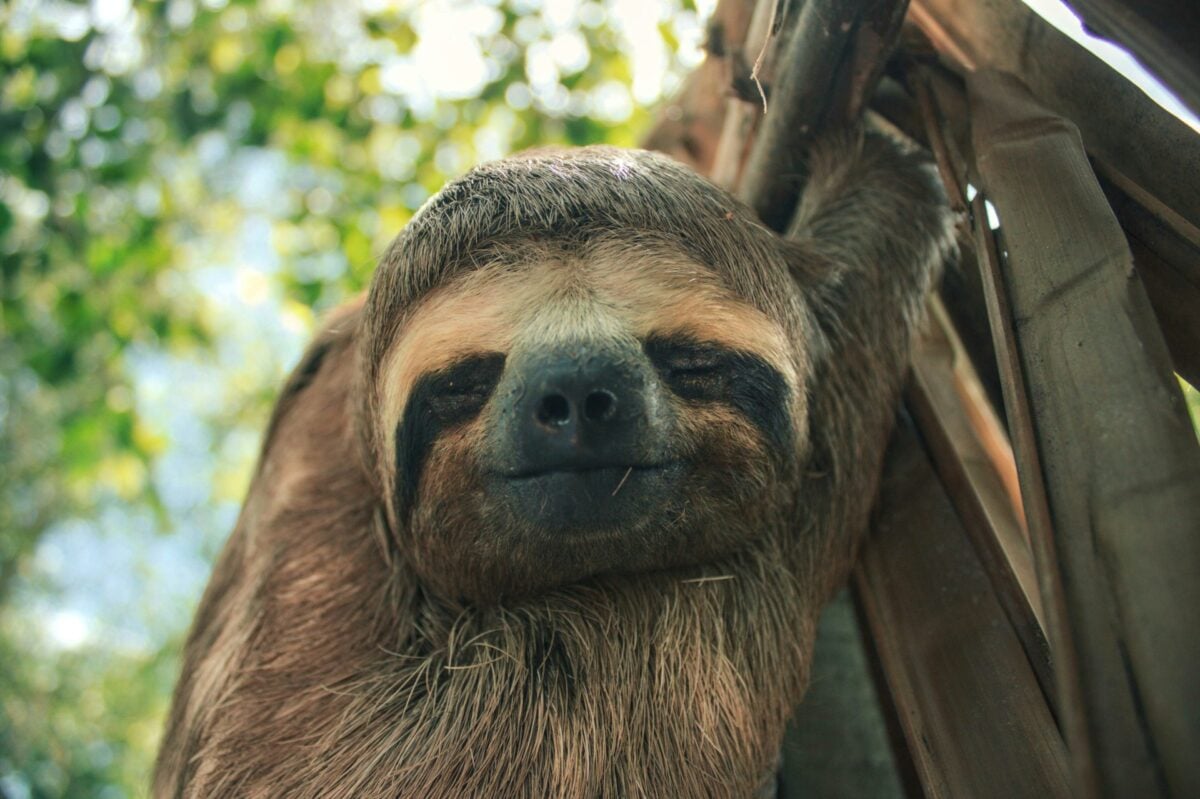
Sloths can survive falls from heights of 100 feet without injury because they are biologically designed for it.
Three-toed sloths may not move fast, but they quickly recover from wounds that may kill other animals, making them the focus of scientific research.
Even more fascinating, certain fungi living in their fur are active against bacteria, cancers, and parasites, potentially contributing to their remarkable healing abilities.
Nature’s Blueprint for Tomorrow
These extraordinary abilities represent more than just biological curiosities—they’re living proof that evolution can produce solutions far more elegant than anything in our current technology.
From regenerative medicine inspired by axolotls to navigation systems based on magnetoreception, scientists are studying these creatures to unlock innovations that could reshape human medicine and technology.
The animals sharing our planet aren’t just surviving—they’re thriving with abilities that continue to challenge everything we thought we knew about what’s possible in the natural world.
More from Go2Tutors!

- The Romanov Crown Jewels and Their Tragic Fate
- 13 Historical Mysteries That Science Still Can’t Solve
- Famous Hoaxes That Fooled the World for Years
- 15 Child Stars with Tragic Adult Lives
- 16 Famous Jewelry Pieces in History
Like Go2Tutors’s content? Follow us on MSN.