Earth Day: 15 Inventions That Helped Save the Planet
For over 50 years, Earth Day has reminded us of our responsibility to protect our home planet. Since the first celebration in 1970, humans have developed remarkable technologies that have reduced our environmental impact and helped mitigate some of the damage we’ve caused. Many of these innovations weren’t flashy headline-makers but steady workhorses that transformed how we interact with our environment.
Here is a list of 15 inventions that have significantly contributed to saving our planet from further environmental degradation.
Solar Panels

Solar panels have revolutionized how we generate electricity. First developed for practical use in the 1950s, these devices convert sunlight directly into electricity without producing emissions or waste.
Modern solar technology has become increasingly efficient and affordable, with installations growing nearly 40% annually in recent years. A typical home solar system can prevent about 3-4 tons of carbon emissions each year—like permanently taking a car off the road.
Wind Turbines

Wind turbines harness one of nature’s most abundant resources and convert it into clean electricity. Modern turbines have come a long way from traditional windmills, with some standing over 700 feet tall and generating enough power for thousands of homes.
A single large turbine can prevent approximately 4,000 tons of carbon dioxide emissions annually, comparable to planting nearly 100,000 trees.
Electric Vehicles

Electric vehicles represent one of the most significant shifts in transportation since the invention of the automobile itself. By replacing internal combustion engines with electric motors powered by rechargeable batteries, EVs eliminate tailpipe emissions entirely.
The technology continues to improve with longer ranges, faster charging times, and more affordable models hitting the market each year. An average EV produces about 50% less lifetime carbon emissions than a conventional vehicle.
Water Filtration Systems

Modern water filtration technologies have transformed how we clean and reuse water resources. From activated carbon filters to reverse osmosis systems and ultraviolet purification, these inventions have made clean water accessible without relying on single-use plastics or chemical treatments.
Large-scale municipal systems can process millions of gallons daily, while portable versions have provided safe drinking water in disaster zones and developing regions.
LED Lighting

Light-emitting diodes (LEDs) have completely transformed illumination technology. They use approximately 75% less energy than traditional incandescent bulbs and last up to 25 times longer.
Their widespread adoption has significantly reduced electricity demand worldwide—the equivalent of removing millions of cars from the roads. The technology continues improving, with newer LEDs offering better color quality and greater efficiency.
Recycling Plants

High-technology recycling facilities equipped with advanced sorting technology have revolutionized garbage sorting. With optical sensors, air jets, magnets, and eddy currents, the facilities sort mixed recyclables at awe-inspiring speed and accuracy.
Single facilities handle up to hundreds of tons per day, recovering valuable materials that would otherwise go to waste in landfills. The environmental payoff is staggering—recycling aluminum, for instance, requires 95% less energy than producing it from raw materials.
Composting Systems

Composting systems in homes and businesses have revolutionized the way organic waste is managed. These systems provide the perfect environment for microorganisms to convert yard waste and food scraps into nutrient-rich soil additions.
Large-scale municipal composting produces useful resources for agriculture while diverting a significant amount of garbage from landfills and lowering methane emissions. The natural cycle of development and decay can be completed by even small household systems, which can process hundreds of pounds each year.
Geothermal Heat Pumps

Remarkably efficiently, geothermal heat pumps use the steady temperature below Earth’s surface to heat and cool structures. Compared to traditional HVAC systems, these ones can save energy use by as much as 65%.
Unlike many renewable technologies, geothermal systems provide consistent comfort while significantly lowering carbon emissions since they operate independently of weather conditions or time of day.
Smart Grids

Smart electricity grids use digital technology to monitor and manage power distribution with unprecedented precision. By balancing supply and demand in real-time, smart grids integrate renewable energy sources more effectively and reduce waste throughout the system.
These networks can instantly detect outages, reroute power automatically, and help consumers optimize usage patterns. The resulting efficiency improvements have saved millions of megawatt-hours—enough to power entire cities.
Biodegradable Materials

The development of truly biodegradable materials has addressed one of our most persistent environmental challenges: centuries-old waste. From plant-based packaging that breaks down in months to compostable service ware and biodegradable industrial materials, these innovations are reducing the accumulation of persistent waste.
Many modern biodegradable products can decompose completely in commercial composting facilities, leaving only water, carbon dioxide, and organic matter behind.
Precision Agriculture Technologies

GPS-guided farming equipment, soil sensors, and drone monitoring have revolutionized agriculture by maximizing efficiency and minimizing waste. These technologies allow farmers to apply exactly the right amount of water, fertilizer, and pesticides exactly where needed—often reducing input use by 20% or more.
The environmental benefits include reduced chemical runoff, lower water consumption, and decreased fuel usage, all while increasing crop yields.
Carbon Capture Systems

Direct air capture technologies can extract carbon dioxide directly from the atmosphere, potentially reversing some effects of fossil fuel consumption. While still emerging, these systems have progressed from laboratory curiosities to industrial-scale installations capable of removing thousands of tons annually.
The captured carbon can be permanently stored underground or used as a feedstock for sustainable materials and fuels, creating a circular carbon economy.
Vertical Farming
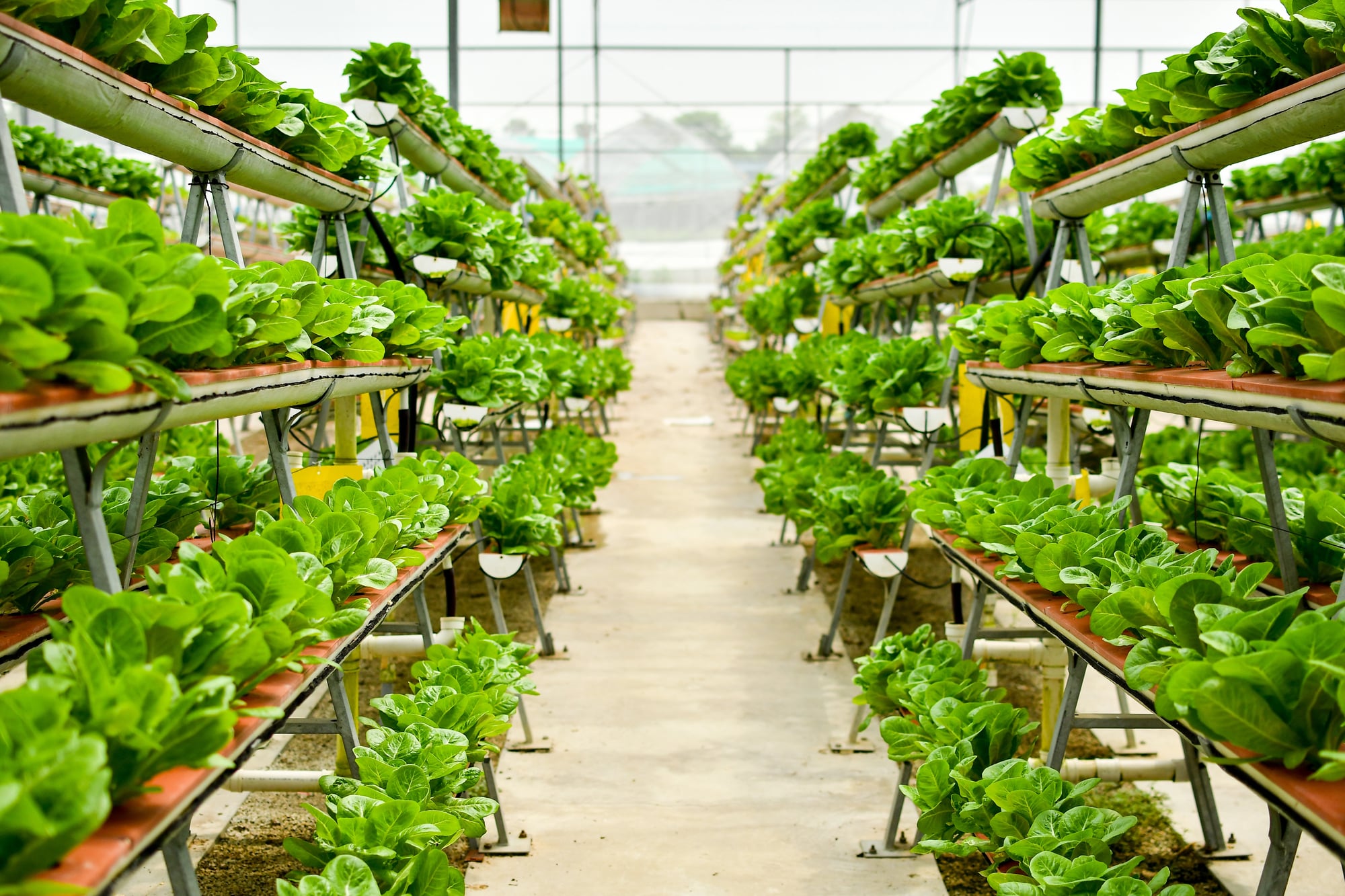
Vertical farming has reimagined agriculture for urban environments by growing crops in stacked layers, often using hydroponics or aeroponics rather than soil. These systems can produce 350 times more food per acre than conventional farming while using 95% less water and no pesticides.
By bringing production closer to consumers, vertical farms also drastically reduce transportation emissions and extend growing seasons year-round regardless of external weather conditions.
Ocean Cleanup Systems

Innovative systems designed to collect plastic pollution from marine environments have begun addressing one of our most visible environmental crises. Technologies range from floating barriers that passively collect debris to autonomous solar-powered vessels that harvest plastic waste.
The most advanced systems can remove thousands of pounds of plastic daily from rivers and ocean gyres, preventing further harm to marine ecosystems and potentially recovering valuable resources.
Energy Storage Solutions
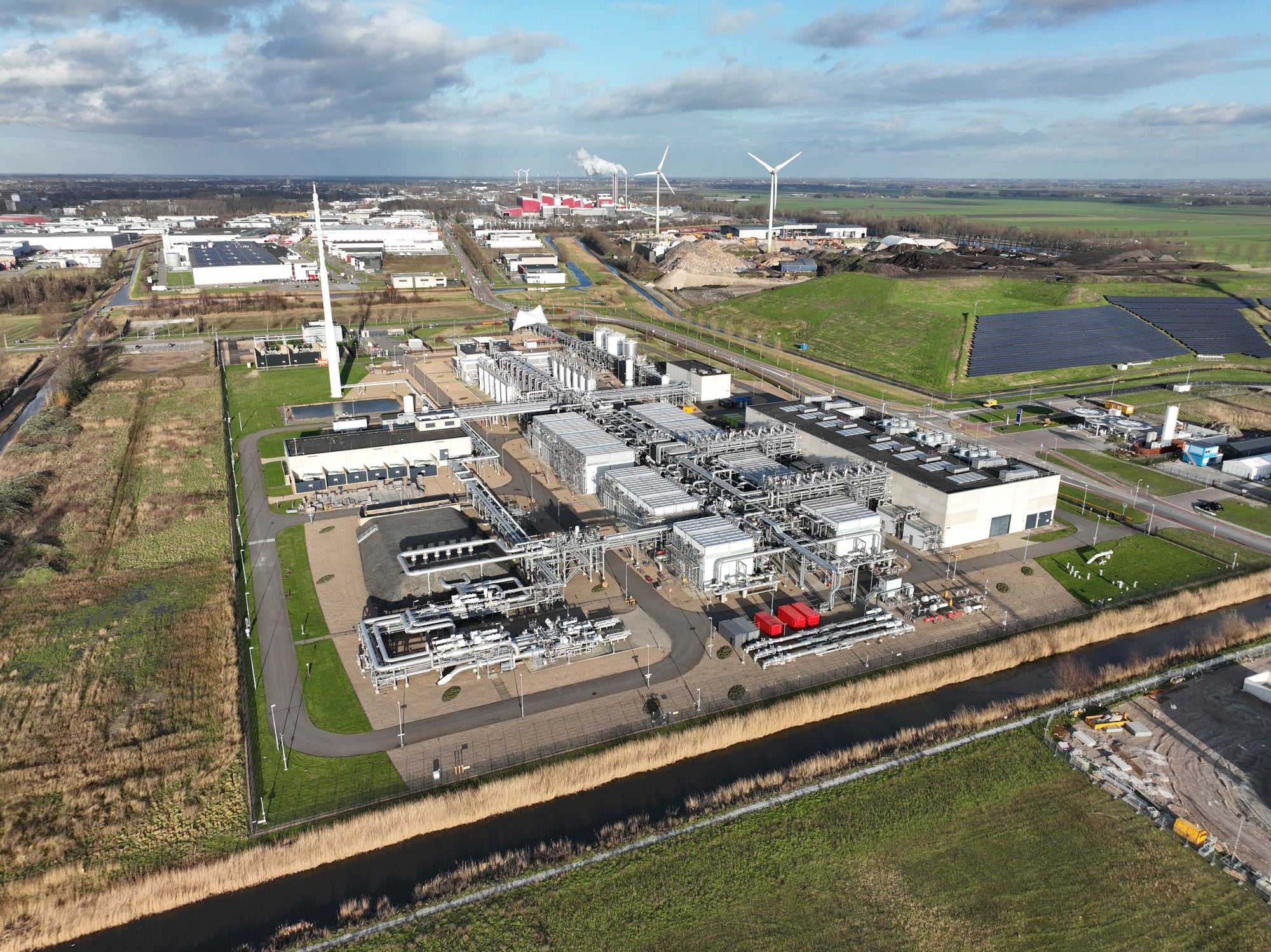
Advanced battery technologies and other energy storage solutions have solved renewable energy’s intermittency challenge. From lithium-ion batteries to pumped hydro storage and emerging technologies like flow batteries, these systems store excess energy when production is high and release it when needed.
Grid-scale installations can now store enough electricity to power thousands of homes for hours or days, making 100% renewable energy systems practically feasible.
The Ongoing Innovation Imperative

These fifteen inventions represent remarkable progress in our quest for sustainability, but they’re just the beginning of what we need. Environmental innovations continue accelerating as awareness grows and technologies mature.
From artificial intelligence optimizing energy systems to new materials revolutionizing manufacturing, the next generation of planet-saving technologies is already emerging in laboratories worldwide.
As we celebrate Earth Day, these inventions remind us that human ingenuity, properly directed, can help heal our relationship with the natural world. The environmental challenges ahead remain substantial, but these technologies prove we have the creative capacity to address them—one breakthrough at a time.
More from Go2Tutors!

- The Romanov Crown Jewels and Their Tragic Fate
- 13 Historical Mysteries That Science Still Can’t Solve
- Famous Hoaxes That Fooled the World for Years
- 15 Child Stars with Tragic Adult Lives
- 16 Famous Jewelry Pieces in History
Like Go2Tutors’s content? Follow us on MSN.