Images Of Ingenious Homes In Extreme Environments
There is something about a home built where most people would never dare to live that stops you in your tracks. Whether it is perched on a frozen cliff, buried deep underground, or floating on open water, these structures say a lot about human creativity and the basic need for shelter.
And the best part is, these homes are not just surviving in tough spots. They are actually thriving. Let’s get into some of the most impressive examples from around the world.
The Cliffside Cave Homes Of Matera, Italy

Matera’s ‘sassi’ are ancient homes carved directly into the rocky cliffs of southern Italy, and people lived in them for thousands of years. Some of these dwellings go back to prehistoric times, making them among the oldest continuously inhabited homes on Earth.
They were eventually abandoned in the 1950s due to poor living conditions, but today many have been restored into hotels and private residences. The thick stone walls naturally regulate temperature, keeping the inside cool in summer and warm in winter.
Floating Villages Of Ha Long Bay, Vietnam

Entire communities live on the water in Ha Long Bay, where families have built wooden homes on floating platforms for generations. These homes include kitchens, sleeping areas, and even small fish farms right below the floorboards.
The residents navigate between homes using small boats, and children grow up swimming before they can walk. It is a fully functional neighborhood, just without any roads.
The Icehotel In Jukkasjärvi, Sweden
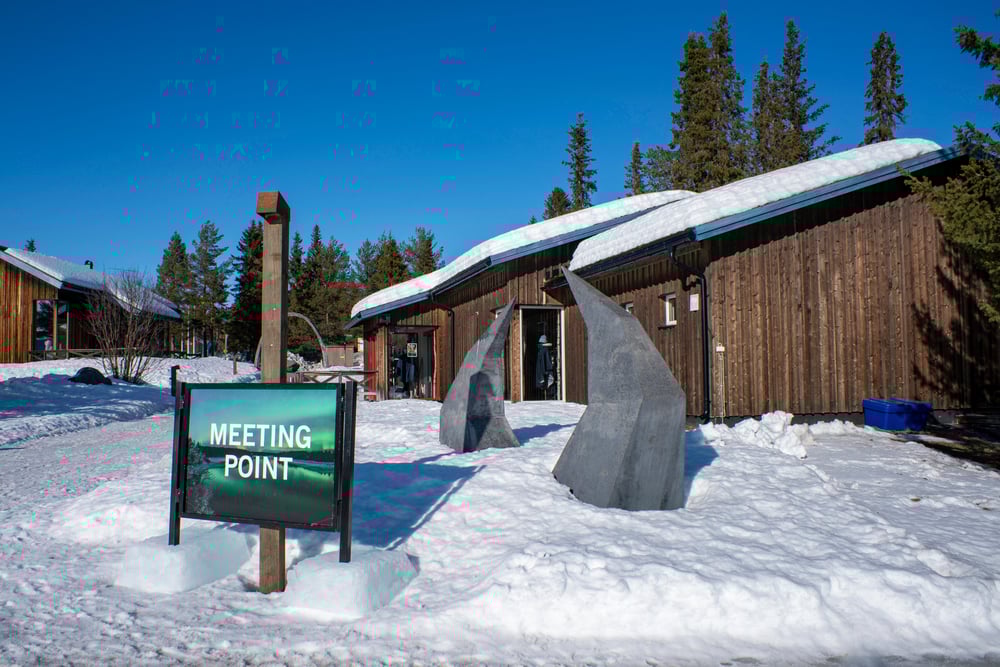
Built fresh every single winter from ice and packed snow harvested from the nearby Torne River, this Swedish hotel is rebuilt from scratch each year. Guest rooms are sculpted by artists, and temperatures inside hover around 23 degrees Fahrenheit even when it is far colder outside.
Sleeping bags rated for extreme cold keep guests warm on beds made entirely of ice. Come spring, the whole structure melts back into the river, and the cycle starts again.
Underground Homes In Coober Pedy, Australia

Coober Pedy is an opal mining town in the Australian outback where surface temperatures regularly push past 104 degrees Fahrenheit. To escape the brutal heat, residents dug their homes underground, calling them ‘dugouts.’
These are not rough caves but fully furnished homes with bedrooms, living rooms, and even underground churches. The earth itself acts as insulation, keeping indoor temperatures steady at around 75 degrees Fahrenheit year-round.
Treehouse Hotels In The Amazon Rainforest

Deep in the Amazon basin, some lodges have built multi-story treehouses that sit high above the forest floor, sometimes 60 feet up. These structures are designed to cause minimal damage to the trees they rest on, using flexible attachments that allow for natural tree movement.
Guests can hear and see wildlife that never comes near the ground. The homes are built with local timber and use gravity-fed water systems to stay functional without electricity grids.
The Falkirk Wheel-Style Houseboat Community In Amsterdam
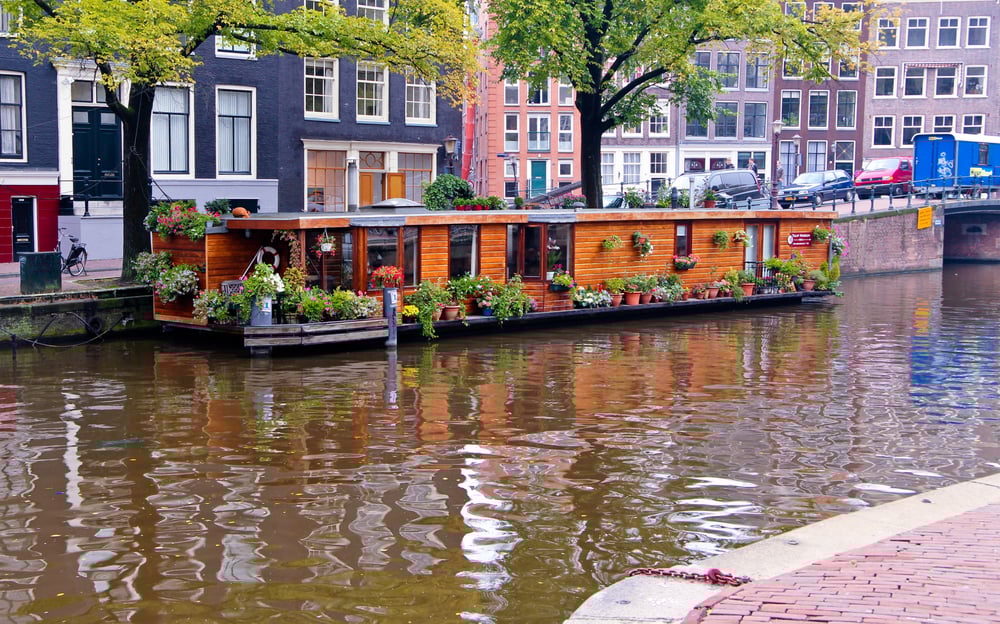
Amsterdam has over 2,500 officially registered houseboats floating along its famous canals, and many of them are permanent family homes. These boats have full kitchens, bathrooms, and multiple bedrooms, and they connect to city utilities just like any regular house.
Some have lived in for decades and have passed through multiple generations of the same family. The tricky part is parking, as each boat needs its own designated mooring spot that is often harder to find than a city apartment.
Stilt Homes In Borneo’s Coastal Villages
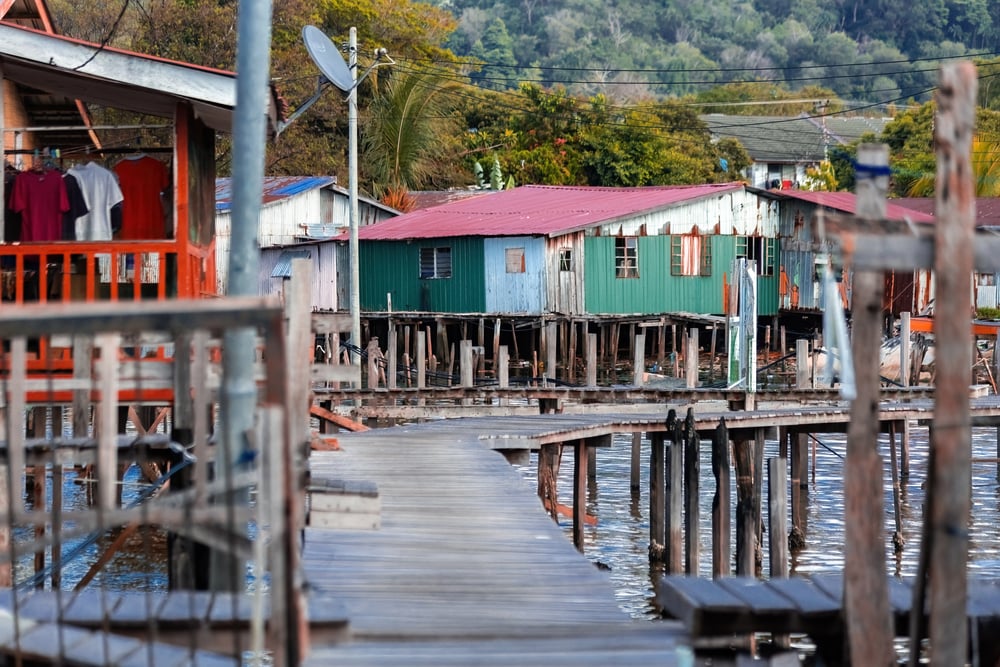
Along the coastlines of Borneo, traditional stilt villages stretch out over the sea, with wooden walkways connecting hundreds of homes built directly above the water. These communities, some home to the Bajau people, have existed for centuries and are designed to handle flooding, storms, and tidal changes.
The gaps between floorboards allow rainwater to pass straight through, keeping the homes from flooding. Some residents rarely come ashore, spending almost their entire lives on the water.
The Earthship Homes Of Taos, New Mexico
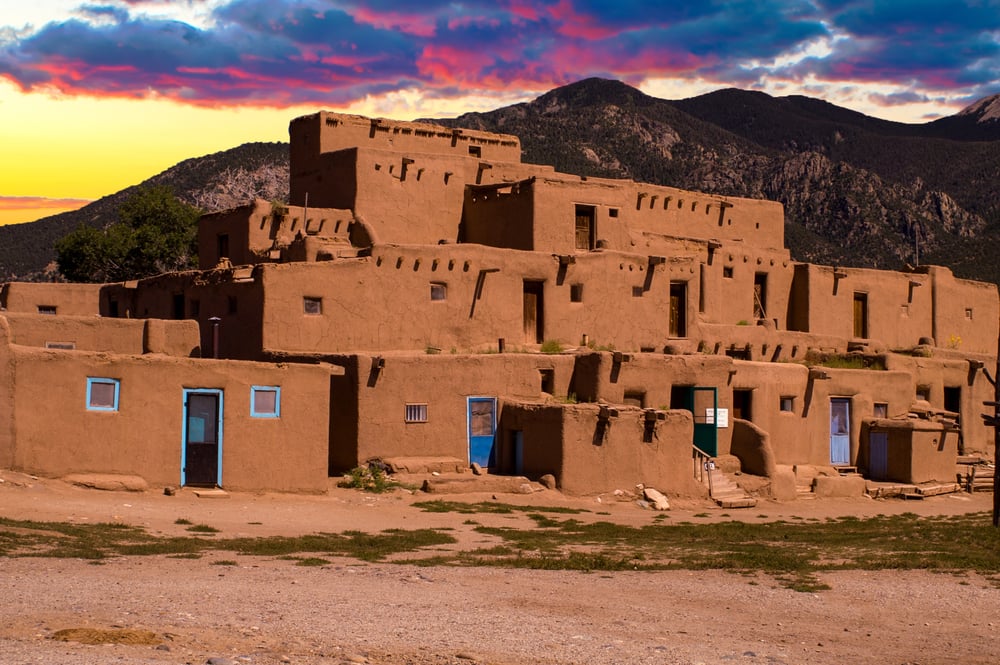
Earthships are off-grid homes built using old car tyres packed with earth, glass bottles, and recycled aluminum cans as construction materials. They generate their own electricity through solar panels, collect rainwater from the roof, and treat their own sewage through indoor plant systems.
The thick tyre walls store heat during the day and release it slowly at night, keeping temperatures stable without a furnace or air conditioner. Over 1,000 of these homes exist in and around Taos, New Mexico, attracting people looking for a fully self-sufficient lifestyle.
Mongolian Ger Camps On The Steppe

The traditional Mongolian ger (often called a yurt) is one of the most practical portable homes ever built. A family can take the entire structure apart and load it onto a camel or truck in about two hours, then rebuild it just as fast.
The circular shape deflects strong steppe winds, and a central wood stove heats the entire space efficiently. Modern ger camps have added solar panels and insulated walls, blending centuries-old design with today’s technology.
The Underwater Habitat Off Key Largo, Florida
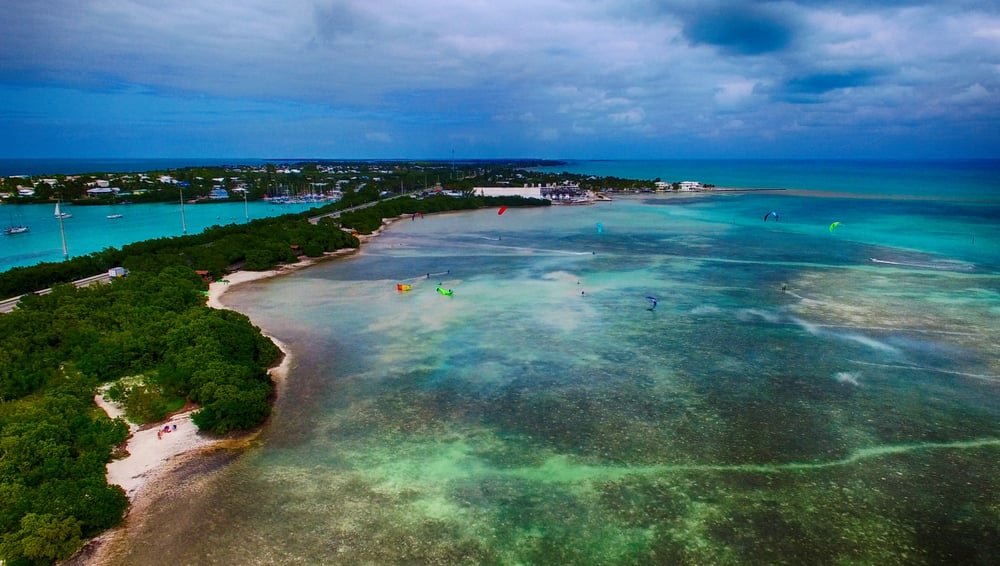
Aquarius Reef Base sits about 63 feet below the surface of the Atlantic Ocean near Key Largo and functions as a working research station where scientists live and work for days at a time. It is roughly the size of a school bus and holds six crew members who conduct marine research without repeatedly surfacing between dives.
The pressure inside keeps water from entering, using the same principle as an upside-down glass in a bowl of water. NASA has even used it to train astronauts for space missions, since the experience of living in a small pressurized space so closely mirrors life in orbit.
Salt Flat Homes In Bolivia’s Salar De Uyuni
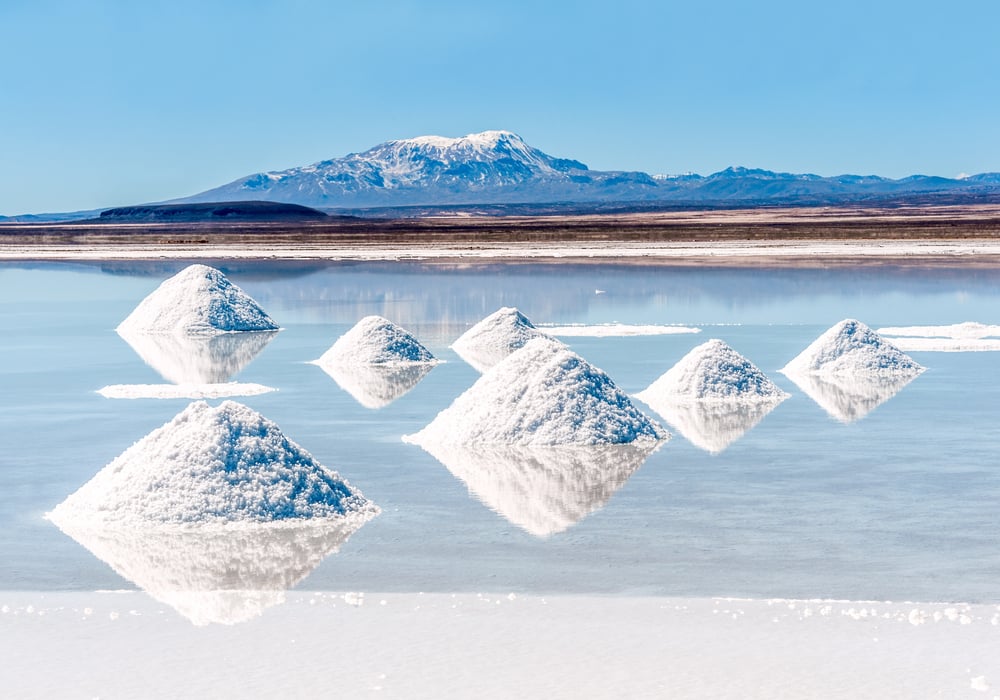
Out past the vast white stretch of Bolivia’s giant salt desert, homes for visitors rise up – crafted nearly all from chunks sliced straight from the earth itself. Salt pressed into thick slabs forms walls, makes floors, shapes chairs, even becomes sleeping platforms.
Moisture creeps in slow, softening the edges when air hangs heavy. To fight it, those who build pick spots where wind stays sharp and dry, then return often to shore things up before cracks appear.
Desert Dome Homes In The Sahara

Domes rise quietly across Saharan stretches where Malian and Nigerien families have shaped earthen homes through generations. Curves matter more than you might think – they shrink sunlit surfaces so heat stays outside instead of creeping into living spaces.
Three-foot-thick walls stand firm, blended by hand using clay, straw, sand, then left to bake solid under open skies. When sudden downpours crash onto dry ground, rounded tops let runoff race away before it can seep in.
Volcano Nearby Homes In Iceland

Right on a volcanic hotspot, Iceland has countless houses close to steaming ground zones. Not seen as trouble, locals tap that earth warmth instead – homes and showers warmed at nearly no cost.
From deep underfoot, pipes carry heat straight indoors, keeping spaces cozy despite bitter cold outside. Since the soil sometimes moves, buildings rest on bendable bases, staying intact when things shift below.
Igloos On The Arctic Tundra
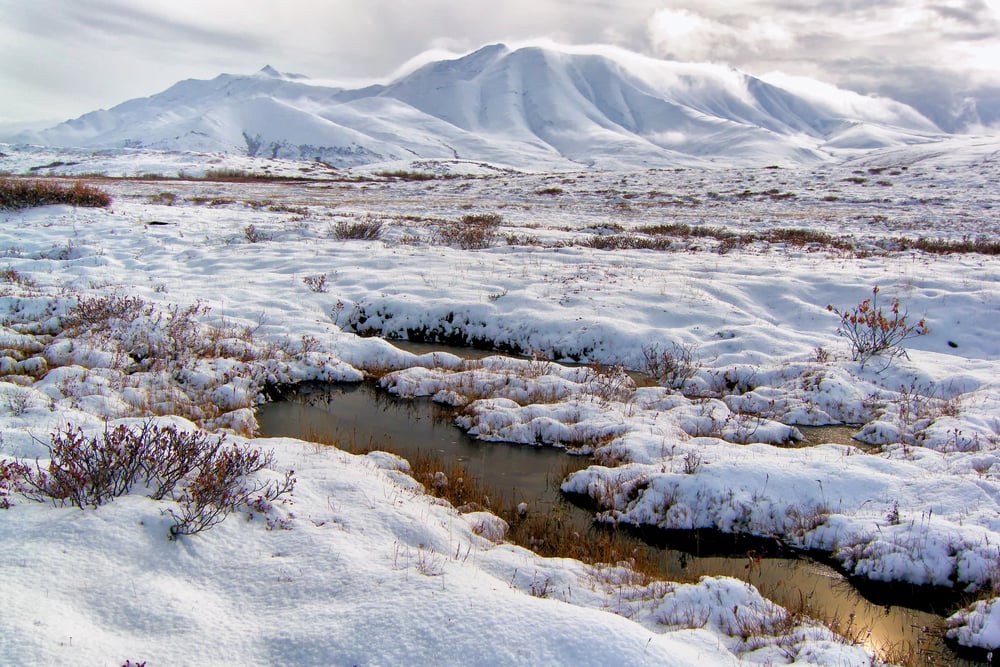
Not many realize how smart an old-style igloo really is – made from tight-packed snow bricks stacked in a curling upward line. Heat from people inside often pushes warmth into livable zones despite outdoor temps hitting forty below zero.
Its round top spreads pressure equally, letting it stand firm with nothing holding up the middle. Long-used by native northern groups for short hunts, not year-round living, some now remake them as green cabins or spots for winter travelers to stay.
Bamboo Homes In The Highlands Of Bali

Up in Bali’s mountain hamlets, houses made completely of bamboo rise tall – some even climb to four or five levels. Fast-growing yet tough, this plant holds its own against certain steels if cured right.
When gales blow, these structures give just a little, avoiding breakage, ideal where storms hit hard. Near Ubud, one cluster called Green Village now draws designers from distant corners, eager to see how earth-based construction might actually work at scale.
What These Homes Say About Us
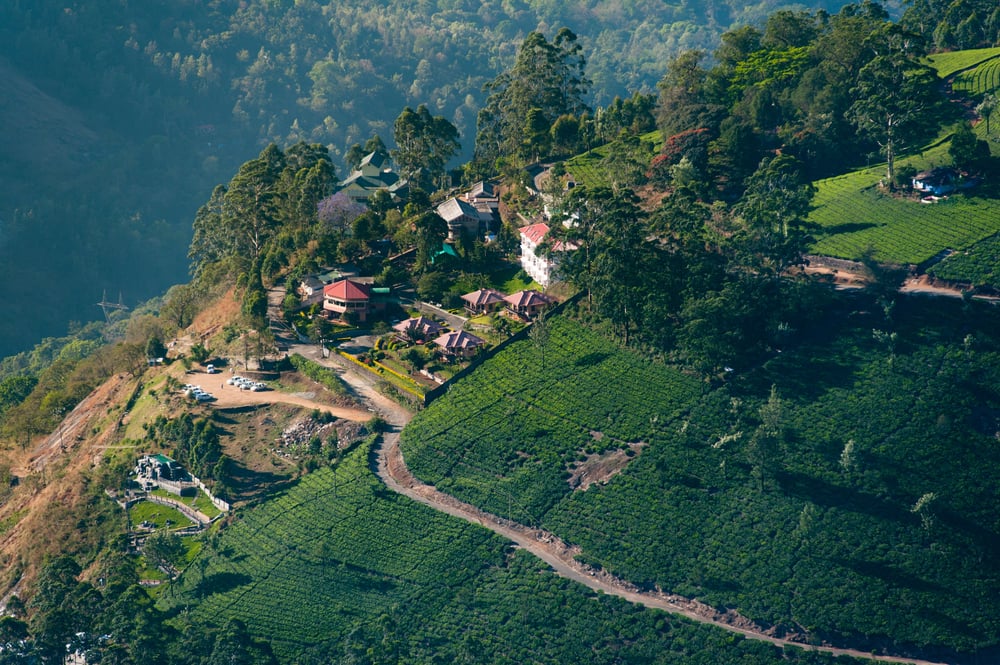
One look at these houses tells you they’re more than photos online. Built by those who ignored limits set by weather or location, each answers a need in places thought impossible.
Underwater spaces sit beside desert shelters made from salt blocks – people found ways. When someone claims somewhere can’t be lived in, remember these structures. Creativity bends rules. Nowhere stays off-limits forever.
More from Go2Tutors!

- The Romanov Crown Jewels and Their Tragic Fate
- 13 Historical Mysteries That Science Still Can’t Solve
- Famous Hoaxes That Fooled the World for Years
- 15 Child Stars with Tragic Adult Lives
- 16 Famous Jewelry Pieces in History
Like Go2Tutors’s content? Follow us on MSN.