Bizarre Clauses in Pro Athlete Contracts
It’s easy to imagine an athlete’s contract covering salary, playing time, and performance bonuses.
But every now and then the fine print takes a strange turn.
Here’s a quick lead-in before diving into the oddities.
These are not your run-of-the-mill contract terms.
No-bite clause

When Luis Suárez signed with Barcelona in 2014, the club added a clause forbidding him from biting opponents.
He already had a history of on-field biting incidents.
It might sound funny, but for Barcelona, it was a serious insurance move.
No space travel clause
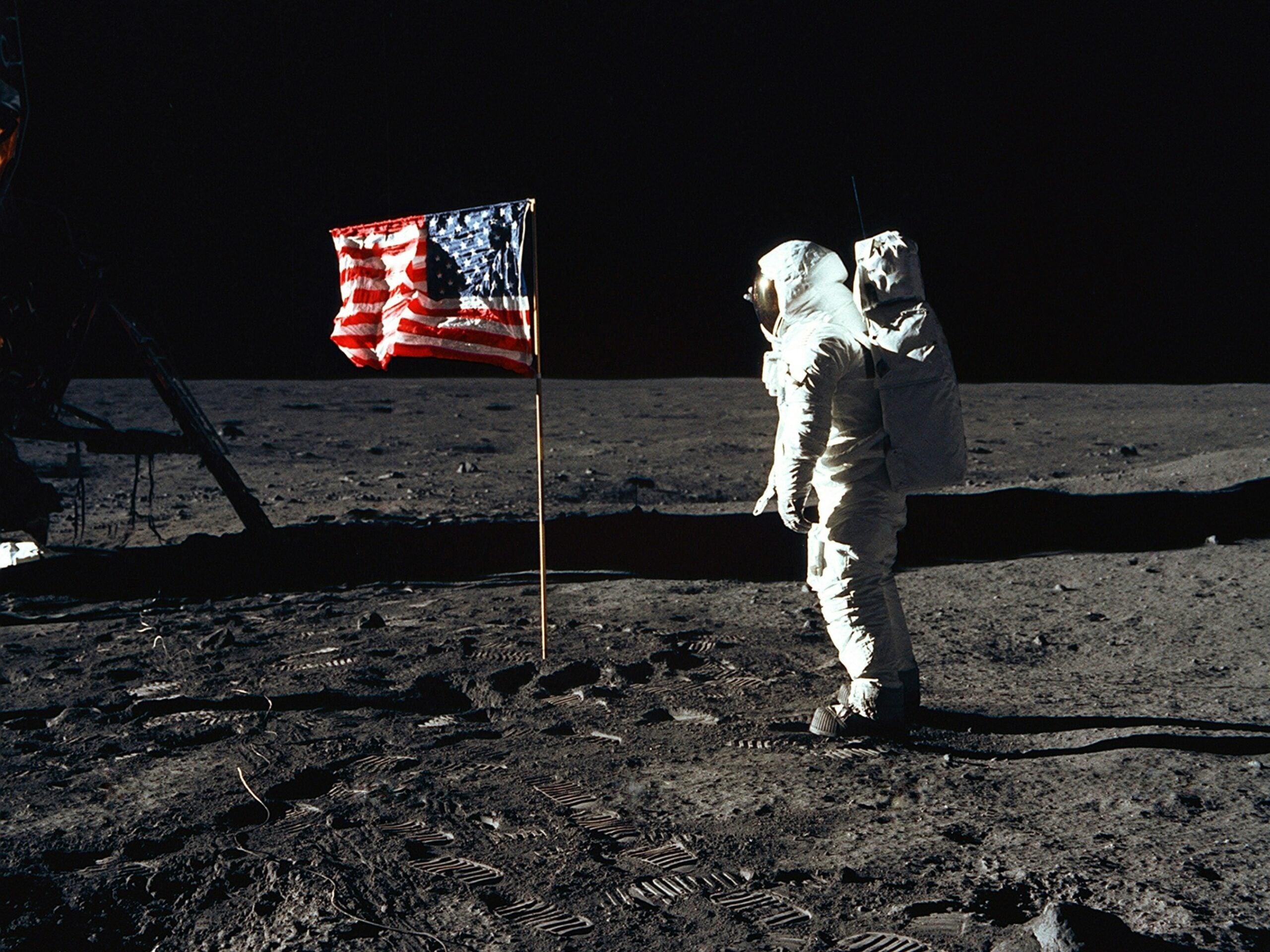
When Stefan Schwarz joined Sunderland in 1999, the contract included a clause banning him from traveling into space during his time with the club.
The team took it seriously because he’d expressed genuine interest in joining a future space mission.
Visiting-friends travel clause

When Neymar moved to Barcelona, his deal reportedly included a condition that his close friends be flown in every two months at the club’s expense.
The idea was to keep him relaxed and grounded while adapting to life in Spain.
Annual house or “Lego house” clause

When Giuseppe Reina signed with Arminia Bielefeld, his contract said the club would build him a new home every year he stayed.
Because the size wasn’t defined, the club built him a small Lego house as a joke—and the clause became legendary.
Cooking lessons for spouse clause

When Rolf-Christel Guie-Mien joined Eintracht Frankfurt, he insisted that his wife receive professional cooking lessons.
He said it would help him focus better knowing she could prepare traditional meals.
The club surprisingly agreed.
Night-club outings allowance clause

When Ronaldinho joined Flamengo in Brazil, his contract reportedly allowed him two nights out per week without fines or discipline.
It matched his fun-loving lifestyle, though it raised eyebrows among teammates.
Weight-check bonus clause

NBA star Zion Williamson’s deal included a requirement that his combined weight and body-fat percentage stay under a set number.
If he met it, he earned the full value of his contract.
It showed how seriously teams monitor conditioning.
Dog ownership prohibition clause

Steve Novak once had a clause in his NBA contract forbidding him from owning a dog.
He had severe allergies, and the team didn’t want him risking a reaction that could affect his play.
It was an oddly specific rule, but it made sense.
Homework or film study clause

In the NFL, Kyler Murray’s contract with the Arizona Cardinals required him to watch a certain number of hours of film each week on a team-issued device.
It was meant to ensure he stayed focused, though fans found it a bit patronizing.
Behavior monitoring and curfew clause

NFL receiver Dez Bryant had a strict behavior clause that included a curfew, a security team, and even monitoring at home.
The team wanted to protect its investment and keep him out of trouble.
It sounded extreme, but it worked for a while.
Morals or conduct clause

Many athlete contracts include a morals clause that allows a team to terminate or fine a player if they embarrass the organization.
It’s not bizarre on its own, but the gray area of what counts as “immoral” often sparks debate.
Anti-transfer-to-specific-team clause

In one soccer contract, a player was allowed to leave only if the buying club was not a rival team.
Roberto Firmino’s deal reportedly barred him from transferring to Arsenal, even if they met his release amount.
Rivalries run deep.
No skiing (or hazardous hobby) clause

Some clubs don’t take chances with injury-risk hobbies.
One soccer player had a clause preventing him from going within 200 yards of a ski slope.
It might sound strict, but injuries from such activities can cost millions.
Mustache-wax stipend or grooming bonus clause

Baseball legend Rollie Fingers had a clause that paid him a small stipend for mustache wax as part of his appearance bonus.
It encouraged him to keep his trademark look, which became part of his brand.
Injury-re-injury escape clause

Players with injury histories often face clauses that let clubs cut ties if the same injury comes back.
Radamel Falcao’s deal with Manchester United reportedly had one for his knee.
It’s a way for clubs to protect themselves financially.
Language or regional culture integration clause

Some contracts require players to learn the local language or embrace regional customs.
When Lionel Messi was with Barcelona, one version of his contract reportedly encouraged learning Catalan and adapting to local culture.
Release clause with extreme value

Some contracts include enormous release clauses, more symbolic than practical.
Cristiano Ronaldo’s deal at Real Madrid had a staggering €1 billion release fee.
It sent a clear message: he wasn’t leaving unless someone paid the impossible.
“End of the world” guarantee clause

NFL quarterback Rick Mirer once had a contract that stated it would remain valid “up to and including the end of the world.”
It sounds like overkill, but it shows how legal teams sometimes go to absurd lengths to cover every scenario.
The fine print that tells a story
These quirky contract clauses reveal that professional sports are about much more than what happens on the field.
They show how teams juggle personalities, risks, and sometimes pure superstition.
What seemed strange years ago now feels like part of the game’s charm—and proof that behind every athlete, there’s always a fascinating human story hidden in the fine print.
More from Go2Tutors!

- The Romanov Crown Jewels and Their Tragic Fate
- 13 Historical Mysteries That Science Still Can’t Solve
- Famous Hoaxes That Fooled the World for Years
- 15 Child Stars with Tragic Adult Lives
- 16 Famous Jewelry Pieces in History
Like Go2Tutors’s content? Follow us on MSN.