15 Cultural Celebrations That Turned Deadly
Throughout history, some of humanity’s most cherished traditions have taken tragic turns. What began as joyous community gatherings, religious observances, or cultural festivals sometimes ended in devastating loss of life. These incidents remind us that even our most beloved celebrations can become dangerous when crowds grow too large, safety measures fail, or unexpected circumstances arise.
From ancient religious ceremonies to modern music festivals, these tragedies have shaped how we approach crowd control and event safety today. Here is a list of 15 cultural celebrations that turned deadly, each telling a story of how celebration can quickly transform into catastrophe.
The Station Nightclub Fire

The Station nightclub fire in Rhode Island during a Great White concert in 2003 remains one of America’s deadliest nightclub fires. Pyrotechnics ignited soundproofing foam, creating a fast-moving blaze that killed 100 people and injured over 200. The tragedy highlighted serious flaws in venue safety standards and fire codes across the country.
Love Parade Disaster
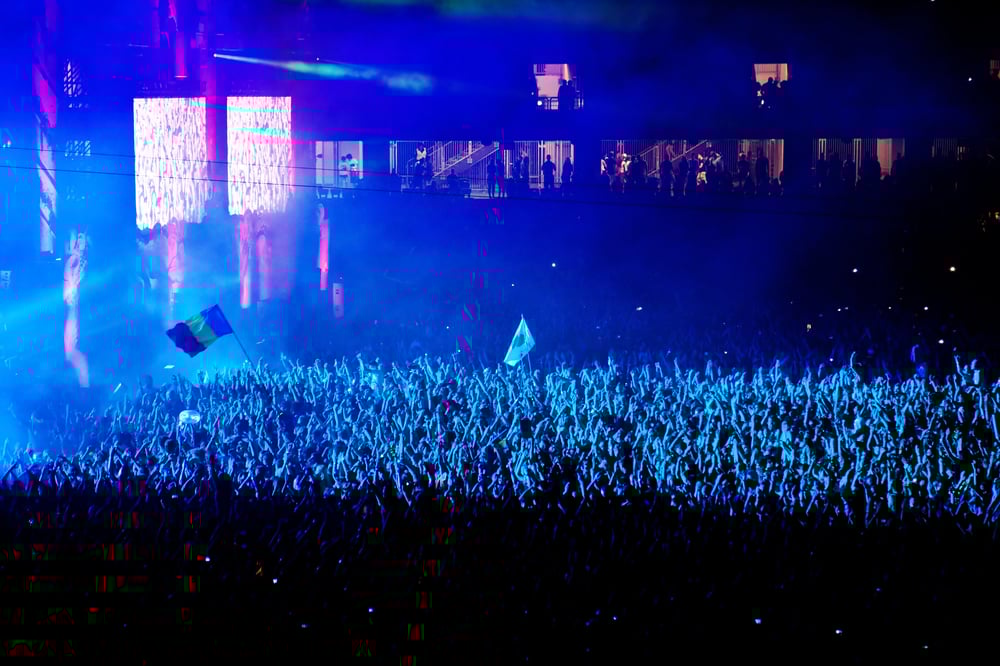
Germany’s Love Parade, an annual electronic dance music festival, ended in tragedy in 2010 when a crowd crush in Duisburg killed 21 people. The festival had outgrown its venue, creating dangerous bottlenecks as hundreds of thousands of attendees tried to navigate narrow passages. This disaster effectively ended the Love Parade permanently.
Hillsborough Stadium Disaster
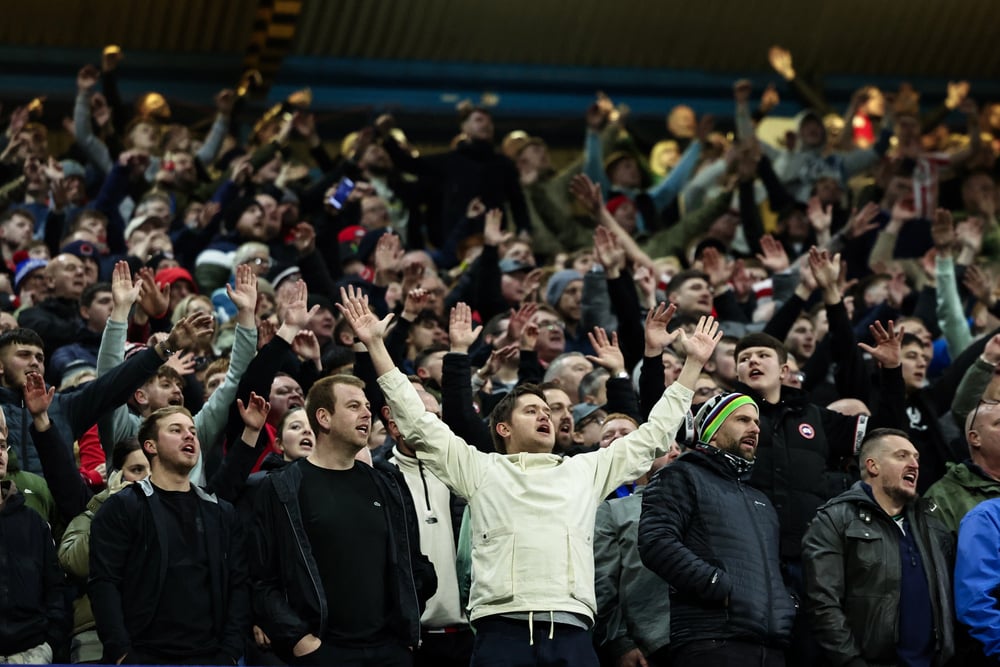
The 1989 FA Cup semi-final at Hillsborough Stadium in Sheffield became synonymous with crowd safety failures. Ninety-seven Liverpool fans died in a crush caused by overcrowding and poor police crowd control decisions. The tragedy led to major reforms in stadium design and crowd management across British football.
The Cocoanut Grove Fire
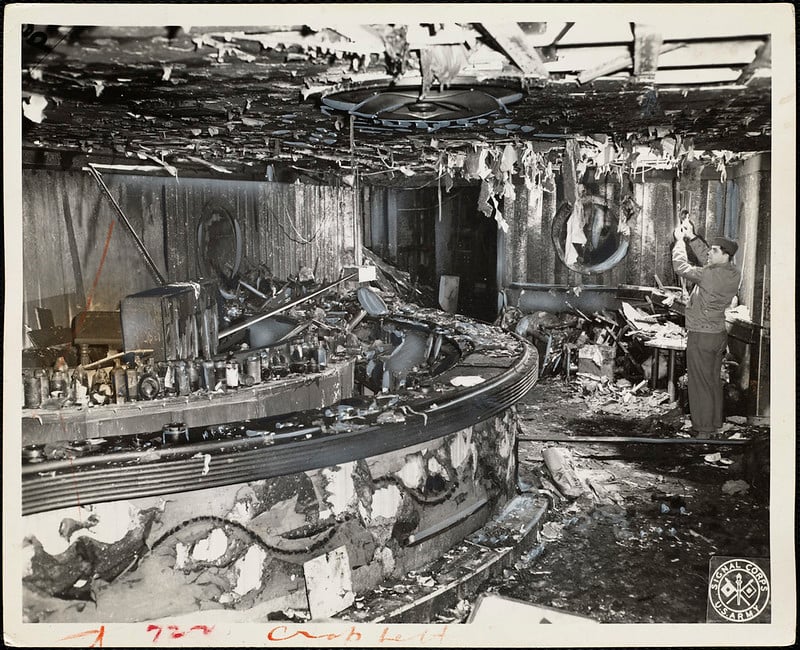
Boston’s Cocoanut Grove nightclub fire in 1942 killed 492 people during a busy Saturday night celebration. The fire spread rapidly through the packed venue, which had flammable decorations and inadequate exits. This disaster revolutionized fire safety codes and building regulations throughout the United States.
Hajj Stampedes
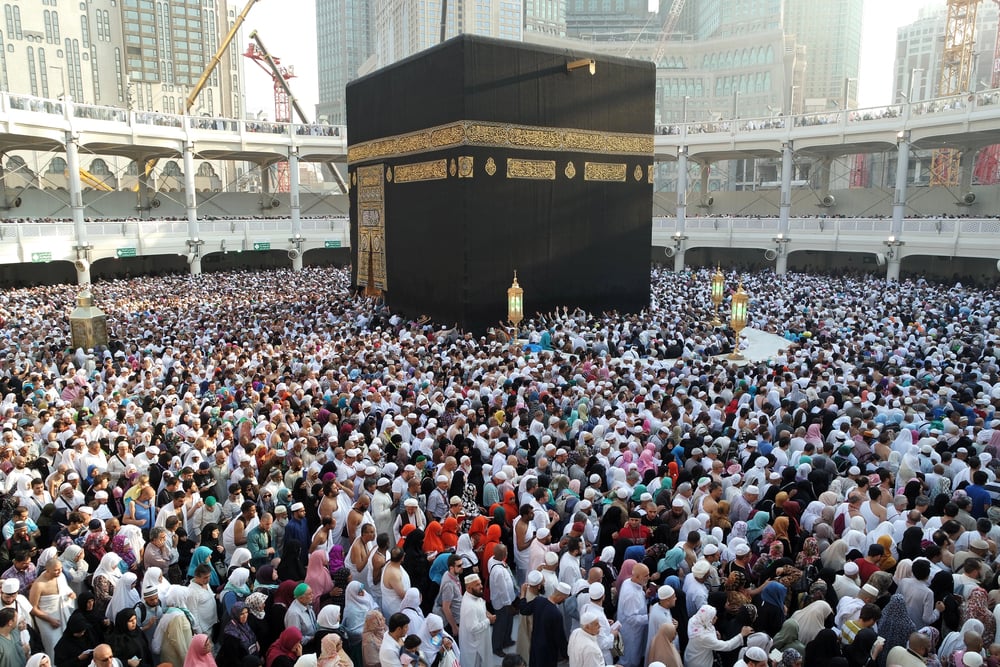
The annual Hajj pilgrimage to Mecca has experienced multiple deadly stampedes throughout history, with the 2015 incident killing over 2,400 people. The sheer number of pilgrims—often exceeding two million—creates enormous logistical challenges during religious rituals. Despite extensive safety improvements, the concentration of so many people in sacred spaces continues to pose risks.
The Who Concert Stampede
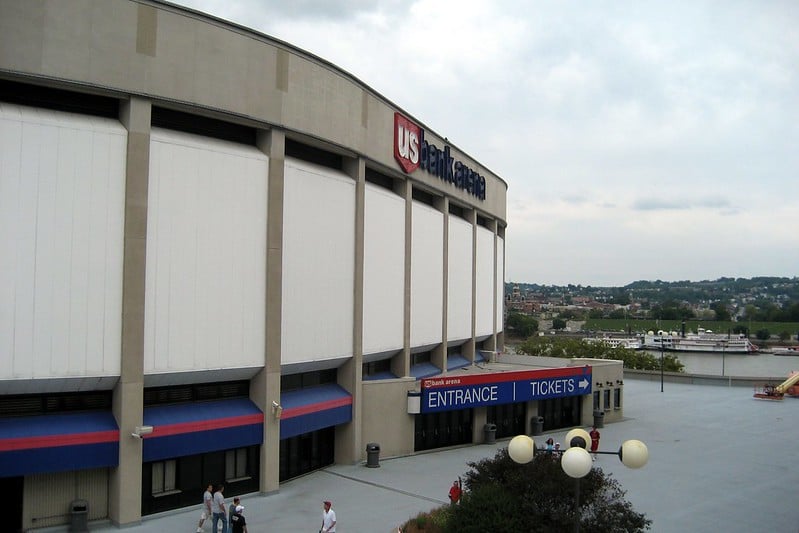
A 1979 concert by The Who in Cincinnati turned deadly when fans rushed toward the venue’s entrance, killing 11 people. Festival seating policies and delayed door openings created dangerous crowd conditions outside Riverfront Coliseum. This tragedy prompted changes in concert venue policies and crowd management practices nationwide.
Victoria Hall Disaster

The 1883 Victoria Hall disaster in Sunderland, England, killed 183 children during a variety show performance. When organizers announced free gifts would be distributed, children rushed toward a narrow staircase with a door that only opened inward. This tragedy led to regulations requiring public building doors to open outward.
Iroquois Theatre Fire
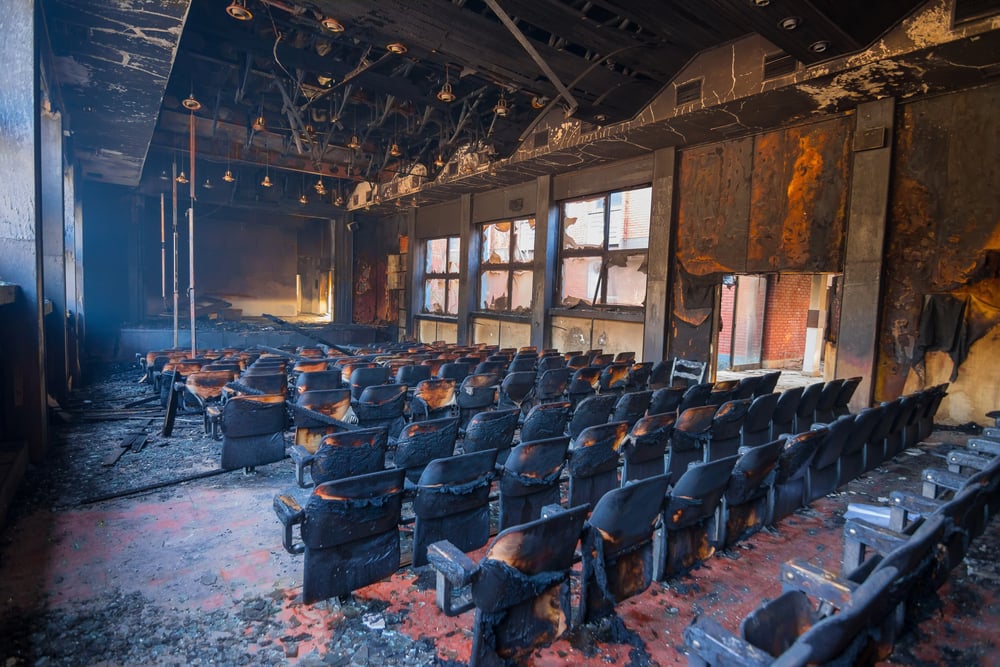
Chicago’s Iroquois Theatre fire in 1903 killed over 600 people during a matinee performance of ‘Mr. Blue Beard.’ The supposedly fireproof theater lacked proper fire safety equipment and had locked exit doors. This disaster spurred major improvements in theater safety codes and emergency exit requirements.
Beverly Hills Supper Club Fire
The 1977 Beverly Hills Supper Club fire in Kentucky killed 165 people during a dinner show featuring comedian John Davidson. The fire spread rapidly through the complex structure, which had been built in sections over many years without proper fire separation. Poor exit signage and overcrowding made escape nearly impossible for many patrons.
Khodynka Tragedy

The 1896 coronation celebration of Tsar Nicholas II in Moscow turned into a disaster when rumors of gift shortages caused a stampede. Over 1,300 people died in the crush at Khodynka Field as crowds surged toward distribution points. The tragedy was seen as an ominous start to Nicholas II’s reign, which would end in revolution.
Republic of Santa Fe Nightclub Fire

A 2008 fire at the República Cromañón nightclub in Buenos Aires killed 194 people during a rock concert. Flares ignited the ceiling, and many exits were chained shut to prevent people from entering without paying. The tragedy exposed corruption in Buenos Aires’ nightclub inspection system and led to major safety reforms.
E2 Nightclub Stampede
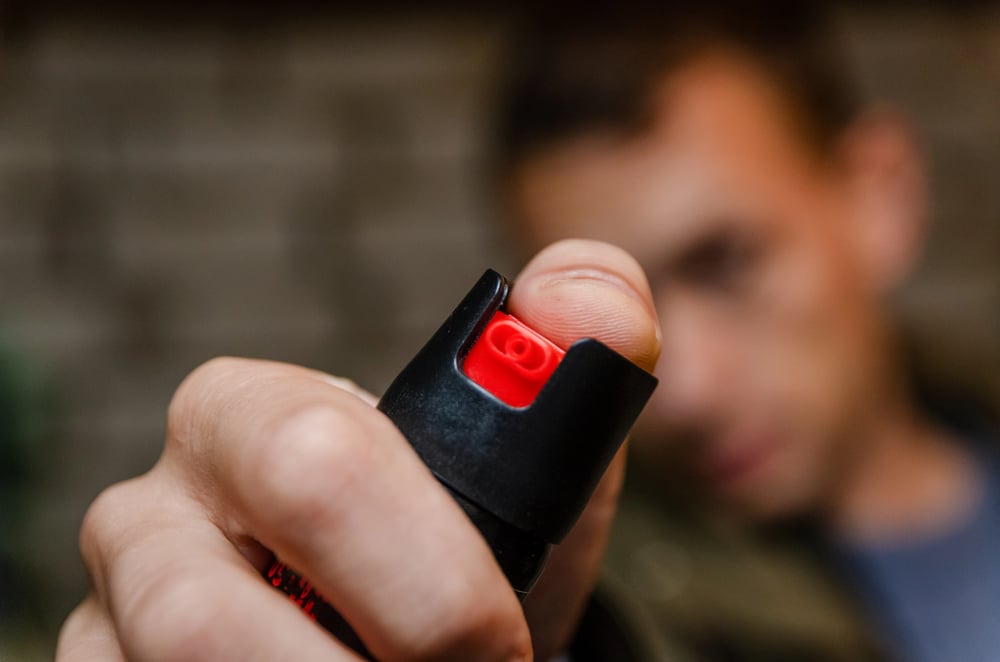
The 2003 E2 nightclub stampede in Chicago killed 21 people when someone used pepper spray near the entrance during a crowded event. The panic that followed caused people to rush toward exits, creating a deadly crush on the narrow staircase. The building’s design and overcrowding turned what should have been a manageable situation into a tragedy.
Kiss Nightclub Fire

Brazil’s Kiss nightclub fire in 2013 killed 242 people during a university party in Santa Maria. Band members ignited flares that set the ceiling ablaze, and many exits were blocked or inadequately marked. The tragedy highlighted widespread safety violations in Brazilian entertainment venues and led to stricter enforcement of fire codes.
Temple Mount Tunnel Opening
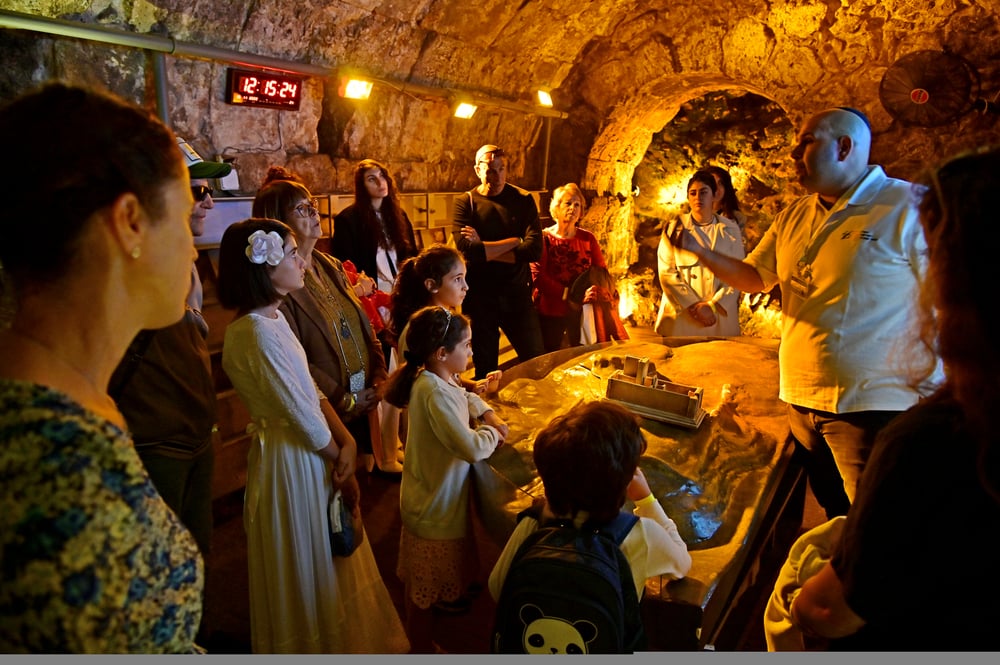
The 1990 opening of archaeological tunnels near Jerusalem’s Temple Mount resulted in deadly riots that killed 17 people. What began as a religious and cultural ceremony escalated into violent confrontations between different groups. The incident demonstrated how cultural celebrations in sensitive locations can quickly become flashpoints for broader conflicts.
Roskilde Festival Crush
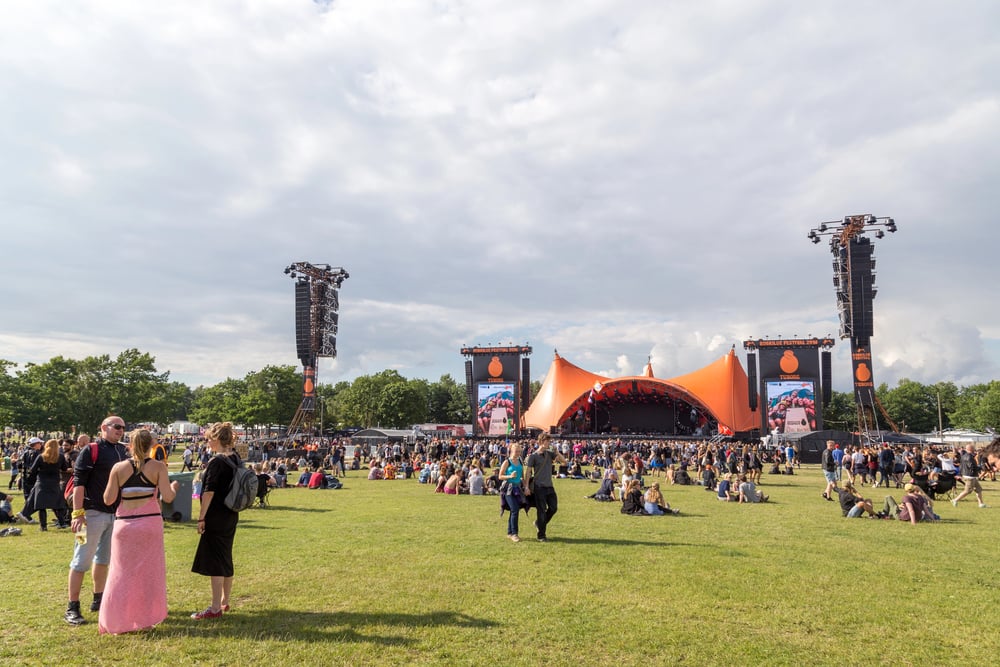
Denmark’s Roskilde Festival experienced a deadly crowd crush in 2000 when Pearl Jam took the stage, killing nine people. The crowd surge toward the front of the stage created dangerous pressure that trapped concertgoers against barriers. This tragedy led to significant improvements in festival crowd management and barrier design across Europe.
From Celebration to Caution

These tragedies share common threads that continue to influence event planning today. Poor crowd control, inadequate safety measures, and the unpredictable nature of large gatherings created perfect storms that turned celebration into catastrophe. Modern festivals and venues now implement sophisticated crowd monitoring systems, multiple exit strategies, and strict capacity limits because of these hard-learned lessons. The music festivals, religious gatherings, and cultural events we enjoy today are safer because previous generations paid such a devastating price for our understanding of crowd dynamics and safety protocols.
More from Go2Tutors!

- The Romanov Crown Jewels and Their Tragic Fate
- 13 Historical Mysteries That Science Still Can’t Solve
- Famous Hoaxes That Fooled the World for Years
- 15 Child Stars with Tragic Adult Lives
- 16 Famous Jewelry Pieces in History
Like Go2Tutors’s content? Follow us on MSN.