Worst Fashion Trends That We Hope Never Return
Fashion has always been a cycle. What was once cool becomes cringe, then somehow circles back to trendy again.
But let’s be honest, not every trend deserves a second chance. Some styles were questionable even during their peak, and looking back at old photos can make anyone wonder what people were thinking.
Here’s a look at some of the fashion choices that should stay buried in the past where they belong.
Popcorn Shirts

Remember those stretchy, bubble-textured tops that felt like wearing a kitchen sponge? Popcorn shirts were everywhere in the late 90s and early 2000s, clinging to bodies in all the wrong ways.
The fabric would bunch up after one wash, creating random lumps that made the wearer look like they’d been attacked by a fabric-eating monster. These shirts were uncomfortable, unflattering, and had a weird habit of snagging on everything.
The texture was supposed to be fun and different, but it just ended up looking cheap and feeling worse.
Super Low-Rise Jeans
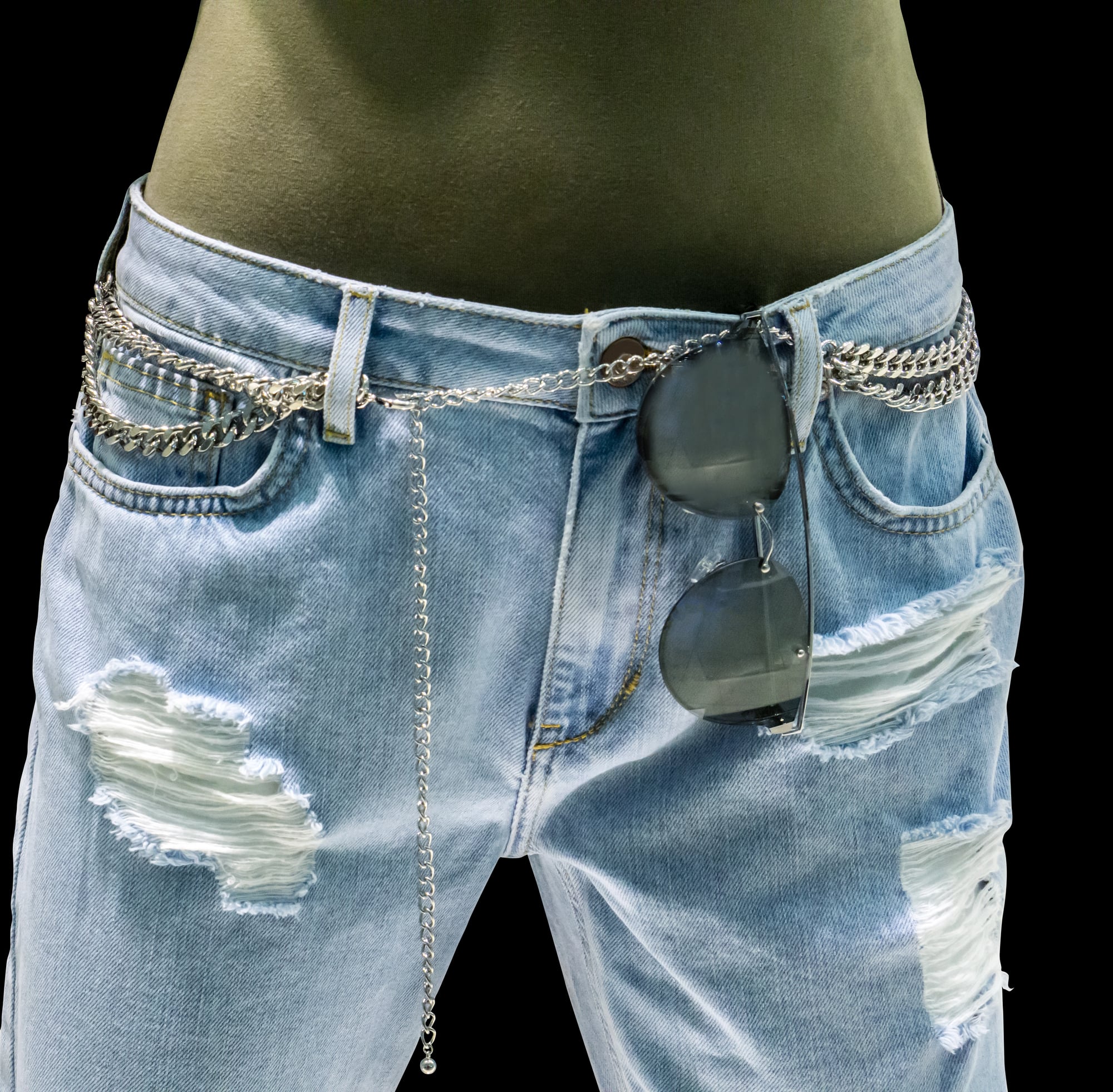
These jeans sat so low on the hips that sitting down became a risky move. The early 2000s loved this style, pairing it with visible thong straps and crop tops that created about two inches of coverage total.
Comfort was thrown out the window for a look that required constant adjusting and strategic positioning. Bending over? Forget it.
The rise was so low that many people had to size up just to avoid constant wardrobe malfunctions, which then created weird baggy sections everywhere else.
Velour Tracksuits

Juicy Couture made millions convincing people that head-to-toe velour was acceptable daywear. These matching sets came in every color imaginable and were paired with oversized sunglasses and tiny dogs in purses.
The fabric attracted lint like a magnet and showed every single wrinkle after one wear. Sure, they were comfortable, but so are actual pajamas.
The cultural obsession with wearing what was essentially fancy sleepwear to the grocery store was a collective fever dream that thankfully broke.
Cargo Pants With Way Too Many Pockets

Military-inspired pants somehow became civilian fashion, complete with enough pockets to store a week’s worth of supplies. The pockets hung off the sides of legs, creating a bulky silhouette that made everyone look wider than they actually were.
Nobody ever actually used all those pockets, but they sure added visual weight. The fabric was usually stiff and unflattering, and the pants themselves were almost always too long, dragging on the ground and fraying at the hems.
Butterfly Clips Everywhere

Hair accessories reached peak chaos when tiny plastic butterfly clips invaded every strand of hair on people’s heads. One or two might have been cute, but the trend involved using dozens of them scattered randomly across the scalp.
The clips were sharp, uncomfortable, and left weird bends in the hair when removed. They’d fall out constantly throughout the day, leaving a trail of plastic butterflies wherever the wearer went.
The look was supposed to be playful and fun but ended up resembling an insect infestation.
Denim On Denim On Denim

The Canadian tuxedo took things to an extreme when people started wearing denim jackets, jeans, and even denim shirts all at once. Matching the wash was nearly impossible, so most outfits featured three different shades of blue fighting for attention.
The look was stiff, heavy, and made movement feel restricted. Some brave souls even added denim accessories like hats or bags, creating a monochromatic nightmare.
Denim is great in moderation, but this trend proved that too much of a good thing is definitely possible.
Platform Flip-Flops

Someone decided that casual summer footwear needed to be three inches tall, creating a frankenstein hybrid of comfort and danger. These chunky sandals were impossible to walk in naturally, forcing an awkward stomping gait.
The platforms were usually made of foam or cork that would start falling apart after a few wears, leaving chunks of sole behind on sidewalks. They made every step feel unstable, and going down stairs became an Olympic event.
The worst part was how the height would wear unevenly, creating a lopsided walking experience.
Visible Thong Straps
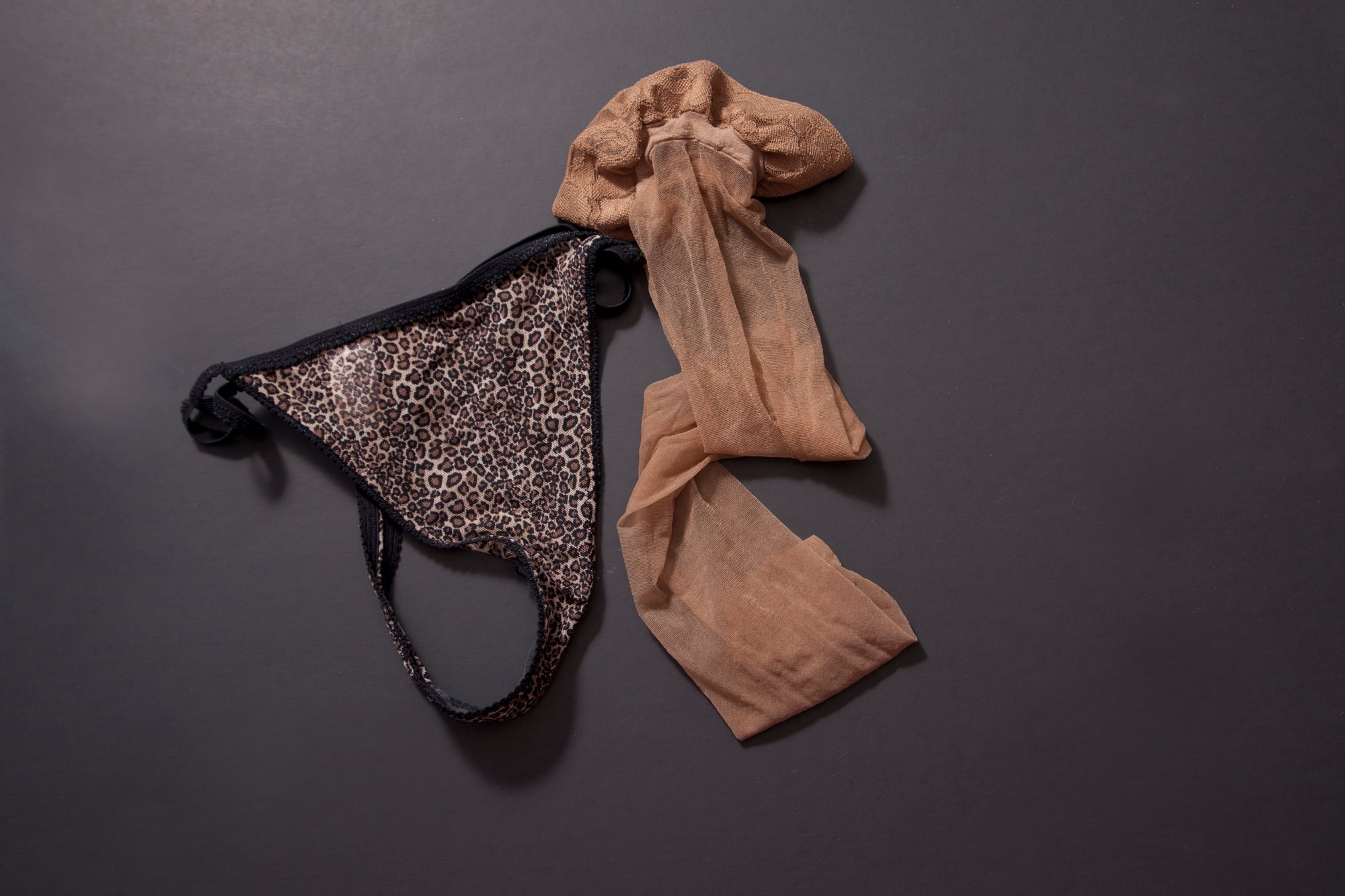
Fashion peaked in weirdness when showing underwear became the goal rather than something to avoid. The straps would peek out above low-rise jeans intentionally, and some brands even made decorative versions specifically designed to be seen.
This trend made no practical sense and looked uncomfortable. The constant adjustment required to keep the straps in just the right position was exhausting to watch.
It was essentially paying extra money to make sure everyone knew what kind of underwear was being worn.
Trucker Hats With Random Logos
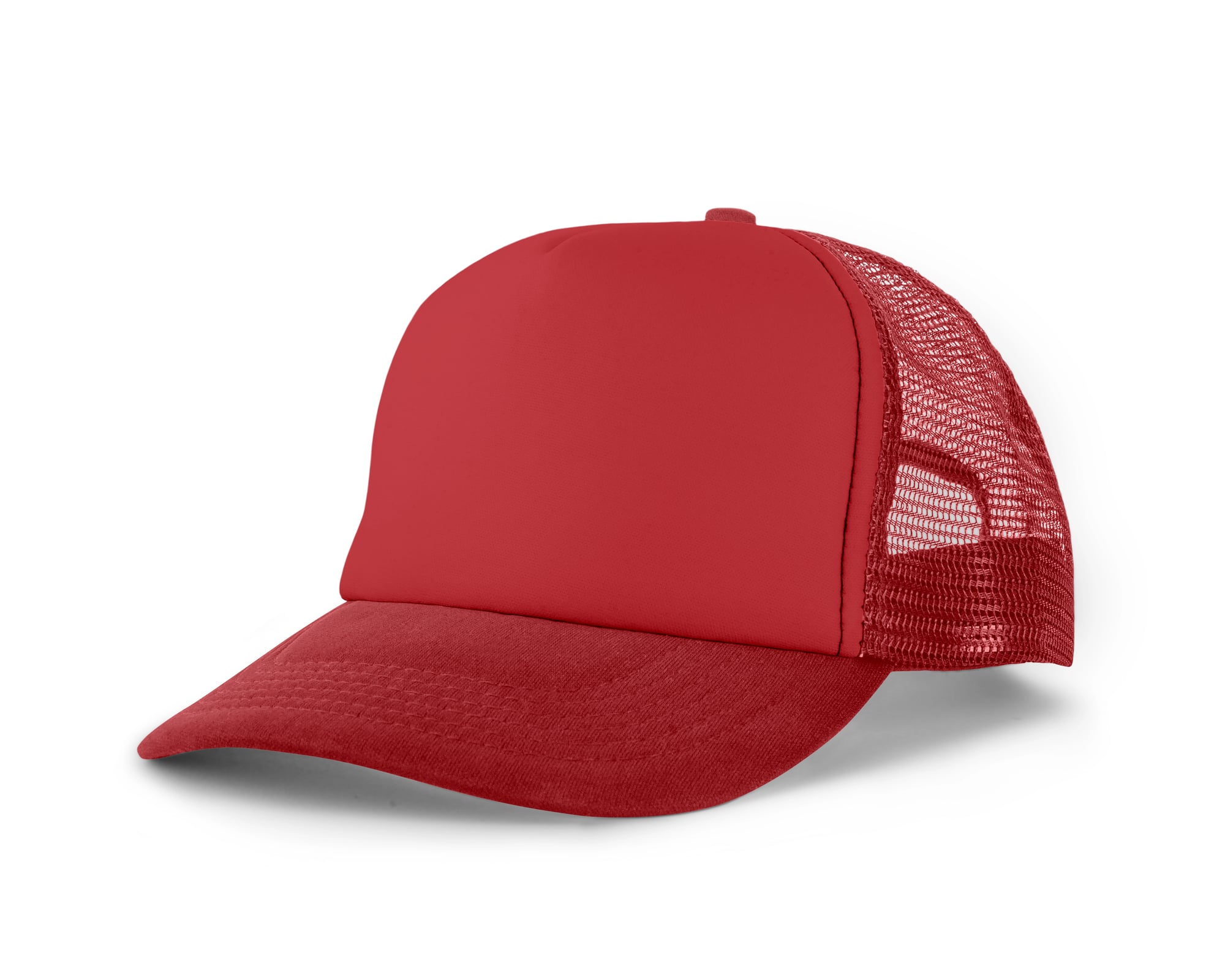
Mesh-back caps advertising everything from tractor companies to beer brands became high fashion for some reason. People who had never been near a farm or a trucker were wearing these hats ironically, then unironically, then nobody could tell anymore.
The foam front would get crusty with sweat, and the plastic snapback would break after minimal use. The mesh back defeated the purpose of a hat by letting sun through, and the logos were usually for products or companies nobody actually cared about.
Handkerchief Tops
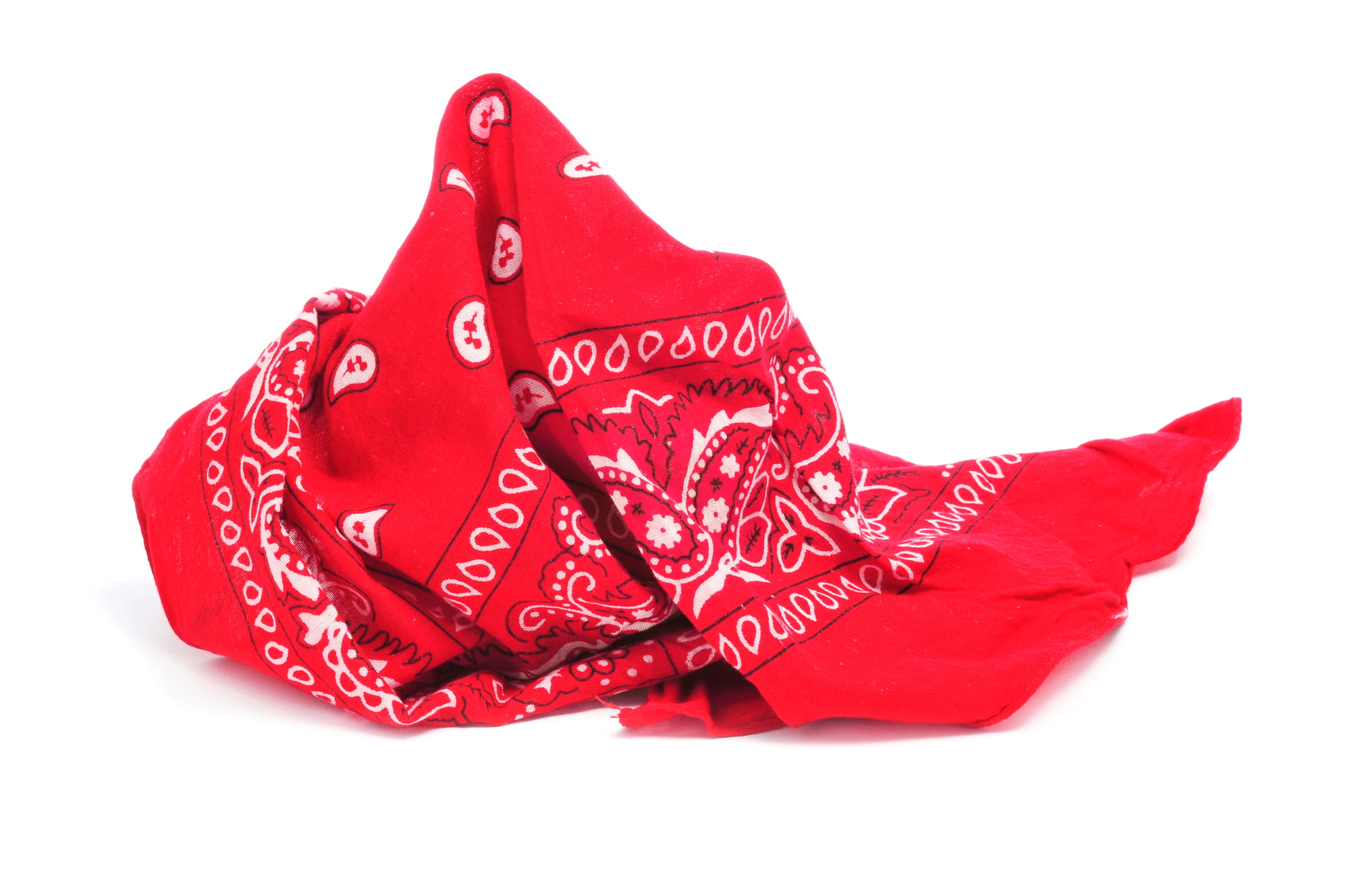
These tiny scraps of fabric masqueraded as shirts, held together by strings and prayers. One wrong move and the entire top would shift, requiring constant readjustment throughout the day.
The halter-style versions left terrible tan lines and caused neck pain from the tied straps. Most of these tops couldn’t be worn with a regular bra, creating additional wardrobe complications.
They looked good in magazine photos but were completely impractical for real life, especially for anyone who needed to move, sit, or breathe normally.
Gauchos

These wide-legged cropped pants hit at the worst possible spot on the leg, making everyone look shorter and wider. The length was too long for shorts, too short for pants, and unflattering on every body type.
They would swish around while walking, catching on things and creating a rumpled mess. The wide leg meant they took forever to dry after washing and were impossible to style in a way that looked intentional.
Paired with the wrong shoes, they made legs disappear entirely into a fabric void.
Shrug Sweaters

Tiny cardigans that covered approximately nothing served zero practical purpose. They ended right at the narrowest part of the ribcage, creating an odd horizontal line that cut the body in half visually.
Too short to provide warmth, too bulky to look delicate, these sweaters existed in a useless middle ground. The sleeves were usually long and awkward, making arms look disproportionate to the cropped body.
They were essentially arm warmers pretending to be outerwear.
Ponchos As Everyday Wear
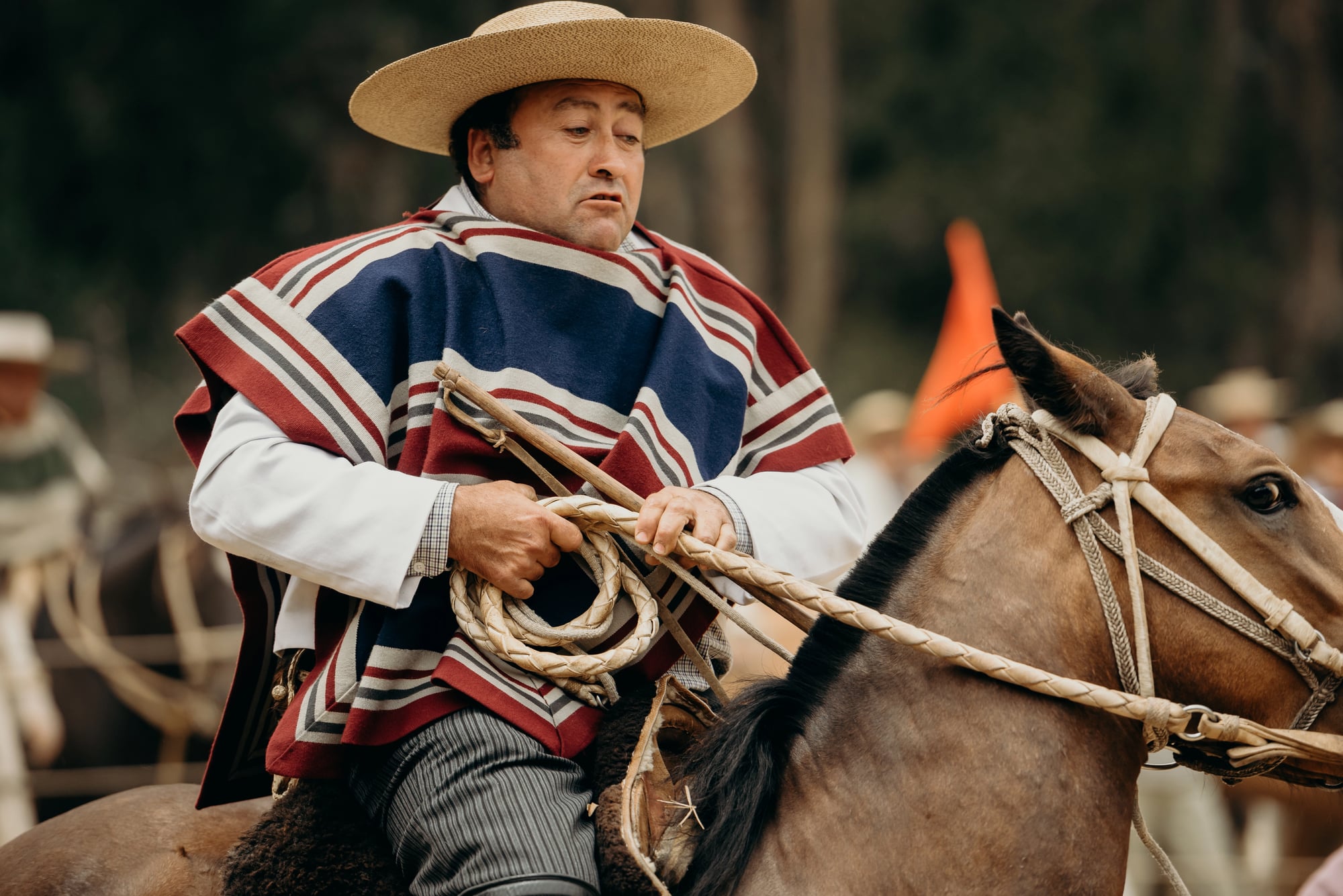
Borrowed from traditional South American clothing and stripped of all context, fashion ponchos became a mainstream trend that didn’t quite work. They were shapeless, hard to layer, and made simple tasks like reaching for things or carrying bags nearly impossible.
The fringe that decorated most of them would get caught in car doors and backpack straps constantly. Sitting down meant bunching up a lot of fabric, and the one-size-fits-all approach meant they fit nobody particularly well.
Studded Everything

Belts, jeans, shoes, bags, and even shirts got covered in metal studs that served no function except looking aggressive. The studs would snag on everything, scratch car seats, and fall off randomly, leaving sad empty tears in the fabric.
Sitting down meant metal digging into skin or furniture, and the extra weight made clothes hang strangely. Washing anything studded was a gamble that usually resulted in more missing studs and damaged washing machines.
The punk rock edge people were going for just looked try-hard and uncomfortable.
Peasant Tops With Too Much Fabric

Billowy blouses with elastic necklines that could be worn off the shoulder seemed romantic in theory but were disasters in practice. The gathered fabric added bulk to the upper body, and the elastic would stretch out quickly, making the top slip down constantly.
The puffy sleeves made arms look huge, and the excess material got in the way of everything. These tops were impossible to tuck in neatly and looked sloppy when left untucked.
They wrinkled if you looked at them wrong and required careful laundering to maintain the gathered details.
Jelly Shoes

Plastic footwear made a comeback that nobody asked for, bringing back all the problems from childhood. These shoes caused blisters, didn’t breathe at all, and made feet sweat profusely.
They’d squeak embarrassingly with every step when wet, which was ironic for shoes supposedly designed for water. The plastic would get cloudy and discolored over time, and they offered zero arch support or cushioning.
Sure, they came in fun colors and were cheap, but the foot pain wasn’t worth the aesthetic.
Skinny Scarves

Worn around the neck, thin fabric strips did nothing for warmth – more like dull shoelaces pretending to be fashion. Too slim to serve a real role, they only managed to snag on movement.
Twisting into messy knots, they demanded frequent fixing just to seem deliberate. With so little material to work with, tying styles stayed flat; most settled for a lazy loop and crossed their fingers.
An accessory shouting effort, yet bringing zero value to what was already being worn.
Mixing Patterns That Clash

Back then, mixing stripes, florals, and plaids became suddenly everywhere. Magazines called it bold – almost daring – but truthfully, outfits often resembled morning confusion.
Patterns clashed hard, each shouting louder than the next. That noise pulled focus straight off the wearer.
A few combos landed right, though more ended up screaming wrong. Pulling it off took nerve so strong even top models seemed unsure once they stepped outside photoshoot lights.
What We Learned From These Mistakes

Peeking at old fashion mistakes reveals quiet truths about what catches on. Popularity doesn’t mean staying power – often the loudest fads vanish quickest.
Fame pushed some of these looks, others rode waves of ads or the urge to blend in. Movement defines clothing cycles, though echoes from the past sometimes resurface.
Luck has it that those specific chapters remain buried, remembered more as warnings than wishes.
More from Go2Tutors!

- The Romanov Crown Jewels and Their Tragic Fate
- 13 Historical Mysteries That Science Still Can’t Solve
- Famous Hoaxes That Fooled the World for Years
- 15 Child Stars with Tragic Adult Lives
- 16 Famous Jewelry Pieces in History
Like Go2Tutors’s content? Follow us on MSN.