14 Science Experiments That Schools No Longer Allow
Remember when science class meant real explosions, actual chemicals that could burn through metal, and experiments that made you question whether your teacher had proper insurance? Those days are long gone.
Modern classrooms have traded genuine scientific discovery for sanitized demonstrations that wouldn’t hurt a fly—literally. The shift toward safer learning environments has eliminated some of the most memorable and educational experiments from school curricula.
Here are 14 science experiments that schools no longer allow, each one a casualty of our increasingly cautious educational system.
The Thermite Reaction
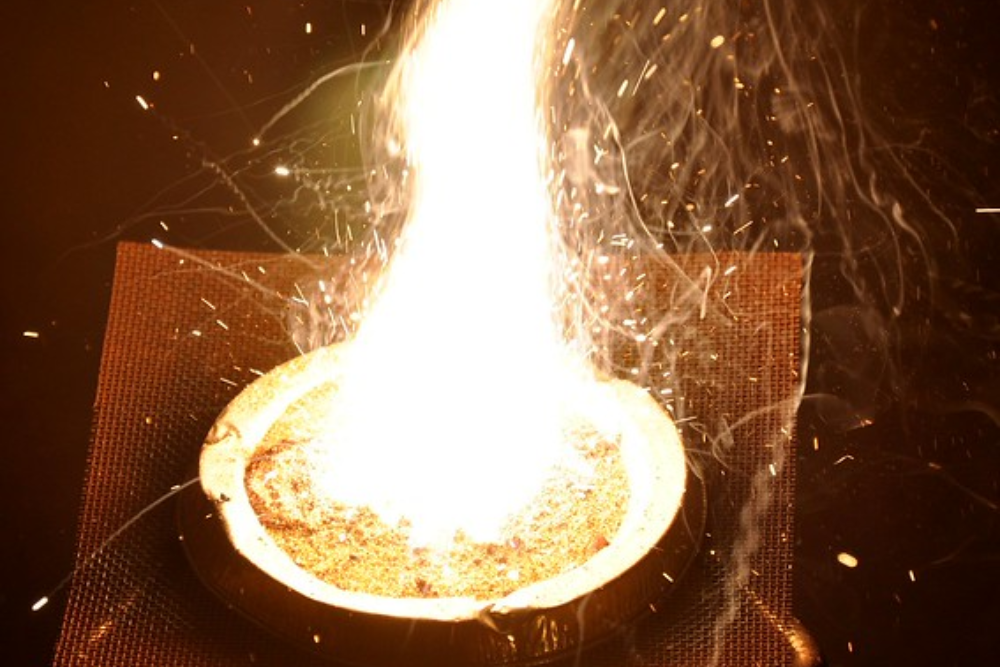
This experiment combined iron oxide and aluminum powder to create a reaction hot enough to melt through steel. Students would watch in amazement as the mixture reached temperatures of 4,000 degrees Fahrenheit, producing molten iron that could cut through metal like butter.
The demonstration perfectly illustrated exothermic reactions and the principles of metallurgy in action. Schools banned this experiment because the intense heat and molten metal posed serious burn risks.
Even small amounts of thermite could cause severe injuries, and the reaction was nearly impossible to control once started.
Mercury Barometer Construction
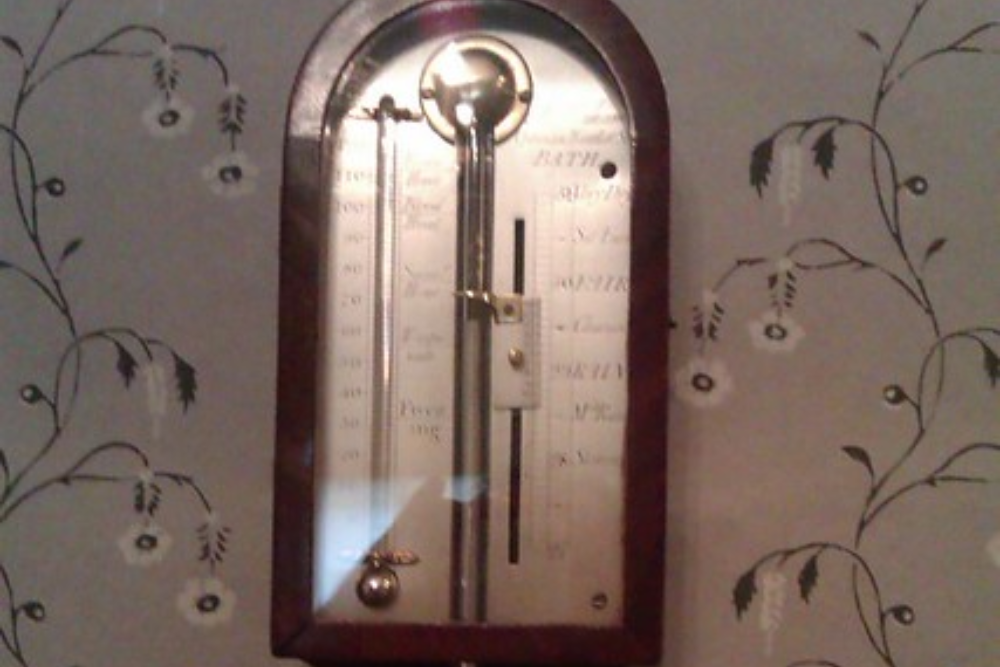
Students once built their own barometers using actual mercury, learning firsthand how atmospheric pressure changes affect weather patterns. The silvery liquid metal responded beautifully to pressure variations, rising and falling in glass tubes as weather systems moved through the area.
This hands-on approach made abstract concepts like atmospheric pressure tangible and memorable. Mercury’s toxic properties led to its removal from classrooms everywhere.
Even small amounts of mercury vapor can cause serious health problems, and cleanup after inevitable spills required hazardous material protocols.
Like Go2Tutors’s content? Follow us on MSN.
Concentrated Acid Demonstrations
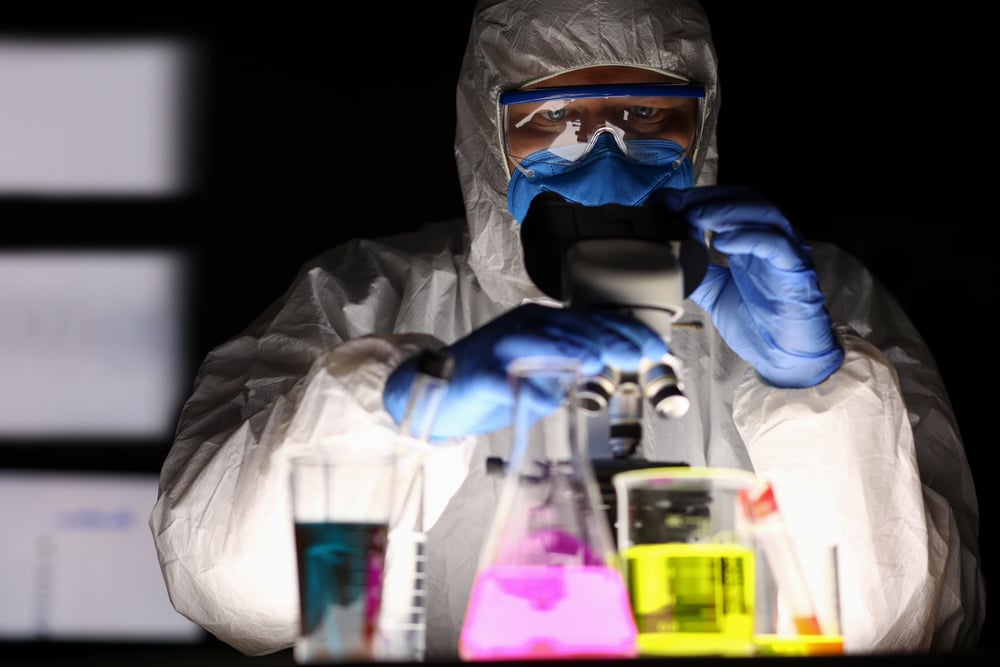
Teachers would demonstrate the power of concentrated sulfuric acid by dropping it onto organic materials like wood, paper, or sugar. The acid would instantly char these substances, turning them black and releasing dramatic clouds of steam.
Students learned about acid strength, dehydration reactions, and the importance of chemical safety through these visceral demonstrations. The extreme corrosive nature of concentrated acids made them too dangerous for classroom use.
Splashes could cause severe chemical burns, and the fumes posed respiratory hazards that modern ventilation systems couldn’t adequately address.
Explosive Powder Mixtures
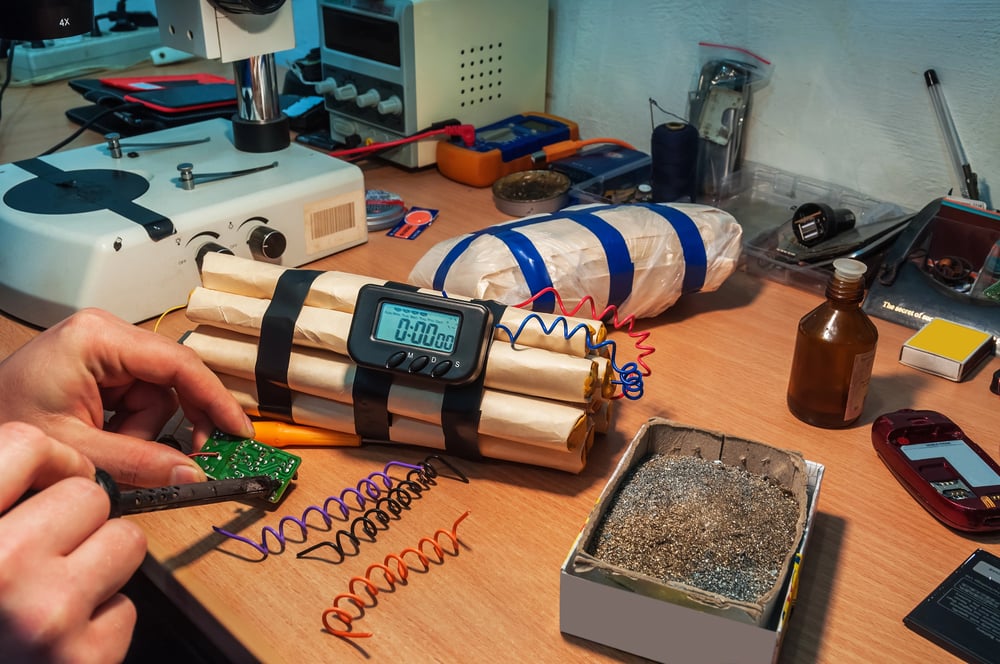
Chemistry teachers would create small explosive mixtures using common chemicals like potassium nitrate, sulfur, and charcoal. These controlled explosions taught students about combustion, chemical energy, and the principles behind fireworks and explosives.
The sudden bursts of flame and smoke made chemistry feel exciting and relevant. Even small explosive demonstrations carried risks of burns, hearing damage, and unpredictable reactions.
Insurance companies and school boards decided these risks outweighed the educational benefits.
Live Electrical Demonstrations
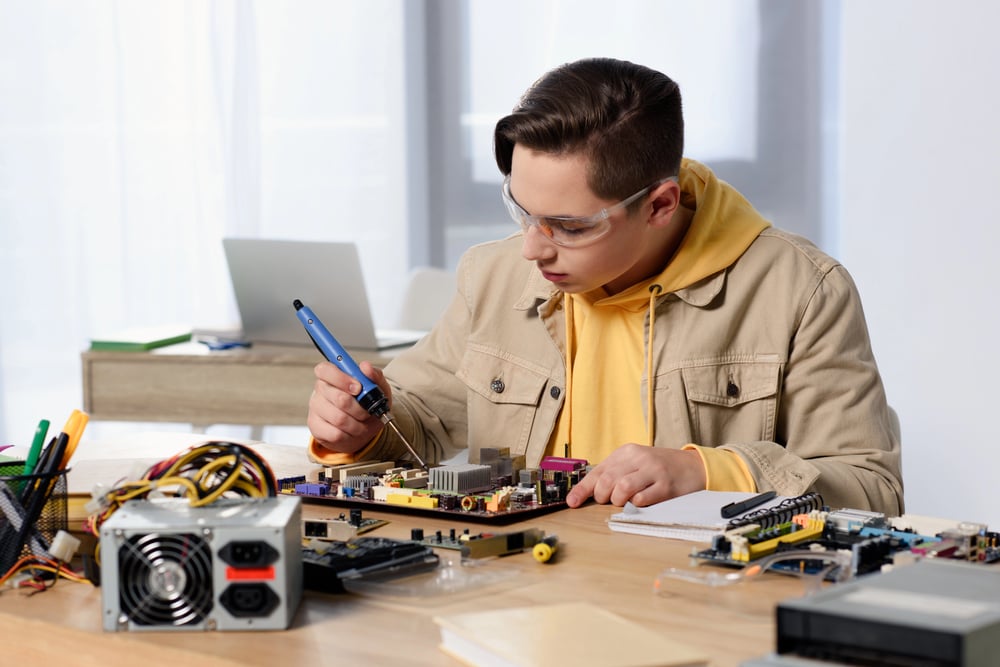
Physics teachers would demonstrate electrical principles using actual household current, sometimes even having students complete circuits with their own bodies. Van de Graaff generators would make students’ hair stand on end, while Tesla coils created impressive electrical arcs across the classroom.
These experiments made electricity feel real and powerful. The risk of electrocution, even with supposedly safe voltages, became unacceptable as liability concerns grew.
Modern demonstrations use much lower voltages and extensive safety equipment.
Like Go2Tutors’s content? Follow us on MSN.
Radioactive Element Handling
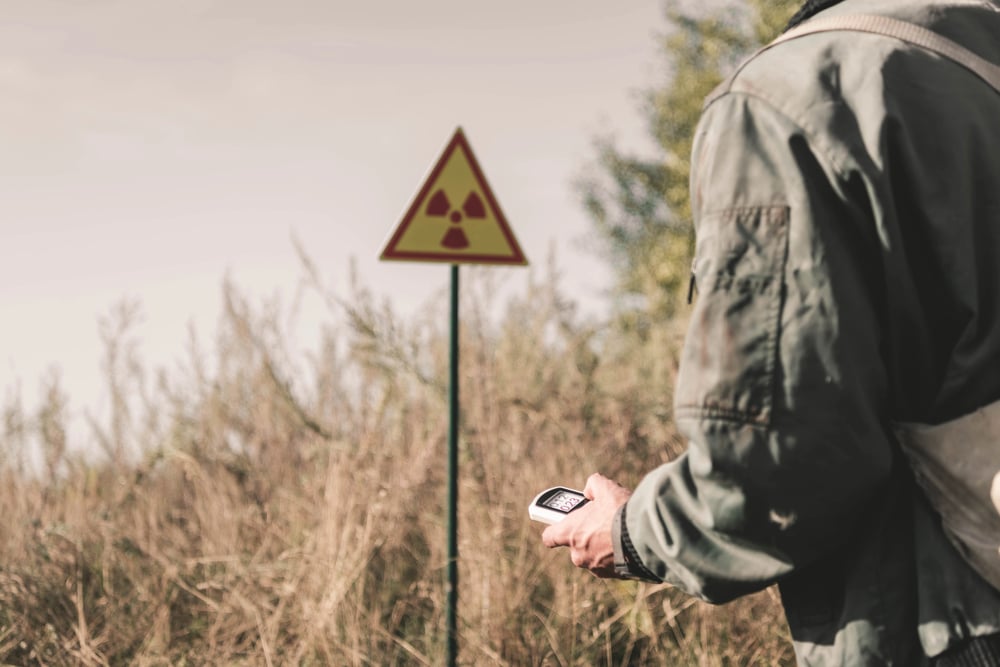
Students once examined actual radioactive materials in lead-lined containers, using Geiger counters to detect radiation levels. They would observe different types of radiation and learn about nuclear decay through direct measurement.
Some schools even had small amounts of radium or uranium for demonstration purposes. Growing awareness of radiation’s long-term health effects led to the removal of all radioactive materials from classrooms.
Even low-level sources posed potential cancer risks that schools couldn’t justify.
Chlorine Gas Production
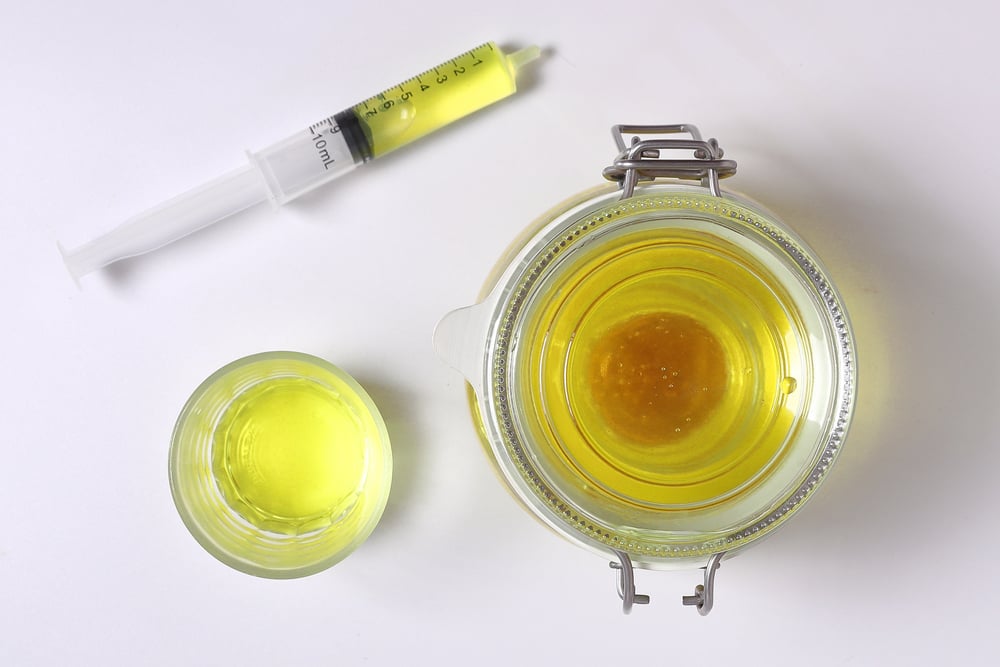
Chemistry classes would produce small amounts of chlorine gas by combining household bleach with acids, demonstrating how chemical weapons were developed during World War I. Students learned about gas reactions and the importance of chemical safety through this memorable, albeit dangerous, demonstration.
The greenish gas would fill a small container, showing students exactly what soldiers faced in the trenches. Chlorine gas causes severe respiratory damage and can be fatal in enclosed spaces.
Modern safety standards prohibit the production of any toxic gases in classroom settings.
Molten Metal Experiments
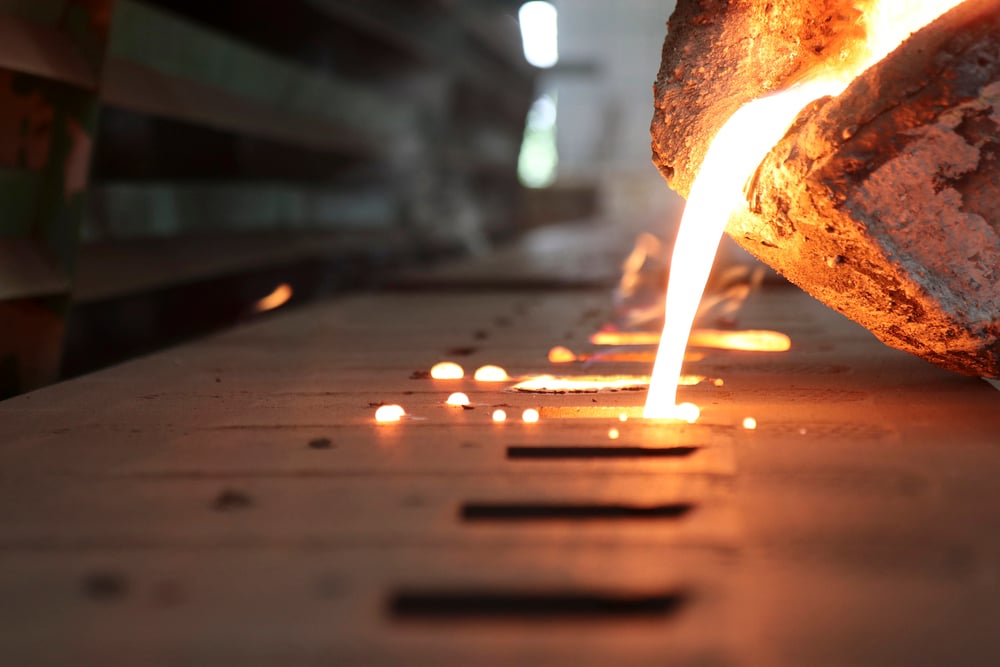
Students would melt lead, tin, and other metals using simple burners, then pour the molten metal into molds to create objects. This process taught them about melting points, crystallization, and metalworking techniques that humans have used for thousands of years.
The transition from solid to liquid metal fascinated students and made phase changes tangible. Lead poisoning concerns and severe burn risks from molten metals ended these experiments.
Modern alternatives use much safer materials that melt at lower temperatures.
Like Go2Tutors’s content? Follow us on MSN.
Phosphorus Demonstrations
White phosphorus would ignite spontaneously in air, creating brilliant flames that taught students about oxidation and combustion. Teachers would carefully remove small pieces from water storage and watch them burst into flame, demonstrating how some elements react violently with oxygen.
The dramatic reaction made chemical reactivity memorable and exciting. White phosphorus causes severe burns and is extremely difficult to extinguish once ignited.
Its toxic nature and unpredictable behavior made it too dangerous for educational use.
Explosive Gas Mixtures
Teachers would fill balloons with hydrogen and oxygen, then ignite them to demonstrate combustion reactions. The resulting explosions were loud enough to startle students in adjacent classrooms and taught powerful lessons about chemical energy and stoichiometry.
Some teachers would even create ‘rocket’ demonstrations using these gas mixtures. The unpredictable nature of gas explosions and the potential for burns or hearing damage led to their prohibition.
Modern demonstrations use much smaller quantities of safer gases.
Dissection of Large Animals
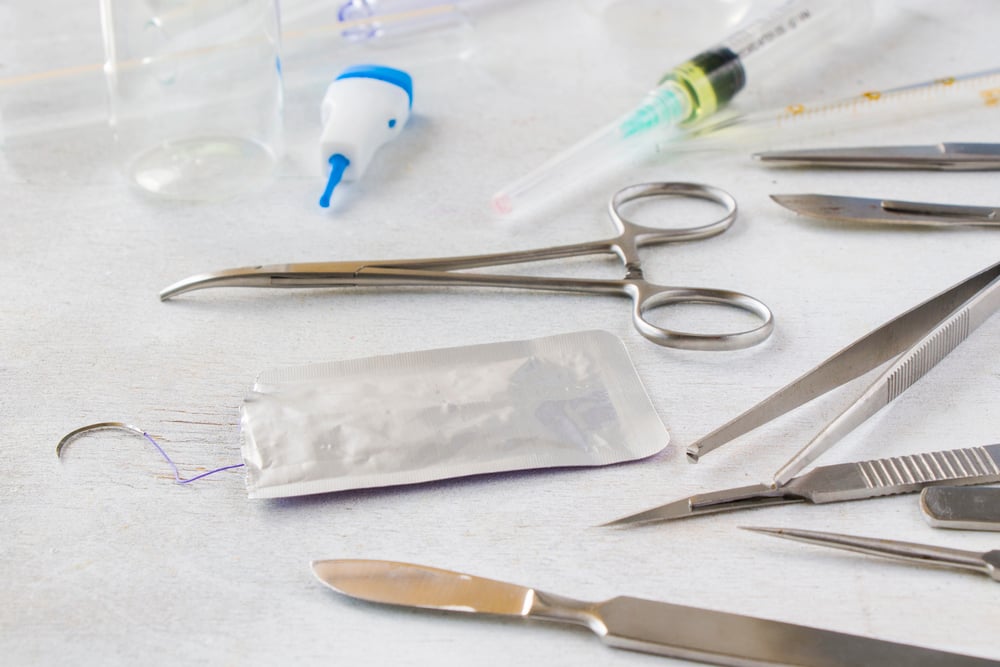
Biology classes once dissected cats, pigs, and other large animals to learn anatomy and physiology. Students would spend weeks working through different organ systems, gaining intimate knowledge of how bodies function.
The experience was often transformative, inspiring many students to pursue careers in medicine or veterinary science. Ethical concerns about animal use and the availability of digital alternatives led most schools to abandon large animal dissections.
Cost and storage issues also made these programs impractical for many districts.
Like Go2Tutors’s content? Follow us on MSN.
Liquid Nitrogen Experiments

Physics teachers would demonstrate the effects of extreme cold using liquid nitrogen, freezing flowers until they shattered like glass and showing how materials behave at -320 degrees Fahrenheit. Students learned about states of matter and molecular motion through these dramatic temperature changes.
The fog effects from liquid nitrogen made the demonstrations especially memorable. Frostbite risks and the potential for creating oxygen-deficient environments led to restrictions on liquid nitrogen use.
Proper handling requires extensive safety equipment that most schools couldn’t afford.
Chemical Volcano Reactions
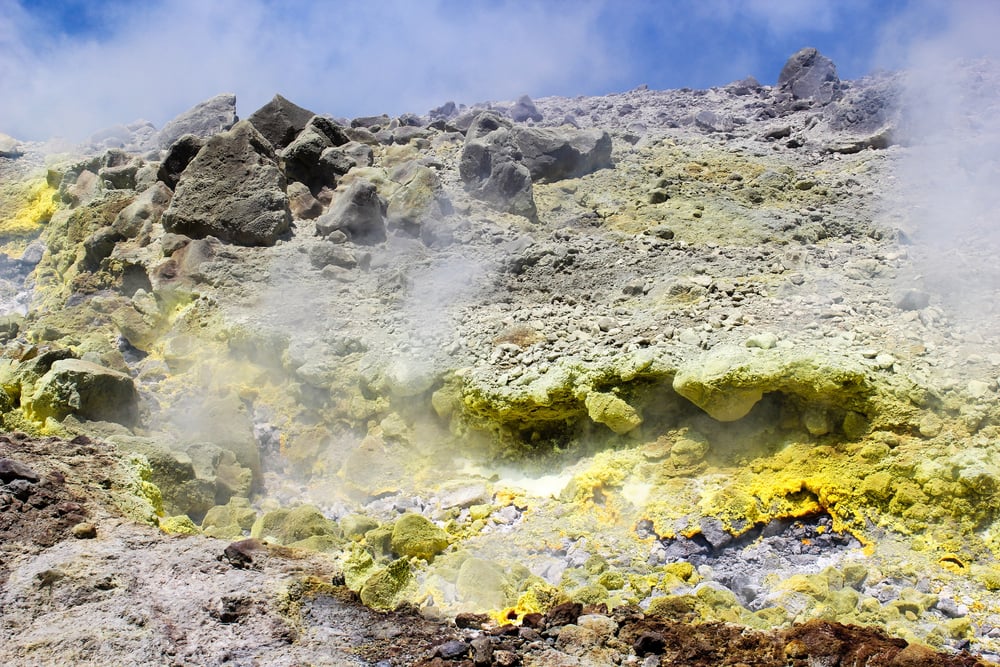
Large-scale chemical reactions would create impressive ‘volcanic’ effects using potassium permanganate, hydrogen peroxide, and soap. These reactions produced towering columns of foam and taught students about catalysis and reaction rates.
The impressive visual effects made chemistry feel exciting and relevant to daily life. The mess created by these reactions and the potential for chemical burns from the concentrated reactants made them impractical for modern classrooms.
Cleanup often required professional hazmat services.
High-Voltage Electrical Experiments

Teachers would demonstrate electrical principles using transformers that produced thousands of volts, creating impressive sparks and arcs. Students learned about electromagnetic induction, transformer principles, and the power of electricity through these high-energy demonstrations.
The crackling sounds and bright flashes made physics feel dramatic and important. Electrocution risks and the potential for equipment damage led to the elimination of high-voltage demonstrations.
Modern physics classes use much lower voltages and extensive safety protocols.
Like Go2Tutors’s content? Follow us on MSN.
When Safety Became the Enemy of Wonder

These banned experiments represent more than just safety concerns—they mark a fundamental shift in how we approach education and risk. While modern classrooms are undoubtedly safer, they’ve also lost some of their power to inspire genuine scientific curiosity.
The controlled chaos of these experiments taught students that science is inherently unpredictable and exciting, lessons that sanitized demonstrations struggle to convey. Today’s students may be safer, but they’re also missing the visceral connection to scientific principles that made previous generations fall in love with discovery.
More from Go2Tutors!

- 16 Historical Figures Who Were Nothing Like You Think
- 12 Things Sold in the 80s That Are Now Illegal
- 15 VHS Tapes That Could Be Worth Thousands
- 17 Historical “What Ifs” That Would Have Changed Everything
- 18 TV Shows That Vanished Without a Finale
Like Go2Tutors’s content? Follow us on MSN.



