Clever Tricks Used In Food Advertising
That burger in the commercial looks perfect.
The cheese is melted just right, the lettuce is crisp and vibrant, and there’s steam rising off the patty like it just came off the grill.
You order it and get… well, something that looks like it went through a car wash and got lost.
Welcome to food advertising, where literally nothing is what it seems.
The food you see in ads isn’t just styled—it’s often not even edible.
Food photographers and stylists have an entire arsenal of tricks to make meals look better than they could ever taste, and some of them are pretty wild when you learn what’s actually going on.
Here’s what’s really happening behind those beautiful food shots.
Motor Oil Instead of Syrup
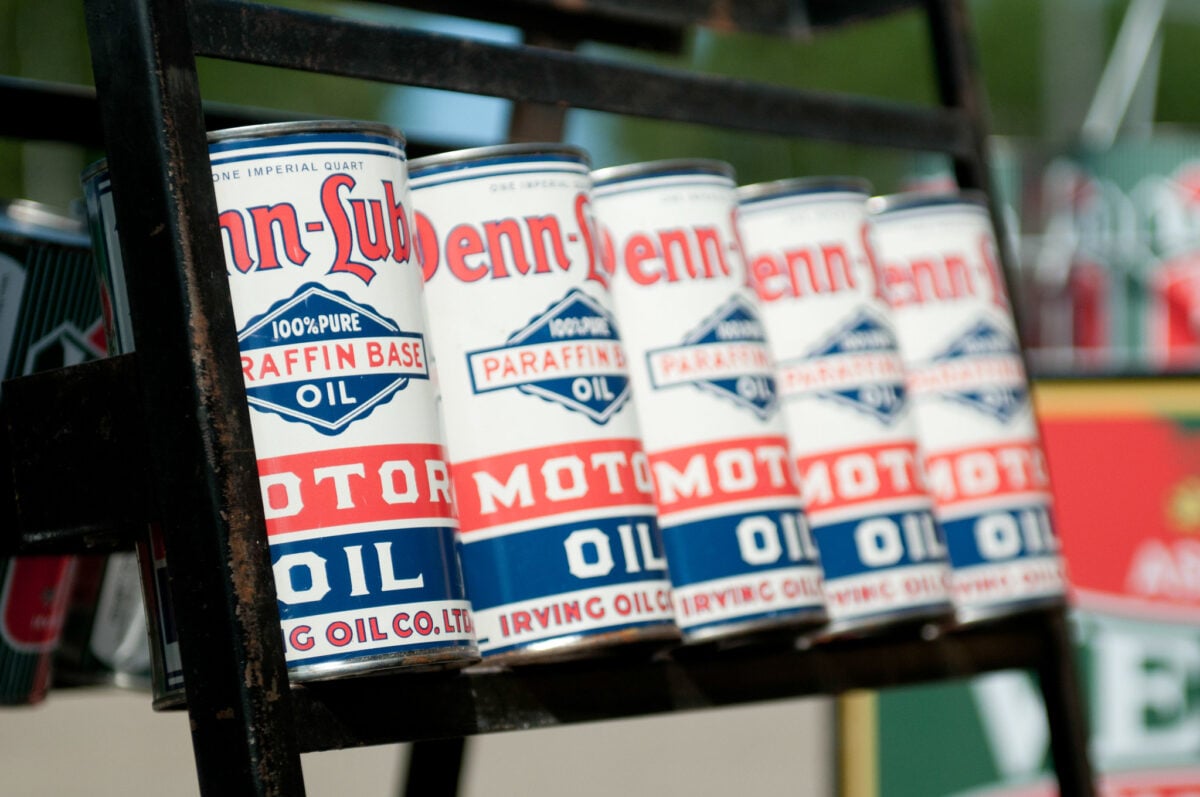
Pancakes in commercials look fluffy and golden with syrup cascading down in slow motion.
But real maple syrup gets absorbed into pancakes immediately, which looks terrible on camera.
So they use motor oil instead (or sometimes other non-food products like furniture polish).
It sits on top, catches the light perfectly, and doesn’t soak in.
You can’t eat it, but you sure want to.
Mashed Potatoes for Ice Cream
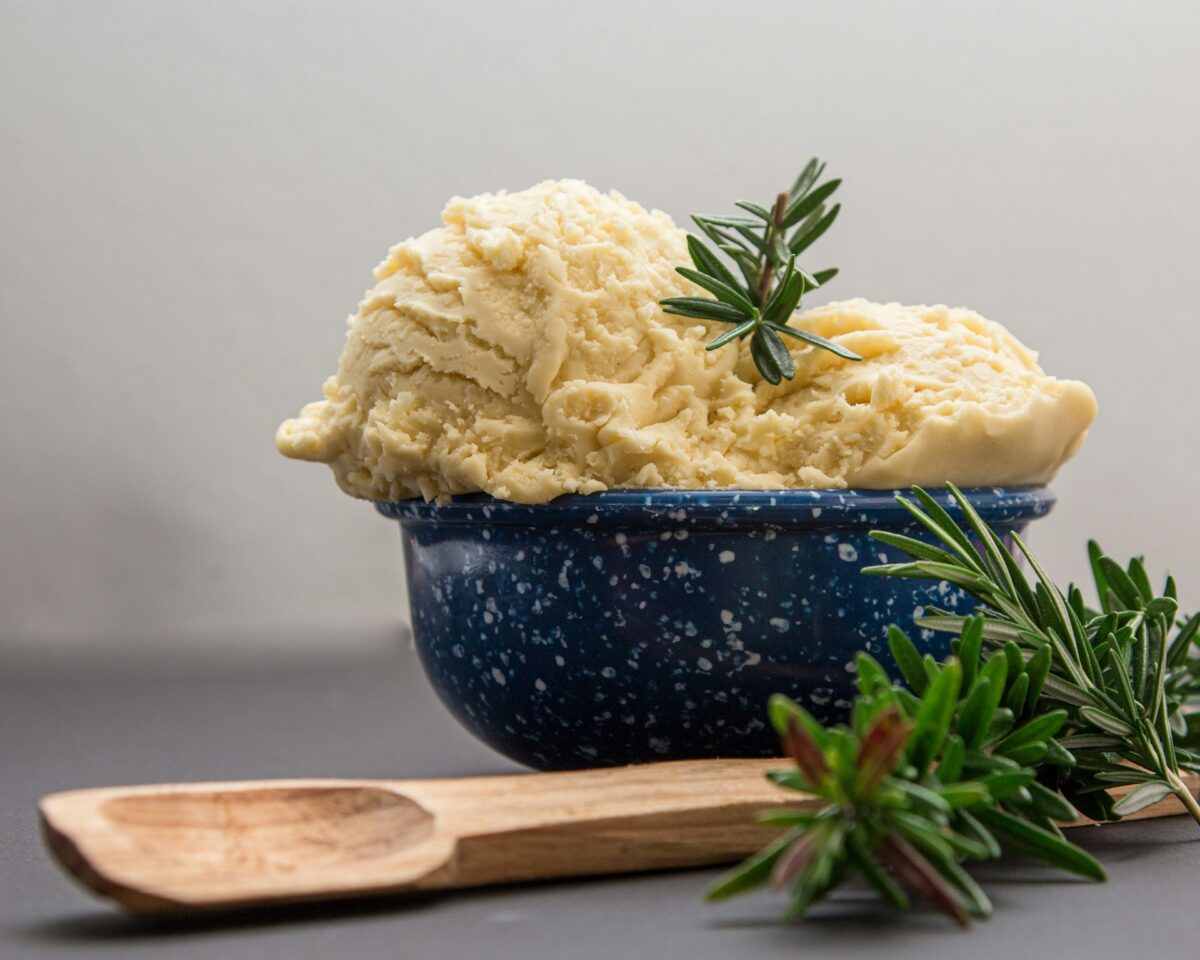
Ice cream melts under hot studio lights, which makes it basically impossible to photograph.
The solution? Mashed potatoes with food coloring.
They hold their shape, don’t melt, and can be scooped to look exactly like ice cream.
Sometimes they’ll use shortening or lard too (depending on what texture they need).
It’s been this way for decades.
Those perfect sundaes with the cherry on top?
Probably potato-based.
Cardboard Spacers in Burgers
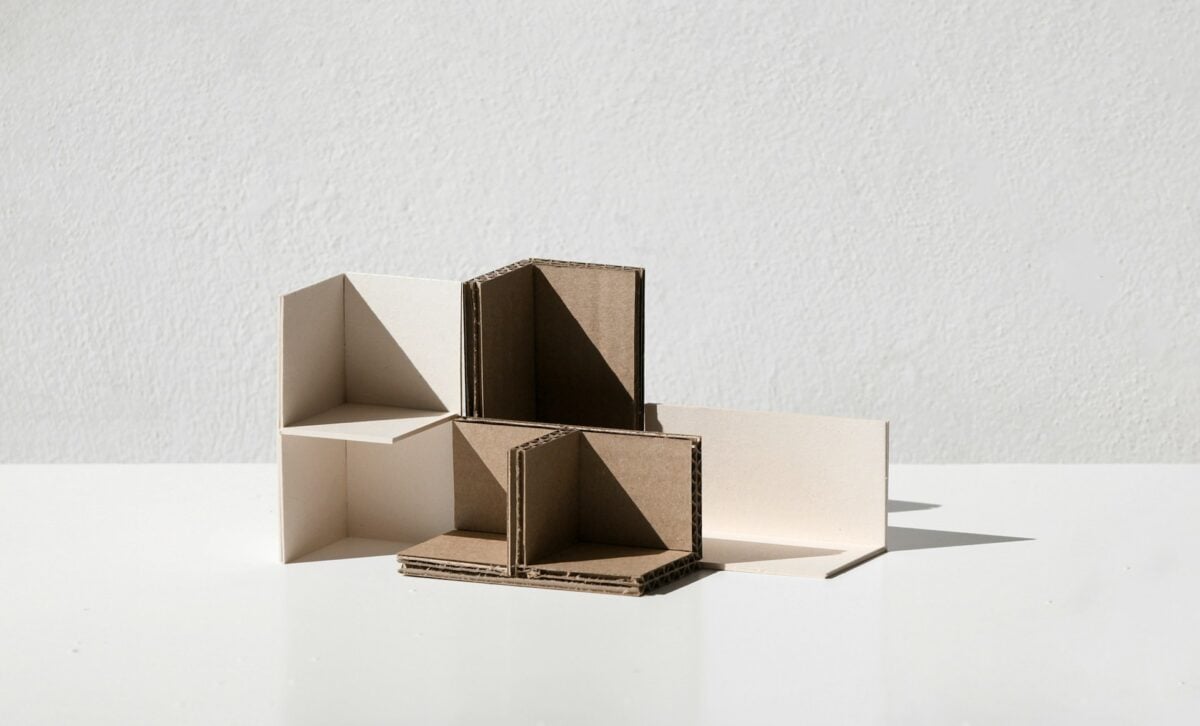
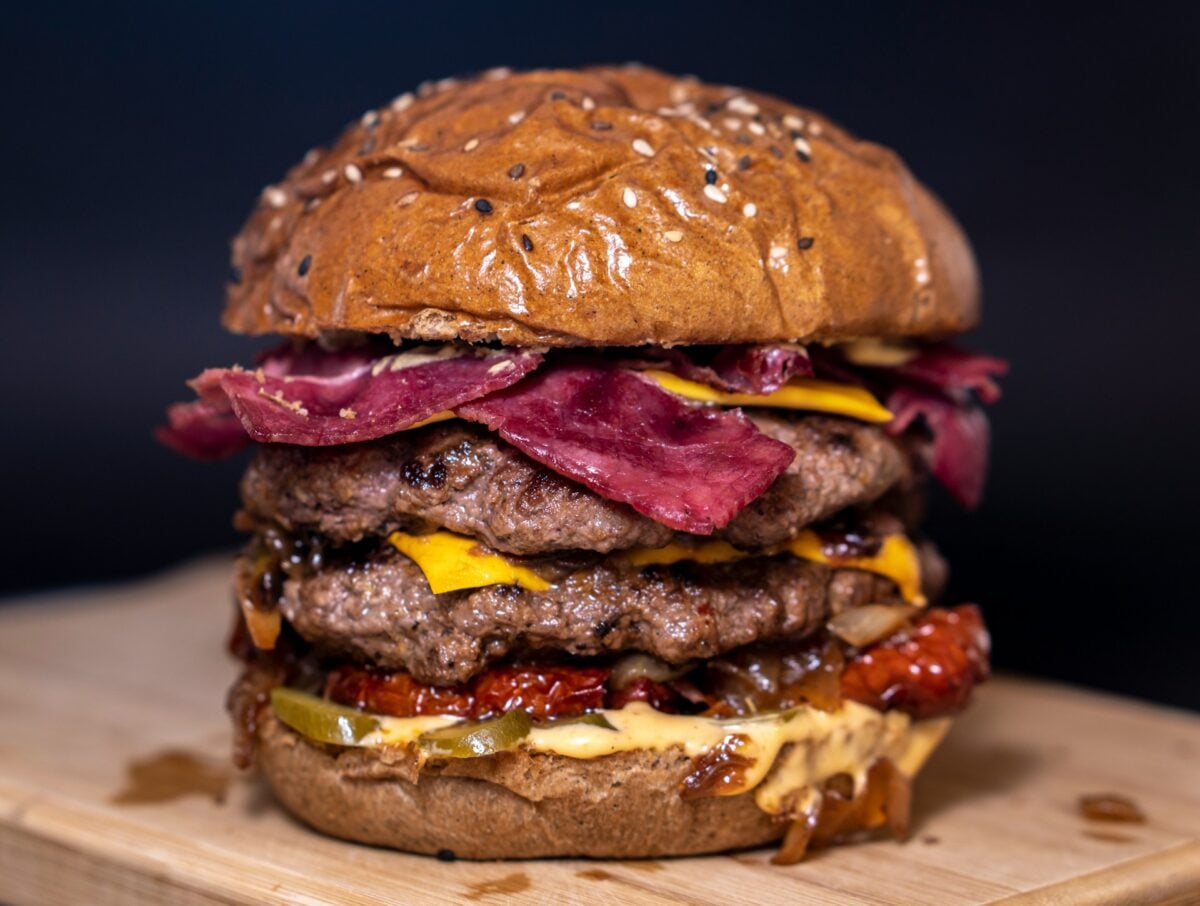
Ever notice how burgers in ads have perfect height and you can see every single ingredient stacked beautifully?
That’s because there are little cardboard spacers hidden between the layers, pushing everything forward and up so it’s visible from the camera angle.
The back of the burger (the part you can’t see) is basically empty.
They also pick through hundreds of sesame seeds to find the perfect ones for the bun, which honestly sounds like the most boring job in advertising.
Shaving Cream for Whipped Cream
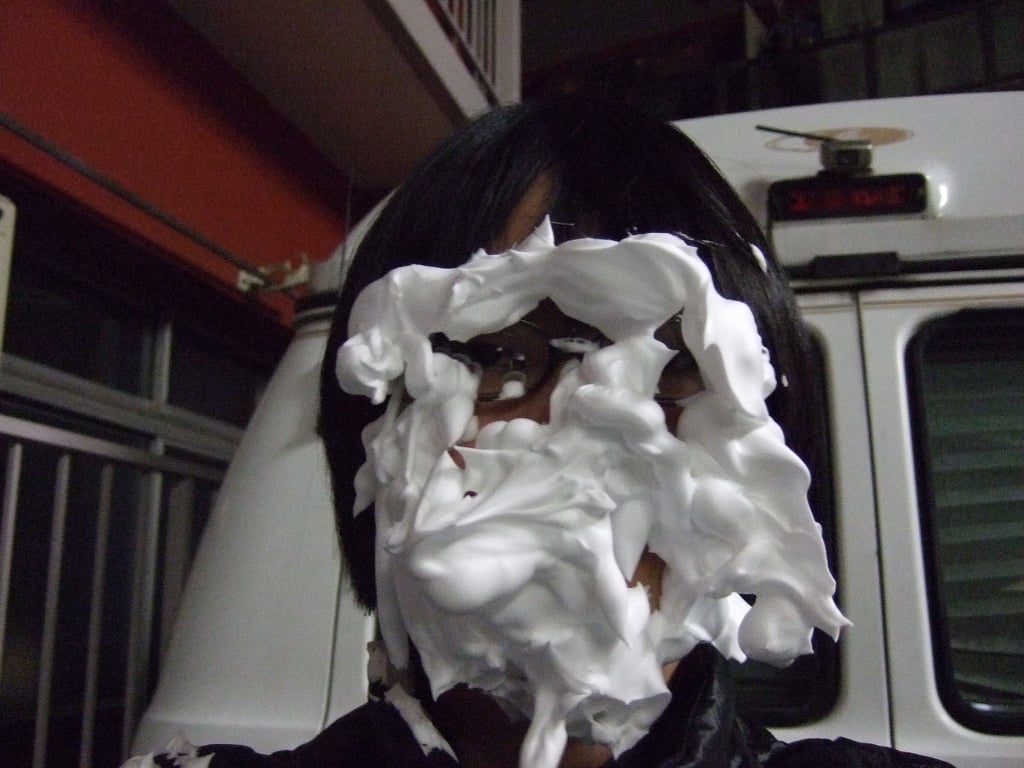
Real whipped cream deflates and gets watery pretty quick under lights.
Shaving cream stays puffy forever and photographs beautifully (it’s also way whiter than actual cream).
They pile it on pies, hot chocolate, coffee drinks, and anywhere else whipped cream needs to look good for more than 30 seconds.
Obviously you cannot eat shaving cream.
But it looks delicious, which is kind of the whole problem with food advertising in a nutshell.
Glue Mixed with Cereal
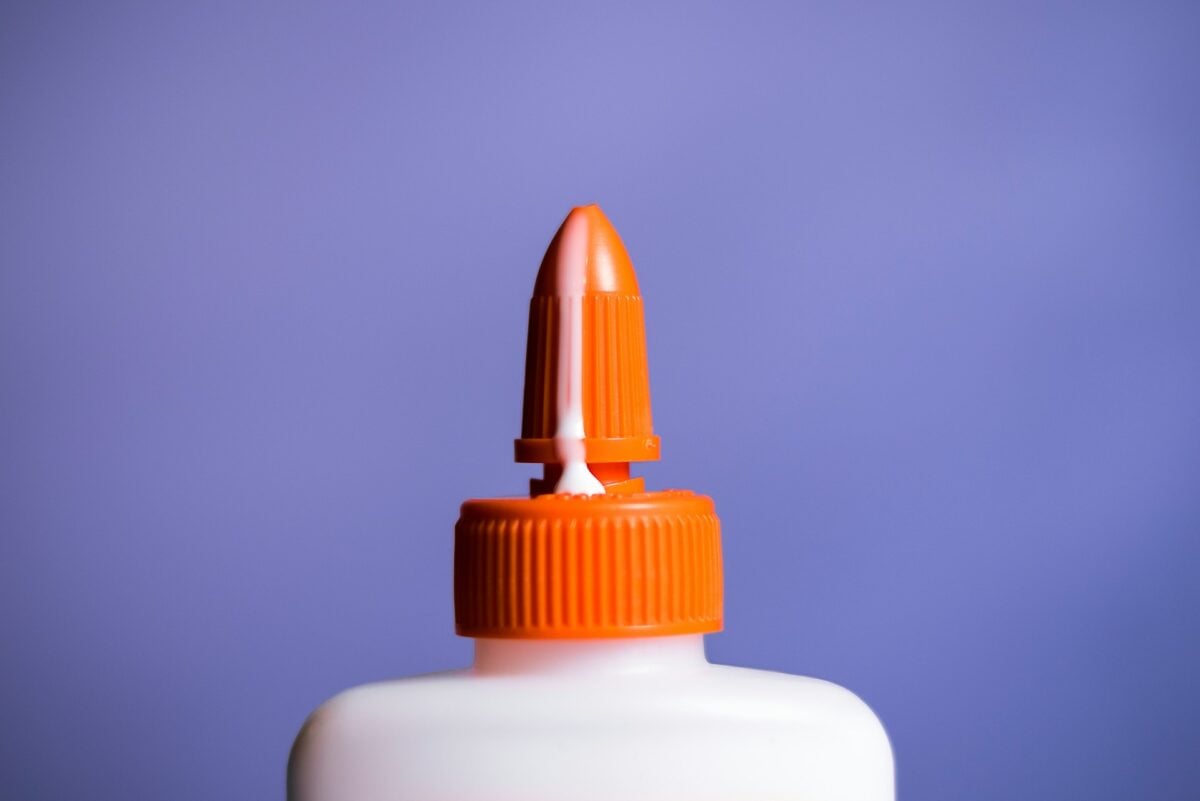
Milk makes cereal soggy immediately, and it’s too thin and translucent to look good on camera.
So food stylists use white glue (like Elmer’s) mixed with a tiny bit of water instead.
It’s thick, opaque, and keeps the cereal floating on top looking fresh and crunchy.
The cereal in the ad probably sat in that bowl for hours while they got the shot right (try that with real milk and see what happens).
Shoe Polish and Blowtorches on Meat
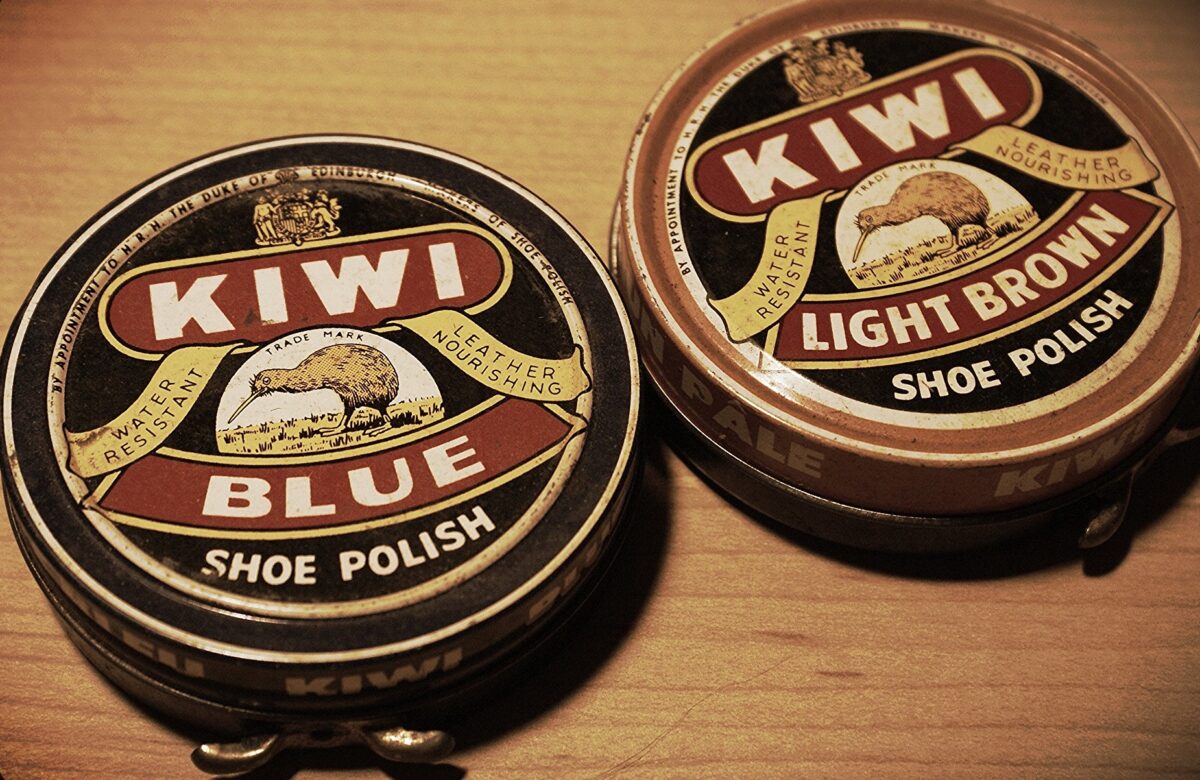
Getting those perfect grill marks on a steak?
They literally use shoe polish and a blowtorch, or sometimes just a heated metal skewer to burn lines into the meat.
The meat itself is usually severely undercooked because raw meat has better color—it’s redder and looks juicier.
Cooked meat turns brown and gray, which doesn’t sell.
So they sear the outside just enough for texture but leave the inside basically raw.
Hairspray on Fruit
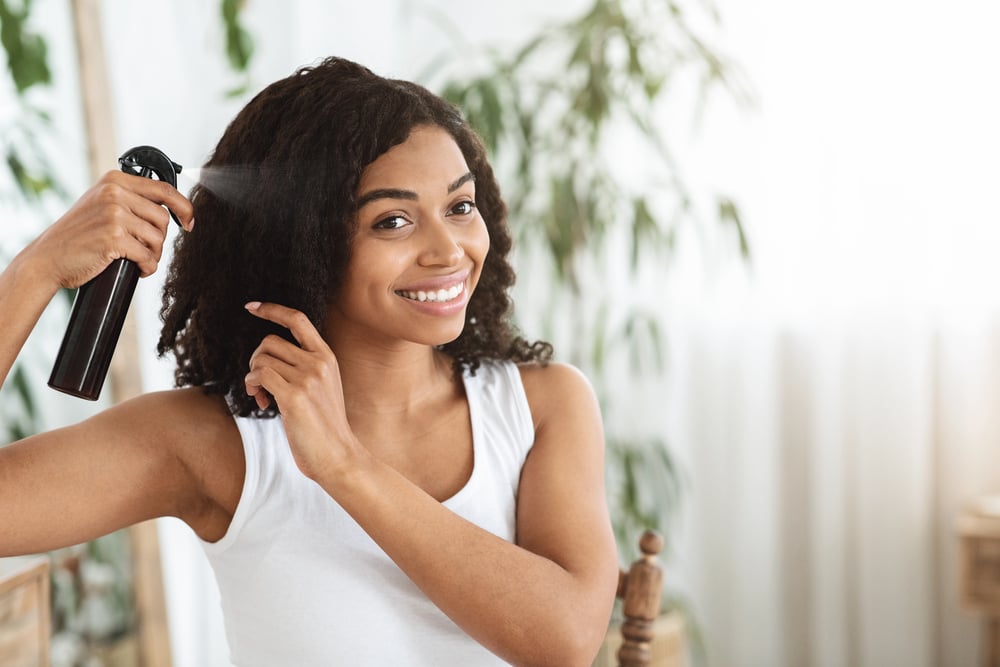
Fresh fruit looks dull on camera, so they spray it with hairspray or other aerosols to make it shiny.
Sometimes they’ll also apply glycerin to create fake water droplets that catch the light.
It makes strawberries and grapes look like they just got washed and are bursting with freshness (when really they’ve been sitting on a set covered in chemicals for hours).
This is why you should never eat the food from commercials even if someone offered. Which they won’t.
Glycerin for Fake Condensation
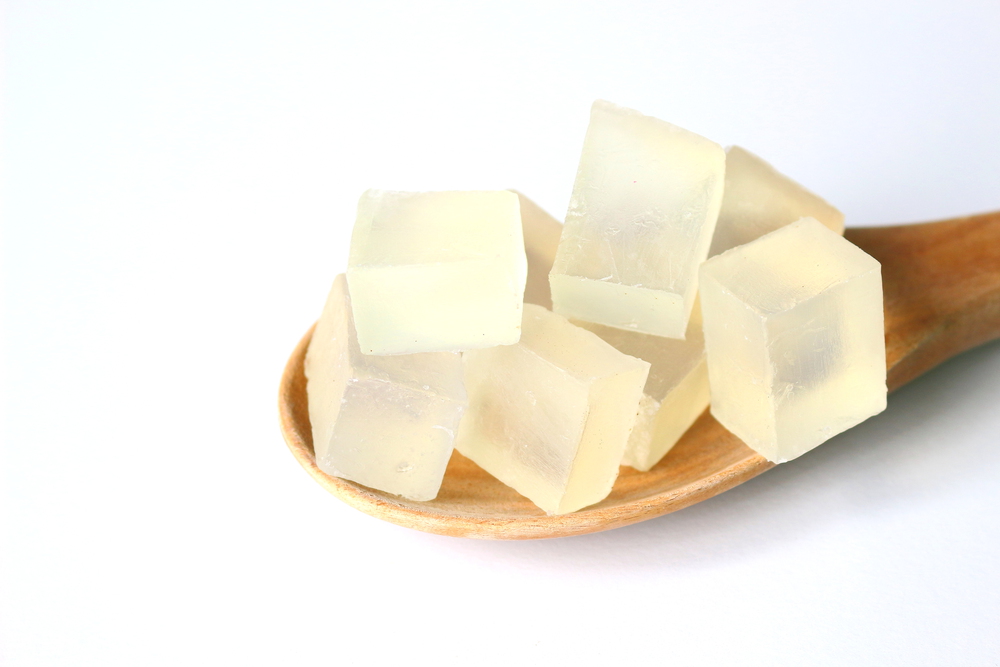
Those beads of water running down a cold beer bottle or soda can? Glycerin and water mixture sprayed on.
Real condensation doesn’t happen on command and it doesn’t look as dramatic.
Glycerin is thicker so the droplets are bigger and more visible, plus they stay exactly where you spray them instead of just running off immediately.
They’ll spend like 20 minutes getting the condensation pattern just right.
Meanwhile the actual beverage inside is room temperature.
Dish Soap in Coffee and Beer
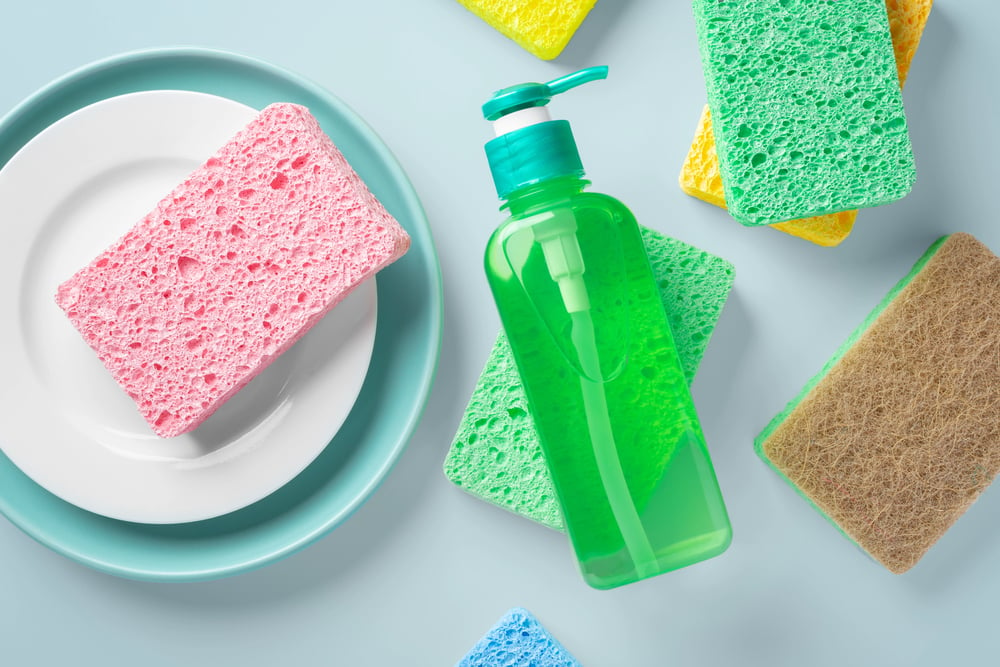
Bubbles make drinks look fresh and appealing, but real bubbles pop quickly.
Add a drop of dish soap to coffee or beer and you get long-lasting foam that looks perfect.
Some stylists use a handheld steamer pointed at the liquid to create bubble action that lasts through the entire shoot.
The coffee in coffee commercials is often not even coffee—they’ll use gravy browning or other substances mixed with water because actual coffee doesn’t photograph as rich and dark as you’d want.
Tweezers and Tiny Tools for Perfect Placement
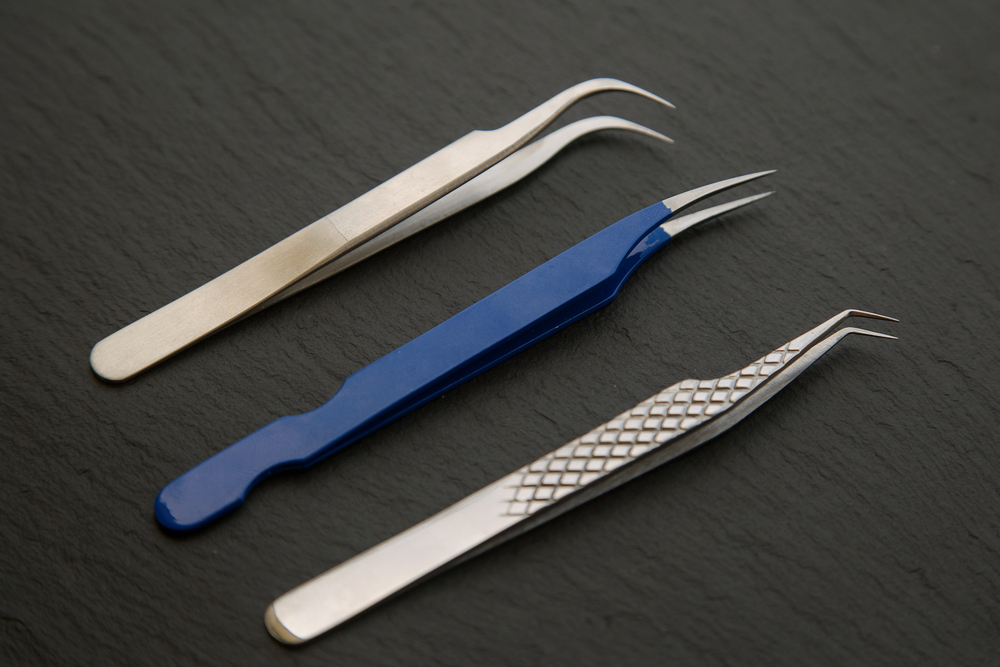
Food stylists use tweezers, syringes, brushes, and all sorts of tiny tools to place every single element exactly right.
Each sesame seed is positioned.
Each drop of sauce is applied with precision.
They might spend an hour on one burger getting the lettuce to curl just right or the tomato slice to sit at the perfect angle.
It’s basically food surgery.
There are people whose entire job is just moving pickles around with tweezers.
Acrylic Ice Cubes
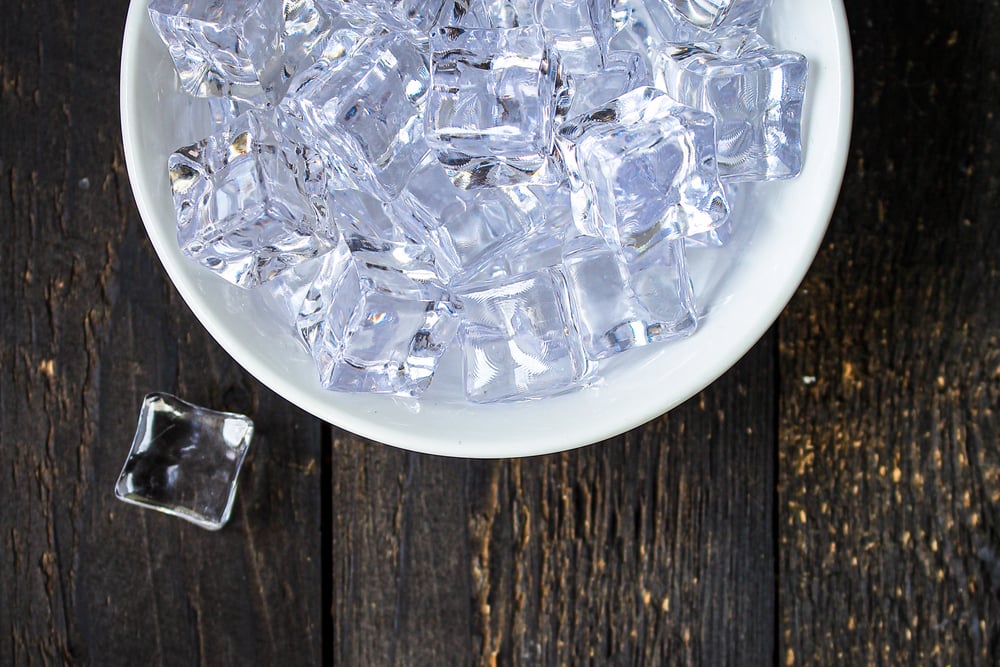
Real ice melts and also makes drinks look cloudy and diluted.
Acrylic or glass ice cubes don’t melt, they’re perfectly clear, and they stay exactly where you put them.
The drink stays at the perfect level in the glass (no overflow from melting ice) and everything looks crisp and refreshing for as long as the shoot takes, which might be hours.
You can actually buy these for home use if you want your drinks to look like ads (but taste like room temperature disappointment).
Selective Food Coloring and Enhancement
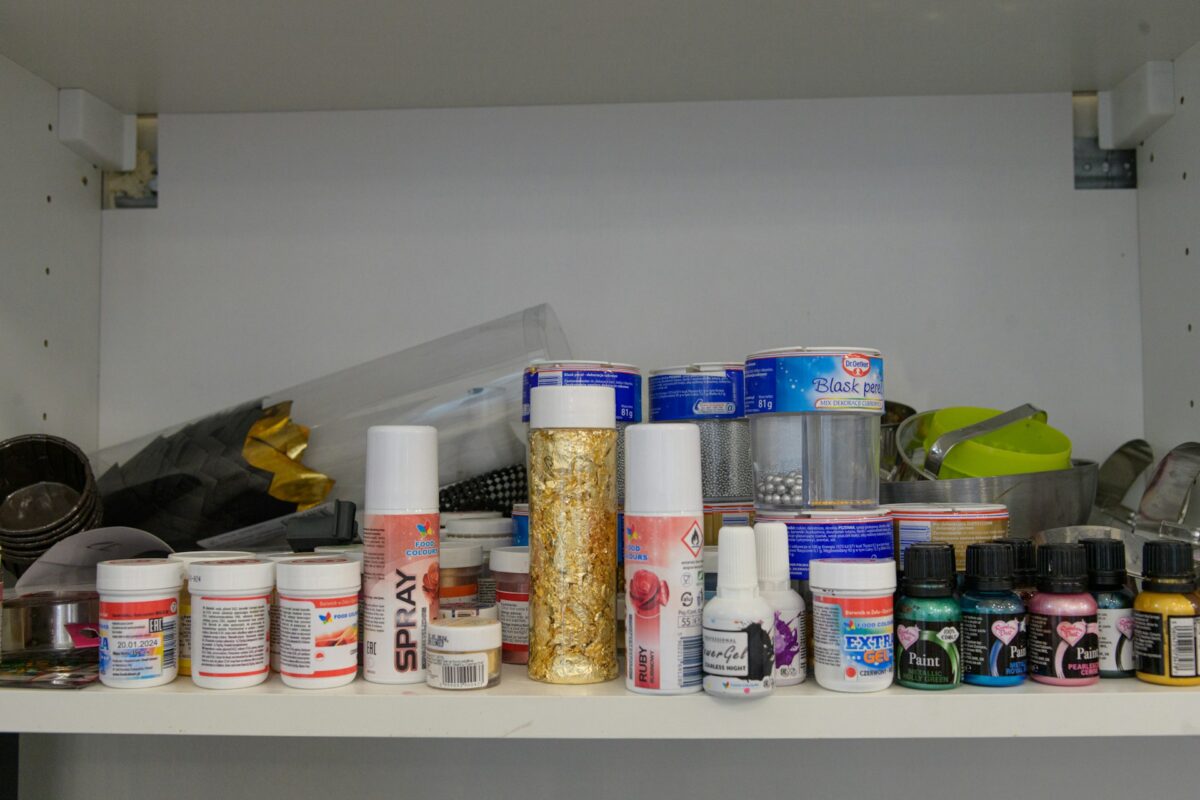
Food stylists add color to everything.
They’ll brush soy sauce on meat to make it browner, paint oil on vegetables to make them shine, and use food coloring to make things more vibrant.
That golden-brown turkey?
Probably painted.
The bright red strawberries?
Enhanced.
Even things that are already food get made to look less like food and more like an idealized version of food that doesn’t exist in nature.
And then there’s stuff like spraying deodorant on grapes (I’m not kidding) to give them that frosted look.
The Legal Gray Area
So here’s the thing—in the US, the FCC has rules that say if you’re advertising a specific food product, the hero product has to be real.
If it’s a McDonald’s burger ad, the burger has to be an actual McDonald’s burger (though they can style it heavily).
But everything around it can be fake.
The ice cream can be potatoes, the syrup can be motor oil, the steam can be from a hidden device.
Other countries have different rules.
Some places require all food in ads to be edible. Some don’t care at all.
Why We Fall For It Every Time
You know all this now, and you’ll still get hungry watching food commercials.
Because we eat with our eyes first, and advertisers have spent decades perfecting exactly what triggers that response in our brains.
The lighting, the angles, the styling—it’s all designed to hit the pleasure centers that make us crave food.
Even fake food made of inedible materials photographed to look like something you’d never actually encounter in real life.
We’re basically hardwired to fall for it, and knowing the tricks doesn’t really help.
More from Go2Tutors!

- The Romanov Crown Jewels and Their Tragic Fate
- 13 Historical Mysteries That Science Still Can’t Solve
- Famous Hoaxes That Fooled the World for Years
- 15 Child Stars with Tragic Adult Lives
- 16 Famous Jewelry Pieces in History
Like Go2Tutors’s content? Follow us on MSN.